
This Nevada Farm Sanctuary Is Built Around Comfort, Care, And Second Chances
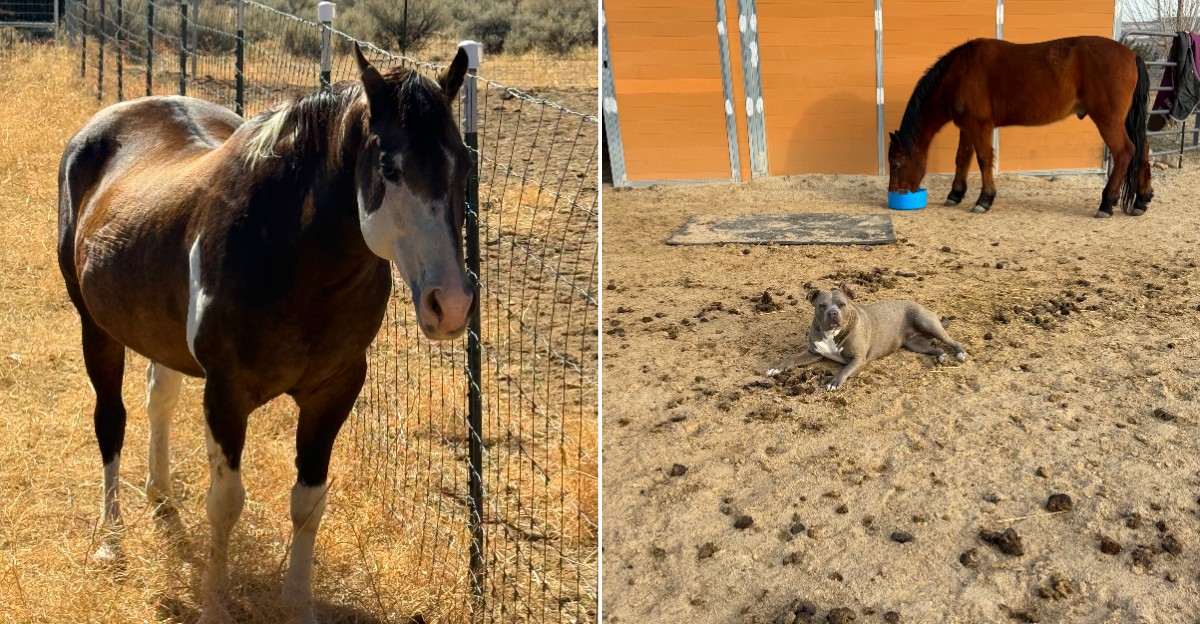
Some places get under your skin for all the right reasons. You arrive expecting a quiet visit, then find yourself slowing down, watching closely, and caring about animals you met only minutes ago.
Up in northern Nevada, rescued horses, donkeys, dogs, and other animals are given something simple but powerful: time, patience, and steady care. Many have come from difficult situations, and each one carries a different story.
The work here is hands-on every single day. Feeding. Cleaning. Medical care. Gentle attention. Plenty of patience.
Visitors can meet the animals, learn how they arrived, and see what rehabilitation really looks like beyond the feel-good headlines. It is warm, eye-opening, and surprisingly personal.
This is not a flashy attraction built around spectacle. It is a place where small acts of care add up, one animal at a time.
A Barnyard Built On Second Chances
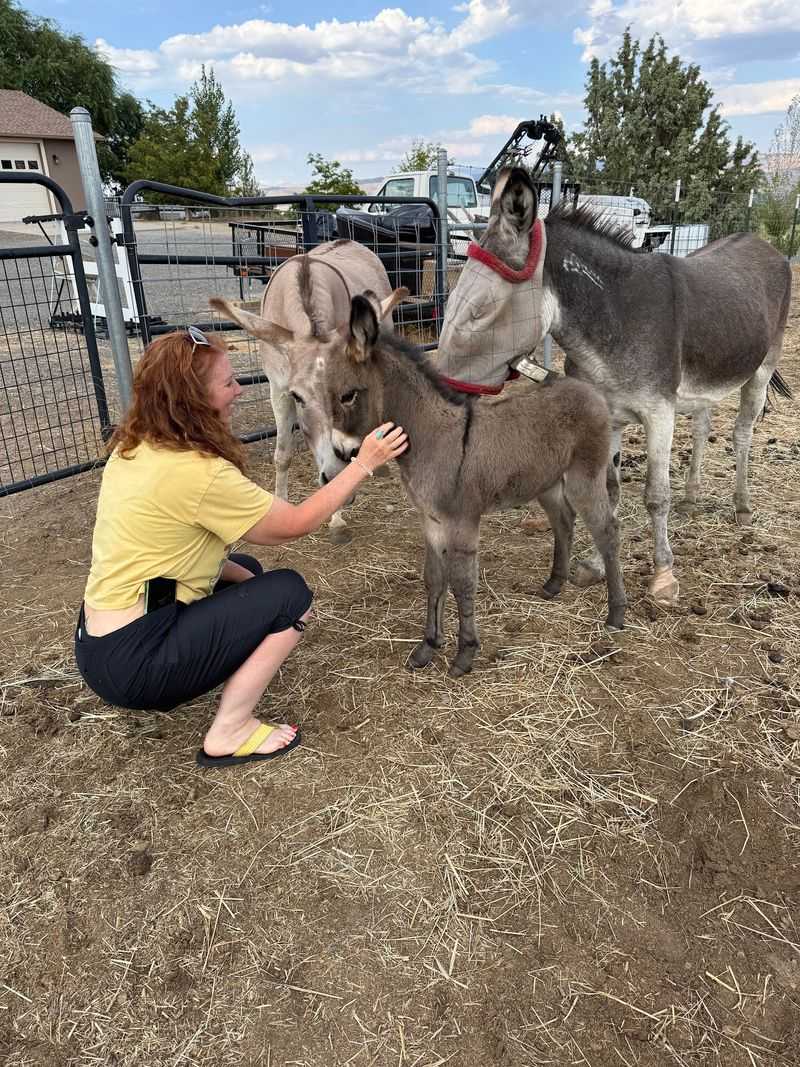
Most farm animals never get a do-over. Grandma’s Barn Rescue & Sanctuary exists for the ones who do, taking in horses, donkeys, dogs, and other animals in need who lost their homes for reasons that had nothing to do with them.
Animals arrive with different histories and care needs, and the rescue works to give them a safe place to recover. The work starts with basics like food, water, shade, and a quiet space to settle.
You will notice that nothing here feels rushed. Animals get weeks or months to adjust, and no one forces interaction before they are ready. That patience is the whole point.
Nevada has a strong rural tradition, which means plenty of livestock and, unfortunately, plenty of animals who end up without anyone to care for them. A rescue like this helps fill that gap through sanctuary, fostering, rehabilitation, and adoption.
When you visit, you should ask about individual animals and how they arrived. Staff and volunteers can usually share background details that help you understand the rescue process.
Hearing those stories changes how you see the animals in front of you. They stop being livestock and start being individuals with histories worth knowing.
Comfort Comes First For Every Resident
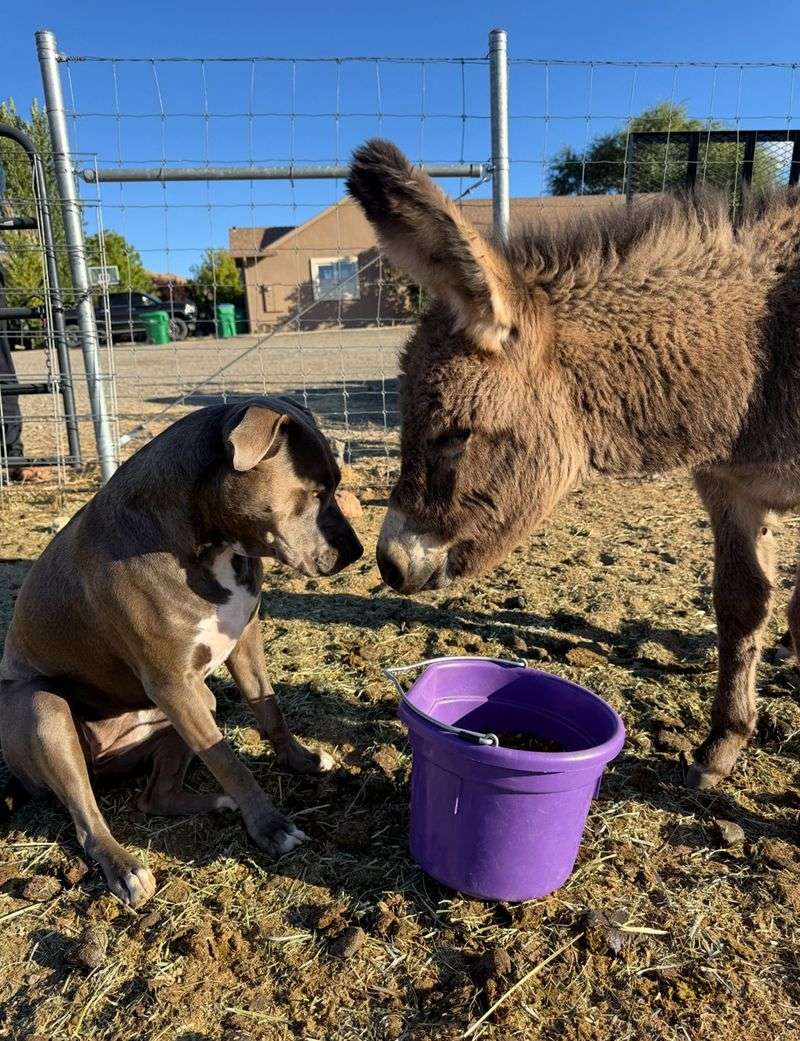
Clean bedding, fresh water, shade in summer, and windbreaks in winter sound simple until you realize how much labor they require every single day. Comfort is the organizing principle at Grandma’s Barn Rescue & Sanctuary, and you can see it in the details.
Northern Nevada weather swings hard. Summer afternoons bake, and winter nights drop well below freezing, so shelters have to work in both directions. Bedding, pens, and water supplies all require regular attention, especially when temperatures climb.
Older animals may need extra consideration, like softer footing, easier access to feed, or a smaller pen away from pushier neighbors. Those adjustments come from watching animals closely and noticing small changes in behavior.
You should pay attention to how the enclosures are arranged during your visit. Grouping compatible animals together reduces stress and prevents bullying at the feed trough.
It is a practical lesson in animal care that applies far beyond a sanctuary. If you keep chickens, goats, or even a backyard rabbit, the same principles hold. Comfort is not a luxury for rescued animals. It is the foundation that makes healing possible in the first place.
Meet The Horses, Donkeys, And Other Rescue Residents
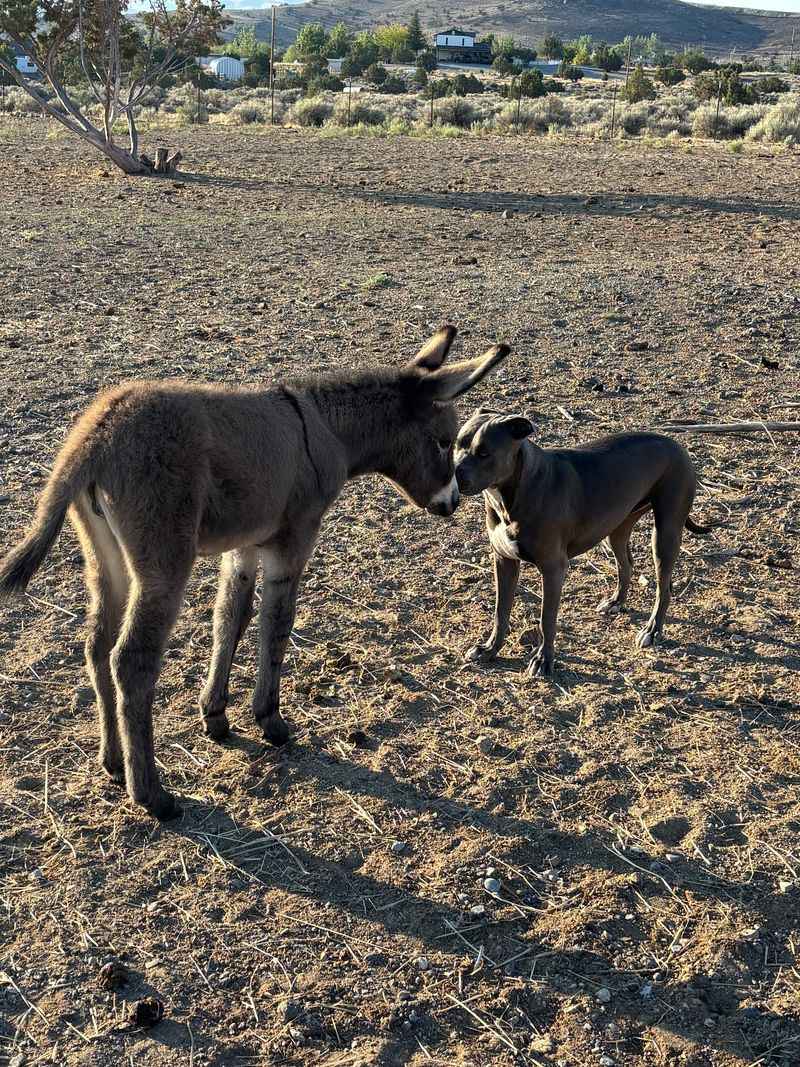
The animals at Grandma’s Barn Rescue & Sanctuary include horses, donkeys, dogs, and other residents receiving care in northern Nevada.
Each animal arrives with a different background, which means care is not one-size-fits-all. Some may need time to settle into a new environment, while others are more comfortable around people from the start.
Horses and donkeys can be especially expressive once you spend a little time watching them. Ear position, posture, movement, and distance all reveal how comfortable an animal feels in the moment.
That is why visitors should move calmly and let the animals set the pace. Ask before touching or feeding anything, and follow the sanctuary team’s guidance during your visit.
The rescue focuses on giving animals the time, space, and consistent care they need. Some may eventually move into adoptive homes, while others may remain in sanctuary care.
Spending time around them makes the work easier to understand. Rescue is not only about bringing an animal somewhere safe. It is also about rebuilding routines, trust, and stability one day at a time.
Planning Your Visit To Sparks
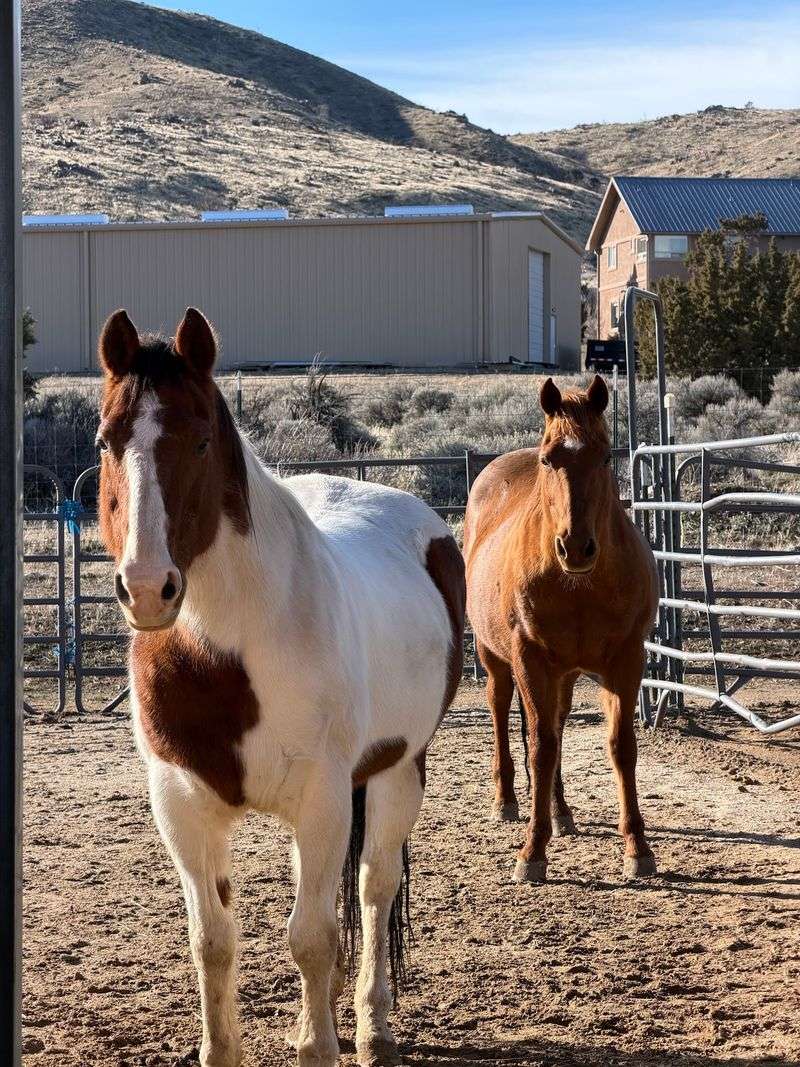
Getting there is easier than you might expect. You will find Grandma’s Barn Rescue & Sanctuary at 7895 Patrina Way, Sparks, NV 89436, a short drive from the Reno-Sparks area and reachable in well under half an hour from most parts of town.
The organization lists daily hours of 9 AM to 5 PM, though a working sanctuary runs on animal schedules. Calling ahead before you go can help confirm current hours and save you a wasted trip.
Reaching out first also lets the team prepare. Feeding times, veterinary appointments, and new arrivals can all affect whether visitors can come through on a given day.
You should wear closed-toe shoes you do not mind getting dirty. Barnyards are dusty, muddy, and full of things you would rather not step in with sandals.
Bring water, especially in summer. Nevada sun at midday is no joke, and there is limited shade once you are out among the pens. Hats and sunscreen help too. Morning visits tend to be cooler and the animals are usually more active before the afternoon heat settles in.
How Volunteers Keep The Whole Place Running
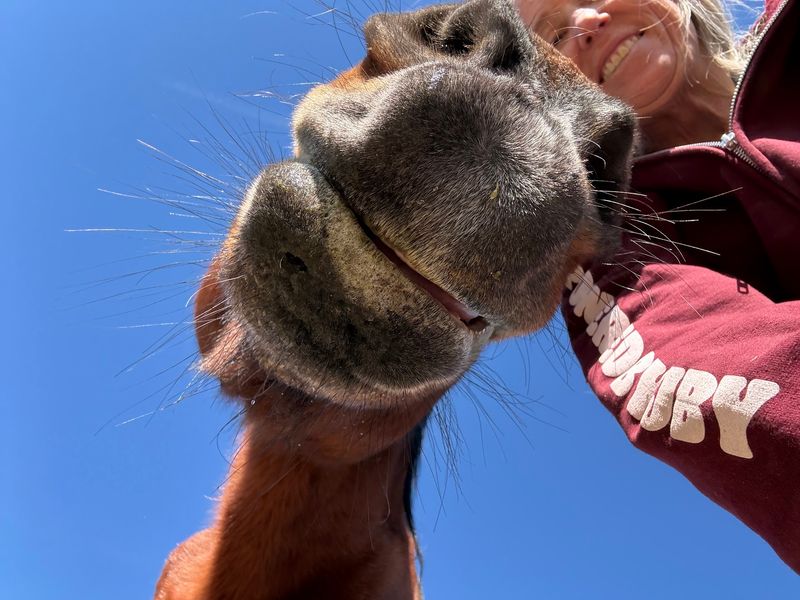
Behind every calm, well-fed animal is somebody who got up early. Volunteers carry the daily load at Grandma’s Barn Rescue & Sanctuary, handling feeding, mucking, water hauling, fence repairs, and the unglamorous chores that never stop.
Volunteers can help support the sanctuary’s work, although specific duties and current needs may change. Contact the rescue directly to learn about available volunteer opportunities and what kind of help is needed.
Physical work is part of it. Hay bales are heavy, wheelbarrows get full, and Nevada weather does not always cooperate.
People still come back week after week because the results are visible. You see an animal gain weight, grow a healthier coat, or finally walk up to a person without flinching.
If you want to get involved, contact the sanctuary directly to ask about current needs. Availability depends on how many animals are in care and what projects are underway.
Lessons Kids Actually Remember
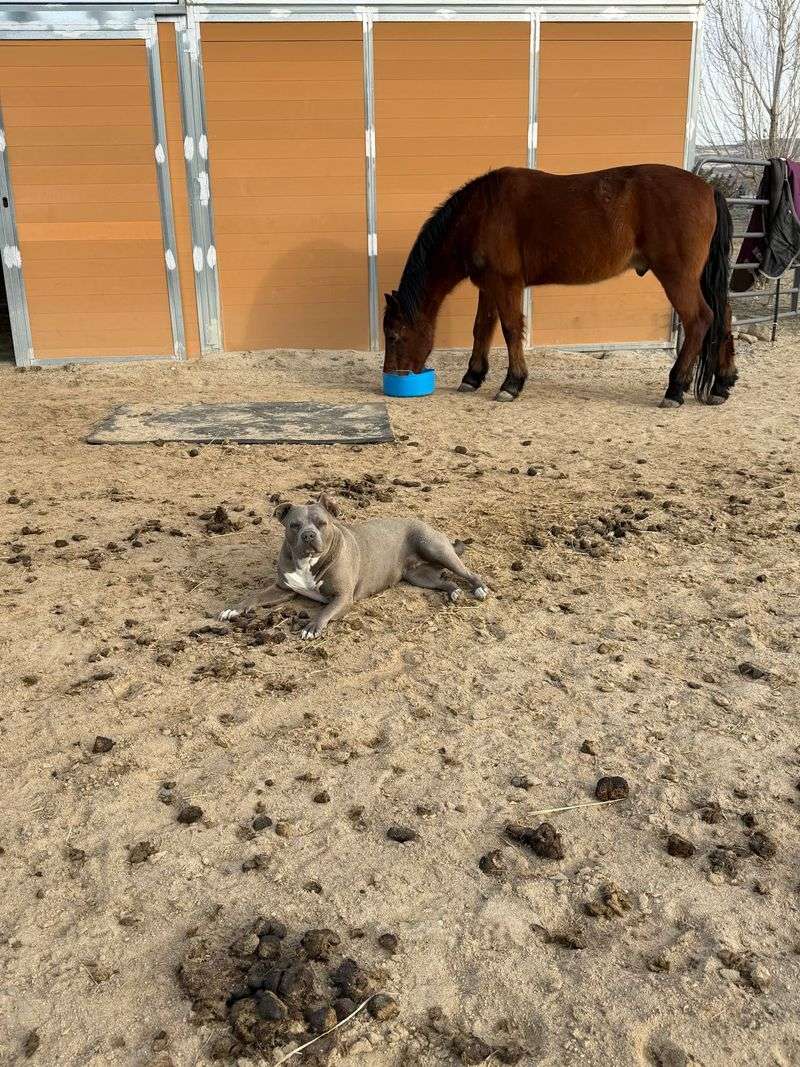
Try explaining empathy to a nine-year-old in a classroom. Now let that same child see firsthand how patience, routine, and careful handling shape an animal’s recovery.
Grandma’s Barn Rescue & Sanctuary gives families a setting where kindness stops being abstract. Children see the direct connection between effort and an animal’s wellbeing.
Younger visitors learn to use quiet voices and slow movements. Animals reward that behavior by relaxing, which teaches cause and effect faster than any lecture would.
You should talk with your kids before arriving about rules like asking permission, not chasing animals, and keeping hands away from mouths and hooves. Clear expectations make the visit smoother.
Handwashing matters too. Barnyards carry germs, so clean hands before snacks and before leaving are non-negotiable.
Older children often get curious about the medical side, asking how hooves get trimmed or why certain animals need special food. Those questions open real conversations about responsibility.
Many Nevada families use visits like these as a starting point for discussions about pet ownership. Seeing the long-term commitment up close gives kids a realistic picture of what caring for an animal actually involves.
Supporting The Work Without Taking Home An Animal
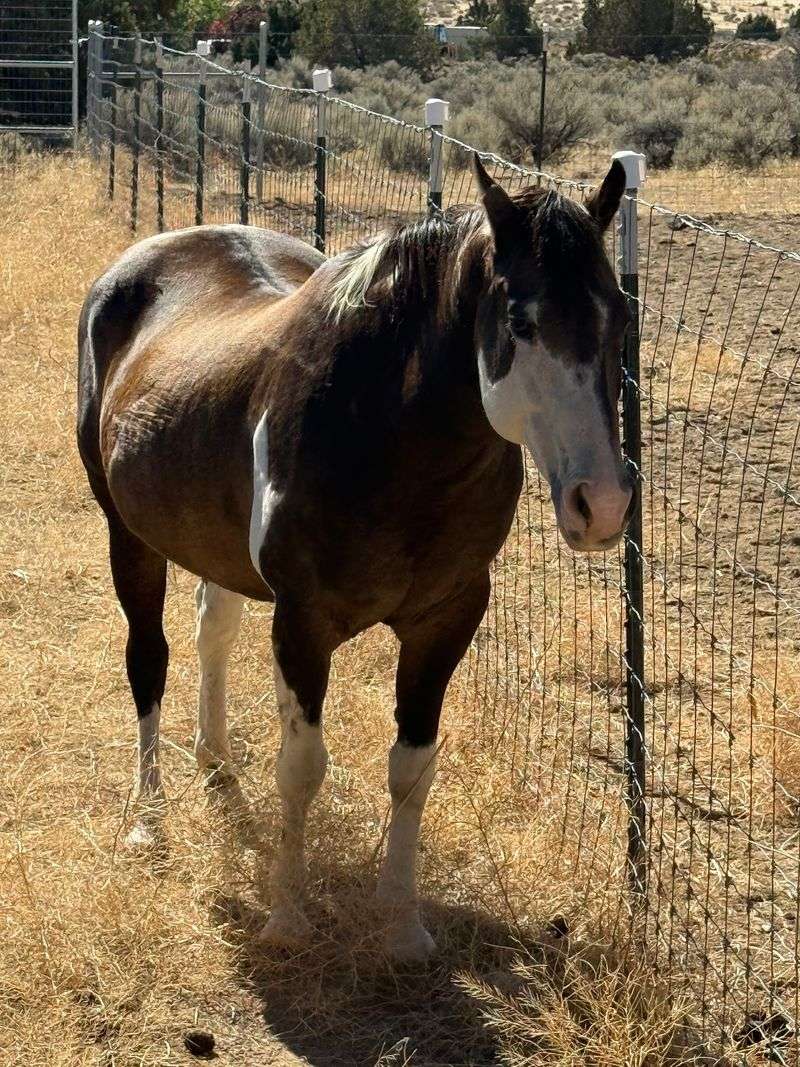
Not everyone has acreage, a barn, or the time to care for a pig. The good news is that supporting Grandma’s Barn Rescue & Sanctuary does not require any of that.
Feed is one of the ongoing expenses at a farm sanctuary. Hay, grain, and specialty diets add up fast when you are feeding multiple species year-round.
Veterinary and other animal-care costs can add up as well. Hoof trimming, dental work, vaccinations, and treatment for old injuries all need funding.
You can contribute through the sanctuary website, where donation and wish list information is usually posted. Contacting the organization directly is the best way to learn what they need at the moment. Supply donations often help as much as money.
Sharing their social media posts costs nothing and genuinely expands their reach. More visibility means more volunteers and more support across Nevada.
Some people organize small fundraisers through schools, workplaces, or community groups. Those efforts tend to bring in new supporters who had never heard of the place before. Every bit of help translates into something concrete for the animals.
Why A Stop Here Stays With You
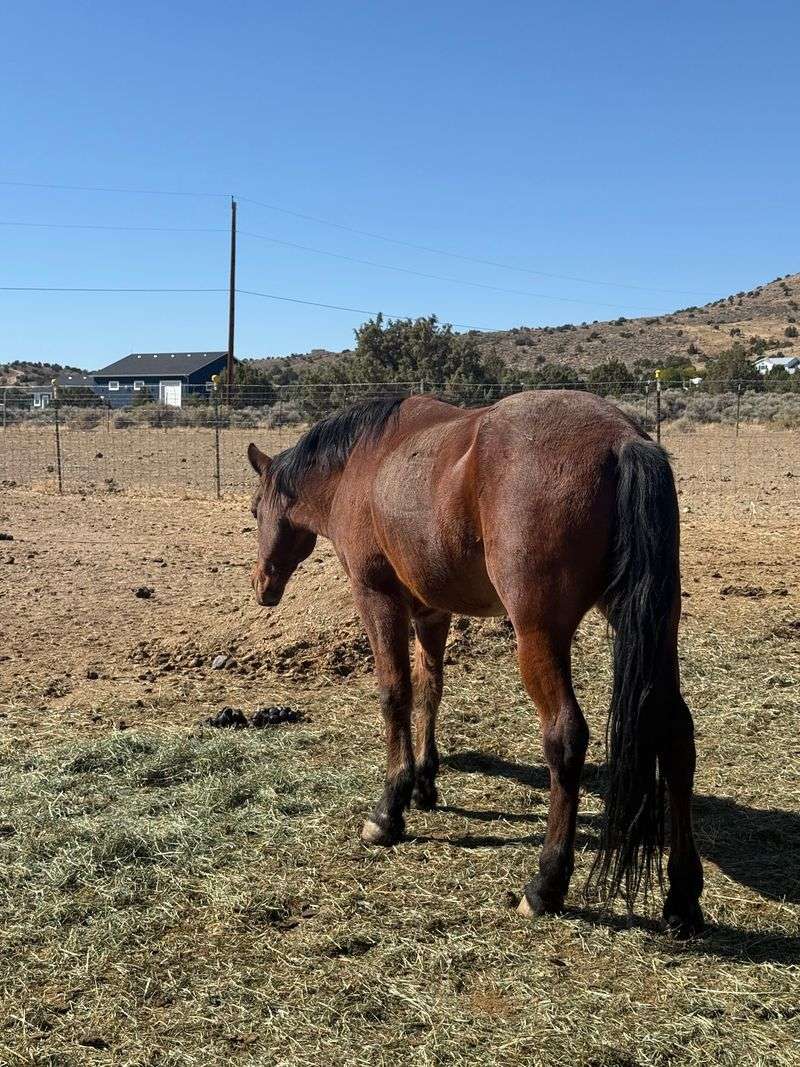
You leave quieter than you arrived. That seems to be the common thread for people who spend time at Grandma’s Barn Rescue & Sanctuary, watching animals who once had nothing settle into ordinary, comfortable days.
Nothing about the place is flashy. The value is in seeing what consistent care looks like when someone commits to it fully. You get a clearer sense of what animals need, how much work goes into meeting those needs, and why rescue organizations matter in rural communities.
The Sparks location makes it an easy addition to a weekend in the Reno area. You can pair it with time outdoors and still have most of your day left.
Call ahead, respect the animals’ space, and come ready to listen more than talk. Those three things will make your visit worthwhile.
What sticks with most visitors is not a single animal or moment. It is the reminder that second chances are built slowly, through small daily actions rather than grand gestures.
Nevada has plenty of places worth seeing. Few of them will leave you thinking about kindness on the drive home.