
These 10 Montana Towns Rank Among The Safest Places To Live In 2026
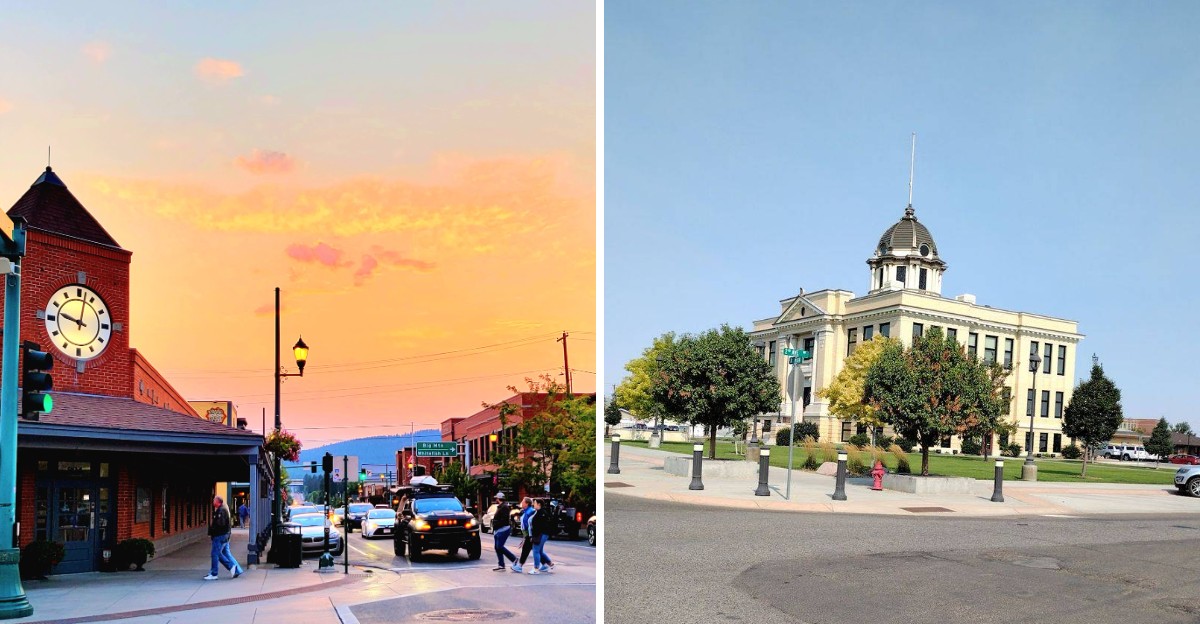
Feeling safe at home should never feel like a luxury. In Montana, several communities are standing out in 2026 for low crime rates and a calmer pace of everyday life.
You could say they are putting the “peace” in peace of mind. Quiet streets, familiar faces, and a slower rhythm can make daily life feel a little easier.
What makes the list interesting is how different each place feels. One town may have mountain views and a lively downtown, while the next feels more like a classic small community where neighbors still know each other.
Montana has always been known for wide-open scenery, but safety deserves just as much attention. If you have ever wondered which places feel especially calm and secure, these communities give you plenty to think about before your next move.
1. Libby
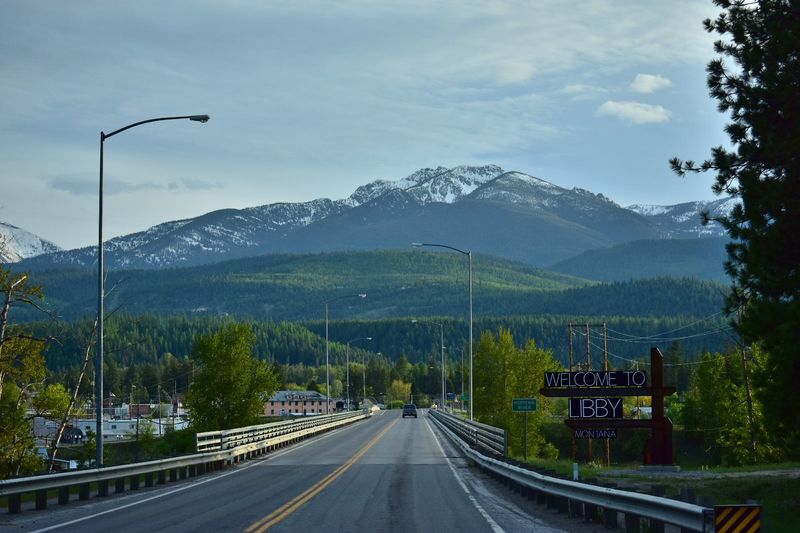
Timber built this place, and the forest still surrounds it. Libby sits in Montana’s far northwest corner, tucked under the Cabinet Mountains.
The Kootenai River runs right past town. Anglers chase trout there all summer long.
Life moves slowly here, and residents seem to like it that way. Traffic jams mean waiting behind a logging truck.
Kootenai Falls sits a short drive west of town. A swinging bridge crosses the gorge above the water.
Families appreciate how easy it is to know your neighbors. School events fill the gym, and everyone recognizes everyone.
Winter brings serious snow to the surrounding peaks. Turner Mountain offers skiing without the crowds or the resort prices.
Housing costs stay well below what you would pay in the Flathead Valley. That gap matters for young families and retirees alike.
Groceries, hardware, and a hospital all sit within town limits. You will not drive far for daily needs.
Summer brings huckleberry picking in the hills above the river. Locals guard their favorite spots carefully.
The pace suits people who want quiet over convenience. Big shopping trips mean heading to Kalispell, about two hours east.
I found the downtown murals surprisingly charming. They tell the story of the region’s logging past.
Consider Libby if wilderness access ranks higher than nightlife on your list.
2. Hardin
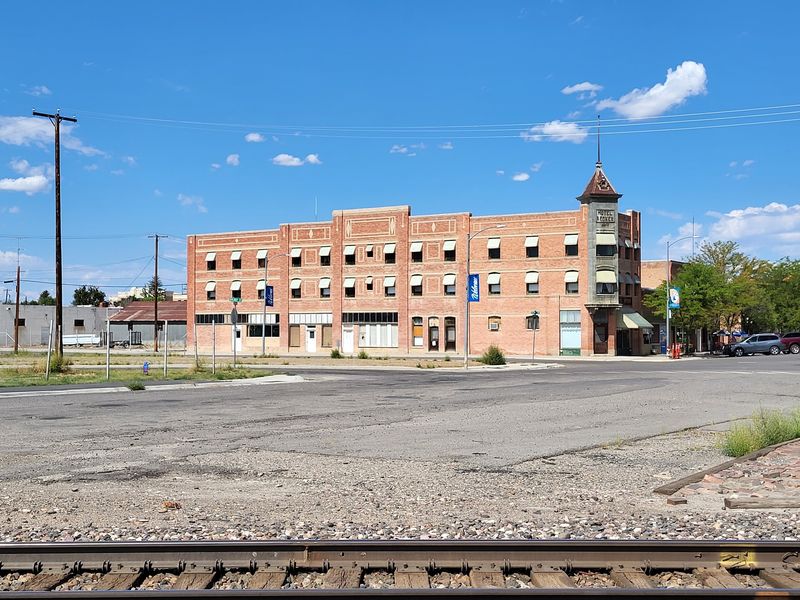
Ever seen a town where the prairie starts at the end of the block? Hardin works exactly like that.
Located in south-central Montana, it sits near the Bighorn River. Big Horn County surrounds it with farmland and open range.
Agriculture drives the local economy. Sugar beets and barley grow in the irrigated fields nearby.
Little Bighorn Battlefield National Monument lies just south of town. History buffs come from across the country to walk that ground.
Housing here costs far less than in western Montana. That affordability pulls in people priced out of Bozeman or Missoula.
Billings sits about 45 minutes northwest. Residents make the drive for hospitals, airports, and bigger stores.
The Bighorn River below Yellowtail Dam draws serious fly anglers. Cold water keeps the trout fishing strong through much of the year.
Community events center on the county fair and school sports. Friday night games fill the parking lots.
Winters bring wind across the flats, so a good windbreak matters. Summers run hot and dry.
Neighbors here still check on each other during storms. That habit says a lot about a place.
I enjoyed the small museum complex near the highway. It covers homesteading days in plain, honest detail.
Hardin suits anyone wanting space, low costs, and a strong sense of local identity.
3. Whitefish
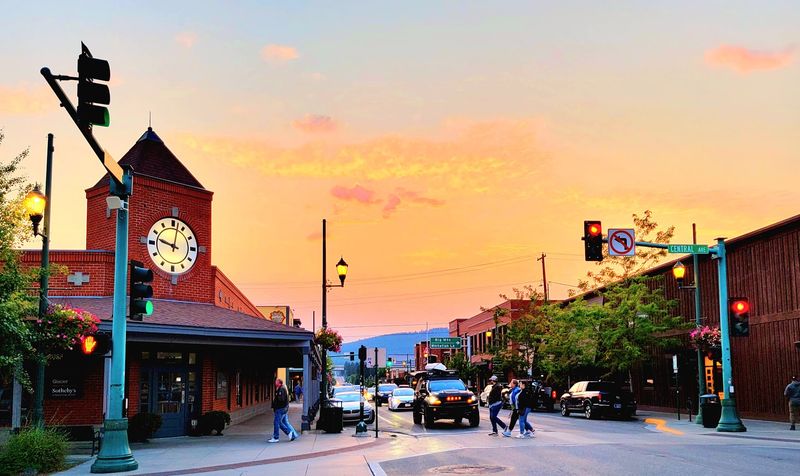
Ski town energy meets small-town manners. Whitefish pulls off both without much effort.
The town sits in northwest Montana’s Flathead Valley. Whitefish Lake spreads out along its northern edge.
Whitefish Mountain Resort rises above downtown. Skiers and snowboarders ride it from December into spring.
Glacier National Park’s west entrance sits roughly 25 miles away. That proximity shapes the whole summer season here.
Central Avenue keeps its old railroad-town character. Brick facades, bookshops, and coffee spots line the street.
Amtrak’s Empire Builder stops right downtown. You can step off a train and walk to dinner.
Housing costs climb higher than most Montana towns. Popularity has a price, and locals talk about it openly.
Still, the community stays tight. Volunteers run trail systems, farmers markets, and winter festivals.
The Whitefish Trail network offers miles of hiking and biking close to town. Dogs and mountain bikes share it happily.
Families like the walkable core and strong schools. Kids bike to practice without much worry.
Autumn might be the sweetest season. Larch trees turn gold across the hillsides in October.
Bring layers, since mountain weather shifts fast. Mornings can start frosty and end warm.
Whitefish rewards people who want outdoor access every single day of the year.
4. Miles City
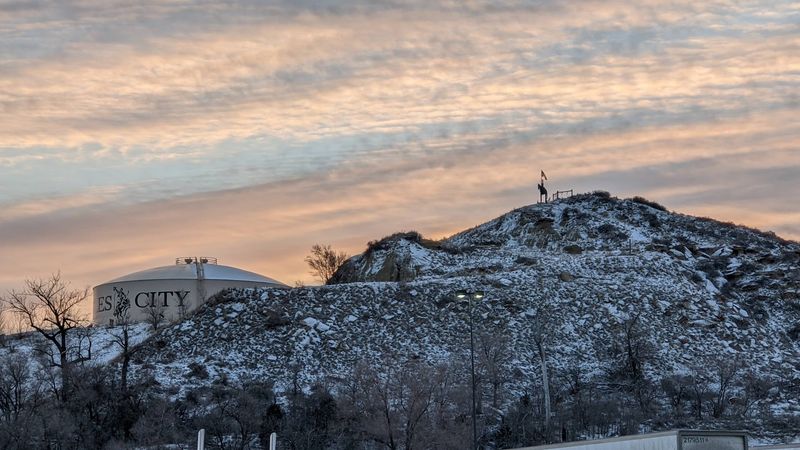
Cowboy culture never left this corner of Montana. Miles City still runs on saddle leather and open range.
The town sits in eastern Montana where the Tongue River meets the Yellowstone. Prairie stretches in every direction.
Every May, the Bucking Horse Sale fills the streets. Ranchers, riders, and visitors turn the whole town into one long celebration.
Main Street keeps its historic brick buildings intact. Many date back to the late 1800s.
Housing prices stay reasonable compared to western Montana. Your money simply stretches further out here.
The Range Riders Museum holds a deep collection of frontier artifacts. It takes longer to tour than you expect.
Fishing and paddling on the Yellowstone draw locals through summer. Cottonwood groves shade the banks.
Residents look out for one another, especially during hard winters. Snowstorms bring out shovels and casseroles.
The local hospital and community college anchor steady jobs. That stability helps families plant roots.
Billings sits about two hours west for bigger errands. Otherwise, town handles most needs.
I liked the quiet weekday mornings downtown. Coffee shops fill with ranchers talking weather and cattle prices.
Wind blows hard across the plains, so plant trees if you build. Locals learned that generations ago.
Miles City fits people who value tradition, elbow room, and honest neighbors.
5. Dillon
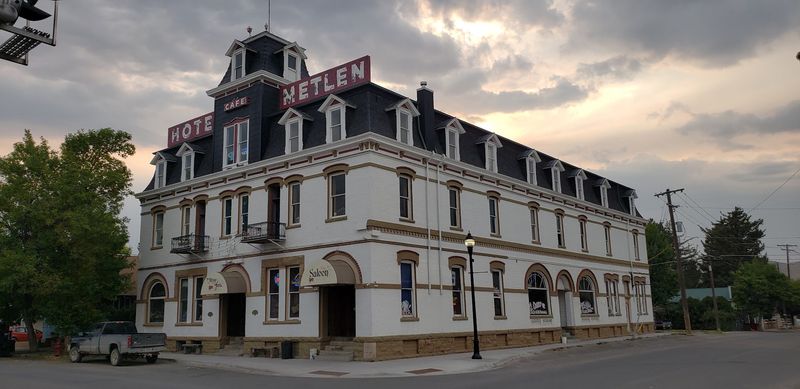
A college town with fewer than 5,000 people? Dillon manages it beautifully.
The town sits in southwest Montana’s Beaverhead Valley. Mountain ranges circle it on nearly every side.
The University of Montana Western operates here. Students bring energy without overwhelming the place.
Fly fishing runs deep in local culture. The Beaverhead and Big Hole rivers both flow nearby.
Anglers travel long distances for those waters. Fly shops downtown stay busy through the warm months.
Historic buildings line Montana Street, including a striking old railroad depot. It now serves as a museum.
Bannack State Park sits a short drive west. The ghost town preserves Montana’s first territorial capital.
Interstate 15 runs through town, making travel simple. Butte lies about an hour north.
Elevation sits above 5,000 feet, so summers stay pleasant. Nights cool off nicely even in July.
Housing remains more affordable than Bozeman, roughly two hours northeast. That difference keeps drawing remote workers.
Community life centers on school sports, rodeo, and the county fair. Labor Day weekend brings everyone downtown.
Hunting access in surrounding public land is excellent. Elk and antelope roam the nearby ranges.
Dillon suits anyone who wants a river, a mountain, and a friendly grocery clerk within ten minutes.
6. Belgrade
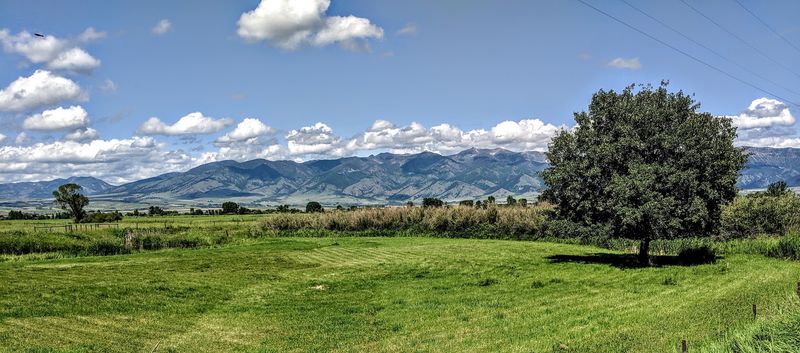
Growth found Belgrade fast, but the town kept its footing. New neighborhoods rise beside old grain elevators.
Situated in the Gallatin Valley, Belgrade sits just northwest of Bozeman. The Bridger Mountains fill the eastern skyline.
Bozeman Yellowstone International Airport actually sits within Belgrade. That makes travel remarkably easy for residents.
Housing costs less than in Bozeman, roughly ten minutes away. Many families choose Belgrade for exactly that reason.
Main Street keeps a practical, unpretentious feel. Hardware stores and family restaurants sit side by side.
The Gallatin River flows nearby for fishing and floating. Access points dot the valley south of town.
Schools have expanded to keep up with new arrivals. Sports and music programs stay strong.
Big Sky Resort sits about an hour and a half south. Day trips to the slopes work well in winter.
Yellowstone National Park’s north and west entrances lie within a couple hours. Weekend plans practically write themselves.
Summer brings the Fall Festival planning, farmers markets, and long evenings in the park. Kids ride bikes until dark.
Wind sweeps across the valley floor, so expect brisk days. Locals barely notice anymore.
Choose Belgrade if you want valley convenience, airport access, and mountains in plain view every morning.
7. Columbia Falls
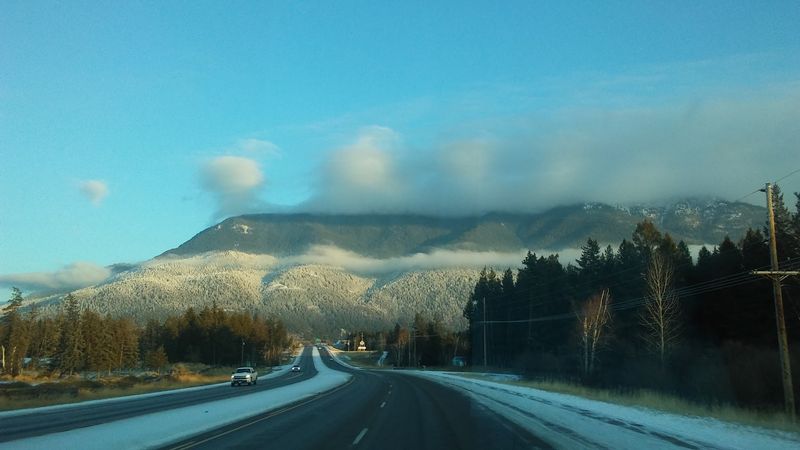
Call it the gateway and you would not be wrong. Columbia Falls sits closest to Glacier National Park’s west side.
The town rests in northwest Montana’s Flathead Valley. The Flathead River curves along its southern edge.
Peaks rise dramatically to the east. On clear mornings, the view stops conversations.
Nucleus Avenue forms the compact downtown. Bakeries, gear shops, and diners cluster together.
Housing costs less here than in nearby Whitefish. That gap keeps working families in the valley.
Going-to-the-Sun Road opens seasonally, usually in summer. Check conditions before planning a park drive.
Tourism fuels summer jobs, while winter quiets things down considerably. Locals often prefer the off-season calm.
The Flathead River offers rafting, floating, and solid trout fishing. Outfitters operate from spring through fall.
Community pride shows at Heritage Days each July. Parades and street fairs bring everyone out.
Schools sit close to residential streets, and kids walk or bike. Traffic stays light outside peak tourist weeks.
Kalispell lies about 15 minutes southwest for shopping and medical care. Convenience is genuinely close.
Winter snow piles up, so invest in a good shovel and tires. Nobody here skips that step.
Columbia Falls rewards people who want park access without resort-town price tags.
8. Sidney
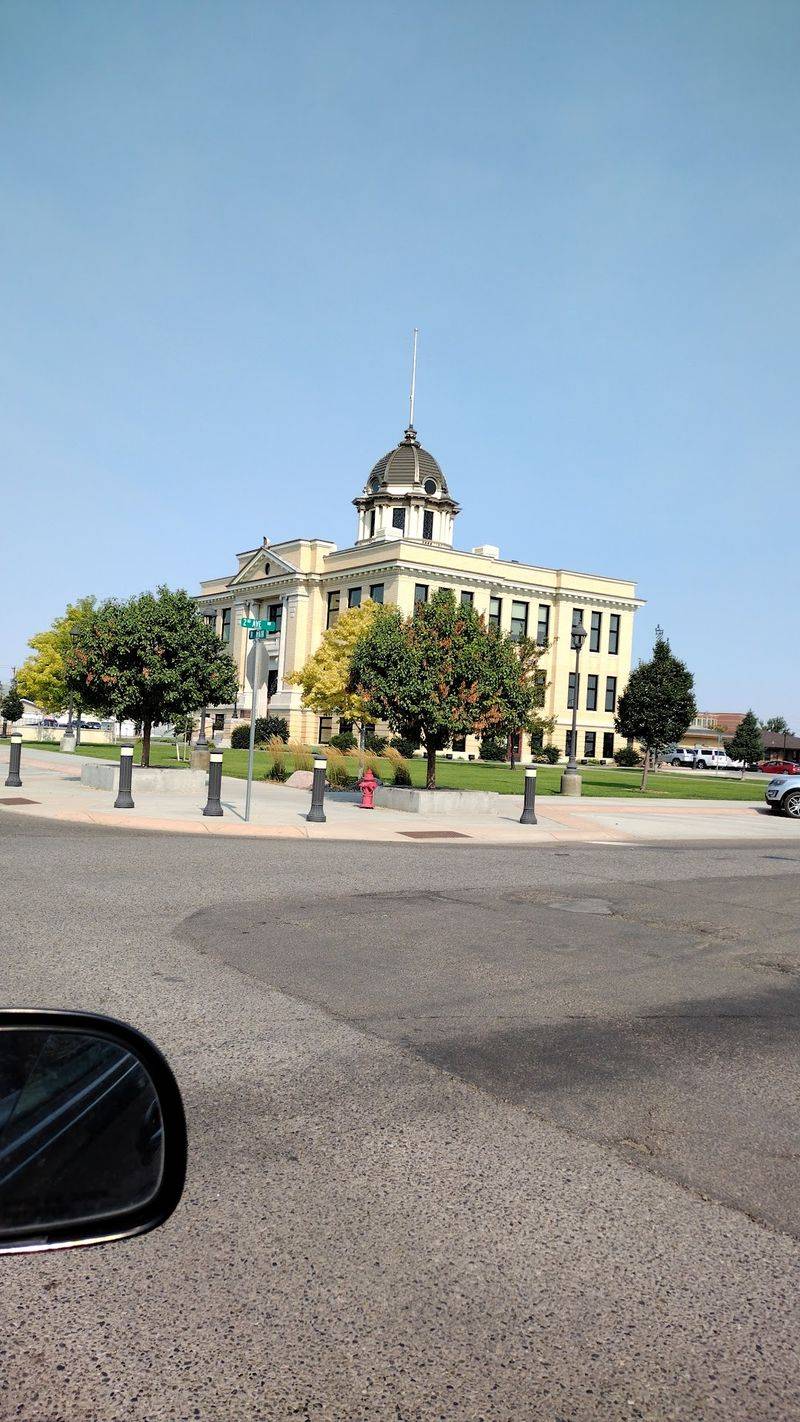
Sugar beets put this town on the map. Sidney still harvests them by the truckload each fall.
The town sits in Montana’s far northeast corner, near the North Dakota border. The Yellowstone River flows just west.
Agriculture and energy jobs anchor the local economy. That mix has kept employment steady for decades.
Housing prices stay modest compared to western Montana. Buyers get more square footage for less money.
The MonDak Heritage Center holds regional art and history exhibits. It hosts community events throughout the year.
Fishing along the Yellowstone and nearby Fort Peck area draws locals. Paddlefish season creates real excitement in spring.
Winters run cold and long out here. Residents plan accordingly with block heaters and heavy coats.
Summers bring long daylight and green irrigated fields. Sunsets stretch across an enormous sky.
The county fair in August pulls in families from across the region. Livestock shows and carnival rides fill the grounds.
A regional hospital serves the area, which matters in a remote spot. Williston, North Dakota, sits about an hour east.
Neighbors here help during harvest and blizzards without being asked. That reliability defines the community.
Streets stay quiet, and kids play outside well into the evening.
Sidney fits people who value steady work, wide horizons, and genuine small-town rhythm.
9. Glasgow
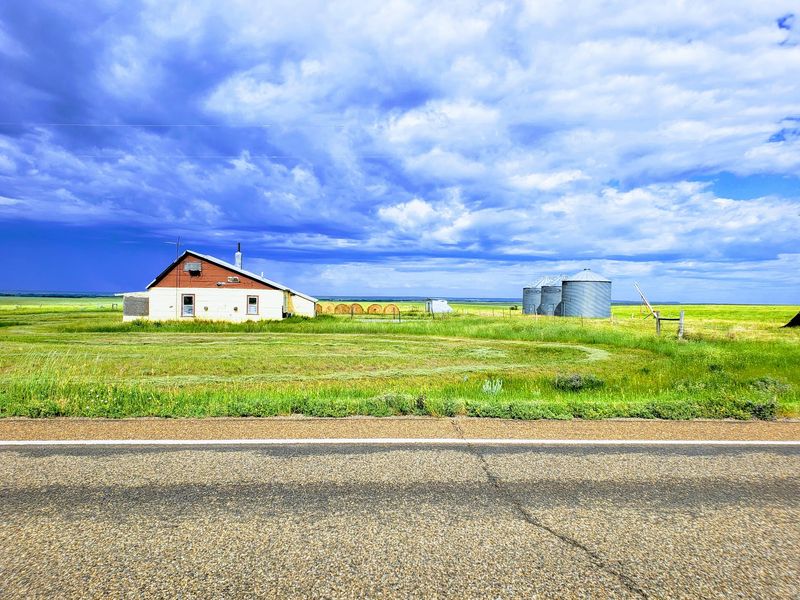
Ever heard a town called the middle of nowhere and meant as a compliment? Glasgow wears that label proudly.
Sitting along Montana’s Hi-Line, the town follows U.S. Highway 2 across the northern prairie.
Valley County surrounds it with grassland and wheat.
Fort Peck Lake lies south of town. The reservoir covers a huge area and offers boating, fishing, and quiet shorelines.
Walleye fishing brings anglers in from several states. Tournaments fill motels each summer.
Housing costs rank among the lowest in Montana. That affordability is a major draw for retirees.
The Amtrak Empire Builder stops here, connecting east and west. It is a handy link in a remote region.
Downtown keeps a handful of practical shops and cafes. Everybody greets everybody.
Dinosaur fossils have been found in the surrounding badlands. The local museum displays some regional finds.
Winters bring deep cold and serious wind. Locals joke that the weather builds character.
Summer evenings stretch long and golden across the fields. Stars appear in remarkable numbers after dark.
A regional hospital and small airport serve the area. Both matter when the next town sits far away.
Community sports and school events form the social calendar. Turnout runs high.
Glasgow suits anyone craving quiet, affordability, and sky that goes on forever.
10. Kalispell
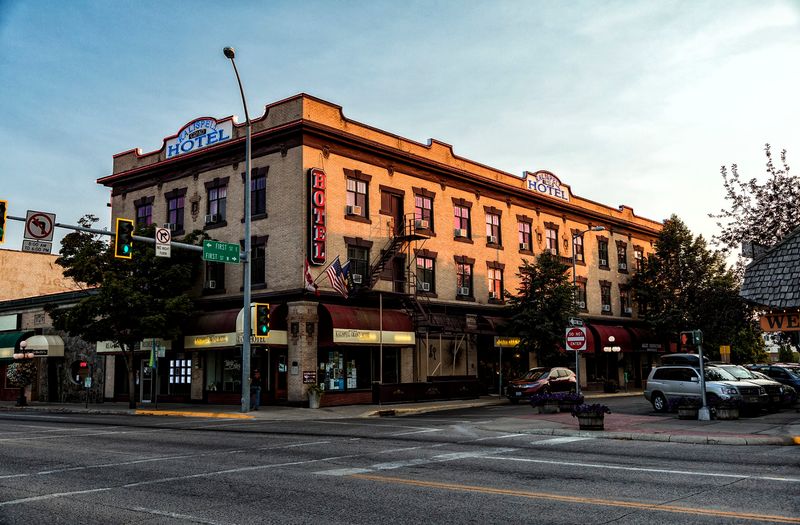
Bigger than most towns on this list, yet it still feels manageable. Kalispell anchors the Flathead Valley in northwest Montana.
Flathead Lake spreads south of town. It ranks as the largest natural freshwater lake west of the Mississippi.
Main Street holds handsome brick buildings from the railroad era. The Conrad Mansion Museum sits a few blocks east.
Glacier National Park lies within a reasonable drive northeast. Day trips there are common for residents.
Medical facilities, shopping, and a regional airport all sit close. Convenience beats most Montana towns of similar size.
Housing costs have climbed in recent years. Still, options remain broader than in Whitefish.
Cherry orchards along Flathead Lake produce fruit each July. Roadside stands pop up quickly.
Winter brings skiing options within a short drive. Snow falls steadily from December onward.
Neighborhoods keep a settled, family feel with mature trees and sidewalks. Kids walk to school in many parts of town.
Farmers markets run through the warm season. Local produce and crafts fill the stalls.
Traffic picks up during tourist season, so plan errands early. Locals learn the timing fast.
The valley’s mountain views never really get old. Even longtime residents mention them.
Kalispell works for anyone wanting services, scenery, and a real community in one package.