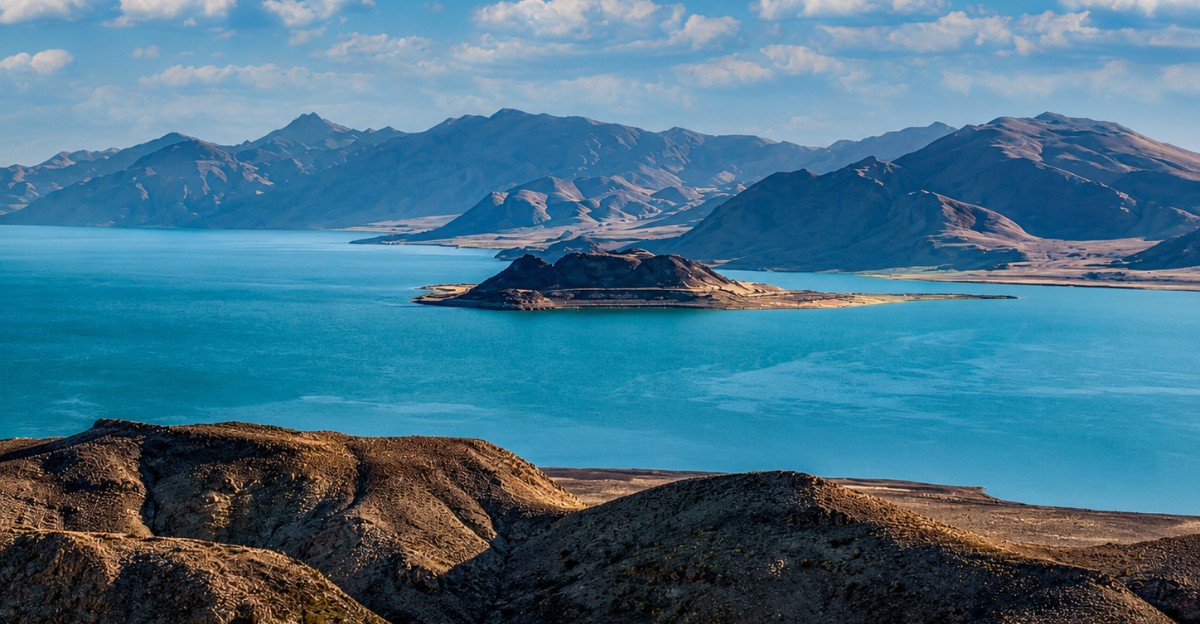
This desert lake shifts from green to turquoise to deep blue as the light changes. It is a leftover piece of an ice age sea that once covered much of western Nevada.
A Y-shaped road of about forty miles traces part of the shore. It earned national scenic byway status in 1996.
Where else can you spot nesting pelicans in the middle of the desert? Strange rock towers rise along the water like sculptures left out to dry.
A fish species that dates back more than two million years lives here and nowhere else. Who knew the desert held so many surprises?
A tribal permit is part of the plan, and the land deserves respect. So why not slow down in Nevada and let the scenery do the talking?
A Y-Shaped Road That Makes Rushing Feel Silly
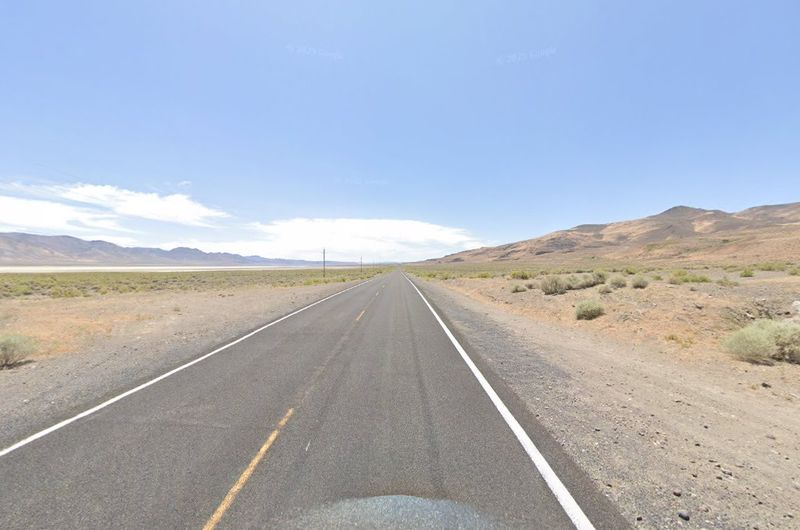
The Pyramid Lake Scenic Byway runs about 40 to 41 miles through western Nevada. It forms a Y shape and follows State Routes 445, 446, and 447.
Part of the route hugs the southern and western shores of the lake.
That layout gives you choices. You can treat the drive as one long trip or break it into short stops.
Either way, the road hands you wide desert views without much effort.
The byway lies inside the Pyramid Lake Indian Reservation in Washoe County, northeast of Reno. Along the way you will pass communities like Wadsworth, Nixon, and Sutcliffe.
Each one offers a handy spot to stop, stretch, and check your map.
Nevada has plenty of long highways, but this one earned national recognition. It was designated a National Scenic Byway in 1996.
That title tells you the views are worth slowing down for.
Plan your timing so you never feel rushed. Fill the gas tank before you head out, and pack water for the desert air.
Then roll the windows down and let the road set the pace. A quiet drive like this can clear your head faster than you would expect.
Start With the Permit, Then Relax
Good news first: the byway and Pyramid Lake are open to visitors. The catch is that lake access and most recreation need a tribal permit.
Skipping that step is the quickest way to spoil a perfect day.
Permits come in several types. Options include day use, camping, fishing, boating, and jet skiing.
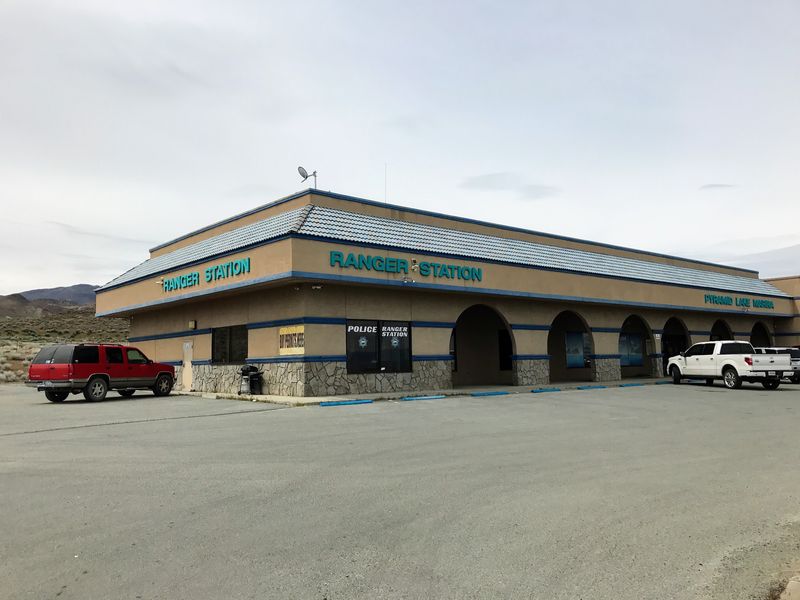
You can buy one online through the tribe, at the Ranger Station in Sutcliffe, or at the Pyramid Lake Paiute Tribe Museum and Visitors Center in Nixon.
For 2026, day use permits are listed at 25 dollars, and camping permits are 35 dollars per vehicle per night. Prices can change, so confirm the current figures when you buy.
A quick check saves a surprise later.
Some places are closed to the public. These include Anaho Island, the Needles area, the Marble Bluff area, the Beehives, and the Pyramid and Stone Mother area.
Closures protect nature and respect the land.
Popcorn Beach is also closed to public boat launches because of Golden Mussel concerns. Read the posted signs and follow them.
Respecting the rules keeps this place open and beautiful for everyone.
The Lake That Changes Color Like a Mood Ring
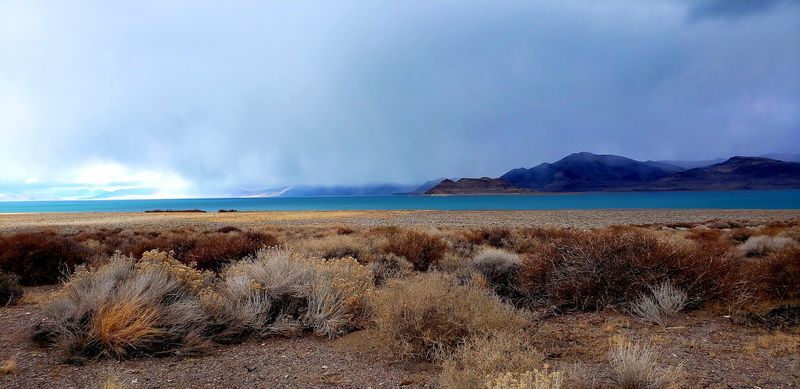
Colors steal the show at Pyramid Lake. The water can look green, turquoise, or deep blue depending on the light.
Good luck choosing a favorite shade.
This is the largest natural lake in Nevada. It sits in a basin where the Truckee River ends, so the water has nowhere to flow out.
That makes it a saltwater lake in the middle of the desert.
The lake is also a leftover piece of ancient Lake Lahontan. That huge inland sea covered much of western Nevada during the last Ice Age.
Pyramid Lake is the deepest and largest remnant of it.
For the Northern Paiute people, the lake is a sacred place. They have lived in this basin for thousands of years.
The water has long supported their culture and food.
Bring sunglasses and a camera. Morning and late afternoon light often make the colors stand out most.
Stop at a safe pullout, take a slow look, and enjoy the quiet.
Rock Towers Older Than Almost Anything You Know
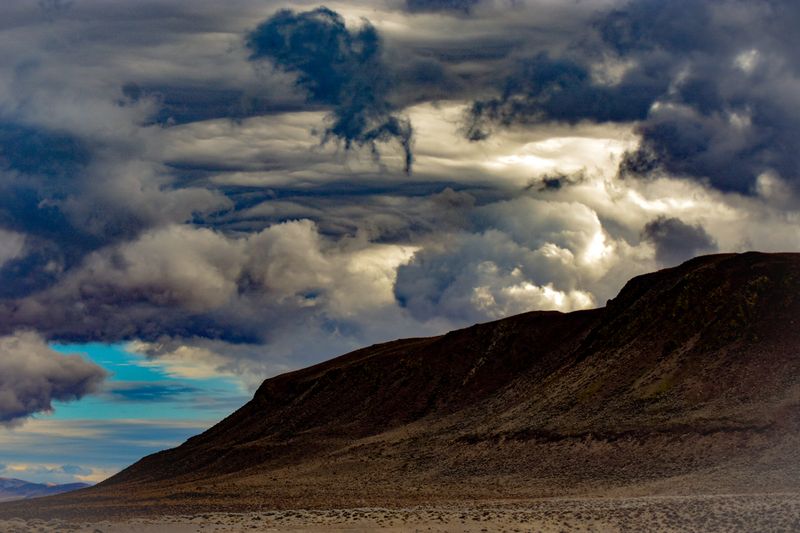
Tufa sounds like a made-up word, but it is real rock. These formations are calcium carbonate deposits.
Pyramid Lake is famous for them.
The mounds formed between 26,000 and 13,000 years ago. Back then, the climate was wetter and the lake was much larger.
Today the odd shapes rise along the shore like natural sculptures.
One of them gave the lake its name. Explorer John C.
Frémont saw a pyramid-shaped island in January 1844 and named the lake for it. The Paiute Tribe calls that island Wono.
Another formation, the Stone Mother, holds a central place in Paiute traditions. It is among the areas closed to public access.
Seeing it from afar is part of respecting its meaning.
Tufa makes the shoreline feel like another planet. Photographers love the contrast of pale rock and blue water.
Stay on allowed paths, and leave every formation just as you found it.
Pelicans in the Desert? Yes, Really
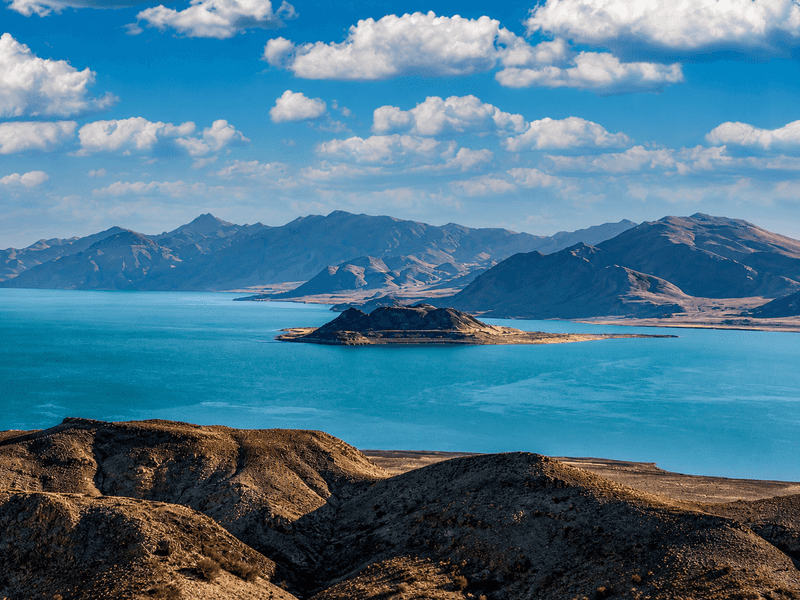
Pelicans in Nevada sound like a tall tale. Yet Anaho Island National Wildlife Refuge hosts a large nesting colony of American white pelicans.
It is one of the most surprising sights in the state.
Other birds share the island too. California gulls, Caspian terns, Great Blue Herons, and snowy egrets all nest there.
The rocky refuge works like a busy bird neighborhood.
Landing on the island is prohibited. The rule protects nesting birds and the fragile ecosystem.
Boats must also stay at least 1,000 feet from the shore.
That means the best way to enjoy the birds is from a respectful distance. Binoculars help a lot.
A zoom lens does the same for photographers.
Keep voices low and movements calm. Birds that feel safe are more likely to nest successfully.
Your patience is a gift to the wildlife.
Stories Waiting Inside the Museum in Nixon
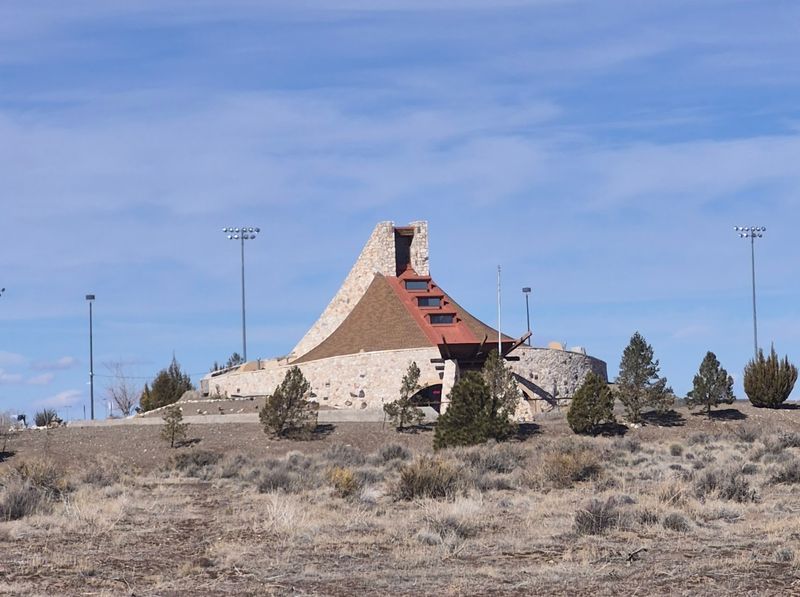
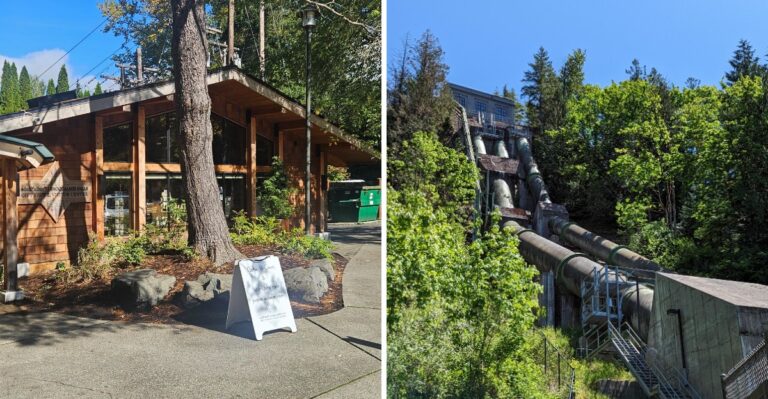
Culture adds depth to the scenery. The Pyramid Lake Paiute Tribe Museum and Visitors Center in Nixon is the place to get it.
It shares the history and culture of the Northern Paiute people.
Exhibits also cover the natural history of Pyramid Lake. You can learn about the unique Cui-ui fish and the Lahontan cutthroat trout.
Both are central to the story of this water.
The center is also one of the places where you can buy recreation permits. That makes it a smart first stop.
You can handle paperwork and learn something before you hit the shoreline.
History here is not always easy. Starting in 1905, Derby Dam on the Truckee River diverted water for farming.
The lake dropped about 80 feet, and native fish lost their natural spawning habitat.
Nevada Historical Marker 148 along the byway also marks an important 1860 chapter in the area’s history. Knowing these stories changes how the landscape feels.
You will look at the water with more respect.
An Ancient Fish and a Trophy Trout
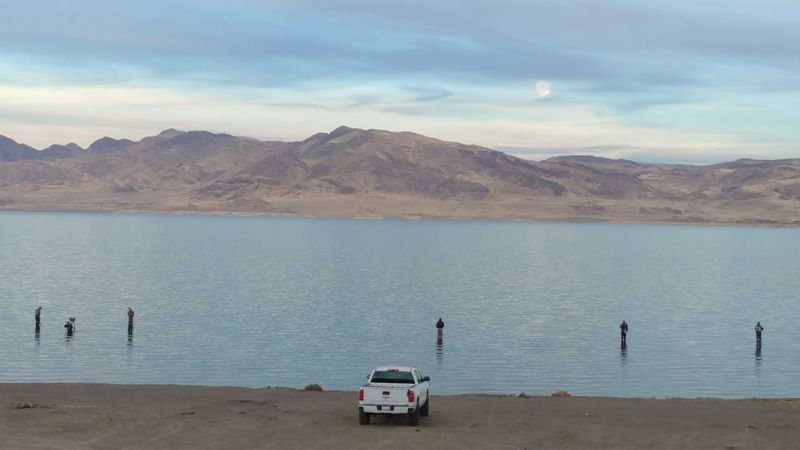
Anglers travel far for Pyramid Lake. It is known worldwide for its Lahontan cutthroat trout, including trophy-sized fish.
A separate fishing permit is required.
The lake is also the only home in the world for the endangered Cui-ui. That fish has existed for over 2 million years.
Few places can claim a resident that old.
The Paiute Tribe operates the Numana Fish Hatchery and the Marble Bluff Fish Passage Facility. These support the spawning of the Cui-ui and the threatened Lahontan cutthroat trout.
The Marble Bluff area itself is closed to the public.
If you do not fish, you can still appreciate the effort. Recovering these species is a long project.
The lake has worked its way back from a very hard chapter.
Fishers should follow all tribal rules and permit terms. Check current regulations before you cast a line.
A little preparation makes the day smoother.
Ways to Play Without Breaking the Calm
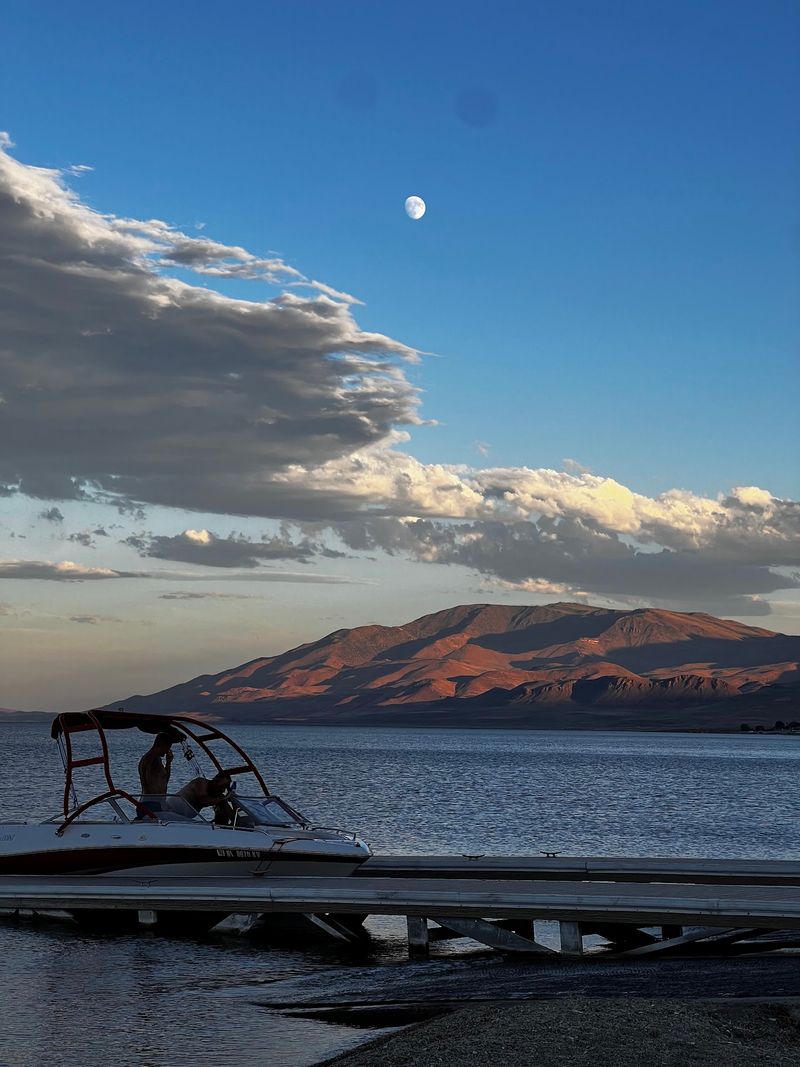
A drive is only the start. The reservation allows kayaking, stand-up paddleboarding, mountain biking, and hiking.
Swimming, boating, and picnicking are on the list too.
Each activity needs the right permit. Boating and jet skiing have their own categories.
Double-check which one fits your plan.
Paddling brings a different view of the shoreline. The tufa and the hills look different from the water.
Keep your distance from Anaho Island, where boats must stay back 1,000 feet.
On land, a picnic by the lake needs little more than a blanket and snacks. Pack water, sun protection, and a hat.
Shade can be hard to find in the desert.
One rule matters a lot. There is no trash collection for general visitor trash on the reservation.
Carry out everything you bring, and follow Leave No Trace principles.
Fuel Up, Find Snacks, and Pick Your Route
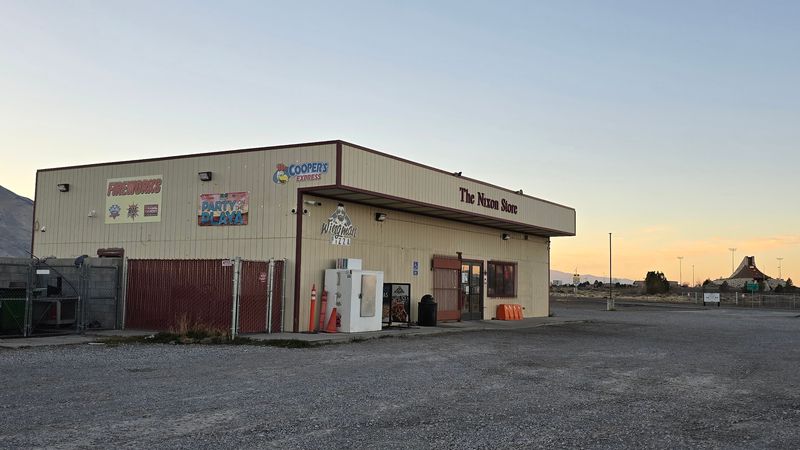
Services are limited out here, so planning pays off. The Ranger Station in Sutcliffe sells permits and offers information.
It makes a handy anchor for your trip.
A marina store in Sutcliffe has snacks and coffee. The Nixon Store provides gas and supplies.
Top off your tank in Nixon before wandering farther.
For your map app, the byway is listed along NV-447 near Reno, Nevada 89510. Its route also follows State Routes 445 and 446.
Wadsworth, Nixon, and Sutcliffe make good landmarks.
Reno sits to the southwest, so the drive makes an easy day trip. Start early to enjoy softer light and more time.
Bring a paper map as a backup in case your signal fades.
Finish with a quiet stop by the water. Watch the colors shift as the day moves on.
That calm moment is what makes this byway feel better than meditation.