Students at one small Virginia college refuse to walk through the center of a certain dorm porch. Campus legend says doing it before exams is a fast track to failing them.
Nobody wants to test that theory during finals week.
The quirks keep coming. Folks on this campus leave a house door open for the ghost of a famous horse named Traveler.
Somehow, that feels like the most polite haunting in America.
Then the serious side shows up and steals the spotlight. College Raptor named this school the number one liberal arts college in its 2025 rankings.
Other lists keep placing it near the very top of colleges across the South.
I can’t help but think that is a wonderful mix. Where else do ghost stories and gold-star rankings share the same green lawn?
Number One Is A Big Title, And This Campus Wears It Well
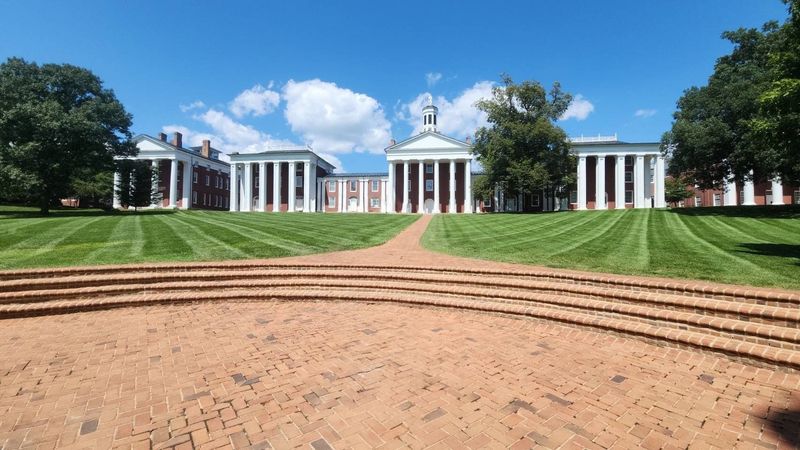
Earning first place anywhere is a big deal. Washington and Lee University pulled it off when College Raptor ranked it the number one liberal arts school in its 2025 list.
The praise doesn’t stop at one ranking, either. CollegeVine placed it fourth among the best colleges in the South, and uniRank put it third among top Southeast schools.
Niche lists it among the best liberal arts colleges and best small colleges in America. Forbes also includes it in its top 25 colleges in the South.
So why do the list-makers keep circling back? A big part of it is personal attention, since the school has about 1,912 undergraduates and tiny classes.
Outcomes help too. Around 89 percent of students graduate in four years, which is a number many big schools would happily brag about.
Roughly 96 percent of graduates are working or in graduate school within six months. That is the kind of stat that makes parents relax and students feel confident.
For a school tucked in the mountains of Virginia, that is a lot of national attention. Small, it turns out, can punch way above its weight.
Those White Columns Earned Their Landmark Status
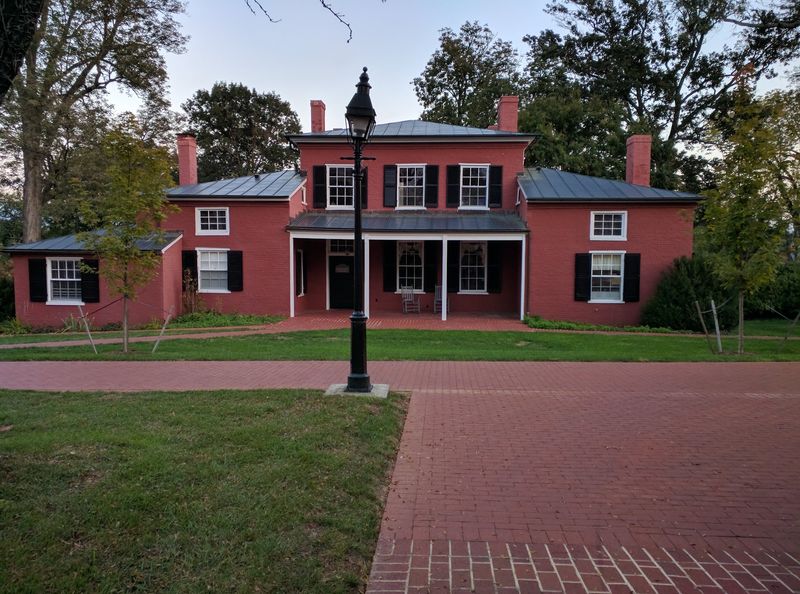
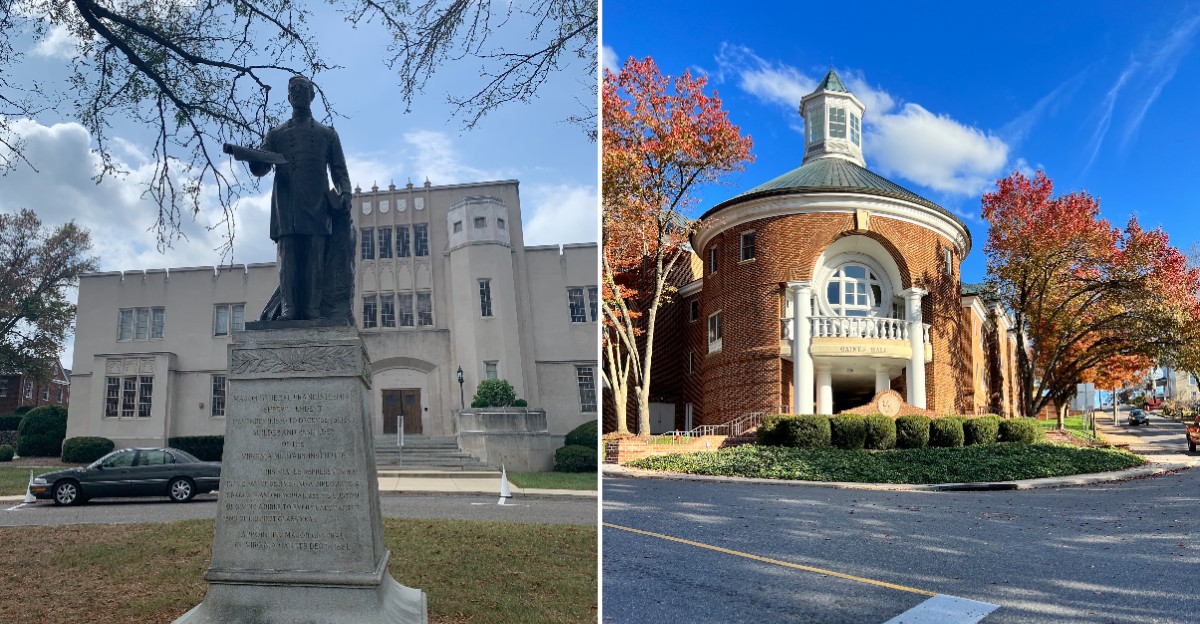
Red brick and bright white columns line up like they’re posing for a postcard. The famous Colonnade sits on the Front Campus, and it is the image most people connect with this school.
The look is Neoclassical, and it carries serious credentials. The Front Campus is a National Historic Landmark District, honored for its architecture.
Big shady trees and old-style black lamps fill in the rest of the scene. Statues and monuments dot the grounds, giving every walk a little history lesson.
The whole campus covers 325 acres in the Shenandoah Valley. The Blue Ridge and Allegheny Mountains frame it on both sides, so the background is never boring.
Fall is an especially pretty time to stroll the paved walkways. The leaves turn bright colors, and the brick buildings look even warmer against them.
Around the holidays, a lit tree adds a cozy glow to campus. If you love architecture or simply need fresh air, this lawn is a great place to start.
Bring comfortable shoes and a charged phone. Your camera roll is about to get very full.
Trust Runs The Show Here, And The Students Love It
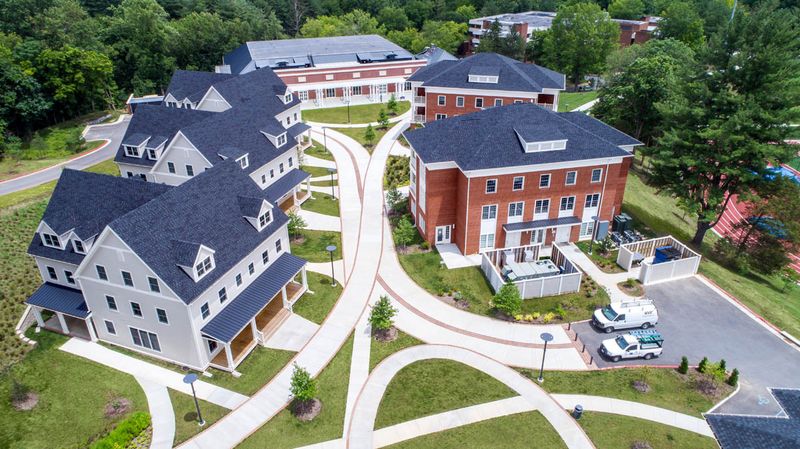
Trust is not just a nice idea on this campus. It is built into daily life through a student-run Honor System that has shaped the school for generations.
The rules are simple to understand. Students agree not to lie, cheat, or steal, and they hold each other to that promise.
That shared promise creates a relaxed kind of respect. People talk about it as one of the things that makes the school feel different from other colleges.
Of course, a little silliness balances out all that integrity. Students avoid walking through the center of the portico at Graham-Lees residence hall, fearing it could doom their exams.
Another tradition involves leaving the Lee House door open. The idea is to let the ghost of Traveler, a famous horse, wander in and out as he pleases.
Do these superstitions actually work? Nobody has proven it, but nobody seems eager to take chances either.
The school motto fits the mood perfectly. It reads Non Incautus Futuri, which means Not Unmindful of the Future, and honestly, skipping that porch center sounds pretty mindful.
Small Classes Mean Your Professor Will Know Your Name
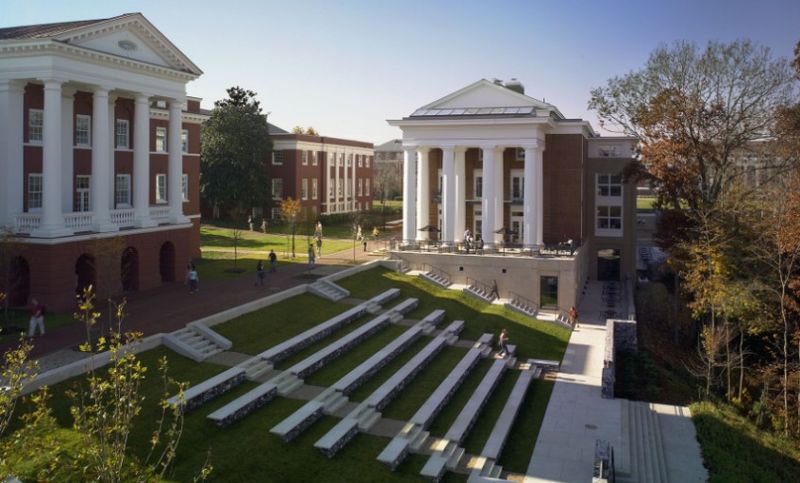
Eight students for every one professor. That 7:1 ratio means you won’t be a face lost in a giant lecture hall.
The average class has about 15 students, so discussions actually happen. Hiding in the back row is pretty much impossible, which is good news for learning.
Washington and Lee University offers 36 majors and 41 minors. Choices stretch from humanities and hard sciences to engineering, business, and journalism.
That last pair is a rare combo. W&L is the only leading liberal arts college with accredited undergraduate programs in both business and journalism.
The calendar is clever too. Students take two 13-week terms, then finish the year with a four-week Spring Term focused on deep, hands-on topics.
Many students also pack their bags for global learning. Approximately 70 percent of them study abroad before they graduate.
The school has three academic units: The College, the Williams School of Commerce, Economics, and Politics, and the School of Law. Put it all together and you get big opportunities inside a small, friendly package that feels a lot more like a community than a factory.
George Washington Once Bailed This School Out
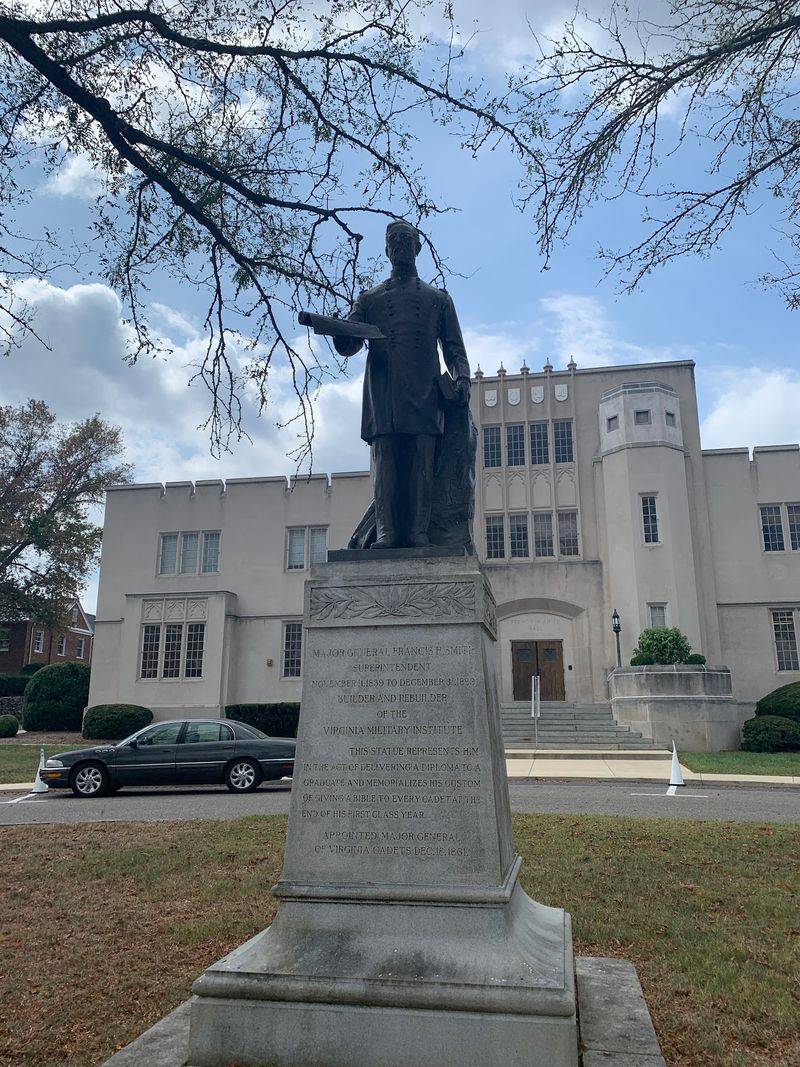
Back in 1749, this school started life as Augusta Academy. That makes it the ninth-oldest college in the United States, which is a seriously impressive birthday.
In 1776, it took the new name Liberty Hall, matching the spirit of the times. Money was tight, though, and the little academy struggled to stay open.
Then George Washington stepped in. In 1796, he gave 100 shares of James River Canal stock, worth about $20,000 at the time.
The trustees were so thankful that they renamed it Washington Academy. It became Washington College in 1813.
Robert E. Lee later led the college as president, starting in 1865.
The name Washington and Lee University came in 1870, and Virginia lawmakers made it official in 1871.
The story includes important firsts too. John Chavis, a free Black man, enrolled at Liberty Hall in 1795 and is believed to be the first African American college student in the country.
Women joined the law school in 1972 and the undergraduate program in 1985. Over nearly three centuries, the school has kept growing and changing with each chapter.
Old Ruins And A Landmark Chapel Are Worth The Stroll
Stone walls from 1793 still stand on the back campus. The Liberty Hall Ruins are what remain of the oldest Liberty Hall Academy building, with mountain views as a bonus.
History fans should plan extra time here. The quiet setting makes it easy to slow down and soak in the past.
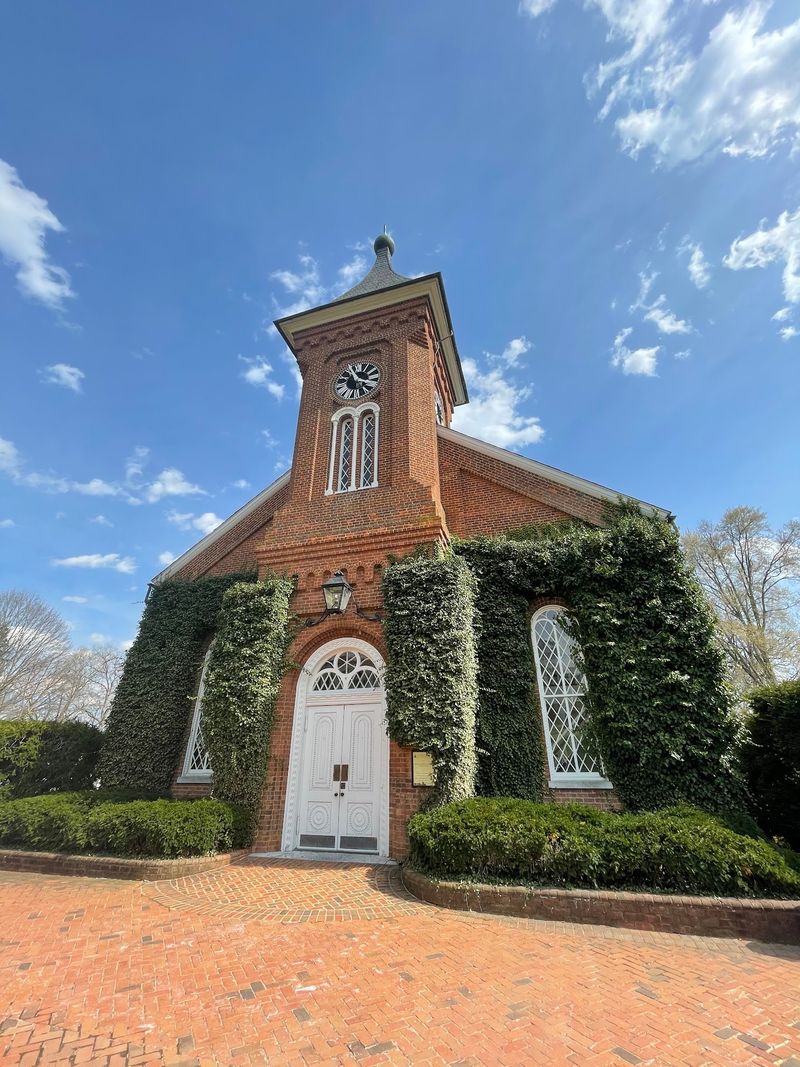
Next up is University Chapel and Galleries, once called Lee Chapel. It is its own National Historic Landmark and got its current name in June 2021.
Inside, visitors find galleries plus the Washington-Custis-Lee collection of portraits. The chapel also holds the Lee family crypt and a well-known statue.
The Washington Hall Galleries add even more to explore. They’re open Monday through Friday inside an academic and administrative building.
To find it all, head to 204 W Washington St, Lexington, VA 24450. The campus sits right in the heart of town, so walking is easy.
Fair warning, the town streets can be narrow. Park once, put on good shoes, and let your feet do the sightseeing for the rest of the afternoon.
A Japanese Tearoom Is Not What Most People Expect
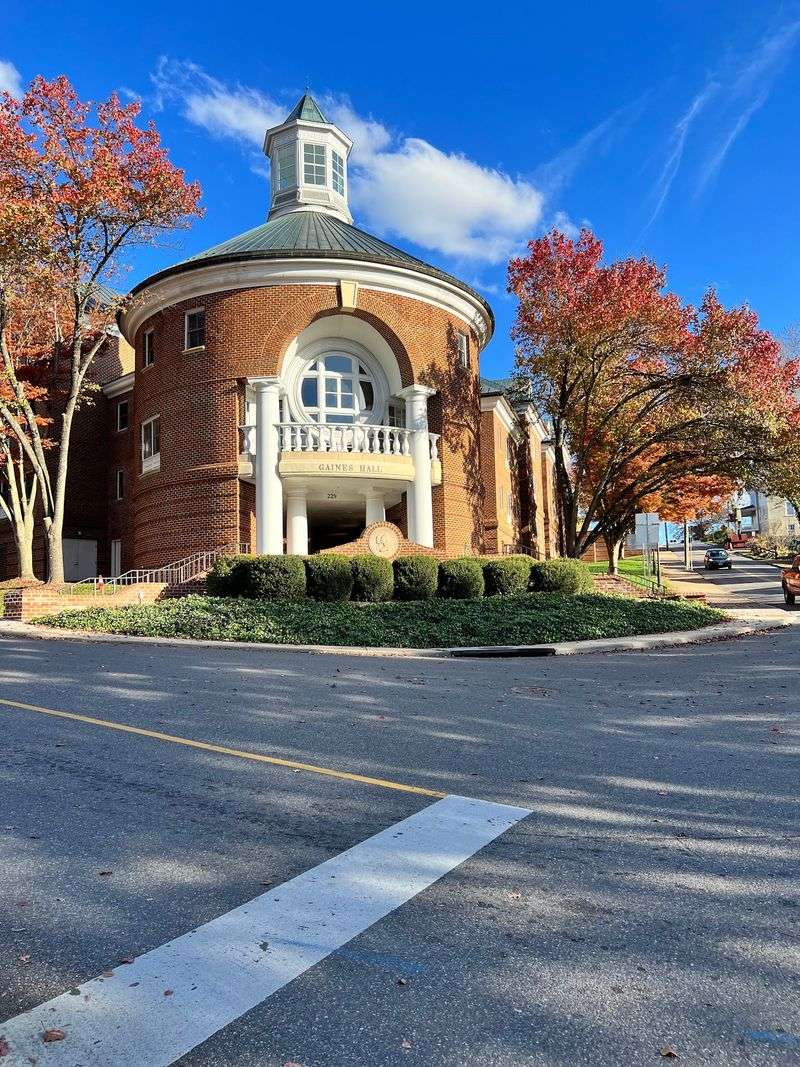
A traditional Japanese tearoom sits on a Virginia college campus. It serves as a classroom for the Way of Tea and a center for Japanese cultural activities.
That alone makes this campus memorable. Yet the arts scene goes much further than one peaceful room.
The Lenfest Center for the Arts hosts more than 100 performances every year. Music, theater, and dance all take the stage, from student groups to professional ensembles.
That works out to a busy calendar. Pretty much any week, there’s a decent chance something is happening on that stage.
Museum lovers get their turn too. The Reeves Museum of Ceramics showcases a fascinating collection that turns plates and pots into real conversation starters.
The Watson Pavilion adds more exhibits to explore. Between these spaces, art feels like a regular part of life here rather than something reserved for special trips.
So if your idea of fun involves a show, a gallery, or a calm cup of tea culture, this campus has you covered. Not bad for a school better known for its columns.
Your Wallet Might Breathe A Sigh Of Relief
Here’s a sentence every family wants to hear. Washington and Lee University promises to meet 100 percent of a student’s demonstrated financial need.
Even better, it does this without requiring loans. Aid comes through grants, scholarships, and campus work instead.
Then there is the Johnson Scholarship, which is a true game changer. It gives full rides to about 10 percent of each entering class.
That covers tuition, housing, and meals. It also includes $10,000 for summer opportunities like research or internships.
A strong endowment helps make all this possible. The school reported about $2.19 billion as of 2025, which supports students in a big way.
The payoff shows up after graduation. Around 96 percent of grads land jobs or start graduate school within six months.
So don’t let the private college label scare you off too fast. Running the numbers with the school’s aid tools could reveal a much friendlier price than you expected, and that is worth a few minutes of homework.
Cheer For The Generals, Then Go Find A River
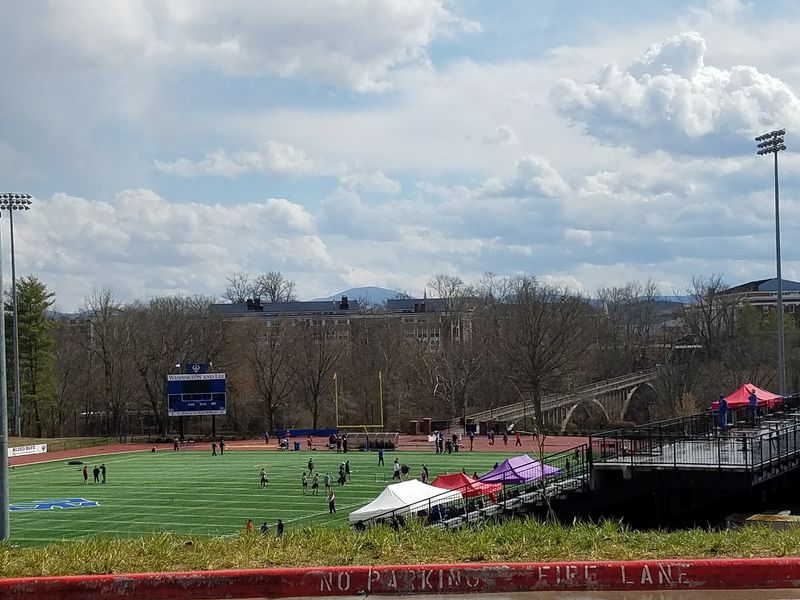
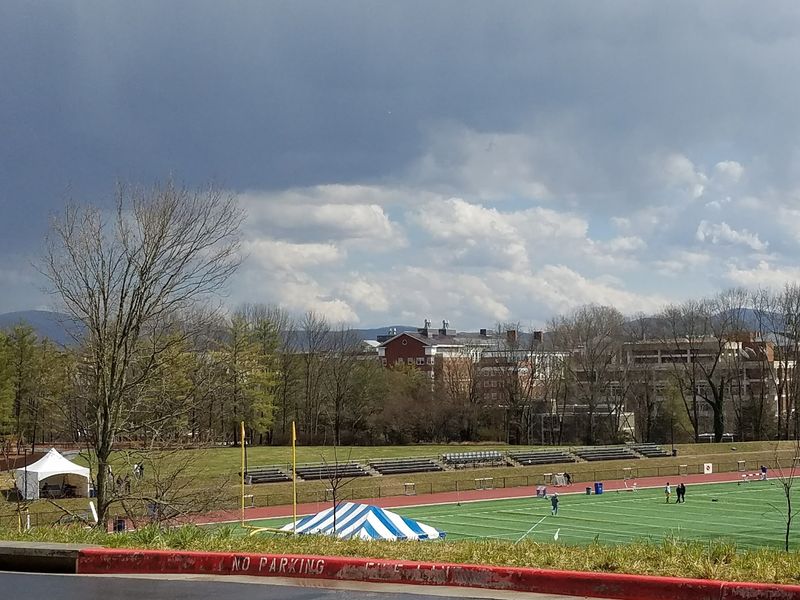
Free entertainment is a beautiful thing. Home games for the Washington and Lee Generals are typically free and open to the public.
The school fields 25 varsity sports in NCAA Division III. They compete in the Old Dominion Athletic Conference, and the athletics symbol is a Trident.
After the final whistle, the outdoors calls. Floating the Maury River is a favorite local adventure on warm days.
Panther Falls offers another scenic escape nearby. The James River foot bridge is also a great spot for a walk with a view.
Glen Maury Park adds even more pretty scenery around town. You’ll find plenty of reasons to keep your sneakers handy.
Fun neighbor fact: the Virginia Military Institute campus sits right next door. Two historic schools side by side make Lexington feel like one giant open-air classroom.
For food, the Elrod University Commons houses the Marketplace dining hall and Cafe 77. Grab a bite, cheer on the Generals, then go chase a mountain view before sunset.