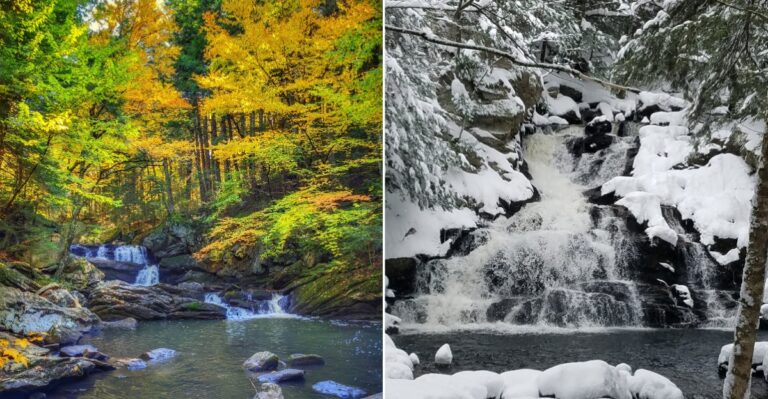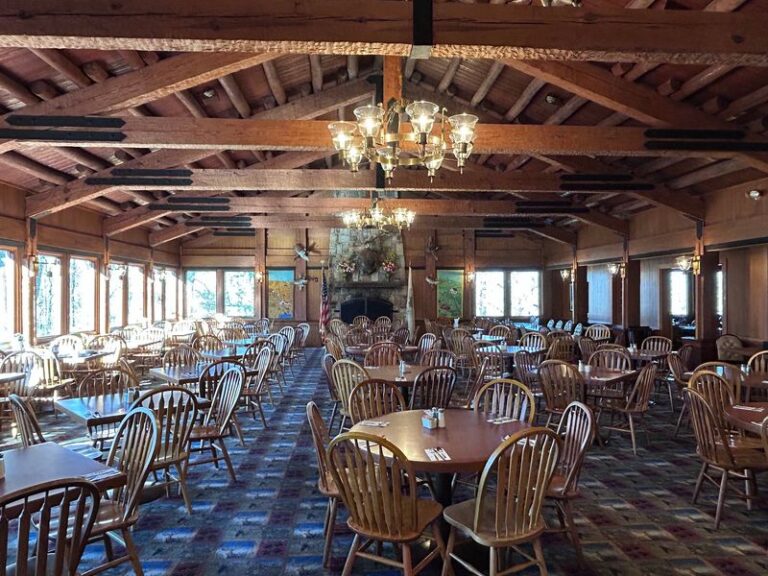
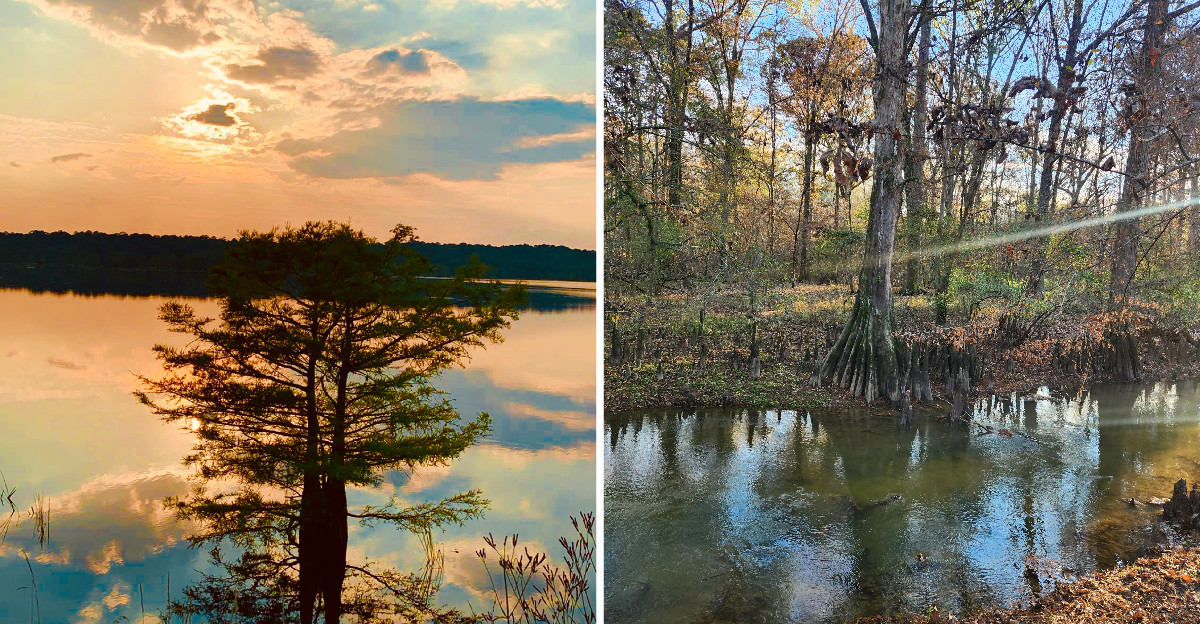
We pulled off a quiet country road in Mississippi expecting a quick stretch and a bathroom break. Instead, our kids found a museum room with a noisy alligator, a lake full of turtles and ducks, and boardwalks that seemed to float over the swamp.
A plain building and a gravel lot opened up into a whole afternoon of wildlife watching. For families who want nature, learning, and wide open space without a big ticket price, this refuge deserves a spot on the calendar.
A Woodland Refuge South of Starkville
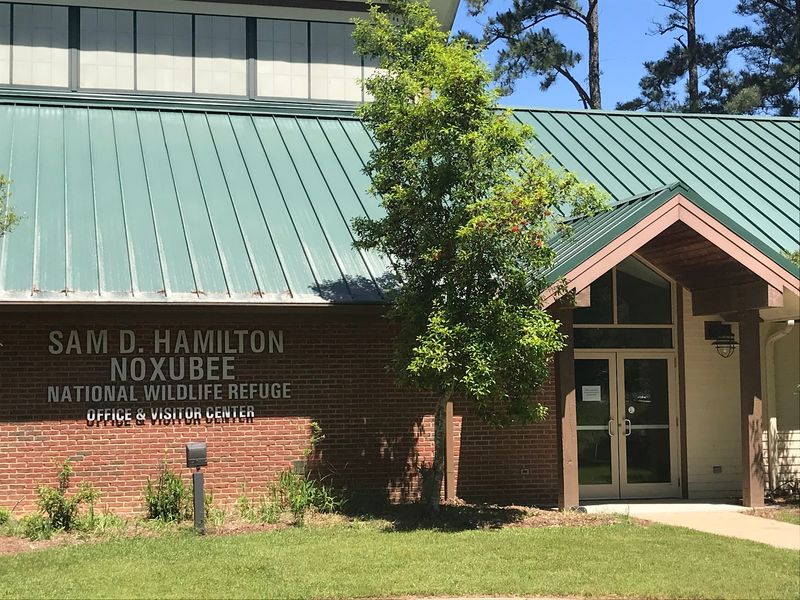
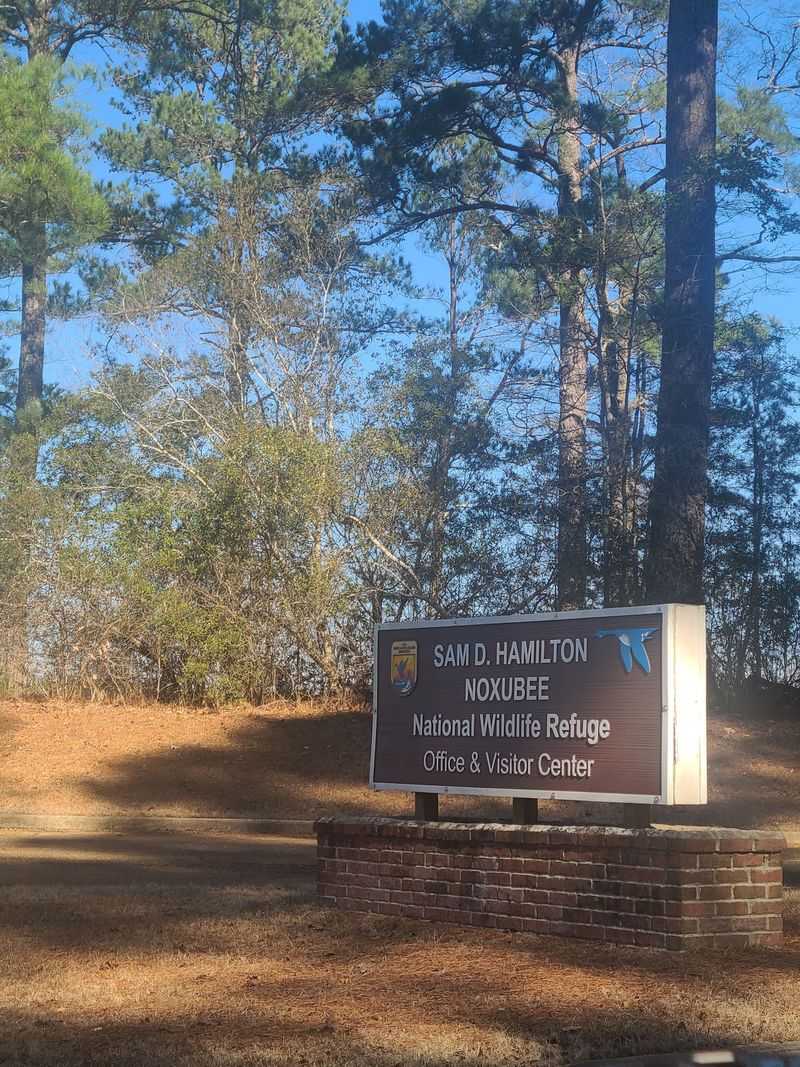
Drive just south of Starkville, follow Highway 25, and turn toward Oktoc Road and Bluff Lake Road. The pavement narrows, the trees close in, and soon a modest admin building and visitor contact station appears among the pines.
That building is the front door to the Sam D. Hamilton Noxubee National Wildlife Refuge, a woodland area set aside for both recreation and education.
Native wildlife lives here year round, and migratory birds pass through in big numbers. Families come for hiking, fishing, birding, and simple quiet time by the water.
Many people around the area simply call it The Refuge. Students, retirees, birders, and parents with toddlers all seem to share the same habit of returning again and again.
The setting includes wetlands, forest, boardwalks, and two lakes, which gives every visit a slightly different feel depending on where you wander first.
For parents, the big draw is how much fits into one stop. A small museum, easy trails, picnic tables, and real chances to see alligators sit within a short drive of town.
Kids get a full outdoor adventure, and adults get a calm place to breathe, all without planning a long road trip across the state.
Mission Built Around Learning Outdoors
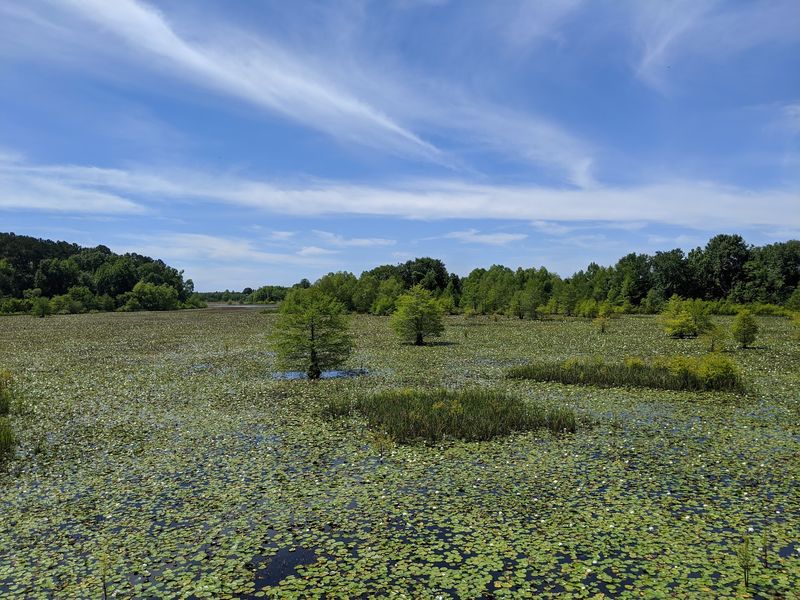
Refuges are not theme parks, and that difference shapes the whole experience here. The land exists first to protect native animals and the migratory birds that rely on it, with people welcome as respectful guests.
Education sits right beside recreation in the refuge description. Signs, exhibits, and trails are arranged so visitors can learn while they explore, which means a simple walk can turn into a lesson about wetlands, forests, and the creatures that share them.
One visitor described the place as designed to help people connect with their surroundings and unplug, and that idea shows up everywhere.
Hunting and fishing are part of the refuge story too. Managed outdoor activities have long been a way for people to enjoy and care for public lands, and the refuge keeps that tradition alive alongside hiking and birdwatching.
For kids, the mission translates into something easy to grasp. Animals live here, and visitors are here to watch, listen, and leave things as they found them.
Parents can use that simple rule as a conversation starter in the car. By the time you park, children often understand that the goal is spotting wildlife, not chasing or bothering it.
The Museum Room Kids Talk About Later
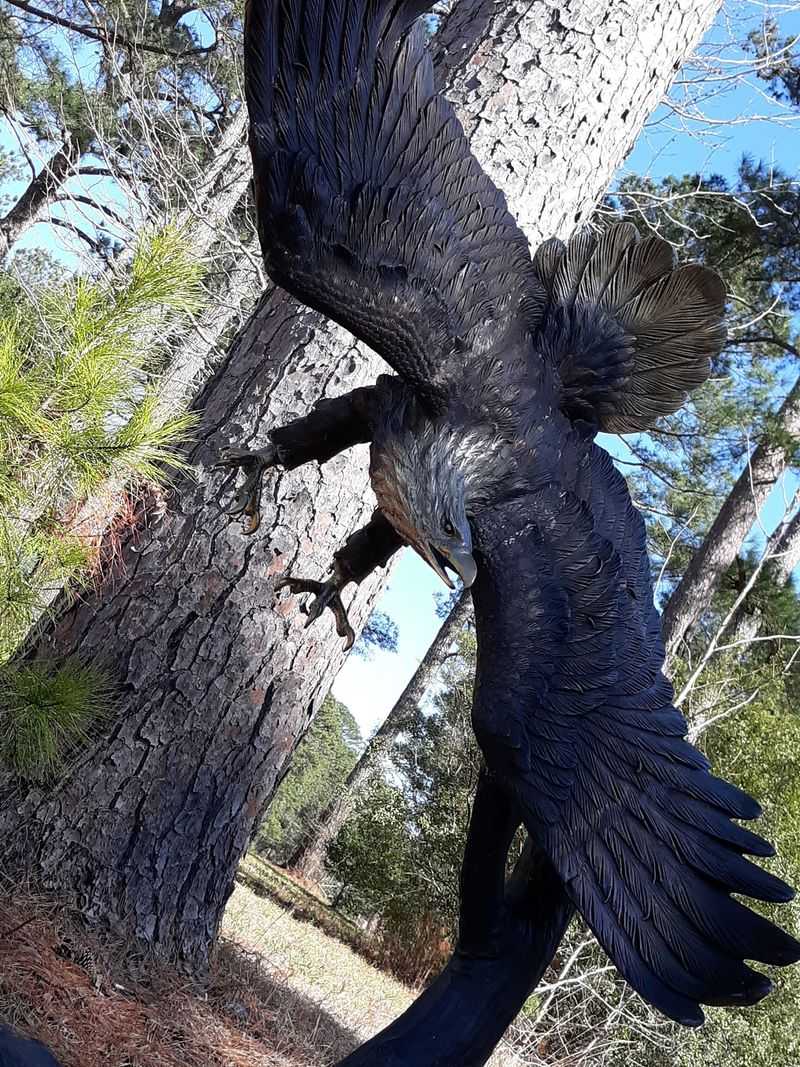
Small does not mean dull. Inside the visitor contact station, a compact museum area packs in enough to hold the attention of curious kids for a good stretch before anyone heads outdoors.
Taxidermy animals from the region stand ready for close looks, giving children a chance to study fur, feathers, and size without needing binoculars. A touch area invites small hands to feel natural objects up close.
Reading panels share information about various animals found on the refuge, so older kids can dig deeper while younger siblings explore the hands-on spots.
Visitors often recommend stopping here first. Staff members get warm praise for being helpful and kind, and they can point families toward trails that match energy levels and ages.
A small gift shop corner offers a souvenir option for kids who want something to carry home.
Practical perks matter too. A full bathroom inside the building is a welcome sight for parents of little ones, especially before setting out on a trail.
Think of this stop as your base camp: learn a bit, ask questions, use the facilities, and then head out with a better idea of what might be swimming, flying, or basking just down the road.
An Indoor Alligator With a Taste for Noise
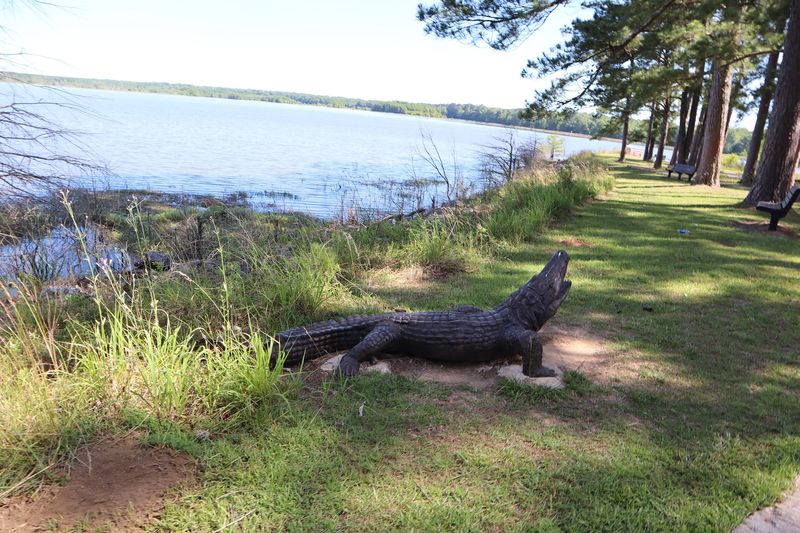
Kids quickly discover that one resident of the visitor center reacts to sound. Families describe an alligator exhibit featuring an alligator that likes noise, and it tends to become the highlight of the indoor visit for younger children.
Mentions of the alligator exhibit come up again and again among people who stop by, which tells you how memorable it is. Some visitors also notice an alligator sculpture on the grounds, another fun photo stop for kids who want proof they met a gator, even if the wild ones stay hidden that day.
Why does this matter for families? Seeing an alligator up close in a safe, controlled setting helps children understand the size and shape of the animal before they scan the lake from a lookout.
They learn what to look for: a snout just above the water, a pair of eyes, or a long dark shape resting on the bank.
Parents can turn the exhibit into a quick game. Ask kids to describe the alligator, count its features, or guess how long it might be.
Then challenge them to spot a real one outside, which gives the whole trip a fun mission from the very start.
Boardwalks Stretched Across the Wetlands
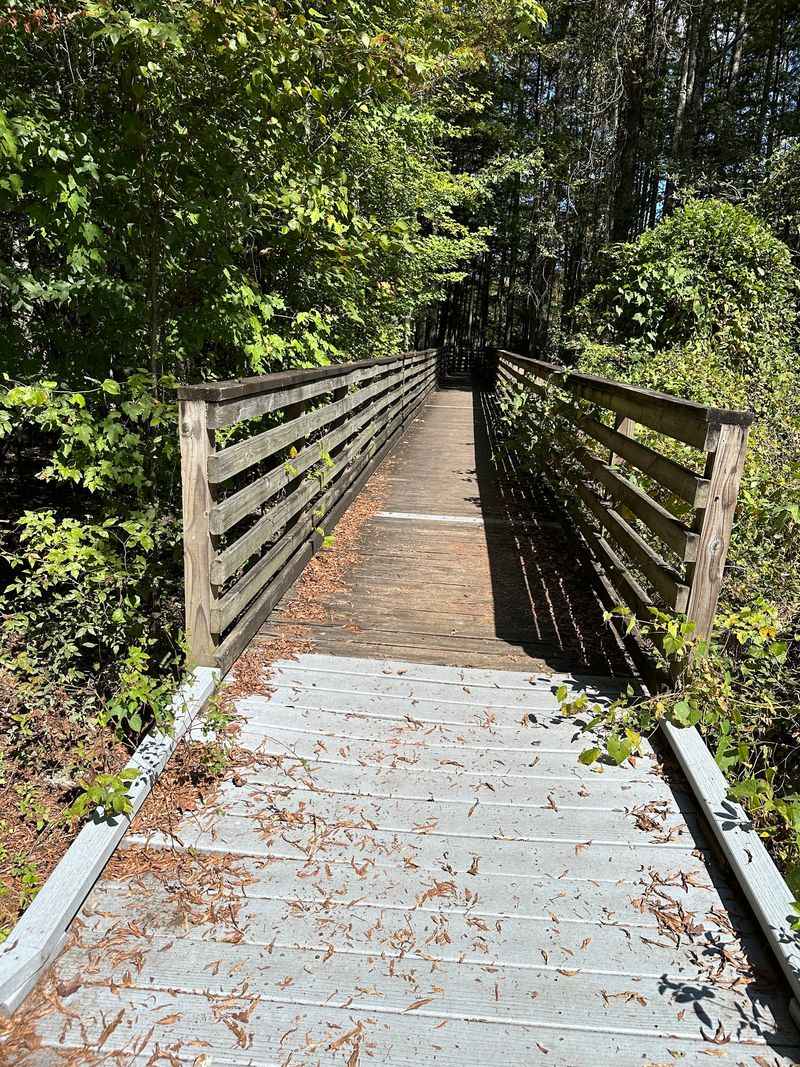
Wooden planks creak softly as you step out over the water, and suddenly the whole family is standing above the wetland instead of beside it. Boardwalks are one of the most loved features at the refuge, and they give kids a front row seat to the swamp.
Several boardwalks and overlooks connect with trails around the lakes. Children can lean on the railings and peer down into the water for fish, turtles, and frogs, while adults enjoy dry footing in places that would otherwise be muddy or flooded.
Visitors who love quiet moments mention sitting on the boardwalks just listening to birds, insects, and fish jumping on the lake.
Parents appreciate how boardwalks naturally slow everyone down. Instead of racing ahead, kids stop to point, whisper, and watch.
A ripple in the water could be a fish, a turtle, or something bigger, and that bit of suspense keeps attention sharp.
For safety, boardwalks also keep curious feet away from the water edge, which matters in a place where alligators live. Remind children to stay on the walkway, keep hands inside the railings, and use their eyes rather than reaching out.
Those simple habits make every boardwalk stroll both exciting and relaxed.
Bald Cypress Boardwalk and a Tin Roof Porch
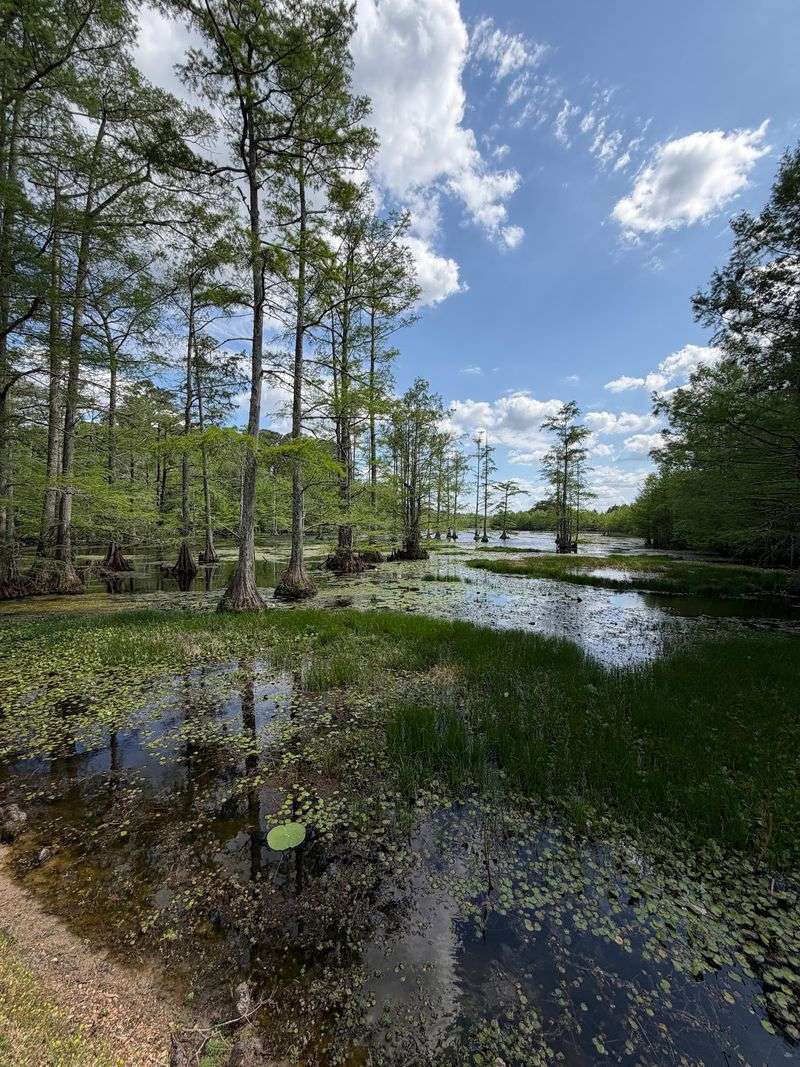
Tall trunks rise straight out of dark water, their knobby knees poking up around the base. The bald cypress boardwalk carries visitors right into this swampy forest, and it feels a little like walking through a storybook setting.
One family shared how they started on the lake path, then hiked the bald cypress boardwalk, and finally rested under a tin roof porch during a light rain. From that sheltered spot they watched turtles, birds, and ducks going about their day.
They ended up spending more than two and a half hours exploring, which shows how easily time slips by here.
That covered porch is a smart feature to remember. Mississippi weather can shift quickly, and having a dry place to pause makes a sudden shower part of the fun instead of a reason to leave.
Rain on a tin roof is a sound many kids rarely hear, and it adds a cozy note to the outing.
Bring a small snack and a water bottle for this stretch. Kids can sit, watch, and count animals while grown ups enjoy the calm.
It is a natural halfway point that helps little legs rest before the walk back.
Alligator Lookout and the Thrill of the Search
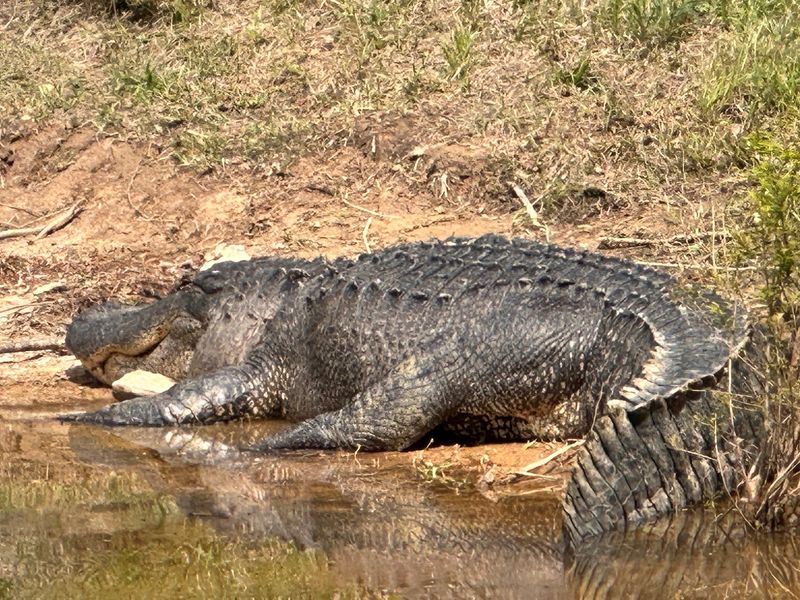
Eyes. That is usually the first thing kids spot, two small bumps breaking the glassy surface of the lake.
A lookout area on the refuge gives families a safe, raised spot to scan the water where alligators can sometimes be seen.
Sightings are never guaranteed, and honest visitors admit it. Some people have gone many times without seeing a live gator, while others report spotting at least one every visit.
A recent visitor happily mentioned seeing two alligators in a single trip. That mix of hit and miss is exactly what makes the search feel like a real adventure.
Patience pays off. Calm, sunny stretches can bring alligators up to rest or drift near the surface, so give the lookout several minutes rather than a quick glance.
Kids who arrive knowing what to look for, thanks to the indoor exhibit, often become the sharpest spotters in the group.
Safety comes first. Alligators live in these waters, so families should stay on trails and platforms, keep small children close, and never toss food toward the lake.
Watching from a respectful distance keeps both people and animals comfortable, and it turns a lucky sighting into a proud family story.
Ducks, Turtles, Eagles and a Birder’s Checklist
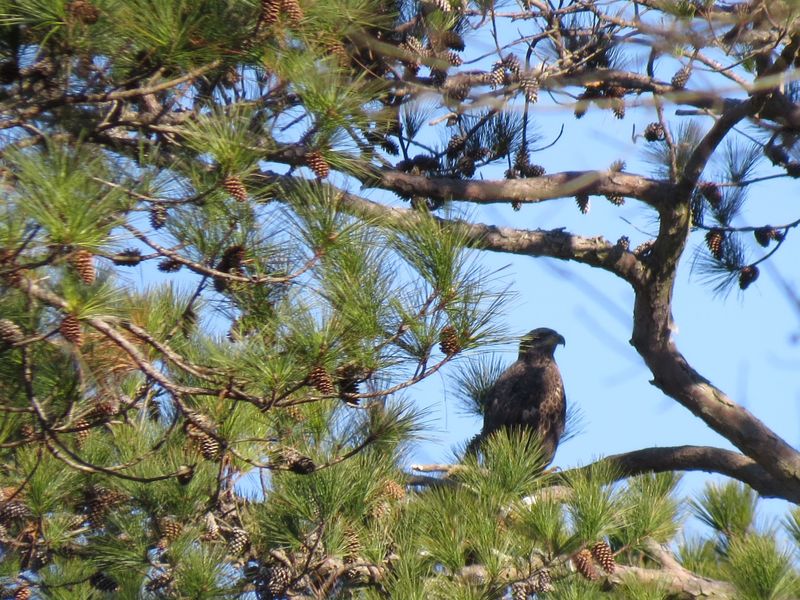
Ducks paddle along the shoreline, turtles stack themselves on sunny logs, and somewhere overhead an eagle might be circling. Birdwatching is a big part of the refuge experience, and families quickly realize how much life is moving around them.
Visitors who call themselves serious birders say the refuge is a great place to find many different species. Migratory birds pass through, so the cast of characters can change with the seasons.
Ducks are a familiar favorite for young kids, and eagles add a wow moment for anyone lucky enough to spot one.
A quick note for families drawn by the idea of feeding ducks: on a national wildlife refuge, the best plan is to watch rather than feed. Human snacks are not healthy for wild birds, and food near the water can attract alligators closer to people.
Check with staff at the visitor center about current rules before you go.
Kids can still feel involved. Pack a simple notebook and let them sketch or tally every duck, turtle, and bird they see.
Binoculars, even an inexpensive pair, can turn a quiet morning into a scavenger hunt that keeps young explorers busy and proud of their list.
Trails Sized for Little Legs and Bigger Hikers
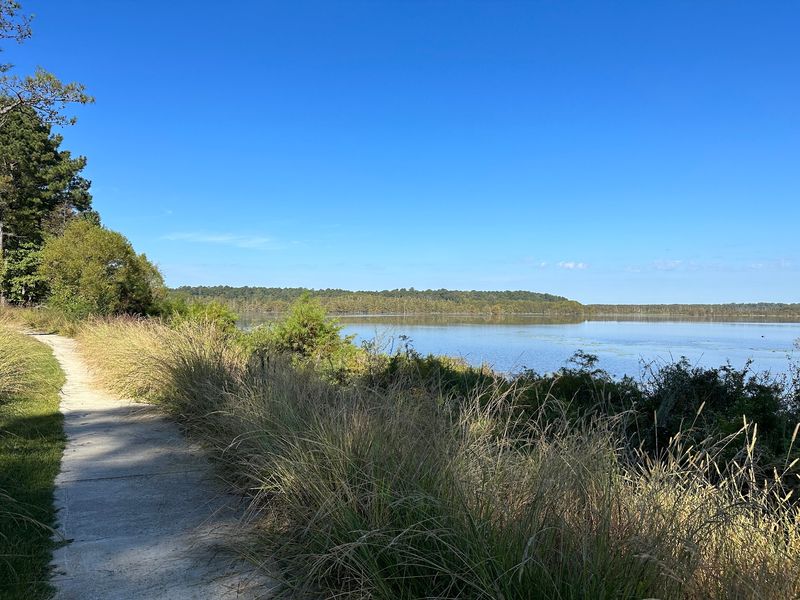
Hiking comes up more than almost any other topic when visitors talk about the refuge. Several trails of varying difficulty wind through forest and along the water, and many are easy enough for small kids to enjoy.
Beginner hikers, families, and nature lovers all find something that fits. One couple described a weekend hike filled with wildlife, pretty insects, and many kinds of mushrooms along the paths.
They also noted a few fallen trees to step around, a reminder that this is a real woodland and not a paved park.
Short day hikes are a popular choice. Parents can pick a loop that matches the age and energy of the group, then decide on the spot whether to add another stretch.
Biking is also mentioned by visitors as a good way to see more ground, which may appeal to older kids and teens.
Gear matters on these trails. Sturdy shoes are a smart call, since snakes and bugs share the woods, and bug spray is strongly recommended.
Chiggers in particular can leave itchy bites, so long pants or tucked socks help. With a little preparation, the trails become an easy, rewarding walk for every age.
Picnic Grounds with Room to Run
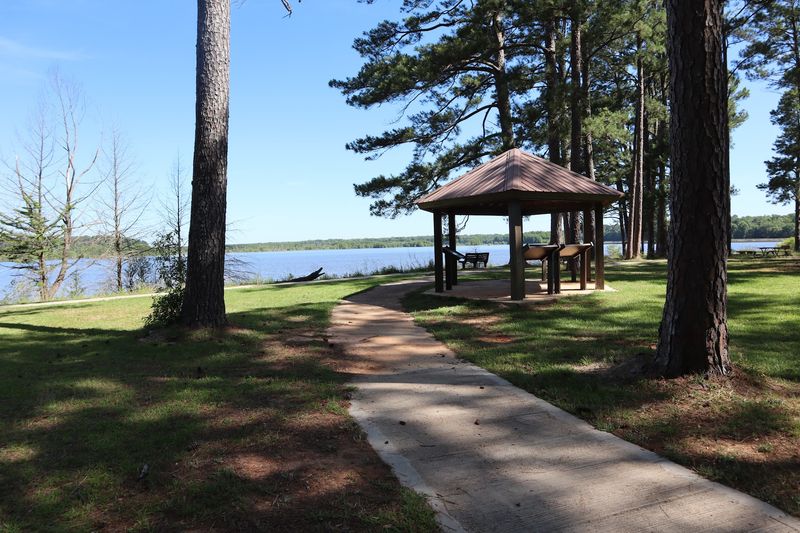
Lunch tastes better with a lake view. Near the water, a picnic area offers tables, open grass, and enough space for kids to burn off energy after a morning of quiet wildlife watching.
Grills have been available for visitors, and families talk fondly about cookouts and barbecues here. Some people describe the refuge as the perfect place to spend time with loved ones, play games, string up a hammock, and just relax together.
That makes it a strong pick for birthday outings, weekend family gatherings, or a simple sandwich break between trails.
A camp style toilet sits near the picnic area, which helps when the visitor center bathroom is a walk away. Planning ahead still matters.
Pack a trash bag, bring plenty of water, and keep food sealed so it does not tempt wildlife.
Little ones especially benefit from this open space. After a stretch of whispering on boardwalks, they can run, toss a ball, or chase each other across the grass.
Parents can sit at a table and enjoy the view while still keeping kids in sight. It is an easy way to turn a nature walk into a full, relaxed family day outdoors.
Autumn Color and Sunsets Over the Lake
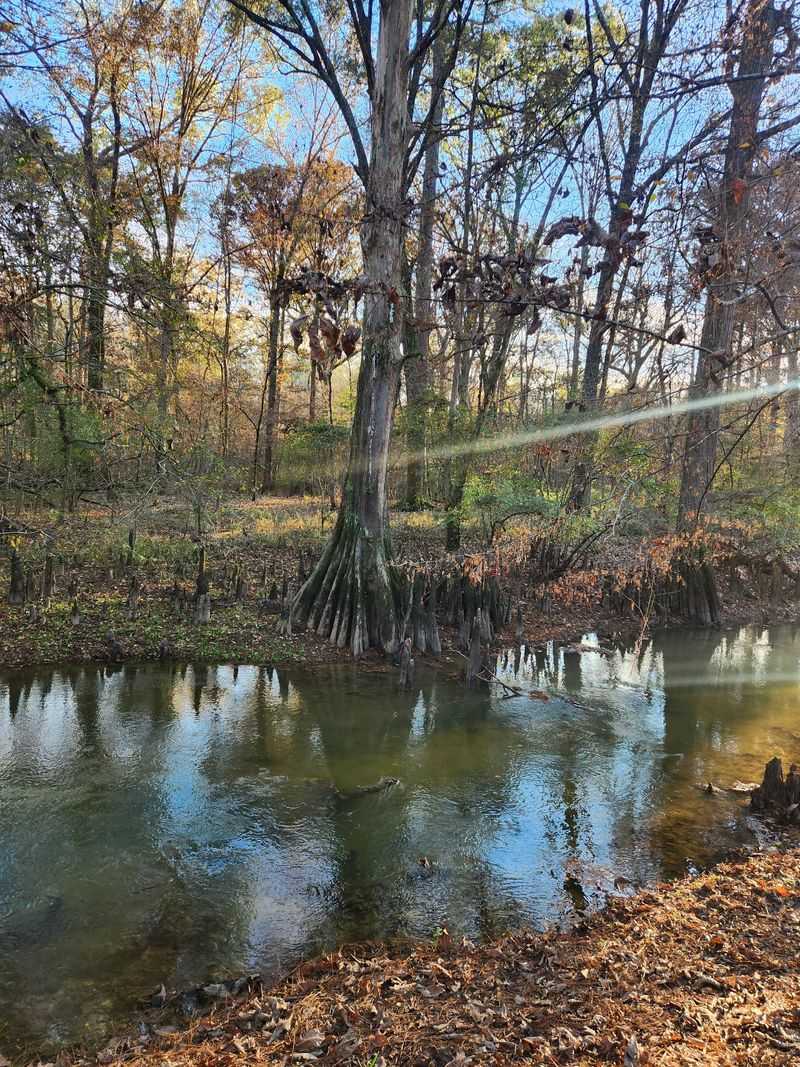
Late October and early November bring a quiet show. The bald cypress and many other trees of the forest and swamp turn warm shades of rust and gold, and longtime visitors say the whole place seems to come alive.
Fall can be a great season for families who want cooler walking weather and colorful photos. The reflections of turning trees on the lakes make even a short stroll feel special.
Kids can collect a few fallen leaves near the trails, compare colors, and talk about why the cypress changes even though it looks like an evergreen.
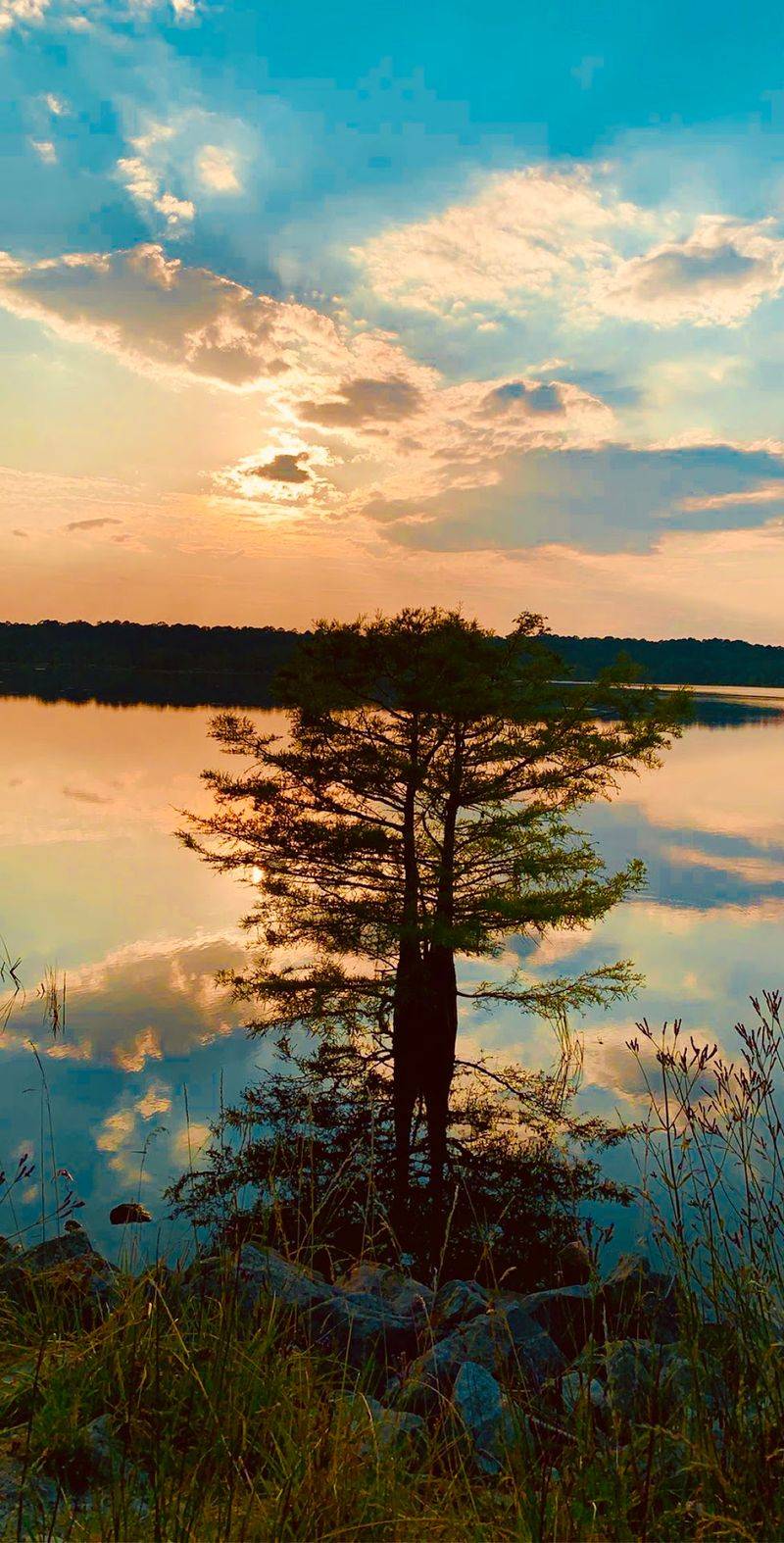
Sunsets earn praise year round. One visitor suggested taking time to walk the trails and then watch the sun go down over the lake.
That calm golden hour is a lovely way to end a day, especially after busy afternoons of hiking and wildlife spotting.
Night skies have their fans too, with some visitors mentioning star gazing among their favorite refuge memories. Families planning an evening stay should check current access rules and bring flashlights.
Pairing a picnic dinner with a sunset and a few early stars turns an ordinary weekday into something the kids will talk about at school.
Hours, Passes and Smart Packing
Timing your stop at the admin building and visitor contact station takes a little planning. Doors open Monday through Friday from 7:30 in the morning until 4 in the afternoon, and the building is closed on Saturday and Sunday.
Weekend visitors can still explore the grounds, but the museum room and indoor bathroom will not be available. Families who want the full experience, including the alligator exhibit and staff advice, should aim for a weekday visit or a school holiday.
Costs are low, which is part of the appeal. Parking and grills have been described as free, though more recent visitors note that day or yearly passes are now in place due to federal budget changes.
Stop by the visitor center if you plan to park in the refuge, and ask about current pass options.
Getting there is simple. Head just south of Starkville off Highway 25 and follow signs toward Bluff Lake Road.
Pack bug spray, sturdy shoes, water, snacks, sunscreen, and a rain layer. Binoculars and a field notebook add fun for kids, and a trash bag helps keep the refuge clean for the animals who call it home.
A Low Cost Day of Wild Discoveries
Few family outings deliver this much for so little. Between a hands on museum, a noisy indoor alligator, boardwalks over the swamp, and real chances to spot wild gators, the refuge packs a surprising amount into one visit.
Kids get plenty of variety. Quiet moments on the bald cypress boardwalk balance out running time on the picnic grass, and short trails fit even small hikers.
Older children can stretch out on longer walks, try fishing, or join summer canoe days. Parents get peaceful scenery, birdsong, and a break from screens and schedules.
Expectations help. Wildlife sightings come and go, so treat each animal as a bonus rather than a promise.
Some days bring two alligators and an eagle, and other days bring turtles, ducks, and a sky full of songbirds. Either way, children learn how to watch carefully and respect the creatures they share the land with.
For families in or around Starkville, this makes an easy weekday adventure or a favorite repeat outing. Visitors from farther away can fold it into a road trip across Mississippi.
Arrive curious, pack for bugs, stop at the visitor center first, and let the refuge set the pace for the day.