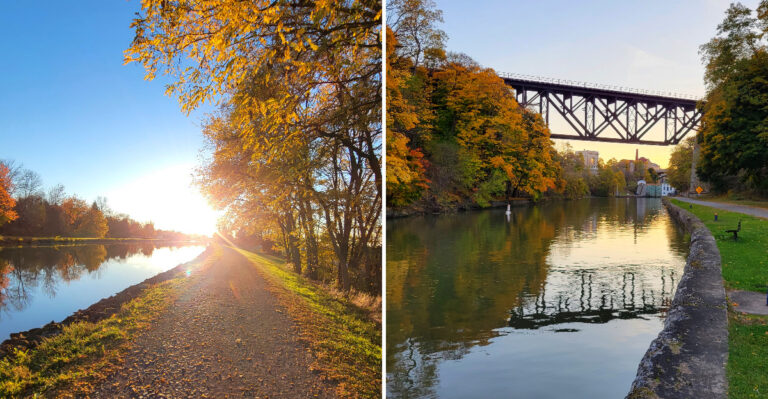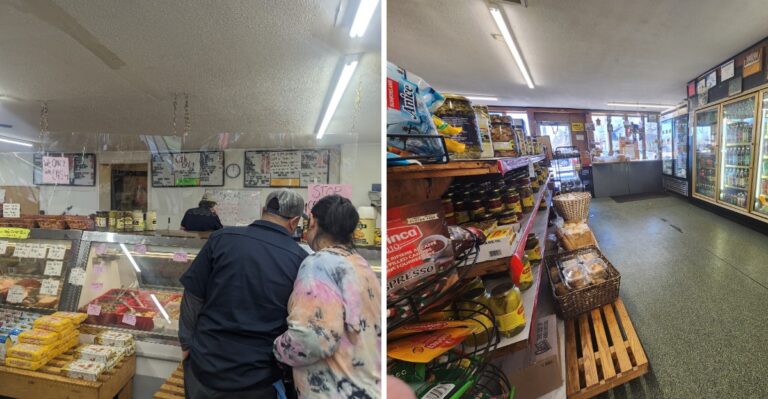
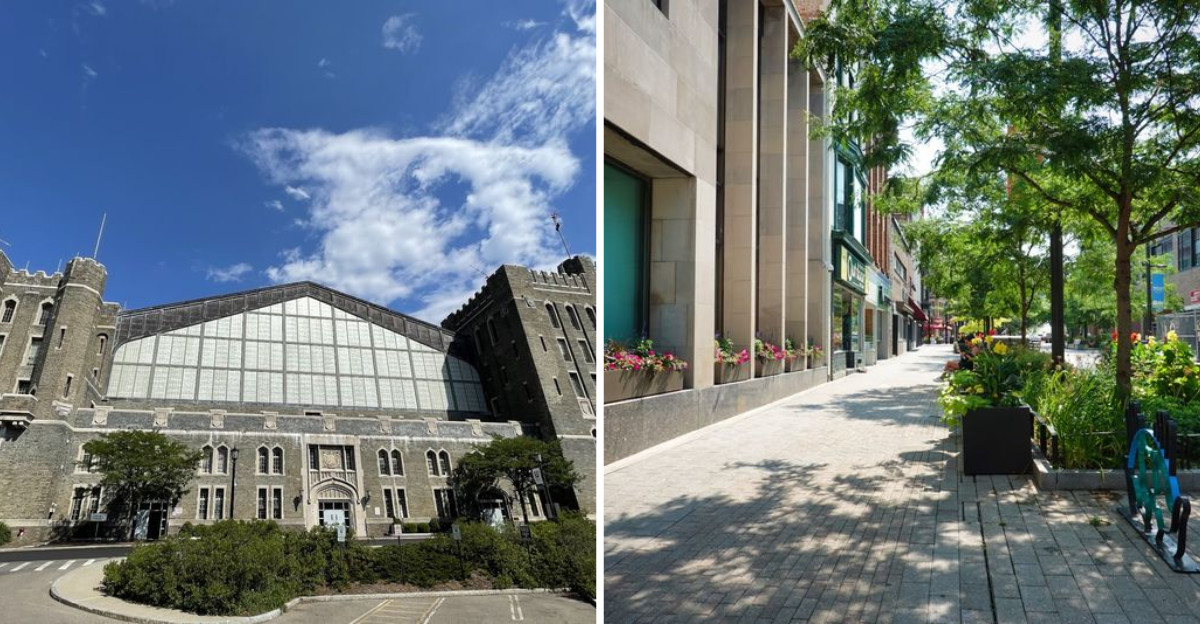
More than 100 waterfalls tumble within 10 miles of one small downtown. One of them drops 215 feet in a single plunge, taller than Niagara Falls.
That fact alone would definitely get my attention. Add an Ivy League campus, a pedestrian mall, and a farmers market, and this upstate New York city starts sounding like a serious contender.
Big claims about where everyone is moving get tossed around a lot. I appreciate a place that earns attention with gorges, bus routes, and farm stands rather than beaches and sticky humidity.
It isn’t perfect, and housing costs here deserve an honest look. Still, I can see why someone might trade palm trees for lake views and snow days.
Count The Waterfalls Before You Count The Moving Boxes
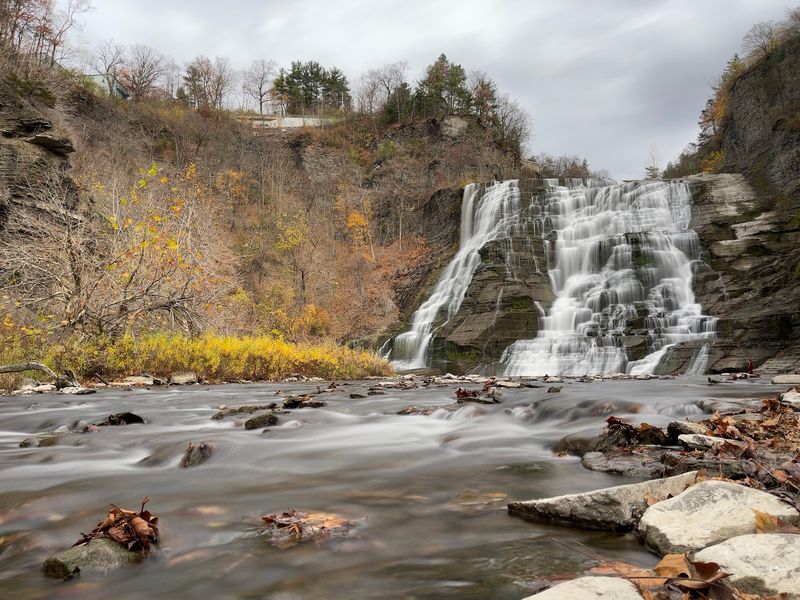
Gorges are the local headline in Ithaca, New York, and they show up in surprising places. More than 100 waterfalls sit within a 10-mile radius of downtown.
That number sounds made up, but the landscape backs it up. Ithaca Falls tumbles near downtown, so you don’t even need a long drive for a first look.
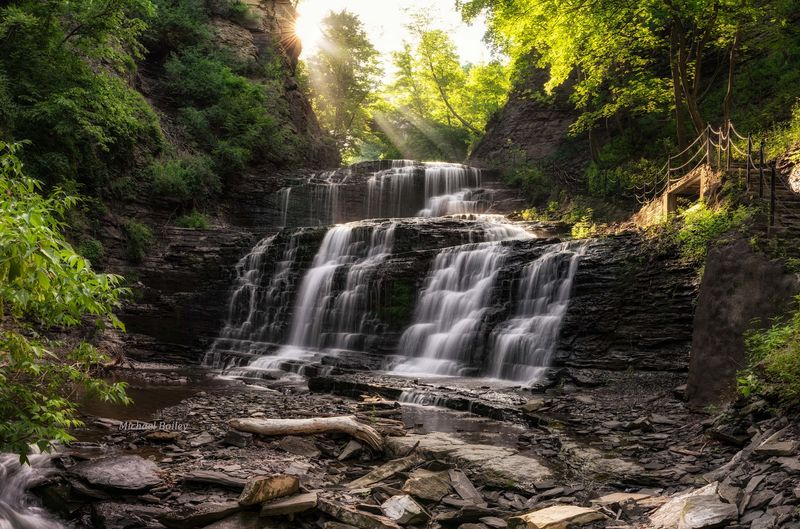
Cascadilla Falls adds a multi-tiered show on the Cornell side of town. Water stepping down rock ledges makes a pretty great argument for a daily walk.
Around the city, rolling farmland and forested hills fill in the rest of the scenery. It feels a bit like a nature documentary decided to open a college.
New residents should keep good walking shoes near the door. Trails here can be wet, steep, and uneven, so traction matters more than style.
Seasons change the falls in fun ways too. Spring snowmelt can make them louder, while winter can frost the rocks into something out of a postcard.
For anyone weighing a move, this is the part that sticks. Florida has beaches, but few places offer waterfalls as everyday background scenery.
A Single Drop Taller Than Niagara? Yes, Really
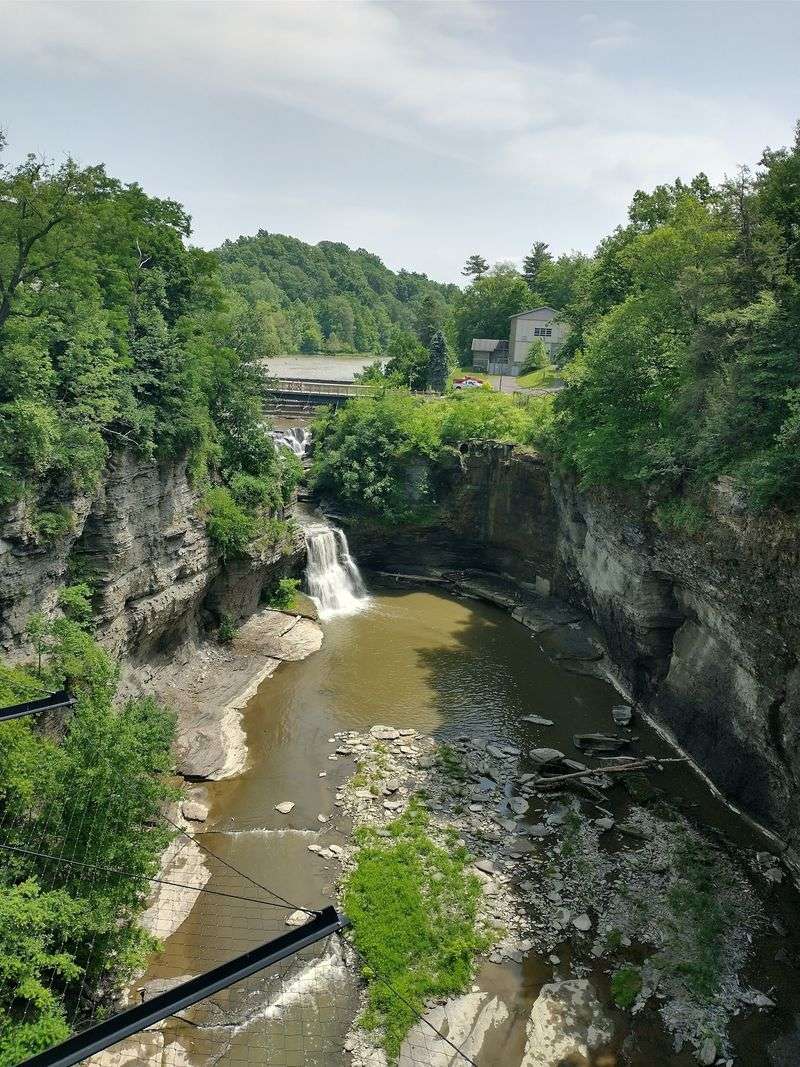
Bragging rights come easy with this one nearby. Taughannock Falls plunges 215 feet in a single drop, making it taller than Niagara Falls.
Niagara wins on width and fame, of course. Still, height is height, and this one sits a short drive from Ithaca.
The waterfall anchors Taughannock Falls State Park, one of several state parks near the city. That means trails, views, and room to roam are part of the package.
Cayuga Lake sits close by as well, since Ithaca rests at its southern tip. Lake views plus a giant waterfall make for a pretty strong weekend plan.
I’d probably make this the first outing after unpacking. Nothing says welcome home quite like standing below a curtain of water that tall.
Families can treat it as a go-to spot for visiting relatives. Grandparents who doubted the move may change their tune after one look.
Bring a jacket on cooler days, since spray and shade can chill the air. A camera helps too, because friends back in Florida will want proof.
Each season gives the falls a different personality. That makes repeat trips feel fresh instead of routine.
Swimming Holes Carved By Nature Beat A Crowded Beach
Natural pools sit right at the bottom of wooded gorges south of town. Buttermilk Falls and Robert H. Treman State Parks both offer that rare combo.
Southwest of Ithaca, these parks feel like a reward for living in upstate New York. Waterfalls, gorges, and forest trails all share the same few miles.
Summer is the obvious headline season here. Rules on swimming can change, so checking park updates before heading out is smart.
Hikers get plenty of love too. Gorge trails wind past cascades, and the views change around nearly every bend.
Fall brings bright leaves across the forested hills. Winter quiets things down and turns the region into a snowy, peaceful scene.
I appreciate that these parks sit so close to a working city. Plenty of people drive hours for this kind of scenery, while locals get it almost next door.
For kids, a day here beats another afternoon of screens. Packing snacks, water, and sturdy shoes covers most of what you need.
Compared to a packed beach, a gorge offers shade and cooler air. On a hot July afternoon, that difference feels huge.
Big Brains Quietly Power The Local Job Scene
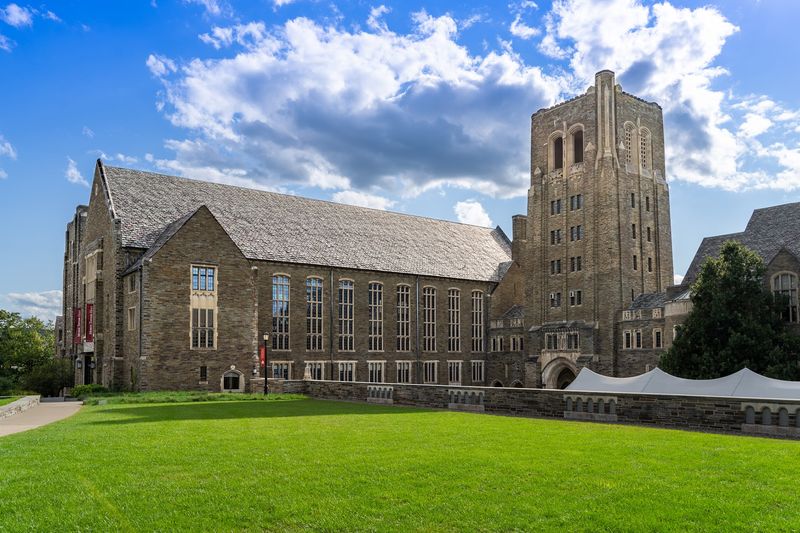
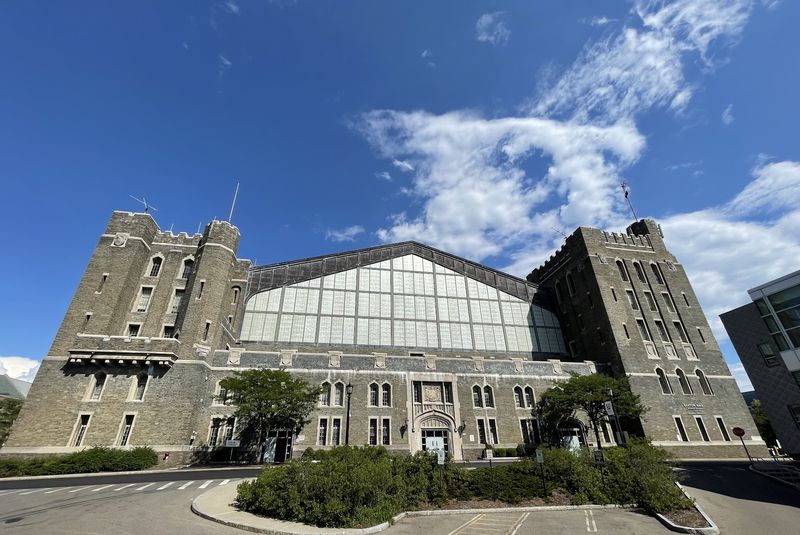
Cornell University was founded in 1865, and the Ivy League school still shapes Ithaca today. Ithaca College and Tompkins Cortland Community College add even more academic energy.
All three schools are major employers in the area. That steady presence helps make Ithaca one of the few expanding economies in upstate New York.
Jobs here reach beyond the classroom. Healthcare, technology, research, and tourism all play big roles in the local job market.
College towns tend to bring perks for everyone, not only students. Lectures, gardens, and museums connected to campus make daily life more interesting.
The American Institute for Economic Research named Ithaca the fourth best college town in America. That’s a solid badge for a city of roughly 32,000 people.
Families get good news too. Public schools in Ithaca are highly rated, which matters a lot when picking a new hometown.
Of course, a campus crowd changes the rhythm of the year. Move-in weeks and graduation weekends can make town feel extra busy.
Still, that energy keeps things fresh. Few small cities get this many new ideas walking around every semester.
Downtown Life Moves At Walking Speed On The Commons
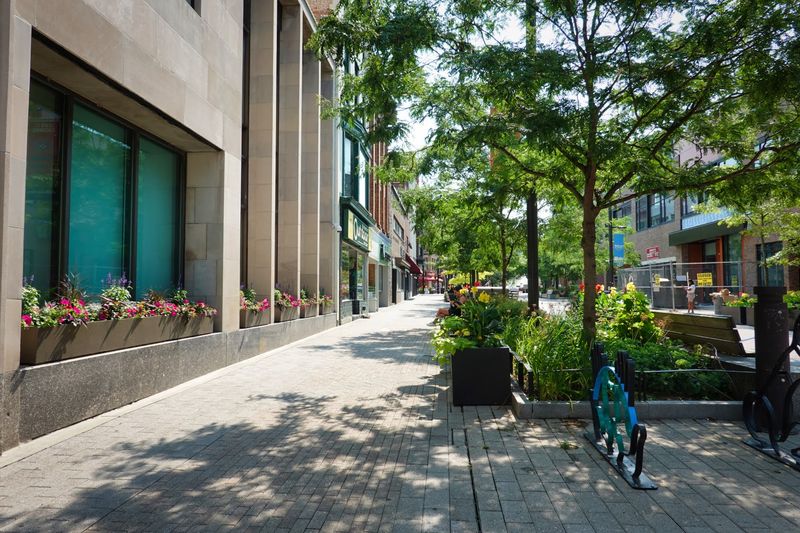
Cars take a back seat downtown, and that’s a good thing. The Ithaca Commons is a pedestrian mall packed with shops, food, and arts spaces.
The mix is famously eclectic. You can browse local retail, grab a bite, and catch some art without moving your car once.
The Commons also serves as a cultural and political hub for the city. That gives downtown a real sense of community voice.
Newcomers should make the Downtown Visitor Center an early stop. It sits at 110 N. Tioga Street, Ithaca, NY 14850.
The center opens Monday through Saturday from 10 am to 5 pm. Grabbing maps and local tips there beats guessing your way around.
Walkable downtowns are getting rare in plenty of places. Having one in a small New York city feels like a genuine bonus.
I can’t imagine a better spot for a lazy Saturday. Wander, snack, browse, repeat, and somehow the whole afternoon disappears.
Bring friends who are visiting from out of state. The Commons does a great job of showing off the town’s personality fast.
Rain or shine, it stays a handy meeting point. Telling someone to meet you on the Commons is about as local as it gets.
Your Taste Buds Might Vote For This Move First
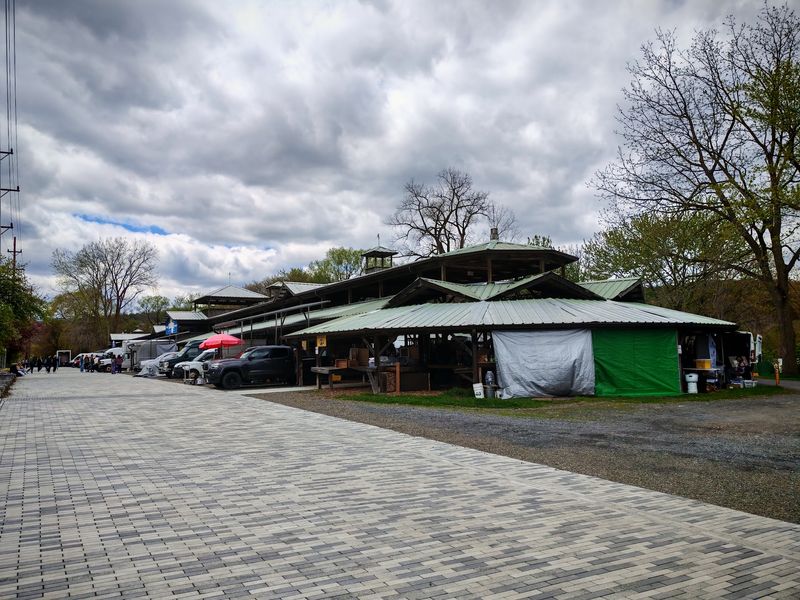
Bon Appétit magazine once named Ithaca one of America’s foodiest towns, back in 2010. The farm-to-table spirit behind that honor still runs strong today.
Local ingredients take center stage at many kitchens. Rolling farmland around the city makes that approach feel natural rather than trendy.
The Ithaca Farmers Market is a must for new residents. Produce, prepared food, and crafts all land in one lively spot.
Moosewood Restaurant is a famous name in the local dining scene. Collegetown Bagels and Sangam Indian Cuisine help round out the mix.
International flavors show up all over town as well. For a small city, the range of choices feels surprisingly wide.
I’d probably start at the farmers market and plan meals from there. Eating with the seasons gets easy when the farms are this close.
Weeknight dinners don’t have to be boring here. A new favorite spot could be a short walk or bus ride away.
Food lovers moving from Florida may miss fresh citrus. They’ll likely make up for it with apples, local produce, and a serious meal lineup.
Science Nerds, Bird Lovers, And Art Fans All Get A Trail
Curiosity gets its own route here. The Discovery Trail links several science, nature, and culture spots across the Ithaca area.
The Cornell Lab of Ornithology is a dream for bird fans. The Cayuga Nature Center offers another way to connect with local wildlife and woods.
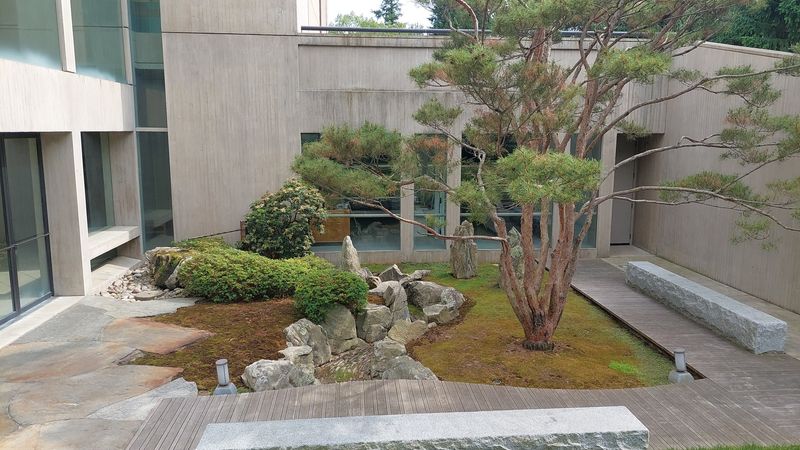
Art lovers can head to the Herbert F. Johnson Museum of Art on the Cornell campus.Famed architect I. M.
Pei designed the museum building. The building is a significant example of Pei’s architectural work.
Cornell Botanic Gardens spreads out with an arboretum and plenty of room to wander. It feels like a calm escape just minutes from busy campus paths.
Fossil fans get the Museum of the Earth. Kids, meanwhile, can burn energy at the Sciencenter with hands-on exhibits.
This lineup turns rainy days into easy plans. No parent wants to hear about boredom five times before lunch.
I appreciate that so much learning sits in one small city. Most places would brag about having just one of these spots.
New residents can work through the trail one stop at a time. It’s a fun way to get to know the area during that first year.
Festival Season Never Really Clocks Out
Porches become stages during Ithaca Porchfest, and that idea alone is delightful. Music drifts through neighborhoods as homes turn into tiny concert venues.
The Ithaca Festival brings the community together as well. Then fall arrives with the Apple Harvest Festival, a sweet fit for a farm-rich region.
Winter doesn’t get left out. The Winter Lights Festival gives the colder months something bright to look forward to.
Theater fans have strong options too. The Hangar Theatre and the State Theatre of Ithaca both support a thriving arts scene.
Music and art run deep in this upstate New York city. For a place this size, the calendar stays impressively full.
I’d probably mark Porchfest on the calendar first. Strolling from porch to porch sounds like the friendliest concert ever planned.
Families can treat festivals as an easy way to meet neighbors. Shared events help newcomers feel rooted much faster.
Snowbirds heading south miss out on this kind of seasonal rhythm. Here, every stretch of the year brings its own reason to show up.
Plan a little ahead, since popular events can draw big turnouts. Comfortable shoes and a flexible mood go a long way.
Affordable Is Relative, So Let’s Talk Real Tradeoffs
Compared to Manhattan, Ithaca looks like a bargain. Housing costs run over 65 percent lower than in the big city.
Compared to the rest of the country, the picture gets trickier. The overall cost of living sits around 3 to 4 percent above the national average.
Housing is the biggest hurdle. Homes cost more here than in Syracuse or Buffalo, and the market stays competitive.
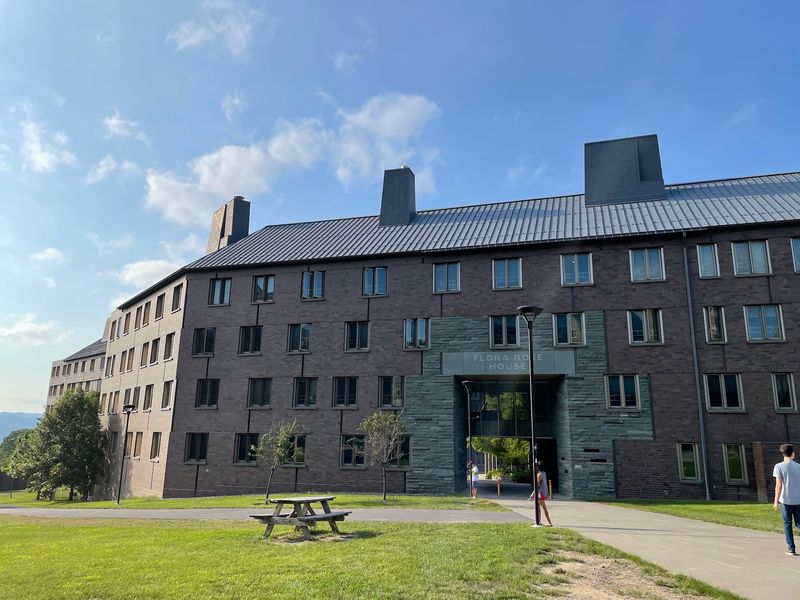
Renters occupy approximately 70 percent of Ithaca’s households, according to recent U.S. Census Bureau estimates. More than half of renter households spend over 30 percent of their income on rent.
Local taxes can feel heavy too. Part of that comes from the tax-exempt status of Cornell and Ithaca College.
Transportation helps balance things out. TCAT operates approximately 25 bus routes connecting neighborhoods, college campuses, and surrounding communities at affordable fares.
Fewer car trips can mean real savings over a year. That’s a perk many sprawling Florida cities can’t easily match.
My honest take is simple. Ithaca isn’t cheap, but it delivers waterfalls, culture, and community that many pricier places can’t touch.
Anyone thinking about a move should budget carefully and visit first. The view from a gorge trail might make the math feel worth it.