A candy shop keeps a six-foot candy cane that weighs 30 pounds. Nobody is eating that one, but the smaller versions get made right in front of you.
The sugar mixture is heated to over 320 degrees Fahrenheit before being poured onto an original marble slab. Then skilled hands pull, twist, and roll it into stripes while the whole room smells like peppermint.
I love that this California shop still uses the same candy cane recipe it started with. Even better, guests at ticketed demos get to bend a warm candy cane of their own.
Christmas demonstration tickets can sell out quickly after they are released. So how early is too early to plan a candy trip?
The Main Event Happens On A Marble Slab
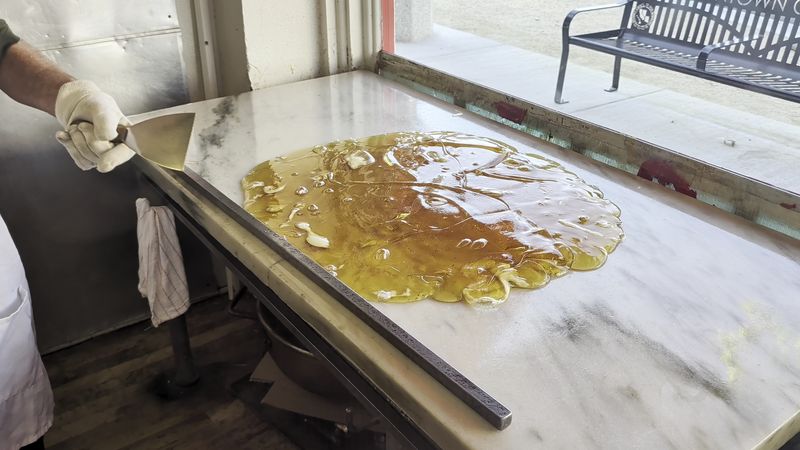
Sugar, water, and corn syrup start the show. At Logan’s Candies, that simple mixture is heated to over 320 degrees Fahrenheit before anything fun happens.
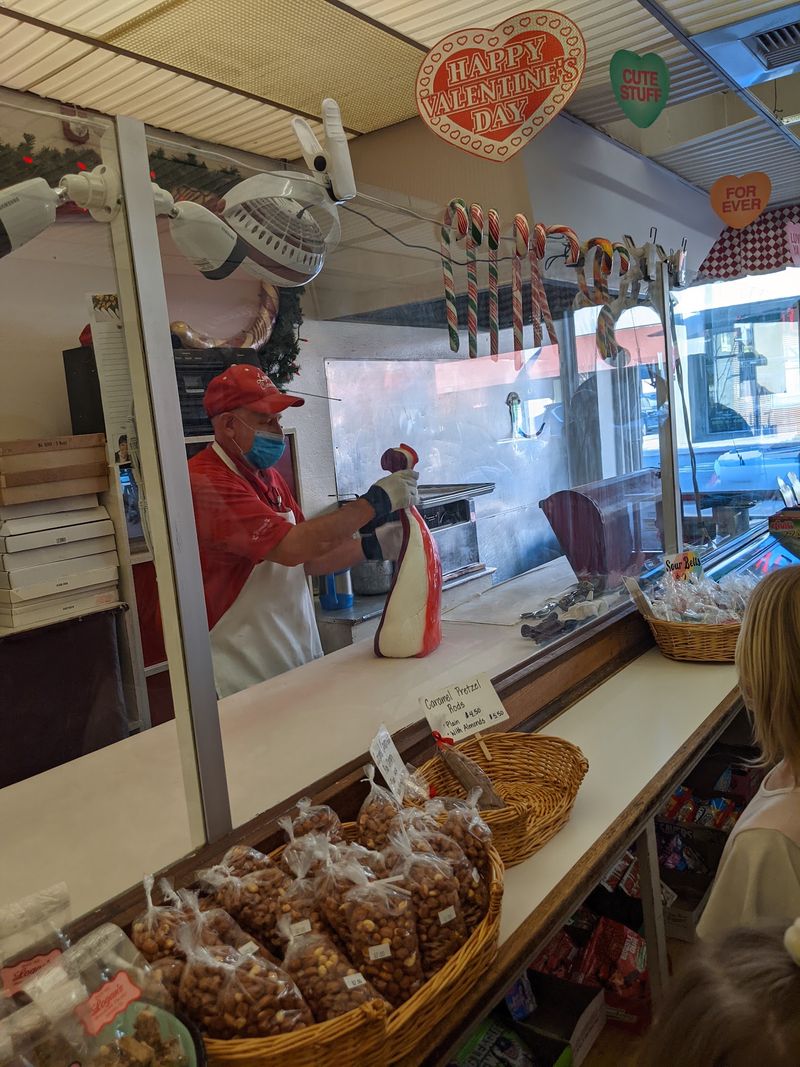
Next, the hot candy gets poured onto an original marble slab. Colors and peppermint flavor go in, and the real handwork begins.
The candy makers pull, cut, roll, and shape the candy while it’s still warm. Every red and white stripe gets lined up by hand, not by a machine.
The demonstrations run about 45 to 55 minutes. During candy cane demonstrations, visitors can see the entire process from bubbling pot to finished cane.
Expect to feel some heat coming off the work area. The air also fills with a sweet smell that makes waiting for samples a real test of patience.
Families with kids of all ages can follow along easily. The demos are built to teach and entertain at the same time, which is a rare combo.
I appreciate that nothing about this feels rushed. You get to see why a handmade candy cane is a craft, not just a stocking stuffer.
Honestly, grocery store candy canes may never look quite the same again. Consider yourself warned.
Your Kids Get To Bend Their Own Warm Candy Cane
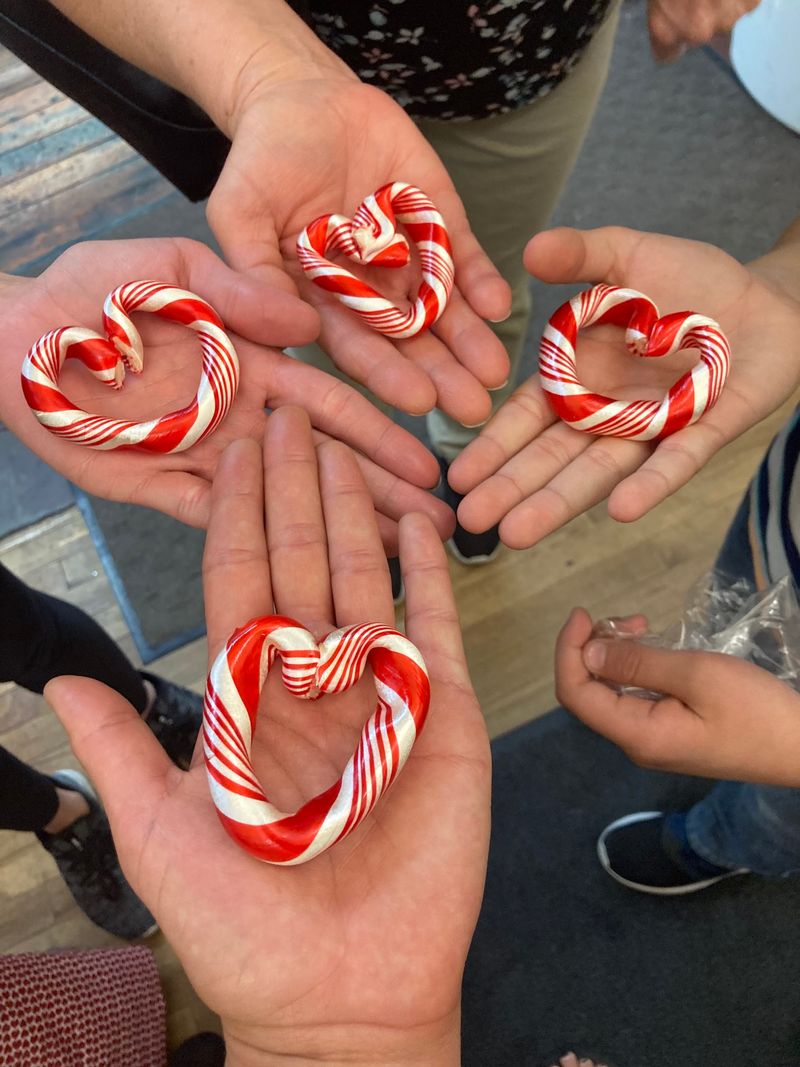
Watching is great. Getting your hands on the candy is even better.
Guests with tickets to a demonstration receive warm candy samples during the session. Warm candy cane tastes different from the cold, crunchy kind, and that alone makes the trip memorable.
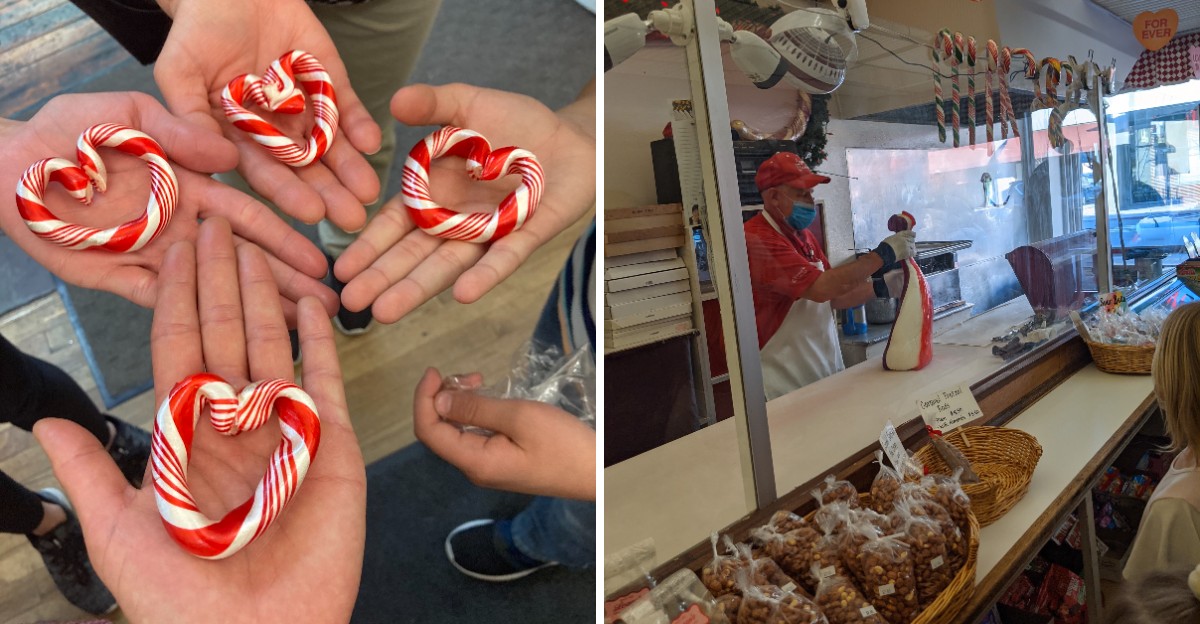
The best part comes near the end. Each ticketed participant gets to bend a warm candy cane into shape before it hardens.
That little hook suddenly becomes a trophy. Good luck convincing a child to eat it on the drive home.
Little ones under two don’t need a ticket. The exception is if they want to bend a candy cane, which requires one.
This hands-on moment turns a shopping stop into a real family tradition. Plenty of holiday outings involve standing in line, but few end with something you shaped yourself.
I’d plan on taking a photo the second the cane is finished. Bent candy canes come in every possible angle, and each one tells a funny story.
Grandparents tend to love this kind of outing too. It’s simple, sweet, and doesn’t need a single screen to keep anyone interested for nearly an hour.
Set An Alarm For Monday Morning
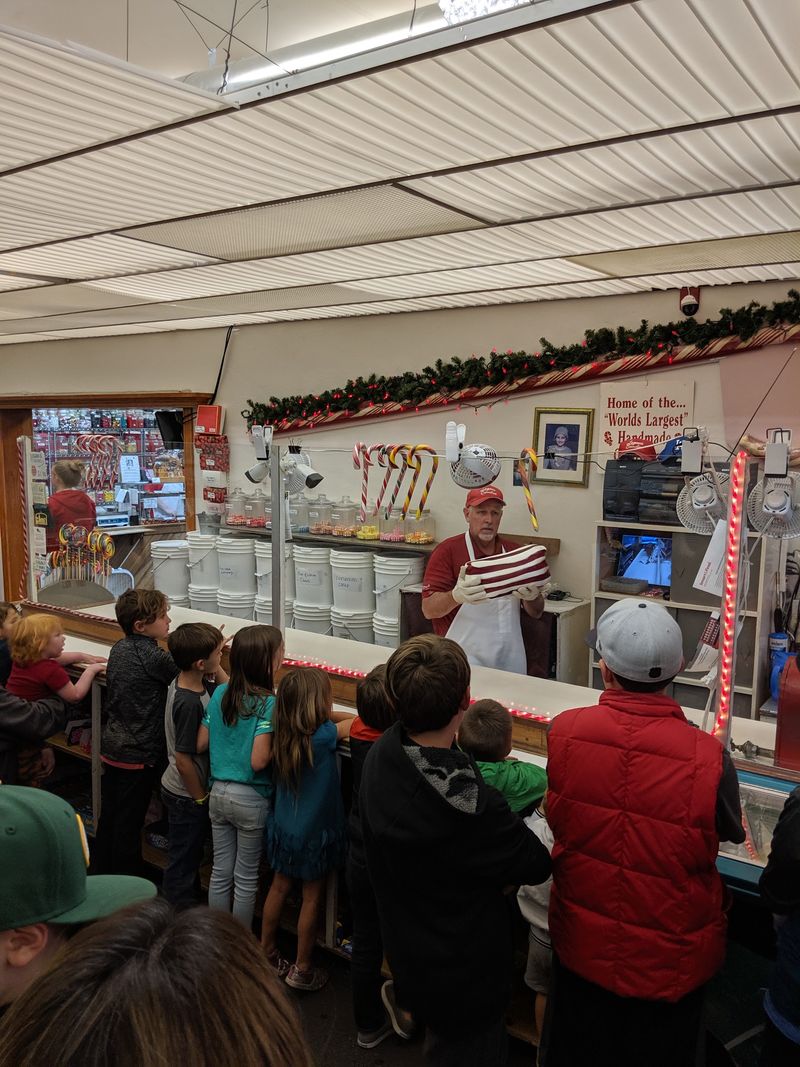
Monday at 10 a.m. matters here. That’s when Logan’s Candies releases new demonstration dates and times online for families and friends.
During the Christmas season, nightly demonstrations can start in November. Holiday demonstrations can sell out quickly, so check the weekly ticket releases.
Groups like scout troops and churches book a different way. Their demonstrations are usually scheduled between October and November, with a separate waiting list for organized groups.
So yes, this takes a bit of strategy. A calendar reminder now beats a sold-out screen later.
The shop can get crowded during busy seasons. Showing up early for your demo slot is a smart move.
Viewing may happen inside or outside the building. Sometimes a television shows the process up close, which helps shorter folks and anyone stuck in the back.
One more practical tip saves a lot of trouble. There are no public restrooms on-site, so plan a stop before you arrive.
Regular store hours run Monday through Saturday, and the shop is closed Sundays. Check the official schedule before heading out, since demo times change often.
A Candy Story That Started In 1933
Back in 1933, the Logan family opened a candy shop in Downtown Ontario. It first sat on Euclid Avenue, right next to the historic Granada Theatre.
In 1953, the shop moved to B Street. It has called that spot home ever since.
The next chapter reads like a sweet movie plot. Jerry Rowley started working at Logan’s Candies seasonally in 1974, when he was just 12.
By 1982, he and his wife, Susi Rowley, took over the business. Jerry was only 19 at the time.
The Rowley family has now run the shop for more than 40 years. It remains family-owned and family-operated.
Here’s my favorite detail. The candy cane recipe is the same original one used since the shop began.
Plenty of businesses change formulas to save time or money. This one kept the recipe that worked and simply kept making it.
Jerry estimates he has personally made over 2 million candy canes. The shop turns out more than 100,000 candy canes every year.
That’s a lot of stripes. It’s also proof that a seasonal job can turn into a lifelong calling.
Six Feet Of Peppermint Steals The Spotlight
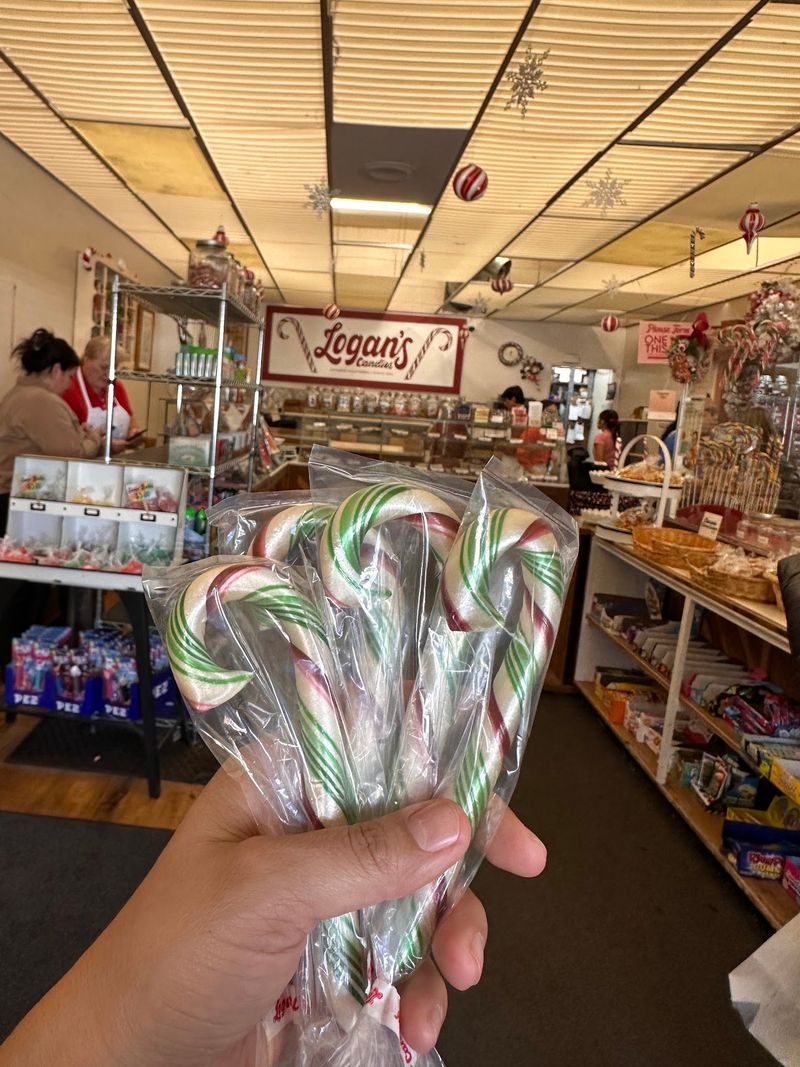
Size matters when you’re talking candy canes. Logan’s Candies displays a giant candy cane recognized by the World Record Academy as the world’s largest handmade candy cane.
It measures six feet long. It also weighs 30 pounds, which is heavier than a lot of toddlers.
Think about the patience that takes. A regular candy cane needs careful timing, so a giant one demands serious skill and steady arms.
This makes a fantastic photo stop for families. Standing next to a candy cane taller than most kids is the kind of picture people actually keep.
I can’t imagine visiting without at least one goofy photo beside it. Bonus points for anyone who pretends to try taking a bite.
The giant cane also shows off what this California shop does best. Handwork, tradition, and a little playful showmanship all come together in one striped masterpiece.
It’s a fun way to explain the craft to kids too. Once they see what a skilled candy maker can do, the small canes look even more impressive.
Just don’t expect to take this one home. Some sweets are meant for admiring, not unwrapping.
Candy Canes Aren’t Only A December Thing
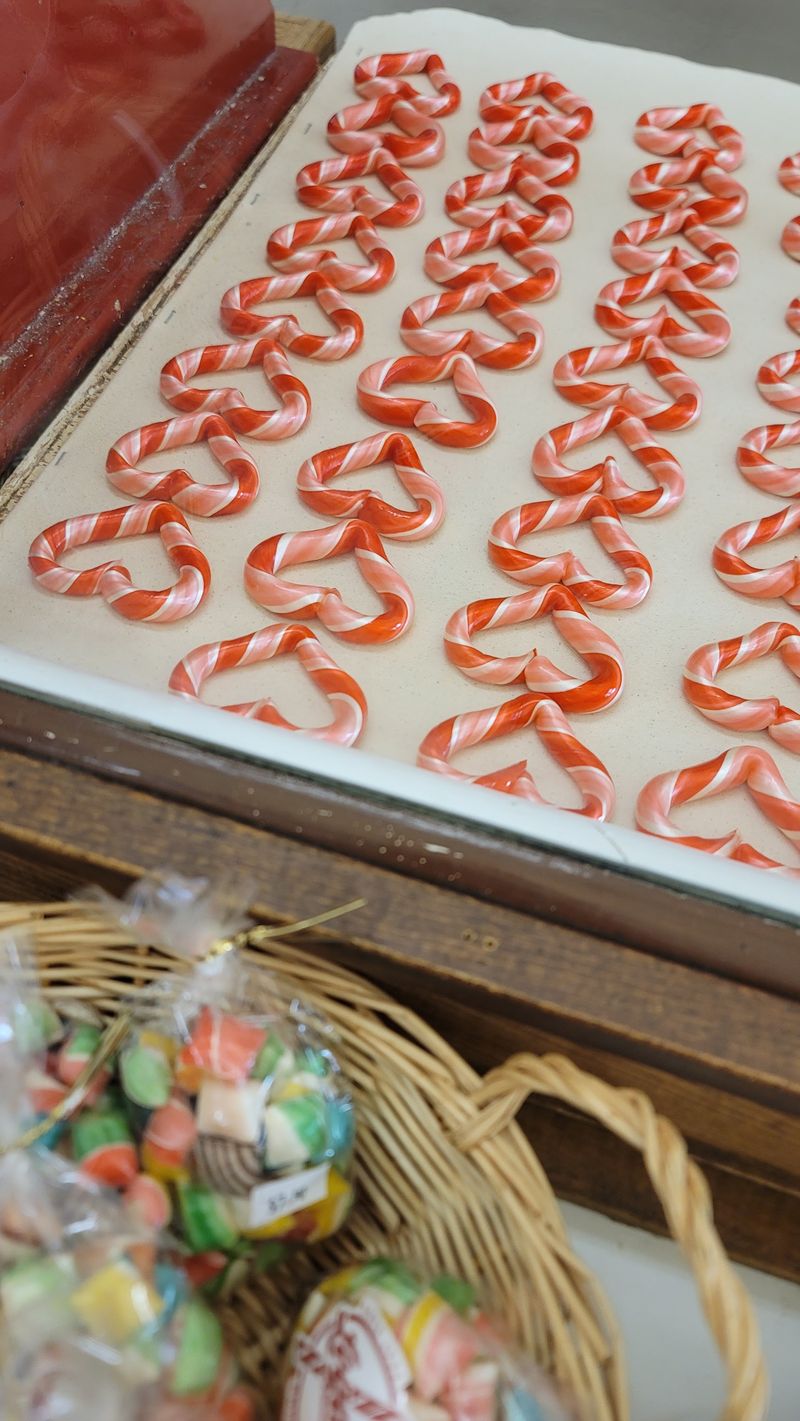
Red and white peppermint is the classic Christmas star. Still, Logan’s Candies makes candy canes all year long.
The shop changes up colors and shapes for other holidays. Valentine’s Day, for example, can bring candy canes in a whole new look.
That surprised me in the best way. A candy cane in February somehow feels like a little rebellion.
The traditional peppermint cane stays hugely popular during the Christmas season. It’s the one most families picture when they plan a holiday visit.
Shops that stick to one season can feel quiet in the off months. This one keeps the sugar moving, which means a visit in spring or summer can still be sweet.
Gift givers should take note. A handmade candy cane in a holiday shape makes a thoughtful present without needing wrapping paper skills.
I’d probably grab a classic peppermint cane first, just for tradition. Then a seasonal shape would be hard to pass up.
Either way, the craft stays the same all year. Only the colors and the reasons to celebrate change.
Ribbon Candy And Pillow Mints Deserve Their Own Fan Club
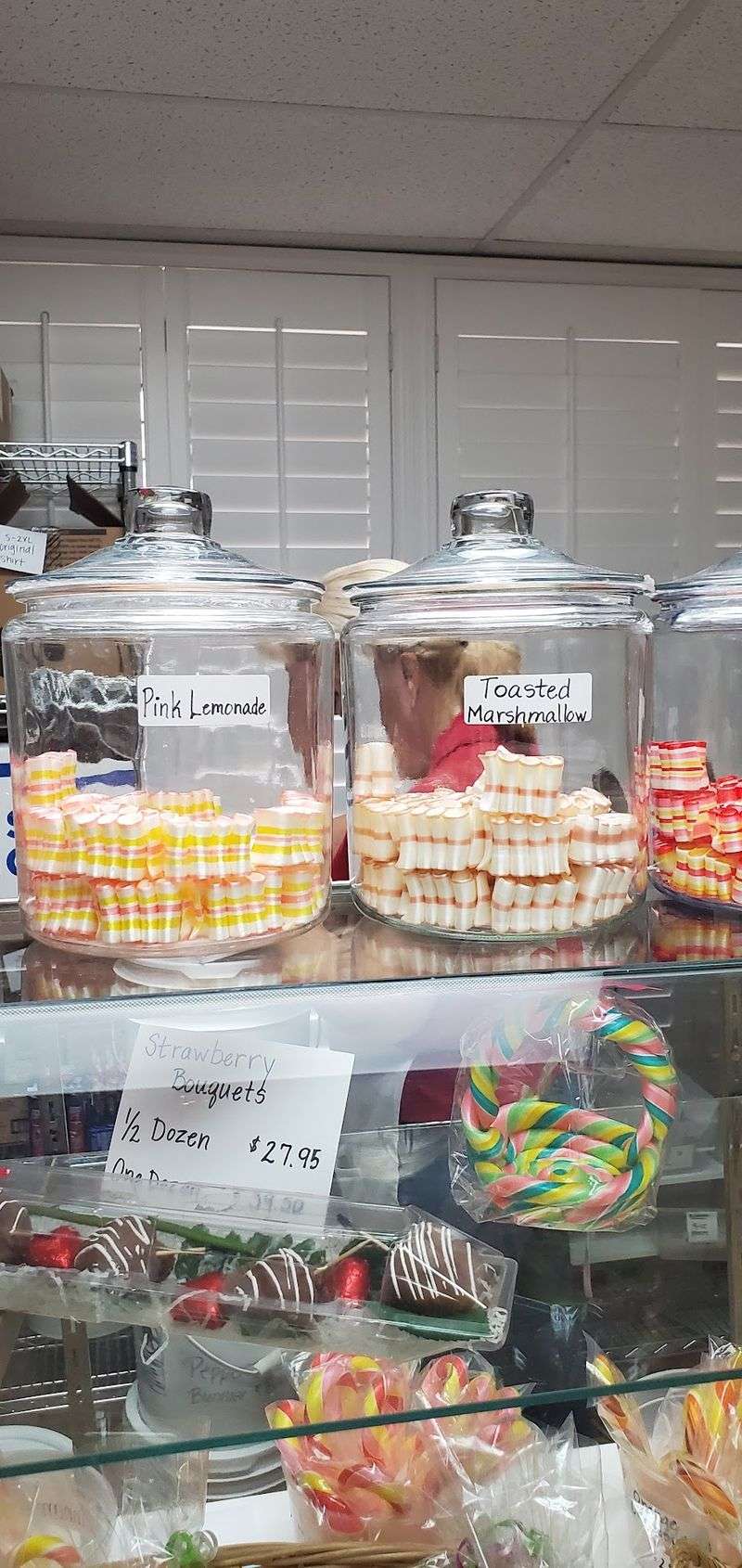
Over 600 candy items fill this shop. More than 200 of them are made right there by hand.
Ribbon candy is one of the showstoppers. Those wavy, folded strips look almost too pretty to crack apart.
Then come the pillow mints. They come in about 14 flavors, including green apple, strawberry cheesecake, and pink lemonade.
Strawberry cheesecake in a hard candy? That’s a flavor combo worth investigating.
The handmade lineup also includes chocolates, fudge, peanut brittle, and caramel apples. Each one adds a different texture to your bag, from chewy to snappy.
I’d probably build a mix of pillow flavors first. After that, a slab of brittle seems like a responsible second choice.
Picking favorites here is tricky. With so many handmade options, you might need a game plan before you start filling bags.
Gift boxes for teachers, neighbors, or coworkers become easy wins too. Handmade candy simply feels more personal than anything grabbed from a checkout aisle.
Just try leaving with only one thing. That plan rarely survives the first display case.
Retro Bars And Sour Gummies Fill In The Gaps
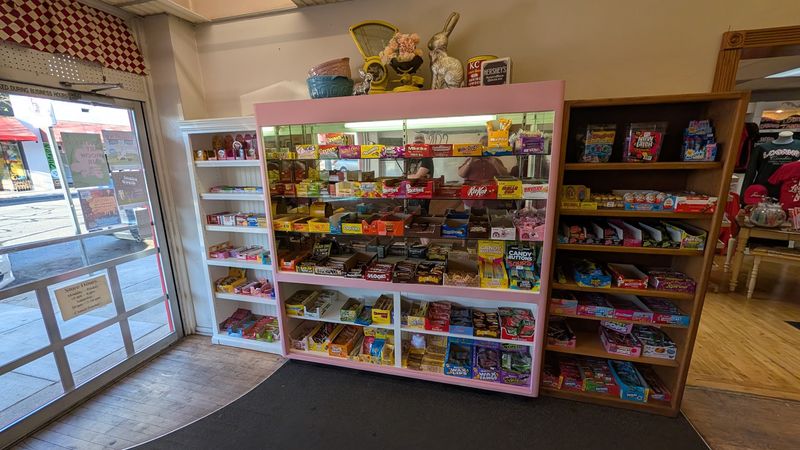
Not everything on the shelves comes off the marble slab. Logan’s Candies also stocks a wide mix of other treats.
Retro candy bars sit alongside gummy and sour candies. That means the grown-ups can chase nostalgia while the kids hunt for something tangy.
The shop has an old-fashioned feel with plenty of displays to explore. It’s clean, inviting, and set up for browsing.
This mix makes it a great stop for picky eaters. Somebody who skips peppermint will still find something to love.
I appreciate that balance. Handmade classics get the spotlight, but the supporting cast is fun too.
Families with different tastes don’t need to compromise much. One person grabs fudge, another grabs sour candy, and everyone heads out happy.
A candy shop like this also makes a sweet stop for birthday party favors. Mixing handmade pieces with retro favorites creates a bag that feels special.
Budget a little extra browsing time. Those shelves have a sneaky habit of making a quick stop last much longer than planned, especially with kids pointing at every jar in sight.
TikTok Made It Famous, But Downtown Ontario Made It Home
Nearly 70 million views went to one video of watermelon pillow candies. That’s how Logan’s Candies became a social media sensation.
The shop shares candy-making videos on TikTok. Watching hot sugar turn into tiny watermelon slices is weirdly calming.
Online fame is fun, but seeing it in person hits differently. The real thing comes with warmth, sweet smells, and samples that videos can’t provide.
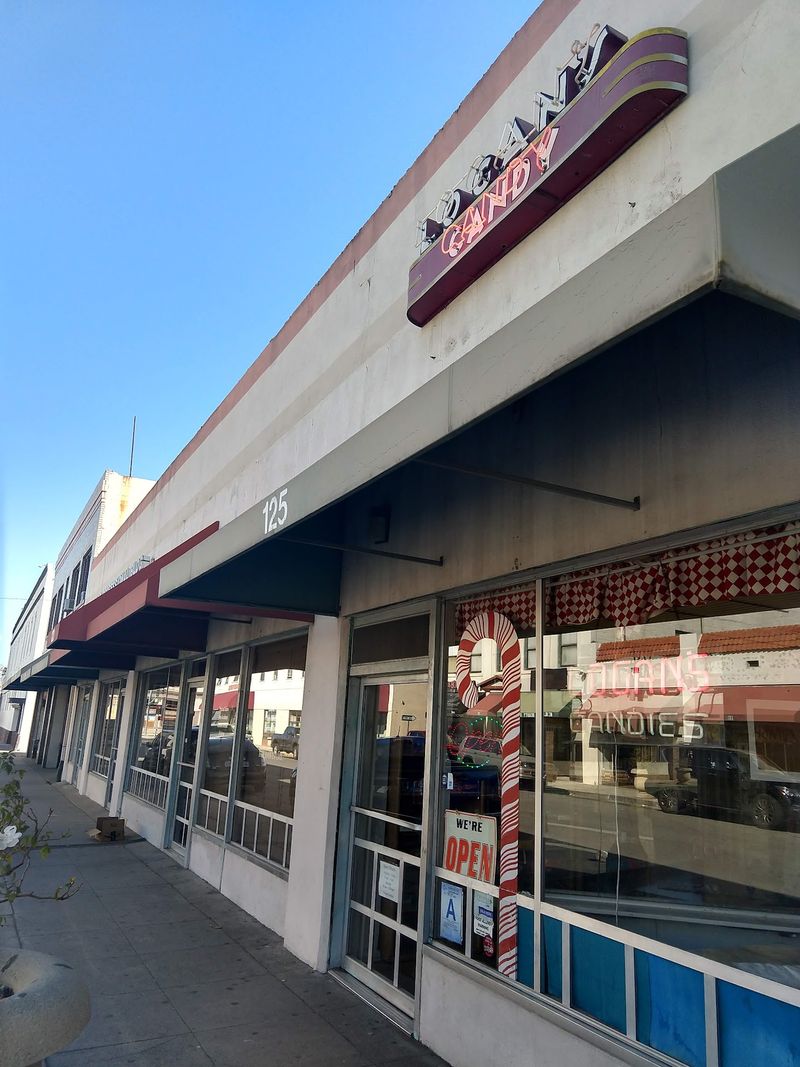
You’ll find the shop at 125 W B St, Ontario, CA 91762. It sits in historic Downtown Ontario, California.
That location makes it an easy add-on to an Inland Empire outing. Just remember the store is closed on Sundays.
I love that a shop founded in 1933 now reaches viewers around the world. Modern videos are introducing a whole new crowd to an old-school craft.
Still, the heart of the place stays rooted in the same downtown streets. Family ownership and a single recipe keep it grounded.
Watch a few clips before you go. Then book a demo and see whether the real thing beats the screen, because it probably will.