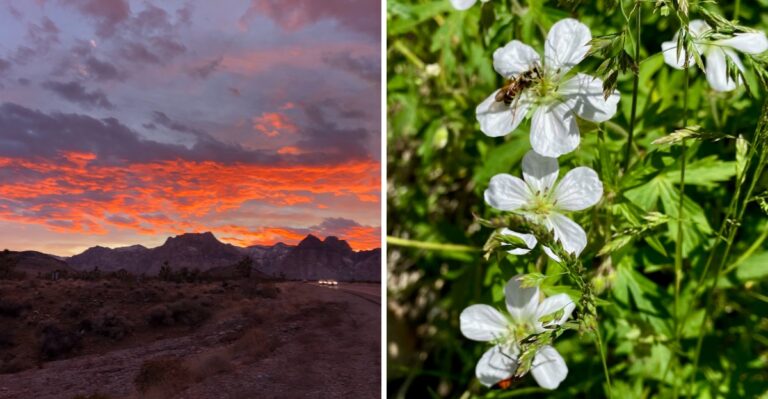
Dry desert scenery can make a burst of green feel almost unreal. One garden in Nevada flips expectations with shady paths, colorful blooms, splashing water, and enough quiet corners to make the city feel much farther away.
There is plenty to explore without rushing. Winding trails lead past flower beds, mature trees, and peaceful spots made for slowing down. Butterflies move between blossoms. Birds dart through the branches. Benches offer an easy excuse to stop and enjoy the view.
Families can mix the scenery with time at the playground, while photographers find plenty of changing colors and small details worth capturing. Plant lovers get another kind of treat, with a closer look at what can flourish in a dry climate.
A quick visit can easily stretch into an afternoon. The slower you explore, the more this green escape seems to reveal.
Paved And Gravel Paths That Invite You To Slow Down
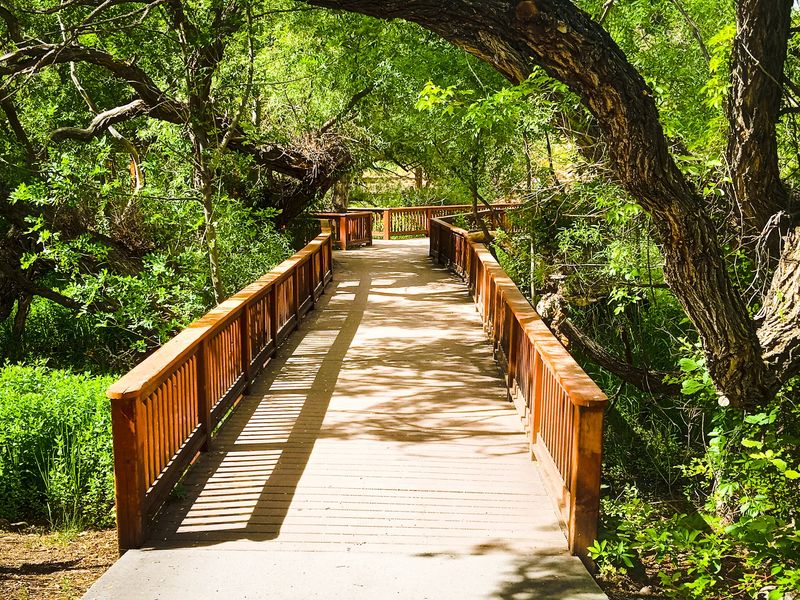
Most gardens give you a loop and send you home. Here you get a network of paved and packed-gravel paths winding through the arboretum, with additional trails extending through Rancho San Rafael Regional Park.
You can keep it short with a twenty minute stroll, or link several routes together and turn the morning into a proper walk. The Wilbur D. May Arboretum keeps the pacing gentle, so you rarely feel like you are climbing anything difficult.
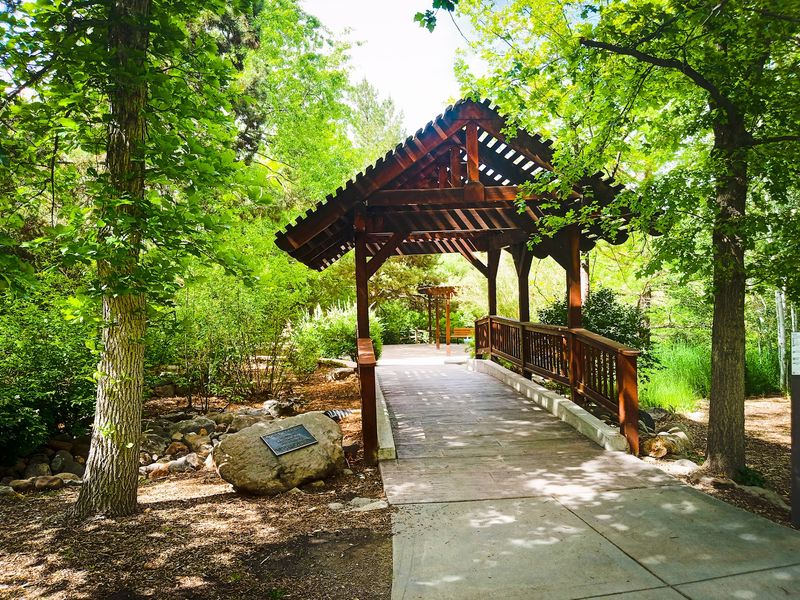
A word of practical advice: plenty of the pathways are packed dirt or gravel rather than smooth pavement, and a few spots sit slightly uneven. Comfortable closed shoes make a real difference, especially after rain.
Benches appear regularly along the way, many of them under trees where the shade actually holds through midday. That matters in Nevada, where sun exposure adds up faster than you expect.
Strollers work on the wider stretches, though you will want to scout ahead if wheels are part of your plan. Bring water, take your time, and let the route decide itself as you go. Some of the quietest corners sit farthest from the entrance.
Plants That Prove Dry Ground Can Still Look Lush
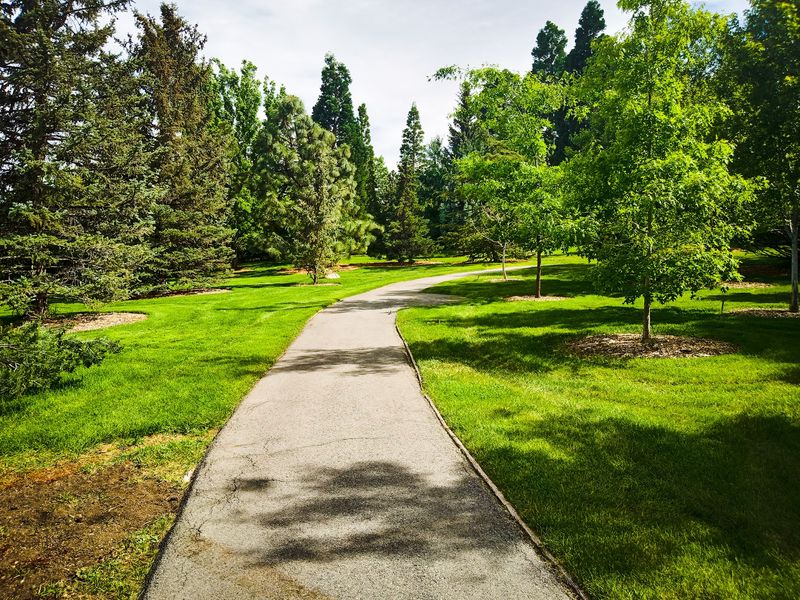
Here is the surprise that catches most first time visitors off guard: an arid climate does not mean a bare landscape. The collections here lean on species that handle heat, wind, and thin soil, and the result looks far greener than anyone expects.
You will pass themed areas featuring conifers, flowering shrubs, ornamental grasses, and perennial beds arranged so each one gets its moment across the year. Songbirds and pollinators treat the whole place like a buffet.
Plant labels appear throughout, which turns a casual walk into something genuinely useful if you garden at home. Nevada yards face real challenges, and seeing mature examples of what actually survives here beats guessing at a nursery.
The Wilbur D. May Arboretum also demonstrates smart watering practices, grouping thirsty plants together and letting tougher species handle the drier edges. Borrow the idea for your own space.
Spring brings the heaviest bloom, but late summer holds its own with grasses catching the light. Take photos of anything you like, note the name, and ask a local nursery about it later. That small habit has saved many gardeners a season of trial and error.
Water Features Add Another Peaceful Garden Stop
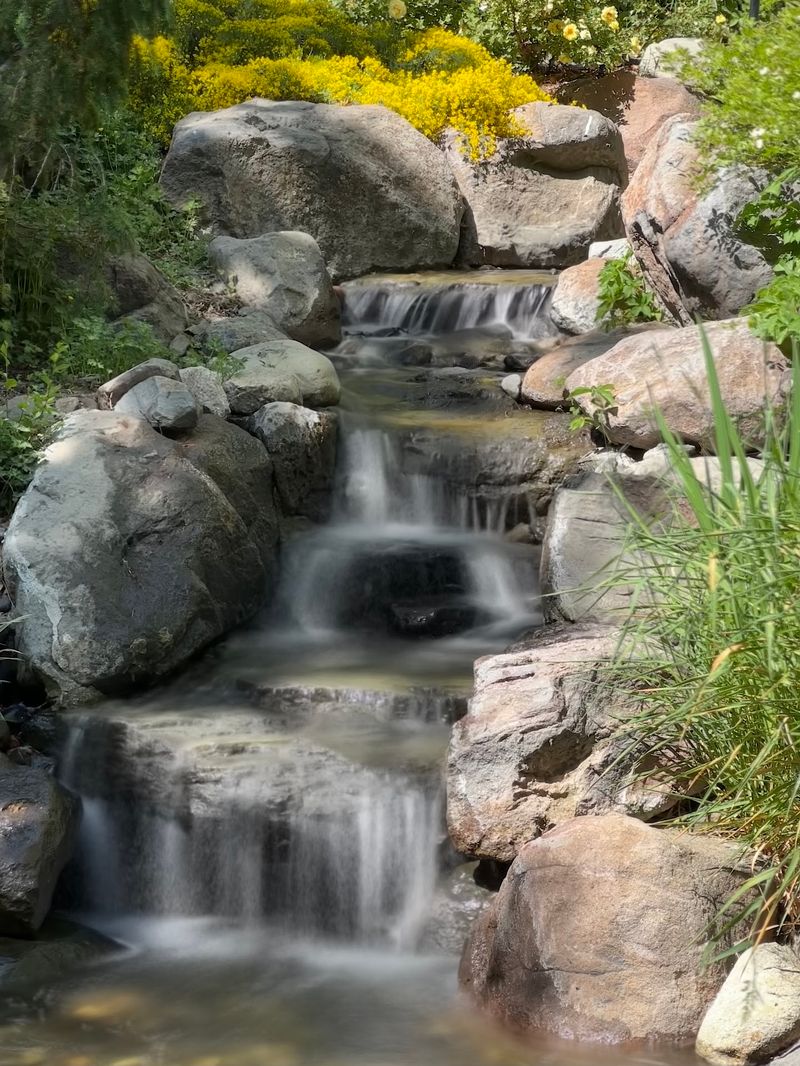
Sound changes everything in a garden. The moment you get near the water feature, the traffic noise from the city fades and something calmer takes over.
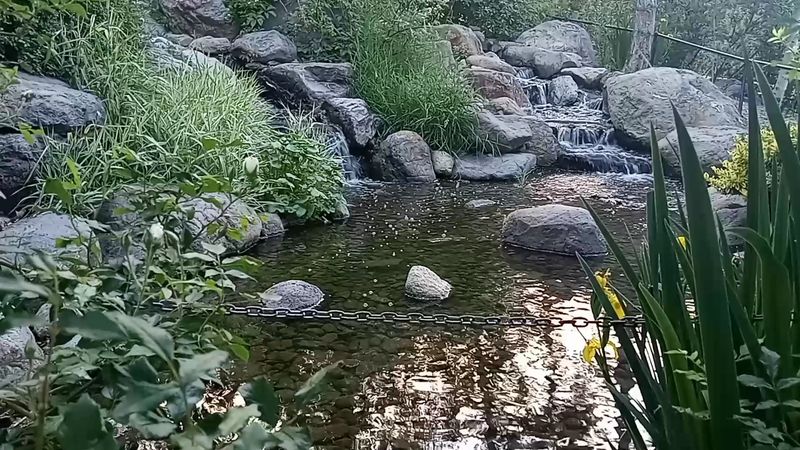
The nearby May Center includes landscaped water features and koi ponds that add another peaceful element to the botanical setting. You will probably want to sit for a few minutes, and there is usually a spot nearby to do exactly that.
Kids gravitate toward the rocks, so keep an eye on smaller ones near the edges.
Photographers should aim for morning light, when the angle hits the water without blowing out the highlights. Late afternoon works too, though shadows deepen quickly.
What makes the feature stand out at the Wilbur D. May Arboretum is how unexpected it feels in a high desert setting. Running water reads as a luxury here, and the design leans into that without going overboard.
Give yourself permission to linger. Some visitors treat this as the halfway rest stop on a longer loop, and it works perfectly for that purpose.
Wildlife Sightings You Do Not Have To Drive Hours For
Bring binoculars if you own a pair. Birders regularly tally more than a dozen species in a single visit, and the mix shifts with the seasons.
Hummingbirds work the tubular flowers, waterfowl turn up near the wetter spots, and squirrels treat the pathways like personal highways. Rabbits appear at dawn and dusk more often than midday.
Butterflies deserve special mention. Butterflies and other pollinators visit the arboretum’s many flowering plants throughout the warmer months.
Lizards sun themselves on rocks along the drier borders, which delights kids every single time. Point one out and watch the walk suddenly get more interesting.
The Wilbur D. May Arboretum works partly because it functions as a green island inside a developed part of Nevada, concentrating wildlife into a small area. Animals find food, cover, and water here that surrounding blocks simply do not offer.
Move slowly and stay quiet if you want the best sightings. Standing still near a flower bed for two or three minutes usually produces more than a fast lap around the grounds ever will.
Fall Color That Rivals Anything Back East
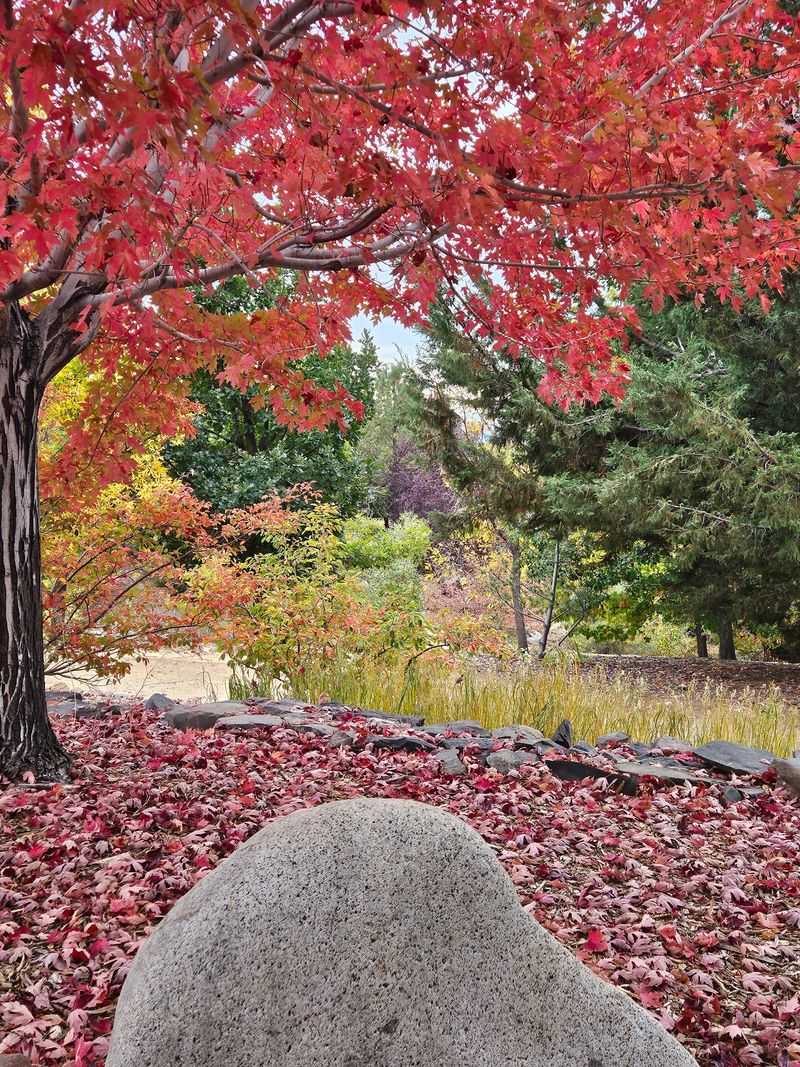
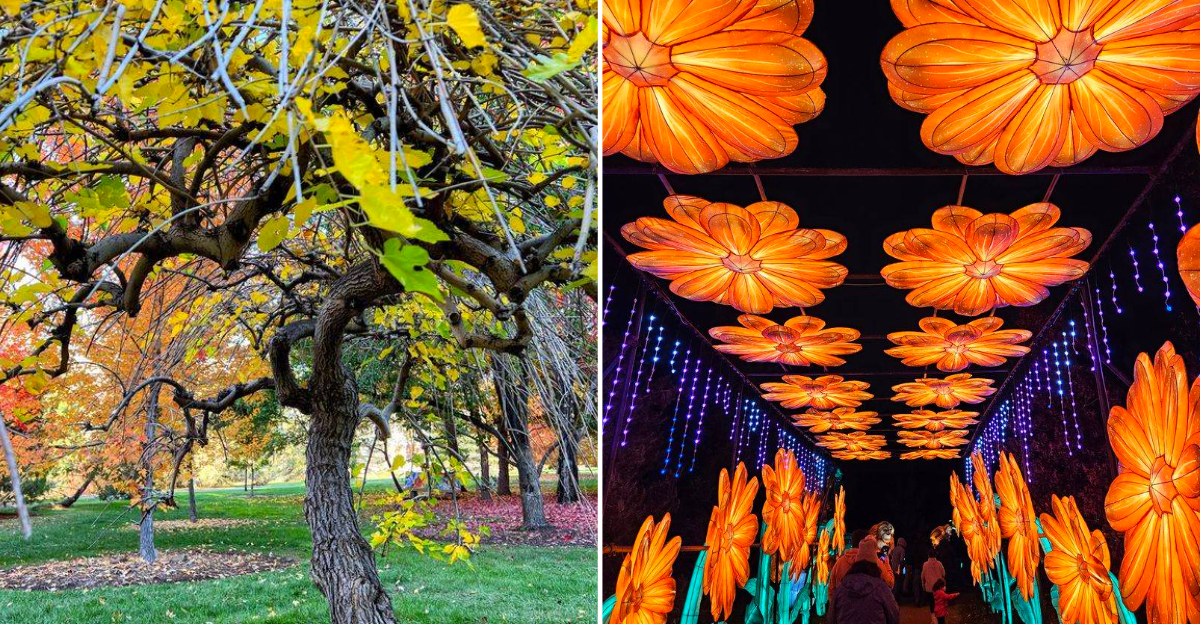
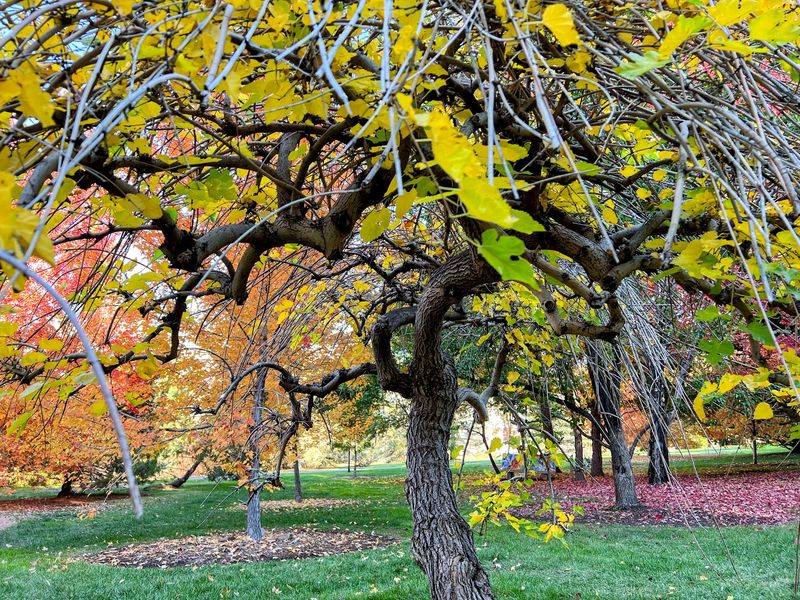
October is the month locals whisper about. Deciduous trees across the grounds shift into gold, orange, and deep red, and the contrast against the surrounding sagebrush landscape is striking.
You get maples, oaks, and other hardwoods that put on a genuine autumn display, something a lot of people assume Nevada cannot deliver. Photographers show up early to catch low light filtering through the canopy.
Mornings run cold once fall settles in, so layer up. A light jacket you can tie around your waist by noon handles the swing nicely. Fallen leaves cover parts of the trails, which looks beautiful and also hides the occasional uneven patch. Watch your footing on the unpaved sections.
Timing varies each year depending on temperature and rainfall, though mid to late October usually hits the peak. Checking recent photos online before you drive out saves disappointment.
Autumn at the Wilbur D. May Arboretum also brings thinner crowds on weekday mornings, which means the quiet paths feel almost private. Pack a thermos, plan a slow loop, and let the color do the entertaining. It is one of the best free seasonal outings around.
The Nighttime Lantern Festival Everyone Talks About

Once the sun drops during festival season, the garden transforms completely. Enormous illuminated lantern sculptures line the pathways, glowing in colors you can spot from a distance.
Dragon Lights Reno returns to the arboretum in 2026 with another large-scale illuminated lantern display. Past displays have featured zodiac animals, a towering elephant, marine creatures, insects, and a dinosaur section that stops kids in their tracks.
Families make an evening of it, and the layout works well for all ages since the route follows the existing paths. Strollers and slow walkers manage fine.
Arrive shortly after opening if you want photos without crowds in every frame. Later slots get busier, though the atmosphere gets livelier too.
Bring a jacket regardless of the month. Desert nights in Nevada cool off fast once the sun disappears, and you will be outside for an hour or more.
Seeing the Wilbur D. May Arboretum lit up like this gives you an entirely different sense of the grounds than a daytime visit does. Check the official schedule before planning, since dates shift year to year and tickets are usually timed.
Family Friendly Extras Beyond The Flower Beds
Parents, take note. Rancho San Rafael Regional Park also includes children’s playgrounds, giving families another activity close to the arboretum.
A meditation labyrinth also draws visitors who want a slower, more reflective moment. The seven-circuit labyrinth covers about a quarter mile of walking and gives visitors something unusual to try.
You will find the grounds at 1595 N Sierra St, Reno, NV 89503, sitting within a much larger park complex that includes additional attractions and open lawn space. Parking is straightforward, and the location makes it easy to combine with other stops.
Picnic plans work well here, though food options on site are limited, so packing your own snacks is the smarter move.
Educational programs and conservation focused events run throughout the year, covering topics like native plants, pollinators, and outdoor skills. Checking the schedule ahead can turn an ordinary visit into something more memorable.
What keeps families returning to the Wilbur D. May Arboretum is the balance. Adults get calm surroundings and interesting horticulture, kids get room to move, and nobody feels like they compromised too much on the outing.
Why This Green Escape Earns A Return Trip
Plenty of attractions look their best once and never quite repeat the effect. Not this one. Each season rearranges the scenery enough that a spring visit and an October visit feel like two separate places.
Admission to the grounds during regular hours costs nothing, which makes spontaneous stops easy. You can swing by for fifteen minutes on a lunch break or build a whole morning around it.
Volunteers and staff keep the collections in good shape, and ongoing improvements have added new features over the years. That care shows in the details.
My honest suggestion is to visit twice in the same year, ideally once in late spring and once in autumn. Comparing the two teaches you more about desert gardening than any book.
The Wilbur D. May Arboretum offers something Nevada does not hand out freely, which is shade, greenery, and genuine quiet inside city limits. That combination alone justifies the trip.
Whatever pulls you in first, the lanterns, the butterflies, the fall color, or simply a bench under a tall tree, you will likely leave planning the next visit before you reach the parking lot.