
Biloxi’s Old Lighthouse Still Stands On Highway 90, And Kids Climb It For A Few Dollars
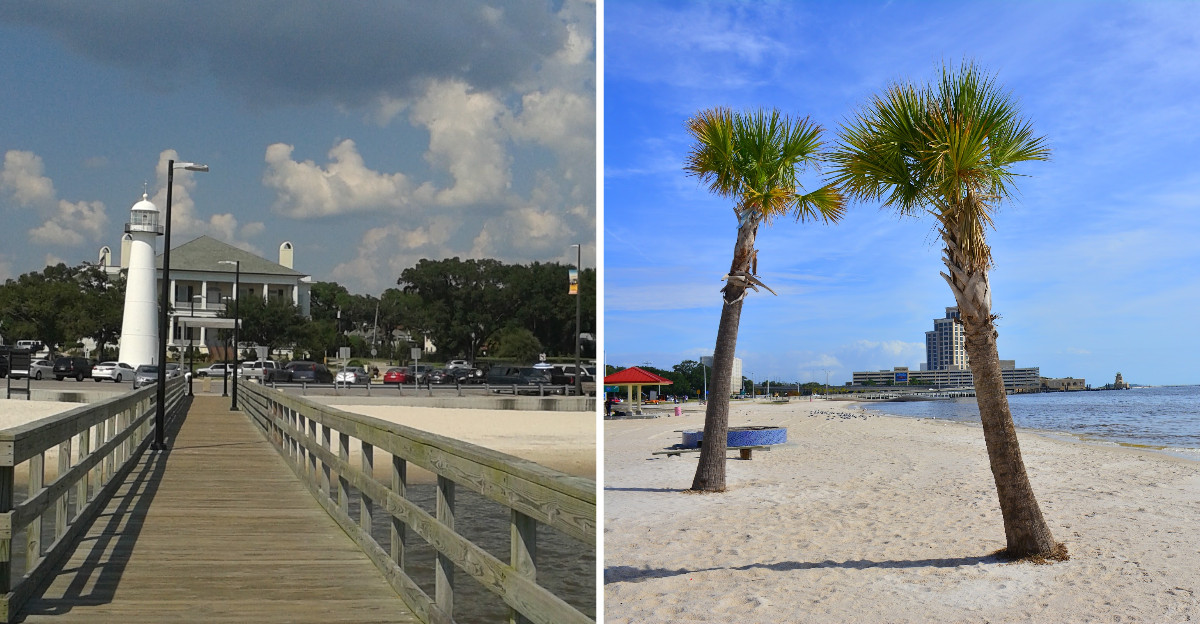
We pulled over on the Mississippi coast expecting a quick photo and a stretch of the legs. Instead, we found a white iron tower standing right in the middle of a busy road, with the beach just steps away.
For a couple of dollars, kids can climb to the top and see where real hurricane waters once rose. It turned a short stop into the part of the trip everyone kept talking about.
A Tower in the Middle of the Road
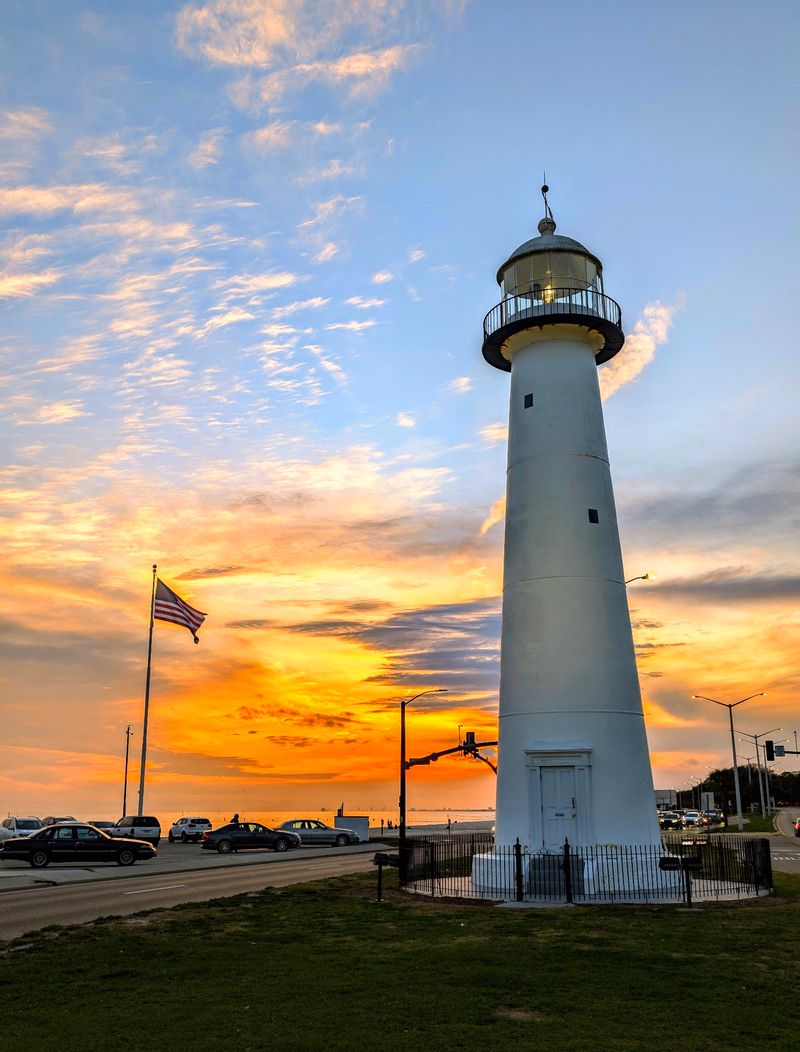
Cars zip past on both sides, and there it stands, tall and white, planted in the median of a four-lane highway. Visitors often say they did a double take the first time they spotted it.
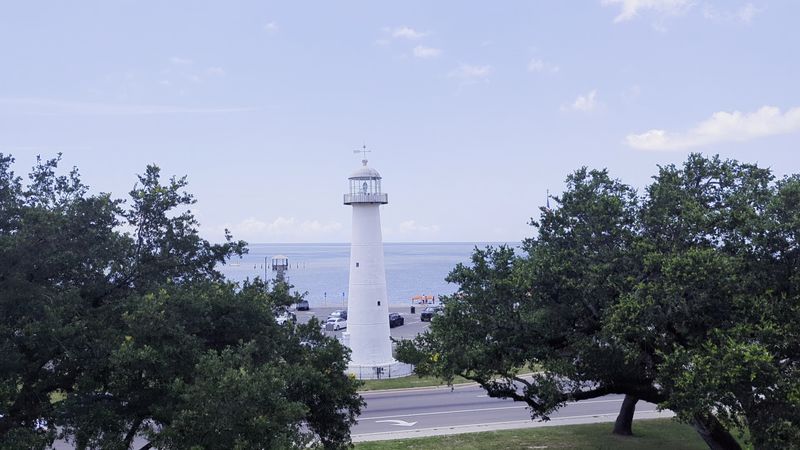
Most lighthouses sit on rocky points or lonely islands, yet the Biloxi Lighthouse greets traffic along Beach Boulevard, also known as Highway 90.
The address is 1050 Beach Blvd in Biloxi, Mississippi. The tower is a 64-foot cast-iron landmark built in 1848, and it has watched over the Mississippi Sound for more than 175 years.
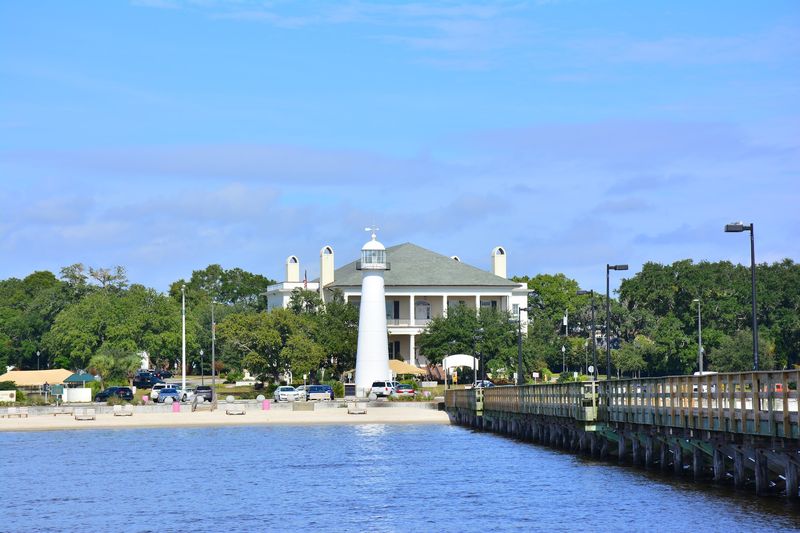
A wide sandy beach stretches across the road, and the Biloxi Visitors Center sits right beside the site.
For families, the setup is handy. You can park, look up at the lighthouse, walk to the shoreline, and learn some local history without driving anywhere else.
Some guests note that it does not feel like a classic seaside lighthouse because of the road, but most agree the location makes it one of the most recognizable sights on the Gulf Coast.
Kids especially love the oddness of it. A lighthouse in traffic?
That alone gets young travelers curious before they even climb a single step.
Built From Cast Iron in 1848
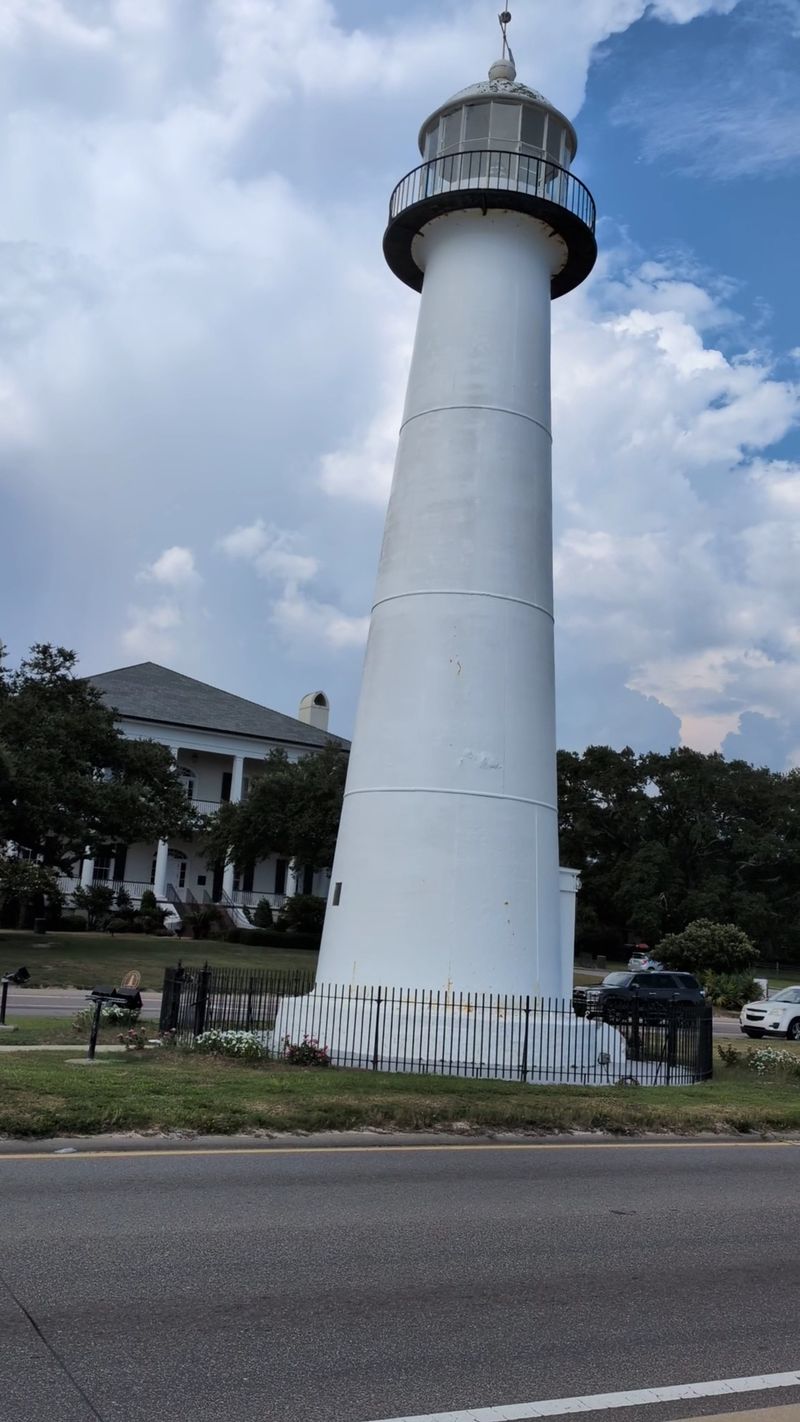
Back in 1848, builders chose cast iron for this tower, a fairly modern choice for the time. Iron plates were fitted together to form the tall cone shape you see today.
That material would turn out to matter a great deal over the next century and a half.
The tower rises 64 feet above the ground. From a distance it looks smooth and simple, painted bright white, but up close you can spot the seams and the solid build that helped it last.
The listing for the site describes it as an iconic 19th-century landmark, and that label fits.
Children often ask why it is not made of brick or stone like lighthouses in storybooks. The answer makes for a quick science chat on the spot.
Iron is strong, it can be shaped in pieces, and it was shipped and assembled rather than stacked brick by brick.
Parents can turn the visit into a tiny lesson about how people built things before cranes and power tools. Ask the kids to guess how the plates were lifted into place.
Their answers are usually creative, and the real story is just as interesting.
Storm Lines Painted on the Walls
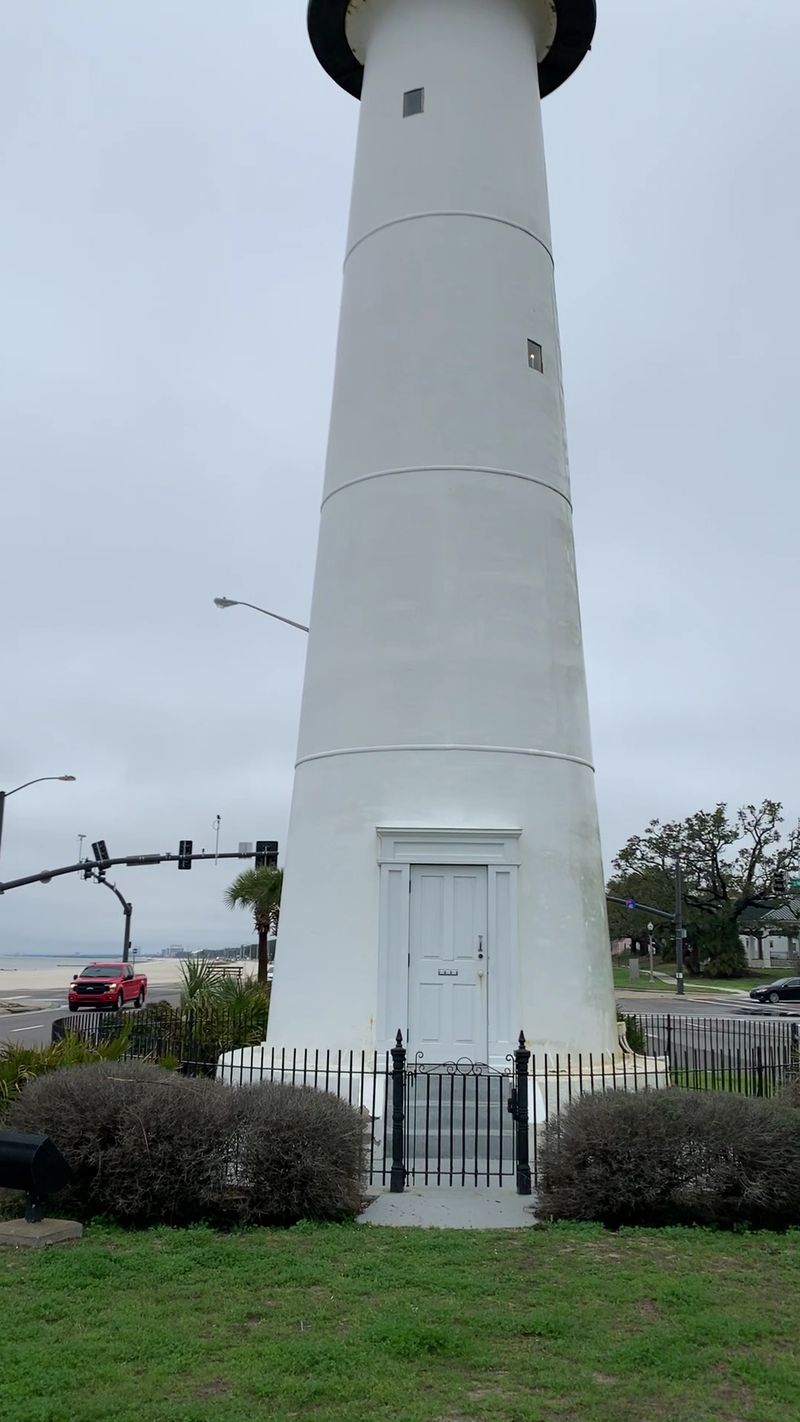
Inside the tower, painted lines mark how high the water climbed during historic hurricanes. Seeing those marks above your head is a moment most families remember.
It turns a weather report from long ago into something you can actually see.
The lighthouse has made it through Hurricane Camille in 1969 and Hurricane Katrina in 2005, along with many other Gulf storms. One visitor shared that Katrina’s powerful winds tore the door off and water rose about 21 feet inside.
The tower still stood afterward.
One family described climbing past the markers and thinking about how unpredictable nature can be. The lines are not scary so much as eye-opening.
They help kids understand why coastal towns plan, prepare, and rebuild.
For older children, the markers spark good questions about weather, engineering, and community. Younger kids may simply want to stretch their arms up and see how far the water went.
Either way, the walls tell a story no textbook can match, and the lighthouse has become a symbol of resilience for the whole region because of it.
Women Who Kept the Light
Few lighthouses in the country can claim this record. The Biloxi Lighthouse was tended by female keepers for more years than any other lighthouse in the United States.
That makes it a standout chapter in American history, not just Mississippi history.
Maria Younghans is the name to remember. She kept the light burning for an impressive 53 years.
Think about that span of time: she would have climbed those stairs through heat, cold, and stormy nights, decade after decade.
Telling this story to kids often lands well, especially for girls who may not realize women held such important jobs in the 1800s. A keeper made sure ships could travel safely along the coast.
The work demanded patience, strength, and a steady routine.
Visitors also share a fun history bit: after President Lincoln passed away, the tower was temporarily painted black as a sign of mourning. Then it went back to white.
Little facts like that make history feel personal.
Bringing these stories along on the climb gives each step more meaning. Suddenly, the staircase is not just exercise.
It is the same path keepers walked for generations.
The View From the Lantern Room
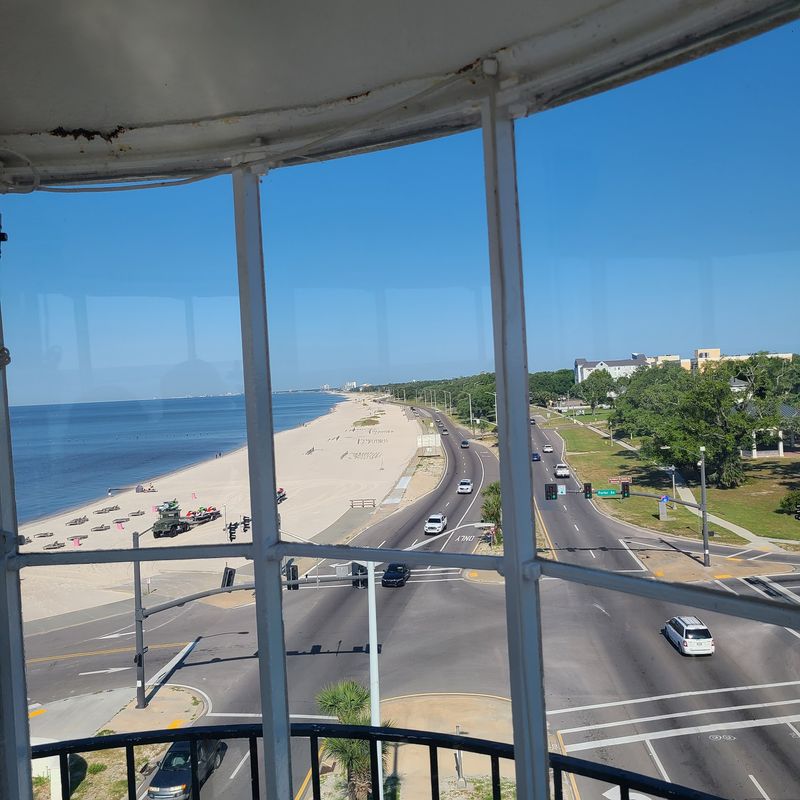
Up top, windows wrap around the light room and the coastline opens wide. Guests describe views across the Gulf Coast, the beach, and the Mississippi Sound.
It is a different angle on a place most people only see from the road.
To be honest, not every direction is postcard-perfect. One visitor pointed out that part of the view looks down on the parking lot.
Still, the same guest said seeing the actual light up close was the cool part, and kids usually agree.
A binder at the top holds helpful information and historical pictures, according to past climbers. Flipping through it while standing beside the light adds context to everything you just walked past.
Bring a phone or camera, but keep a good grip. The space is small, so families often take turns at the windows.
Let shorter kids go first so they get a clear look.
Spotting things from above makes a fun game. Can they find the pier?
The visitors center? Your car?
Little challenges like these keep younger climbers engaged while older ones soak in the history and the breeze off the water below.
Tour Times That Start Early
Timing is everything here. Climbing tours usually run daily from about 9:00 to 10:00 a.m., weather permitting.
Miss that window and you will be admiring the tower from the ground.
Several visitors learned this the hard way. They arrived later in the day and could only snap outside photos.
One guest noted that most people showed up before 9 a.m. to make sure they got in.
Why so early? The tower has no insulation, so it gets too hot in summer and too cold in winter.
Morning is the most comfortable time to climb, and it keeps the experience safe for everyone.
Weather can also cancel a tour. One traveler visited on a rainy day and could not go inside, though they still enjoyed the museum next door.
Another noted a period when the top floor was closed for wood repairs.
Families should build the morning around this slot. Grab breakfast early, head to the visitors center for tickets, and plan the beach or other sightseeing afterward.
Calling ahead at 228-374-3105 is a smart move to confirm the day’s schedule before you drive over.
Admission That Fits a Family Budget
Five dollars for adults and two for kids. That is about as friendly as pricing gets for a historic climb.
Adults ages 12 and up pay $5.00, children ages 6 to 11 pay $2.00, and little ones 5 and younger go free.
One past visitor summed it up well: for a few dollars, an employee walks you up the staircase and gives a brief history. For a family of four, the whole experience often costs less than a round of snacks.
There is one rule to know before you go. Children must be at least 42 inches tall to make the climb.
Measure ahead of time if you have a borderline climber, so nobody faces a surprise at the door.
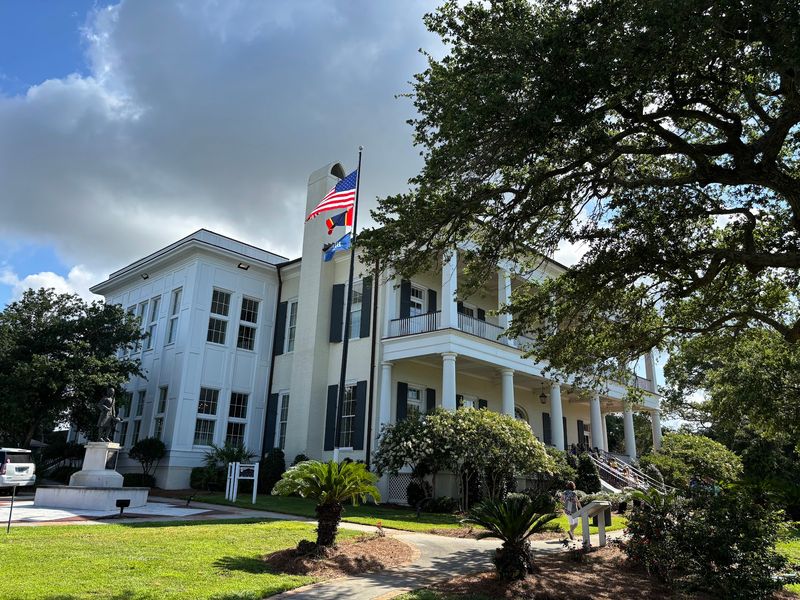
Tickets are bought at the Biloxi Visitors Center, right across Highway 90. A traveler once mentioned a card reader acting up, so having a backup payment option is a sensible idea.
Because the price is so low, the lighthouse makes an easy add-on to a beach day. Families can climb, learn, and still have plenty left over for lunch or souvenirs.
The Visitors Center Next Door
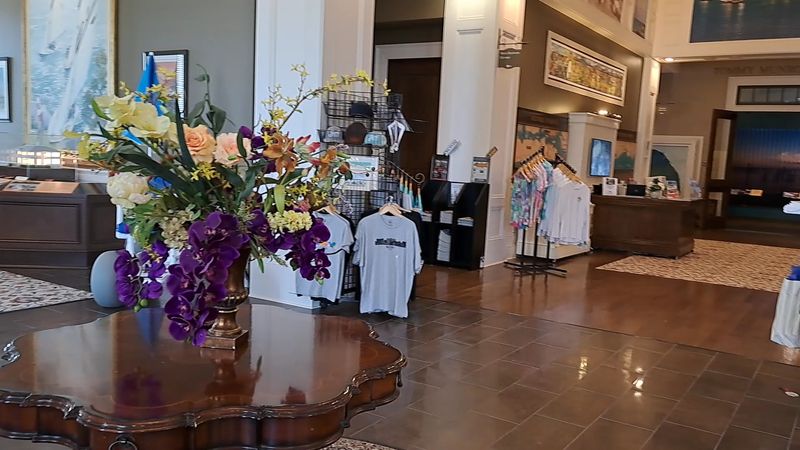
Right beside the tower, the Biloxi Visitors Center does a lot more than sell tickets. Guests describe a walk-through exhibit tracing the area’s history back to when Europeans arrived in the New World.
Videos along the way keep things moving.
One traveler called the museum rich with Mississippi history. Another mentioned enjoying the videos throughout and learning a lot about Biloxi.
Polite staff and plenty of parking came up too.
Kids with a space streak will enjoy a surprise. The center shares the story of a NASA astronaut who was born and raised in Biloxi.
Several visitors said that exhibit was a highlight they did not expect.
There is also a gift shop with local art. One guest found Mississippi-themed ornaments she loved.
It is a good spot for a small souvenir, and kids can pick a lighthouse keepsake to remember the climb.
If rain cancels a tour, the center makes a solid backup. Families can still spend meaningful time learning, then come back another morning to climb.
Visitors also say the staff will let you know when a historian is on hand.
Sand and Shoreline Across the Street
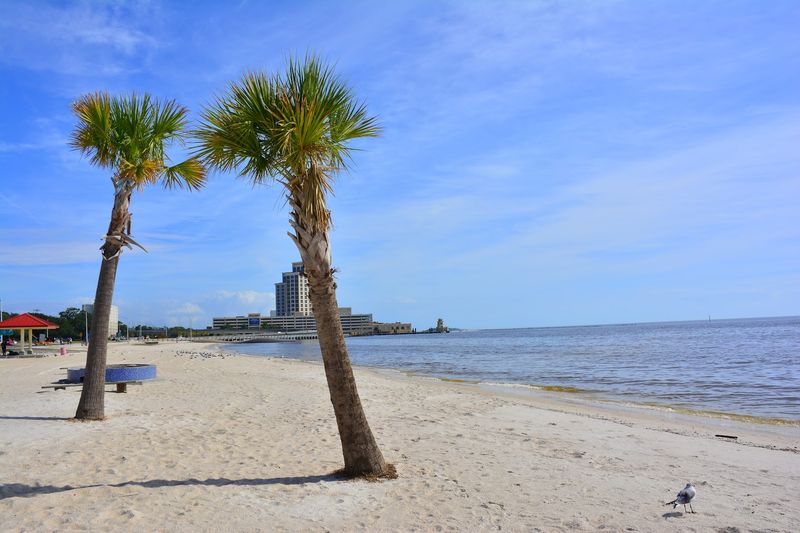
Sandy toes and lighthouse views go together here. A short walk from the parking area brings you to a broad beach along the Mississippi Sound.
Many guests say the beach was clean and well kept during their visit.
One traveler raved about the newly replaced sand. Another enjoyed a quiet sunrise walk, noting that part of the beach east of the lighthouse was closed for construction at the time while the west side stayed open.
Not every report is perfect. One visitor mentioned spotting trash on a past trip, and another wished for sun shelter and restrooms closer to the water.
Packing an umbrella, water, and snacks covers those gaps nicely.
For kids, the beach is the reward after the climb. Building sandcastles with the tower in the background makes for a memorable photo.
Shallow water play and shell hunting can stretch the morning into a full outing.
Because tours end by 10 a.m., the beach fits neatly into the rest of the day. Climb first, then swap sneakers for sandals and let the kids burn off whatever energy the stairs left behind.
Sunsets, Sunrises, and Glowing Nights
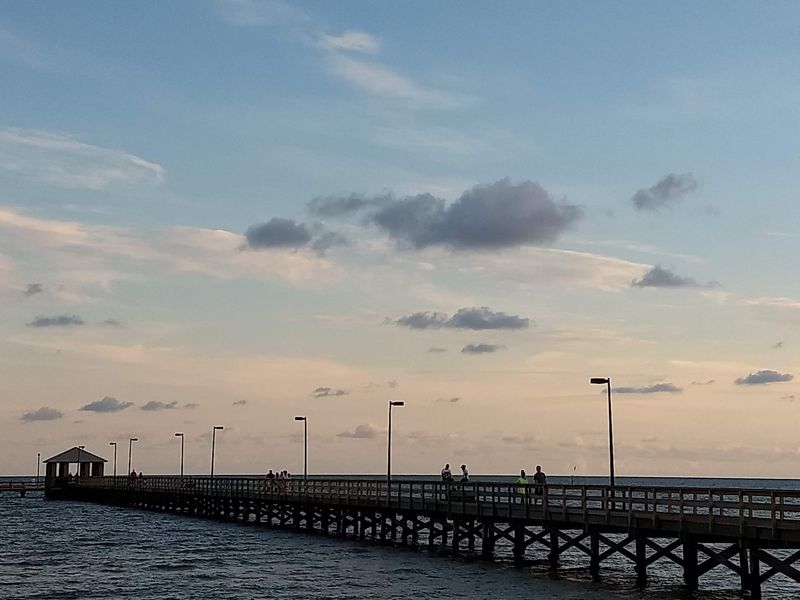
Golden light hitting white iron is a sight that pulls people back. Sunset views come up again and again when visitors talk about this spot.
Sunrises earn plenty of praise too.
The grounds are listed as open 24 hours, even though climbing is limited to mornings. That means families can swing by after dinner to watch the sky change color behind the tower.
One guest said the lighthouse is pretty both day and night.
A family who toured inside also loved the views at either end of the day. They urged others to bring loved ones and make memories along the Gulf Coast, and the colors certainly help with that.
Early risers have an advantage. Catch the sunrise on the beach, then walk over for the 9 a.m. climb.
It is a neat way to pack two highlights into one morning before the heat sets in.
Photographers of every age enjoy it. Hand a child the camera and let them frame the shot.
Silhouettes against orange skies tend to turn out well, even for beginners, and those pictures often become favorite trip souvenirs.
Who Will Love the Climb Most
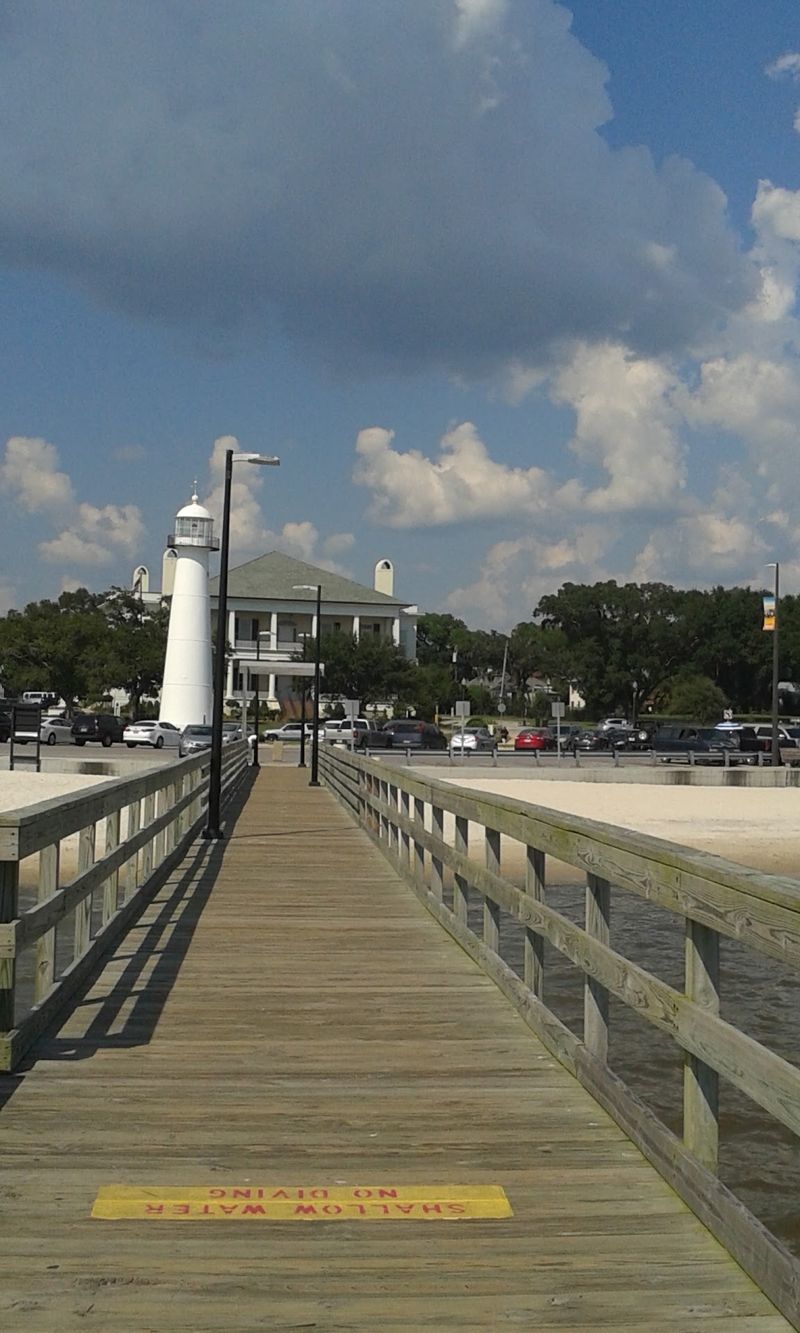
History buffs, lighthouse fans, and kids who like a challenge all find something here. The mood around the grounds feels relaxed, and many guests mention how calm it is to stroll the area.
School-age children who meet the 42-inch height rule tend to get the most out of it. They can handle the steps, enjoy the ladder, and follow along with the guide’s stories.
Tweens often love the bragging rights.
Families with toddlers may prefer to enjoy the outside instead. The free admission for ages 5 and under helps, but the narrow stairs and steep ladder demand care.
One parent could stay below with little ones while others climb.
Anyone uneasy with heights should think it over. One family called the climb a great way to face that fear, while others might be happier at ground level.
There is no wrong choice.
Lighthouse lovers return again and again. One couple mentioned stopping by on every trip to the state.
Others visit for photos during group getaways. The site also hosts weddings and local festivals at times, so the scene can vary from quiet to lively.
A Small Climb With a Big Story
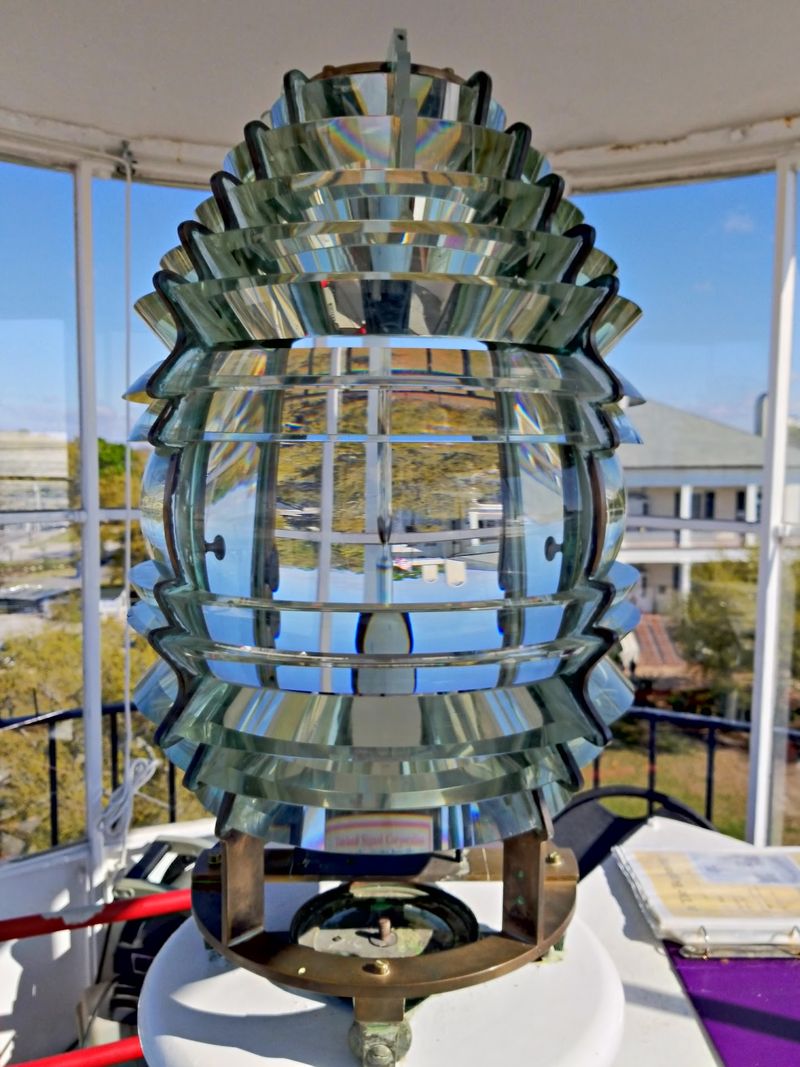
After all those steps, what sticks with families is the story. A cast-iron tower from 1848 has outlasted major hurricanes, served under dedicated female keepers, and still welcomes climbers every morning.
Visitors often describe the lighthouse as a quick stop that turned into a real adventure. That fits.
In about an hour, kids can climb, learn, peek out over the coast, and stand beside a working light.
The value is hard to beat. A couple of dollars per child, free parking, and a beach across the road make it simple to fit into almost any Gulf Coast itinerary.
The visitors center adds depth, especially on rainy days.
Plan for early hours and warm temperatures, and the rest falls into place. Older kids gain a hands-on history lesson, while younger ones enjoy the sand and the photos.
Some places teach through signs and plaques. Here, children learn by doing, step after step, with storm lines overhead and a trapdoor waiting at the top.
For families exploring coastal Mississippi, this sturdy white tower offers a memorable morning that blends exercise, history, and ocean air in one easy stop.