
Former State Capital Status Sets This Quiet Oklahoma Town Apart From Other Small Towns
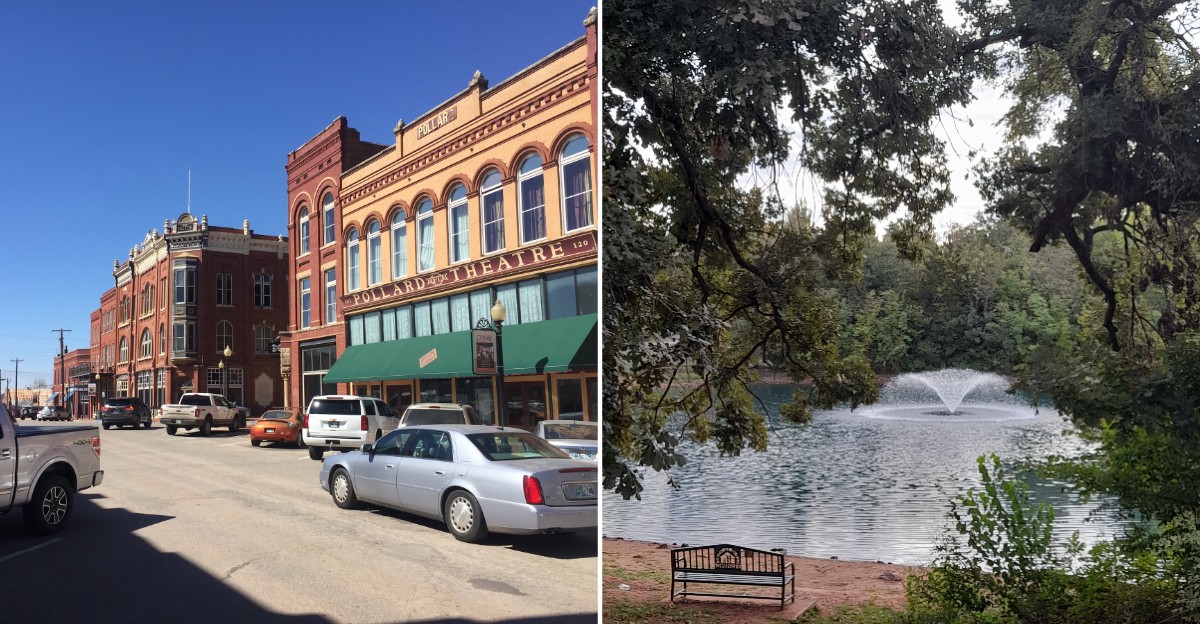
A town of about 10,000 people popped up in a single afternoon. Then it got to be the capital, first of a territory and then of a brand-new state.
Three years later, voters moved the capital away.
As it happens, losing that title turned into a strange kind of luck. With little money for big rebuilding projects, the old brick buildings simply stayed put.
Today, they form the largest contiguous historic district on the National Register in the whole country.
I can’t help but think that most small towns in Oklahoma would trade a lot for a backstory like that. Here, a governor took the oath on library steps.
A newspaper got a telegram from Teddy Roosevelt.
So what does a former capital do after the lawmakers leave? It turns out the answer is pretty fun.
A Capital Born In One Wild Afternoon
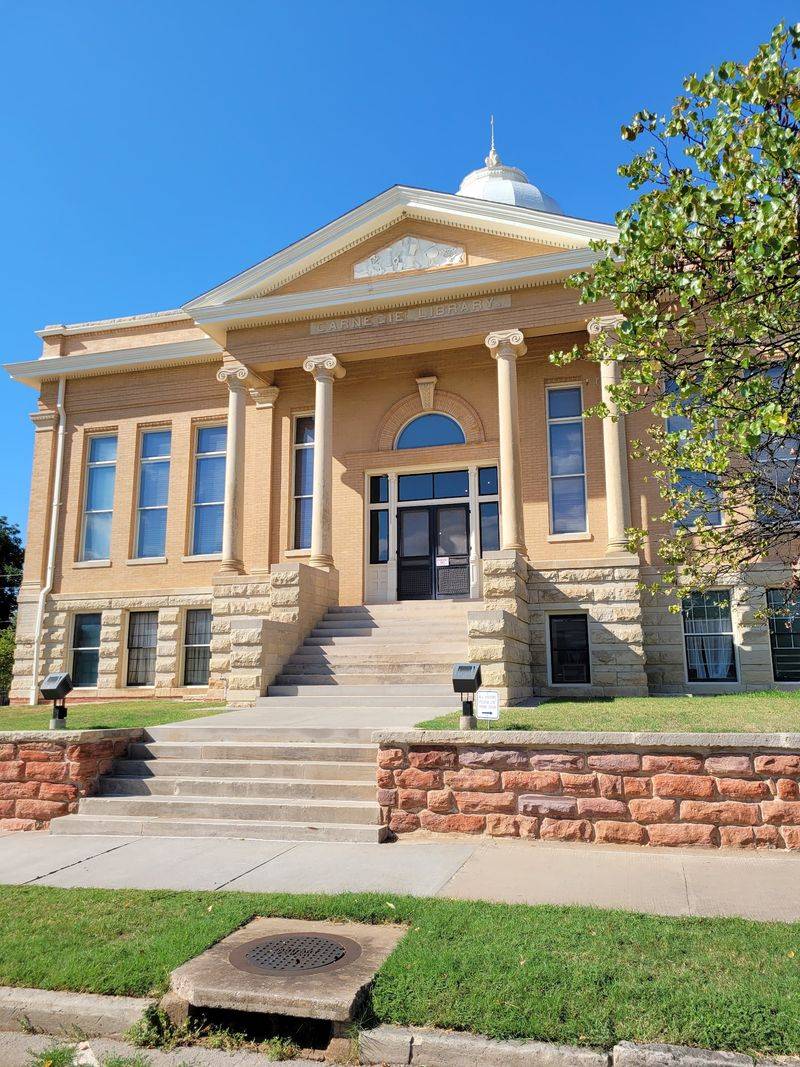
Noon on April 22, 1889, kicked off the Land Run. By nightfall, Guthrie, Oklahoma, had roughly 10,000 residents and a whole lot of tents.
Talk about a fast start. Most towns take decades to grow that big, and this one did it before supper.
The speed didn’t stop there. The Organic Act of May 2, 1890, named Guthrie the territorial capital of Oklahoma.
That role lasted until 1907. Then statehood arrived on November 16, 1907, and Guthrie became the first state capital.
Here’s the twist that gives the town its flavor. A statewide vote on June 11, 1910, moved the capital to Oklahoma City.
The 1906 Enabling Act had named Guthrie as capital until at least 1913. Voters went ahead anyway, and the move happened years early.
So the town had big dreams and a short reign. That combo explains nearly everything you’ll see on a visit today.
Keep that timeline in your back pocket as you explore. Grand banks, a huge depot, and fancy storefronts suddenly make sense.
They were built for a capital city. They just never got the memo that the capital left.
You Can Wander Through The Biggest Historic District In The Country
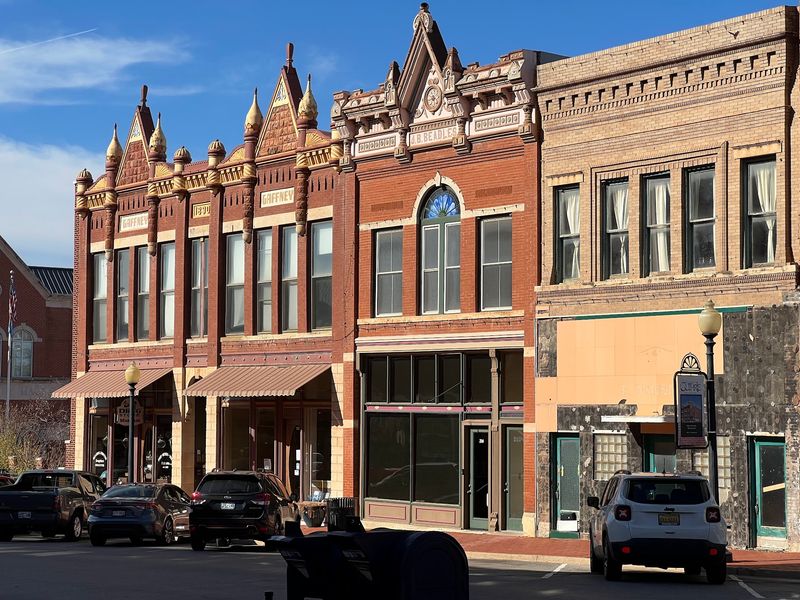
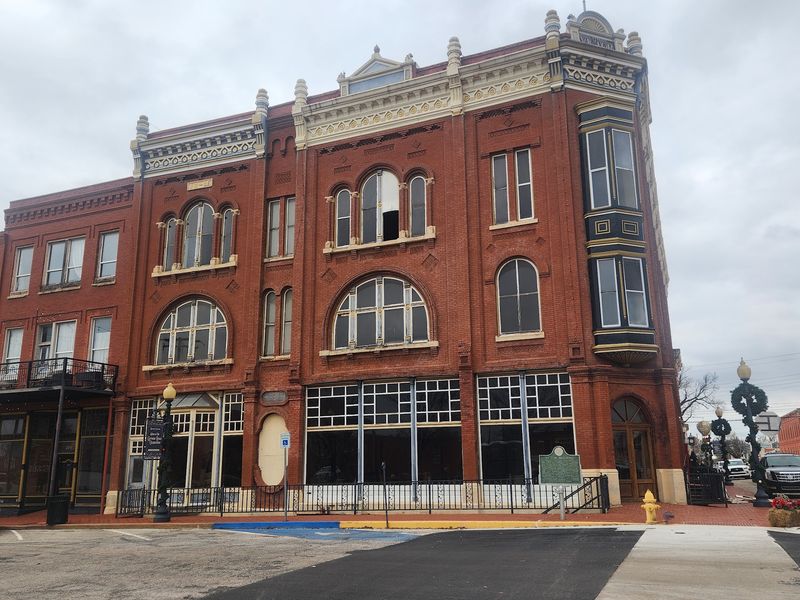
Numbers first, because they’re a little ridiculous. The Guthrie Historic District covers 1,400 acres, 400 city blocks, and 2,169 buildings.
That makes it the largest urban historic district in Oklahoma. It’s also the largest contiguous historic district on the National Register of Historic Places in the United States.
In 1999, it became a National Historic Landmark. Its role as territorial and first state capital earned that honor.
Bring comfy shoes. You could spend a full day looking up at cornices and still miss some.
Most of the buildings date from 1889 to 1910. Victorian and Romanesque styles dominate, with plenty of red brick and stone detail.
Belgian-born architect Joseph Pierre Foucart designed many of the standout structures. His work gives downtown much of its grand, slightly fancy personality.
Losing the capital actually saved this look. The economic slowdown that followed kept the town away from heavy urban renewal projects.
Other cities tore down old blocks for parking lots and plain boxes. Guthrie mostly kept what it had.
A good tip is to walk slowly and peek at upper floors. The best details often hide above the shop signs.
Statehood Happened On These Library Steps
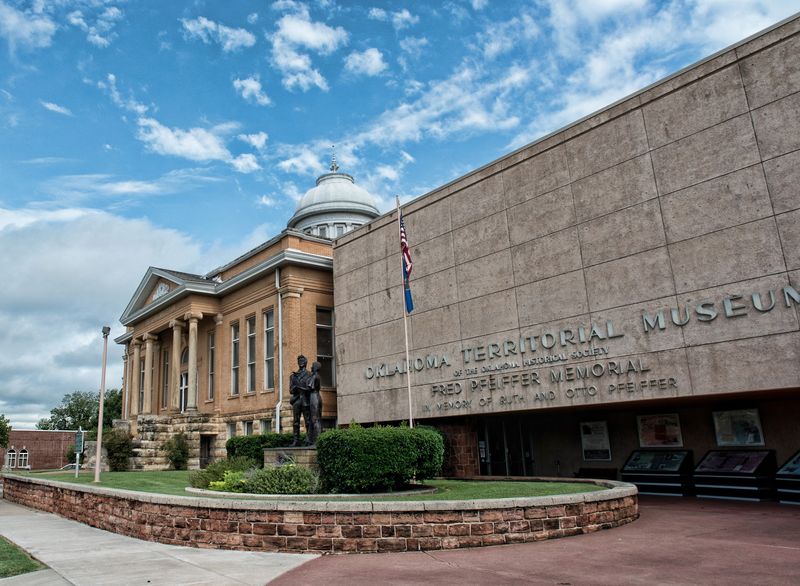
Few libraries can claim they hosted the birth of a state. The Carnegie Library in Guthrie can, and it does so proudly.
Statehood ceremonies took place on its steps in 1907. The last territorial governor and the first state governor were both inaugurated here.
Built in 1902 in the Renaissance Revival style, it was the second Carnegie Library in Oklahoma. It’s now the oldest one still standing.
Today, it’s part of the Oklahoma Territorial Museum and Carnegie Library complex. You’ll find it at 402 E. Oklahoma Avenue.
The museum covers a lot of ground. Exhibits trace Oklahoma’s early days, from Indian removals to the land runs and early statehood.
That wide view matters. It helps visitors understand that the land runs were only one chapter of a much bigger and more complicated story.
Families with curious kids should plan extra time here. It’s a solid place to connect the dots before touring the rest of town.
Stand on those steps for a moment. A whole state officially got started right where your sneakers are.
Not bad for a building full of books.
Hop On A Trolley And Let Someone Else Tell The Stories
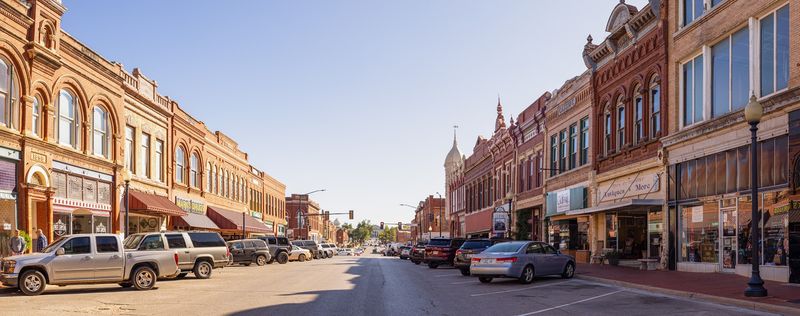
Walking 400 blocks sounds noble until about block twelve. That’s where First Capital Trolley Tours earns its keep.
These narrated tours roll through Guthrie’s historic streets. Guides point out significant buildings and share stories from the town’s capital years.
The trolley departs from the corner of 2nd and Harrison. That spot sits right in the heart of downtown, so it’s easy to find.
Think of it as your cheat sheet. A ride early in your visit helps you decide which places deserve a closer look later.
First-timers especially benefit. Many buildings look grand from the outside, but the stories behind them aren’t always obvious.
A narrated loop fills in those gaps. You’ll learn why certain structures were built so big for a town that’s fairly small today.
It’s also a smart pick for anyone who can’t do long walks. Grandparents, little kids, and tired feet all get a front-row view.
After the ride, hop off and explore on foot. You’ll recognize landmarks and feel like you’re in on a few secrets.
Bonus: you get to sit down. Never underestimate that perk.
A Masonic Temple So Big It Deserves A Guided Tour
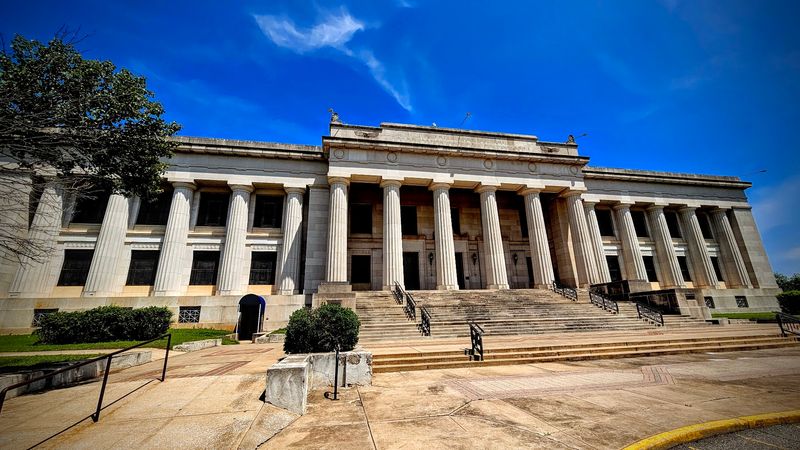
Some buildings are large. The Guthrie Scottish Rite Masonic Temple is recognized as one of the largest Masonic complexes in the world.
Yes, in a town of about 10,700 people. That alone tells you something about Guthrie’s big ambitions.
The temple was completed in 1923. It offers guided tours, which is the best way to understand its scale and purpose.
Going with a guide is a smart move here. A building this size could easily swallow a curious visitor for hours.
The temple fits a larger pattern in town. Guthrie built like a capital, and that confidence kept showing up even after the capital moved.
Nearby, the Dominion House Boutique Hotel carries a related story. It began as the Masonic Children’s Home and now works as a hotel, restaurant, and event venue.
That reuse is pretty clever. A classic Revival-style building keeps its history while finding a fresh job.
Plan your day so the tour isn’t rushed. You’ll want time to soak in the details without checking your watch.
History buffs and architecture fans will be very happy campers.
Teddy Roosevelt Once Sent A Telegram Here
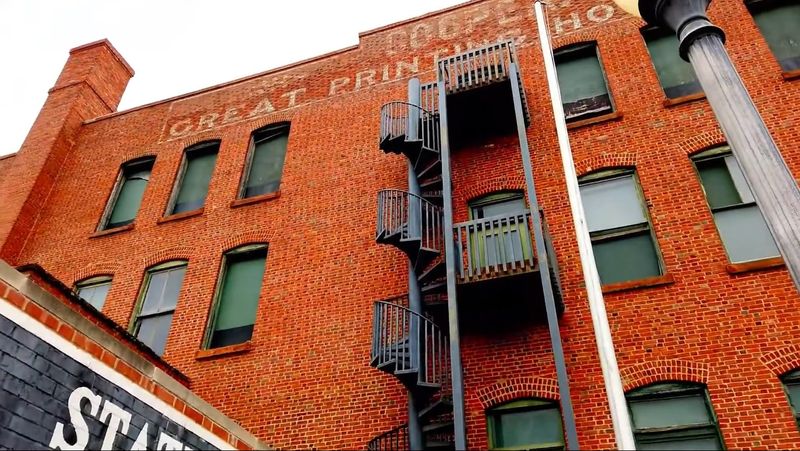
Imagine getting a congratulations note from the President. The State Capital Publishing company did when Oklahoma became a state.
Theodore Roosevelt sent that telegram. It’s one of the fun stories tied to the State Capital Publishing Museum.
The museum sits at 301 West Harrison in downtown Guthrie. Its 1902 building once housed Frank Greer’s newspaper, the first in Oklahoma Territory.
Newspapers mattered a lot in a capital city. They carried laws, debates, and big announcements to a growing population.
A few blocks away, the Oklahoma Frontier Drugstore Museum offers a very different slice of life. Displays explore frontier medicine and even include an old dentist’s office.
Take a deep breath before that dentist exhibit. Modern checkups will suddenly feel like a spa day.
The Apothecary Garden sits at the corner of Oklahoma Avenue and 2nd Street. It’s a pleasant little stop between museums.
For sports fans, the Territorial Capital Sports Museum is an annex of Oklahoma’s official sports museum. It honors athletes with ties to the state.
Small town, many museums. Guthrie clearly never stopped thinking like a capital.
Spooky Stories And Live Shows Keep Evenings Interesting
Old buildings collect stories. Guthrie has gathered enough of them to fill an entire walking tour after dark.
The Guthrie Ghost Walk explores intriguing downtown sites and historical accounts. It begins at the Apothecary Garden.
You don’t need to believe in ghosts to enjoy it. The stories offer a fun, offbeat way to learn more about the town’s past.
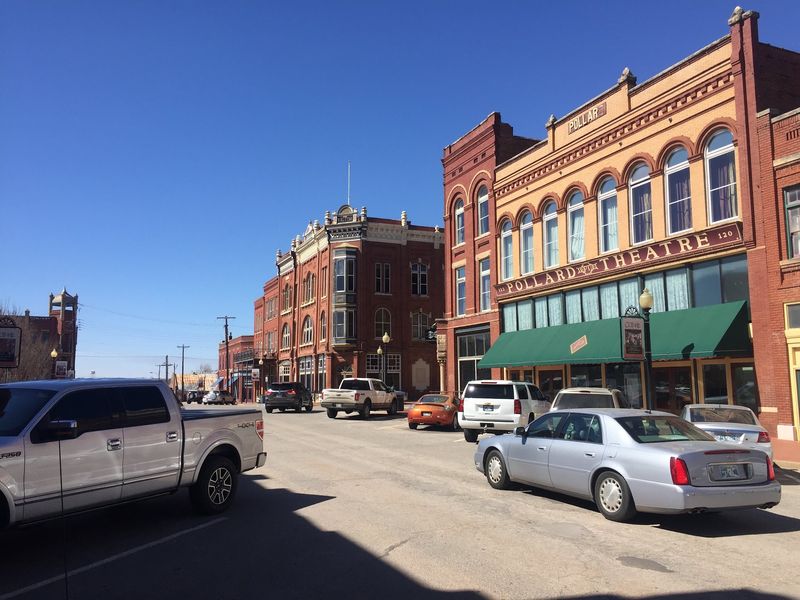
Prefer your drama with a stage and curtain? The Pollard Theatre hosts a variety of live performances.
Having a dedicated theater downtown adds real charm. It gives visitors a reason to stay past the afternoon museum hours.
Pairing a show with a stroll works nicely. Downtown’s historic streets look especially handsome as the evening settles over the brick.
A tip for planners: check schedules ahead of time. Tours and performances run on their own calendars, and you won’t want to miss the one you picked.
Wear layers in cooler months. Ghost stories are chilling enough without an actual chill.
Festivals Turn The Old Capital Into One Big Party
Mark your calendar, because Guthrie loves a good celebration. The town’s yearly lineup leans hard into its history.
’89er Days honors the Land Run that started it all. Red Brick Nights brings people downtown to enjoy those famous streets.
Bluegrass fans have a big reason to visit. The Oklahoma International Bluegrass Festival is part of the annual schedule.
Then winter arrives, and the town really shines. Guthrie’s Territorial Christmas Celebrations give the old capital a festive glow.
The Victorian Walk is a holiday highlight. Store windows get decorated, and live exhibits show what 19th-century life in Guthrie looked like.
A Victorian downtown during the holidays feels almost too perfect. It’s like the town was designed for this season.
Shopping fits right in, too. Downtown has antique shops, art galleries, gift shops, and specialty stores.
That makes festival weekends great for finding unique gifts. You’ll beat the mall crowd and support local businesses at the same time.
Plan lodging early for popular events. A festival in a small town can fill rooms faster than a Land Run claim.
A Historic Park And Nearby Lakes Make A Great Bonus
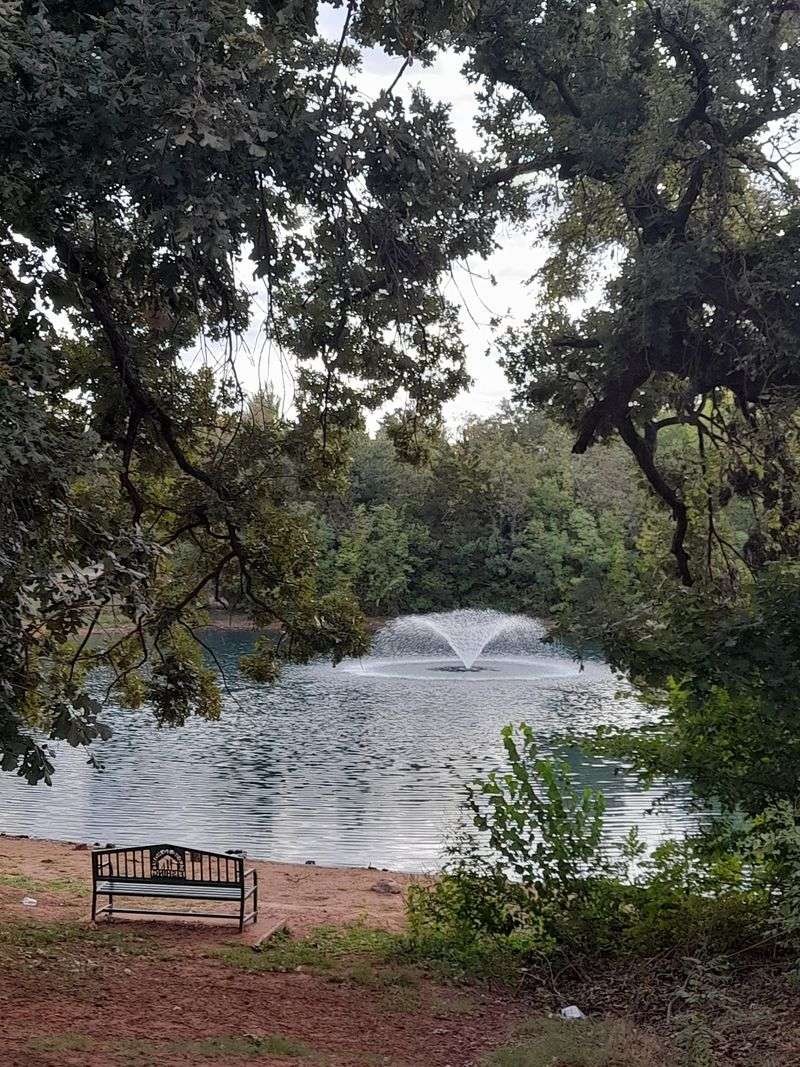
President William McKinley gave this town a park in 1890. Not many small towns can drop that fun fact at a picnic.
Highland Park has been part of Guthrie since the town’s earliest years, back when it was still the capital. Not many small towns can claim a park with roots that deep.
Hudson Lake sits inside Highland Park. It’s a nice spot to slow down after a day of museums.
The outdoor options keep going. Liberty Lake and Guthrie Lake offer chances for fishing, boating, and camping.
Mineral Wells Park is another handy green space. It has a large pavilion and fishing areas, great for family gatherings.
Getting here is easy. Guthrie sits on U.S. Highway 77, about 32 miles north of Oklahoma City.
That makes it a simple day trip within Oklahoma. You can explore history in the morning and cast a line by afternoon.
Start your visit at the Visitor Information Center inside the Guthrie Chamber of Commerce, 118 N Broad. They can help you map out the day.
The capital may have moved, but Guthrie kept its parks, its pride, and plenty of reasons to stay.