
8 Hidden Colorado Towns That Offer The Perfect Retirement Lifestyle In The Mountain West
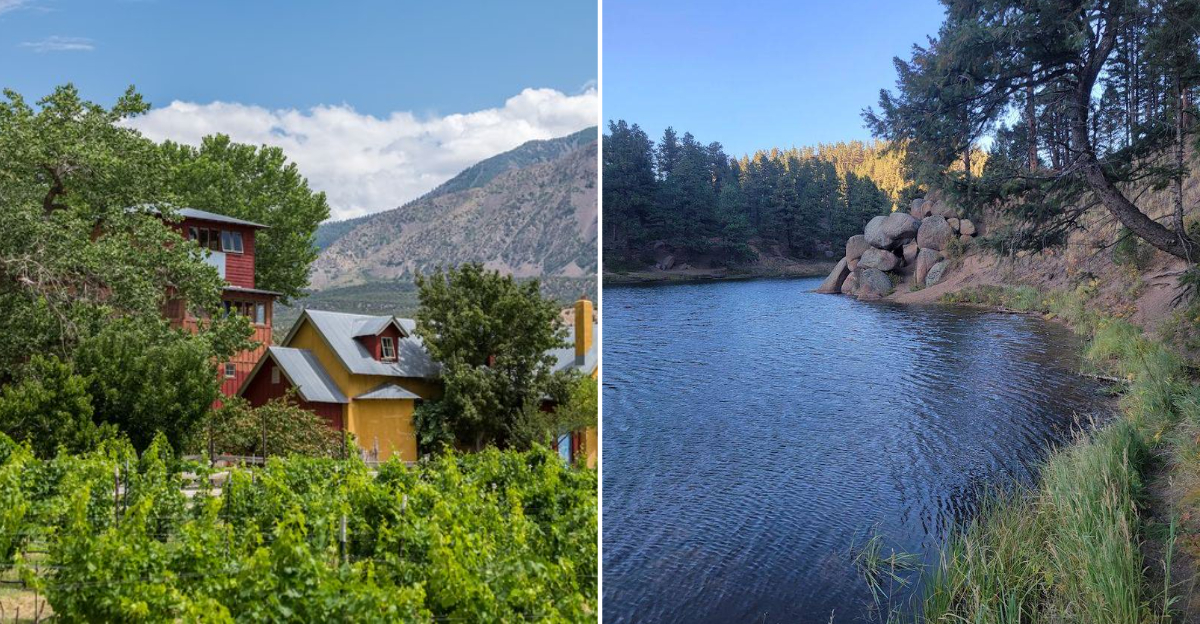
Mountain towns that deliver retirement lifestyle without the resort price tag attached represent a combination most people assume requires a compromise. These Colorado communities proved that assumption wrong without making much noise about it.
Elevation, clean air, and a pace that arrives without announcement connect every town on this list. The scenery does the rest without requiring any embellishment from the real estate brochure.
Retirees who made the move describe the first season as the one where everything accumulated over decades finally found somewhere to go. The mountains do that work quietly and without any formal wellness program attached.
A retirement destination this complete surviving outside mainstream conversations did so because the people who found it first preferred the traffic stayed manageable.
These towns have held that preference intact, and the retirees settling in have shown no interest in changing it.
1. Canon City
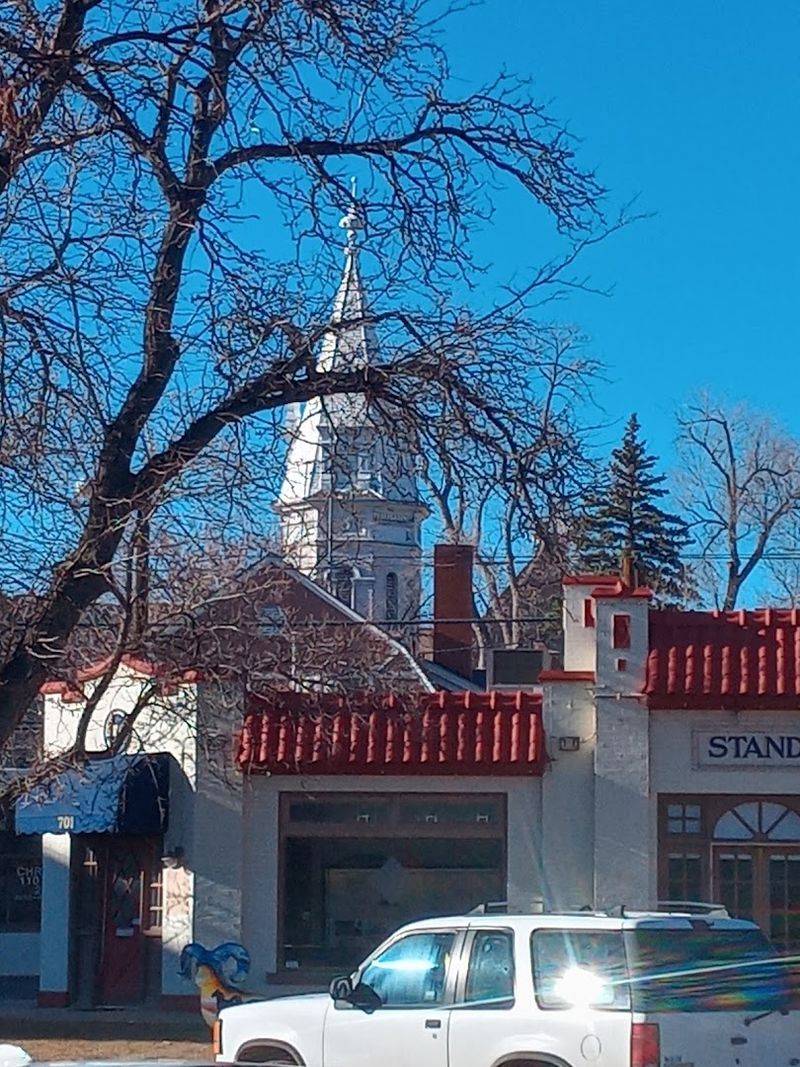
People around here brag about the weather, and honestly, they have every right to. Canon City holds the title of Climate Capital of Colorado for good reason.
Mild winters and warm summers make outdoor life feel effortless year-round.
The Arkansas River cuts right through town like nature’s welcome mat. You can walk the Arkansas Riverwalk Trail surrounded by big cottonwood trees.
It is peaceful, shaded, and completely free.
Just west of town, the Royal Gorge Bridge hangs dramatically over a 1,000-foot canyon. Locals get used to having one of Colorado’s most iconic landmarks in their backyard.
Visitors come from everywhere, but you get to live near it every day.
The historic downtown is made for slow mornings and long afternoons. Shops, cafes, and local galleries line the streets without feeling touristy or overcrowded.
It has that rare balance of charm and real-life functionality.
The growing tourism industry also means part-time job opportunities for retirees who want to stay active. Working a few hours at a local outfitter or visitor center keeps life interesting.
It is a great way to meet people and stay connected to the community.
Healthcare access has improved significantly in recent years. Fremont County has worked to expand services for older residents.
You will not feel like you are sacrificing convenience for scenery here.
Community events happen regularly throughout the year. The Blossom Festival each spring brings the whole town together.
It is the kind of gathering that reminds you why small-town living just hits differently.
2. Monte Vista
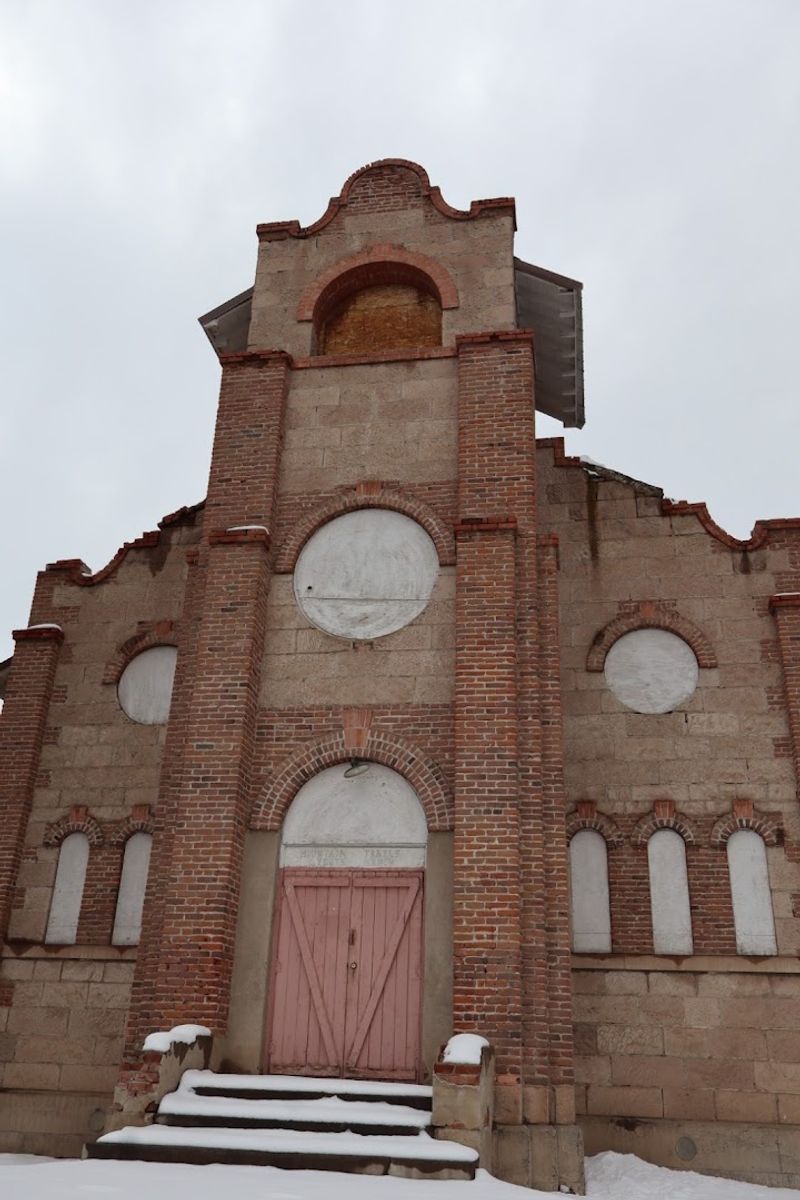
Every spring, something magical happens just outside Monte Vista. Thousands of sandhill cranes descend on the Monte Vista National Wildlife Refuge.
Watching them move across the sky in massive flocks is the kind of thing that stops you cold.
The refuge offers a four-mile auto tour route that winds through the wetlands. You can watch birds from your car or hop out and stand quietly by the water.
It feels like the whole world slows down out there.
Monte Vista sits in the wide, flat San Luis Valley, one of the largest alpine valleys on earth. The views stretch for miles in every direction.
On clear days, the Sangre de Cristo Mountains glow pink at sunset.
Downtown Monte Vista is a designated National Historic District. The buildings are made from local stone, and they have been standing for well over a century.
Walking those streets feels like flipping through a living history book.
The community is deeply rooted in agriculture, especially potato farming. Farmers’ markets and local festivals celebrate that heritage with real pride.
It is not just nostalgia. It is a way of life that still drives the local economy.
The pace here is genuinely relaxed. Neighbors wave from their porches.
People actually talk to each other at the grocery store. That kind of social ease is surprisingly rare and incredibly valuable in retirement.
Housing costs remain among the most affordable in the state. You get space, quiet, and community without the premium price tag.
For retirees looking to stretch their savings, this valley delivers in a big way.
3. Cortez
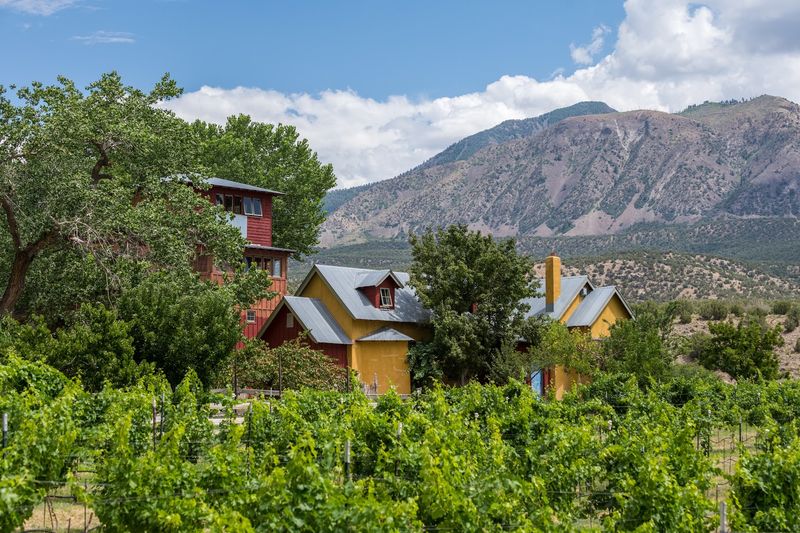
Living near one of the most important archaeological sites in North America is not something most people can say. Cortez puts you right at the doorstep of Mesa Verde National Park.
Ancient Puebloan cliff dwellings sit carved into canyon walls just minutes from town.
The history here goes back over a thousand years. Walking through Canyons of the Ancients National Monument feels surreal.
You are literally standing where civilizations once thrived.
The Cortez Cultural Center keeps that history alive and accessible. Regular exhibits, events, and performances connect residents to the region’s rich Indigenous heritage.
It is more than a museum. It is a community gathering place.
The town blends cowboy culture with ancient tradition in a way that feels completely natural. You might see a rancher in boots grabbing coffee next to someone studying pottery shards.
That mix of worlds makes Cortez genuinely interesting to live in.
Outdoor recreation options are wide and varied. Four Corners Monument is a short drive away.
The high desert landscape offers hiking, stargazing, and photography opportunities that never get old.
The elevation sits around 6,200 feet, which keeps summers comfortable and winters manageable. It rarely gets brutally cold, and the dry air feels clean and energizing.
Many retirees say their joints feel better here than anywhere else they have lived.
The community is tight without being closed off. New residents are welcomed warmly.
Local groups, volunteer opportunities, and farmers’ markets make it easy to build a social circle quickly.
4. Montrose
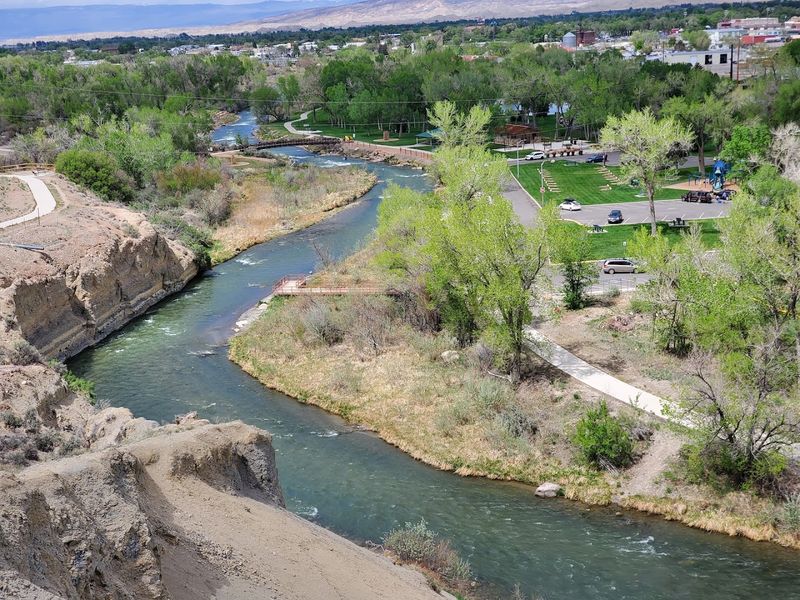
Montrose might be the most geographically spoiled town in Colorado. The Black Canyon of the Gunnison National Park sits just to the east.
The San Juan Mountains rise dramatically to the south. The Grand Mesa, the world’s largest flat-topped mountain, looms to the north.
That is three jaw-dropping natural wonders within easy driving distance. Most places brag about having one.
Montrose has them all stacked up like a greatest hits album.
The farmers’ market here runs year-round, which tells you a lot about the community. Local vendors bring fresh produce, handmade goods, and homemade food every week.
It is the kind of weekly ritual that makes a town feel alive.
The historic Star Drive-In Theatre has been running since 1949. Catching a double feature under a sky full of stars is a Montrose tradition.
Bring a blanket and settle in. Nobody is in a rush here.
Healthcare infrastructure has grown considerably in recent years. Montrose Regional Health offers a solid range of services for older adults.
Specialists and primary care options have expanded to meet growing demand.
The outdoor adventure scene is serious but accessible. Hiking, fishing, mountain biking, and hunting are all within reach.
You do not need to be an extreme athlete to enjoy what Montrose has to offer.
Real estate options range from small in-town homes to larger properties with mountain views. The variety makes it easy to find something that fits your lifestyle and budget.
Montrose keeps growing, but it still feels like a place where people actually know each other.
5. Fruita
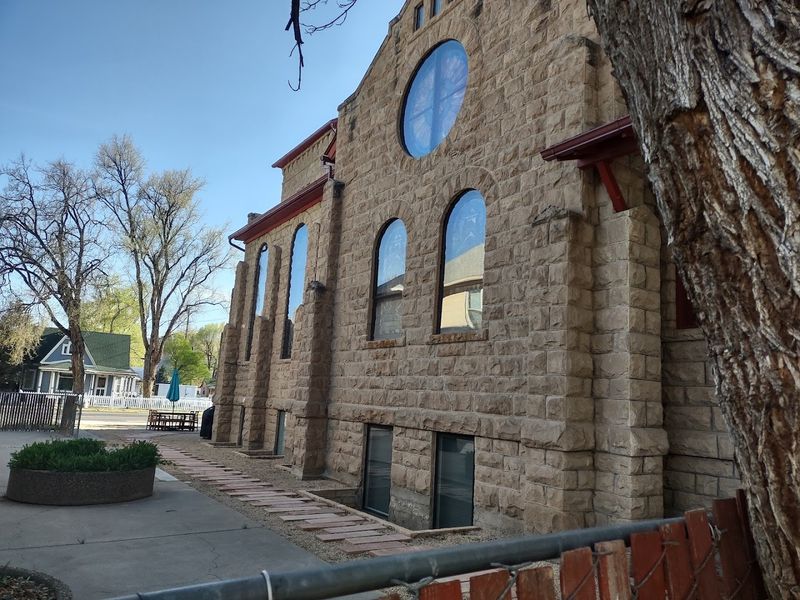
Fruita has a personality all its own. It is a little quirky, very outdoorsy, and fiercely proud of its bike culture.
The trails here have earned a global reputation, and riders come from across the world to test them.
But you do not have to be a hardcore cyclist to love Fruita. The Colorado National Monument provides a stunning red rock backdrop for morning walks.
Watching the sunrise paint those canyon walls is something you never stop appreciating.
The high desert climate keeps things dry and mild for most of the year. That means more days outside and fewer days stuck indoors.
Retirees who want year-round activity will thrive in this environment.
Dinosaur Journey Museum is a genuine local treasure. Interactive exhibits bring the prehistoric world to life in ways that fascinate adults just as much as kids.
Dinosaur Hill, just outside town, is an actual fossil site open to visitors.
The community has a welcoming, open-minded energy. Newcomers are embraced quickly.
Weekend group rides, trail maintenance days, and local festivals create constant opportunities to connect with neighbors.
Fruita sits along the Colorado River, which adds fishing, kayaking, and riverside walking to the list of available activities. Highline Lake State Park is just a short drive away.
Water recreation options are surprisingly plentiful for a desert town.
The town is small but well-equipped. Grocery stores, medical clinics, and local restaurants cover the basics comfortably.
Grand Junction is only minutes away for anything else you might need. Fruita punches well above its size in livability.
6. Delta
This place sits at the confluence of the Gunnison and Uncompahgre Rivers, and that geography shapes everything about the town. The soil is rich, the climate is surprisingly mild, and backyard fruit trees are practically a neighborhood tradition.
Peaches, cherries, and apples grow here with almost no effort.
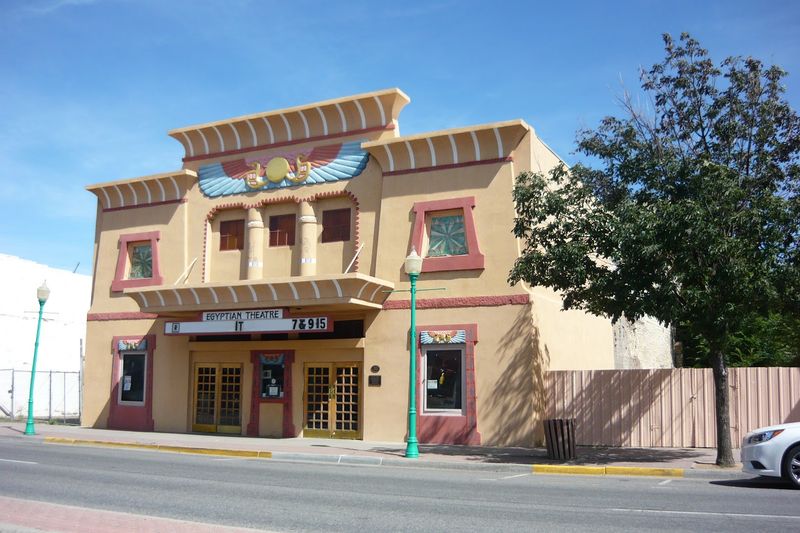
The Egyptian Theatre on Main Street is one of the most striking buildings in western Colorado. Built in 1929, it still hosts movies and live events.
Walking past it feels like a small daily gift.
Fort Uncompahgre is a full-scale replica of an 1820s fur trading post. Living history demonstrations bring the frontier era back to life.
It is the kind of attraction that residents end up visiting more than once.
Confluence Park offers paved walking trails along the riverbanks. A bird sanctuary within the park draws birders from across the region.
Watching great blue herons fish in the morning light is a legitimate way to spend a retirement morning.
The community here is genuine and unpretentious. Delta is not trying to be a trendy destination, and that honesty is refreshing.
People move here because they want a real life, not a lifestyle brand.
The local hospital and medical community have strong roots. Delta County Memorial Hospital provides dependable care for residents of all ages.
Specialists visit regularly from larger cities to supplement local services.
Housing in Delta is among the most affordable in the entire region. You can find a comfortable home with a yard and fruit trees for a price that would seem unbelievable elsewhere.
Delta rewards the retirees who discover it.
7. Craig
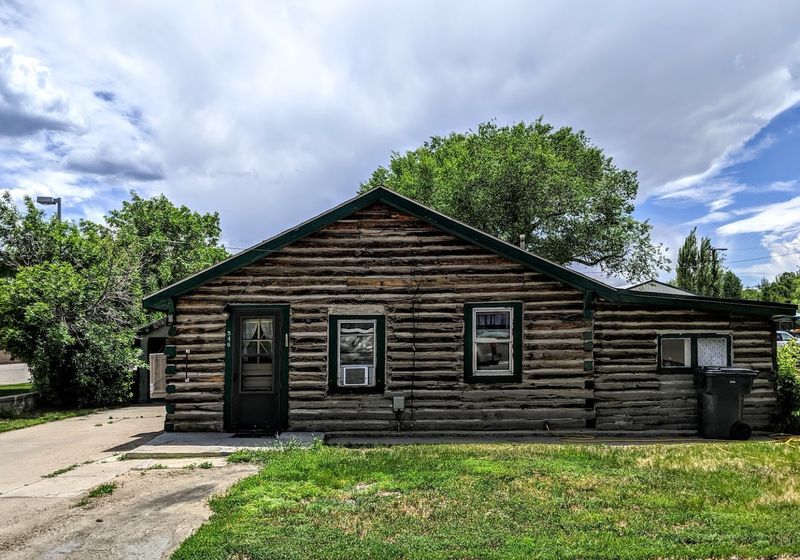
Craig is the kind of place that does not care about being trendy. It is raw, wide-open, and completely honest about what it is.
Over two million acres of public land surround the town, and that number alone should tell you something about the scale of freedom available here.
The Yampa River runs through town and offers excellent fishing and canoeing. It is one of the last free-flowing rivers in the Colorado system.
Paddling it on a quiet morning feels like discovering something the rest of the world has not found yet.
Sand Wash Basin, about an hour south of town, is home to a herd of wild mustangs. Driving out to watch them run across the high desert is an experience that genuinely does not get old.
It is completely free and completely unforgettable.
The Museum of Northwest Colorado is a serious institution. It holds one of the finest collections of cowboy and gunfighter artifacts in the American West.
History enthusiasts could spend hours in there and still feel like they missed something.
Community life in Craig is strong and intentional. The Senior Social Center hosts regular events, classes, and gatherings.
Making friends here does not require effort. People simply look out for each other.
The cost of living in Craig is genuinely low. Real estate, utilities, and everyday expenses run well below state averages.
For retirees on a fixed income, that financial breathing room makes a real difference.
The elk hunting and wildlife viewing seasons draw visitors every fall. Living here means you get front-row access to those experiences all year long.
8. Woodland Park
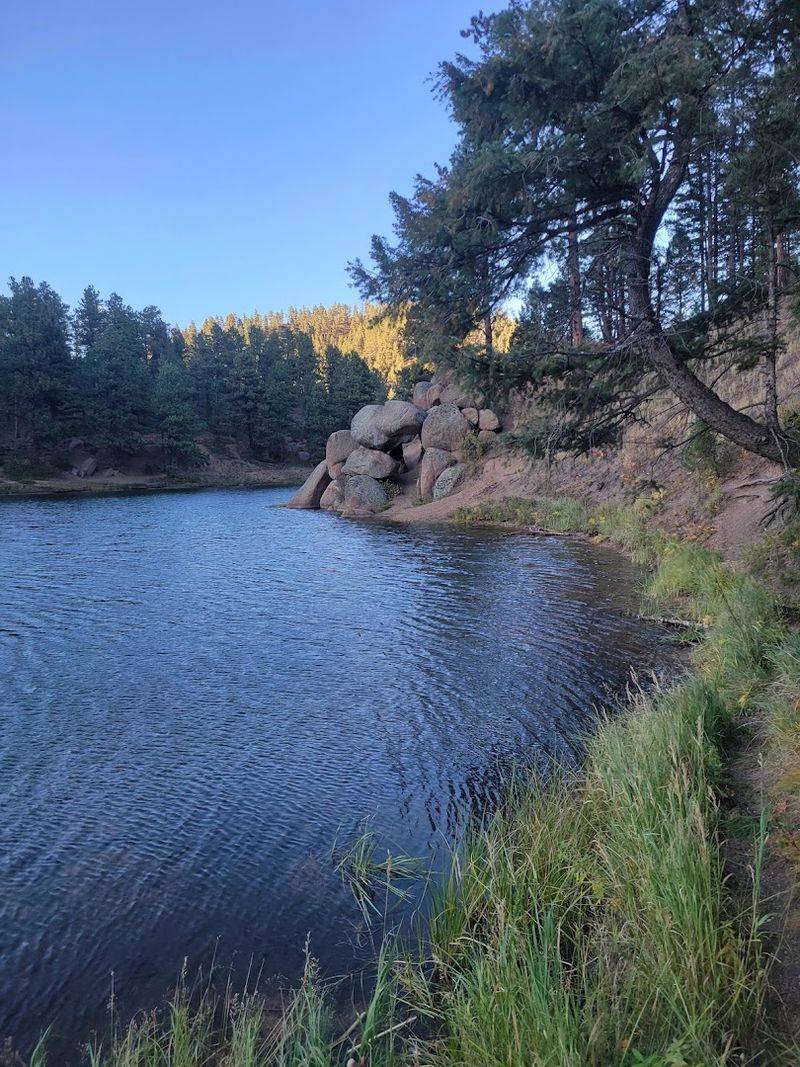
Woodland Park sits at 8,465 feet above sea level, and locals wear that altitude like a badge of honor. The town calls itself the City Above the Clouds, and on misty mornings, that title feels completely earned.
Pikes Peak towers just to the east, and the view never gets ordinary.
Pike National Forest wraps around the town like a natural embrace. Hiking, cross-country skiing, and wildlife watching are accessible from nearly every neighborhood.
Mule deer wander through backyards with complete confidence.
The Rocky Mountain Dinosaur Resource Center is an unexpected spot for a mountain town. Full-size dinosaur skeletons and detailed fossil exhibits draw visitors and locals alike.
It is one of those places you take every visiting family member to, no matter how many times you have already been.
Rampart Reservoir offers year-round recreation just a short drive from downtown. Fishing, kayaking, and lakeside picnics are all on the menu.
In winter, the snow-dusted pines around the reservoir look like something out of a painting.
The town has a strong sense of community identity. Local events, farmers’ markets, and holiday celebrations keep the social calendar full.
Woodland Park is small enough that faces become familiar quickly.
The cooler mountain air is a genuine selling point for retirees escaping the heat of lower elevations. Summers here are refreshingly mild compared to Denver or Colorado Springs.
Winters require some preparation, but the scenery makes every snowfall feel worthwhile.
Colorado Springs is only about 25 minutes away, offering major medical centers, shopping, and airports. Woodland Park gives you mountain living without sacrificing access to city-level resources.