
Live Blues Has Filled The Juke Joints Of This Arkansas Delta Town Since The 1950s
This Arkansas river town turned juke joints into the loudest music scene in the South. Workers rolled in from the cotton fields, and by dark the whole block was shaking with sound.
A live radio show born here in the 1940s still broadcasts every weekday. It shaped blues legends long before fame found them.
The Mississippi River rolls right past, feeding every note with a slow, heavy rhythm you can feel in your chest. Old buildings still line the streets, holding stories most visitors never expect to find.
Every October the streets pack with fans chasing that same unmistakable sound. Arkansas keeps this tradition alive, note by note, year after year.
One trip here might just turn into your favorite music memory yet.
A River Town That Shaped American Music
Few towns carry a musical legacy as heavy and as proud as this one. Helena-West Helena, Arkansas, occupies a powerful spot on the Mississippi River, and that location shaped everything.
The river drew workers, travelers, and musicians from across the Delta region. That constant flow of people created a buzzing cultural energy that few small towns ever experience.
Plantations surrounded the area for generations. Workers carried their musical traditions into town when they came in from the fields.
Those sounds collided, blended, and evolved right here on these streets.
By the mid-20th century, Helena had earned a reputation as a blues hub. Musicians came to perform, to learn, and to be heard.
The town gave them an audience that truly listened.
That spirit of musical exchange never left. Arkansas as a whole holds deep roots in American folk and blues traditions, but Helena-West Helena stands at the very center of that story.
It earned its place honestly.
Juke Joints And The Pulse Of The Night
Back when the sun went down over the Delta, the real show was just getting started. Juke joints scattered across Helena and West Helena became the beating heart of community life.
These were not fancy venues. Wooden walls, mismatched chairs, and a small stage were all a performer needed.
What they lacked in polish, they made up for in pure, raw energy.
Musicians played for crowds who worked hard all week and needed a release. The music delivered exactly that.
Blues filled every corner, bouncing off walls and sinking into the floorboards.
The Kit Kat Cafe on Missouri Street was one of the most talked-about spots. Influential artists performed there regularly, and its reputation spread well beyond the Delta.
Most of those original venues no longer stand. But their legacy shaped an entire generation of blues artists who went on to influence music worldwide.
The spirit of those rooms still echoes through Helena-West Helena today, loud and unmistakable.
King Biscuit Time And The Radio Revolution
On November 21, 1941, a radio show called King Biscuit Time aired for the first time on KFFA-AM in Helena. Nothing in blues history would quite be the same after that.
The show featured live performances from a rotating group of musicians known as the King Biscuit Entertainers. Their daily broadcasts turned ordinary weekday mornings into something extraordinary for Delta listeners.
Sharecroppers and field workers tuned in religiously. The music reached people who could not always make it into town for a live show.
It brought the juke joint experience right into their homes.
Future blues legends absorbed every broadcast. Young musicians learned techniques, rhythms, and styles simply by listening carefully.
The show functioned as both entertainment and a masterclass in Delta blues.
King Biscuit Time holds the distinction of being the longest-running blues radio show in the United States. It still broadcasts today from the Delta Cultural Center at 141 Cherry Street, keeping the tradition alive for new generations in Arkansas.
The Delta Cultural Center Keeps History Alive
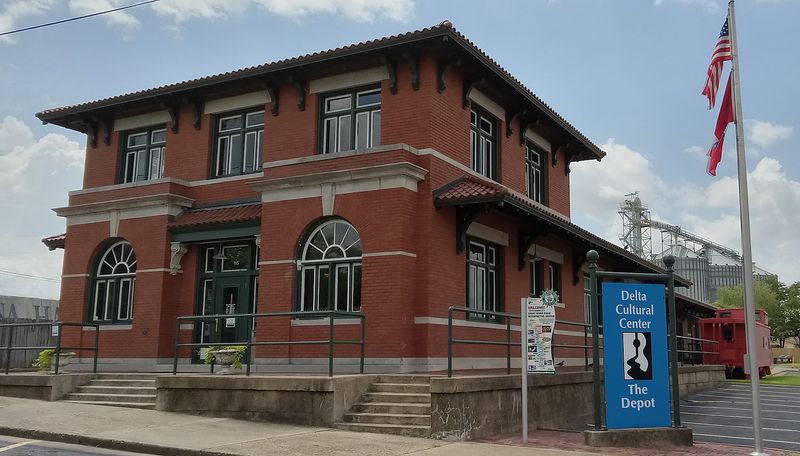
History needs a home, and in Helena-West Helena, that home is the Delta Cultural Center on Cherry Street. This institution does not just preserve the past.
It actively celebrates it every single day.
Exhibits inside trace the full arc of Delta history, from the land itself to the music that grew from it. The stories told here are honest, detailed, and deeply moving.
The Center houses the live studio where King Biscuit Time still broadcasts. Visitors can watch the broadcast happen in real time through the Delta Sounds Gallery.
That experience alone makes the trip worthwhile.
Educational programs connect younger audiences to blues traditions. The Center understands that preservation means passing knowledge forward, not just locking it behind glass.
Arkansas has many cultural institutions, but few carry the focused mission of this one. The Delta Cultural Center exists to make sure that the musical revolution born in this corner of the state never gets forgotten.
It succeeds remarkably well at that goal every single day.
Cherry Street And The Historic Downtown District
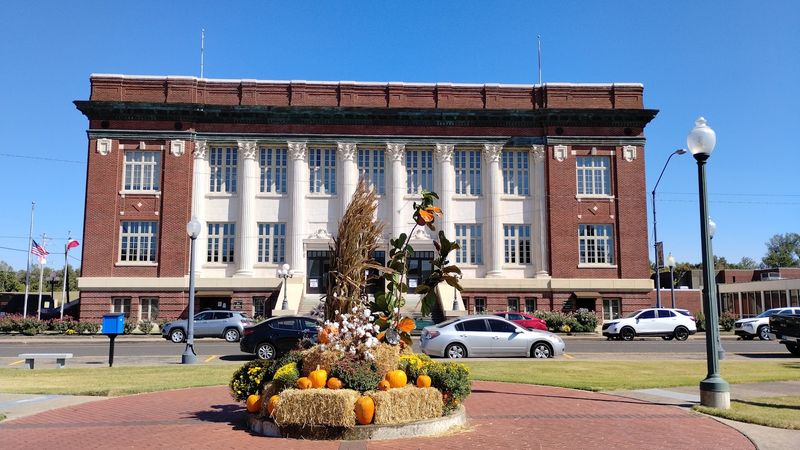
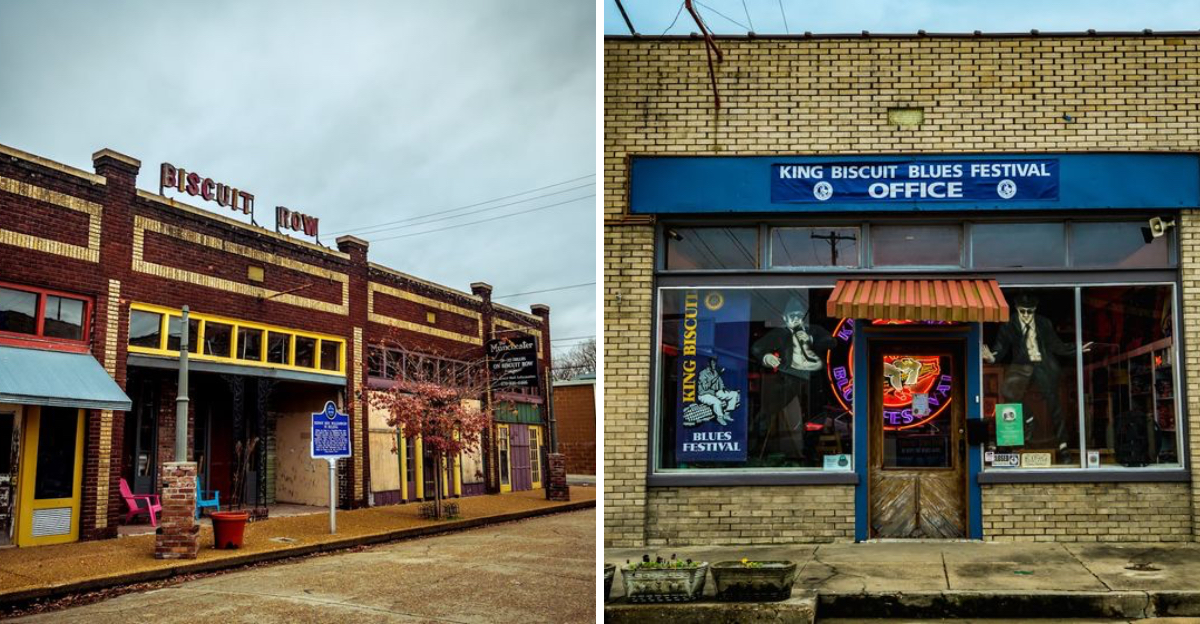
Cherry Street runs parallel to the Mississippi River, and walking it feels like flipping through a living history book. The architecture alone tells a story worth reading slowly.
Grand old buildings line both sides of the street. Their brick facades have witnessed decades of commerce, celebration, and change.
Many still stand in their original form, which is a minor miracle in itself.
The street forms the backbone of the National Historic District. That designation recognizes its architectural and cultural significance at a federal level.
Helena-West Helena earned that recognition through decades of preservation efforts.
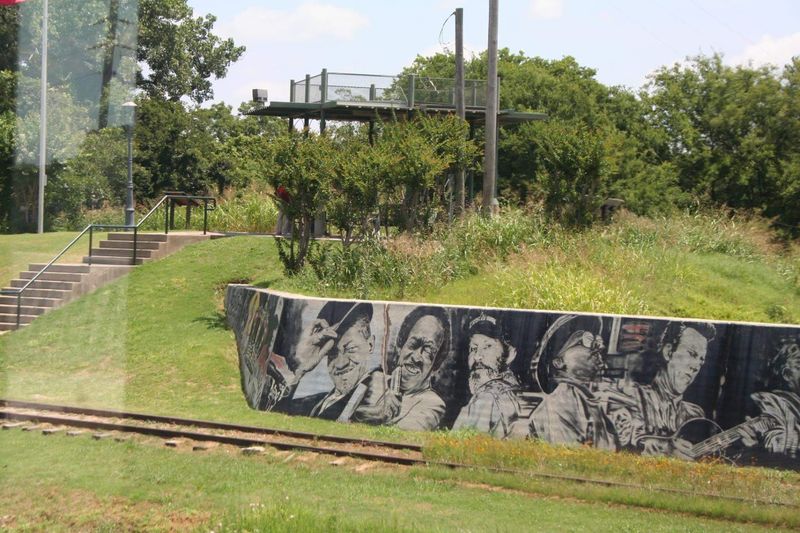
Public art celebrating blues musicians appears throughout the district. Statues and plaques honor the artists who made this town famous.
Court Square Park nearby adds green space and quiet reflection to the experience.
During festival season, Cherry Street transforms completely. Vendors, performers, and visitors fill every inch of available space.
The energy is electric and contagious. Even on quieter days, the street carries a sense of purpose and pride that feels deeply rooted in Arkansas history.
The King Biscuit Blues Festival Draws Thousands
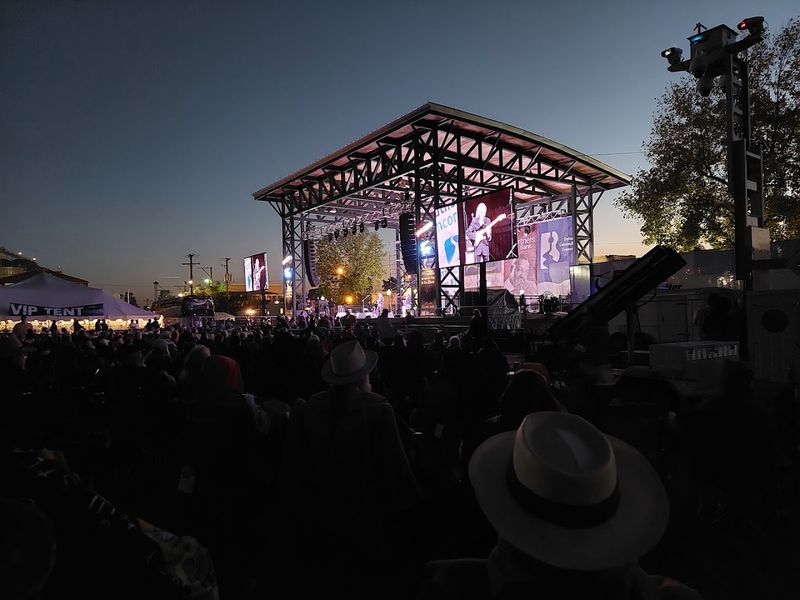
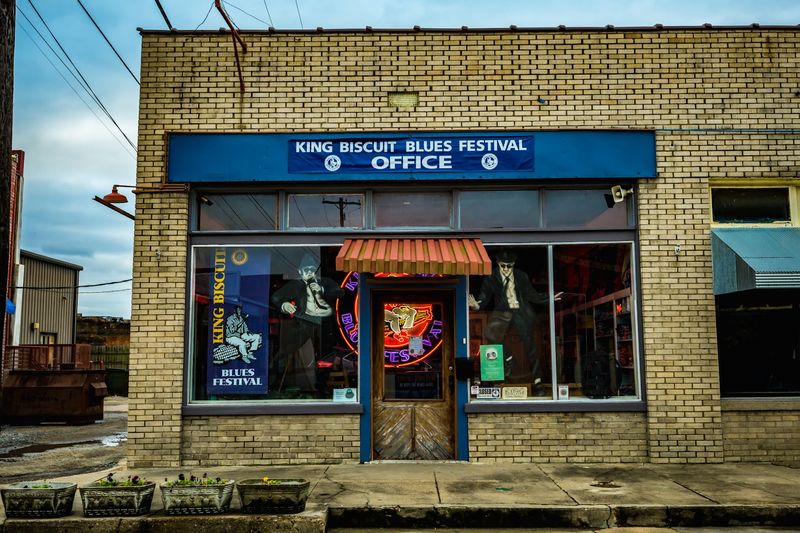
Every October, Helena-West Helena stops being a quiet Delta town and becomes one of the most exciting music destinations in the country. The King Biscuit Blues Festival makes that transformation happen.
Established in 1986, this multi-day event draws tens of thousands of visitors from across the United States and beyond. The numbers are staggering for a town of this size.
Multiple stages set up along the riverfront and downtown streets. Performances run continuously from afternoon into the night.
The range of artists covers traditional Delta blues all the way to gospel and soul.
Street vendors line Cherry Street with food, crafts, and memorabilia. The whole atmosphere feels like a celebration that the town has been building toward all year long.
The festival was created partly to restore Helena’s rightful place in blues history. That mission succeeded beyond expectations.
Today it stands as one of the premier blues events in the nation. Arkansas claims many festivals, but this one carries a weight and authenticity that sets it apart from the rest entirely.
The Mississippi River As A Musical Muse
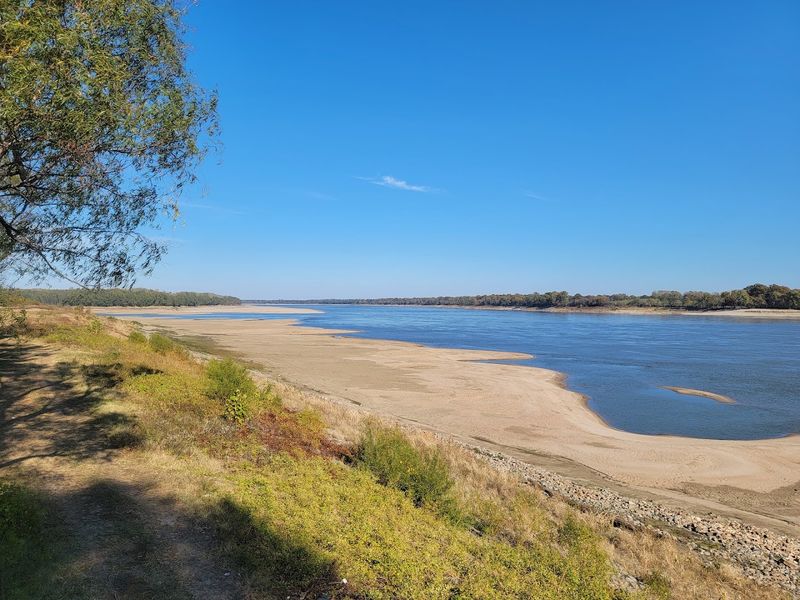
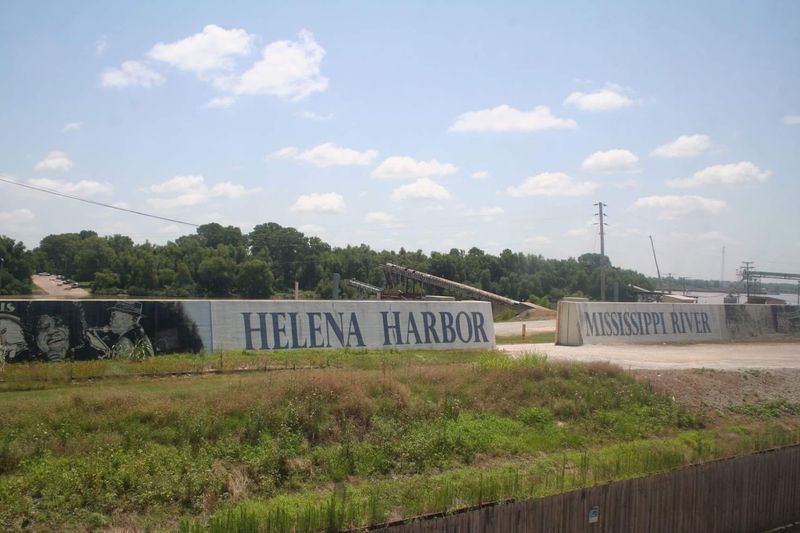
The Mississippi River does not just pass by Helena-West Helena. It defines the place entirely.
Every aspect of life in this town has been shaped by that massive, slow-moving body of water.
For early musicians, the river represented both freedom and hardship. Its currents carried goods, people, and stories from one part of the South to another.
All of that human experience found its way into the blues.
The emotional weight of living beside such a powerful natural force shows up in the music. Delta blues has always carried a sense of scale and depth that matches the river itself.
Steamboats once docked regularly at Helena’s waterfront. Musicians played aboard those vessels and absorbed influences from every port along the way.
The river was a living musical exchange program.
Today the riverfront offers quiet walks and stunning views. The same water that inspired generations of musicians still flows past.
Standing on its banks, it is easy to understand why this particular stretch of Arkansas produced such extraordinary sounds.
The Blues As A Community Cornerstone
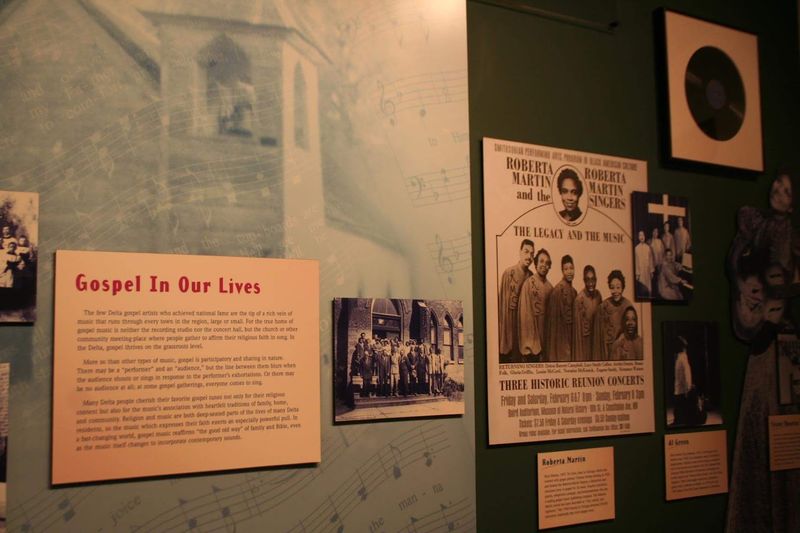
Blues music in Helena-West Helena was never just entertainment. It was communication, therapy, and community all wrapped into one powerful sound.
Workers who spent long days in difficult conditions found release in the music. Songs spoke directly to shared experiences of struggle, resilience, and hope.
That honesty made the blues deeply personal and universally relatable.
Juke joints served as community centers as much as music venues. People gathered to share news, celebrate milestones, and support one another.
The music held all of that together.
Churches also played a role in shaping the sound. Gospel traditions ran parallel to the blues, and the two forms constantly influenced each other.
Many great blues artists grew up singing in church choirs first.
That communal foundation still shapes how the town relates to its musical identity today. Helena-West Helena does not treat the blues as a tourist product.
It treats it as a living part of who the community is. Arkansas has many proud traditions, but this one carries an especially deep emotional resonance for the people who call this place home.
Where Future Legends Learned Their Craft
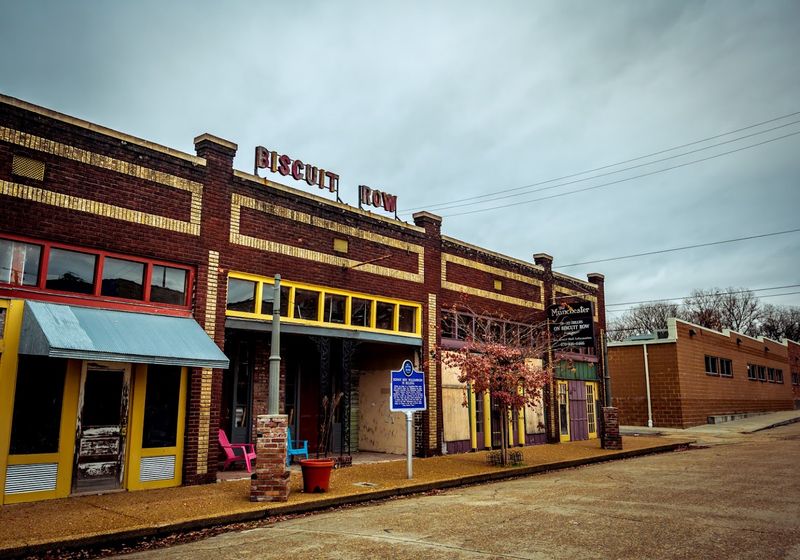
Helena-West Helena functioned as a training ground for some of the most influential musicians in American history. The town had the right combination of venues, audiences, and fellow artists to push performers to grow fast.
Young musicians arrived with raw talent and left with sharpened skills. Playing nightly in juke joints demanded constant improvement.
There was no room for mediocrity when the crowd was right in front of you.
Radio broadcasts added another layer of pressure and opportunity. Performing live on King Biscuit Time meant your sound traveled across the entire Delta region.
That kind of exposure was priceless in the 1940s and 1950s.
Older musicians mentored younger ones freely. Knowledge passed from one generation to the next through direct observation and practice.
That informal education system produced extraordinary results.
The legacy of those learning years shows up in the broader history of American music. Rock and roll, soul, and rhythm and blues all carry traces of what was developed in this Arkansas Delta town.
The influence is everywhere, even when the source goes uncredited.
Phillips County And The Wider Delta World
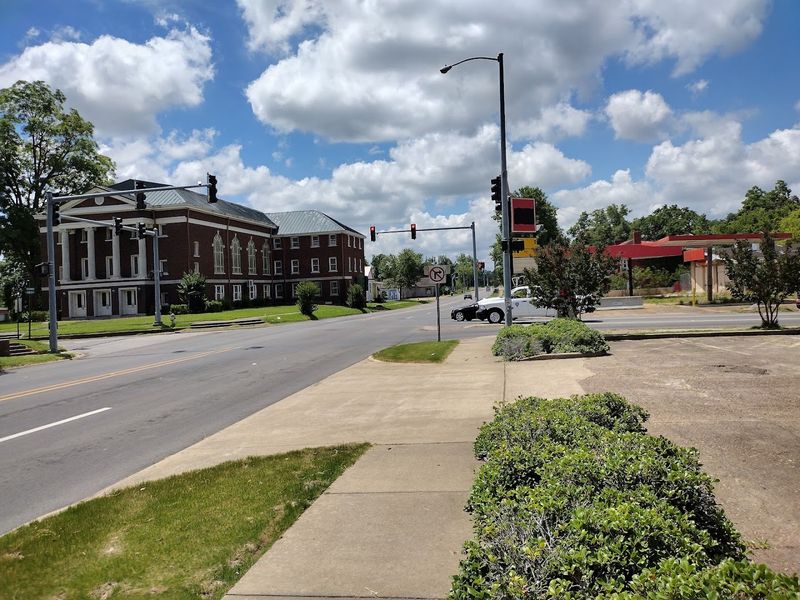
Helena-West Helena serves as the county seat of Phillips County, and that position places it at the center of a much larger Delta world. The surrounding landscape shaped everything that happened in town.
Phillips County stretches across flat, fertile land that once supported vast agricultural operations. The communities that formed around that land brought their own musical traditions into the mix.
Seasonal workers moved between farms and towns throughout the year. Helena became a gathering point where those different influences collided.
That collision produced something genuinely new and powerful.
The Delta landscape itself carries a haunting beauty. Wide open skies, long flat roads, and the constant presence of the river create an atmosphere unlike any other part of Arkansas.
That environment seeps into the music in ways that are hard to explain but easy to feel. The spaciousness of the Delta shows up in the long, slow bends of a blues note.
The hardship of the land shows up in the lyrics. Phillips County gave the blues its geography, and Helena-West Helena gave it a stage.
Festivals, Events, And The Year-Round Calendar
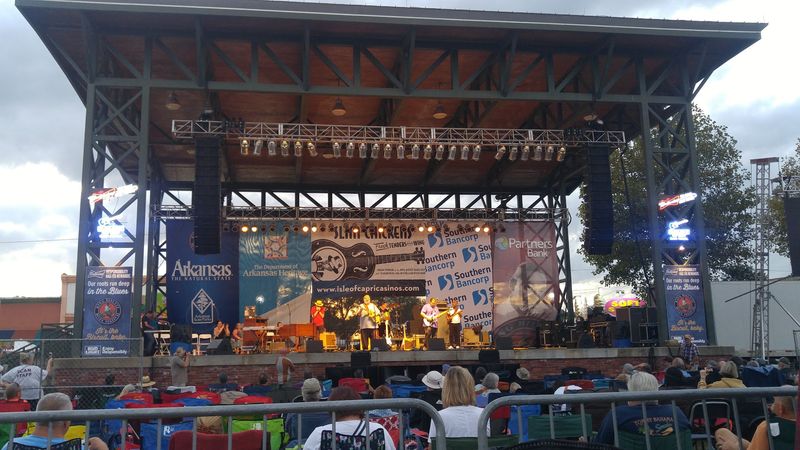
October gets all the attention thanks to the King Biscuit Blues Festival, but Helena-West Helena keeps its cultural calendar busy throughout the year. The town has a genuine appetite for celebration.
Smaller music events and community gatherings happen regularly. Local musicians perform at various venues and public spaces.
The live music tradition does not hibernate between major festivals.
The Delta Cultural Center hosts programming year-round. Lectures, workshops, and special exhibitions keep visitors engaged even outside of peak festival season.
There is always something worth showing up for.
The daily King Biscuit Time broadcast itself functions as a kind of ongoing event. Tuning in or watching live at the Center gives any visit a unique sense of participation in an unbroken tradition.
Arkansas tourism often highlights natural landscapes and outdoor activities, but Helena-West Helena offers something rarer. It offers a chance to witness a living cultural tradition in its original setting.
The town does not recreate its blues heritage for visitors. It simply continues practicing it, the same way it always has, every single day.
Visiting Helena-West Helena Today
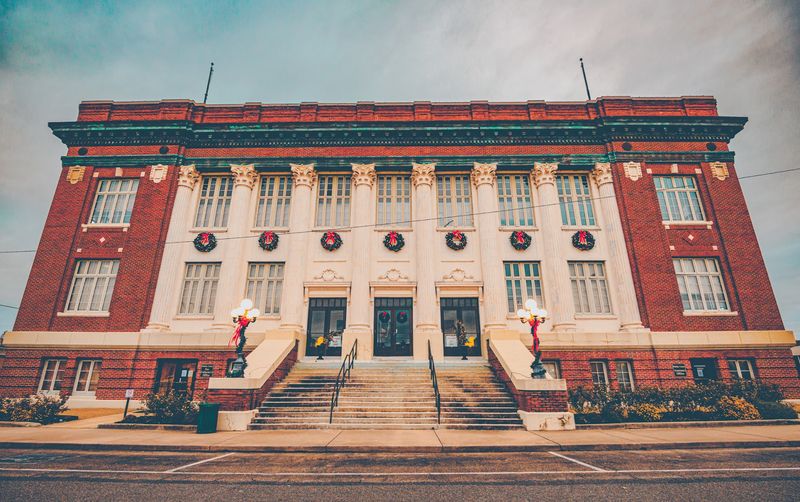
Planning a trip to Helena-West Helena rewards those who appreciate authenticity over polish. This is not a destination that has been scrubbed clean for mass tourism.
It is the real thing.
The town sits along Highway 49 in eastern Arkansas, easily reachable by car from Memphis, Tennessee, which sits less than an hour away. The town sits along Highway 49 in eastern Arkansas, easily reachable by car from Memphis, Tennessee, about an hour and a half away.
That proximity makes it a natural add-on for any Mid-South road trip.
The historic downtown area is compact and walkable. Cherry Street, the riverfront, and Court Square Park can all be covered in a single afternoon.
The experience rewards slow, curious exploration.
October visits during the King Biscuit Blues Festival offer the most immersive experience. But any time of year delivers something meaningful.
Arkansas holds many surprises for travelers willing to look beyond the obvious, and Helena-West Helena ranks among the most surprising and rewarding of them all.