
12 Michigan Rockhounding Destinations Filled With Crystals And Unusual Finds
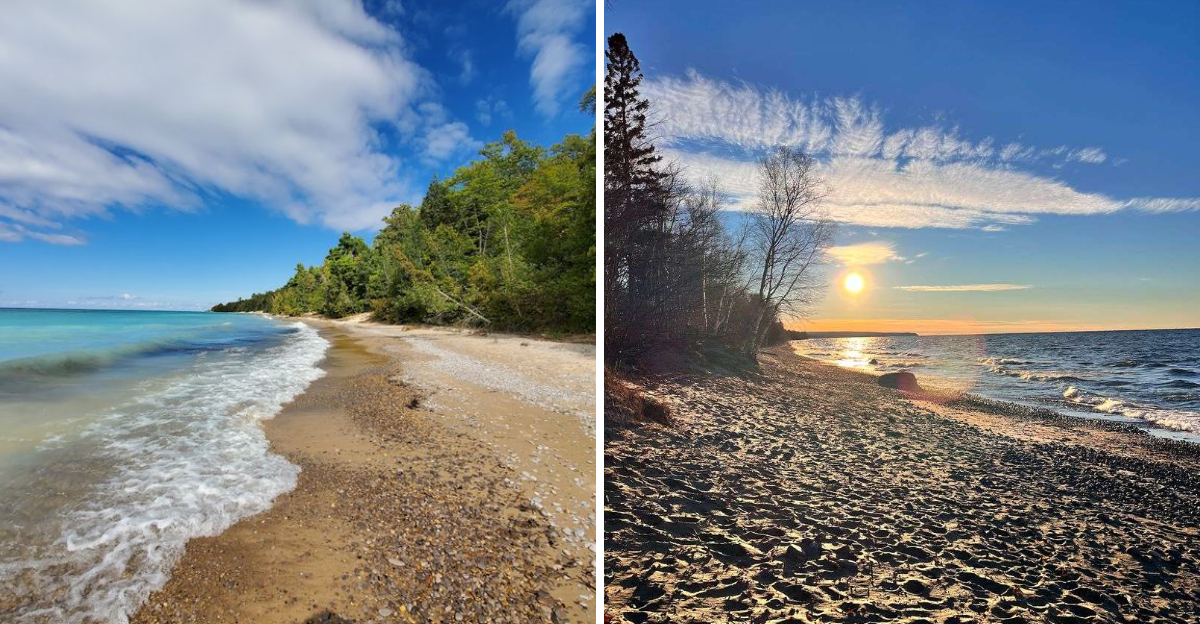
The best Michigan souvenirs may already be sitting beneath your feet, waiting for a sharp eye and a little patience.
This state is filled with shorelines, quarries, riverbeds, and rocky trails where an ordinary afternoon can end with a pocket full of crystals, fossils, colorful stones, or something you have never seen before. Every search feels personal because no two finds are exactly alike.
You might spot a flash of color near the water, uncover a strange pattern inside a broken rock, or spend an hour examining stones you once would have ignored. That small moment of discovery is what keeps rockhounds coming back.
Michigan makes the hunt even more exciting with scenery that turns searching into part of the adventure. In a state this geologically diverse, the next unusual find could be only a few steps away.
These destinations prove you do not need professional tools to start. Curiosity, patience, and a sturdy bag can lead to an unforgettable haul.
1. Petoskey State Park
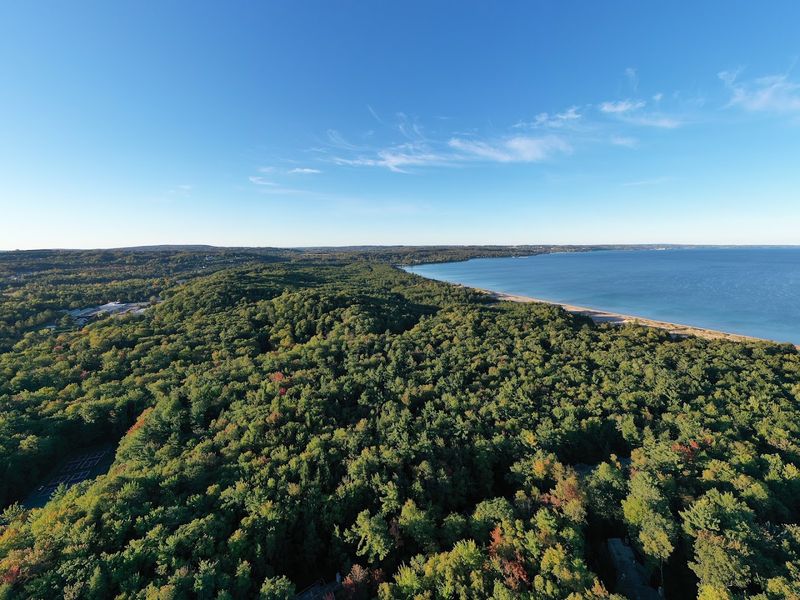
Can you imagine holding a piece of coral that lived 350 million years ago? Petoskey State Park sits along Lake Michigan’s shoreline and ranks as one of the most famous rockhounding spots in the entire state.
The park spans over 300 acres of sandy beach and forested trails. Collectors flock here year-round to search for the state stone, which formed from ancient colonial coral.
Spring and fall bring the best hunting conditions after storms churn up the lake bottom. Walk slowly along the waterline where waves deposit fresh material every day.
Look for grayish stones with honeycomb patterns that become more visible when wet. Patient searchers often fill entire bags during a single visit.
Winter hunting appeals to dedicated collectors who brave the cold for less competition. The frozen beach reveals stones that summer crowds might have missed.
You need a Michigan Recreation Passport to enter the park. Bring a bucket and spray bottle to examine your finds properly.
The best specimens show clear hexagonal patterns called corallites. Polishing these stones at home reveals stunning detail and creates beautiful keepsakes.
Harbor Springs provides nearby lodging and supplies. The park combines excellent rockhounding with swimming, camping, and hiking opportunities that make it perfect for family trips.
2. Fisherman’s Island State Park
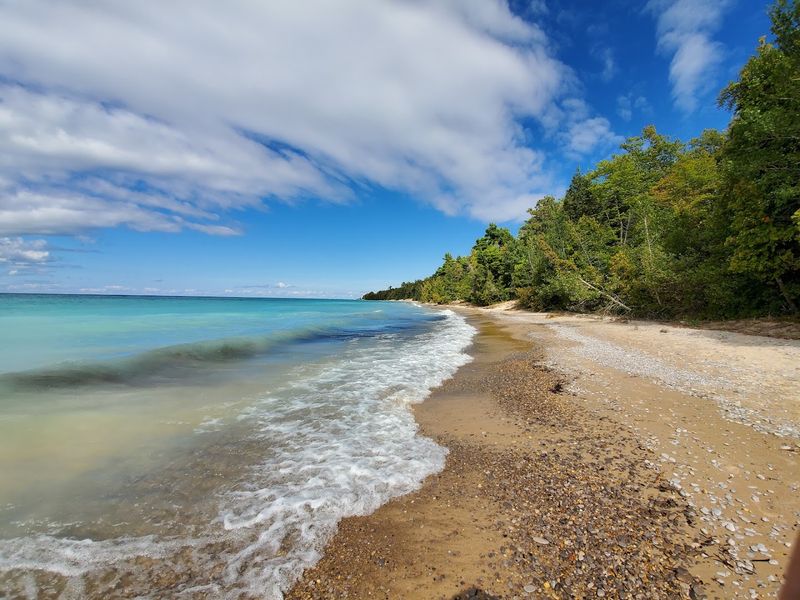
Hidden beaches make this park a secret weapon for serious collectors. Fisherman’s Island State Park protects five miles of undeveloped Lake Michigan coastline south of Charlevoix.
The remote location keeps crowds thin even during peak summer months. Rocky stretches alternate with sandy areas where stones concentrate after each storm.
Petoskey stones appear regularly along the water’s edge. You might also discover Charlevoix stones, which are similar fossils with slightly different patterns.
The park features primitive camping that puts you steps from prime hunting territory. Early morning searches often yield the best results before other visitors arrive.
Agates show up occasionally among the beach stones. These translucent gems range from thumbnail size to fist-sized specimens.
Hiking trails wind through cedar forests and past ancient dunes. The combination of solitude and geological diversity makes every visit feel like an adventure.
Bring sturdy shoes because some areas feature sharp rocks. A walking stick helps maintain balance on uneven terrain.
The park requires a Recreation Passport for vehicle entry. Limited facilities mean you should pack everything needed for the day.
Spring runoff and autumn storms refresh the beaches constantly. Patient collectors who explore beyond the main beach often discover the most impressive specimens.
3. Leelanau State Park
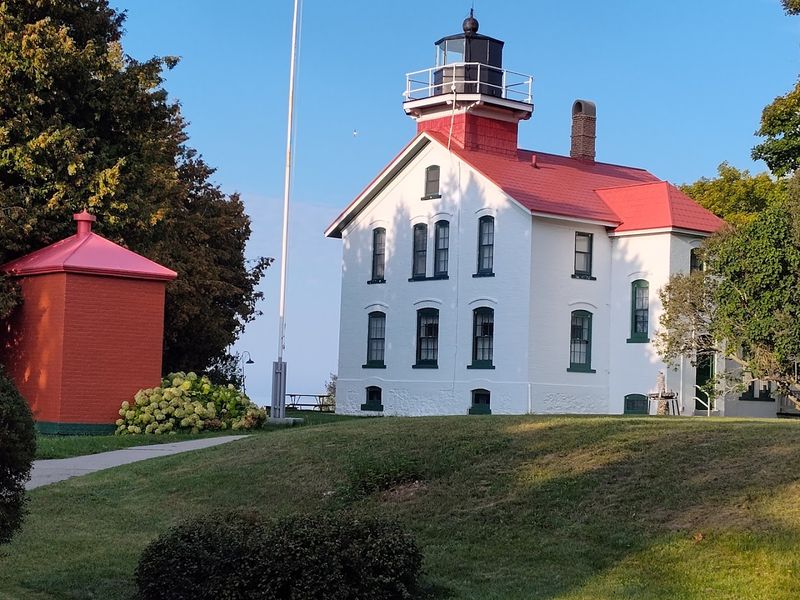
Lighthouses and lake stones create an unforgettable combination here. Leelanau State Park occupies the tip of the Leelanau Peninsula where Lake Michigan meets Grand Traverse Bay.
The historic Grand Traverse Lighthouse stands watch over beaches rich with collectible stones. Rocky shorelines on both sides of the point offer different hunting experiences.
Wave action sorts stones by size and weight naturally. You can find Petoskey stones, agates, and unusual metamorphic rocks in a single afternoon.
The park’s northern exposure means storms deposit fresh material frequently. Check both the bay side and lake side because each produces different finds.
Colorful basalt fragments catch the eye among lighter stones. These volcanic remnants traveled here during the last ice age.
Wooded trails connect various beach access points throughout the park. Exploring different areas increases your chances of discovering something special.
Summer brings warm water perfect for wading while you search. Cold-water enthusiasts hunt during spring when ice breakup reveals winter deposits.
The lighthouse museum provides fascinating context about the area’s maritime history. Camping facilities make multi-day collecting trips practical and comfortable.
Bring polarized sunglasses to see beneath the water’s surface. Many excellent specimens hide just offshore in shallow areas.
Northport offers the nearest services and supplies. The combination of natural beauty and rockhounding potential makes this park worth repeated visits.
4. Orchard Beach State Park
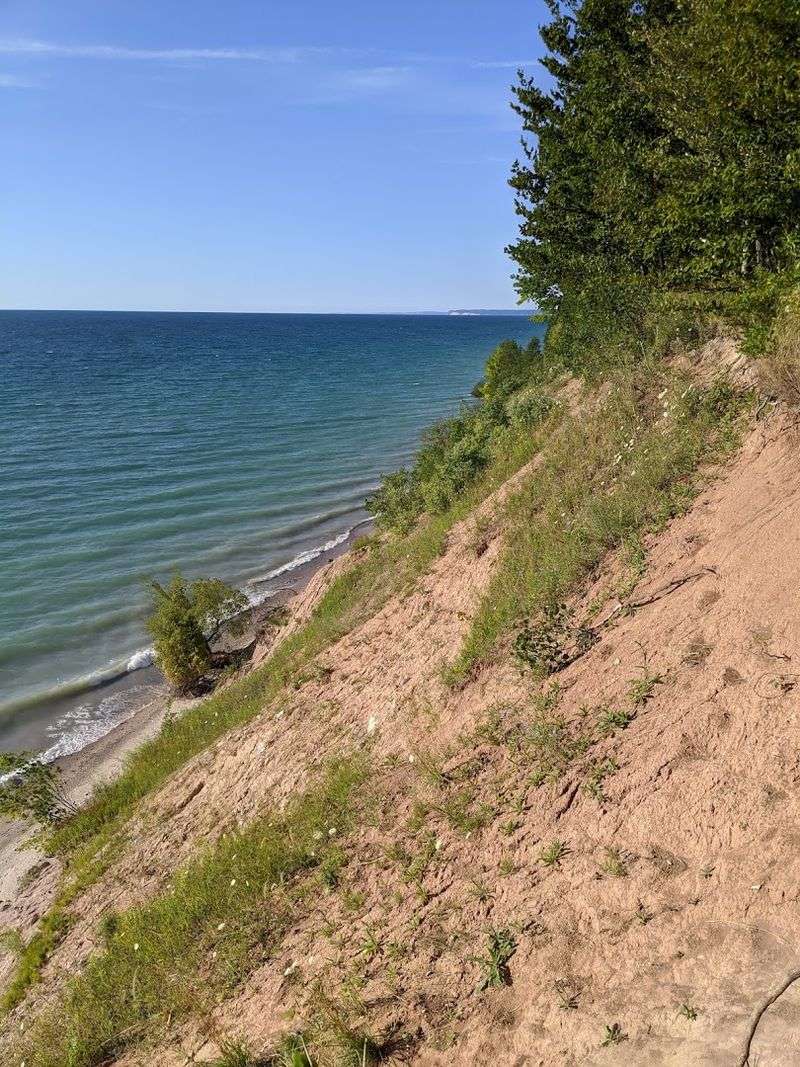
Small parks sometimes hide the biggest surprises. Orchard Beach State Park offers a compact but productive hunting ground along Lake Michigan’s eastern shore near Manistee.
The beach stretches for just over a mile but concentrates stones beautifully. Gravel bars form during storms and create natural sorting areas where interesting specimens accumulate.
Petoskey stones appear regularly among the rounded beach pebbles. Careful observers also spot fossils from ancient sea creatures that once thrived here.
The park’s manageable size means you can thoroughly search the entire shoreline in one visit. Return trips after weather events often reveal completely different finds.
Smooth, water-worn stones dominate the beach composition. These rounded beauties feel pleasant to handle and often display multiple colors.
Spring melt and fall storms provide the most productive hunting conditions. Summer visits combine swimming with casual stone collecting in warm, clear water.
The park includes picnic facilities and restrooms for day visitors. Its location between larger destinations means fewer crowds compete for the best stones.
Look for white quartz pebbles mixed among darker basalt fragments. Some pieces show interesting banding or crystal inclusions when examined closely.
Manistee provides nearby accommodations and rockhounding supplies. The town’s shops sometimes display exceptional local finds that inspire your own searches.
Patient collectors appreciate how this smaller park delivers consistent results. Quality often matters more than quantity when building a personal collection.
5. Rockport State Recreation Area
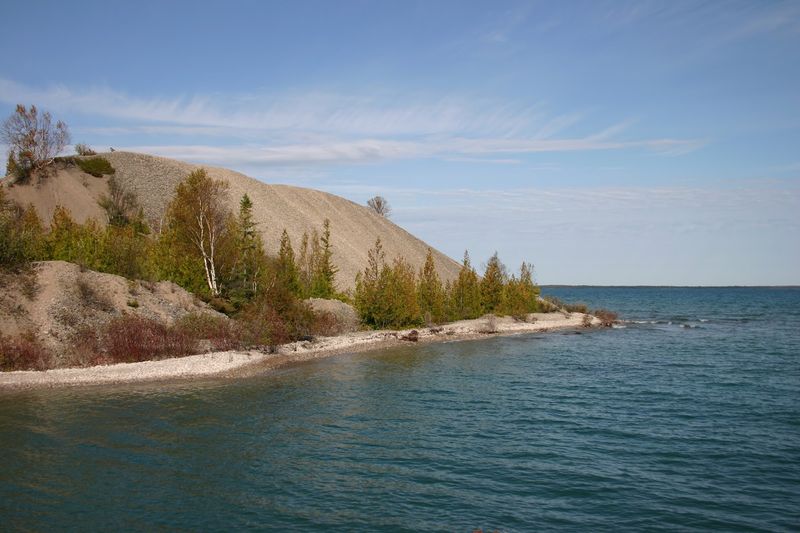
Fossils practically jump out at you along these shores. Rockport State Recreation Area protects a unique stretch of Lake Huron coastline where ancient limestone bedrock creates exceptional collecting opportunities.
The area once hosted limestone quarries that exposed rock layers millions of years old. Today those same formations erode naturally along the beach.
Coral fossils appear embedded in limestone chunks scattered across the shore. You might discover complete specimens or interesting fragments showing internal structure.
The rocky beach differs dramatically from sandy Lake Michigan locations. Wear sturdy footwear and watch your footing on uneven surfaces.
Crinoid stems, brachiopods, and other marine fossils turn up regularly. Each piece tells a story about Michigan’s tropical past beneath ancient seas.
Low water levels expose more bedrock and increase fossil visibility. Check conditions before visiting to maximize your hunting success.
The recreation area features hiking trails through former quarry sites. These paths offer fascinating glimpses into the region’s industrial and geological history.
Bring a small brush to clean specimens in the field. Photographs help document finds in their natural context before collection.
Respect all posted collecting regulations and leave some treasures for future visitors. Sustainable practices ensure these resources remain available for generations.
Alpena serves as the nearest city with full services. Local rock shops provide identification help and display impressive regional specimens.
Rockport State Recreation Area, Alpena, Michigan
6. Whitefish Point
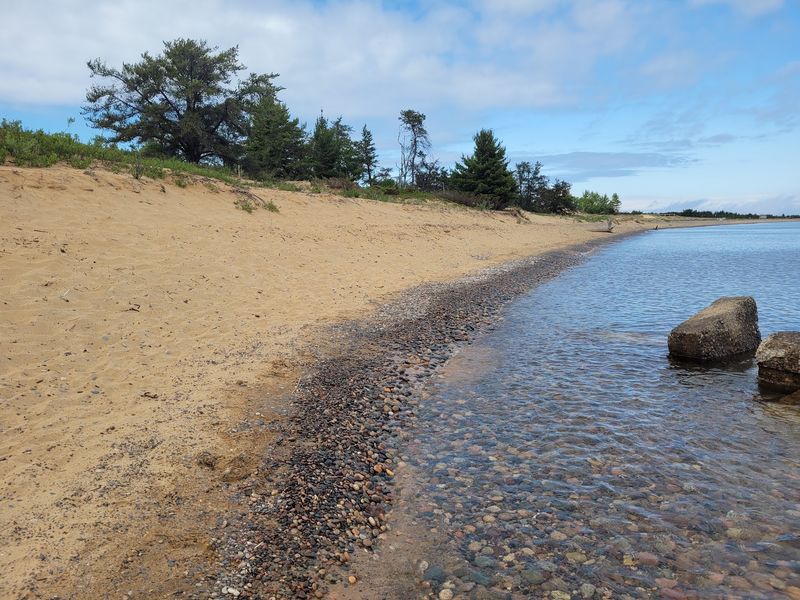
Superior lives up to its name at this legendary collecting site. Whitefish Point extends into Lake Superior at a location famous among Great Lakes rockhounds for exceptional agate finds.
The point marks where Whitefish Bay meets the open lake. Wave action from multiple directions concentrates stones along specific beach sections.
Lake Superior agates appear in stunning variety here. Colors range from deep red to pale pink, often with distinctive banding visible even before polishing.
The Great Lakes Shipwreck Museum sits near the best hunting areas. You can explore maritime history between rockhounding sessions.
Spring ice breakup deposits fresh material along the entire shoreline. Patient searchers who visit during this season often make their best discoveries.
Look for translucent stones among the usual beach pebbles. Wetting potential agates reveals their true colors and internal patterns.
Weather changes rapidly this far north on Superior’s shore. Dress in layers and prepare for wind regardless of the forecast.
The remote location means limited services nearby. Bring all necessary supplies including food, water, and emergency gear.
Thomsonite, a rare zeolite mineral, occasionally appears among beach stones. These pink and green specimens rank among Michigan’s most prized finds.
Paradise provides the closest town with basic amenities. The drive to Whitefish Point crosses beautiful Upper Peninsula wilderness worth experiencing beyond the rockhounding.
7. Agate Beach, Grand Marais
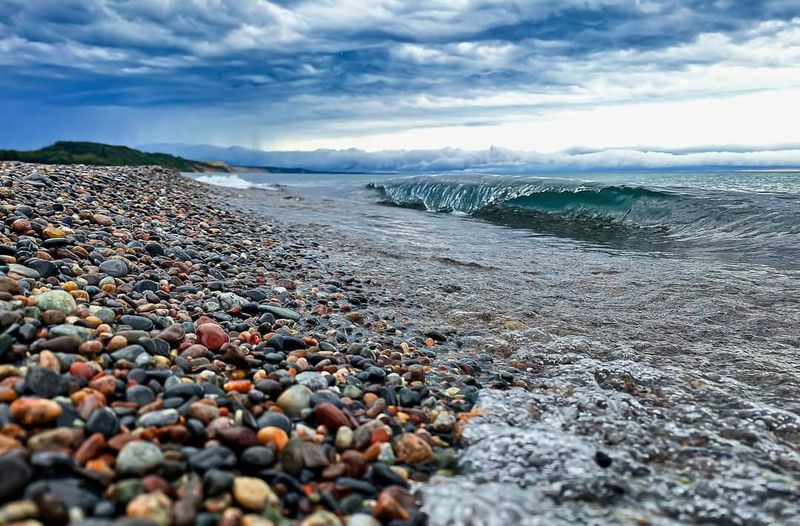
Does the name give away the secret? Agate Beach earned its reputation honestly through decades of exceptional finds along Lake Superior’s southern shore near Grand Marais.
The beach sits just west of town where Sable Creek meets the lake. This location creates ideal conditions for stone deposition and natural sorting.
Lake Superior agates appear in remarkable concentrations after storms. Collectors travel from across the country specifically to hunt this productive stretch.
The best specimens show vivid red and orange colors from iron oxide. Some pieces display eye patterns or fortification banding that makes them especially valuable.
Walk the waterline slowly and scan carefully among smaller pebbles. Agates often hide in plain sight until you train your eye to spot them.
Early morning light helps identify translucent stones. Many collectors prefer dawn hunts when the beach is empty and lighting conditions are optimal.
Grand Marais offers charming shops and restaurants within walking distance. The town embraces its rockhounding heritage with several stores selling local finds.
Bring a small spray bottle to test potential agates. Water reveals the true character of each stone instantly.
Summer combines comfortable weather with excellent hunting conditions. Fall storms can be spectacular but require appropriate clothing and caution.
Respect private property boundaries and collect only from public beach areas. Responsible hunting ensures this treasure remains accessible to everyone.
8. Calumet Waterworks Park
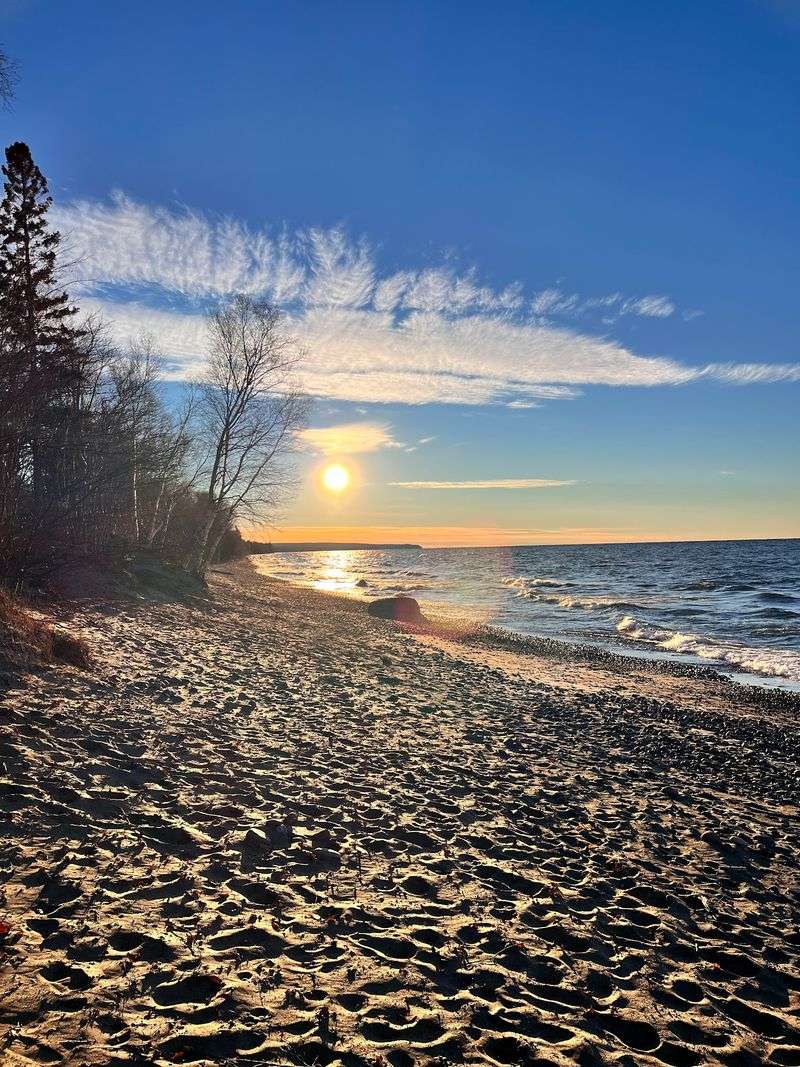
Copper country delivers more than industrial history. Calumet Waterworks Park preserves mining heritage while offering unique opportunities to find copper-bearing minerals and colorful specimens.
The park occupies former mining land where mineral-rich rock was disturbed during extraction operations. Decades of weathering have exposed interesting material throughout the area.
Native copper nuggets appear occasionally among the rocks. These pure metal specimens formed millions of years ago during volcanic activity.
Green and blue minerals indicate copper compounds like malachite and azurite. These colorful stones make beautiful additions to any collection.
The historic waterworks building provides context about mining operations that shaped the region. Understanding this history enhances appreciation for the minerals you discover.
Search carefully around exposed bedrock and old excavation sites. Respect all safety barriers and avoid unstable areas.
Quartz crystals sometimes appear in cavities within volcanic rock. These clear to milky specimens formed as hot solutions cooled slowly underground.
Calumet’s downtown features museums and shops celebrating copper mining heritage. Local experts can help identify unusual finds and share collecting tips.
Bring gloves because some rocks have sharp edges. A small hammer and chisel help extract specimens from larger rocks when appropriate.
Winter snow covers potential finds but spring melt reveals fresh material. Summer and fall provide the most comfortable hunting conditions.
The Keweenaw Peninsula offers dozens of additional rockhounding locations nearby. Plan extra time to explore this geologically rich region thoroughly.
Calumet Waterworks Park, Calumet, Michigan
9. Presque Isle Park
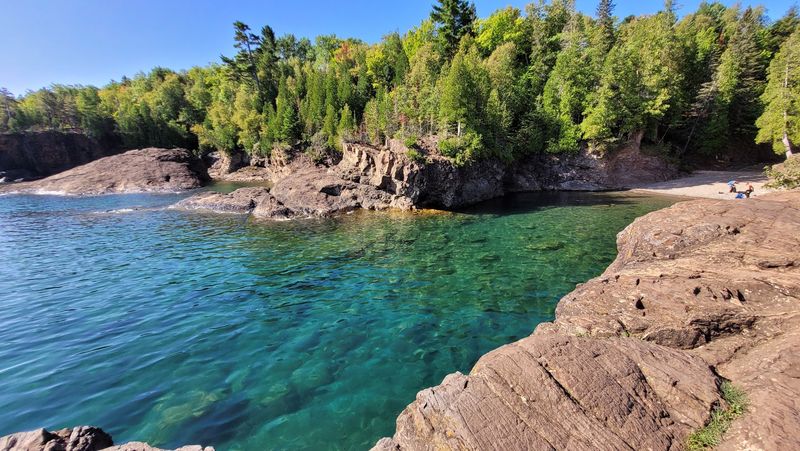
City parks rarely offer this much geological diversity. Presque Isle Park juts into Lake Superior at Marquette, providing miles of rocky shoreline packed with collecting opportunities.
The park’s loop road offers multiple beach access points. Each location produces different finds based on exposure and wave patterns.
Greenstone, Michigan’s official state gem, appears regularly along these shores. These dark green metamorphic rocks formed under extreme heat and pressure billions of years ago.
Look for stones with a waxy or greasy appearance. True greenstone contains chlorite minerals that give it the characteristic color.
Jasper, chert, and other colorful sedimentary rocks mix among the beach stones. Some specimens show interesting patterns or fossil traces.
The park combines excellent rockhounding with stunning scenery and wildlife viewing. Deer frequent the forested areas and birds migrate through seasonally.
Marquette provides full services including rock shops and lapidary equipment suppliers. The city embraces its geological significance with educational displays and events.
Spring and fall offer the most productive hunting as storms refresh the beaches. Summer visits are pleasant but more crowded.
Bring a bucket and hand lens to examine potential keepers. Many stones look ordinary when dry but reveal beauty when wet or polished.
Sunset viewing from the park’s western shore ranks among Michigan’s finest. Combine rockhounding with photography for a perfect Upper Peninsula experience.
10. Muskallonge Lake State Park
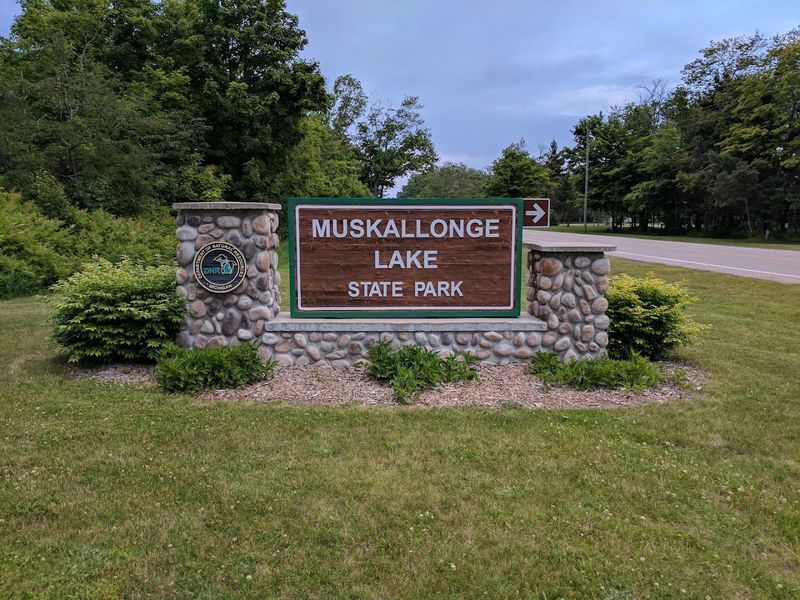
Two lakes double your collecting possibilities here. Muskallonge Lake State Park sits between Lake Superior and inland Muskallonge Lake in the eastern Upper Peninsula.
The Lake Superior beach offers classic Great Lakes rockhounding. Agates, jasper, and interesting basalt fragments appear along the sandy shore.
Walk east from the campground toward the Blind Sucker River mouth. This area concentrates stones naturally and produces consistent finds.
The park’s remote location means fewer collectors compete for discoveries. You might have entire beach sections to yourself even during summer.
Colorful quartzite pebbles catch sunlight beautifully when wet. These metamorphic rocks traveled here from Canada during glacial periods.
Muskallonge Lake provides a sheltered alternative when Superior’s waves are too rough. The inland lake features different geology and unique collecting opportunities.
Camping facilities make multi-day trips practical and affordable. Fall colors combined with excellent hunting conditions create magical experiences.
Bring insect repellent during summer months. The forested setting supports healthy bug populations that can interfere with collecting.
Check both morning and afternoon as changing light reveals different stones. Some specimens become nearly invisible under certain conditions.
Newberry offers the nearest significant services about 30 miles south. Stock up on supplies before heading to this wilderness location.
The park exemplifies Upper Peninsula solitude and natural beauty. Patient collectors appreciate how uncrowded beaches yield steady discoveries.
11. Drummond Island
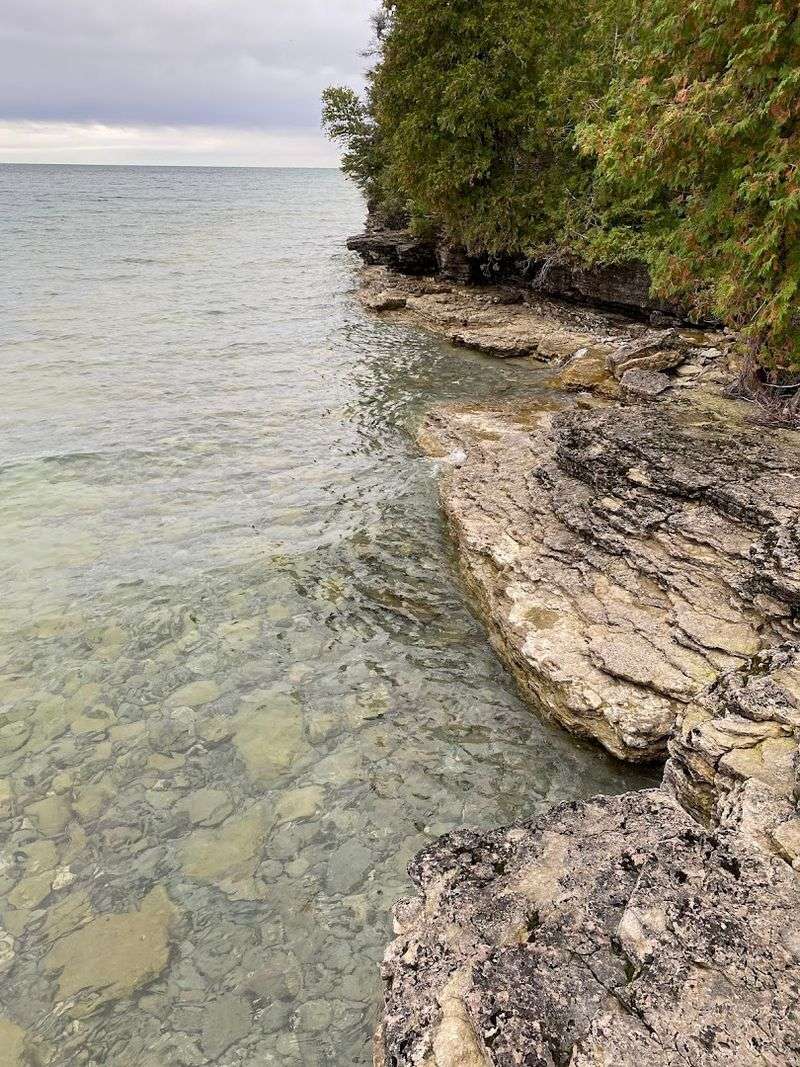
Island adventures lead to unexpected treasures. Drummond Island sits in Lake Huron near the Canadian border, offering unique rockhounding in a spectacularly remote setting.
Ferry access adds to the adventure and keeps casual visitors away. Serious collectors appreciate how this isolation preserves excellent hunting conditions.
The island’s limestone bedrock produces abundant fossils. Coral, crinoids, and brachiopods appear in various states of preservation.
Multiple beaches around the island provide different collecting experiences. Explore various locations to discover which produces your favorite specimens.
Pudding stones, a type of conglomerate rock, appear occasionally. These colorful specimens consist of rounded pebbles cemented in a finer matrix.
The island supports a small year-round community with basic services. Plan ahead because options are limited compared to mainland locations.
Summer brings warm water perfect for wading while you hunt. Spring and fall offer solitude and excellent post-storm collecting.
Bring all necessary supplies including food and fuel. The island’s remote character is part of its charm but requires self-sufficiency.
Respect private property and collect only from public beaches. Island residents appreciate visitors who follow local customs and regulations.
Photography opportunities abound beyond rockhounding. The island’s natural beauty and wildlife make every visit memorable.
DeTour Village provides ferry service and mainland amenities. The crossing itself offers scenic views and the possibility of spotting lake freighters.
12. Gratiot River County Park
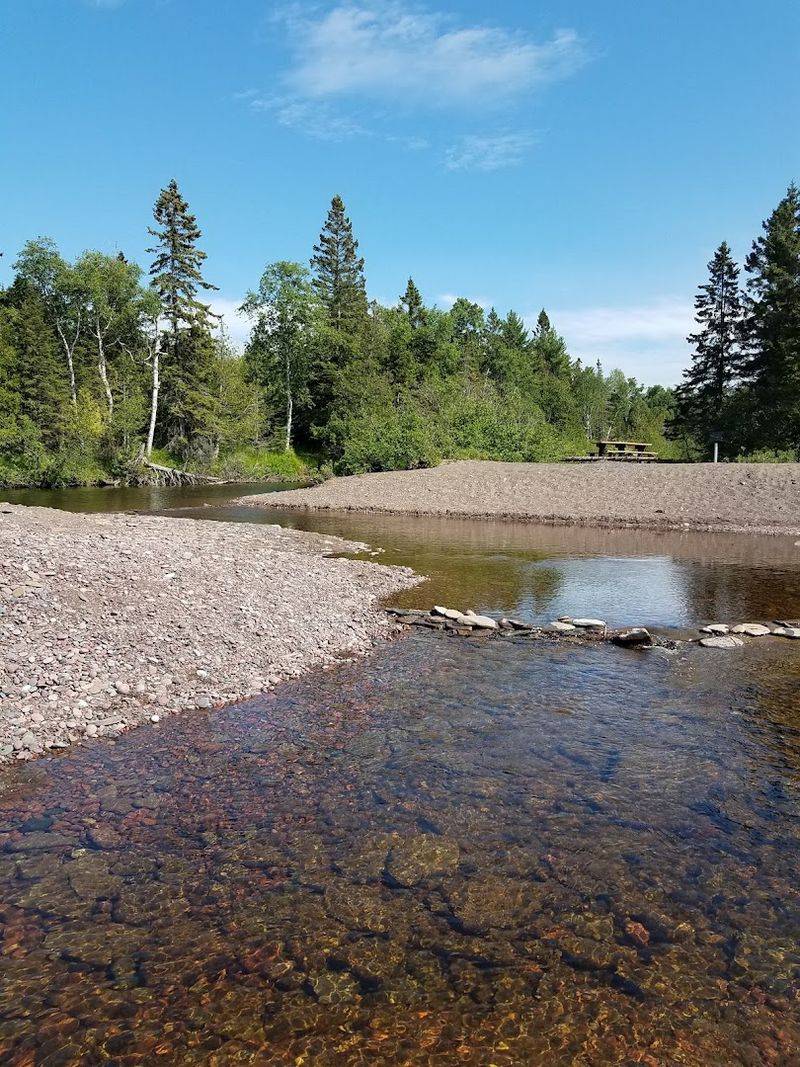
River mouths create natural treasure traps. Gratiot River County Park protects the area where the Gratiot River meets Lake Superior in the Keweenaw Peninsula.
The mixing of river and lake currents deposits stones in concentrated bands. These natural sorting areas make hunting efficient and productive.
Lake Superior agates appear regularly along with copper-bearing minerals. The combination of geological processes creates exceptional diversity in a compact area.
Search both sides of the river mouth for different finds. Each side receives different wave action and produces distinct specimens.
Spring runoff brings material down from upstream areas. These river deposits mix with lake stones to create unique collecting opportunities.
The park includes camping facilities and a boat launch. Overnight stays let you hunt during optimal times like dawn and dusk.
Greenstone and other metamorphic rocks appear among the beach pebbles. Some specimens show interesting folding or mineral banding.
Bring waders if you want to explore the river mouth thoroughly. The mixing zone often holds excellent specimens just offshore.
Copper Harbor provides services and additional rockhounding locations nearby. The entire Keweenaw Peninsula rewards extended exploration.
Fall colors make autumn visits especially beautiful. Combine rockhounding with scenic drives along Lake Superior’s shore.
The remote setting ensures peaceful collecting experiences. Wildlife sightings add unexpected bonuses to your treasure hunting adventures.