
Mississippi Hides More Than 50 Waterfalls In One Forest, And Your Family Hikes To Them Free
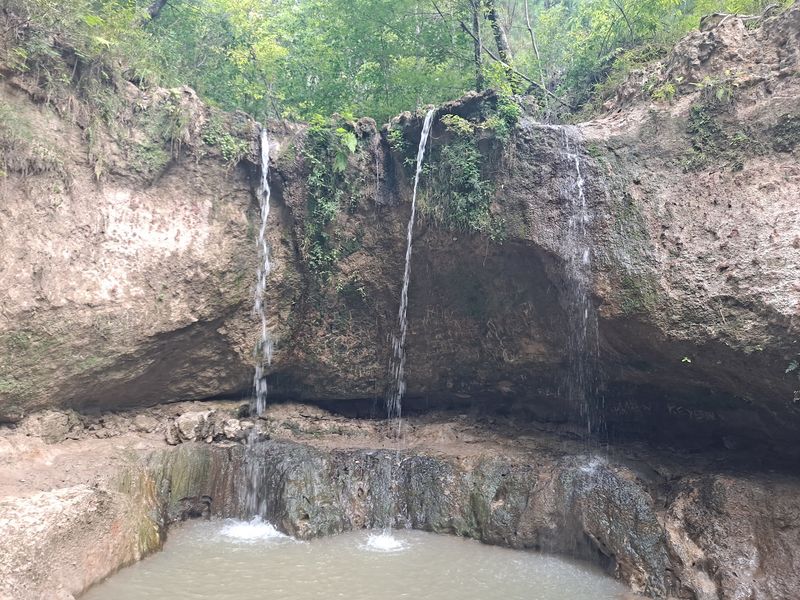
Our family almost drove right past the turnoff, a small sign on a quiet road in the far southwest corner of Mississippi. An hour later, the kids were standing ankle-deep in a cold creek while water poured over a ledge taller than our house.
The state is famous for flat farmland and slow rivers, so finding more than fifty waterfalls tucked into steep, shady ravines felt like uncovering a secret. For families who like a real adventure on a tiny budget, this forest deserves a spot on the calendar.
A Forested Corner Near the Louisiana Line
Down in Wilkinson County, just a short drive from the Louisiana border, sits a 700-acre public preserve managed by the Mississippi Department of Wildlife, Fisheries, and Parks. The address is 366 Ft Adams Pond Rd in Woodville, and the final stretch of road feels pleasantly remote.
Plenty of travelers call this corner of the state overlooked, and that is part of the appeal. Instead of busy attractions, you get thick woods, deep ravines, and the steady sound of moving water.
The preserve is classified as a state natural area, which means the focus stays on protecting the land rather than building resort-style extras.
Families from Baton Rouge, Natchez, and Jackson often make it a day trip. Some visitors happily drive two hours each way and plan to return.
Since there is no camping on site, most people arrive in the morning, hike for a few hours, and head back out before the gates close.
Expect a trailhead with a pay station, restrooms, a water fountain, and a parking lot. Beyond that, the forest takes over.
Cell signal can fade in remote areas like this, so download a map before leaving home and let someone know your plans for the day.
Loess Bluffs That Shape the Land
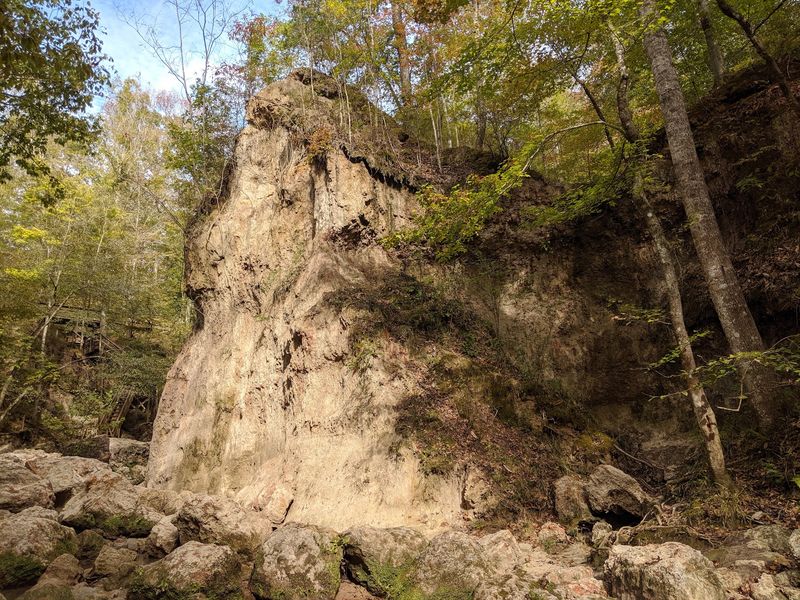
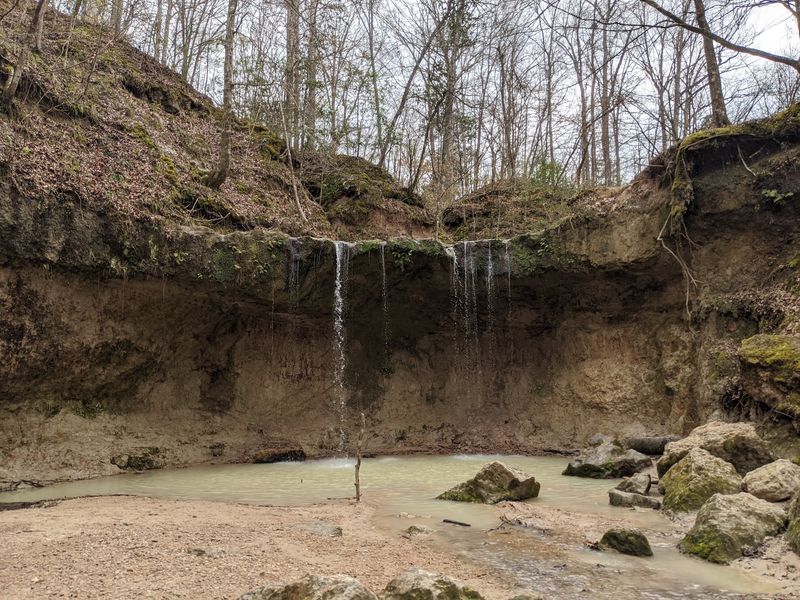
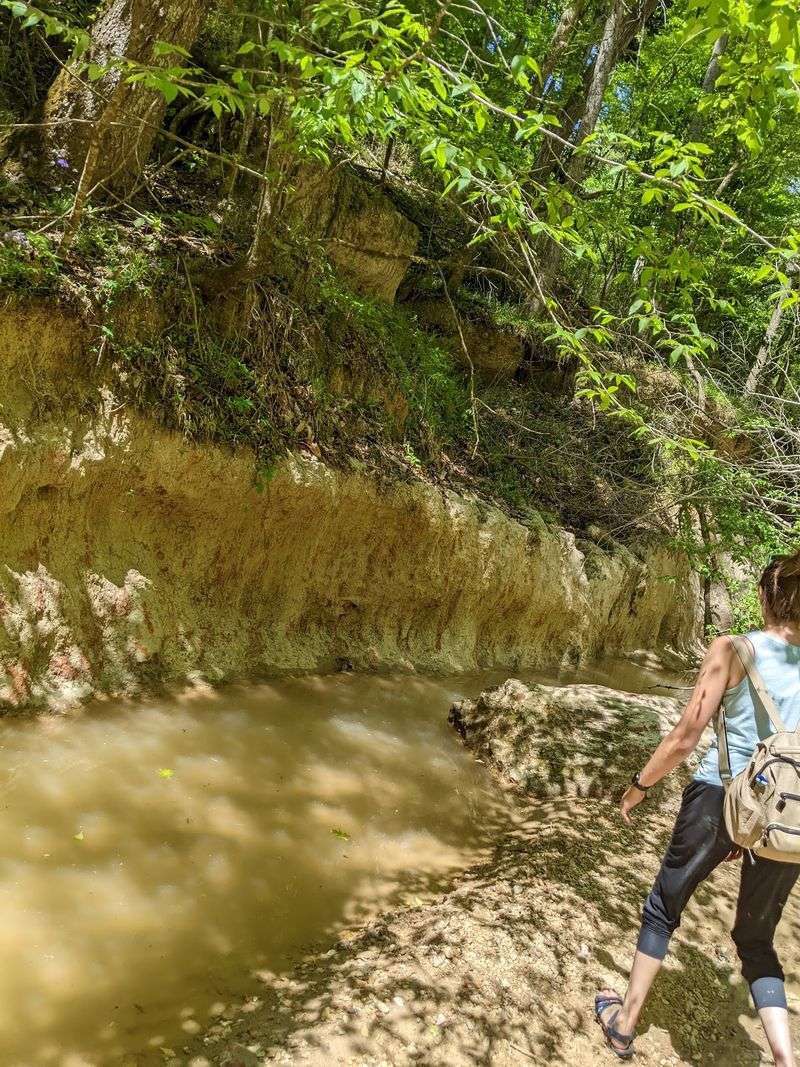
Windblown dust from ancient glaciers built the hills here. Over thousands of years, fine silt called loess settled along the Mississippi River valley, forming tall bluffs that creeks later carved into sharp ravines.
That geology explains why the hiking feels so different from the rest of the state. Trails drop steeply into narrow valleys, then climb right back out.
Elevation changes come up again and again in visitor comments, and they are no exaggeration. Your legs will notice them, especially on the return trip to the parking lot.
Loess also erodes easily. When heavy rain soaks the ground, small landslides can happen, and trees sometimes tumble across the path.
Regular hikers mention that a trail open one week might have a fallen trunk blocking it the next. Rangers work to clear these obstacles, but nature keeps reshaping things.
For curious kids, the exposed soil walls make a fun science lesson. Point out how soft and crumbly the bluffs look compared with rocky mountains.
Then explain that the same soft ground is what allows creeks to cut such dramatic drops. Those drops are exactly where the waterfalls form, so the bumpy terrain and the scenery come as a package deal.
More Than Fifty Waterfalls
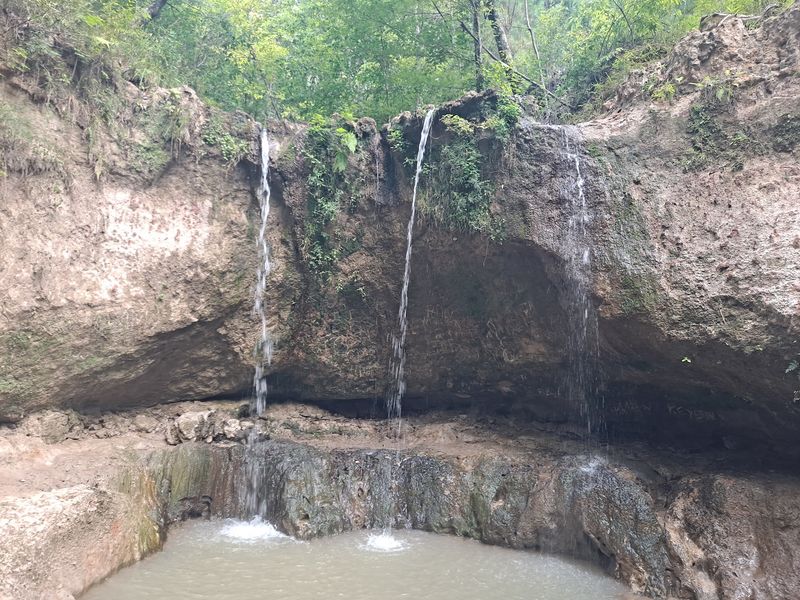
Fifty. That is the number of waterfalls scattered across the preserve, a figure that surprises nearly everyone who thinks of Mississippi as flat.
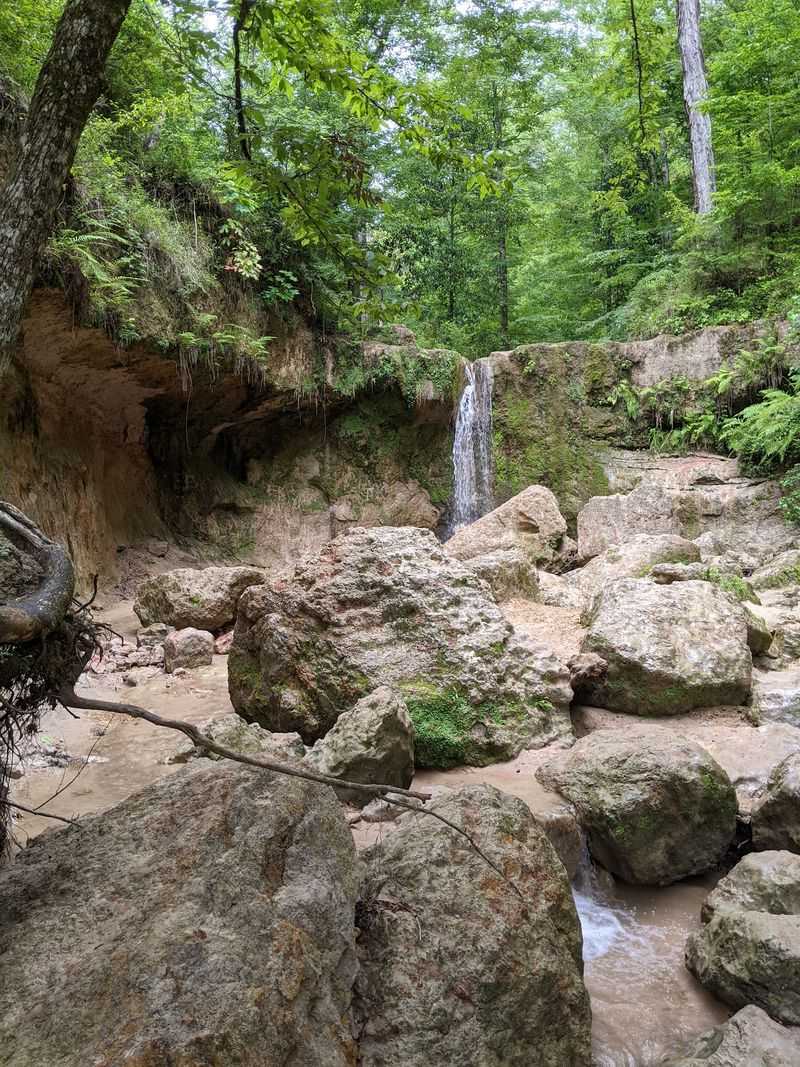
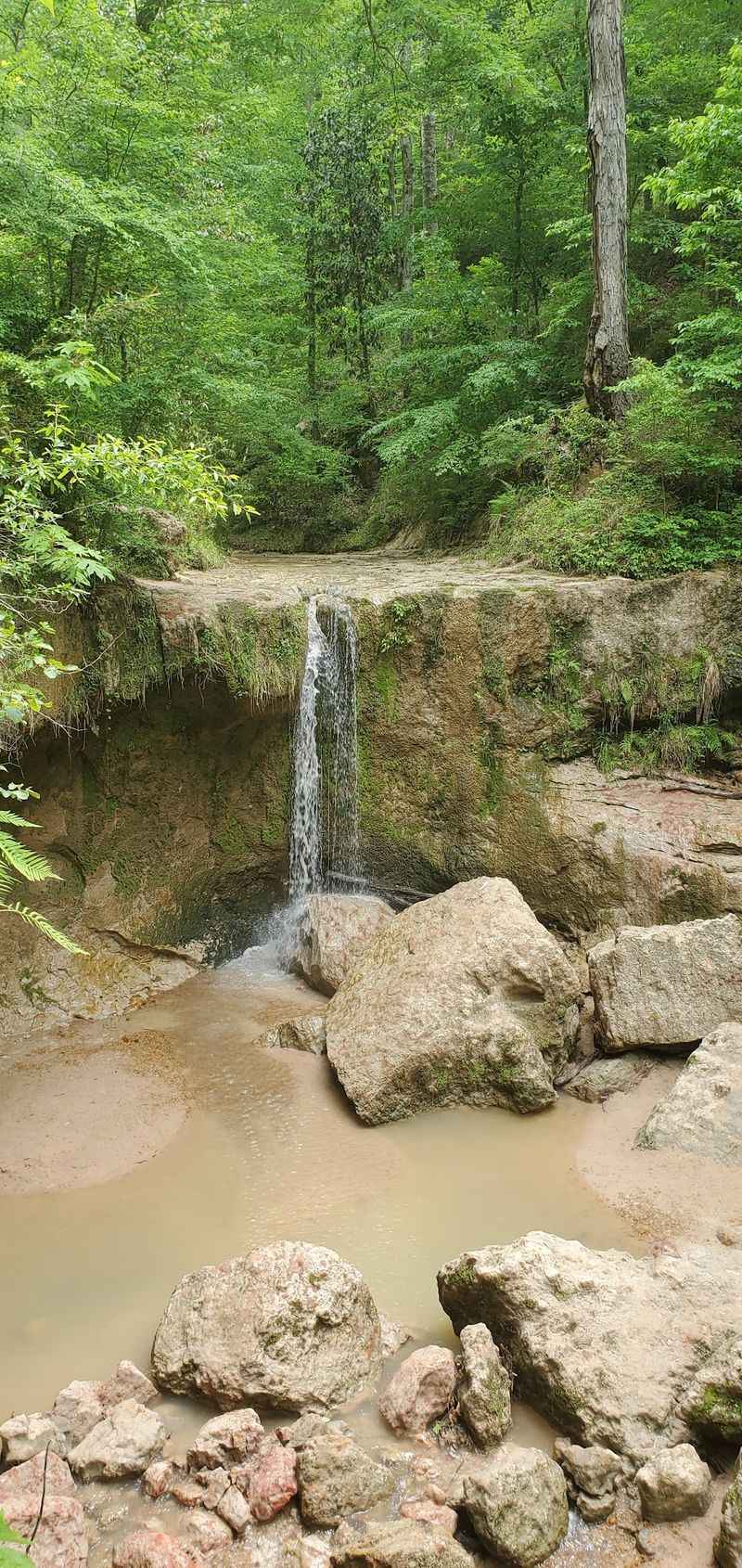
Heights range from about 10 feet to more than 30 feet, and dozens of tiny cascades trickle between the bigger ones.
Most families aim for the first three falls along the main route. These are the easiest to find and reach, and many hikers say they alone justify the trip.
Strong walkers push on to see five, nine, or even ten falls during a long day, sometimes hearing others hidden around a bend.
Conditions change the show completely. After storms, the falls roar, the creeks run fast, and crossing can become tricky.
On dry, sunny days, the same spots turn into gentle streams where kids can stand under a light spray. Some visitors enjoy returning in different weather just to compare the two moods.
Set realistic expectations, though. These are forest waterfalls, not giant mountain cascades.
Their charm comes from the setting: ferns, shade, cool pools, and the quiet of the woods. Families who enjoy splashing, exploring, and spotting each new drop tend to leave thrilled, while anyone expecting a Niagara-style spectacle might want to adjust their thinking.
The Improved Trail and Its Wooden Stairs
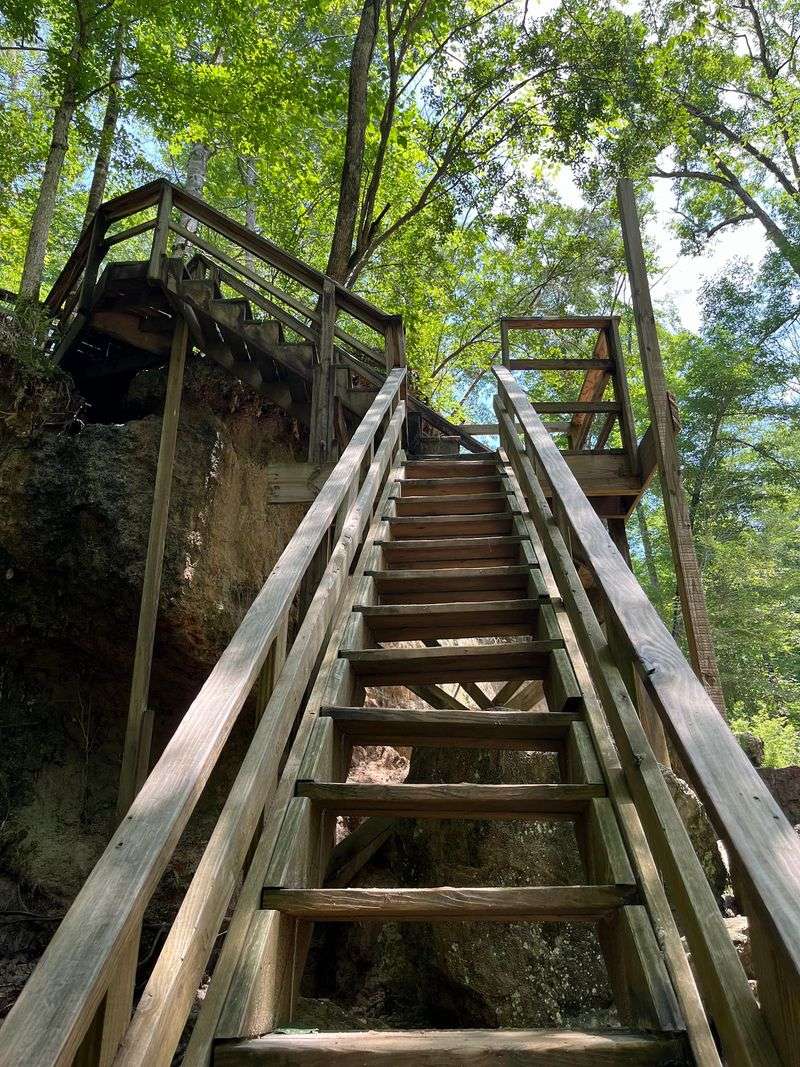
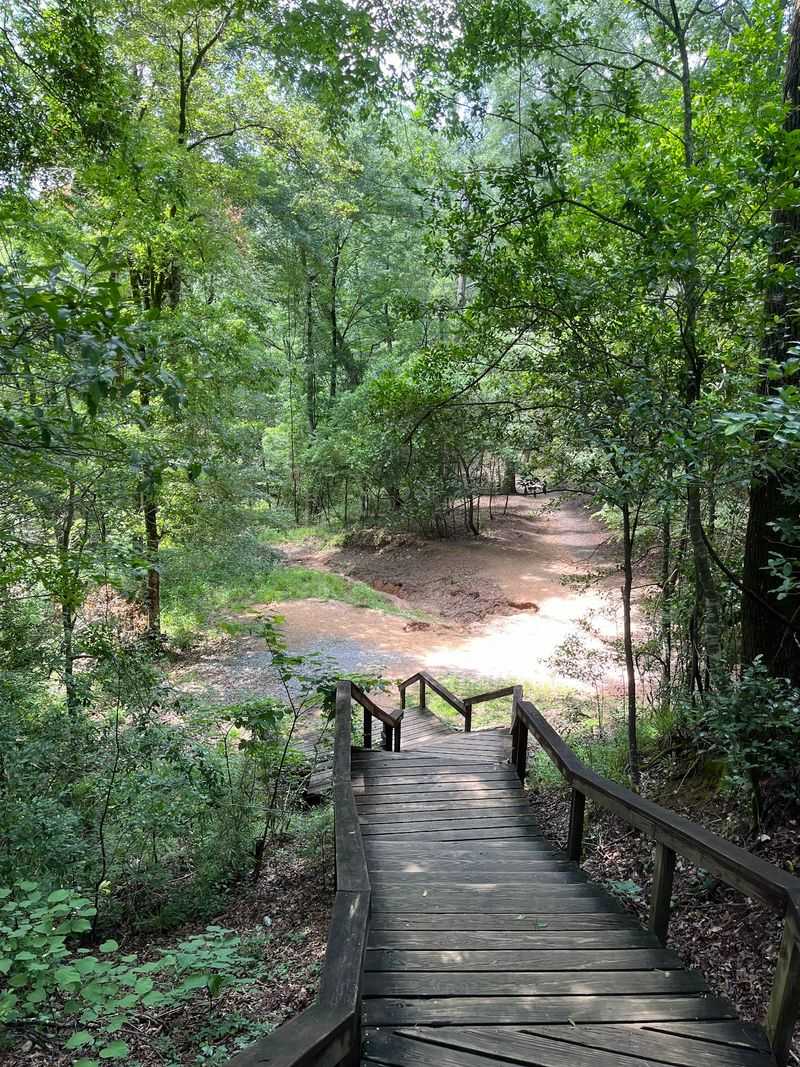
Pea gravel crunches underfoot on the improved trail, the shorter and gentler of the two main routes. Wooden stairs help hikers handle the steepest sections, and the paths are wide enough for small groups to walk together.
Still, gentle is a relative word here. The improved route has real inclines and declines, and loose gravel on steep slopes can feel slippery on the way down.
Some stair sections have shown wear over time, so hold the railings where they exist and watch your footing.
Upgrades have made a difference in places. A walkway near the second waterfall was rebuilt, making that descent much easier than it once was.
Clear maps and signage at the trailhead help first-timers find their way without much worry.
For families, this is the smart starting point. One parent shared that their five-year-old made it through the steep parts, though everyone felt sore the next day.
Plan on frequent breaks, especially on the climb back out, which is where most people slow down. Pack snacks for a mid-hike rest at a waterfall, and the trek feels far more manageable.
A round trip to the first few falls takes roughly three hours for many groups.
Rugged Miles on the Primitive Trail
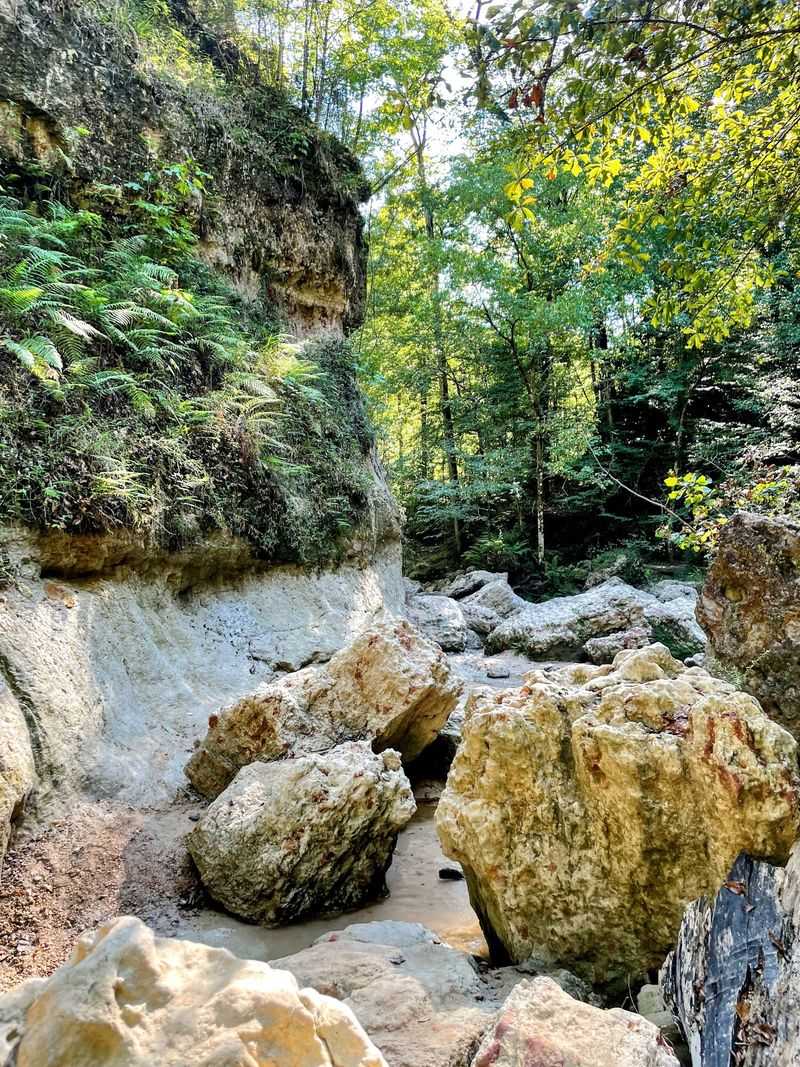
Seven hours. That is how long one dedicated hiker spent exploring the primitive trail, and they described it as very primitive in the best way.
Expect climbing over and under downed trees, crossing small ravines, and walking a creek bed for long stretches. Trail markers require close attention, and game trails or shortcuts made by other hikers can make the route confusing at times.
Even fit, regular exercisers admit they found it tough.
The payoff is scenery. Many visitors say the primitive route offers the best waterfall views in the preserve, plus quiet corners where you might not see another person for a long while.
It feels wilder and more remote than the gravel paths.
Families with teens who love a challenge may find this route unforgettable. Younger kids, beginners, and anyone with mobility concerns should stick to the improved trail instead.
If you do attempt the primitive loop, carry extra water, start early, and turn back with plenty of daylight to spare. The gates close at 5 pm, and getting caught deep in a ravine late in the afternoon is no fun for anyone.
A trekking pole or sturdy hiking stick helps on the steep, muddy climbs.
Walking the Creek Instead of the Path
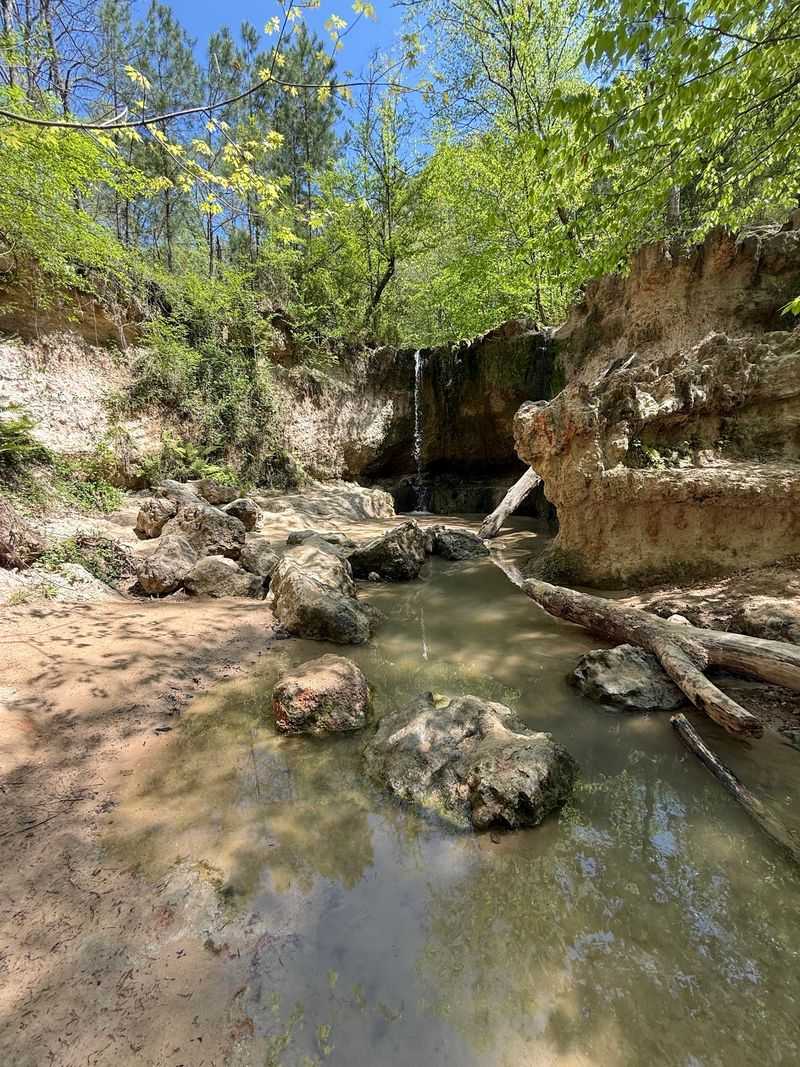
Splashing beats sweating, at least according to many families who choose the creek itself as their route. Following the stream beds often turns out easier than climbing the up-and-down paths, and the cool water helps everyone stay comfortable on hot days.
Several visitors call the creek route the quickest way to reach the first three waterfalls. Some groups even go barefoot, though water shoes or sneakers that can get wet offer better protection from rocks and sticks.
Kids tend to love this option, since every step becomes part of the game.
A few cautions matter here. After heavy rain, currents can get strong, and one visitor described fighting the water during a stormy hike.
Wet rocks can be slick, and the creek bed changes as storms move sand and debris around. Check the forecast and skip the creek route if a storm has just rolled through.
On calm days, though, the experience is pure fun. Picture small hands catching tiny minnows, little feet testing chilly pools, and a sudden waterfall appearing around the next curve.
Bring a towel and dry clothes for the car, because nobody stays fully dry once the splashing starts.
Pine Scent and Record-Setting Trees
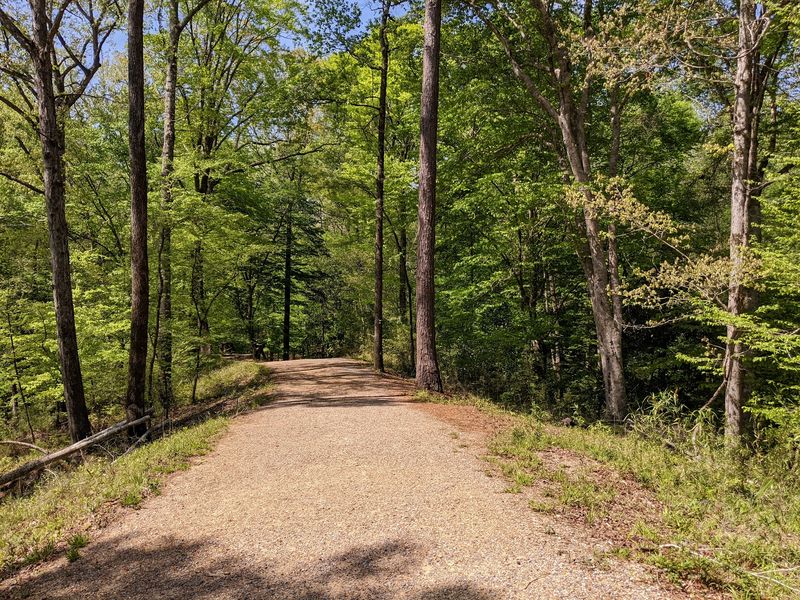
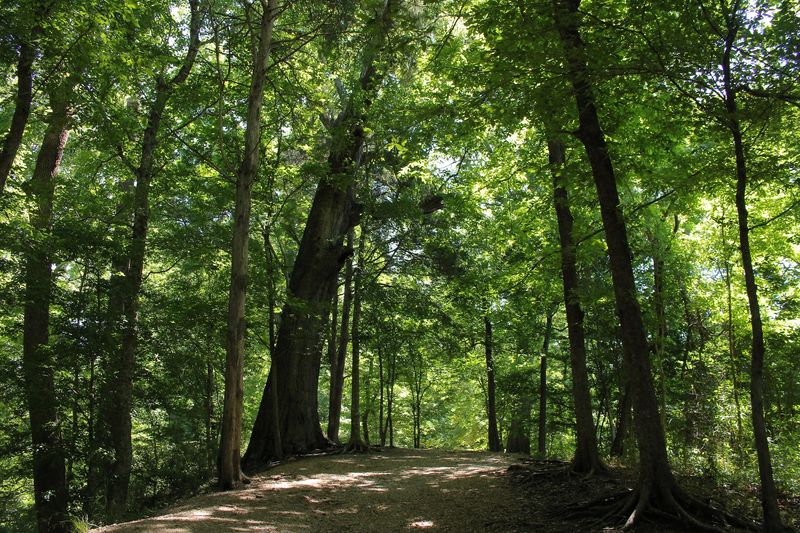
Breathe in on the trail, and the sharp, clean smell of pine mixes with damp earth and leaves. The preserve holds a blend of hardwood and pine forests, and the canopy keeps most trails shaded through much of the day.
Botany fans have a special reason to visit. The preserve is home to rare trees, including a world record Mexican plum and the bigleaf snowbell, a species not commonly found in the state.
These plants thrive in the cool, moist ravines that loess hills create.
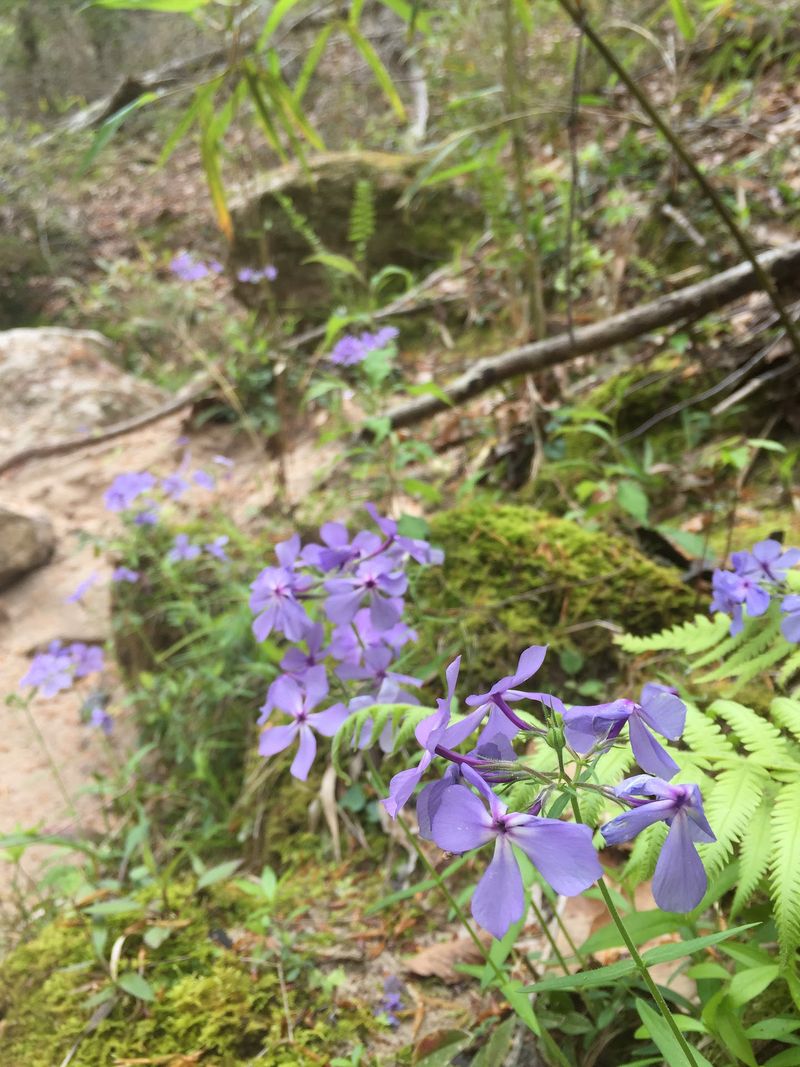
Wildflowers add bursts of color along the way, and butterflies drift through sunny openings near the creeks. For children, turning the hike into a nature scavenger hunt keeps energy up.
Ask them to find a pinecone, a fern, a smooth creek stone, and a leaf bigger than their hand.
Shade is a real perk for families. Visitors often mention how much cooler the forest feels than open ground, which helps on warm Mississippi afternoons.
Sunscreen still belongs in the bag, since sunlight breaks through near the falls and creek crossings. A small field guide or plant identification app can turn a simple walk into a lesson the kids will actually enjoy.
Birds, Butterflies, and the Occasional Bear
Listen closely between waterfalls. Birdsong fills the trees, since the preserve attracts both migratory and native species throughout the year.
Deer show up from time to time, and observant hikers spot all sorts of insects and invertebrates along the creek edges. Snakes live here too, so teach kids to watch where they step and never reach into holes or under logs.
Black bears also roam the region, though sightings remain uncommon.
Some wildlife is less welcome. Springtime brings plenty of bees, and one visitor noticed they seemed especially active that season.
Mosquitoes and horse flies are common in warmer months, which is why regulars suggest arriving earlier in the day. Bug repellent is a must for every family.
Turning wildlife watching into a game works wonders for young hikers. Give each child a simple checklist with pictures: a bird, a butterfly, a frog, tracks in the mud.
Binoculars add extra excitement for older kids. Remind everyone to observe quietly and give animals space, since a calm group usually sees far more than a noisy one.
Butterflies in particular seem to gather around the damp, sunny patches near the water, offering easy photo moments for budding nature photographers.
About That Swinging Bridge
Honesty matters when families plan trips, so here is a clear answer. Current information about the preserve does not show a swinging bridge within its boundaries.
Many people link Mississippi with swinging bridges because of the well-known one at Tishomingo State Park, in the far northeast corner of the state. That park sits hundreds of miles away and offers a completely different setting of rocky hills and Appalachian foothills.
If a swinging bridge is on your child’s wish list, Tishomingo is the place to put on a separate itinerary.
At this southwest preserve, the main ways across water are much simpler. Hikers wade through creeks, hop across stones, and follow stream beds toward the falls.
Wooden stairs and walkways help in spots, including an improved section near the second waterfall.
For many kids, sloshing straight through a creek ends up even more exciting than crossing a bridge. Still, set expectations before you leave home so nobody feels let down at the trailhead.
Telling children they will get to wade, splash, and explore creek beds builds the right kind of anticipation. Pair this hike with a Tishomingo trip on a future vacation, and the family gets both experiences.
Timing Your Visit by Season and Weather
Ninety-seven degrees proved too much for one experienced hiker, who said the heat wore them out even though the views were worth it. Summer in southwest Mississippi gets hot and humid, so timing matters.
Late winter and cooler months make the steep climbs far more pleasant. Fewer bugs buzz around, and the falls often run well after seasonal rains.
Spring brings wildflowers and butterflies, though bees and mosquitoes become more active too.
Rain changes everything. Trails turn muddy and slick, the creeks rise, and landslides or fallen trees can block paths.
On the flip side, the waterfalls look their most powerful after a good soaking. If you visit soon after a storm, stick to the improved trail and avoid creek walking.
Day of the week also makes a difference. Weekends can get busy, with parking filling up, while weekdays often feel calm with only a handful of hikers around.
Several visitors describe the preserve as peaceful and rarely crowded outside peak times. Early mornings bring the coolest temperatures and fewer insects, which helps little legs and short tempers.
If summer is your only option, start right at 8 am and finish before the hottest part of the afternoon.
Which Families Will Love It Most
Older kids who climb trees and jump in puddles are the ideal audience. The trails demand stamina, and the preserve rewards energetic explorers with cold pools, splashy falls, and plenty of room to roam.
Younger children can manage too, with the right plan. A five-year-old reached the falls with a parent’s help, though the family felt sore afterward.
One mom with several boys suggested bringing extra adults if you have a crew of little ones, since rocky, steep parts require hands-on help. Strollers will not work on these trails.
Wheelchair users and people with significant mobility challenges will likely struggle, given the elevation, wet rocks, and obstacles. Grandparents who are steady on their feet may enjoy the walk to the first waterfall, but should take it slowly.
Dogs are another bonus. One visitor mentioned their pup loves the place just as much as they do, making it a solid choice for families who travel with a four-legged member.
Check current pet rules before you go. Above all, match the hike to your weakest walker.
Seeing two or three waterfalls happily beats pushing tired kids toward a fifth one and dealing with tears on the long climb back.
A Backpack Checklist for Parents
Water tops the list, and more than you think. One visitor recalled seeing a family with six kids and only two bottles deep on the trail, and they looked worried.
Each person should carry their own supply, since the only fountain sits at the trailhead.
Footwear comes next. Choose sturdy shoes with good grip that can get wet and are easy to slip off for wading.
Heavy boots are unnecessary, but flip-flops will not cut it on muddy hills.
Round out the bag with these essentials:
Snacks or a picnic lunch, sunscreen, and bug repellent. A small first aid kit, tissues, and a towel.
A swimsuit or spare clothes for splashing, plus a full change for the car ride home.
Electronics need protection too. A waterproof pouch or zip bag keeps phones and cameras safe during creek crossings.
Bring a hiking stick if you have one, especially for steep descents. Finally, pack a trash bag.
Litter has been a concern here, so teach kids to carry out everything they bring and even grab a stray wrapper or two. Leaving the trail cleaner than you found it is a lesson worth passing along.
Hours, Fees, and Parking Details

Gates open at 8 am and close at 5 pm every day of the week, and the preserve is day-use only. Plan your hike so everyone returns to the car comfortably before closing.
About the word free in the headline: entry is not completely free, but it is very close. Official information lists a $2.00 per person fee, with children five and under admitted at no charge.
Some recent visitors have reported paying different amounts, so bring small bills and confirm the current fee by calling 601-888-6040 or checking the Mississippi Department of Wildlife, Fisheries, and Parks website.
Payment works on the honor system at the trailhead pay station. Display your payment tag in the vehicle, since patrols may ticket cars without one.
Parking is limited, which is one reason weekdays feel more relaxed. Carpooling helps if you are meeting another family.
Restrooms with indoor plumbing sit near the parking area, and there are none along the trails, so make that stop before setting out. Use the address 366 Ft Adams Pond Rd, Woodville, MS 39669 in your navigation app.
Fill the gas tank and grab any supplies beforehand, as services in this rural area are spread out.
The Final Word on a Muddy, Happy Day Out
Sore legs and soggy sneakers tend to be the souvenirs families bring home. Most say they would happily collect them again.
For a few dollars, parents get hours of outdoor adventure that feels far bigger than its price. Kids wade through creeks, climb real hills, and stand beside waterfalls in a state few people associate with them.
The forest stays shady, the crowds stay small on weekdays, and the sound of rushing water follows you down every ravine.
Be realistic about the effort. The climbs are steep, the return trip is tougher than the walk in, and weather can change the trail quickly.
Families who prepare with water, snacks, good shoes, and a flexible plan usually have the best experience.
Skip the swinging bridge expectation, save that for Tishomingo, and focus on what this place does well: wild, splashy, pine-scented fun. Start with the first three falls, take breaks, and let the kids set the pace.
Those who catch the hiking bug can return for more falls on a future trip. Either way, the drive home will likely be quiet, with tired children asleep in the back seat and dreaming about waterfalls.