
Mississippi Pecan Festival Brings Over 250 Vendors Together For A Weekend Of Food, Shopping And Fun
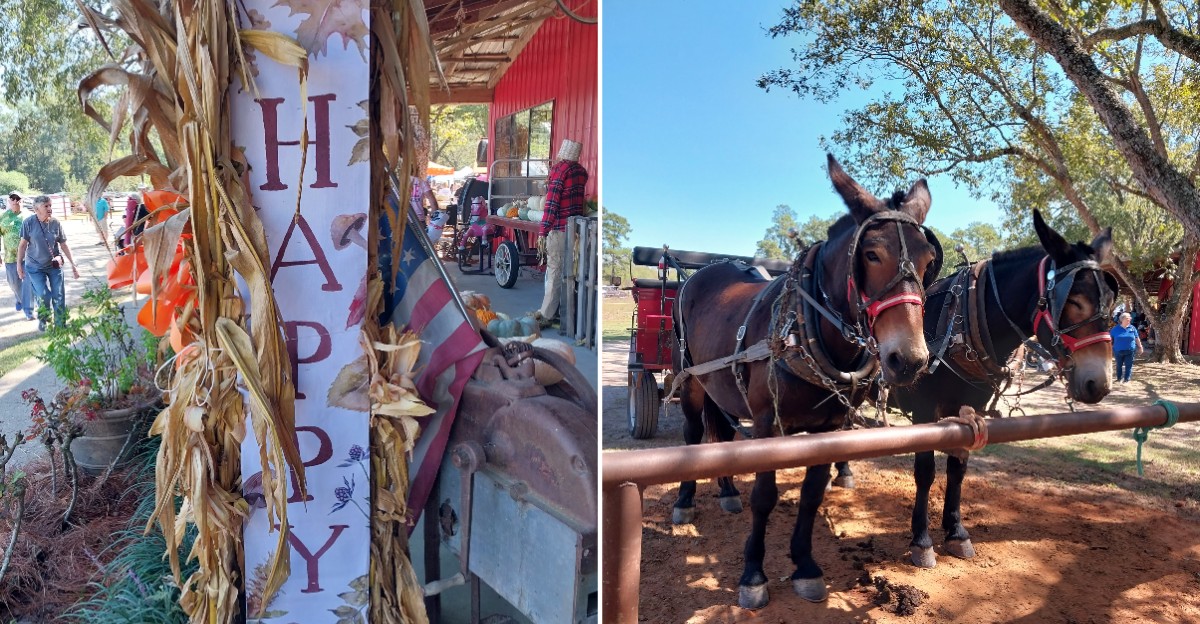
Festivals used to bring people together from across the entire region, places to trade, earn a living, and simply have a good time. Today, events like this Mississippi Pecan Festival mostly aim to preserve that tradition.
Vendors fill the grounds for the entire weekend, offering food, shopping, and activities throughout the event. Nothing about the festival feels thrown together despite the sheer number of vendors involved.
Regulars return annually, treating the weekend as an unofficial highlight of their fall calendar. Visitors passing through often extend their trip just to catch the festivities before they end.
Food stands offer classic fair favorites, nothing fancy, just food that fits the mood of the event. This festival proved that some traditions only grow stronger the longer they continue.
A Pecan Orchard That Turns Into A Small City
Picture a working farm orchard where the tallest things around are pecan trees planted generations ago. For most of the year, it is peaceful.
For one weekend, it becomes a bustling little town with food smoke drifting through the branches.
The shade is the secret weapon here. Mississippi in late September can still throw a warm day at you, and those broad pecan canopies keep the walkways surprisingly comfortable.
The setting belongs to Fulmer’s Farmstead, a family operation that leans hard into homegrown food, sustainable practices, and old-fashioned farm life. The festival grew out of that identity rather than being dropped on top of it.
Walkways wind between rows of trees, so the layout feels more like exploring than following a single loop. Kids tend to run ahead.
Adults tend to stop every ten feet to look at something.
Parking gets organized into nearby fields, which means the walk from your car to the entrance is short. That alone earns a lot of goodwill from people hauling folding chairs and diaper bags.
Fall harvest season is the whole point, and the orchard makes that obvious without a single sign explaining it. Nuts on the ground, cooler air, and a farm doing what farms do.
You will find all of it at 510 Wingate Rd, Beaumont, MS 39423.
Hundreds Of Vendor Booths Worth Planning For
Shopping is the headline act. More than 100 arts and crafts vendors have been confirmed in recent years, and past festivals have packed in over 250 food and craft booths combined.
That is a lot of ground to cover. Serious shoppers arrive early, because trying to see everything after lunch on a busy day is a losing battle.
The mix leans handmade and local. Woodworking, ceramics, textile art, preserves, baked goods, and plenty of one-of-a-kind items you will not spot at a chain store.
Christmas shopping happens here whether people plan it or not. Something about seeing handmade gifts stacked on folding tables in October makes the holidays feel closer than they are.
Vendor placement tends to be smart, with booths grouped so you can browse similar goods without zigzagging across the property. Bring a tote bag or two.
One practical note that trips up first-timers. Cell service out there is unreliable, and many vendors operate on cash, so hitting an ATM before the drive saves a headache.
New sellers show up each year alongside longtime regulars, which keeps the lineup from feeling repetitive. Returning visitors often hunt for specific booths they remember.
Comfortable shoes matter more than you think. Grass, tree roots, and several hours of walking add up fast.
Food Booths And Homemade Ice Cream
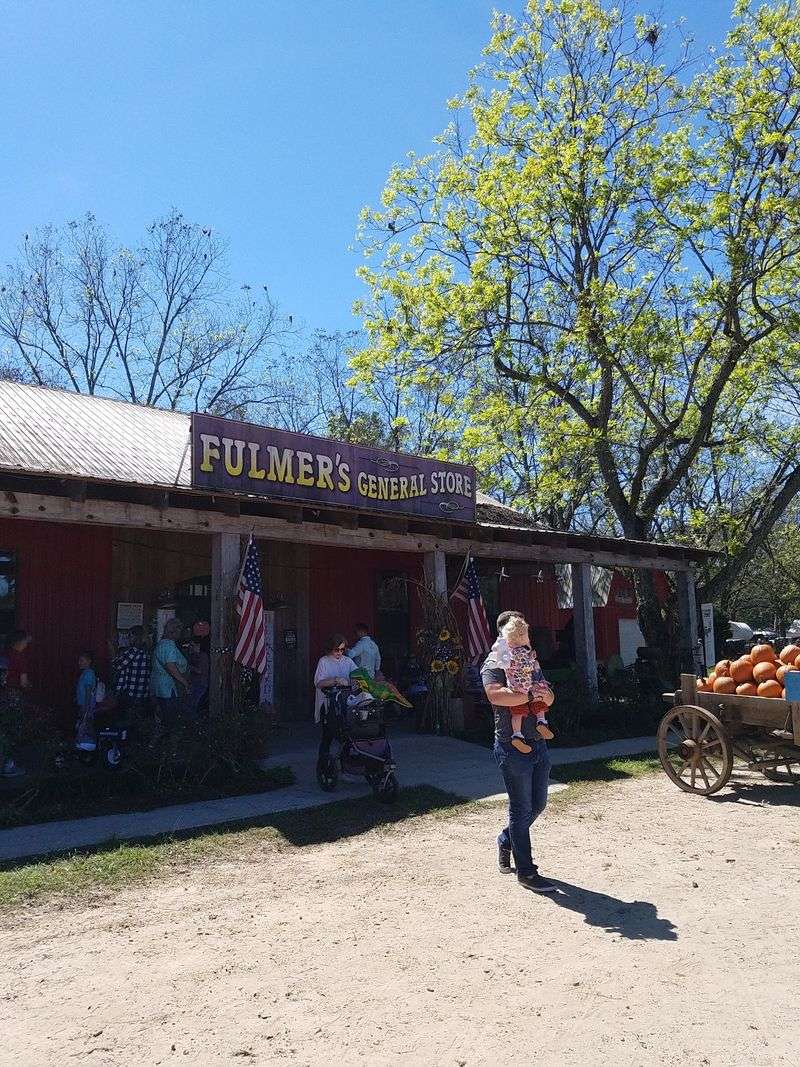
Let’s talk about the cinnamon rolls. The General Store at the farmstead bakes them fresh during festival weekend, and the smell does most of the advertising.
Homemade bread has developed its own following too. Some folks drive in mainly for the baked goods and treat the rest of the festival as a bonus.
Food booths spread across the grounds, serving everything from classic fair food to pecan-based sweets. Mile high onions, funnel-style treats, and homemade ice cream all make appearances.
Pecan pies show up at the store, along with raw pecans sold by the bag. Growers and processors bring roasted varieties and other pecan specialty items as well.
Saturday lunchtime is peak chaos. Lines build, seating gets scarce, and patience becomes a required ingredient.
The workaround is simple. Eat early or eat late, and bring folding chairs or a blanket so you are not hunting for a picnic table.
Food vendors vary year to year, which keeps things interesting but also means your favorite from last time might not return. Part of the adventure.
Sharing plates is the move here. Portions run hearty, and splitting lets you try more before you tap out.
Cash again saves time in line, since card machines depend on spotty connectivity.
The Mule Pull Competition Draws A Crowd
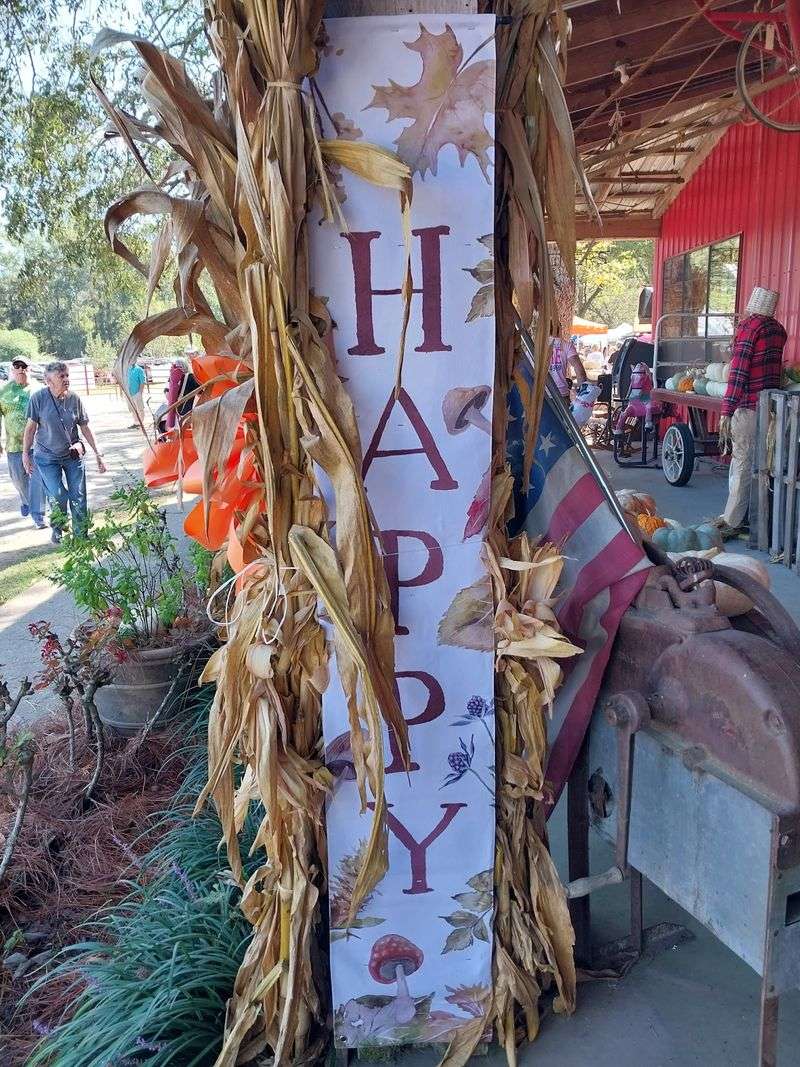
Few things clear out the vendor aisles faster than word spreading that the mule pull is starting. Teams of harnessed mules haul weighted loads while spectators gather around the arena.
It is old-school farm competition, the kind that predates tractors by a long stretch. Handlers work their teams with quiet commands and a lot of practiced timing.
Seating around the pull area can be limited, so people bring their own chairs or stake out a spot along the fence early. Standing room fills in quickly.
The event runs on a schedule, though announcements are not always loud enough to hear from the far end of the orchard. Asking a vendor about timing usually works.
Kids seem especially glued to it. Watching animals that large move that much weight makes an impression no video can match.
Mule pulling connects straight back to how this land was worked before machinery took over. The festival keeps that thread alive instead of letting it fade into a museum display.
Photographers love it. Dust, muscle, and concentration all in one frame.
Plan to arrive a bit ahead if you want a decent view. The good spots go fast, and nobody gives one up voluntarily.
It pairs well with the wagon rides happening nearby throughout the day.
Wagon Rides And Homestead Demonstrations
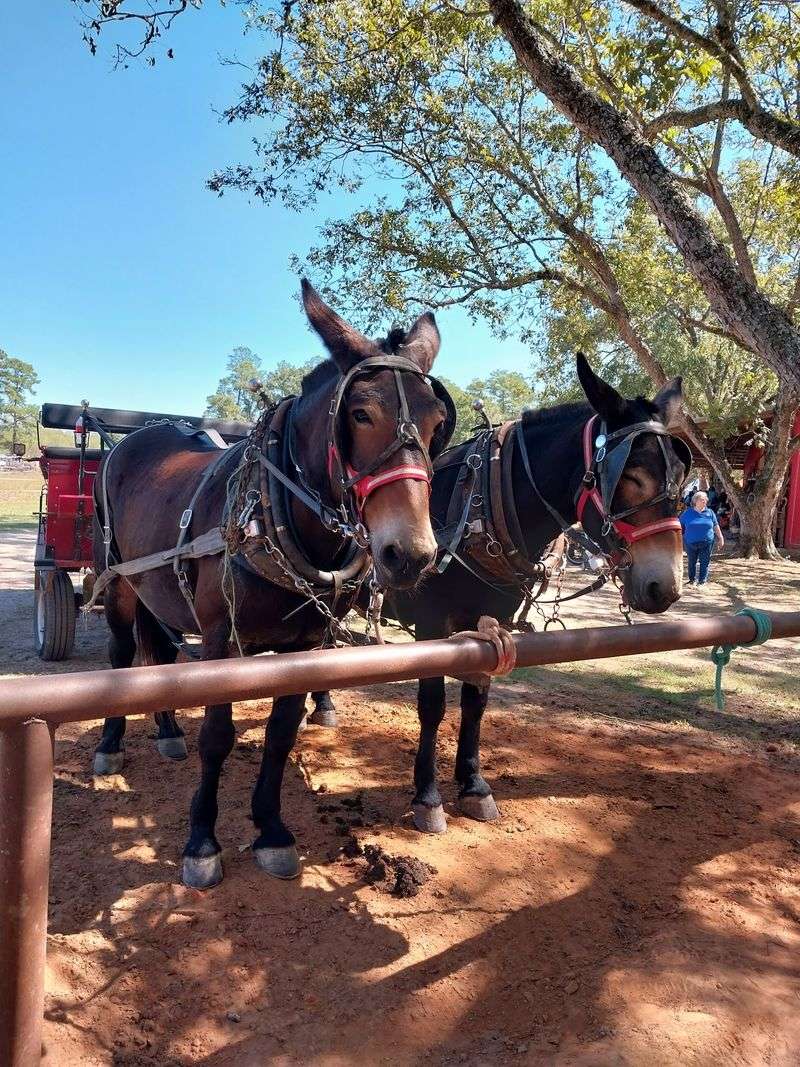
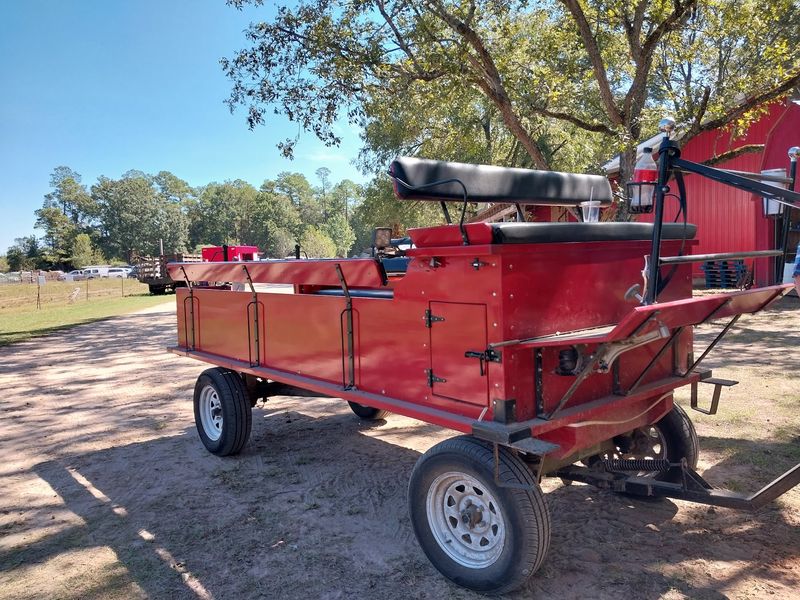
Mule-drawn wagon rides roll through the orchard all weekend, and they are genuinely one of the best deals on the property in terms of pure enjoyment. Slow pace, big trees, happy kids.
Homestead demonstrations run alongside them, showing off skills that used to be everyday knowledge. Think traditional crafts, food preservation, and hands-on farm techniques explained by people who actually use them.
Stock dog demonstrations are a separate highlight. Watching a trained dog move livestock with nothing but whistles and hand signals is quietly impressive.
Educational workshops fill out the schedule, giving curious visitors a chance to learn something instead of just buying something. Both are valid festival strategies.
An antique engine show has appeared at past festivals, drawing the crowd that loves old machinery chugging away for no reason other than tradition.
Demonstrations tend to repeat throughout the day, so missing one is not a disaster. Circling back later usually works out.
The wagon route gives you a break from walking, which matters around hour three. Sitting down while still seeing the grounds is a smart combination.
Families with small children often build their whole visit around the rides and demos. Shopping happens in between.
It all reinforces the farm theme rather than feeling like added entertainment.
The Purtiest Rooster Contest And Other Oddball Fun
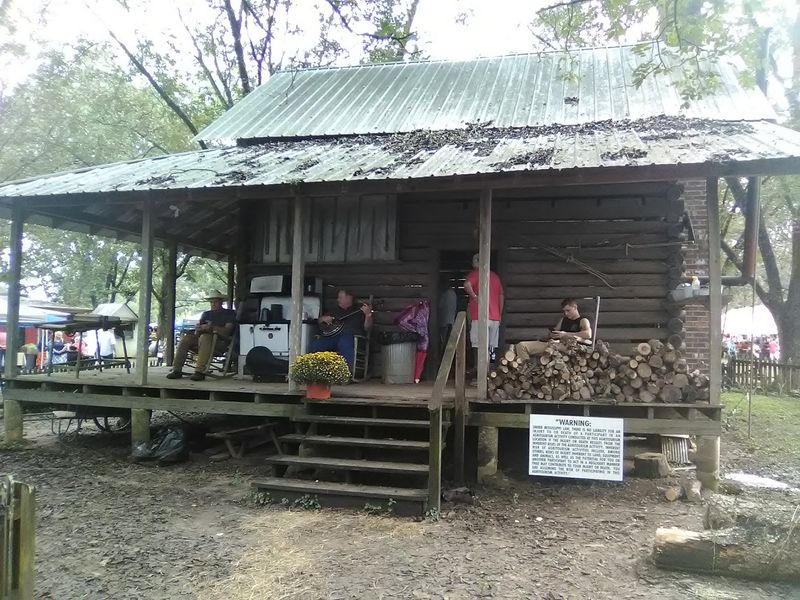
Yes, there is a contest to determine the prettiest rooster. The name alone tells you exactly what kind of festival this is, and honestly, it is a selling point.
A pet contest runs too, which means dogs, chickens, and whatever else families decide to load into the truck. Entries get creative.
The talent show pulls in locals of every age. Singers, musicians, and the occasional surprise act take their turn in front of a friendly crowd.
Children’s games are scattered through the grounds, keeping younger visitors busy while adults browse booths. Nothing elaborate, just simple fun that works.
Contests like these are the heart of a real community festival. They exist because somebody thought it would be a good time, not because a marketing plan required them.
Winners walk away with bragging rights that last a full year. In a small town, that counts for something.
Schedules for the contests get posted at the grounds, and they tend to cluster on Saturday when attendance peaks.
Spectating costs nothing extra and provides some of the best people-watching of the weekend. Roosters included.
If you have a photogenic pet and a competitive streak, entering is part of the fun.
Live Music Floating Through The Trees
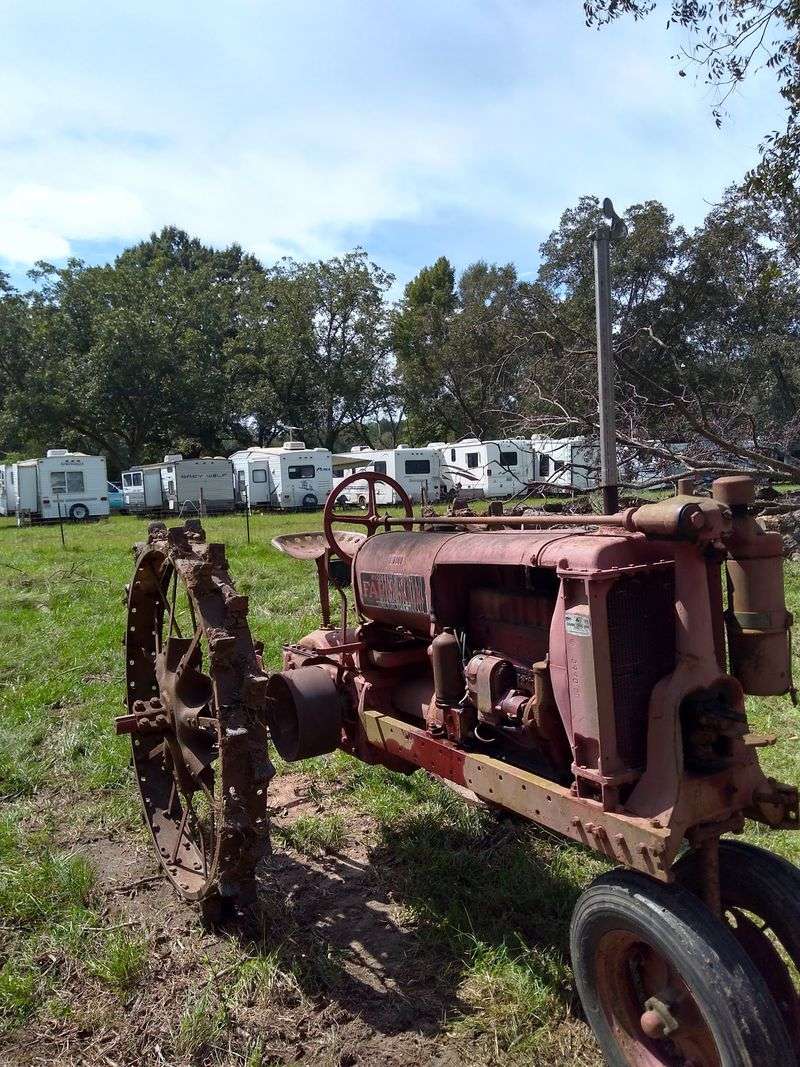
Music runs throughout the weekend, and the orchard acoustics do something nice with it. Sound drifts between the trees instead of blasting at you.
Performers lean toward country, gospel, and bluegrass, which fits the setting perfectly. Fiddles and farm dust go together.
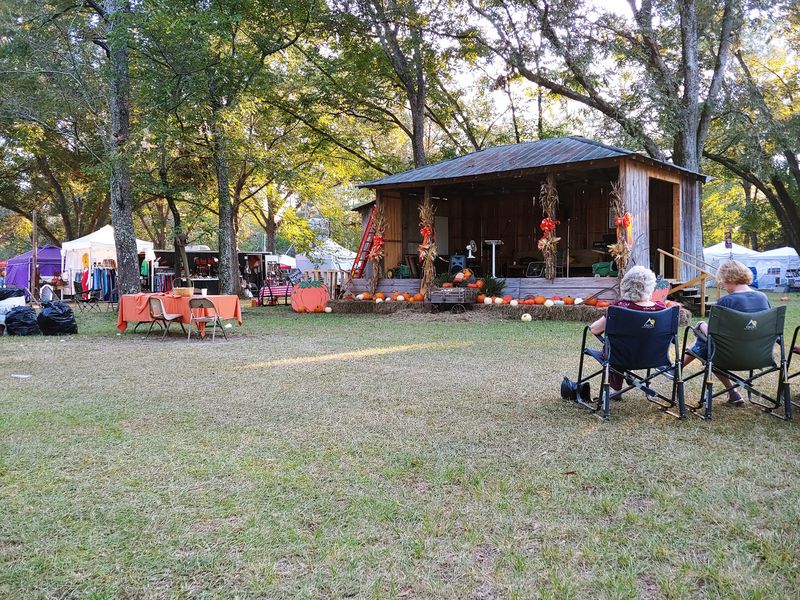
Listeners set up chairs near the stage area and stay a while, often with a plate of food balanced on their knees. Nobody is in a hurry.
Even shoppers who never sit down catch the music while browsing. It becomes the soundtrack for the whole event rather than a separate attraction.
Sunday morning brings a non-denominational church service, a tradition that says a lot about the community behind this festival. Folks gather under the trees before the day’s shopping begins.
Local and regional acts fill most of the lineup, giving homegrown talent a real audience. Some performers return year after year.
Bringing your own chair remains the single best piece of advice for anyone who wants to enjoy a full set comfortably.
Evening air under those trees cools down nicely, making the later performances especially pleasant.
It is background and main event at the same time, depending on how you want to spend your afternoon.
Timing Your Visit Like A Regular
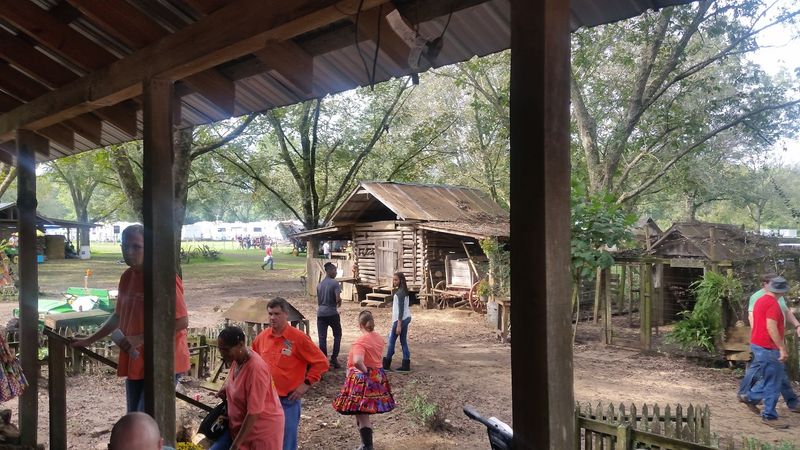
Here is the insider math. The festival lands on the last weekend of September every year, running Friday through Sunday, with 2026 dates set for September 25 through 27.
Saturday is the busiest day by a wide margin. Longer lines, thicker crowds, and a real chance your favorite food booth runs low before afternoon.
Friday and Sunday move at a gentler pace. Same vendors, same demonstrations, considerably more elbow room.
Arriving early makes a noticeable difference no matter which day you choose. Parking is closer, booths are fully stocked, and the shade feels better before midday.
Cash is essentially required, since internet service on the property is unreliable and card readers depend on it. Plan and avoid the scramble.
Bring folding chairs, water, and sunscreen. Seating is limited, and you will want a place to rest between laps around the orchard.
Set aside more time than you think you need. First-timers routinely underestimate how many booths there are to see.
The three-day format means you could split your visit, shopping one day and catching demonstrations another. Locals do exactly that.
Beaumont sits within an easy drive of much of south Mississippi, making this a realistic day trip for a lot of families.