
Mississippi’s Hill Village Was Built Over Abandoned Mines Where Ghostly Tunnels Still Reappear Beneath The Streets
These places once buzzed with life, but today they stand as nothing more than a ghostly reminder of the past. This Mississippi hill village was built directly over abandoned mines, with tunnels still occasionally reappearing beneath the streets.
Nothing about the village feels disconnected from that history despite decades of development above ground. Locals share stories about the mines passed down through generations, some details shifting depending on who tells them.
Structures throughout the village occasionally reveal sinkholes or shifts tied to the tunnels below. Explorers who learn about the history often describe it as unsettling once they realize what lies beneath.
Photography opportunities exist throughout, especially where the old and new versions of the village overlap. This village proved that sometimes the past never fully disappears, it just waits beneath the surface.
An Unusual Underground Labyrinth Hiding In A Hillside
Picture a hole in a hill that opens into a space roughly the size of a big retail store. That is Chalk Mine Hollow, and it sits quietly in the woods outside town like a secret nobody bothered to keep very well.
Three long tunnels branch off the main chamber, connected by a web of side passages that twist and double back. The chalky walls glow pale in flashlight beams, and sound behaves strangely down there.
What makes it stranger is the contrast. Above ground you have pine trees, birdsong, and hills rolling off toward the Tennessee River Valley.
Below ground you have cool air, total darkness, and stone that was cut by hand more than 160 years ago.
Locals have known about the mine for generations, and it has drawn curious explorers for decades. There is no ticket booth, no gift shop, and no guide waiting with a clipboard.
It is just a hillside with an opening in it.
That rawness is exactly why people keep coming back. The place has not been polished into a tourist attraction, so it still feels like a genuine discovery rather than a stop on a schedule.
The Echoes Left In The Tunnels
Chalk sounds harmless. Schoolroom stuff, dusty and white.
But during the Civil War, chalk from this hillside was hauled out and used by Confederate forces in the making of gunpowder, which turns a boring mineral into a wartime resource overnight.
Crews cut into the hill with hand tools, following the chalk seams deeper and deeper. The tunnels that exist today are the leftovers of that work, shaped entirely by human effort rather than machinery.
Mining apparently continued until around 1890, though the exact closing date has gotten fuzzy over the years. Records from small operations like this one were never great to begin with, and time did the rest.
Walking the length of the main passage gives a real sense of how much material came out of that hill. It was not a casual dig.
Someone put in serious labor, probably in miserable conditions, with poor light and worse air.
History nerds get a lot out of the place because it is not behind glass. The tool marks are right there on the walls where anyone can see them.
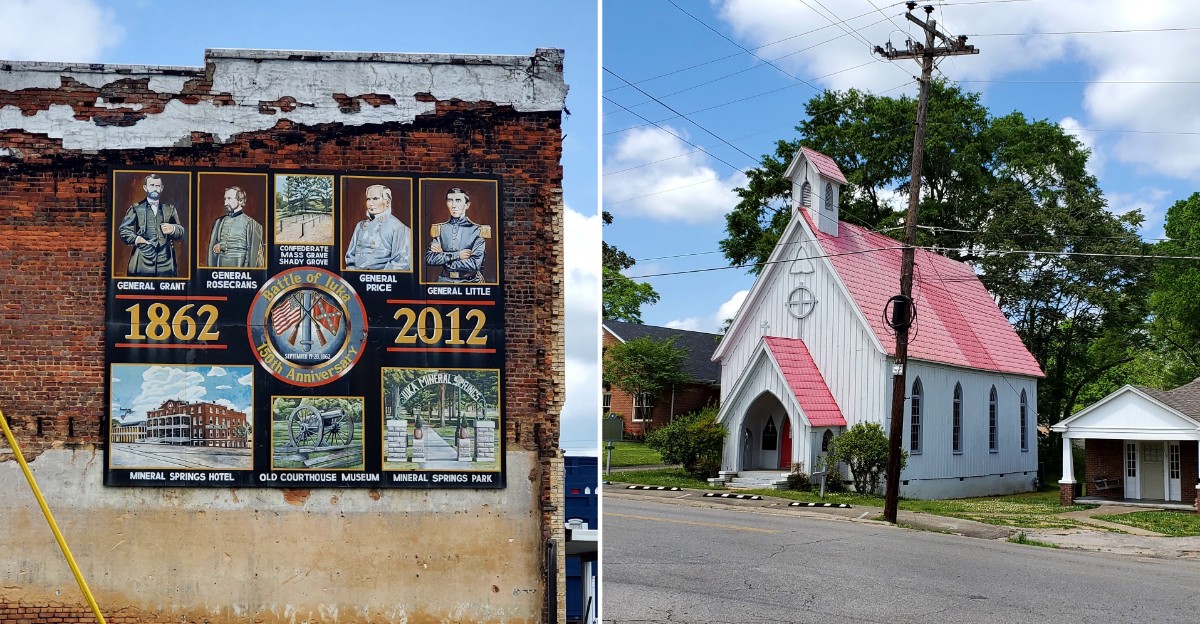
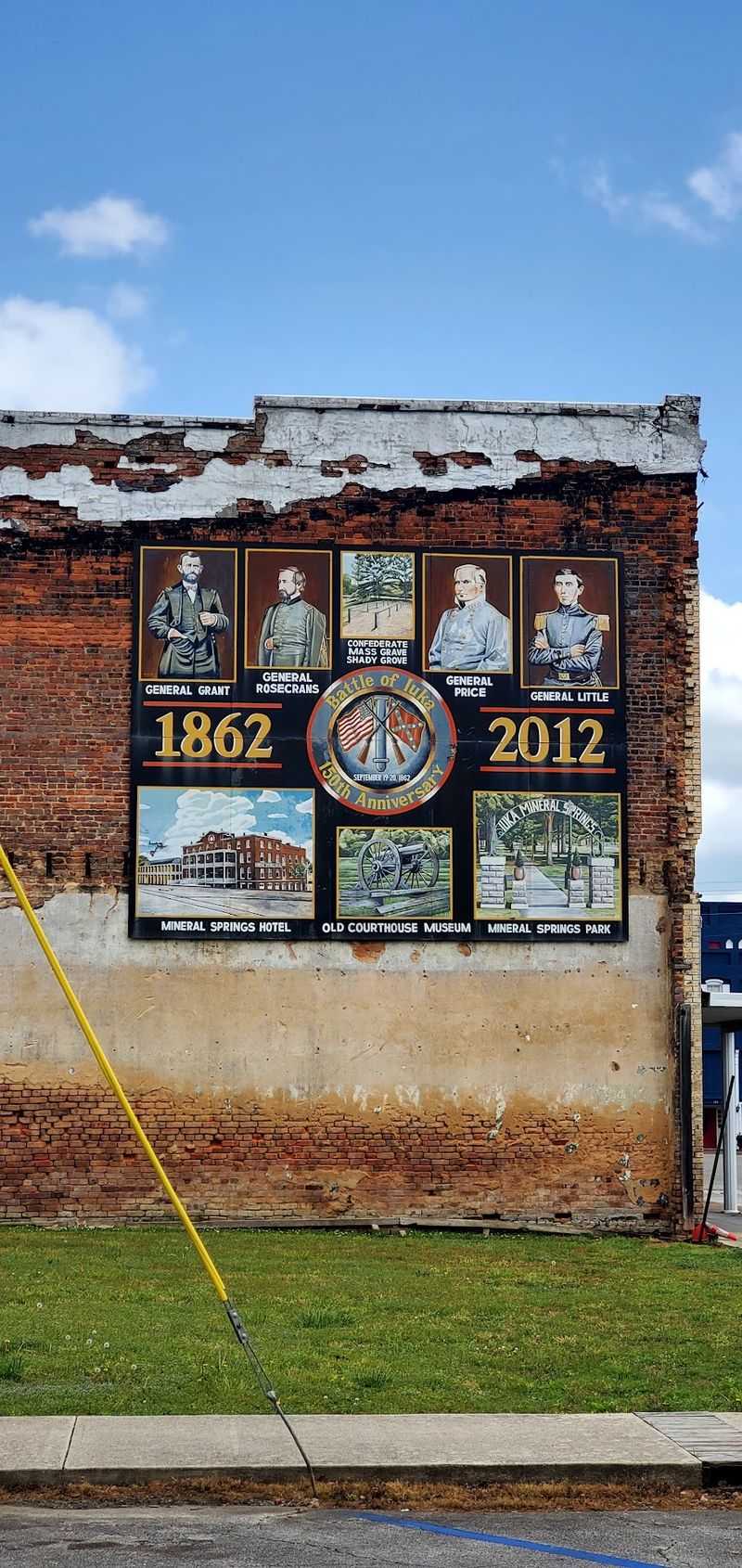
Northeast Mississippi saw heavy fighting, including the Battle of Iuka in 1862, so the region carries plenty of war history. The mine is one more thread in that story, just an underground one.
A Space That Feels Like Another World Entirely

Descriptions of the mine interior tend to land on the same idea: that it resembles somewhere off this planet. The pale walls, the branching corridors, the silence thick enough to notice, all of it adds up to an atmosphere unlike anything else in the state.
Temperature drops noticeably once you are inside. Summer heat stays outside the entrance, and the air turns cool and still within a few dozen feet.
The scale surprises people most. From the outside, it reads as a modest opening in a hillside, nothing dramatic.
Inside, the chambers open wide enough that a flashlight beam struggles to reach the far walls.
Side passages connect in ways that are not always obvious, which is part of the appeal and also part of the risk. Keeping track of the route back matters more than it does on a regular trail.
Photographers love it for the texture. Chalk takes light strangely, soaking up some of it and bouncing the rest, so photos come out looking otherworldly without any editing tricks.
Sound carries oddly too. A normal speaking voice gets swallowed in some spots and amplified in others, which explains why so many visitors end up whispering without meaning to.
The whole environment nudges people into behaving like they are somewhere sacred.
Legends Of A Wartime Hospital Beneath The Hill
Every old place collects stories, and this one collected a good one. Local legend holds that the mine served as a makeshift hospital during the Civil War, with wounded soldiers carried into the cool dark to be treated away from the fighting.
Solid documentation for the hospital claim has never turned up. Historians have looked, and the trail goes cold pretty quickly.
What records do suggest is that the mine was likely used as temporary shelter at some point during the war years. Given its size, its steady temperature, and its distance from the roads, that makes practical sense.
Shelter and hospital are not far apart when a war is going on nearby. It is easy to see how one version of the story could have drifted into the other across a century and a half of retelling.
The uncertainty is honestly half the charm. A fully documented site would be interesting, but a half-documented one leaves room for imagination, and people love filling in blanks.
Ghost stories have naturally attached themselves over the years, because of course they have. Dark tunnels plus wartime history equals legends, every single time.
Whether or not any of it is true, the stories keep the place alive in local memory, which counts for something.
Reaching The Hidden Depths Takes A Little Effort
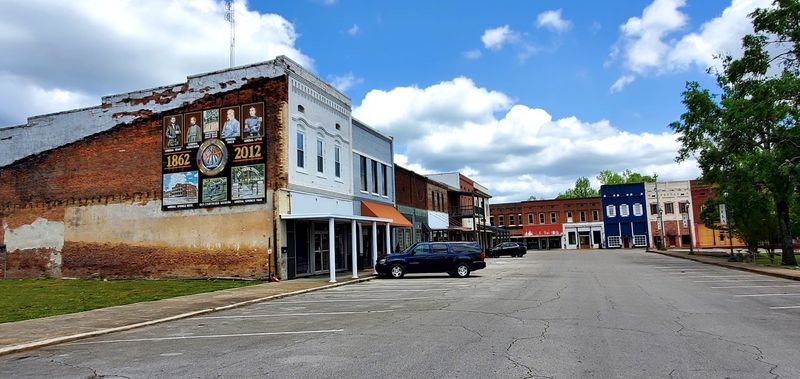
Getting there is not a matter of parking and strolling up. The mine can be reached by boat or on foot, and the walking route involves a short hike through the woods before anything interesting shows up.
A well-worn path does most of the navigating for you. Some trees along the way carry spray-painted marks that function as informal trail blazes, put there by people who got tired of giving directions.
Nobody staffs the site. There are no rangers, no posted maps, and no emergency phone hanging on a post.
That means flashlights are not optional; they are essential, and bringing a backup is smart. Batteries die at the worst possible moments, and the dark inside a mine is absolute.
Water, sturdy shoes, and a charged phone round out the basics. Cell service in hill country can be unreliable, so telling someone your plans before heading out is a genuinely good habit.
Going with at least one other person is wise. Uneven footing, low ceilings in spots, and branching passages all become much less intimidating with company.
Treat it like a small expedition rather than a casual detour, and the trip becomes far more enjoyable. Preparation is what separates a great story from an unpleasant one.
A Rare Mississippi Hill Town With Cooler Air
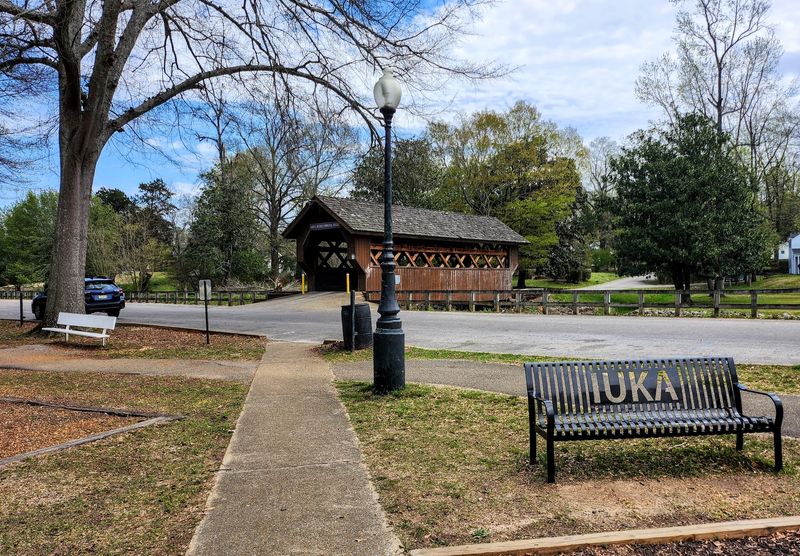
Here is the fun geography twist. Iuka sits among the hills of the Tennessee River Valley, surrounded by Tishomingo County forest, which makes it one of the very few genuine hill towns in Mississippi.
Elevation changes things. Temperatures run cooler than much of the state, and breezes moving through the ridges make warm afternoons more bearable than the map would suggest.
Woodall Mountain, the highest point in Mississippi, rises just south of town. At 807 feet, it will not impress anyone from Colorado, but it is the state high point, and people drive from all over to stand on it.
Daily life here leans outdoorsy. Hiking, fishing, and camping are normal weekend activities rather than special occasions, and the landscape makes that easy.
The overall feel has more in common with nearby Tennessee or Alabama than with the delta country a few hours southwest. Same state, completely different personality.
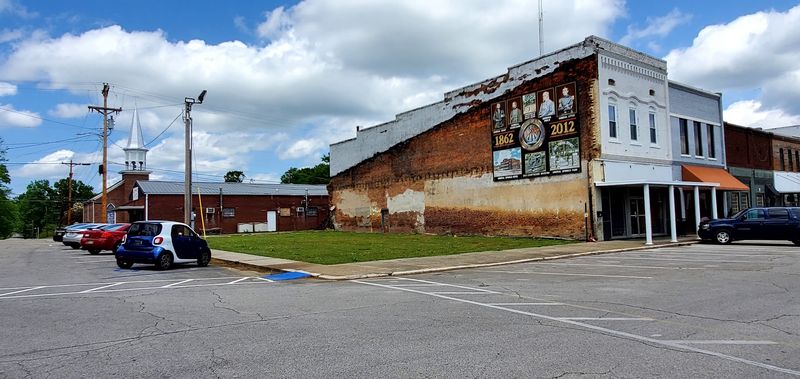
Population sat at 3,139 in the 2020 census, so it stays small and walkable. The town serves as the county seat of Tishomingo County, giving it a modest downtown with actual character.
Visitors expecting typical Mississippi scenery tend to be pleasantly thrown off by the whole thing.
Where Waterfalls Replace Bayous And History Sits Nearby
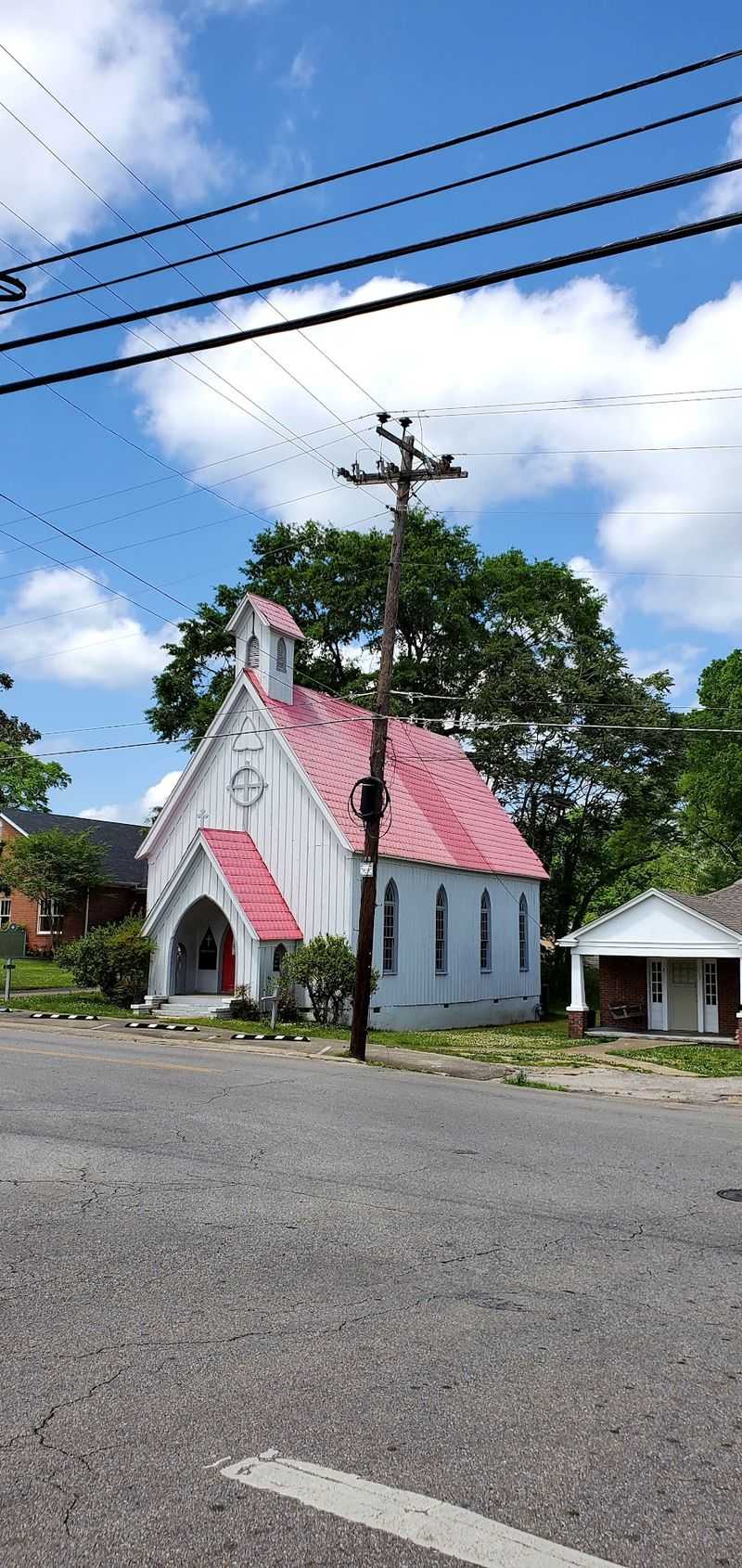
Swap the mental image of still, brown water for something moving. In this corner of the state, creeks tumble over rock ledges and form actual waterfalls, which is not a phrase most people associate with Mississippi.
Tishomingo State Park sits nearby with sandstone outcrops, swinging bridges, and trails that wind through terrain shaped by glacial meltwater long ago. Rock climbing happens there, which is another sentence that surprises people.
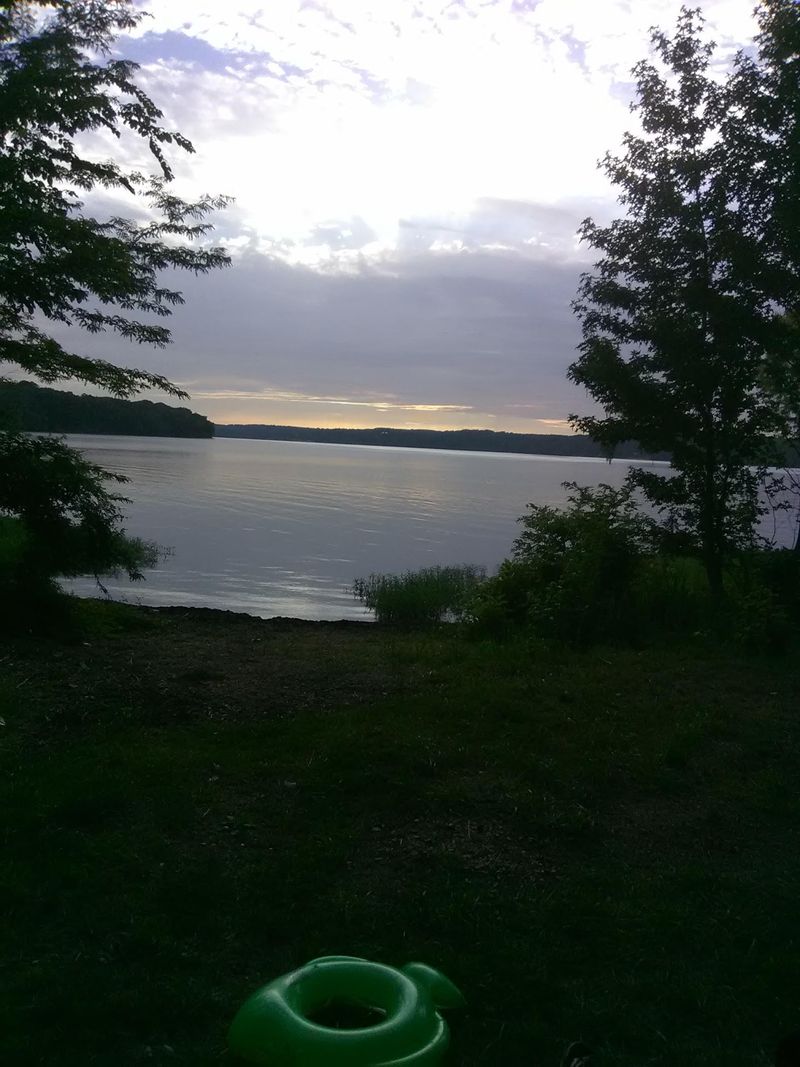
Pickwick Lake spreads out to the north, bringing boating, fishing, and long shoreline days into the mix. Between the lake and the forest, outdoor options stack up fast.
A well-planned day can cover a morning hike to falling water and an afternoon spent on Civil War ground, all within minutes of downtown.
The Battle of Iuka site and related historical markers keep the past close at hand. History and scenery share the same few square miles here, which is efficient if nothing else.
Fall brings color to the hardwood ridges, and spring fills the creeks. Both seasons make the trails noticeably better than midsummer.
Packing for both dirt and water is the move. Trail shoes for the morning, something that can get wet for later.
The Lasting Pull Of What Lies Below The Surface
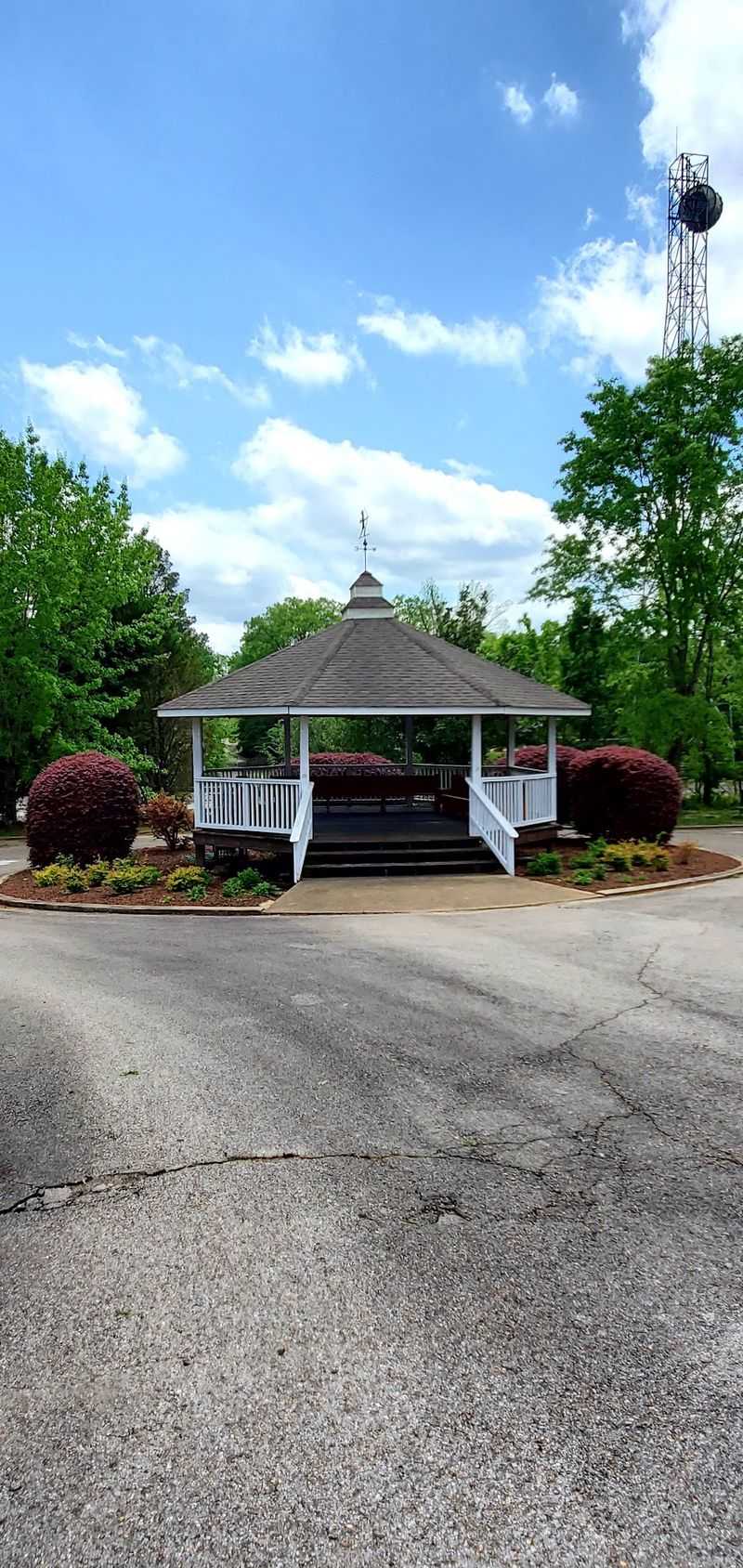
Decades after the last load of chalk came out, people are still hiking into those woods with flashlights. That says something about human curiosity that no marketing campaign could match.
The entrance is carved subtly into the hillside, easy to walk past if you are not paying attention. Half the fun is spotting it.
Word spreads mostly by conversation, social media posts, and the occasional video, which keeps the place feeling like insider knowledge rather than a listed attraction.
Underground spaces have always grabbed people. Caves, cellars, tunnels, anything that hides what comes next around the corner tends to draw a crowd of the curious.
Respecting the site matters if it is going to stay open and worth visiting. Hauling out trash, leaving the walls alone, and not carving initials into 160-year-old chalk are the basic courtesies.
Safety deserves the same seriousness. Old mines shift, ceilings crumble, and nobody is coming to check on you, so caution beats bravado every time.
For anyone building a northeast Mississippi trip around hills, water, and history, the mine makes a memorable anchor. Pair it with the state high point and a state park, and the weekend basically plans itself.