
Summer Tubing At This New Hampshire River Is A Locals-Only Secret
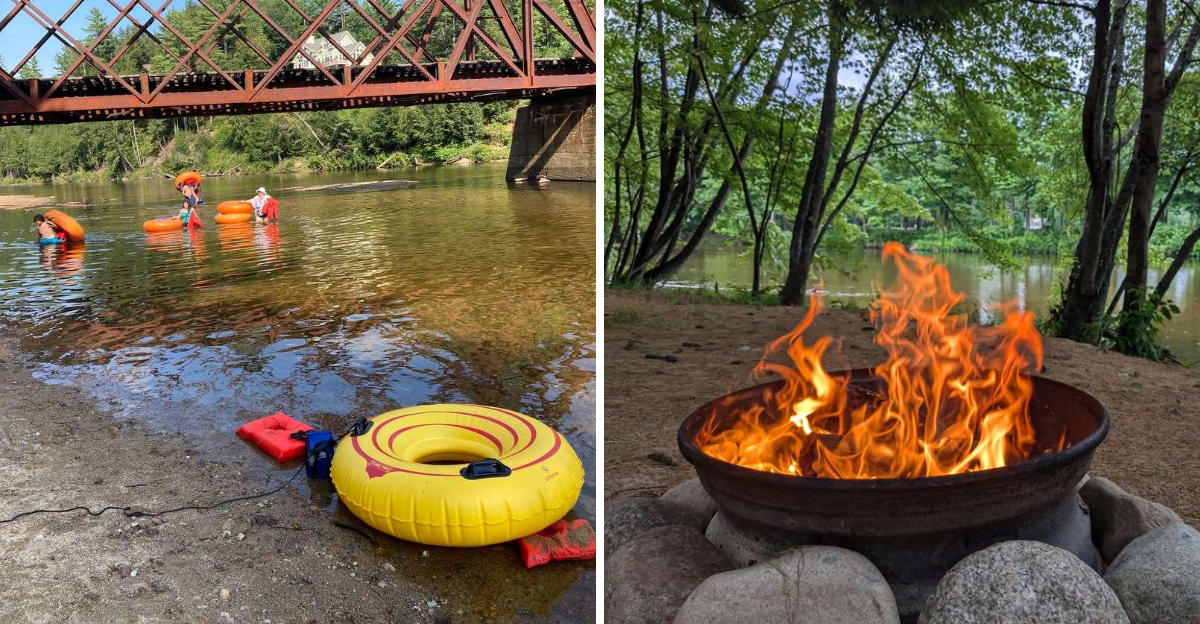
Summer here moves at the pace of a slow float, and locals have guarded the spot for years. New Hampshire hides a river built for lazy afternoons, where mountains lean close and the current barely pushes.
Word spreads quietly, more whisper than advertisement, and families keep returning to the same bends every summer. A shuttle drops floaters upstream, then gravity handles the rest for hours.
Near the end, a bridge appears, and the group suddenly gets loud, deciding whether to jump. Herons watch from the banks, unbothered by splashing kids and drifting tubes.
New Hampshire summers rarely offer something this unhurried, this shielded from crowds. Curious where locals disappear to once the heat rolls in?
A lazy afternoon on the water might be worth penciling into the plans.
The River That Starts In Franconia Notch
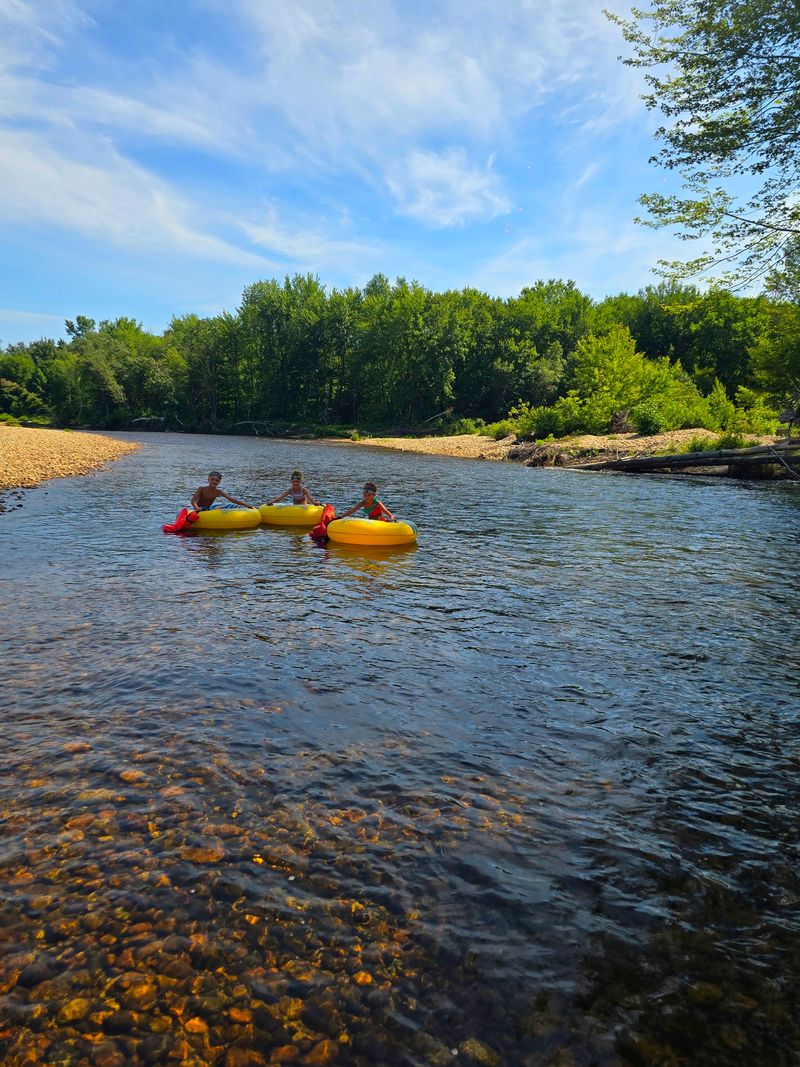
Sixty-five miles of mountain water, and most of it moves at the pace of a slow conversation. The Pemigewasset River begins high in Franconia Notch State Park, near Profile Lake, then rolls south through the White Mountains.
By the time it reaches Thornton, the river has flattened out. Long, shallow runs replace steep drops, with the occasional riffle to keep things interesting.
That mellow personality is exactly why tubing works here. The current nudges rather than shoves, so floaters drift instead of paddle.
Pemi River Campground sits directly on the bank at 2458 US-3, Thornton, NH 03285, which makes river access refreshingly simple. Walk down, step in, float away.
Locals call it “the Pemi,” and the shorthand says plenty about familiarity. Families here have been floating the same bends for decades.
Water clarity is one of the river’s quiet bragging rights. On bright days, stones on the bottom stay visible under several feet of water.
Depth changes constantly, though, depending on rain. That single detail shapes almost every tubing decision along the Pemigewasset.
A Campground With Its Feet In The Water
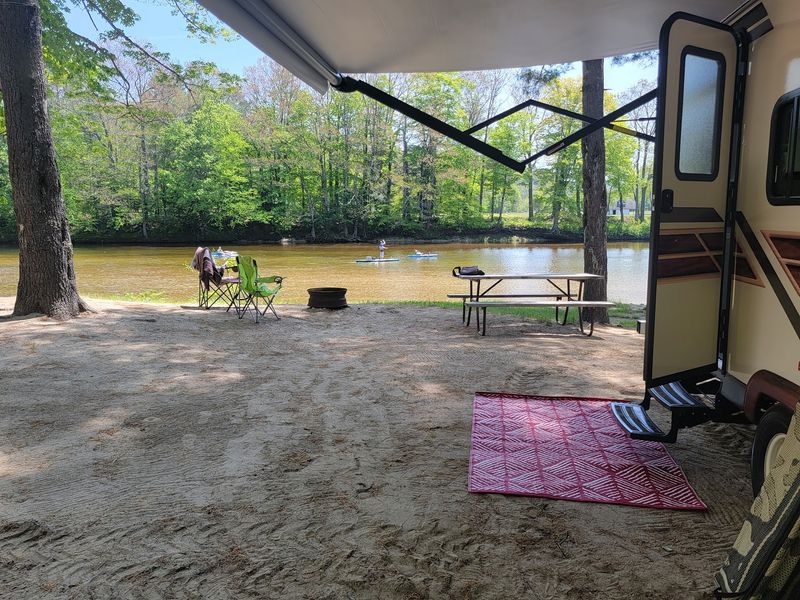
Riverfront sites here are not a marketing phrase. Chairs go straight into the shallows, and the fire ring often faces the water.
Pemi River Campground spreads across flat, easy ground beside the Pemigewasset in Thornton, New Hampshire. Bikes roll well, and pulling a trailer into a site rarely turns into a wrestling match.
Options range from simple tent spots to full hookup RV sites, plus cabins for people who prefer walls. Availability varies by season, so plans are worth making early.
The bath house earns steady praise from campers, who mention clean showers more than almost anything else. Small comfort, big difference after a long float.
A camp store handles the forgotten sunscreen and the late-night marshmallow emergency. Firewood comes from the store too, since outside wood is not permitted.
One honest note: US Route 3 runs close by, and traffic noise reaches some sites at night. Riverside spots trade a little quiet for a lot of view.
Quiet hours start at ten, and the staff does enforce them on busier weekends.
How The Shuttle Turns A Float Into A Loop
No car shuffle. No hitchhiking back in wet shorts.
The shuttle at Pemi River Campground drives tubers several miles upstream and drops them at a river access point. From there, the Pemigewasset carries everyone back toward the campground beach.
Float times typically land somewhere between two and four hours, depending on water level and how often the group stops. Higher water means a faster ride.
Low water means occasional standing and walking. Campers describe scooting over thin spots as mildly annoying, not trip-ruining.
Tube rentals are usually first come, first served, which has saved more than a few last-minute plans. When other outfitters fill up, this stretch of river often still has floats available.
Bringing your own tube is an option too, with shuttle access typically available. Prices and policies shift year to year, so a phone call beats an assumption.
Life jackets are offered, and taking one for young kids is simply smart. The Pemi looks calm, yet obstacles like downed trees appear after storms.
Ask about current conditions at the desk before loading up.
That Bridge Everybody Talks About
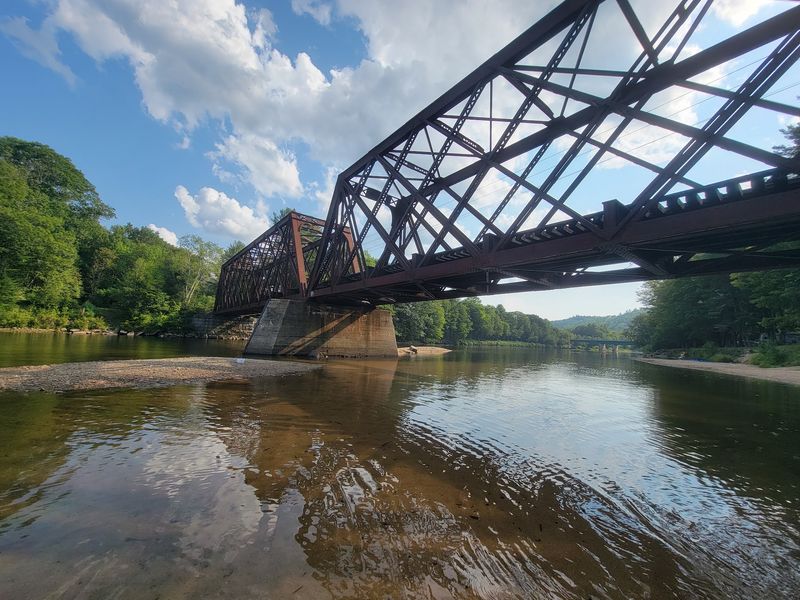
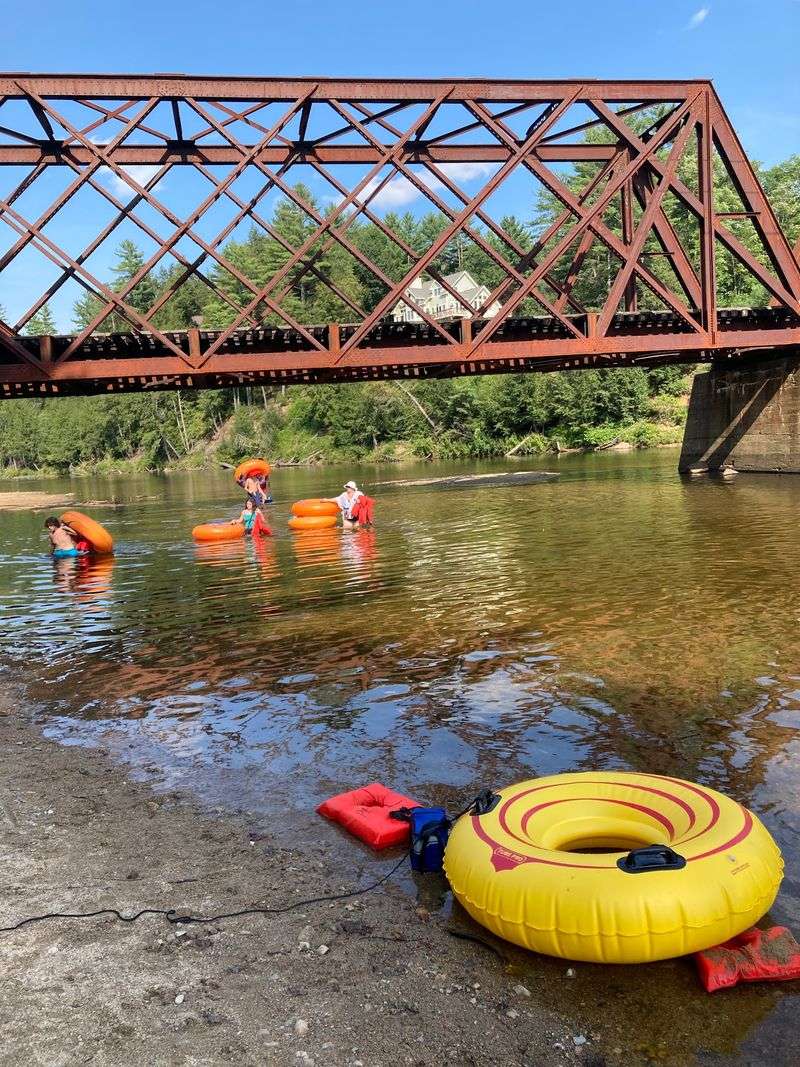
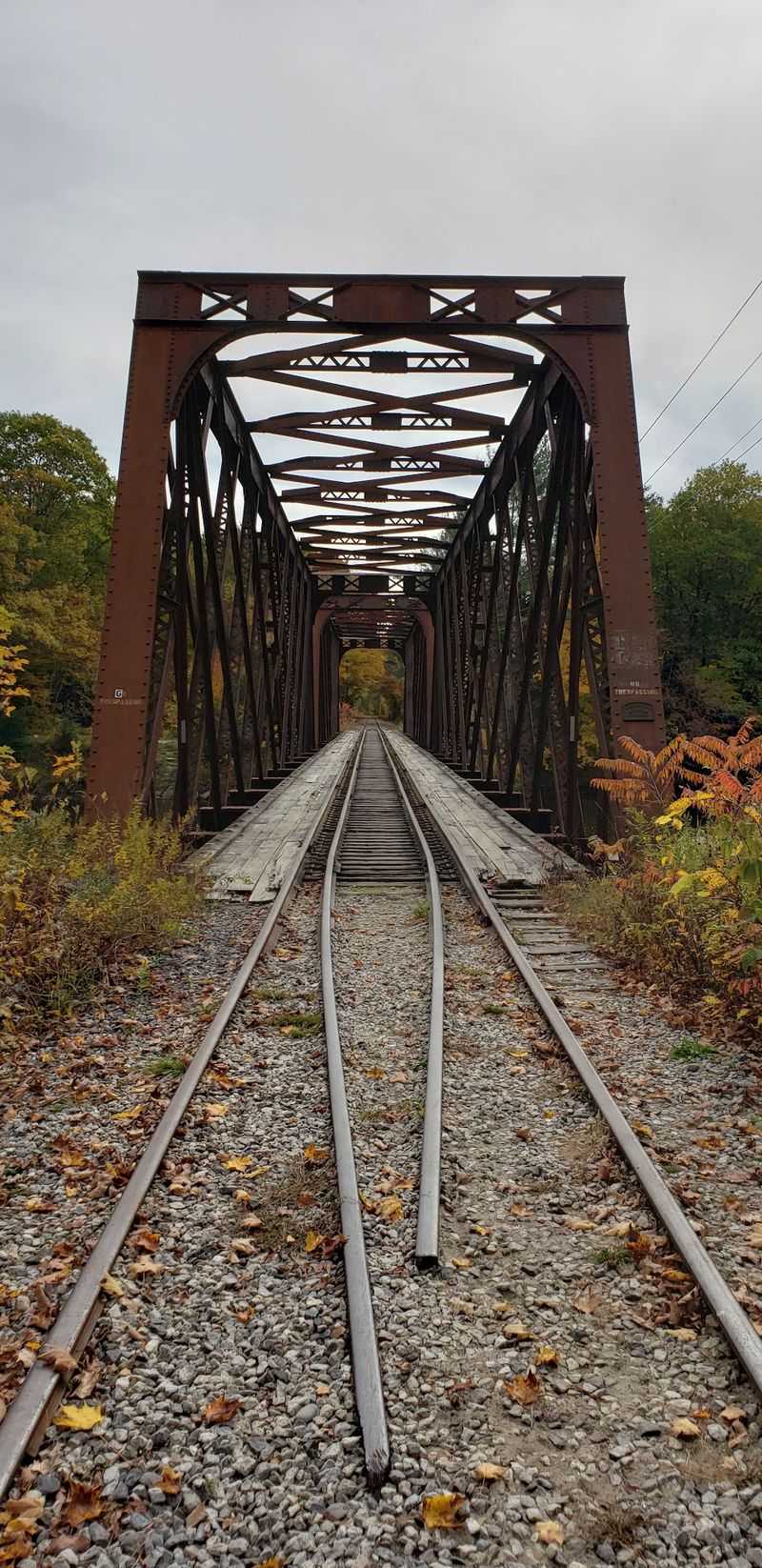
Near the end of the float, a bridge appears. Suddenly the whole group gets quiet, then loud.
Jumping from the trestle into the deep pool below has become a rite of passage for teens floating the Pemigewasset. Reviewers mention it constantly, usually with the phrase “if you dare.”
The pool sits close to the campground beach, so parents can watch from a towel on the sand. Some jump.
Most photograph.
Depth and safety change with water levels, so checking with staff first matters. What worked last August might not work this July.
Little kids climbing high is a genuine concern, and supervision belongs in every adult’s plan. The rocks below are real, and river bottoms shift.
Plenty of visitors skip the leap entirely and float past. The stretch of water there is one of the prettiest along the Pemi, with pines leaning in from both banks.
Either choice ends the same way. Everyone drifts the last few yards to the beach at Pemi River Campground, grinning and shivering slightly.
When The Water Runs Low
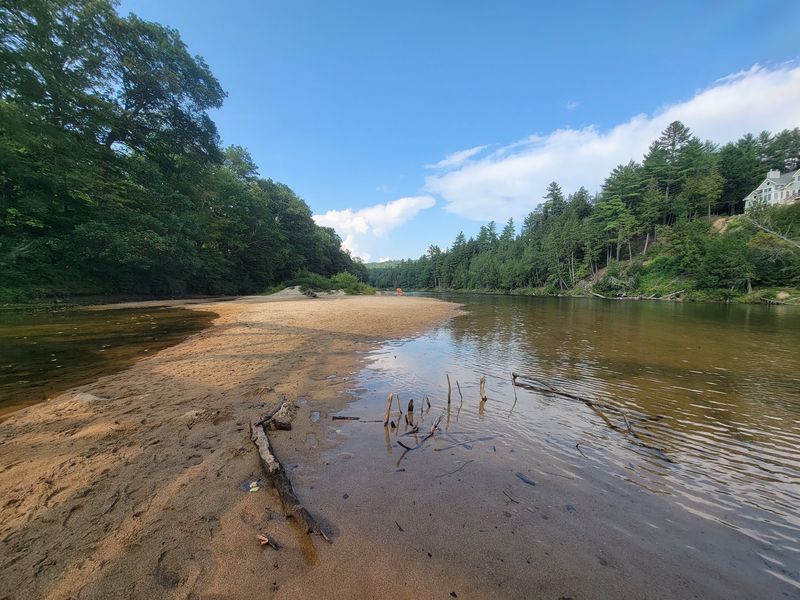
Rain rules everything here. During a dry August, the Pemigewasset can drop until tubing simply does not make sense.
The campground has been known to pause river trips during those stretches, because a three-hour float can stretch toward six when the current stalls. Frustrating for anyone who drove an hour, but honest.
Calling ahead saves the day. Conditions on the Pemi change daily, and staff can describe what the river is actually doing.
Low water is not wasted water, though. Shallow runs turn into wading pools and swimming holes perfect for hot afternoons.
Sandy patches along the bank near Pemi River Campground work well for picnics and rock hunting. Kids find plenty to do in ankle-deep current.
Some visitors switch plans entirely and head for a hike in the surrounding White Mountains instead. Flexibility is the real Thornton camping skill.
After a good soaking rain, flow usually picks back up within days. Timing a visit after wet weather improves the odds considerably.
Patience pays off on this river.
Herons, Beavers, And Other Neighbors
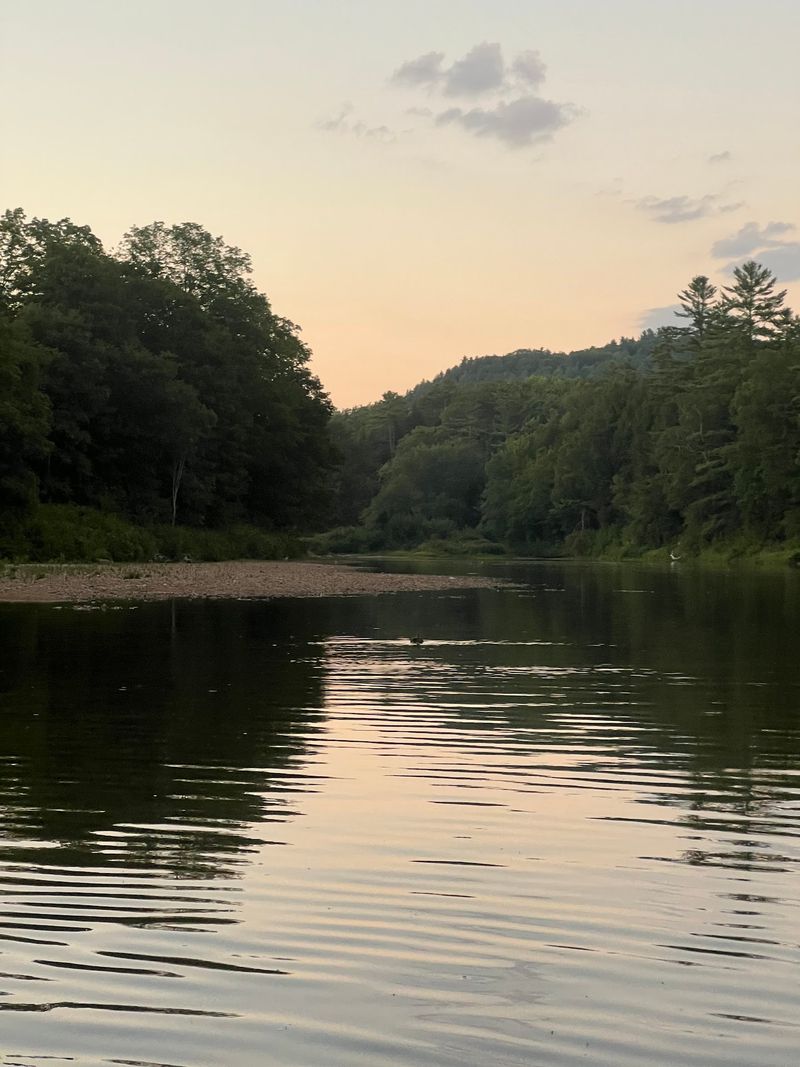
Look up at the right moment and something with a serious wingspan glides overhead. The Pemigewasset supports a healthy cast of wildlife, and floating quietly is a surprisingly good way to see it.
Great blue herons stalk the shallows with slow, deliberate steps. Kingfishers rattle past, all noise and no patience.
Ospreys and bald eagles have been reported hunting these waters, drawn by fish in the clear runs. Their presence hints at a river in decent health.
Along the banks, beaver activity shows up in chewed stumps and stacked branches. White-tailed deer sometimes appear at the forest edge near dawn.
Early morning floats offer the best chance at sightings, before the river fills with laughter and splashing. Wildlife keeps its own schedule.
Riparian zones here mix wetland, gravel bar, and mature pine forest. That variety explains the range of species along the Pemi.
Binoculars are awkward on a tube, so a waterproof pouch helps. Keep phones dry and eyes moving.
Wildlife encounters are never guaranteed, but the odds are pleasant.
Paddles, Rods, And Other Ways To Play
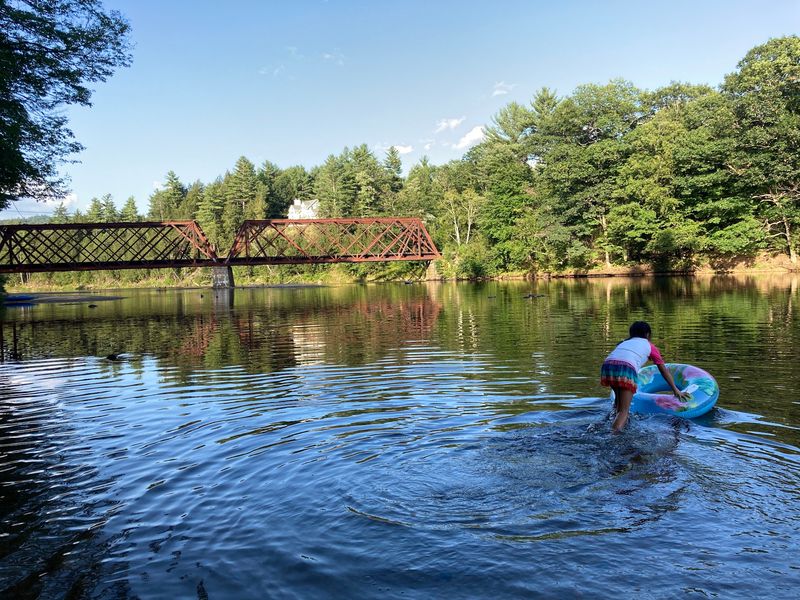
Tubes are only the opening act. The Pemigewasset also welcomes kayaks, canoes, and paddleboards along its slower stretches.
Rentals are typically available at Pemi River Campground, so gear does not need a roof rack. Paddling gives a different view, higher up and faster moving.
Anglers take the river seriously. Brook trout and rainbow trout favor the cold, oxygen-rich water, while bass hold in warmer pools.
New Hampshire fishing licenses apply, and regulations change, so checking current rules before casting is wise. Early morning is prime time.
Swimming near the campground beach draws the biggest crowds on hot afternoons. Water temperature stays bracing even in late July, which is precisely the appeal.
A playground and horseshoe pits handle the between-float hours. Nothing fancy, just enough to keep energy busy.
Canoeing does require attention, since downed trees can appear after high water. Scouting ahead and asking about obstacles is part of a good trip.
The Pemi rewards people who mix activities rather than sticking to one.
Glaciers Did The Landscaping
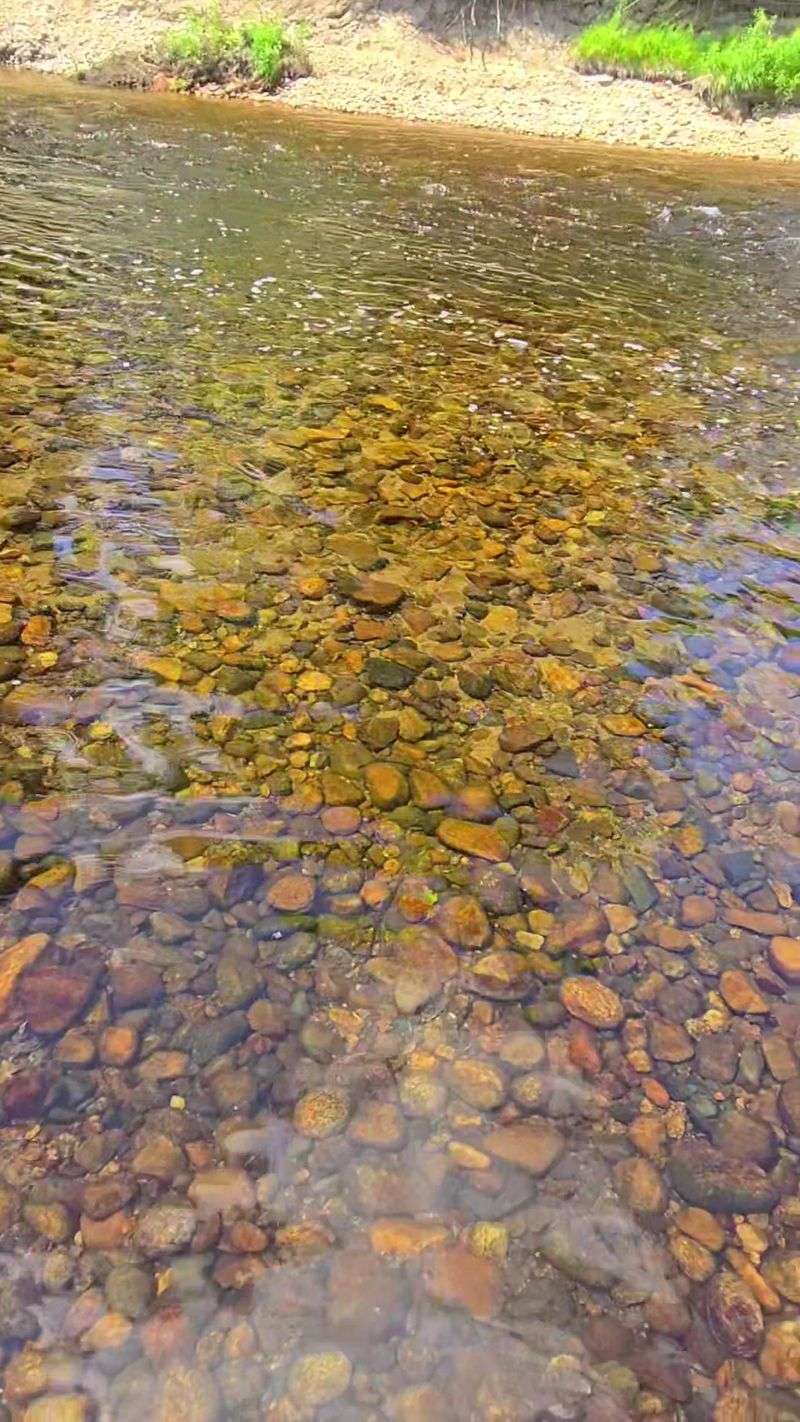
Ice built this valley long before anyone thought to float it. The Pemigewasset River carved its path through terrain shaped by retreating glaciers and enormous volumes of meltwater.
Sand and gravel deposits line the valley floor, forming terraces and outwash plains. Those gravel bars floaters walk across are ancient leftovers.
The river rises near Profile Lake in Franconia Notch, then drops steadily south. Lowlands and mountains alternate along the way.
Its name comes from the Abenaki language, generally translated as something close to “where the side current enters.” Descriptive people, clearly.
Before roads reached these mountains, waterways like the Pemi served as travel routes. Movement followed water, not pavement.
Today the river still supplies water to communities across central New Hampshire. Recreation is only one of its jobs.
Understanding that backstory changes a float slightly. The stones underfoot near Thornton carry a longer history than the campground beside them.
Geology rarely gets mentioned in vacation planning, yet it explains why this stretch floats so well.
Packing Smart For Three Hours Afloat
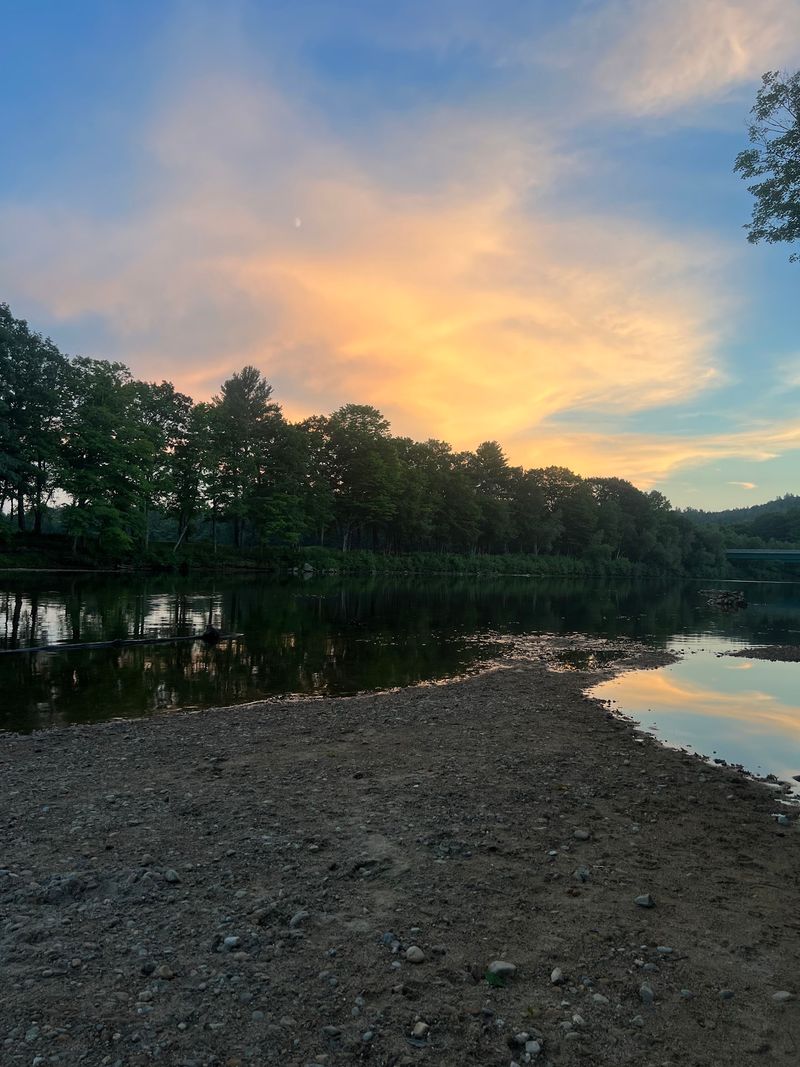
Water shoes first, everything else second. Riverbeds along the Pemigewasset are stony, and walking a shallow section barefoot ends the fun quickly.
Sunscreen matters more than people expect, since water reflects light straight up. Reapplying halfway through the float is a reasonable habit.
Snacks and drinking water keep energy steady across a multi-hour drift. Floating rafts sized for coolers are often sold at the campground store.
Bungee cords deserve a spot in the bag. Linking tubes together keeps a group from scattering around every bend.
Anything electronic belongs in a sealed dry bag. Tubes flip, and the Pemi shows no mercy toward phones.
A hat, sunglasses with a strap, and a lightweight shirt help during long sunny stretches. Shade comes and goes.
Arriving earlier in the day, especially on weekends, means shorter waits and calmer water. Afternoons get social.
Trash goes home with you, without exception. The clarity of this water depends on visitors treating it carefully.
Small preparations turn a decent afternoon into a great one.
Why Families Keep Coming Back
Ask around the campground and someone will mention their eleventh summer here. Repeat visits define this place more than any single feature.
The mild character of the Pemigewasset near Thornton suits mixed-age groups. Teenagers chase the bridge jump while younger kids splash in the shallows.
Fishing, swimming, and tube racing fill a day without anyone needing a schedule. Boredom rarely gets a foothold.
Seasonal campers add a neighborhood feel, offering directions, spare marshmallows, and occasionally a golf cart ride. That familiarity is part of the draw.
Kid-friendly is the official label, and the layout backs it up. Flat roads, a beach, and a playground cover most needs.
Parents should still watch the water closely. Current strength varies, and even a calm river deserves respect.
Many families schedule the same week each year, turning the Pemi into a personal tradition. Photos from the same bend stack up over the years.
Kids grow, the river keeps moving, and the ritual holds.
Choosing The Right Week To Visit
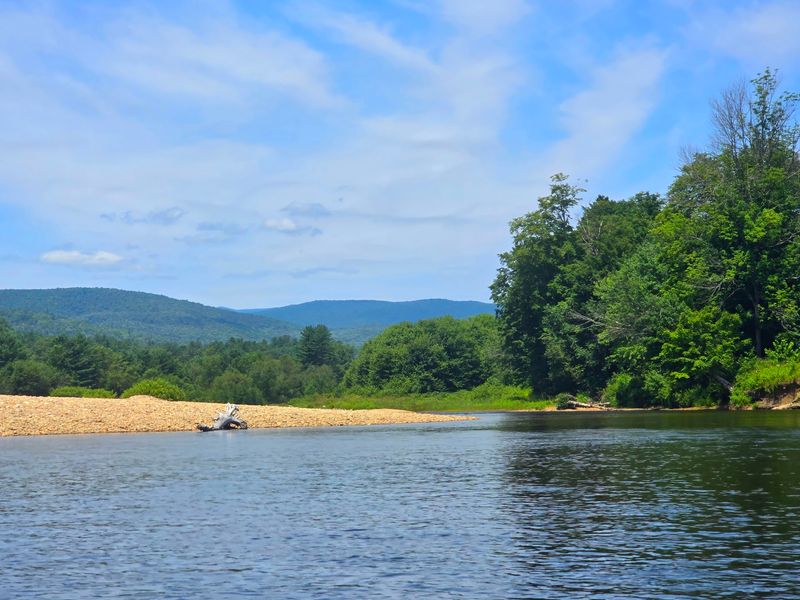
July and August own the tubing calendar. Water temperature climbs into comfortable territory, and daylight stretches late.
Late June can work after a wet spring, when flow on the Pemigewasset stays strong. Higher water means quicker floats.
Deep summer brings the low-water gamble. A rainy stretch fixes it fast, so watching the forecast pays off.
Weekday visits feel noticeably calmer than Saturdays. Crowds on the beach near the campground thin out midweek.
Early September holds a quiet appeal, with warm afternoons and fewer people, though river trips may wind down. Confirming availability first avoids disappointment.
Autumn transforms the surrounding White Mountains into a color show, and the valley near Thornton catches plenty of it. Floating gives way to hiking and driving.
Reservations for riverfront sites disappear early in the season. Booking well ahead is the practical move.
Communication with the campground can be slow during busy periods, so persistence helps. Trying more than one method is reasonable.
Timing shapes the whole experience on this river.
Unplugging Without Really Trying
Three hours on a tube does something to a brain. Notifications become irrelevant, mostly because phones stay zipped in dry bags.
Sound narrows down to water over stones, wind through pines, and the occasional bird. The Pemigewasset does not compete for attention.
Rushing is impossible. The current sets the speed, and arguing with it accomplishes nothing.
Cell service in this part of New Hampshire can be patchy anyway, which quietly solves the problem. Nobody complains once they are floating.
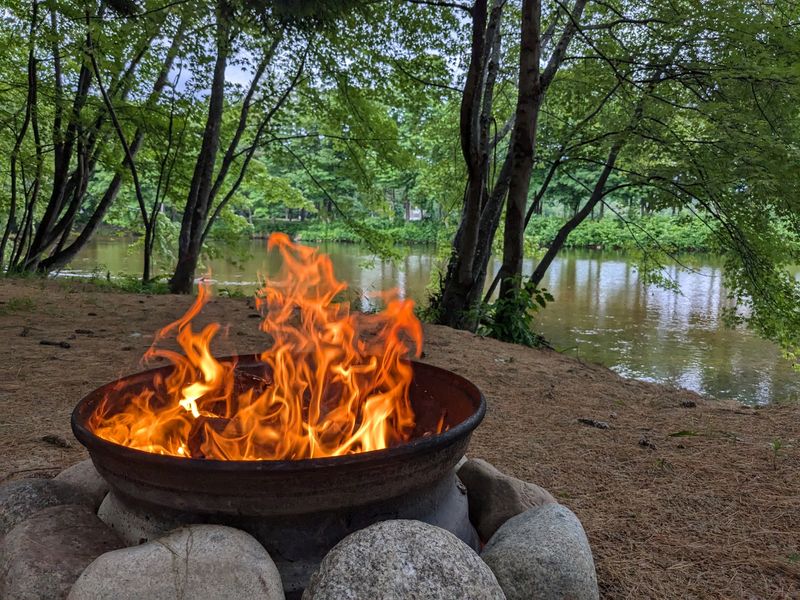
Campers describe evenings by the water as the real reward, with a fire going and the river running past the site. Simple, repeatable, hard to beat.
Mornings bring mist over the surface and almost no noise. Coffee tastes better beside moving water.
The stretch near Pemi River Campground offers steady views of forested banks and distant ridges. Scenery arrives without effort.
Nothing about the day feels engineered for entertainment, and that is the point. Rivers have been doing this job for a very long time.
Float once, and the appeal of a locals-only secret makes perfect sense.