
Take A Delaware State Park Trip Where Shark Sightings And Scarce Parking Add To The Adventure
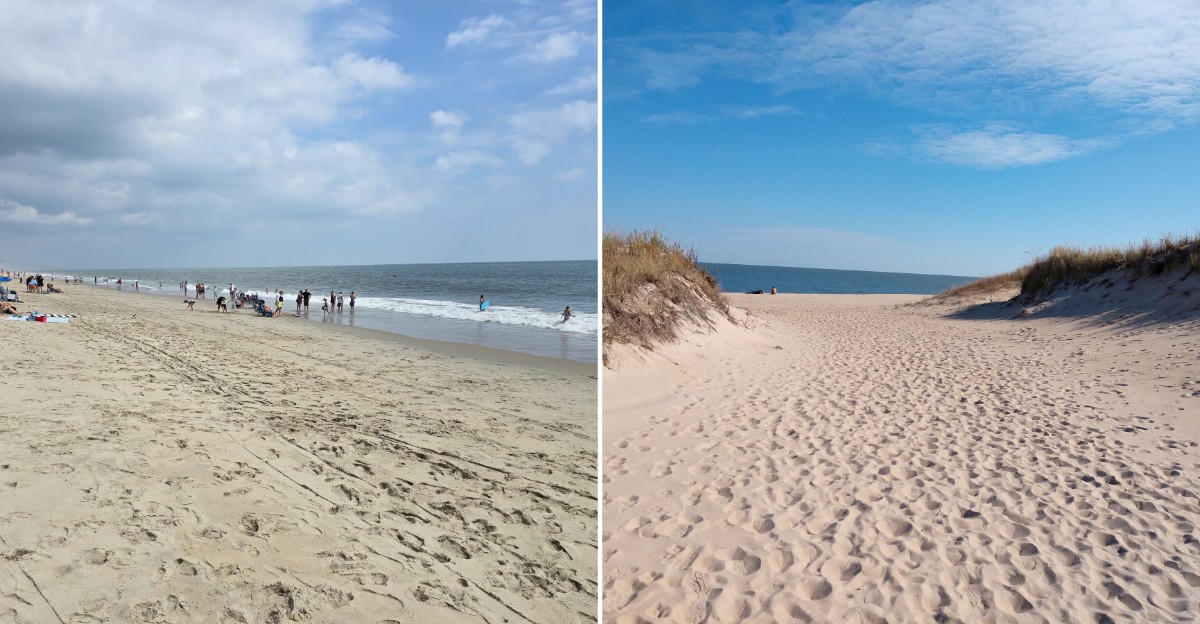
Sand, surf, and a fin cutting through the water are not what most people picture on a quiet beach day. Delaware has a state park where that scene is part of the draw.
Lifeguards scan the waves while swimmers keep one eye on the horizon. Sharks cruise the shallows now and then, and the sightings add a little thrill to every visit.
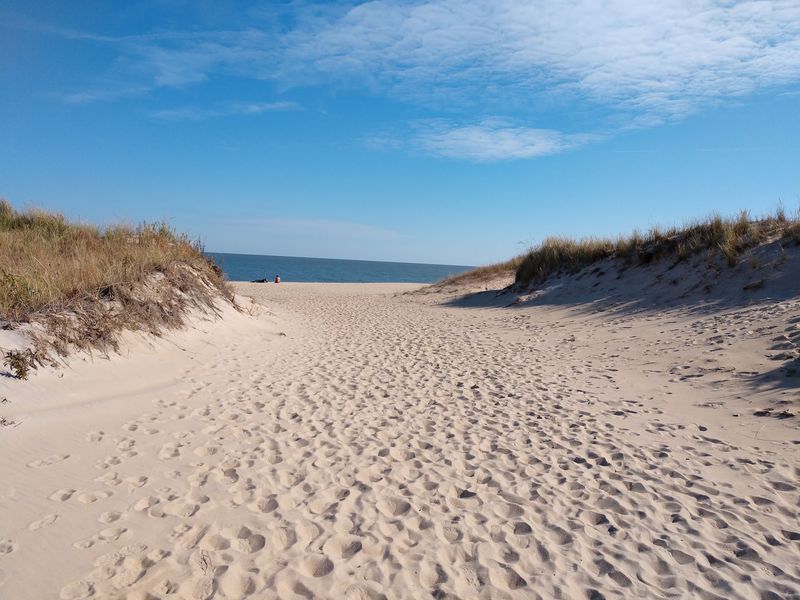
Dunes roll back from the shoreline, topped with swaying grass and wooden walkways. Anglers line the surf at dawn, casting into the breakers.
Parking lots fill early on summer weekends, so arriving before mid-morning makes the day easier. Cars circle for spots while beachgoers unload coolers and umbrellas.
Those who find a space settle in for hours of sun and salt air. Rangers share tips on safe swimming and what to do if a fin shows up.
A little patience at the gate is a small price for an adventure like this one.
Where The Bay Meets The Ocean
Back in 1682, William Penn made a bold call. He declared the beaches here public land, so everyday people could always enjoy them.
That makes this one of the earliest public lands in what later became the United States. Talk about a guy who planned.
The area officially became a state park in 1964, and it has grown into a 5,450-acre playground.
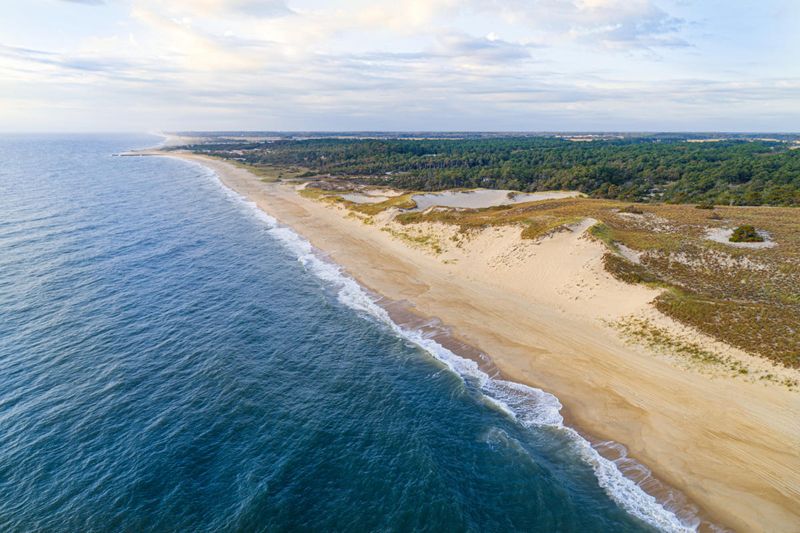
Cape Henlopen State Park sits right where the Delaware Bay meets the Atlantic Ocean. The bay side tends to be calmer, while the ocean side brings bigger waves.
Choosing a side is half the fun.
The landscape here is not just sand and water. Barrier dunes shift and roll with the wind.
Maritime forests full of pine trees offer shade when the sun gets intense.
Tidal salt marshes add another layer, buzzing with birds, crabs, and fish. All these habitats sit side by side, which means the scenery changes every few minutes on a walk or bike ride.
Families can swim, surf, fish, hike, or simply flop down on a towel. Nobody is checking your adventure level at the gate.
It works for a lazy afternoon just as well as a full day of exploring.
Plan a full day, pack snacks, and bring layers for breezy evenings. You will find this coastal gem at 15099 Cape Henlopen Dr, Lewes, DE 19958.
Sharks Swimming Closer Than You Think
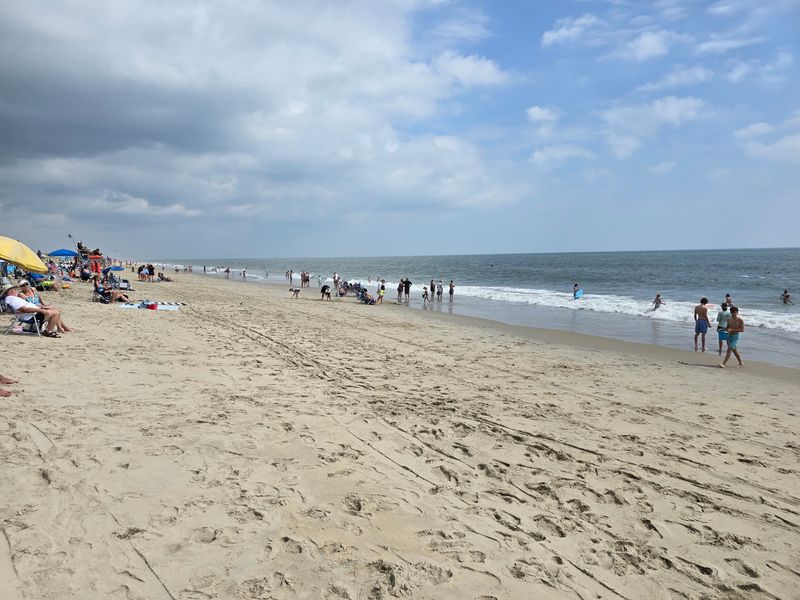
More than a dozen shark species may swim near the Delaware coast. That fact alone makes a quick dip feel a bit more exciting.
The usual suspects include sandbar sharks, spiny dogfish, smooth dogfish, sand tiger sharks, and even Atlantic makos. Most of them want nothing to do with people.
They are busy hunting fish, not chasing beach balls.
Still, the park has had its headline moments. In June 2020, a 12-year-old boy got a suspected shark bite at Herring Point, likely from a sandbar shark.
The beach closed for a while, and the boy recovered.
That same month, a swimmer at the drive-on beach made news for a different reason. He grabbed an 8-foot sand tiger shark and released it after removing a hook.
Rangers watched the whole thing, which must have been quite the show.
Here is some comfort for nervous swimmers. Delaware has recorded only four confirmed unprovoked shark attacks since 1837, and none were fatal.
You are far more likely to lose a flip-flop to the waves.
Most encounters happen during surf fishing, when bait draws sharks close. Fishing for sharks is illegal, and any caught must go back quickly.
Protected species like sandbar and sand tiger sharks cannot even be lifted out of the water.
So swim smart, avoid areas with active fishing, and enjoy the thrill of sharing the ocean.
The Great Parking Spot Hunt
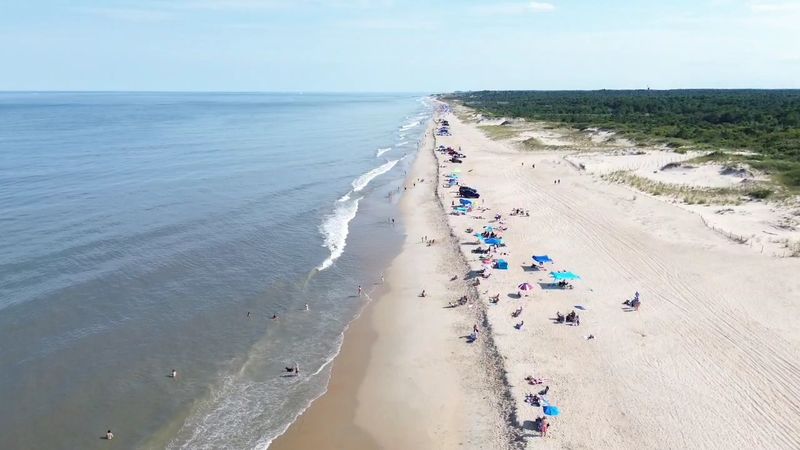
Think of summer parking here as a game show. The prize is a spot near the sand, and the competition shows up early.
On peak weekends, lots fill up completely. Gordons Pond is especially popular, so it often runs out of room first.
Even the large lot at the South Inlet Day Area can hit capacity on busy days.
The best strategy is simple. Arrive early, especially on weekends or holidays.
A sunrise start also brings cooler air and quieter beaches, which feels like a bonus round.
Paved parking sits near several key spots. Look near the ferry terminal, the bait shop and pier, Fort Miles, the Nature Center, and the environmental center.
Herring Point Parking and The Point parking lot are other options.
Having a backup plan helps a lot. If one lot is packed, another area of the park might still have space.
Keep a map handy so you do not waste time circling like a lost seagull.
Weekdays and shoulder seasons make things much easier. Spring and fall bring fewer crowds, mild weather, and far more open spots. The beaches feel calmer too.
Some visitors skip the stress by biking into the park from nearby Lewes or Rehoboth. Pedal power never needs a parking space.
Whatever you choose, patience and an early start will save your beach day.
The Point And Its Feathered Residents
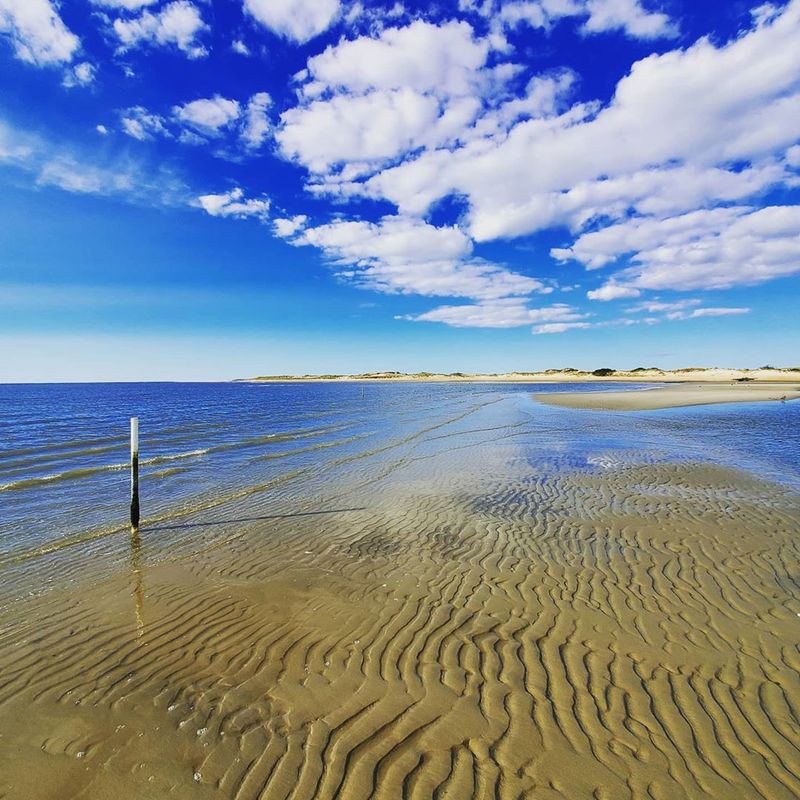
Imagine standing on the very curled tip of Delaware. Water stretches out on both sides, with the bay on one hand and the ocean on the other.
That is The Point, one of the most striking spots in the whole park. The views here go on and on.
Ships drift past, waves meet in swirling patterns, and the sky feels enormous.
Bird lovers treat this place like a treasure chest. Shorebirds feed along the edges, and binoculars come in handy for spotting distant flocks.
Even casual visitors start pointing at wings.
There is an important catch, though. The Point closes from March to September to protect nesting endangered birds.
During those months, the birds get the beach all to themselves.
It might feel disappointing to miss summer access. Remember that those tiny chicks need quiet sand to survive.
Your patience helps a whole new generation of birds hatch and grow.
Fall and winter visits pay off in a big way. The crowds thin out, the air turns crisp, and the walk feels almost private. Migrating birds often stop by too.
Wear sturdy shoes, since the sandy walk can tire your legs. Bring a windbreaker, because breezes here can be strong. A camera is a must for the wide, open views.
Climbing Old World War II Towers
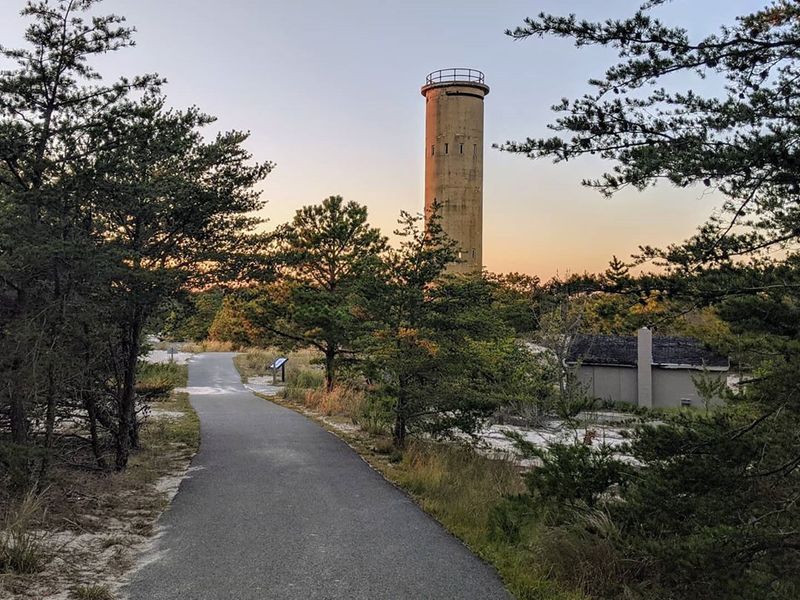
Tall concrete towers rise from the dunes like giant chess pieces. They look a little mysterious, and they have a great backstory.
During World War II, these structures served as fire control towers. Soldiers inside watched the sea for enemy ships and helped aim big coastal guns.
Their job was to protect the busy Delaware Bay.
Today, visitors can climb to the top of select towers. The stairs give your legs a workout.
The reward is a full 360-degree view of the coastline.
From up high, the park looks like a living map. You can trace beaches, dunes, forests, and marshes all at once.
On clear days, lighthouses stand out offshore.
Those lighthouses have stories too. The Harbor of Refuge Light and the Delaware Breakwater East End Light guard the waters today.
They replaced the old Cape Henlopen Light, built between 1767 and 1769.
That original lighthouse was one of the first on the Atlantic Coast. A storm damaged it, and it finally tumbled into the ocean in 1926.
Nature always seems to win around here.
Bring water and take your time on the climb. Kids usually race ahead, so keep an eye on little ones.
Once at the top, pause and picture soldiers scanning these same waves decades ago.
Secrets Hidden At Fort Miles
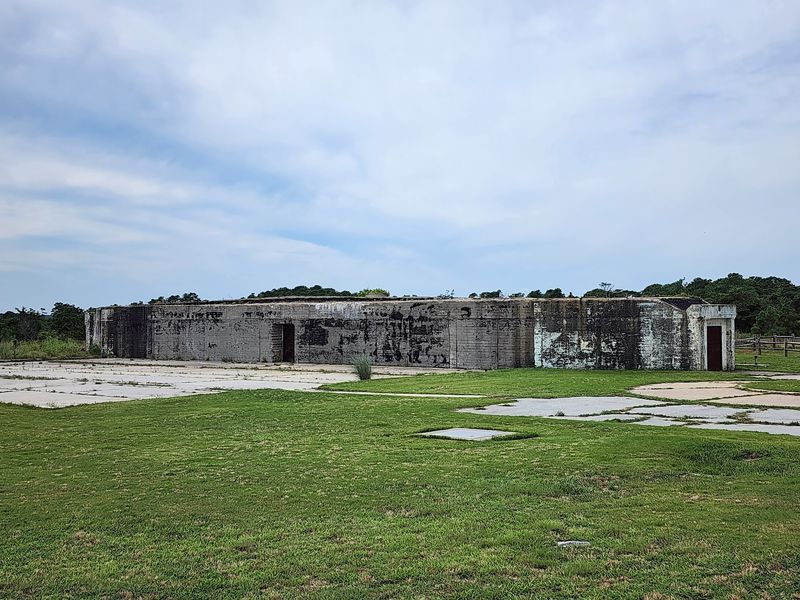
Some of those grassy dunes are not exactly natural. Soldiers raised them to hide guns, ammunition, and bunkers from enemy eyes.
That sneaky trick belongs to Fort Miles, a major military base built during World War II. Cape Henlopen served the U.S. military from the American Revolution all the way through that war.
Few beaches can claim such a long resume.
The Fort Miles Historical Area brings that past to life. Huge cannons sit in the Fort Miles Artillery Park, and they are bigger than most people expect.
Kids love to stand next to them for photos.
Battery 519 is the star attraction for many history fans. This massive bunker hides inside a dune and houses the Fort Miles Museum.
Exhibits explain how the base guarded the coast.
Several old barracks still stand nearby as well. Walking past them, it is easy to imagine soldiers marching, eating, and waiting for news.
The quiet setting makes the history feel close.
Plan a solid chunk of time here, especially for curious kids. Read the signs, ask questions, and let imaginations run wild. History class never looked this cool.
This area is a smart choice on cloudy or windy days. When the beach seems less inviting, the bunkers offer a fascinating alternative.
Trails Bikes And Flying Discs
Got restless legs? About 10 miles of biking trails wind through the park, and they come in every flavor.
Smooth paved paths show off salt marshes and dunes. Bumpier dirt trails give adventurous riders a thrill.
The 5.8-mile Junction and Breakwater Trail is a favorite paved route. Serious riders can tackle the 16-mile Regional Loop, also called the Grand Loop. No bike?
The Seaside Nature Center runs a Borrow-A-Bike program.
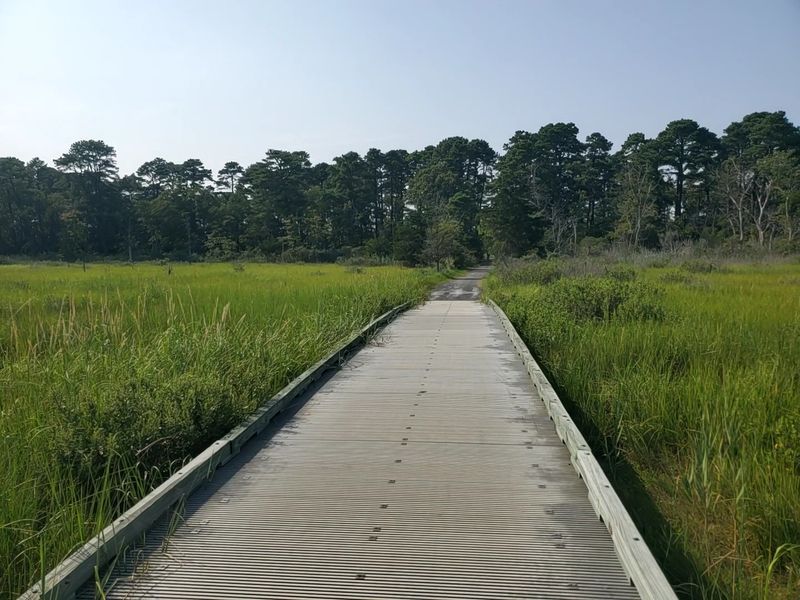
Gordons Pond Trail deserves its own spotlight. It runs about 3 miles one way, with scenic overlooks and an elevated boardwalk over the marsh.
Access points sit at both the Rehoboth and Lewes ends.
The Walking Dunes Trail offers something unusual. Hikers move across rolling sand hills that shift with the wind. Your calves will definitely notice.
Then there is the 18-hole disc golf course, which might be the most playful spot in the park. Pine trees and dunes act as natural obstacles.
Expect at least one disc to vanish into the brush, and expect laughter when it does.
Bring bug spray for forest and marsh areas. Pack plenty of water too, since shade can be limited on open stretches.
Touch Tanks Fishing And Campfire Nights
Ever wanted to gently poke a sea creature without getting soaked? The Seaside Nature Center makes that possible with its hands-on touch tank.
Exhibit tanks show off local fish and their habitats. A live Osprey camera lets visitors watch these big birds at home.
There is also a classroom for nature programs.
Anglers have their own happy place on the bay. The fishing pier stays open around the clock all year.
A bait and tackle shop sits right there, so forgetting worms is no disaster.
Herring Point attracts surfers who chase the ocean swells. Watching them wipe out is free entertainment. Watching them nail a wave is even better.
The Beach Plum Nature Preserve protects wild dune and marshland. Shorebirds and horseshoe crabs depend on it, so most areas stay off-limits.
Admire it from permitted spots and give wildlife space.
Want more than one day? The campground offers RV sites, tent sites, and rustic cabins.
Electric and water hookups, picnic areas, and restrooms make life easy, and youth groups can use primitive sites.
Falling asleep to ocean sounds beats any alarm-clock app. Waking early also means first dibs on beaches and trails before the day crowd rolls in. It is the ultimate parking hack.