
Take A Road Trip To This Laid-Back Alabama City That Once Served As The State Capital
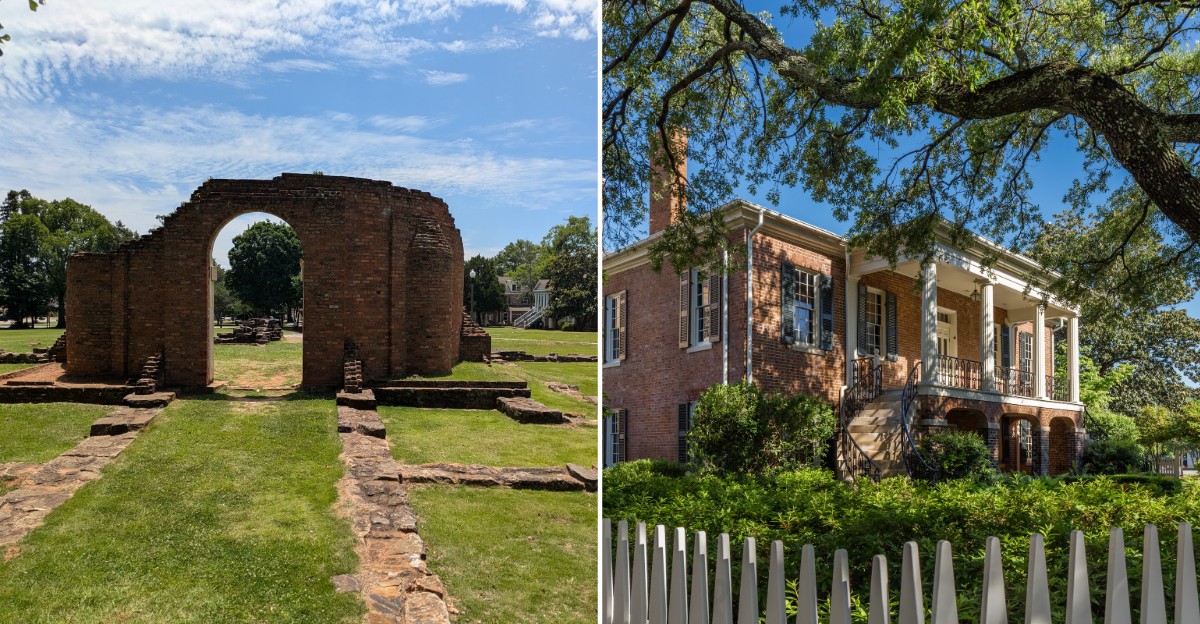
A state capitol once stood here, and today its stone foundation and two small columns sit quietly in a public park. You can stroll right up to them, no ticket required.
The building had a second life after the lawmakers left. It became a women’s college until a fire in 1923 brought it down.
Faulty wiring was the culprit, which feels painfully modern for such an old story.
I mostly care about places where history sits out in the open. It is not just about plaques and dates.
I usually look for towns where the past still shares space with good food and easy walks.
This Alabama city delivers all three. There’s a riverside trail, a free art museum, and ribs with a fan club older than most grandparents.
So how did a capital end up as one of the most relaxed road trip stops in the South?
Stand Where Lawmakers Once Argued In A Grand Stone Capitol
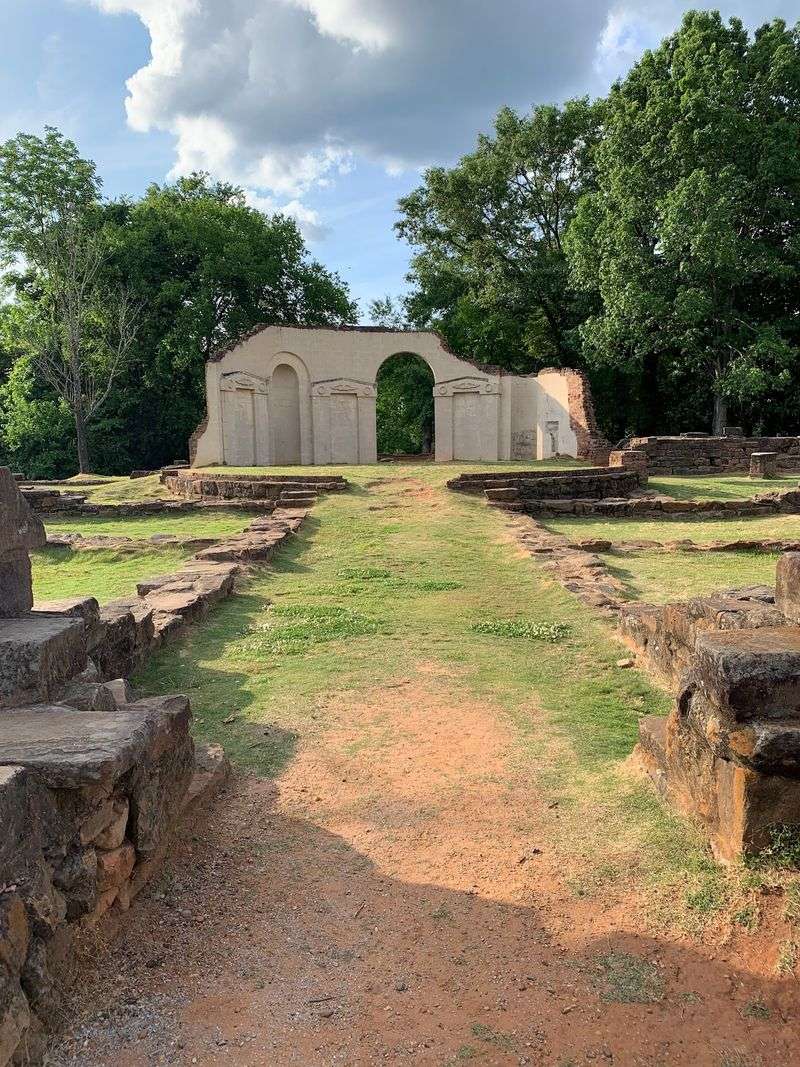
For twenty years, Tuscaloosa, Alabama, ran the whole state. The capital sat here from 1826 to 1846, after stints in Huntsville and Cahaba.
Architect William Nichols designed the capitol building that stood on this spot. Today the site is Capitol Park, at 2828 Sixth Street, and it’s free to explore.
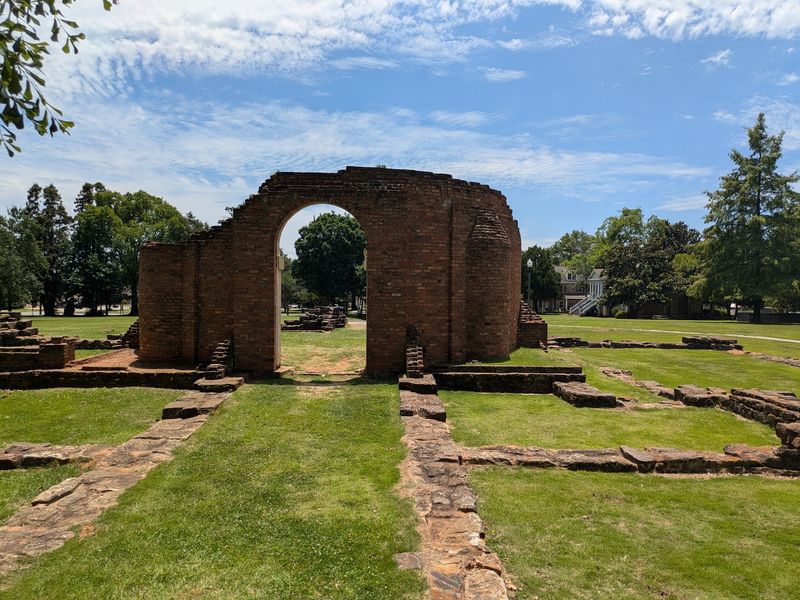
So what’s left? A stone foundation and two small columns mark the outline of the old building.
The story didn’t end when the government packed up for Montgomery in 1846. The building became home to the Alabama Central Female College for decades afterward.
Then came August 22, 1923. A fire caused by faulty wiring brought the structure down, leaving only the ruins you see today.
That makes the park feel like a history lesson without walls. You can walk the footprint and picture the scale for yourself.
Bring comfortable shoes, because the park does double duty. The western end of the Tuscaloosa Riverwalk begins right here.
That means you can start with the 1800s and finish beside the river. Not a bad way to open a road trip, right?
Follow The River On A Path That Practically Begs For A Stroll
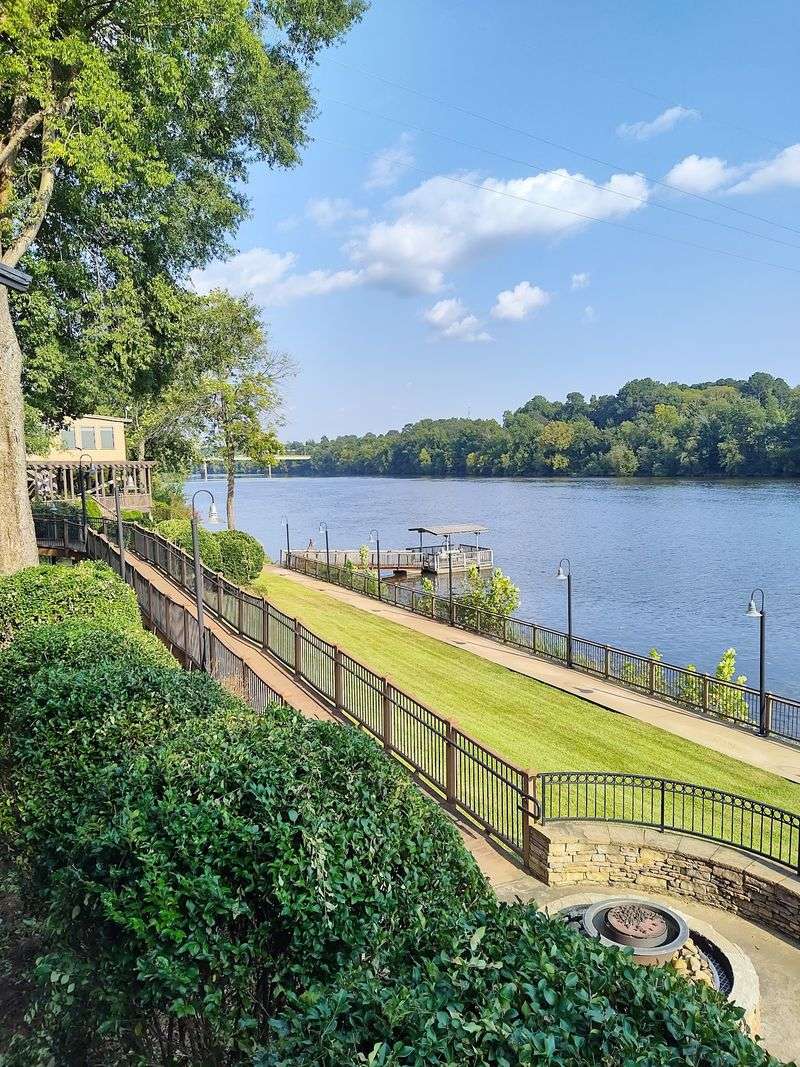
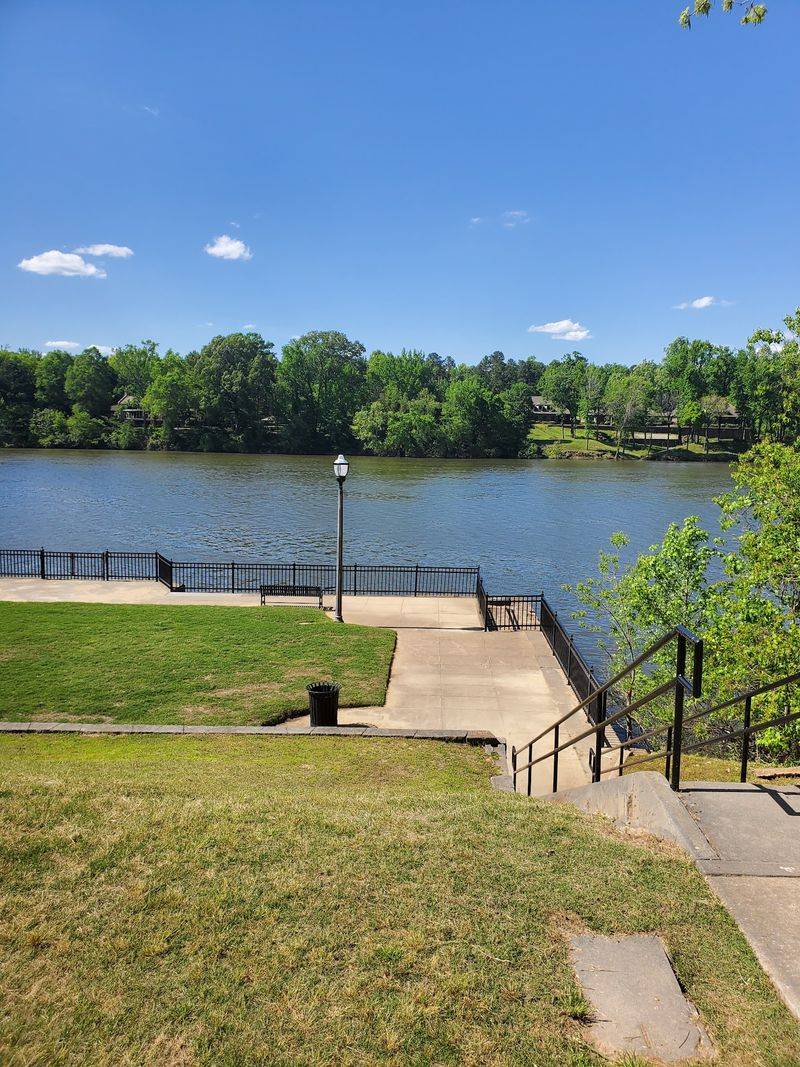
Four and a half miles of pavement hug the Black Warrior River here. The Tuscaloosa Riverwalk handles walkers, joggers, and cyclists with equal ease.
One handy starting point sits at 2710 Jack Warner Parkway. Another option is Capitol Park, where the trail’s western end begins.
Families get plenty to work with along the way. The path includes playgrounds, picnic areas, and scenic overlooks.
That mix keeps everyone happy. Kids burn energy on the swings while grown-ups enjoy the water views.
The trail is paved, so you won’t need hiking boots or trail maps. Sneakers and a water bottle will do the job nicely.
Cyclists can cover the full stretch without much fuss. Slower walkers can pick a short section and still feel like they saw something.
Hungry after all that movement? The River, an upscale Southern restaurant led by award-winning chef Phillip Huver, sits directly on the Riverwalk.
That’s convenient planning if you ask me. Walk a few miles, then reward yourself with a riverside meal.
Pack a picnic blanket on a nice day. The overlooks make easy spots to pause and watch the river drift by.
An 1820s Inn Hosted A Governor And Then Moved House
Buildings usually stay put. The Old Tavern Museum did not, and that’s part of its charm.
Built in 1827, it served as an inn and gathering place near the capitol. Travelers and officials crossed paths inside its walls during Tuscaloosa’s capital years.
It even worked as a temporary home for Governor John Gayle. Think of it as early official housing, minus the fancy mansion.
In 1964, the Tuscaloosa County Preservation Society moved the building to its current location. That effort saved a rare piece of early city life.
Today the restored inn offers a glimpse into how people lived back in the 1820s. It pairs perfectly with a visit to the capitol ruins.
Here’s a smart plan for history fans. See Capitol Park first, then visit the tavern to fill in the human side of the story.
The ruins show you the scale of government. The inn shows you where people actually slept, ate, and talked politics.
Check hours before you go, since small museums can keep limited schedules. A quick look ahead saves a disappointing drive.
Old inn, new location, same stories. That’s a pretty good trade.
Columns, Gardens, And An 1835 Mansion Worth Slowing Down For
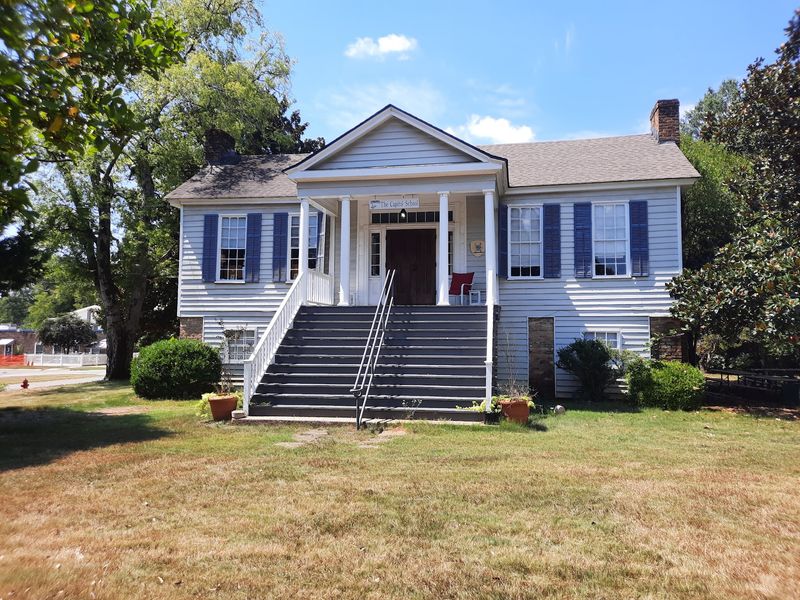
White columns tend to make people stop and stare. The Battle-Friedman House has earned plenty of stares since 1835.
This antebellum home sits at 1010 Greensboro Avenue in Tuscaloosa. It blends Federal and Greek Revival architectural styles.
The house is listed on the National Register of Historic Places. That recognition puts it among the most important buildings in the city.
Its grounds were once a popular visiting spot in town. Walking them today gives you a sense of how long people have admired this corner of Tuscaloosa.
Architecture buffs will enjoy spotting the mix of styles. Federal details lean neat and balanced, while Greek Revival brings bold, temple-like drama.
Not an architecture person? No problem at all.
The house still makes a lovely backdrop for photos and a calm break from the car.
Nearby, the Jemison-Van de Graaff Mansion adds another chapter to the area’s historic home collection. Seeing both helps you compare different eras of local building.
Plan your stop around tour availability if you’d like to see inside. Schedules can shift, so a quick check is wise.
Either way, those columns will get your camera out.
Campus Has A Survivor Story And A Museum Older Than The State’s Others
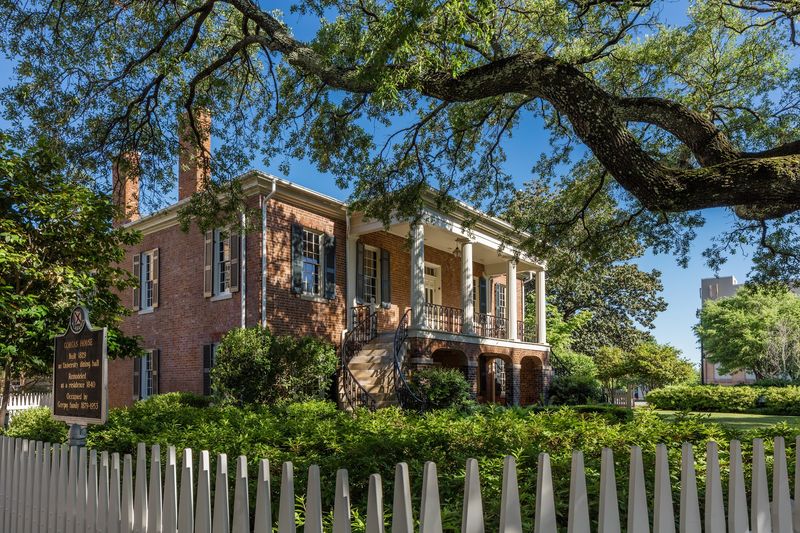
Only four main buildings made it through 1865 on the University of Alabama campus. The Gorgas House Museum is one of them.
Built in 1829, it’s the oldest structure on campus. You’ll find it at 810 Capstone Drive, filled with period furnishings and family heirlooms.
The university itself opened in 1831, while Tuscaloosa was still the capital. So the school and the capital years overlap neatly.
Next, swing by the Alabama Museum of Natural History. It holds the title of oldest museum in the state.
Fossils and minerals fill its exhibits and specimen collections. Kids who love dinosaurs and shiny rocks will be very busy.
Football fans can also admire Bryant-Denny Stadium, home of the Crimson Tide. Even on a quiet weekday, it’s an impressive sight.
Campus makes a great half-day outing. Park once, then explore on foot between historic buildings and leafy lawns.
Game days change the mood completely, so plan carefully. A calmer weekday visit makes parking and wandering much easier.
One campus, two centuries of stories. Not bad for a single afternoon in Alabama.
Free Art, Folk Studios, And A 1938 Theater All Within Easy Reach
Over 2,000 pieces of art, and admission costs nothing. That’s the deal at the Paul R. Jones Museum.
Located at 2308 6th Street downtown, it holds one of the largest collections of 20th-century African American art in the world. It also hosts exhibitions, lectures, concerts, and workshops.
Just a few blocks away, the Bama Theatre pairs a sleek moderne exterior with a dreamy interior modeled on a Renaissance courtyard in Florence. Built in 1938, it still offers live performances and film screenings.
Catching a movie in a building that old feels like time travel with popcorn. Check the schedule, since events change regularly.
Cross the Black Warrior River to reach the Kentuck Art Center in Northport. It sits at 503 Main Avenue and anchors the region’s folk art scene.
Working artist studios and rotating exhibitions keep things fresh. You might leave with a new favorite artist, or at least a new idea.
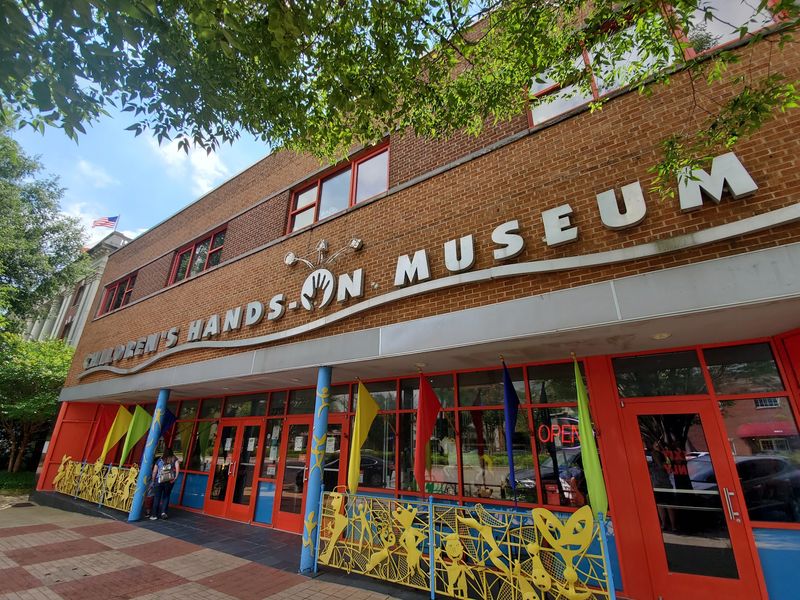
Families with younger kids should know about the Children’s Hands-On Museum. Its three floors include themed areas like a farmer’s market and art studio.
Culture here doesn’t feel stuffy at all. It feels like a creative neighbor inviting you over.
Bring A Fork And A Plan Because The Food List Gets Long
Ribs have been a Tuscaloosa tradition since 1958. That’s when Dreamland BBQ opened and started building its reputation for Southern-style barbecue.
Barbecue fans have another option at Archibald and Woodrow’s. This down-home spot offers an extensive menu and well-regarded ribs.
Breakfast people, you’re covered too. The Waysider Restaurant is a traditional morning spot with a long local history.
Big Bad Breakfast calls itself a Southern Scratch Diner. Its menu features fluffy flapjacks and house-cured Tabasco brown sugar bacon.
Craving something sweet? DePalma’s Italian Cafe serves a white chocolate bread pudding named one of Alabama’s 100 Dishes to Eat.
Downtown, Urban Bar and Kitchen dishes up bacon bombs, fried green tomatoes, and bronzed chicken. Live music adds a lively soundtrack to dinner.
For a special night, The River serves upscale Southern food right on the Riverwalk. Award-winning chef Phillip Huver leads the kitchen.
My advice is simple. Pick one barbecue stop, one breakfast spot, and one dessert, then pace yourself.
Your stomach can only handle so much history in one weekend. Choose wisely, and loosen that belt a notch.
Trails, Lakes, And A Waterfall Dam Are Waiting Just Outside Town
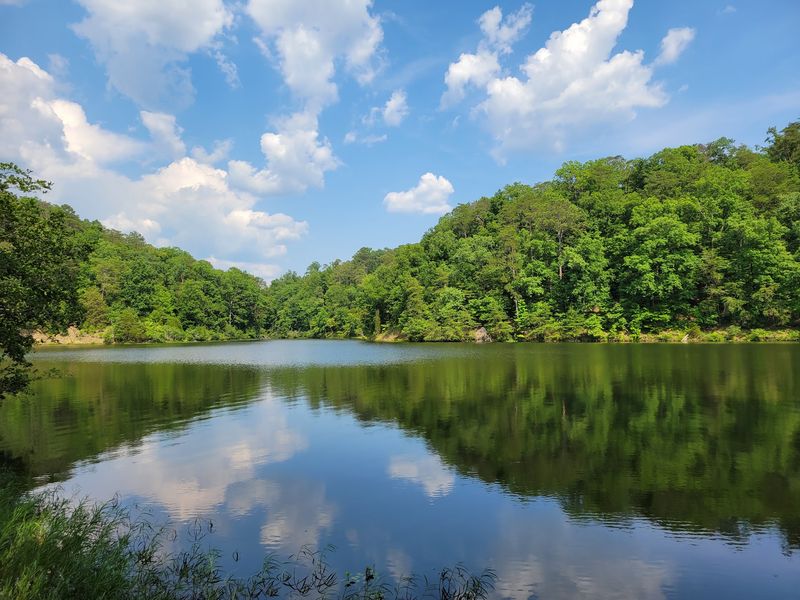
Twenty-five miles of wooded trails wrap around Lake Lurleen State Park. It sits northwest of Tuscaloosa and covers a lot of outdoor bases.
Fishing, boating, and a sandy beachfront round out the fun. Swimmers and sandcastle builders both get their moment.
Closer to town, Hurricane Creek Park offers nearly 8 miles of trails. Routes range from beginner-friendly paths to scenic overlooks.
The park is also popular for tubing. On a warm day, floating beats hiking for a lot of folks.
Lake Nicol brings easy, pretty hikes with cliff views. A waterfall dam gives you a natural finish line for photos.
Bird watchers and paddlers love Lake Nicol too. Kayaks and paddleboards make the calm water feel inviting.
Want more quiet? Harris Lake feels more remote, with a longer trail leading to a spillway and dam.
Pack snacks, sunscreen, and plenty of water before you head out. Alabama summers can turn a short walk into a sweaty one.
Trails like these balance out all that barbecue nicely. Call it a delicious trade-off.
Mounds Nearly 1,000 Years Old Make The Perfect Final Detour
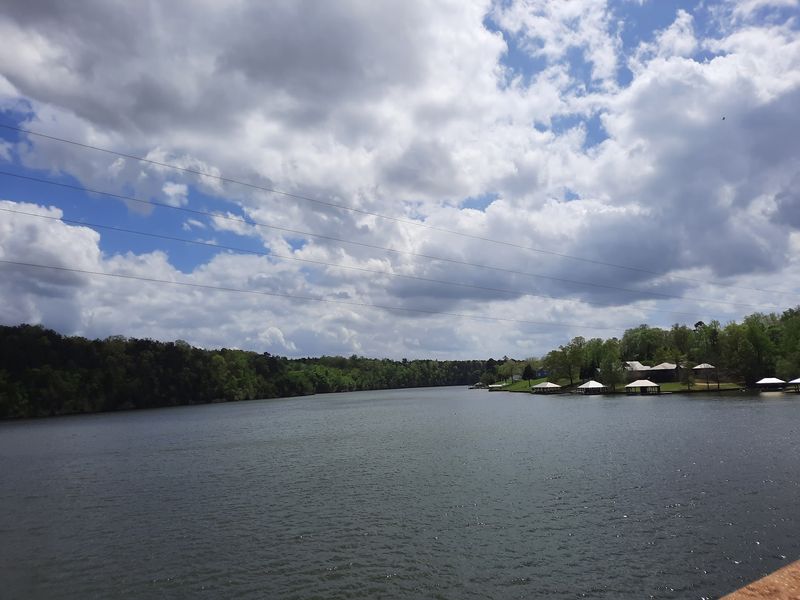
Long before anyone drew up Alabama, a thriving community lived just south of Tuscaloosa. Moundville Archaeological Park preserves their story.
The 326-acre site sits about 14 miles from the city at 634 Mound State Parkway in Moundville. It’s one of the most significant Native American heritage sites in the United States.
Mississippian culture flourished here nearly 1,000 years ago. The preserved mounds still rise across the landscape today.
A museum helps explain who built them and how people lived. Educational programs add even more depth for curious visitors.
Kids often find the size of the mounds surprising. It’s a great way to make ancient history feel real and close.
Back in town, the Tuscaloosa Civil Rights Trail offers another meaningful walk. This self-guided tour includes stops like First African Baptist Church.
Together, these places show how many layers the area holds. Ancient cultures, a former capital, and civil rights history all share the same region.
Save the mounds for your last morning. The short drive makes a calm, thoughtful ending to the trip.
Not bad for a quiet former capital, right?