
10 Tennessee Day Trips Under Two Hours From Johnson City Where You Can Park Once And Explore On Foot
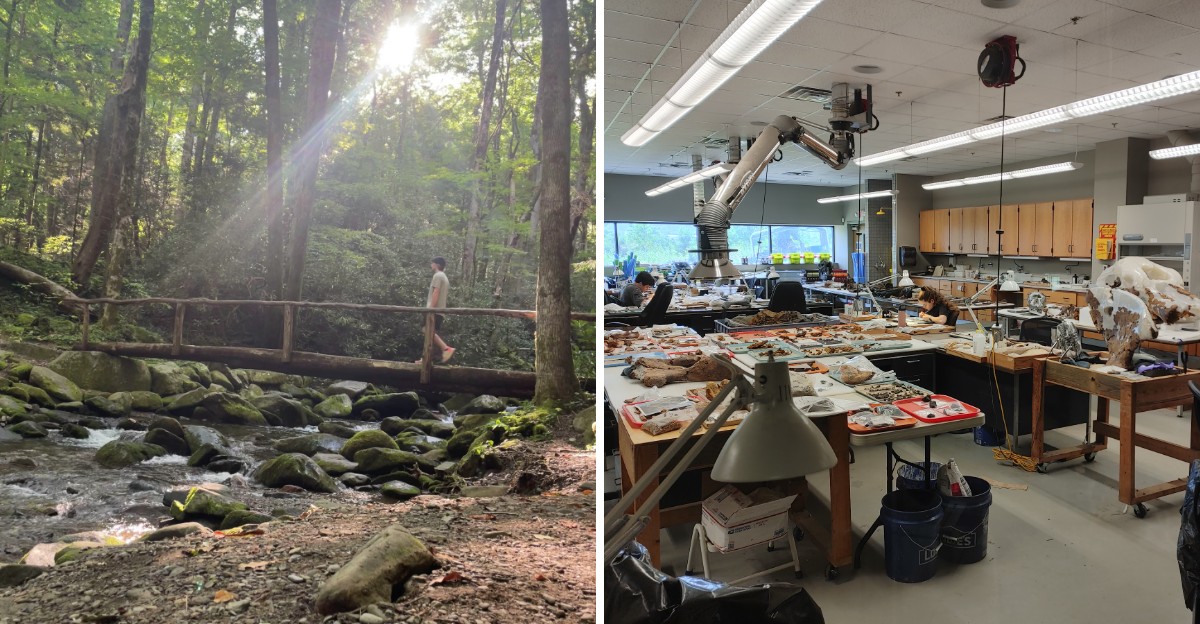
A good day trip should not feel like a scavenger hunt for parking spots. Drive there, leave the car once, and spend the rest of the day actually enjoying where you went.
That is the idea behind these Tennessee escapes near Johnson City. Each one sits within about two hours of town and gives you enough to see on foot after you arrive.
One day might mean wandering through a cavern. Another could bring fossil exhibits, wildlife, waterfalls, historic grounds, or quiet trails with mountain scenery.
The best part is how different each trip feels without requiring a complicated plan. You can pick something educational, something outdoorsy, or something that mixes both.
Want a full day out without spending half of it getting back behind the wheel? These easy Tennessee trips make that surprisingly simple.
1. Sycamore Shoals State Historic Park
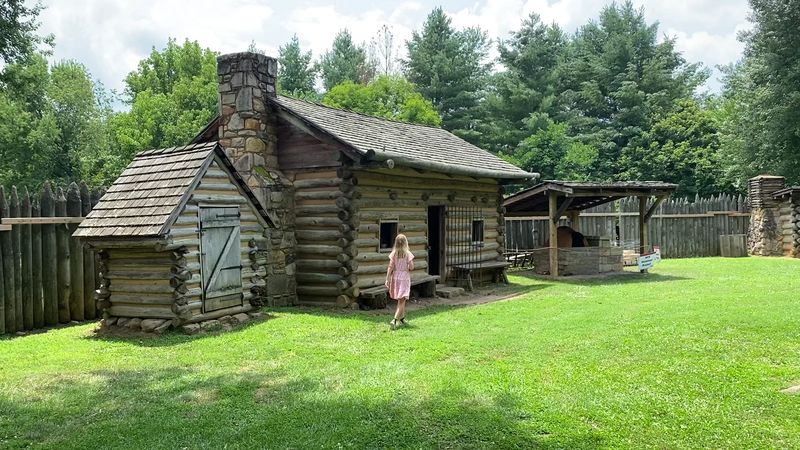
Few places pack this much Tennessee history into a single parking lot. About 20 minutes from Johnson City, the grounds along the Watauga River hold the reconstructed Fort Watauga, first built in 1776 to protect settlers.
The site is a National Historic Landmark, and for good reason. In 1772 the Watauga Association formed here, an early try at self-government.
The Transylvania Purchase land deal followed in 1775.
Then came 1780. The Overmountain Men gathered on this very ground before marching to the Battle of Kings Mountain. Long before that, Native American tribes used the shoals as a meeting place.
Walking is the whole point. Roughly 2.3 miles of trails loop through the park and hug the river, and they stay easy to moderate the entire way.
The Patriots Path, a gravel route along the water, carries signs that explain what happened where you are standing. Sycamore trees lean over the banks, exactly as the name promises.
Indoors, a museum fills in the details. Outdoors, an arboretum and a butterfly garden give restless kids something to chase.
Interpretive exhibits scattered across the grounds cover frontier life in Northeast Tennessee without feeling like homework. Plan on a couple of hours minimum.
Quiet river views plus serious history makes this the most efficient half-day trip on the list.
2. Rocky Mount State Historic Site
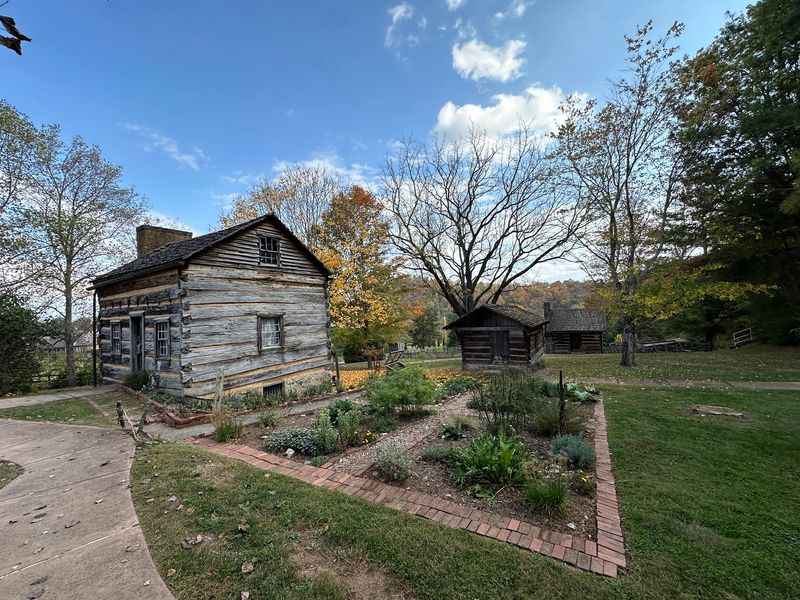
Imagine a farm frozen in the year 1791, chickens and all. That is the pitch at this Piney Flats property, roughly 20 minutes from Johnson City, where the past runs on a daily schedule.
The centerpiece is a large two-story log home, built by William Cobb between 1770 and 1772. Costumed interpreters work the grounds and explain the chores as they go.
Around the main house sits a full working homestead. A springhouse, a kitchen, a barn, an orchard, and gardens all spread within easy walking distance.
A cabin representing the quarters of enslaved people is also preserved here, part of telling the complete story of the Cobb farm.
Heritage animals wander the property, which tends to slow visitors down in the best way. Kids usually forget they are learning anything.
The history behind the place is heavyweight. From 1790 to 1792, this was the first territorial capital of the Southwest Territory.
Governor William Blount, a signer of the U.S. Constitution, lived and governed from here. Laws that shaped the future state of Tennessee were written on this farm.
The Cobb family also helped the Overmountain Men during the Revolutionary War, linking this stop neatly to Sycamore Shoals.
A visitor center, gallery, museum store, and auditorium round out the site. Pair both stops in one day and you have covered a lot of ground.
3. Hands On Discovery Center And Gray Fossil Site

Road trips rarely involve real scientists digging up ancient animals while you watch. Here they do, and the drive is only about 15 minutes from Johnson City.
The Gray Fossil Site is an active paleontological excavation. Work continues season after season, so the dig is not a display piece behind glass.
Discovery happens on a live schedule. Visitors can look out over the excavation area and see research in progress, which beats any diagram in a textbook.
Attached to the site is the Hands On Discovery Center, built for touching rather than tiptoeing. Exhibits invite pushing, pulling, sorting, and building.
Programs connect the interactive floor to the fossils outside. What comes out of the ground here shaped what the exhibits teach upstairs.
The story behind the site is remarkable. Ancient life was uncovered in this one corner of Tennessee, and that discovery reshaped what researchers understood about the region.
Everything sits close together, which makes this a genuine park-once stop. No shuttles, no second parking lot, no long hike between buildings.
Rainy forecast? This is the trip to save for that kind of day, since most of the walking happens under a roof.
Families with a range of ages tend to do well here. The youngest visitors chase the hands-on stations while older ones read the fossil panels. Short drive, big payoff, zero mud on your shoes.
4. Bristol Caverns
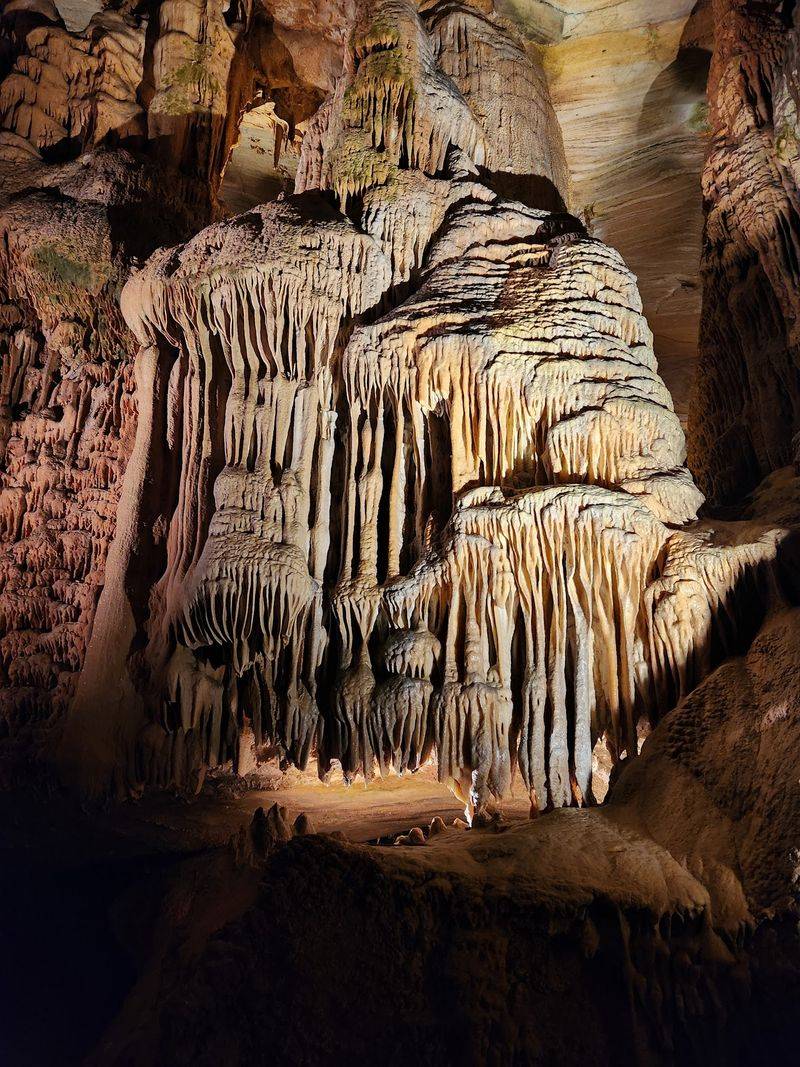
When August turns brutal, the smartest move is downward. Roughly 40 minutes from Johnson City, the temperature inside these caverns stays cool all year, no thermostat required.
Bristol Caverns ranks among the oldest natural landmarks in Tennessee. The entrance sits in Bristol, close to the Virginia boundary.
Guided walking tours lead through a maze of chambers and formations. Guides point out the well-known Lover’s Leap and Bridal Veil along the route.
An underground river flows about 180 feet below the surface. The water runs clear enough to throw mirror-like reflections across the stone.
Pathways are paved and lit, which keeps the experience comfortable for most visitors. Sneakers work fine, and no headlamp is needed.
Tours generally run 45 to 60 minutes. That length suits shorter attention spans while still covering plenty of cave.
Difficulty lands at moderate. Expect some stairs and a few uneven patches, so take the handrails seriously.
All ages are welcome, though strollers are better left in the trunk. A carrier makes more sense for the smallest explorers.
Because everything happens in one guided loop, you park a single time and follow the group. There is no route planning involved at all.
Bring a light jacket even in summer. The cave does not care what the weather is doing above it.
5. Bays Mountain Park And Planetarium
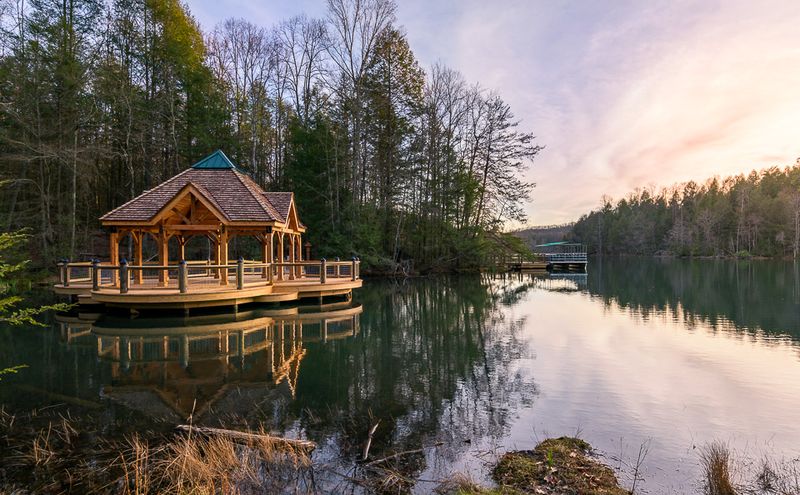
Tennessee’s largest city-owned park covers 3,788 acres, and it belongs to Kingsport. The drive from Johnson City runs about 40 minutes.
A 44-acre lake anchors the property. Water, ridgelines, and unbroken forest fill the view in nearly every direction.
The Nature Center holds a modern planetarium theater, so your hike can end under a simulated night sky. Native animal habitats sit just outside.
Residents include wolves, bobcats, red foxes, and birds of prey. A Herpetarium handles the reptile and amphibian department for anyone brave enough.
Trails are the real draw. Forty-four miles of them wind through the forestland, ranging from short lake loops to longer climbs.
Views open up from the summits of Bays Mountain and Holston River Mountain. Clear days stretch the horizon considerably.
Plant life shifts as you gain elevation. Pine and oak dominate the dry ridges and upper slopes.
Lower, moister ground supports a more varied forest. Noticing that change mid-hike is oddly satisfying.
One parking area serves the Nature Center, the lake loop, and most trailheads. Leave the car and pick a direction.
Check the planetarium show times before you set out. Timing a show around your walk turns a good visit into a full day.
Wolf feeding demonstrations and barge rides on the lake run seasonally, so schedules are worth a glance.
6. David Crockett Birthplace State Park
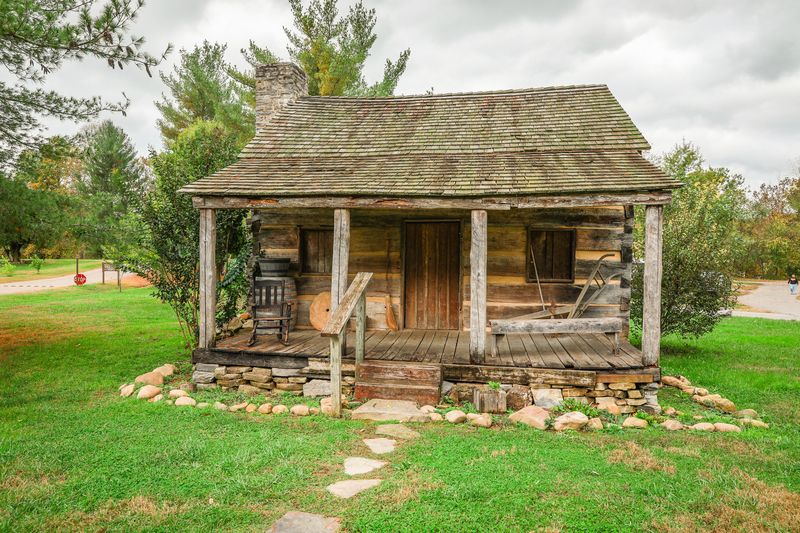
Frontier legends had to start somewhere, and this one started near Limestone along the Nolichucky River. The park sits about 25 minutes from Johnson City, but there is an important update before planning a visit.
David Crockett Birthplace State Park is currently closed while Tennessee rebuilds the property after severe flooding caused by Hurricane Helene in September 2024.
Major areas, including the visitor center, historic homestead area, and replica cabin, suffered serious damage.
The state is now working on a much larger reconstruction project. Plans include a new visitor center, rebuilt campground, replica Crockett cabin and homestead, riverfront boardwalk, picnic areas, kayak access, and updated interpretive spaces.
One section remains accessible. The Crockett Shoals Trailhead is currently open, giving visitors a limited way to experience the landscape near Crockett’s birthplace.
Before the flooding, the park focused on David Crockett’s early life, with exhibits, historic interpretation, river access, and a replica of the cabin associated with his birth.
Quick fun fact: Crockett signed his name David, not Davy. The nickname became popular later through stories and popular culture.
For now, check current park updates before driving out, since the main grounds remain closed during reconstruction.
7. Laurel Run Park
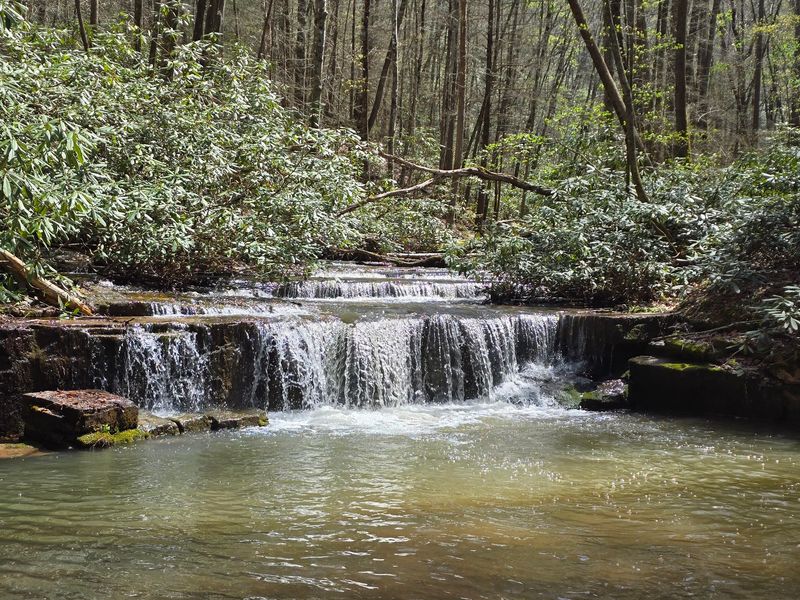
Not every outing needs a museum, a gift shop, or a schedule. About 45 minutes from Johnson City, this park offers something simpler: quiet.
The setting is unspoiled and low-key. Nobody is rushing you from one attraction to the next.
Wooded areas fill much of the property. Streams thread through the trees, and the sound of moving water follows you along the paths.
Overlooks reward the walk in spots, opening up views across the surrounding countryside. Those pauses are the whole reason to come.
Trails here favor unhurried exploring. Nothing feels engineered for speed, which suits a slow afternoon perfectly.
Bring a book, a blanket, and low expectations about excitement. That is a feature, not a flaw.
Picnicking fits the atmosphere well. Shade is plentiful, and the stream keeps things cooler than the parking area suggests.
Photographers do well with the mix of water, rock, and heavy tree cover. Morning light through the canopy is especially generous.
Because facilities are modest, pack what you need. Water, snacks, and bug spray cover most situations.
Sturdy shoes help on natural surfaces, particularly after rain. Creek crossings can stay damp for a while.
Park once, wander, then wander back. Among all the bigger names on this list, Laurel Run Park is the stop that resets your batteries fastest.
8. Cosby Area Of Great Smoky Mountains National Park
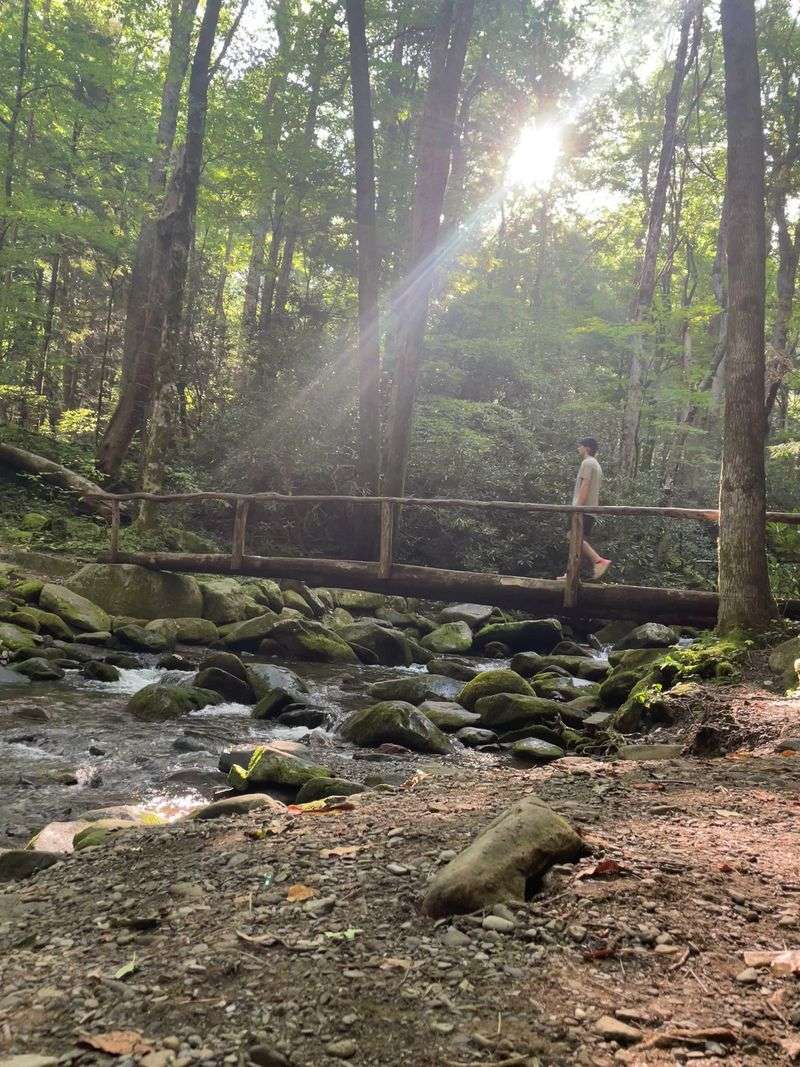
America’s most visited national park has a back door, and this is it. About 1 hour and 35 minutes from Johnson City, the Cosby area sits on the northeast edge and stays refreshingly calm.
Cosby Creek runs through the heart of the cove. Hardwood forest arches overhead and keeps the light soft.
Spring brings a serious wildflower show. Autumn swaps it for color that needs no explanation.
Old-growth forest survives in pockets here. Historic cemeteries remind visitors that families once farmed and lived in this cove.
A picnic area sits near the trail access, which makes the logistics easy. One lot, several trailheads.
The Cosby Nature Trail loops just over a mile. Wooden bridges cross small creeks, and the grade stays friendly for families.
Want more? Gabes Mountain Trail leads to Hen Wallow Falls, a 4.4-mile round trip with a rocky finish.
Crowds thin out noticeably compared with the park’s famous entrances. That seclusion is the entire selling point.
Arrive early anyway during peak leaf season. Parking fills even on the quiet side of the mountains.
A parking tag is required for vehicles left in the park, so sort that out before you set off walking. Bring water and check trail conditions. Creek levels rise fast after storms in this part of Tennessee.
9. Seven Islands State Birding Park
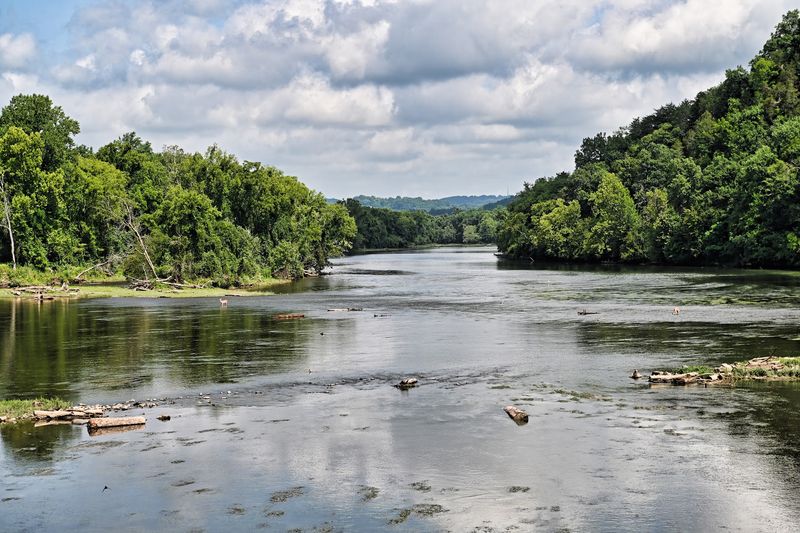
More than 200 bird species have been recorded across these 416 acres. Bring binoculars, because the drive is about 1 hour and 30 minutes from Johnson City.
The French Broad River forms a natural boundary along the park. Water, grass, and forest all meet within a short stroll.
Habitat variety explains the bird count. Aquatic, grassland, and woodland areas sit side by side here.
The property once operated as a dairy farm. Many old fields have since been restored to native grasslands.
Several barns still stand on the landscape. Barn Owls have claimed them as roosting spots, which feels fitting.
Trails cover eight to nine miles of natural surface, rolling over gentle hills. Distant Smoky Mountain views appear on the higher stretches.
A paved 1.2-mile greenway called Kelly Lane runs from the parking area down to the river. Strollers and wheels handle it easily.
The Bobwhite Accessible Trail widens the welcome further. Most routes here rate easy to moderate.
Morning and evening deliver the best wildlife activity. Grassland birds are especially vocal at those hours. Shade is limited across the meadows, so a hat earns its keep. Sunscreen too.
Everything radiates from one main lot, making this an ideal park-once destination. Even casual walkers leave with a full memory card.
10. Ijams Nature Center
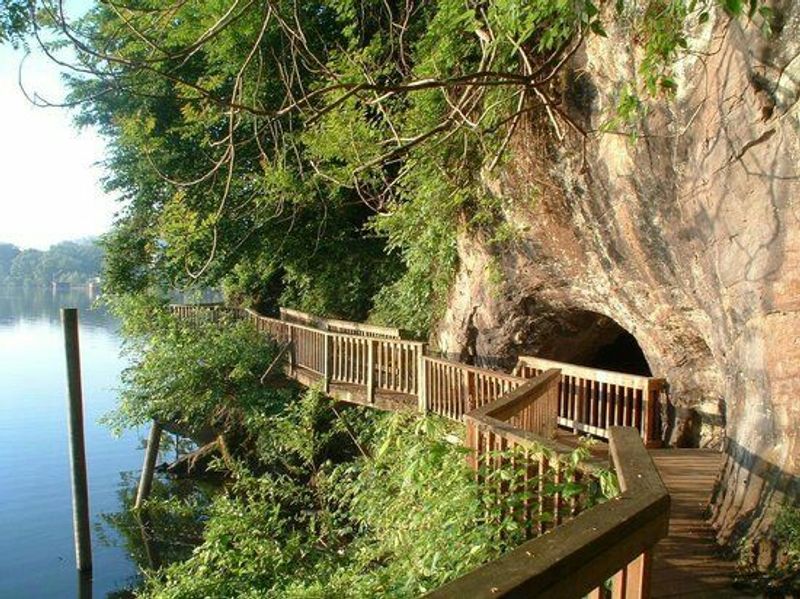
Knoxville hides a wilderness right on its doorstep. Roughly 1 hour and 45 minutes from Johnson City, Ijams covers somewhere between 300 and 336 acres of forest, meadow, creek, and cave.
A boardwalk system runs along the Tennessee River. Solid footing, big views, easy walking.
The star attraction is Mead’s Quarry, now naturally restored. A 25-acre lake sits below rocky bluffs and protected caves.
Ross Marble Quarry Loop delivers the other showstopper. Carved marble shelves line the path, leading to a narrow gorge called the Keyhole.
An environmental learning center handles the indoor portion. Exhibits explain what lives in the surrounding habitats.
Wildlife watching here is genuinely strong. Migrating and breeding songbirds, resident owls, Bald Eagles, and plenty of reptiles and amphibians all appear.
Trail mileage runs between 10 and 14 miles of natural surface, plus paved greenways. Many routes are shared with mountain bikers, so stay alert.
The Ijams River and Tower Trail Loop covers an easy 2.6 miles. Scenery stays interesting the whole way around.
Ijams anchors Knoxville’s Urban Wilderness, connecting to more than 50 miles of trails and greenways. You could keep walking for days.
Downtown sits only minutes away, yet the forest muffles the city completely. That contrast is the trick this place pulls best. Park once and let the trail map do the planning.