
10 Tennessee Towns Where Tourist Crowds Can Make Downtown Harder For Locals To Enjoy
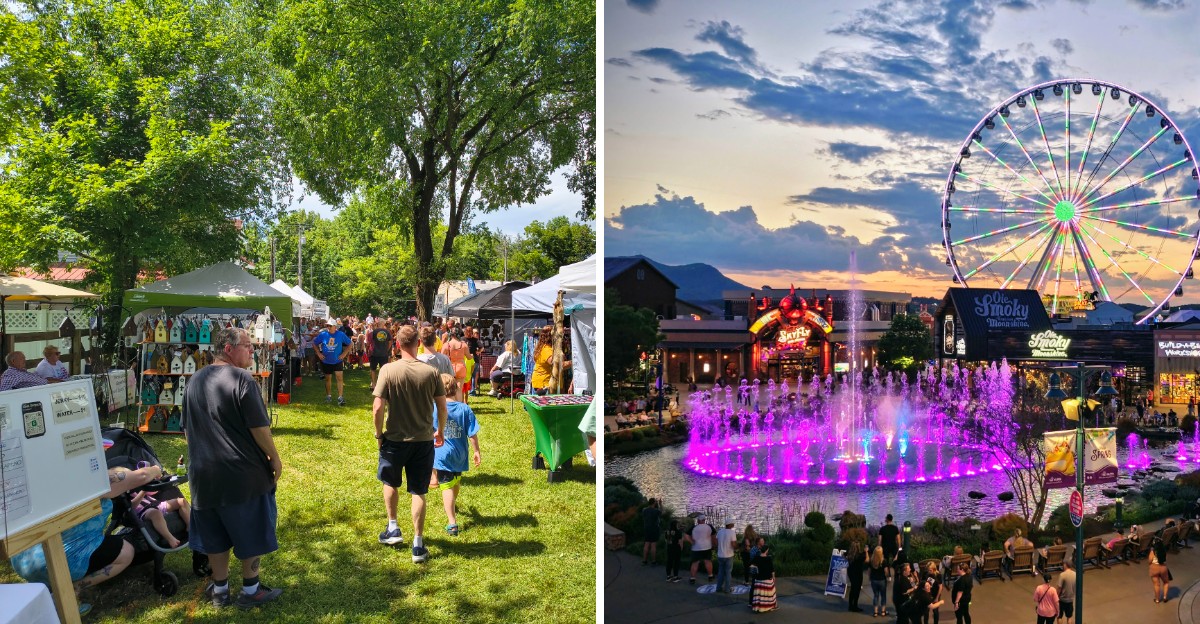
A town that welcomes more than 200,000 festival visitors sounds like a great place for local businesses. But try finding a parking spot when everyone arrives for the same celebration.
That’s the reality in several Tennessee communities where tourism has changed the feel of downtown streets.
Residents who once made quick trips for coffee or groceries now sometimes have to plan around crowded sidewalks, packed parking lots, and traffic that barely moves. Even a simple lunch can become an exercise in patience.
Of course, visitors bring money that helps shops and restaurants stay open. The challenge comes when a downtown built for a small community suddenly has to accommodate thousands of extra people.
Not every town deals with these problems year-round. Some face their biggest crowds during festival weekends, while others experience heavy tourism through much of the year.
These towns show how popularity can make everyday life a little more complicated for the people who call them home.
1. Gatlinburg
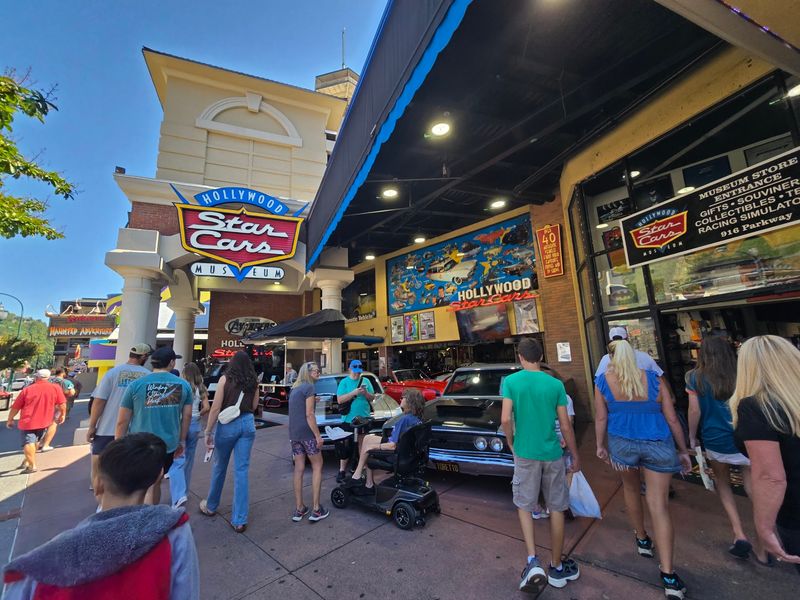
Try making a quick downtown errand in Gatlinburg on a busy October afternoon. The Parkway may be full of families moving between restaurants, attractions, and souvenir shops, while cars inch toward the national park.
Visitors see a lively mountain getaway. Residents still need to get to work, pick up supplies, and reach appointments, even when the main road is moving slowly.
That difference is what makes tourism such a complicated part of daily life here.
Gatlinburg welcomes an enormous stream of visitors compared with its small resident population. Its walkable downtown concentrates much of that activity along the Parkway and nearby side streets.
A lunch stop can mean waiting for a table, and finding a convenient parking space can require an extra loop. Autumn colors and holiday weekends create particularly strong demand, but the town’s appeal extends beyond one season.
The crowds support businesses and jobs while also making ordinary trips less predictable.
There is a practical way to reduce the strain. Gatlinburg operates a free trolley system serving residents and visitors, and travelers can park at the Welcome Center and ride into town.
Staying on foot once downtown also means fewer short car trips through the busiest blocks. Locals should not have to give up enjoying their own Main Street atmosphere.
Visitors who plan ahead can help leave a little room for everyone.
2. Franklin
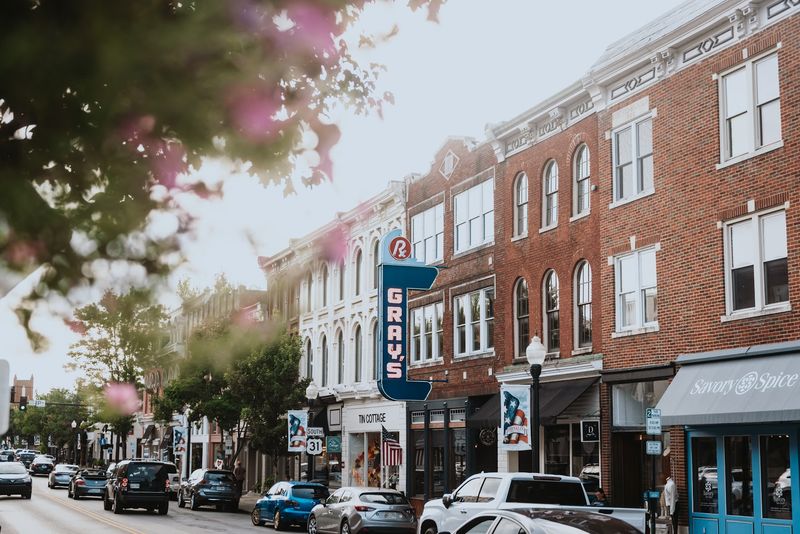
A festival weekend can completely change the feel of Franklin’s historic Main Street. Storefronts that usually welcome shoppers become part of a huge outdoor celebration, and regular parking spaces disappear behind event barriers.
For visitors, the crowds are part of the excitement. For someone hoping to grab lunch, visit a downtown business, or get through the center of town, those same crowds can mean a detour and a much longer trip.
Franklin has unusually clear evidence of this pressure. PumpkinFest drew more than 135,000 attendees in a single day in 2025.
Organizers expanded the event to two days in October 2026, explaining that the historic streets, sidewalks, and access points could not simply grow to match attendance.
More people in the same space can mean longer waits and harder movement, including for emergency services.
Main Street Festival and Dickens of a Christmas add other busy periods during the year.
The city has been studying festival traffic and asking people how parking should work downtown. Franklin offers public garages, while major events use street closures and shuttle options to manage arrivals.
Those measures help, but they also show that popularity comes with real logistical costs. Someone who lives nearby should be able to enjoy the shops outside festival weekends too.
Visitors can help by using designated parking, respecting closures, and leaving the nearest spaces available for shorter everyday stops.
3. Pigeon Forge
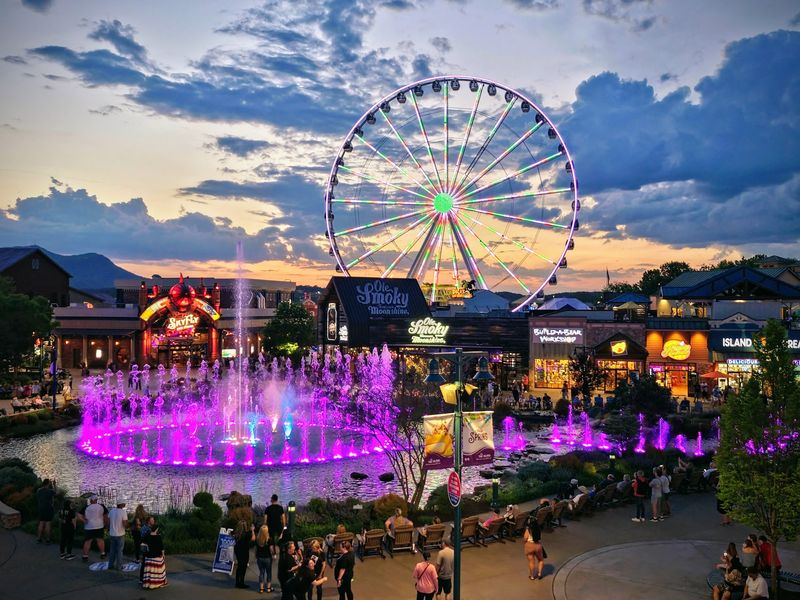
The Parkway is the center of the action in Pigeon Forge, but it is also a road people depend on to get through town. Tourists arriving for shows and rides share roads with residents running errands.
On weekends, short drives can drag. A steady line of turn signals and brake lights is part of the trade-off for being a major Smoky Mountains destination.
Pigeon Forge is different from towns built around one courthouse square. Its visitor activity stretches along a commercial corridor, with The Island, theaters, stores, and restaurants drawing people to different stops.
The historic Old Mill district offers a more traditional setting, yet it also attracts travelers looking for photographs and a meal. Busy entrances and parking areas can make simple local visits less convenient when tourist traffic is at its peak.
Not every side street is crowded every day.
Tourism keeps many local businesses thriving. It also puts pressure on roads that must serve everyone, not just vacationers.
Tennessee transportation planners have pursued additional road connections in Sevier County to offer more options for residents and visitors.
For guests, the considerate approach is straightforward: group nearby stops together, allow extra driving time, and avoid unnecessary trips along the Parkway.
A little planning can make the road feel less like a parking lot for the people who call Pigeon Forge home.
4. Bell Buckle
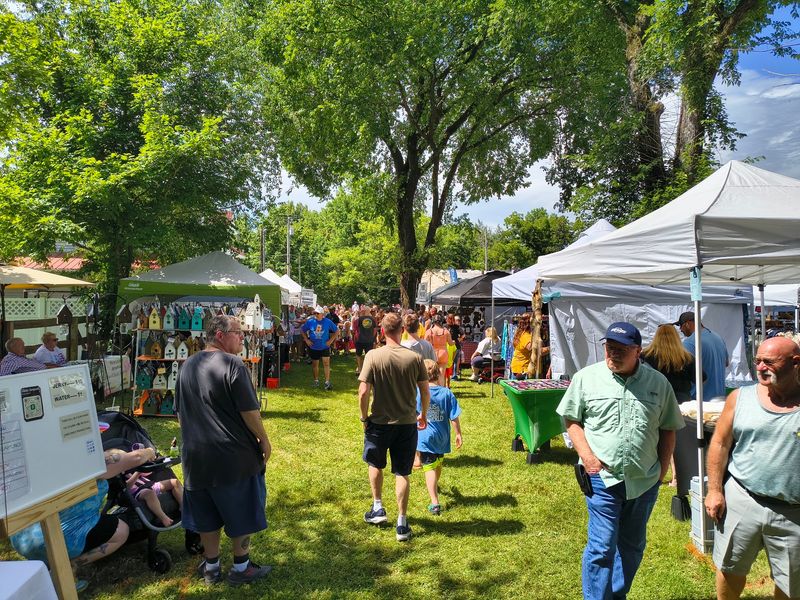
Bell Buckle draws huge crowds without a huge traditional downtown. Its little Railroad Square is lined with historic storefronts that feel easy to browse on an ordinary day.
Then a major festival arrives, and that compact setting has to handle far more people and cars than usual. Getting lunch can mean searching for parking and navigating busy streets.
The Webb Art and Craft Show is the clearest example. Held during an October weekend, it brings more than a hundred booths to the old Sawney Webb lot, with additional activity around town.
Organizers set strict vendor arrival deadlines because roads close to traffic. That is a practical reminder that the festival changes how the whole area functions, not just how many people stand in front of a store.
Other popular celebrations, including the RC Cola and MoonPie Festival, bring their own bursts of activity.
Those crowds can be good for small businesses that depend on visitors. They also make it harder for residents to use familiar streets in familiar ways.
The important distinction is timing: Bell Buckle is not overwhelmed every afternoon. The challenges peak when festivals make it a regional destination.
Visitors can make those days easier by following parking directions, staying clear of driveways, and coming back on a quieter weekend to support the same shops without the crush.
5. Lynchburg
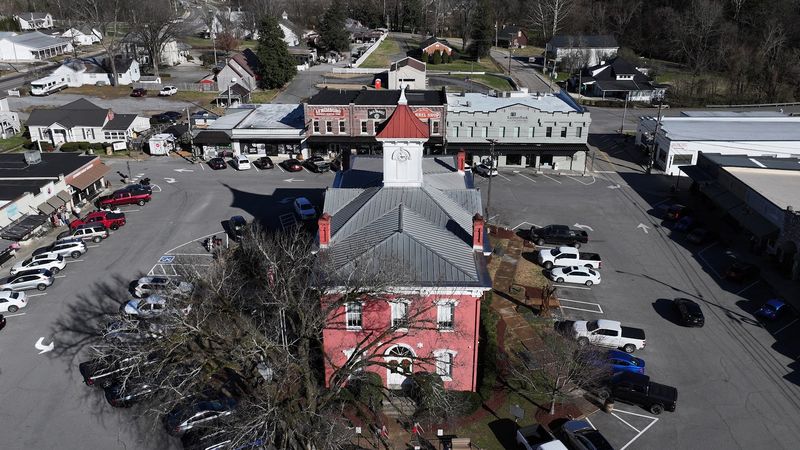
A Saturday afternoon in Lynchburg can look very different from a quiet weekday. Visitors wander the historic square, pause for courthouse photos, and browse small shops while residents are simply trying to finish errands.
In a downtown this compact, even a modest increase in traffic can make convenient parking harder to find.
The Moore County Courthouse anchors the square, surrounded by local businesses and inviting storefronts. That traditional layout is part of what draws travelers here, but it also means there is limited space for everyone to arrive at once.
On busy weekends and during community events, restaurants may draw longer lines and nearby parking spaces may fill more quickly. Those challenges are not necessarily constant, which makes it important to distinguish occasional congestion from everyday life.
Visitors bring valuable business to the shops and eateries that give Lynchburg its character. Yet the square is more than a sightseeing stop.
It is a place where people attend appointments, meet neighbors, and handle county business. Residents should not have to work around unnecessary traffic just to carry on with an ordinary day.
A considerate visit can help. Park in designated spaces, explore the square on foot, and leave entrances and crossings clear.
Spend time in locally owned shops without crowding doorways. Lynchburg is most appealing when its historic charm remains enjoyable for the people who live there, too.
6. Jonesborough
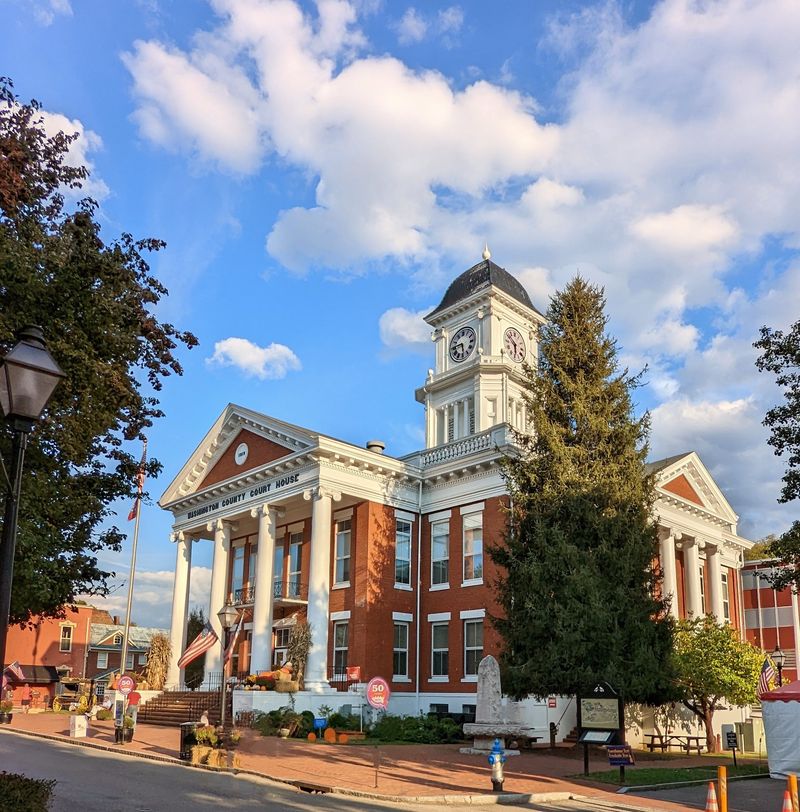
Storytelling brings people together in Jonesborough, but its biggest festival also changes the daily rhythm of Tennessee’s oldest town. Historic Main Street usually offers a manageable collection of shops, restaurants, and community buildings.
During the National Storytelling Festival, large performance tents occupy downtown spaces and visitors move between shows throughout the day. Nonattendees must work around the festival too, even when their plans have nothing to do with storytelling.
The organizers recognize that parking is a challenge when so many people arrive in a compact historic district. For the 2026 festival, attendees could park at a former elementary school site and take a shuttle to the Visitors Center.
That arrangement keeps some cars away from the center, but it also illustrates how regular downtown access needs extra planning during the event. A quick cafe visit may be easier on another day.
Jonesborough benefits greatly from its reputation as a storytelling destination. Events bring customers to small businesses and attention to the town’s preserved architecture.
The challenge is making sure local life does not disappear behind the tents for a weekend. Residents and visitors both deserve streets that feel safe and welcoming.
Guests can use festival parking, respect pedestrian routes, and visit at other times of year. Main Street remains worth enjoying when the microphones are switched off and the sidewalks belong to everyday town life again.
7. Columbia
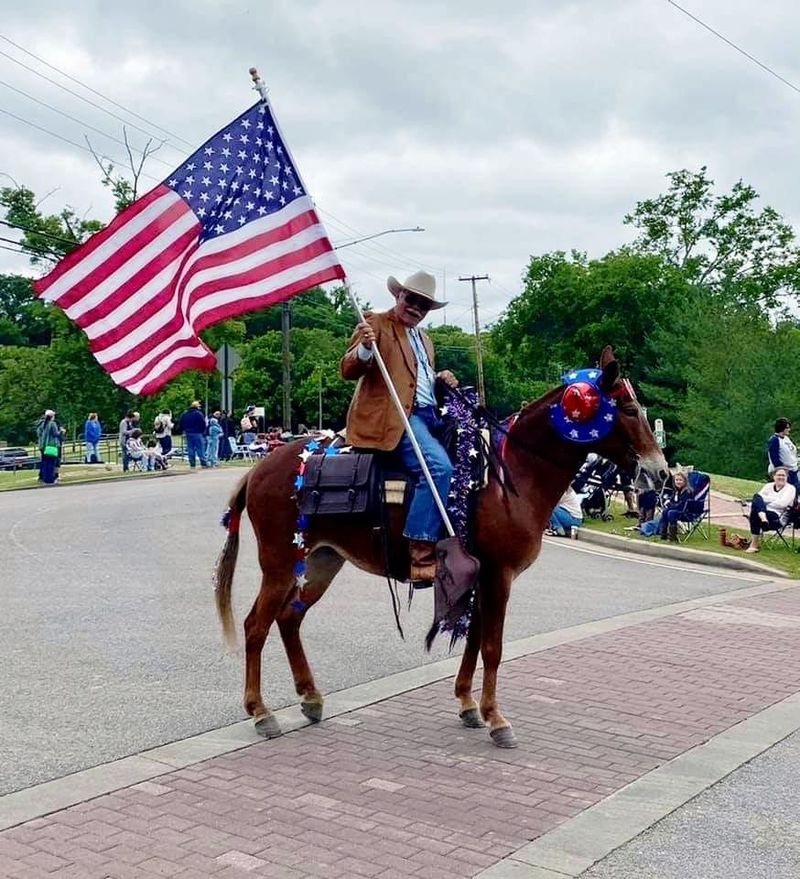
Usually, Columbia’s historic square is for meeting friends, shopping, and running errands. Mule Day brings a very different level of activity.
The celebration draws a crowd far larger than the town’s normal downtown foot traffic, and its parade passes through the center. That brings detours, busy sidewalks, and inconvenience for residents.
Organizers say the multi-day celebration attracts more than 200,000 visitors. It is important to be precise about where they go.
Many Mule Day activities take place at Maury County Park, not directly on the square, while the parade creates a particular burst of downtown attention.
Those visitors do not arrive simultaneously downtown, a distinction that matters when describing the pressure on residents.
Still, even a fraction of those visitors can make parking and movement around the historic center much less predictable during the festivities.
The event is part of Columbia’s identity, and local businesses can benefit when visitors spend money in town. Residents may enjoy the parade themselves while also needing a quieter route to work or the grocery store.
Both things can be true. Travelers can make a difference by checking event maps, following road closure notices, and using designated parking rather than searching side streets for shortcuts.
Visiting the square on an ordinary weekend offers a different view of Columbia, one shaped more by the community that lives there.
8. Sevierville
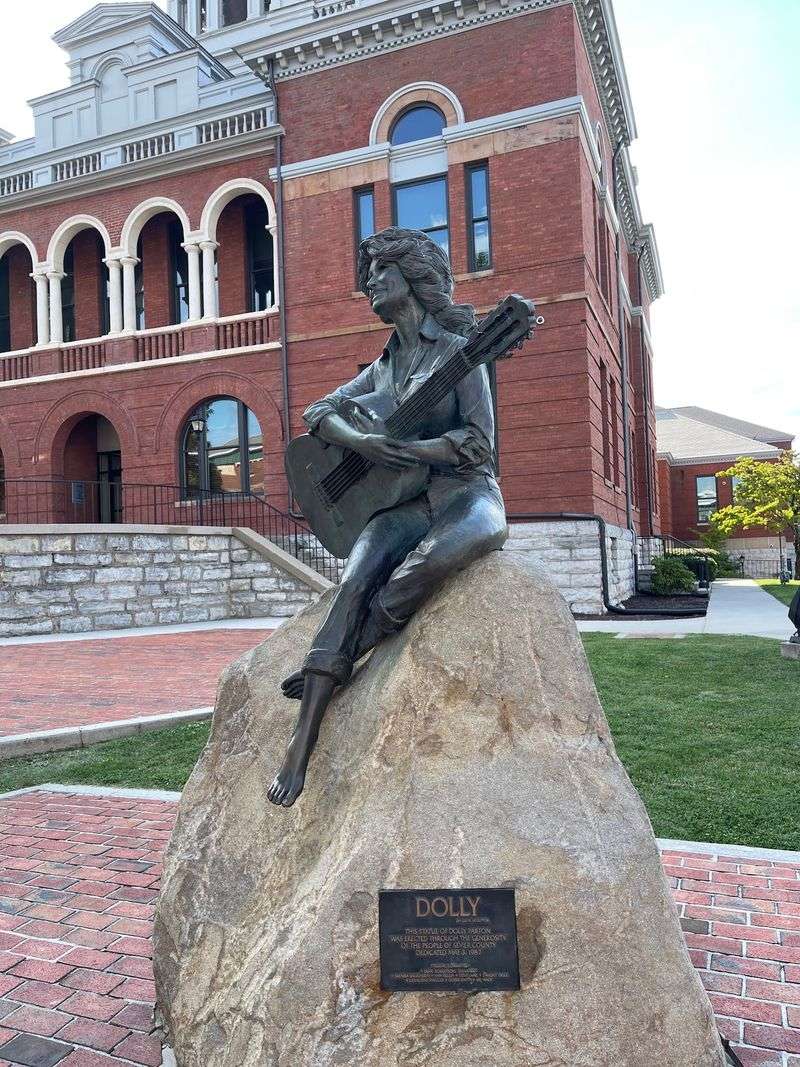
The courthouse lawn is not just a photo stop in Sevierville. It belongs to a downtown where people conduct county business, visit local shops, and meet friends.
Dolly Parton’s bronze statue gives travelers a memorable reason to visit, while restaurants and newer attractions bring more interest to Court Avenue and nearby streets. That growing appeal can be welcome for merchants and less convenient for someone trying to handle a quick appointment.
It would be misleading to suggest the historic center faces the same constant crush as Gatlinburg’s Parkway. In Sevierville, the pressure is easier to see during special events.
In October 2026, the city announced temporary closures of Court Avenue and Bruce Street for downtown gatherings, including History and Haunts and a Halloween block party. Parking lots could remain available even while normal routes changed.
Residents still had to pay attention to which streets were open and how to reach them.
That contrast makes Sevierville interesting. It wants a lively downtown, and those activities give families reasons to use the public spaces together.
At the same time, a working courthouse district cannot function entirely like an entertainment area. Visitors can make life easier by checking local event advisories and avoiding unnecessary driving around closed blocks.
The nicest souvenir photo means more when getting it does not keep somebody else from reaching work, an appointment, or home.
9. Bristol
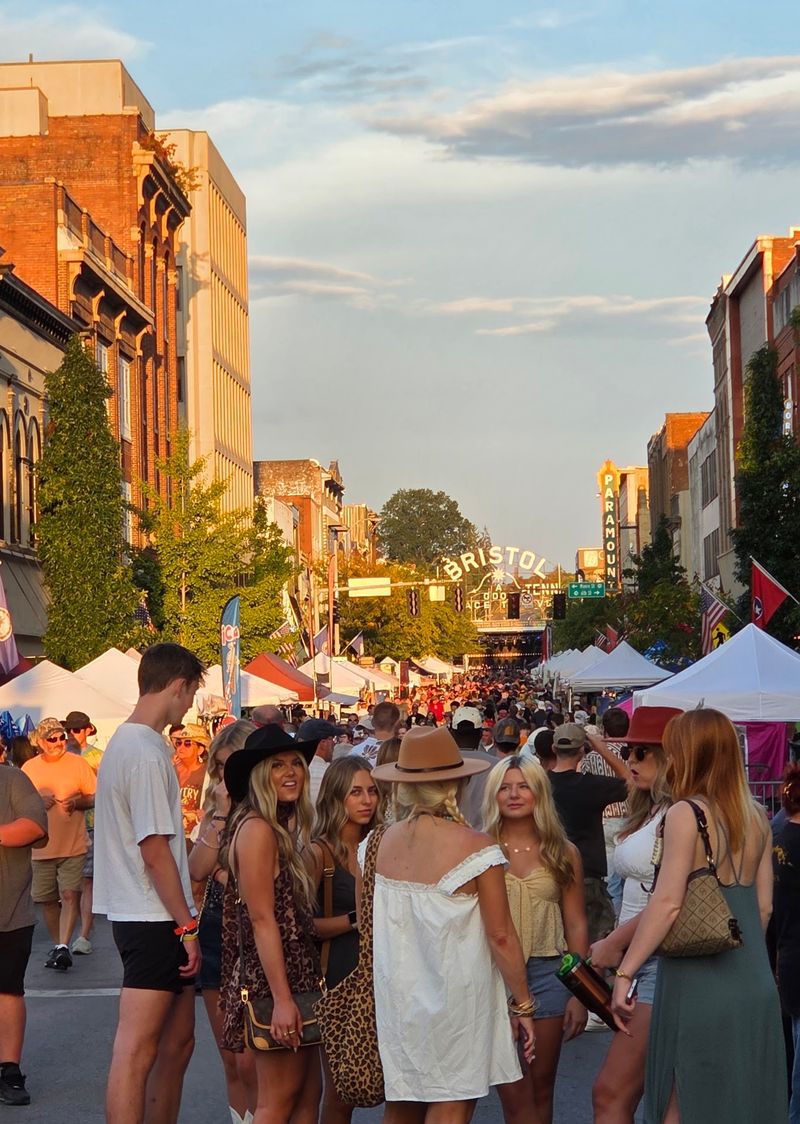
A painted line runs along State Street, marking the border between Tennessee and Virginia. Usually, it offers visitors a fun photograph within a working two-state downtown.
During Bristol Rhythm & Roots Reunion, the same streets turn into a major music destination. Stages, festivalgoers, and traffic changes make a casual dinner downtown or an everyday shopping trip more complicated.
The festival spreads through downtown Bristol, using outdoor stages and indoor venues. Organizers advise guests that free parking near State Street is limited and encourage carpooling or using shuttle stops.
That is not just travel advice. It reflects the challenge of moving many people through a district originally built for normal town activity.
Bristol’s own parking guidance also warns that certain spaces may be unavailable during special events, even though downtown usually offers free public parking.
The crowds are not a permanent condition. A quieter weekday offers a different experience of the shops, old buildings, and State Street landmarks.
But major concert weekends require residents to share familiar space with people arriving for entertainment. Music supports restaurants and the city’s cultural identity, while road restrictions may interrupt regular routines.
Visitors who use shuttles, follow signs, and avoid blocking storefront entrances help strike a better balance. The two-state downtown works best when the people who live nearby can still feel at home there.
10. Erwin
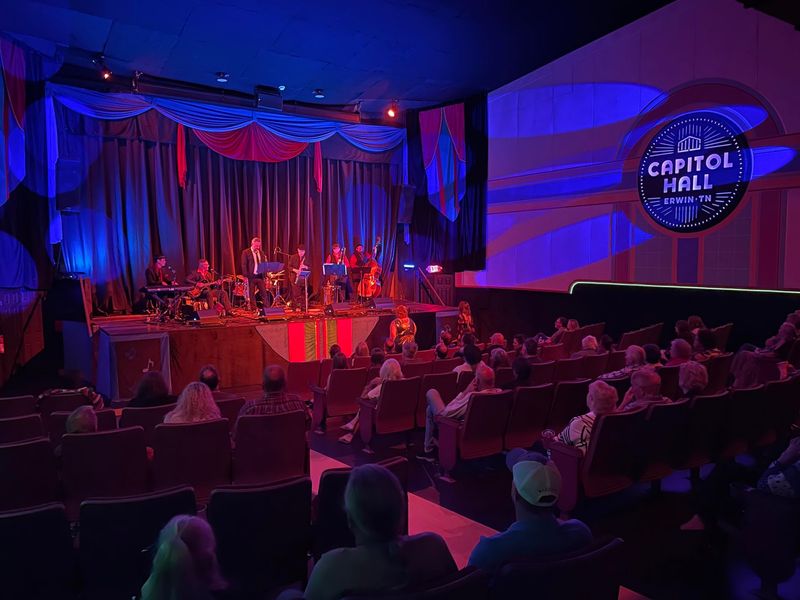
Most days, downtown Erwin feels like a small mountain community rather than a tourist hub. That changes dramatically when the Unicoi County Apple Festival arrives.
For two days in October, Main Avenue and neighboring streets become a long outdoor market filled with vendors, music, food, and visitors.
A downtown that usually handles local shopping and everyday appointments suddenly has to make space for a major regional event.
Organizers report more than 150,000 visitors over the festival weekend, not all at once. That scale matters in a town with a compact center.
Some parking lots charge fees during the event, and organizers warn that the festival is so crowded that pets should usually stay home.
For residents, the challenge is easy to understand: a short drive downtown may require a different parking plan, and familiar sidewalks become a place to move slowly behind visitors carrying shopping bags.
The festival also offers real benefits. It supports local organizations, attracts attention to Erwin, and gives businesses a chance to meet customers they might never see otherwise.
The crowd pressure is concentrated, not a daily description of life here. That difference deserves to be clear in an article about tourism.
Visitors can use marked parking, avoid driveways, and choose quieter weekends for browsing. Erwin should be enjoyed as a hometown, not only as a festival ground.