
The Calm And Quiet Of Fishing Hits Different At This Small Nevada Lake
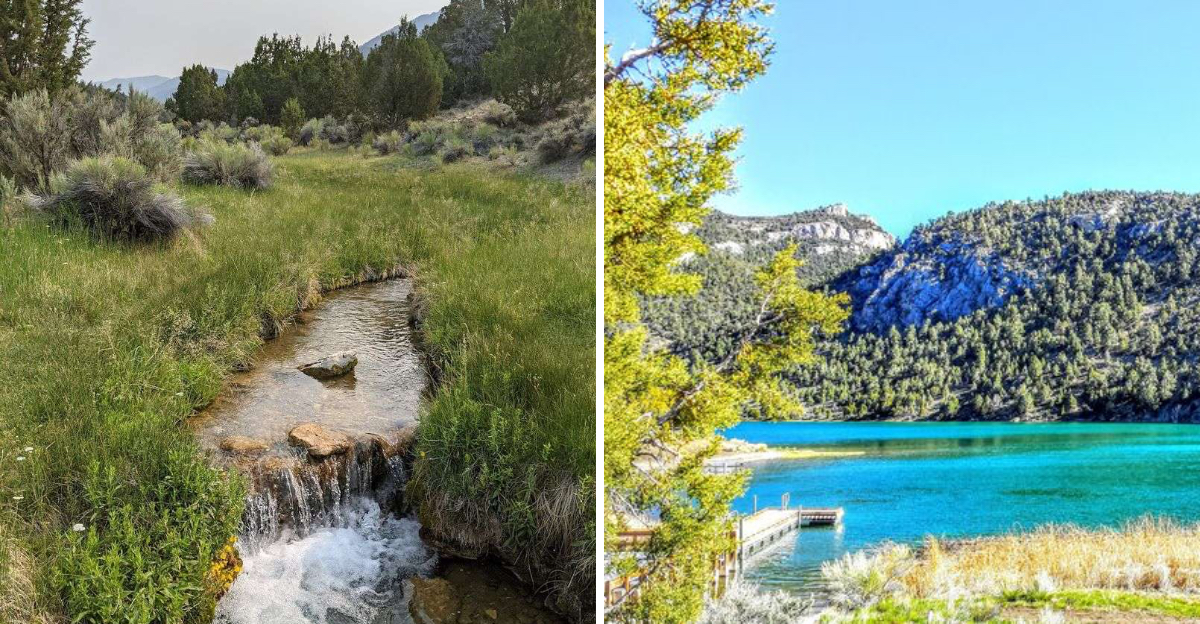
High elevation air changes everything the moment you arrive in Nevada. What does real quiet actually sound like up here?
Cast a line here and the only sound is wind sliding through pine and limestone ridges. Trout snap at the surface while distant peaks catch the last of the daylight.
Summer sends paddlers gliding across glass-still blue water. Winter flips the scene into a frozen playground of ice fishing and skating.
Trails wind through limestone canyons and arches carved by centuries of wind and rain. Elk bugle at dusk while stars blaze overhead once the sky goes fully dark.
Few people know this escape rises above the desert heat, calm and completely uncrowded. One quiet afternoon here might just change how you think about Nevada road trips.
A High-Desert Hideaway With Real Elevation
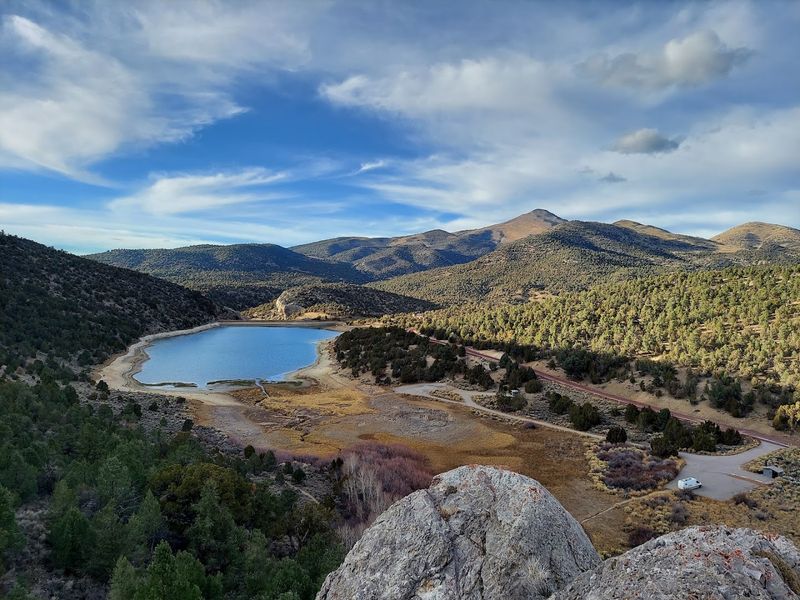
Elevation changes everything. At 7,300 feet, the air at Cave Lake State Park bites with a pleasant crispness that catches first-time visitors off guard in the best possible way.
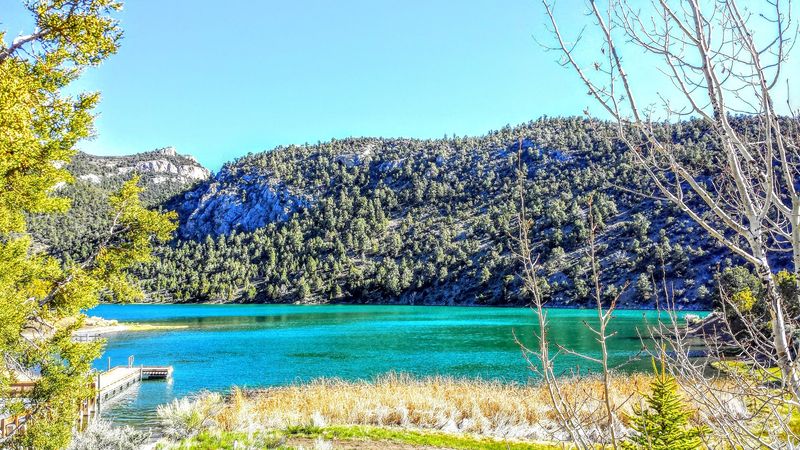
The park spans over 4,000 acres within the Schell Creek Range, sitting adjacent to Humboldt National Forest. Its centerpiece reservoir, a 32-acre stretch of cool blue water, reflects the rugged limestone ridges that frame it on every side.
Located roughly 15 miles southeast of Ely, Nevada, the park is reached by turning off US Highway 93 onto Success Summit Road, then heading east toward the entrance.
Remote does not mean inaccessible here. The drive itself rewards visitors with sweeping views of the high desert before they even arrive.
What greets them at the end of that road is a place that quietly insists on being taken seriously, one ridge, one trail, and one ripple at a time.
The Story Behind The Reservoir
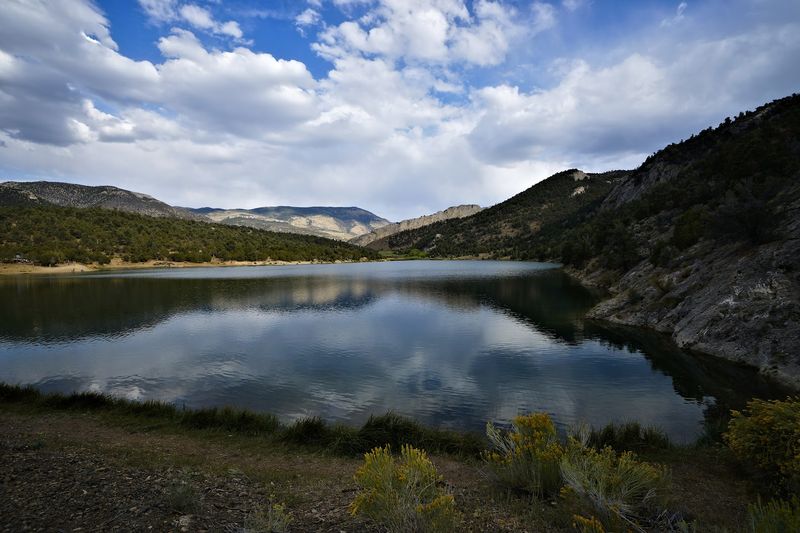
The reservoir that anchors Cave Lake today was originally built in 1939 to serve a Civilian Conservation Corps ranch operation in the Steptoe Valley, providing essential irrigation for their work in eastern Nevada.
For decades, the land changed hands among local ranchers who recognized its value. Then, in 1968, a pivotal deal shifted roughly 1,240 acres to the Nevada Department of Fish and Game for a famously symbolic sum.
Five years later, in 1973, the land transferred to Nevada State Parks and opened officially for public recreation. The park expanded again in 2015, pushing its total size past 4,500 acres.
More recently, the dam underwent full reconstruction, completed in late 2024. The fishery is actively being rebuilt in 2025, with stocking programs ramping back up.
That history of transformation, from working ranch water supply to beloved public retreat, gives Cave Lake a layered character that most parks simply cannot claim.
Fishing Here Feels Like A Reward
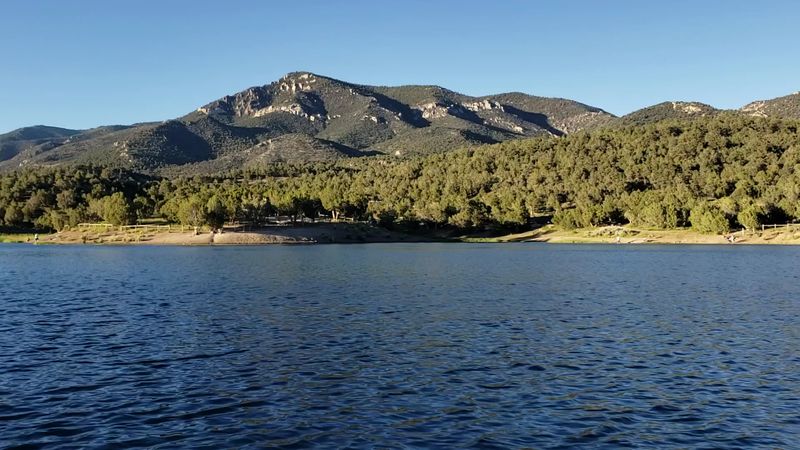
The lake earned its reputation honestly. Cave Lake holds a healthy population of German brown trout, a wild and self-sustaining population in both the reservoir and its feeder streams.
Rainbow trout are regularly stocked, keeping the fishery diverse and the catch rate genuinely exciting for anglers of every skill level.
Fishing is permitted around the clock, which means early risers can cast at dawn while the mist still sits on the water. Night fishing under a sky full of stars has its own particular magic at this Nevada altitude.
Bait presentations like PowerBait and natural offerings work well for beginners. Spin casting with small spinners and spoons consistently produces results.
Fly fishers find success with midge, mayfly, and scud nymph patterns, along with streamer retrieves using Woolly Bugger-style flies.
Spring and autumn tend to be the most productive open-water seasons. Summer fishing concentrates in deeper sections as temperatures rise.
A valid Nevada fishing license is always required before dropping a line into these rewarding waters.
Summer On The Water Is Something Else
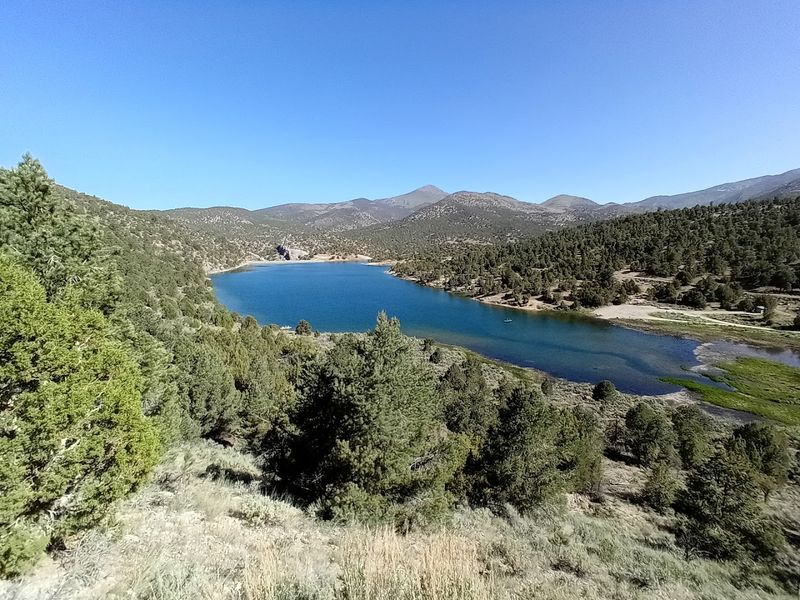
Hot desert summers do not have to mean miserable heat. At 7,300 feet, Cave Lake stays noticeably cooler than the valley floor, making it a genuinely refreshing escape when temperatures elsewhere become punishing.
The reservoir welcomes swimmers, paddleboarders, kayakers, and canoes throughout the warmer months. Motorized boats are permitted, though a strict 5 mph flat wake speed limit keeps the atmosphere calm and the water surface smooth.
That rule alone does a lot to preserve the peaceful mood the lake is known for.
Picnic areas dot the shoreline, offering shaded spots with views of the surrounding ridgeline. Families spread out on the grass, anglers stake out their favorite corners, and paddlers drift lazily without any particular agenda.
Hikers and mountain bikers can access over 20 miles of singletrack trails winding through the surrounding pinyon-juniper woodland. The combination of water activities and land-based exploration makes summer at Cave Lake a full-day, sometimes full-weekend, kind of commitment.
Winter Turns This Place Into A Frozen Playground
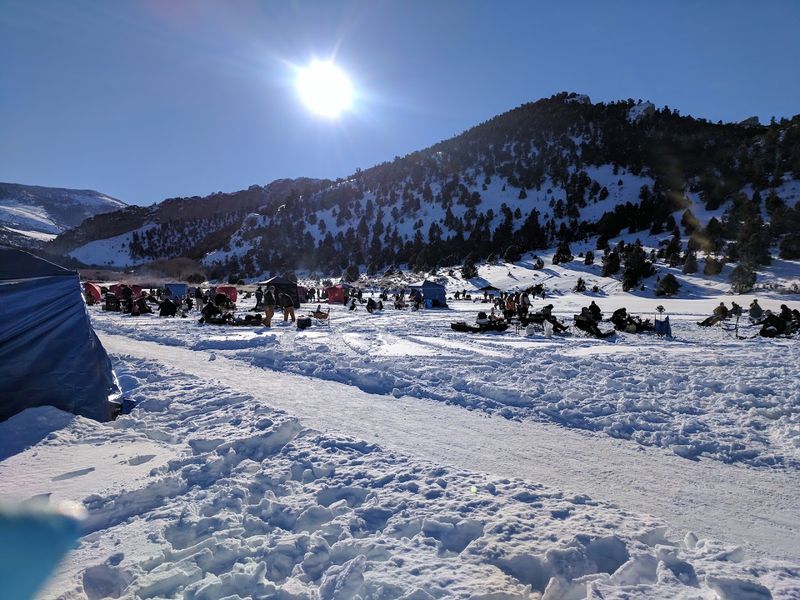
Snow changes the whole personality of Cave Lake. When winter settles into the Schell Creek Range, the reservoir can freeze with ice up to 24 inches thick, turning the lake into a hub for cold-weather adventure in Nevada.
Ice fishing becomes the main attraction for many visitors. The trout do not disappear when the surface freezes, and the catch rate during ice fishing season makes the cold entirely worth tolerating.
Ice skating is another popular option when conditions allow. Snowmobiling is permitted on approved dirt roads, opening access to adjacent national forest lands.
Cross-country skiers and snowshoers find the snow-covered trails hushed and beautiful in a way that the busier summer months rarely deliver.
Each January, the park hosts Ely’s Fire and Ice Festival, featuring an ice and snow sculpture contest that draws visitors from across the region. A fireworks display caps the event.
Bathtub races have also been a beloved winter tradition at the lake since 2010, adding a playful streak to an otherwise serene season.
Trails That Actually Challenge You
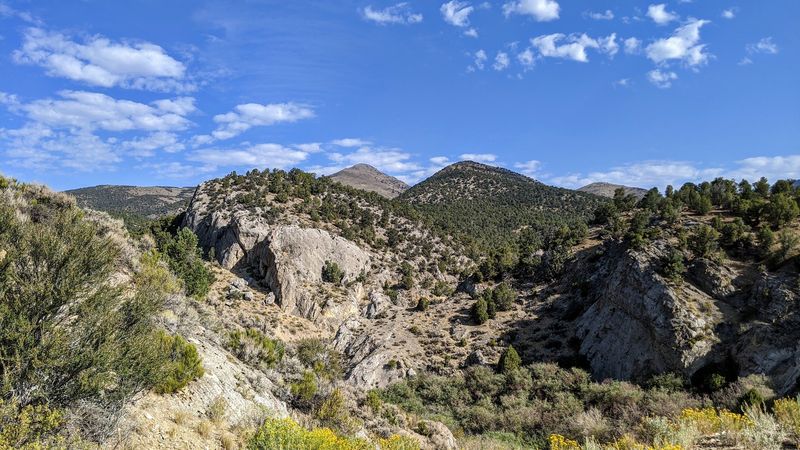
Four developed hiking trails wind through the park, and they cover a satisfying range of difficulty. The Steptoe Creek Trail offers a three-mile loop suitable for a relaxed pace, making it accessible for most fitness levels.
The Cave Overlook Loop Trail is a different beast entirely. At 4.5 miles with significant elevation gain and loss, it earns its reputation as strenuous.
The reward at the top is a sweeping view of the reservoir and surrounding peaks, including Square Top, that makes the burning legs feel worthwhile.
The park’s geology adds visual interest throughout every hike. Sedimentary limestone and shale formations create narrow canyons, large up-thrusts, and shallow caves.
Natural arches appear along certain routes, sculpted over millennia by erosion into shapes that stop hikers mid-stride.
Mountain bikers have access to more than 20 miles of well-constructed singletrack that threads through deer and elk habitat. Trails are well-marked and varied enough to keep riders coming back.
The terrain here rewards curiosity and punishes complacency in equal measure.
Camping Under A Sky That Earns Its Stars
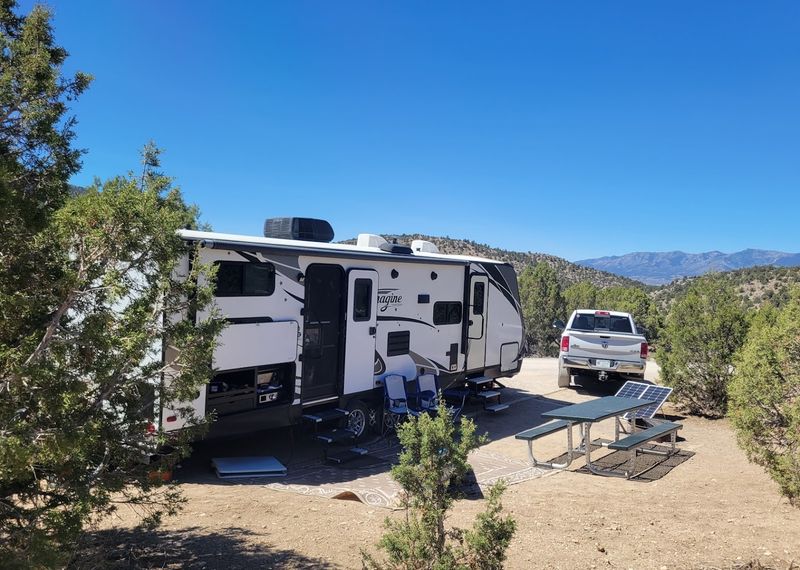
Two campgrounds serve overnight visitors at Cave Lake State Park: Elk Flat Campground and Lake View Campground. Both offer flush toilets and hot showers during their operating seasons, which surprises many first-time campers expecting a rougher setup.
Elk Flat Campground operates seasonally from May through mid-October, weather permitting. Lake View Campground stays open year-round, though extreme cold can affect facility availability during deep winter months.
Both sites feature fire pits, grills, picnic tables, and parking, with unpaved access roads adding a rustic touch.
Most individual sites work on a first-come, first-served basis. Group sites can be reserved in advance.
A yurt provides an alternative for those who prefer a roof overhead without sacrificing the outdoor experience.
The real bonus arrives after dark. Minimal light pollution at this Nevada elevation means the night sky performs nightly in a way that urban visitors find genuinely startling.
Distant coyotes occasionally add to the soundtrack. Staying overnight here is less a camping trip and more an extended conversation with the natural world.
Wildlife Moves Freely Through Every Corner
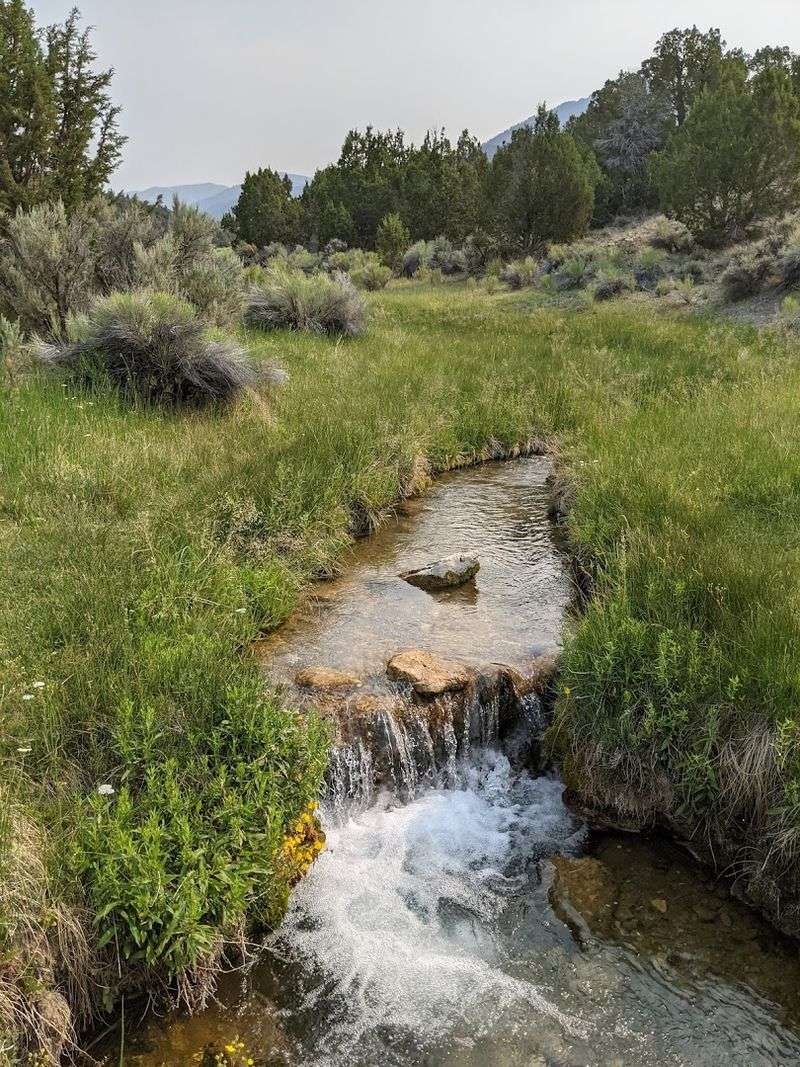
Elk and mule deer are the headline acts, but the supporting cast at Cave Lake is equally impressive. Bobcats, mountain lions, and coyotes all move through this high-desert ecosystem, though most sightings come at dawn or dusk when the park feels most alive.
Birdwatchers find the park rewarding across all seasons. Hawks and eagles ride thermals above the limestone ridges.
Pinyon jays and magpies work the tree line, while vultures circle lazily overhead. Waterfowl gather near the reservoir, and songbirds fill the morning with sound.
Reptiles round out the wildlife picture, including the occasional western rattlesnake. Awareness and respect go a long way in rattlesnake country, and most encounters are brief and uneventful when visitors give them space.
The park’s vegetation tells its own story. Big sagebrush, rabbitbrush, Mormon tea, wild rose, chokecherry, and currant all grow throughout the park, providing food and shelter for the creatures that depend on them.
Aspen groves add seasonal color, particularly in autumn, when their leaves shift to gold against the darker evergreen backdrop.
Ely And The Wider Region Reward Curiosity
Cave Lake sits close enough to Ely, Nevada, to make day trips between the two genuinely easy. Ely itself is a historic mining town with a character that feels lived-in and authentic.
Murals and museums throughout the town document its rich past in ways that reward slow exploration.
About 18 miles from the park, Ward Charcoal Ovens State Historic Park offers one of the more unusual historical stops in eastern Nevada. Six massive beehive-shaped stone ovens, built in the 1870s to process silver ore during the mining boom, stand remarkably intact.
Hiking in to see them up close puts the scale of the old mining industry into sharp perspective.
Great Basin National Park is also within reasonable driving distance, offering ancient bristlecone pine forests and the spectacular Lehman Caves. The region layers natural and historical attractions in a way that keeps visitors busy well beyond a single day.
Cave Lake is also part of the American Discovery Trail, a long-distance cross-country route that draws serious adventurers passing through Nevada’s rugged backcountry on extended expeditions.
What To Know Before You Pack The Truck
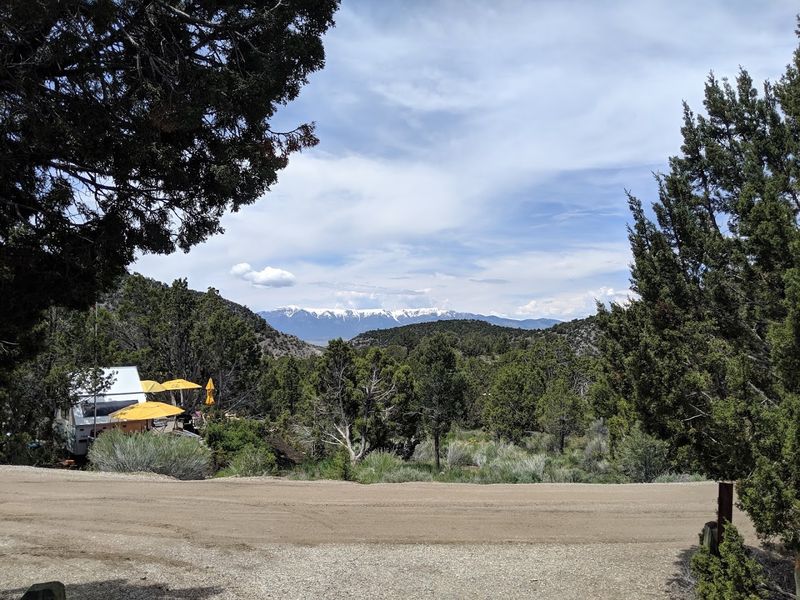
Planning ahead makes a real difference at Cave Lake. Most individual campsites operate on a first-come, first-served basis, so arriving early during peak summer weekends is a practical strategy.
Group sites can be reserved in advance through the Nevada State Parks system.
A seven-day camping limit within any 30-day period is in effect. Elk Flat Campground closes seasonally in mid-October and reopens in May.
Lake View Campground remains open year-round, though facilities may be limited during extreme cold snaps.
All anglers need a valid Nevada fishing license before casting. Boaters must respect the 5 mph flat wake speed limit on the reservoir.
Off-highway vehicles are permitted on specific roads within the park, with an 8 mph speed limit enforced.
Gathering firewood on-site is not allowed, so packing your own supply saves a headache. Hunting is permitted in designated areas outside a 1,000-foot buffer from occupied structures.
Always check current conditions with Nevada State Parks before visiting during winter or early spring, when weather can shift quickly at this elevation.