
The Cash-Only New York Campground Where People Still Line Up At Dawn For A Spot Under $30
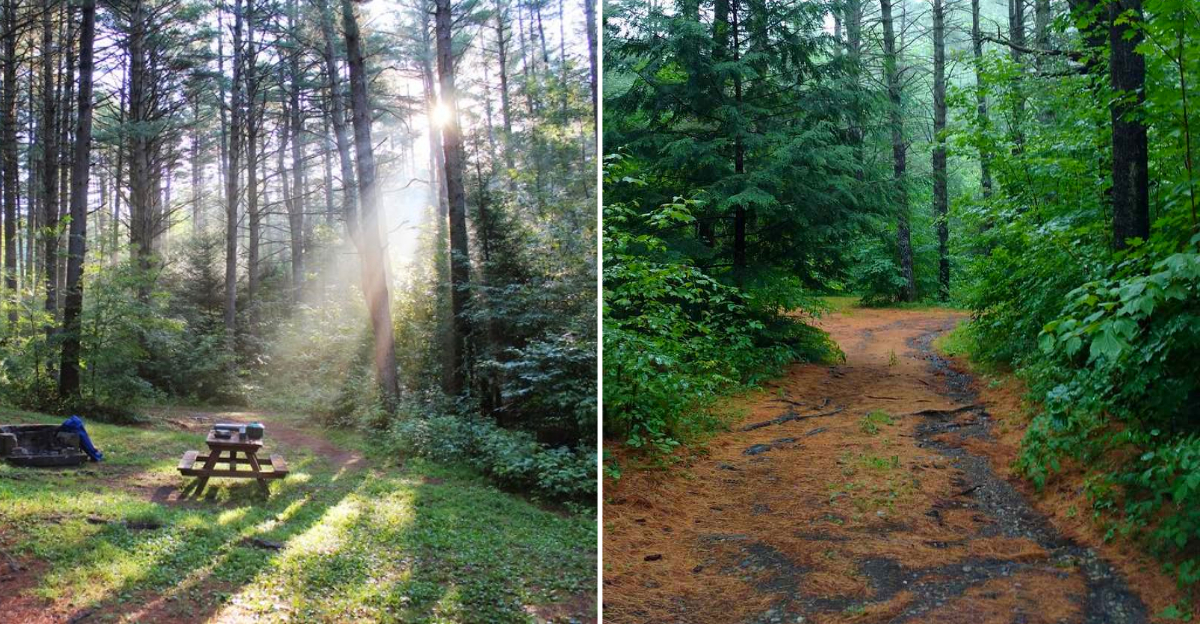
A night here costs less than a large pizza. That number does most of the work in this story. Tall hardwoods overhead, pine needles underfoot, a fire ring waiting at every site.
Hot showers too, which is more than plenty of pricier places manage. Nobody needs a fancy rig with heated floors to sleep well in New York.
Trails start minutes from the sites, so morning plans take care of themselves. My theory about places like this is that the low price filters for the right kind of camper. People who want quiet and a fire, not a resort with a pool.
Cheap camping tends to be crowded camping, and crowded means somebody else already figured out what you just discovered.
This one has been sitting on a roadside for years, doing exactly what it does. Worth the drive north, and worth setting an alarm for.
A River Bend Where Budget Camping Still Feels Grand
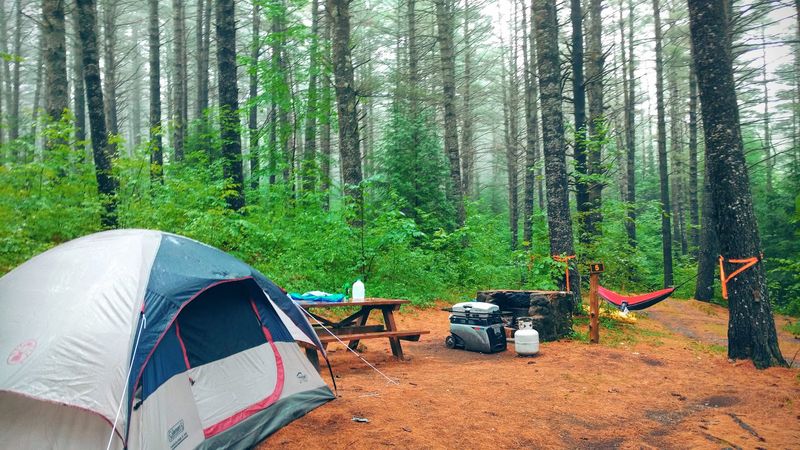
New York State residents pay $18 a night here. Out of state visitors add $5, which lands the total at $23. That is well under thirty dollars for a night beside a river in the Adirondack Mountains.
Forty campsites sit on the western shore of the Schroon River. Most of them are flat, generously spaced, and shaded by a mature hardwood canopy that keeps midday heat at bay.
Tents and recreational vehicles up to 25 feet both fit. Every site comes with a fire ring, and the central bath house has showers and flush toilets.
What sells the spot is not luxury. It is the trade you make. Simple facilities, real trees, a river close enough to hear, and money left over for firewood and breakfast in town.
Rustic does not mean rough here. It means honest, and honest camping has aged remarkably well.
Sharp Bridge Campground Sits Along Route 9
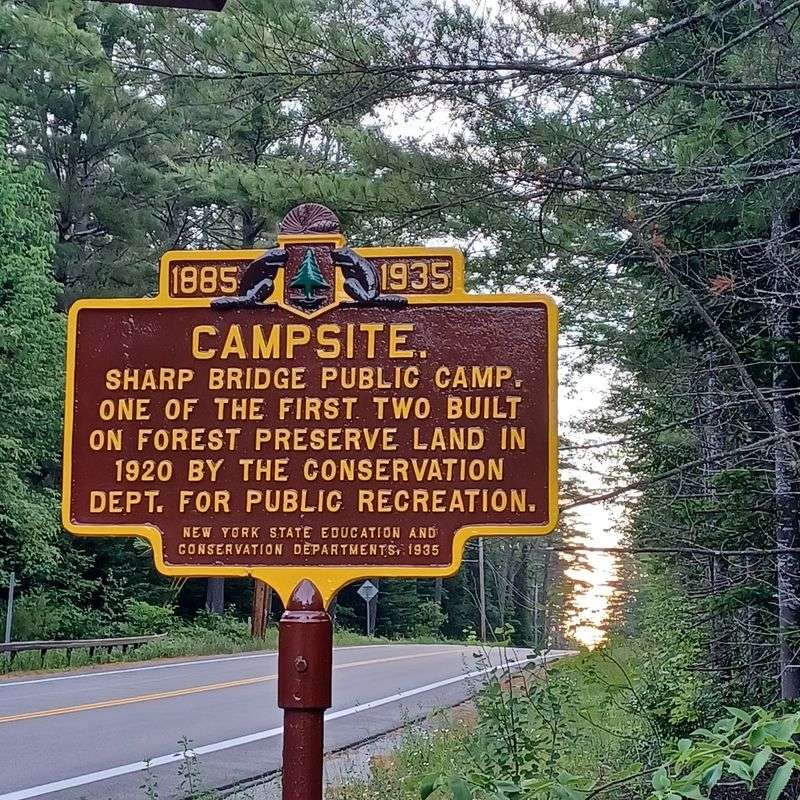
Names matter, so here it is. Sharp Bridge Campground carries the address 4390 Route 9 in North Hudson, New York, in the eastern Adirondacks not far from Exit 30 off the Northway.
Getting there is refreshingly uncomplicated. Route 9 runs parallel to the interstate, so the last stretch of the drive involves trees, guardrails, and very few turns.
The New York State Department of Environmental Conservation runs the property. That means state rules, state fees, and a caretaker on site who actually walks the loops in the evening.
Its history goes back further than most. The site began in 1920 as a single roadside campsite, then grew over the following decades into the loop system standing today.
Over a century of continuous camping happens in very few places. Fewer still keep the price this reasonable while adding showers and a dumping station along the way.
North Hudson itself is quiet, so plan on stocking up before you arrive. Groceries, gas, and restaurants sit in the surrounding towns rather than at the gate.
Arrive with what you need, and the rest of the weekend takes care of itself.
Reservations Replaced The Dawn Lineup
Old habits gave this place a reputation. For years, hopeful campers rolled in early and hoped a site would open up before the crowd arrived.
Those days have wrapped up. Current DEC regulations require reservations, and walk-ins are no longer permitted at state campgrounds, including this one.
Good news follows. Booking ahead means you drive north knowing exactly which site is yours, which beats circling a loop at sunrise with your fingers crossed.
Weekends in July and August fill fast. High Peaks hikers, families, and paddlers all want the same forty sites, so early planning pays real dividends.
Weeknights tell a different story. Midweek stays can feel almost private, with long quiet stretches between neighbors and plenty of room to spread out gear.
Check the reservation system for site details before you commit. A few sites on the lower loop involve rougher approaches, which matters if your vehicle rides low.
Print or screenshot your confirmation. Cell service in the Adirondacks can be patchy, and a saved copy prevents fumbling at check-in.
Plan smart, and the savings still hold. Under thirty dollars a night remains a rare number in New York camping.
Forty Sites, Zero Fuss
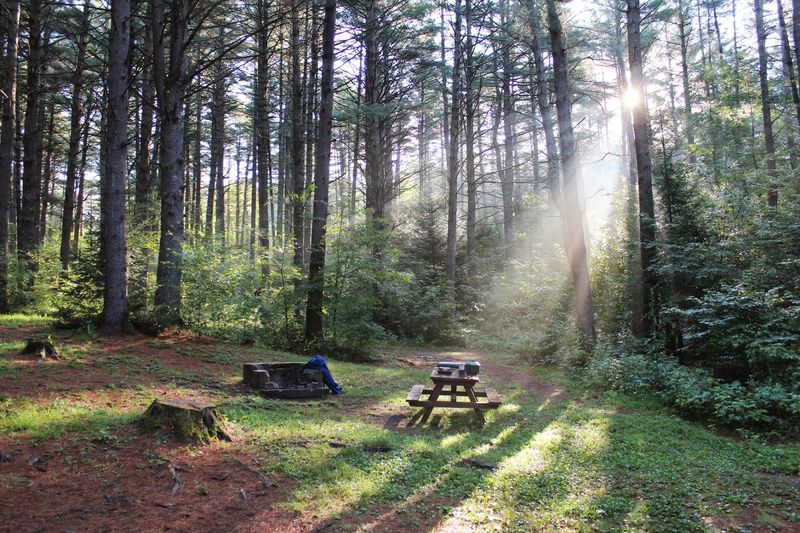
Counting matters when you are choosing where to sleep. Forty sites means the place never swells into a small city, and evenings stay manageable.
Layout helps too. The loops wind through hardwoods with enough space between sites that your neighbors remain neighbors instead of roommates.
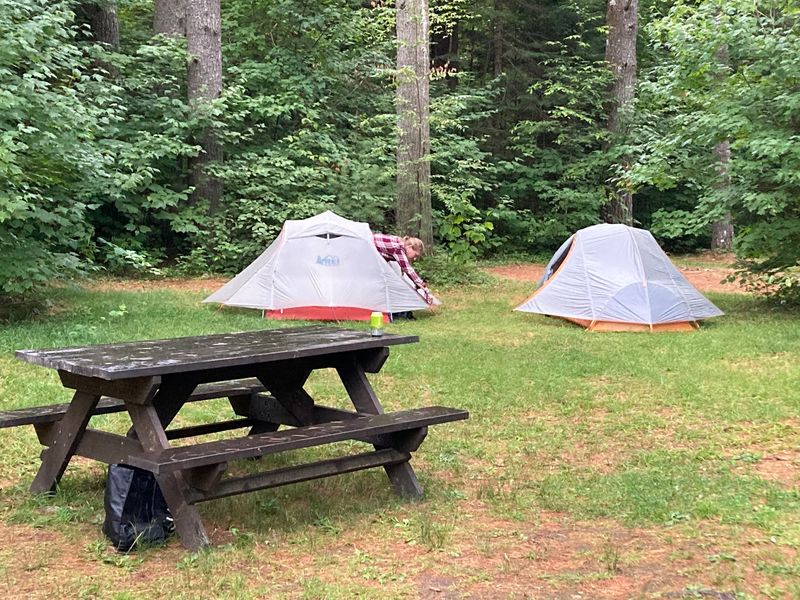
Room is genuinely usable. Many sites hold two tents plus a vehicle, and the flat ground makes stake driving quick work rather than a wrestling match.
Recreational vehicles fit up to 25 feet. Anything longer will not work here, which keeps the atmosphere leaning toward tents and modest campers.
Each site includes a picnic table and a stone fire ring built more like a small hearth than a scraped circle. Cooking over it feels steady and safe.
The tent pads deserve their own mention. Dirt and pine needles beat compacted gravel every single time, especially when your sleeping pad is thin.
Two vehicles and six people per site are the standard limits. Groups larger than that will need to book more than one spot.
Simple math, simple camping. Forty sites, one bath house, and a whole lot of trees doing the heavy lifting.
High Peaks Trailheads Wait Nearby
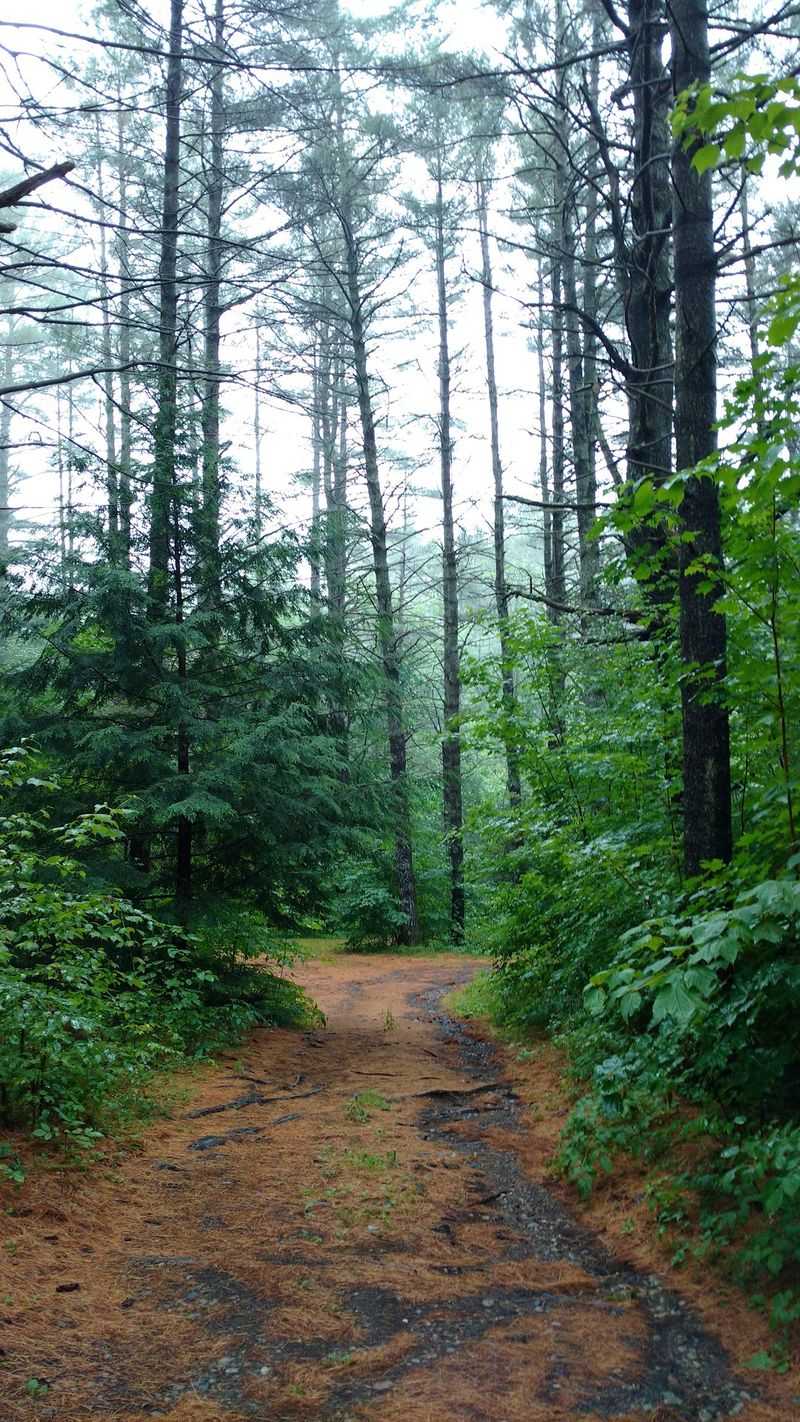
Hikers figured out this campground long ago. Sitting just outside the High Peaks Wilderness, it makes an efficient base for early starts.
Drive times run short. Many trailheads sit roughly ten to thirty minutes away, which means you can eat breakfast at your picnic table and still beat the parking rush.
The variety is the real draw. Gentle riverside walks and serious summit pushes both live within the same general neighborhood.
A short trail follows the river near the campground entrance. Perfect for stretching your legs after the drive or filling an hour before dinner.
Waterfalls, ponds, and ridge views all sit within reach. Bring a proper map, since phone signal wanders in and out among the mountains.
Boots dry slowly in humid Adirondack air, so pack a second pair of socks. Your future self will send thanks.
Lake Placid sits roughly forty minutes north for anyone chasing Olympic history or a bigger town for supplies.
Camping cheap and hiking hard pair beautifully. Spend your money on gear and gas, then sleep under hardwoods for the price of a sandwich platter.
Firewood And Fire Rings Done Right
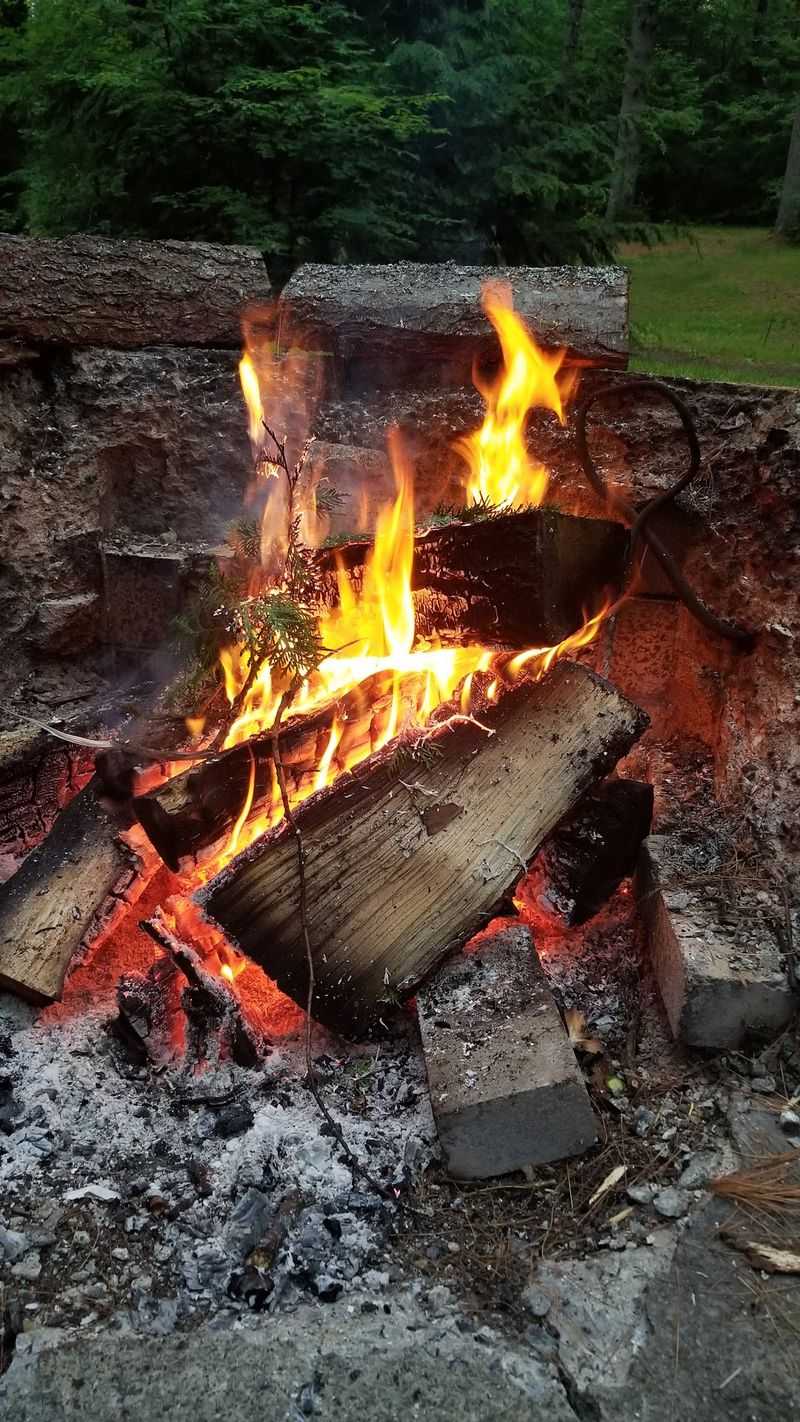
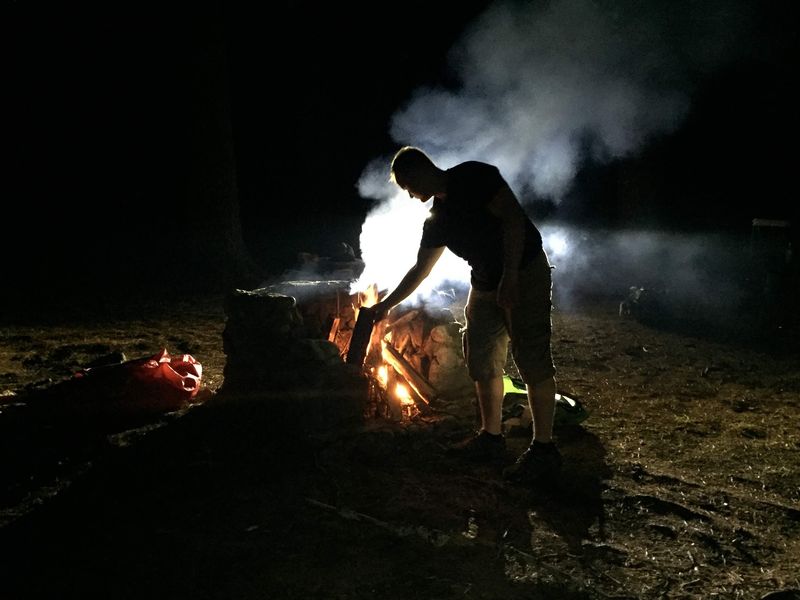
Fire is the whole point for plenty of campers, and the setups here support that habit well. Each site has a stone fire ring built with real structure, often with a grate for cooking.
Firewood is sold on site by the bundle. Prices shift year to year, so bring cash and ask at check-in about current cost and availability.
New York rules matter here. Untreated firewood cannot be transported more than fifty miles to its destination, a measure that slows the spread of invasive pests.
Buying local wood is therefore the smart move. It supports the campground and keeps you on the right side of the regulations.
Kindling scatters naturally across the forest floor. Collecting downed sticks around your site usually gets a flame going without much effort.
Cooking over the hearth works nicely for foil packets, sausages, and anything that tolerates uneven heat. Bring long tongs.
Marshmallows remain undefeated as the closing act. Simple pleasure, low cost, very high satisfaction rating.
Watch the fire until it is fully out. Cold ash by bedtime is the neighborly standard, and staff appreciate campers who follow it.
Schroon River Gives The Place Its Soundtrack
Water changes a campground’s whole personality. The Schroon River runs along the western edge of the property, and the current provides a steady background hush.
Access is easy on foot. A riverside path near the entrance lets you wander down for photos, wading, or simply sitting on a rock doing nothing productive.
Anglers find the area appealing. Adirondack rivers hold trout, and a New York fishing license opens that door for anyone interested.
Kids gravitate toward shallow edges naturally. Supervision is essential, since river levels rise quickly after heavy rain in the mountains.
Mornings by the water reward early risers. Mist lifts off the surface while the campground is still mostly asleep.
Bugs come with the territory. Blackflies peak in late spring and early summer, so pack repellent and maybe a head net for evening hours.
The hardwood canopy overhead keeps the riverbank shaded through the hottest part of the afternoon. Nature’s own awning, free of charge.
Falling asleep to moving water never gets old. For a fee under thirty dollars, that sound alone feels like an unfair bargain.
Season Runs Mid May Through Early September
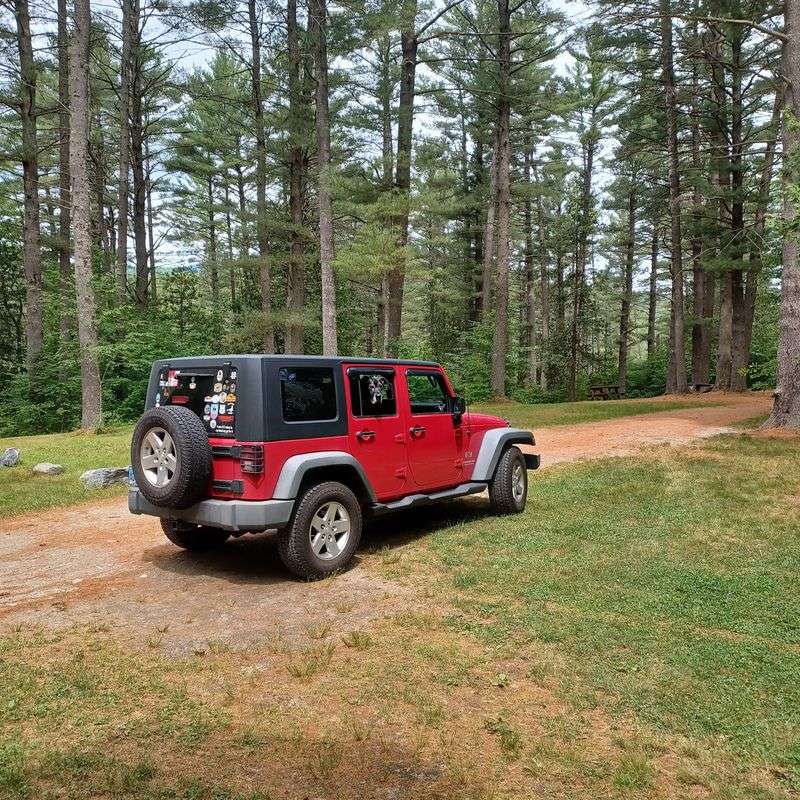
Timing your visit takes a little homework. The campground operates seasonally, and the 2026 season is scheduled from May 15 through September 7.
Outside those dates the gates close. Adirondack winters are long, and state campgrounds shut down rather than fight the snow.
Each part of the season has its own character. May brings cool nights and high water, July delivers full loops and warm afternoons.
Late August into early September may be the sweet spot. Bug pressure drops, days stay pleasant, and the crowds begin thinning out.
Nights get chilly even in midsummer. Mountain air cools fast after sunset, so a warmer sleeping bag beats a thin summer one.
Rain is part of the deal. A tarp over your table transforms a soggy afternoon into a comfortable one.
Labor Day weekend closes things out with a busy flourish. Book early if that stretch is your target.
Season dates can shift, so verify before finalizing plans. Confirming saves you a long drive to a locked entrance and a very disappointed car full of gear.
Packing List For A Under Thirty Dollar Weekend
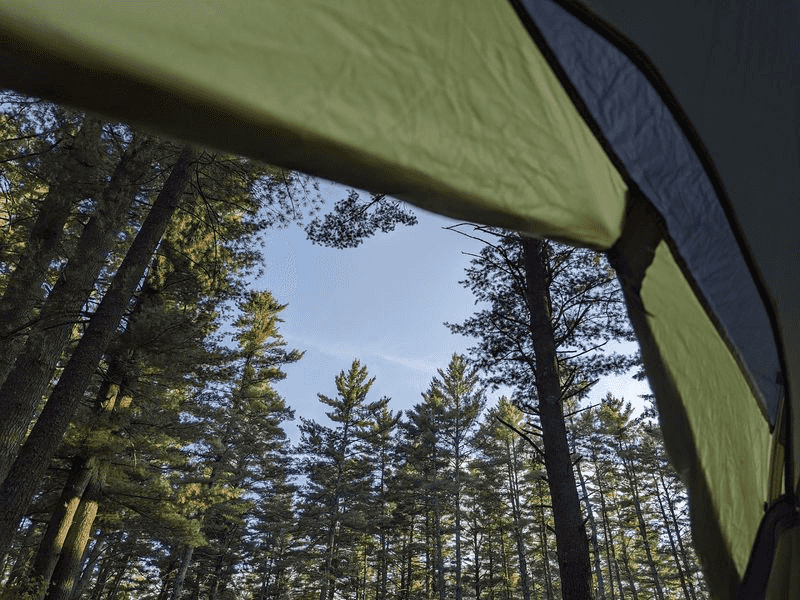
Cheap camping works best when you arrive prepared. Nobody wants to burn gas driving twenty minutes for a forgotten can opener.
Cash tops the list. Firewood and small on site purchases go smoother with bills in your pocket than with a card.
Bug spray earns permanent residence in your gear bin. Adirondack insects treat unprepared campers as a personal invitation.
Bring a water jug even though spigots exist. Not every faucet supplies potable water, and hauling is easier with a proper container.
Layers beat bulk. A fleece, a rain shell, and dry socks cover most weather the season throws at you.
Headlamps outperform handheld flashlights when you are cooking, tenting, or navigating to the bath house after dark.
A small tarp with rope handles rain, sun, and unexpected wind. Cheap insurance for outdoor comfort.
Trash bags matter here. Pack out what you bring in and leave your site cleaner than you found it.
Add a camp chair, a card deck, and something warm to drink in the morning. Total investment stays modest, and the payoff is a weekend in the Adirondacks that feels far richer than the receipt suggests.