
The Creepy Nevada Desert Road That Locals Claim Is Actually Haunted
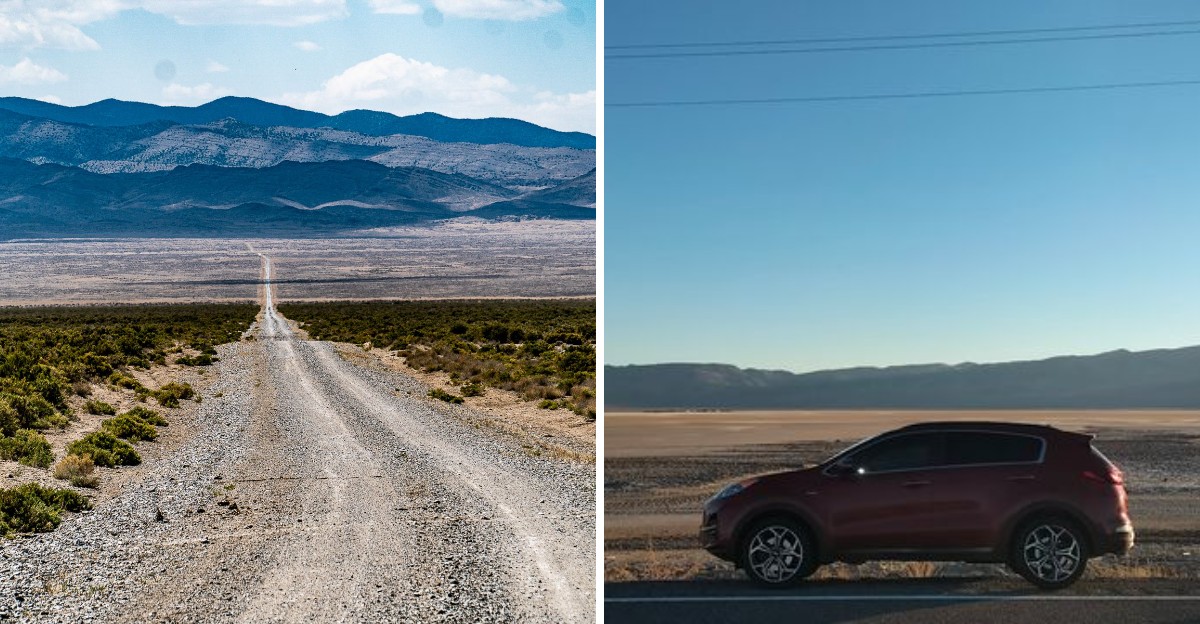
A national magazine once claimed this highway had nothing worth seeing. State officials laughed it off and turned the insult into a slogan.
Decades later, drivers chase that emptiness on purpose. Some come for passport stamps, since completing the route earns a certificate signed by the governor of Nevada.
Others come for the stories. Phantom figures, unexplained lights, and a historic hotel with a ghostly reputation haunt this stretch.
Who expects a sand dune to hum? Out here, one actually does, like a campfire tale come to life.
Cell signal fades for miles, and dark cattle drift across the pavement after sunset. What else might share the shoulder with you?
Nevada nights get darker than most visitors imagine. Could you make the drive without glancing at the mirror?
A Magazine Insult Became The Best Road Trip Pitch Ever
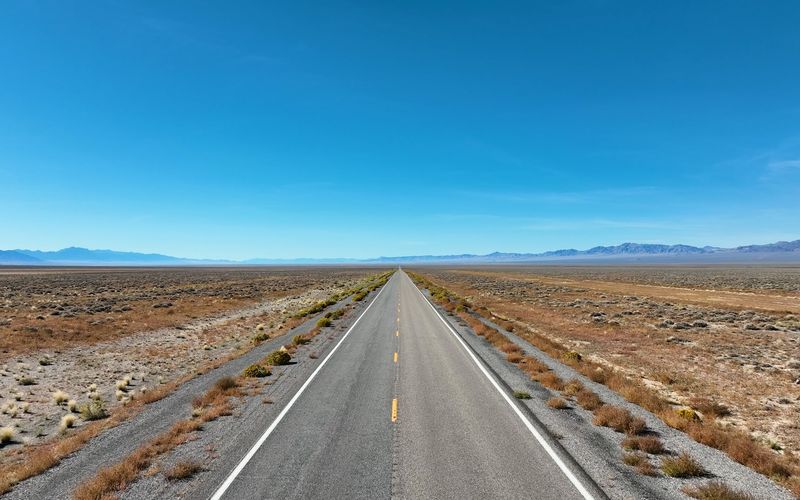
Most places would be upset if a national magazine said nothing was there. U.S.
Route 50 (The Loneliest Road in America) turned that exact jab into its biggest selling point.
The story goes back to 1986. Life magazine ran a piece calling the Nevada stretch of this highway the loneliest road in America.
The article even quoted a travel advisor who said there were no points of interest. Travelers were told they would need survival skills to make the trip.
Nevada tourism officials could have grumbled about it. Instead, they printed the nickname on signs and built a whole campaign around the solitude.
That move was pretty clever. The insult made the road sound wild and mysterious, which is exactly what plenty of drivers want.
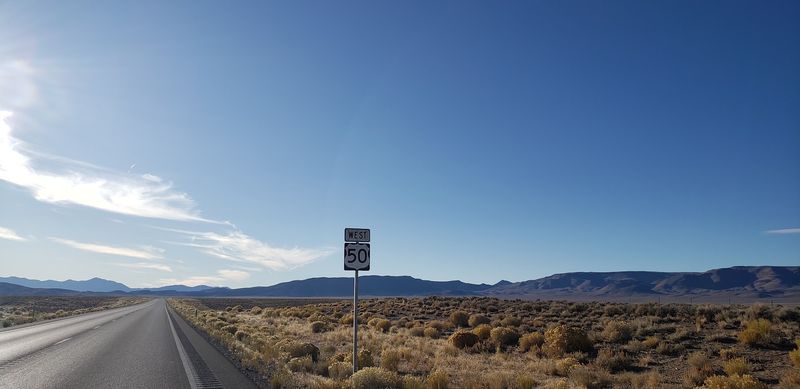
Today the name sits on official signs along the route. People pull over just to snap a photo beside them, which feels a little funny for a road that is supposed to be empty.
The highway runs across Nevada from the California line near Lake Tahoe to the Utah border near Baker. The loneliest part mostly sits between Fallon and Ely.
So yes, the road is lonely. It just happens to be lonely in the most popular way possible.
Grab A Passport And Earn A Certificate For Surviving The Drive
Paperwork is rarely the fun part of a trip. Here, it might be the best souvenir you bring home.
Nevada offers a Highway 50 survival guide that works like a passport. You pick one up at a participating stop and collect stamps in towns along the route.
Fallon, Austin, Eureka, and Ely are among the stops on the list. Each one gives you a reason to get out, stretch, and look around instead of rushing past.
Once your booklet has enough stamps, you can send it in. The reward is a certificate saying you survived the loneliest road, signed by the governor of Nevada.
Kids especially love this kind of mission. It turns a long drive into a scavenger hunt with a real prize at the end.
A few practical tips help a lot. Grab your passport at your very first stop so you don’t miss early stamps.
Also check business hours before you count on a stamp. Small towns keep small-town schedules, and a closed door at dusk can derail your collection.
Honestly, a framed certificate proving you crossed the desert beats another fridge magnet. Your friends will at least ask about it.
Spooky Stories Grow Louder When The Sun Goes Down
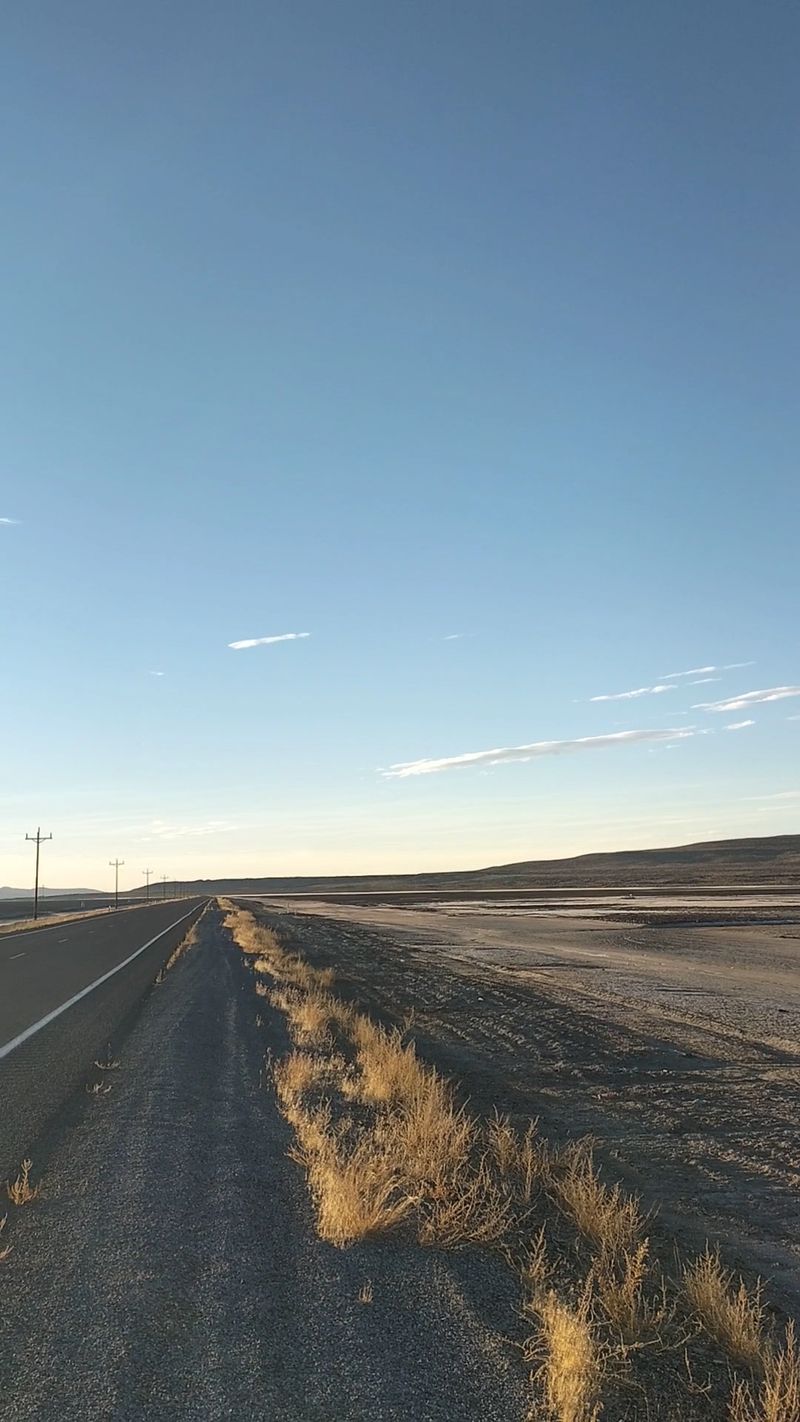
Darkness out here is a different animal. Long stretches of this highway have no streetlights, no towns, and often no cell signal.
That kind of quiet makes the brain work overtime. It’s no surprise that stories of phantom figures and mysterious lights travel along the road with the drivers.
Some tales involve shapes near the shoulder that seem to vanish. Others describe glowing lights far out in the valleys with no clear source.
Here’s a fun twist, though. Open-range cattle and wild horses really do wander across the pavement, and dark-colored animals can be nearly invisible at night.
So that shadow beside your car might be a ghost. It’s more likely a very calm cow wondering why you’re up so late.
Either way, the lesson is the same. Drive slower after sunset and keep your eyes scanning the edges of your headlights.
The mystery is part of the appeal, and nobody can fully explain every odd sight. A wide desert sky and total silence just make ordinary things feel extraordinary.
Bring a friend if spooky stories rattle you. Then take turns telling the creepiest one you know.
Ely’s Old Hotel Comes With A Ghostly Reputation
Back in 1929, the Hotel Nevada opened in Ely as one of the tallest buildings in the state. Its vintage sign still glows over the downtown stretch of the highway.
The hotel leans into its long history. Over the decades, it has picked up a reputation for ghost stories and unexplained happenings.
That makes it a natural stop for anyone chasing the haunted side of U.S. Route 50 (The Loneliest Road in America).
A spooky road deserves at least one spooky building, right?
Ely itself is one of the bigger towns along the route in eastern Nevada. It’s a smart place to refuel, eat, and rest before tackling more open desert.
Mining built this town, and you can still feel that history in the old storefronts. Murals around downtown also tell pieces of the local story.
Plan your stop around daylight if you can. The roads leading in and out are long, and arriving rested makes everything more enjoyable.
Whether you believe in ghosts or not, a historic hotel has its own charm. Even skeptics enjoy wondering who walked the hallways a century ago.
A Giant Sand Dune That Actually Sings
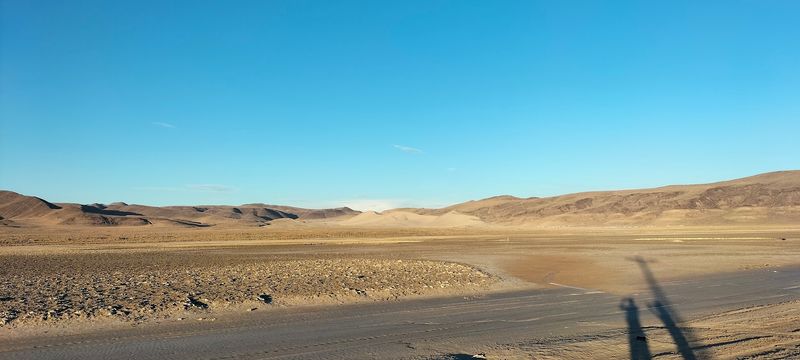
Sand that hums sounds like something from a ghost story. At Sand Mountain Recreation Area east of Fallon, it’s a real natural effect.
The dune rises roughly 600 feet above the desert floor. When conditions are dry and the sand shifts, it can produce a low booming or singing sound.
That eerie noise fits right in on this highway. It’s easy to see why a lonely road with talking dunes collects so many legends.
The area is popular with off-highway vehicle riders and sandboarders. Hikers can also climb the slopes, though soft sand makes every step feel like two.
Nearby, you’ll find the remains of Sand Springs Station, a Pony Express stop from the 1860s. Its low stone walls show how tough life was for riders crossing this land.
Bring sunscreen, water, and good shoes. Summer heat in Nevada can be intense, and there’s little shade out on the dunes.
It’s a great early stop if you’re heading east. You get a strange sound, a slice of frontier history, and plenty of photos before the real emptiness kicks in.
A Stone Tower Watches Over Austin From The Hillside
Nobody expects a castle in the middle of the desert. Austin has one anyway, perched on a hill above town.
Stokes Castle was built in 1897 for the family of mining businessman Anson Phelps Stokes. The three-story stone tower was modeled after a tower near Rome.
The family only used it briefly. Since then, it has stood mostly empty, which only adds to its mysterious look against the sky.
Austin started as a silver boomtown in the 1860s. Old churches and historic buildings still line its steep main street.
The town is one of the stamp stops for your Highway 50 passport. It sits on a mountain slope, so the drive in offers wide views of the valley below.
Visitors can view the castle from outside. The hillside spot is a great place for photos, especially as late sunlight hits the stone.
Small towns along U.S. Route 50 (The Loneliest Road in America) reward curiosity.
A quick detour here gives you a fairy-tale tower, mining history, and a break from the wheel.
The Friendliest Town On The Loneliest Road Has A Historic Opera House
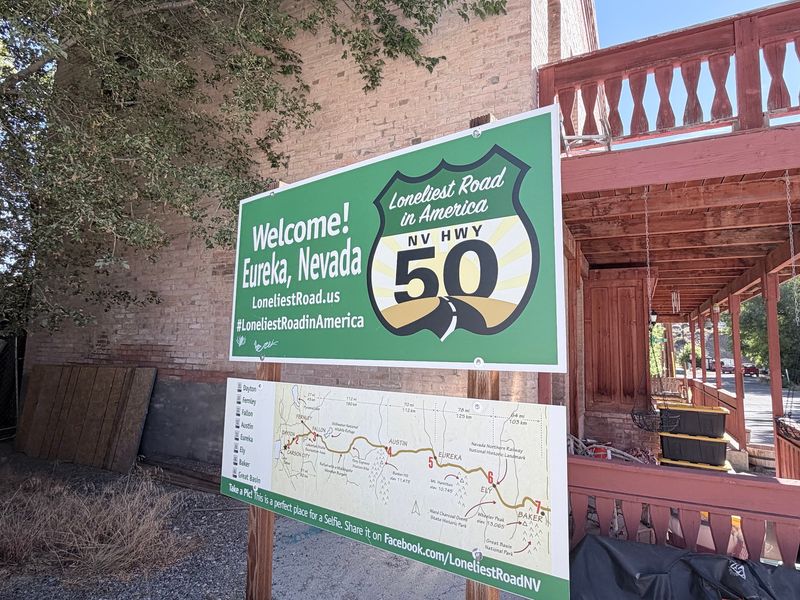
Eureka has a great comeback to the highway’s famous nickname. The town calls itself the friendliest town on the loneliest road.
Its historic main street is one of the best preserved along the route. The Eureka Opera House dates to 1880 and has been restored for events and visitors.
Back in the mining boom, this town was a busy silver and lead center. That wealth paid for sturdy brick buildings that still stand today.
The Eureka County Courthouse is another standout nearby. Together these buildings make the downtown feel like a living history lesson.
A little east of Austin on the way here, look for Hickison Petroglyph Recreation Area. Ancient rock carvings there show people traveled this land long before cars.
Eureka is another stop for passport stamps. It’s also a reliable place to fill your tank before more empty miles.
Give yourself time to walk the main street. After hours of sagebrush, seeing grand old buildings feels like finding a secret level in a video game.
Starry Skies Here Can Feel Almost Unreal
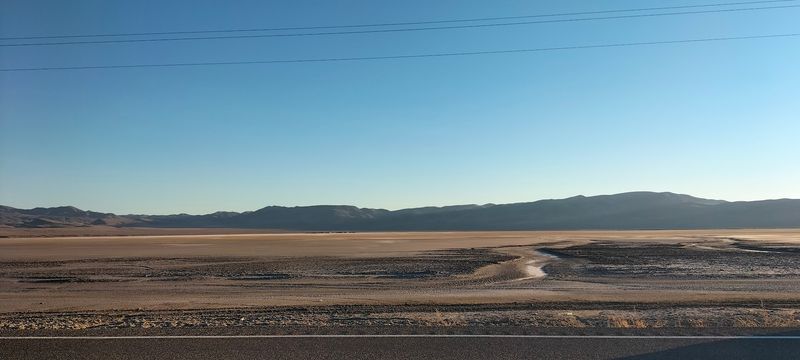
Very little light pollution reaches these valleys. That means the night sky over this highway can be packed with stars.
Great Basin National Park, near Baker by the Utah line, is known for dark skies. It’s recognized as an International Dark Sky Park.
The park also holds ancient bristlecone pines and Lehman Caves. It’s a great final stop if you’re heading east toward Utah.
Photographers love the official signs along the route. One of the best-known sits on Lincoln Hwy, Ruth, NV 89319, west of Ely, with room to pull over.
Stop there in daylight for your sign photo. Then come back to the big empty sky after dark if you’re staying nearby.
Pack a warm layer for nighttime viewing. Desert temperatures in Nevada drop fast once the sun goes down, even in summer.
Those same dark skies help explain the mystery lights people talk about. When there’s nothing but stars, a single moving glow really grabs attention.
Look up long enough and you’ll understand why this road feeds the imagination.
Smart Prep Beats Any Ghost Out Here
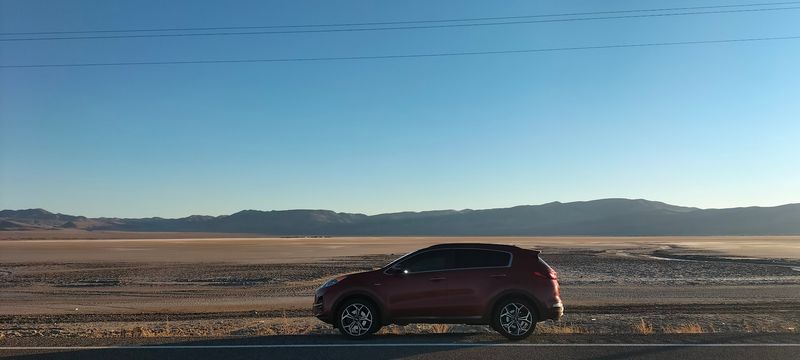
Forget ghosts for a second. The real danger on this route is running out of gas between towns.
Services are spread far apart across central Nevada. Top off your tank in every town, even when the gauge still looks healthy.
Cell service drops out for long stretches. Download maps, music, and podcasts before you leave, and carry a paper map too.
Pack extra water and some snacks. A good spare tire and basic tools can turn a breakdown into a small hiccup.
Open-range land means cattle, horses, and other animals may stand right on the road. Slow down at night and watch the shoulders closely.
Mountain passes along the way can get snow in colder months. Check road conditions with the Nevada Department of Transportation before heading out.
Tell someone your route and expected arrival time. It’s a simple step that brings real peace of mind.
With the right prep, U.S. Route 50 (The Loneliest Road in America) becomes calm, scenic, and wonderfully strange.
The only thing haunting you should be the urge to drive it again.