
Forget The $7 Ticket Rumor, Here’s How Mississippi Families Actually Save On Dolphins And Stingrays In Gulfport
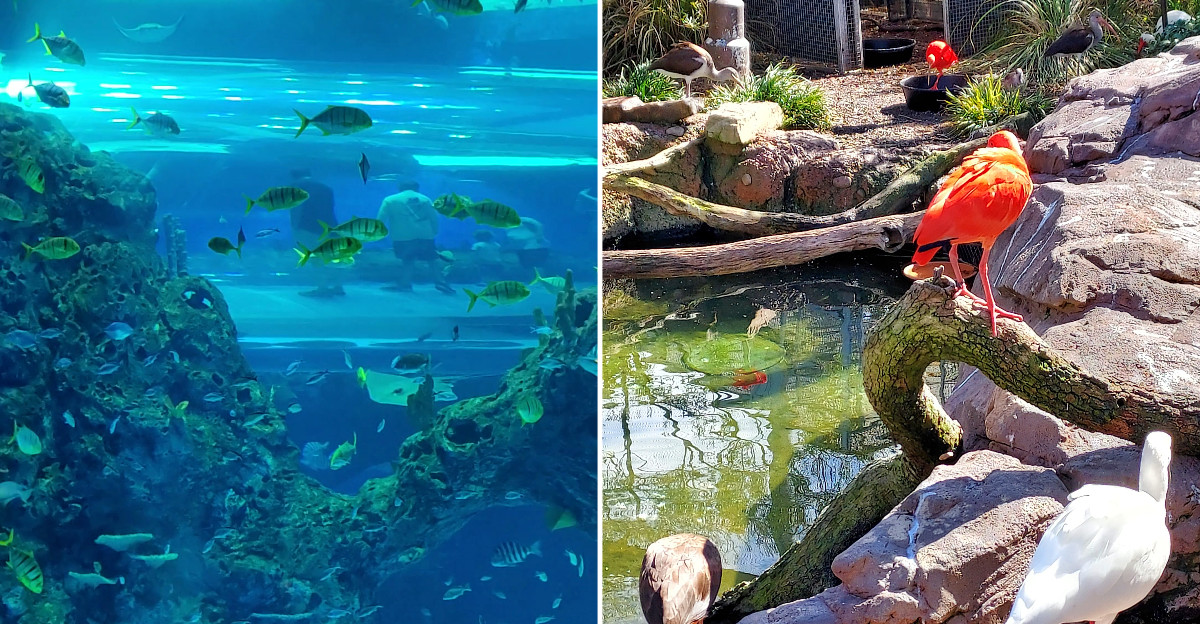
A seven-dollar price tag on a big Gulf Coast aquarium sounds too good to be true, so we went looking for the real numbers. The answer is more interesting than a single cheap ticket, and it can still save Mississippi families real money.
Smart timing, special program days, and a few add-on deals can shrink the cost of a day with dolphins, otters, and stingrays. Here is what parents should know before they pack the sunscreen and head for the beach.
A Waterfront Aquarium on Beach Boulevard
Right across from the sand at 2100 E Beach Blvd in Gulfport sits the Mississippi Aquarium, the largest aquarium on the state’s Gulf Coast. Its campus covers more than 80,000 square feet of indoor and outdoor exhibits, which means a visit feels part museum, part garden walk.
Families usually arrive expecting fish tanks. They leave talking about dolphins, otters, penguins, alligators, and a bird aviary, along with surprise neighbors like sloths, frogs, a beaver, and an armadillo.
Local animals share space with ocean life, so kids get a look at the waters and wetlands right outside the door.
So where does seven dollars fit in? Honest answer first: there is no standard child ticket priced at seven dollars.
The closest match is a $7 add-on fee for an adult joining a Homeschool Learning Lab, while students pay $5 for the same lab. Those small fees pair with discounted Homeschool Day admission, and on select weekends, kids from the six coastal counties can get in free.
In the sections ahead, we break down every way to trim the cost, then walk through the exhibits so you know exactly what your money buys.
The Real Math Behind the Seven-Dollar Headline
Numbers tell the clearest story here. Regular admission for children ages 3 to 12 runs about $23.95 when bought online ahead of time and about $29.95 at the gate.
Kids 2 and under get in free, which is a nice break for parents of toddlers.
Buying early matters. That six-dollar gap between online and day-of pricing adds up fast for a family of four or five, and guests often mention that advance tickets also help skip the line at the entrance.
Program pricing is where the smaller figures appear. Homeschool Days drop student admission to $18.50 when booked in advance.
On those days, optional Learning Labs cost $5 per student and $7 per accompanying adult, added on top of the admission ticket. That $7 figure is the source of the seven-dollar talk, though it works as an extra, not as the entry fee.
For little ones, the Aqua Tots program for ages 3 to 5 costs $15, or $10 for annual passholders. Speaking of passes, some families feel an annual pass delivers more value than one-time tickets if you live nearby.
A military discount is also offered.
Free Weekends for Coastal County Kids
Zero dollars beats seven every time. On select weekends, children from birth to age 12 who live in Mississippi’s six coastal counties can receive free admission, making this the biggest savings opportunity available.
Local families should keep an eye on the aquarium’s website at msaquarium.org, since these weekends are scheduled rather than ongoing. Calling 228-241-1300 is another quick way to confirm dates and check what proof of residence might be needed at the gate.
Why does this matter so much? A free child ticket frees up the budget for extras like a 4D movie or a gift shop treat, or simply makes a second trip possible later in the year.
For families with several kids, the savings can stretch past a hundred dollars in a single day.
Free weekends can also be busier, so arriving close to the 10 am opening is a smart move. Early arrivals tend to get easier parking and clearer views at popular spots like the dolphin habitat and touch pool.
Adults still pay regular admission on these days, so plan accordingly. Even so, it remains the best route for coastal families who want a full aquarium day at a fraction of the usual cost.
Dolphins Stealing the Spotlight
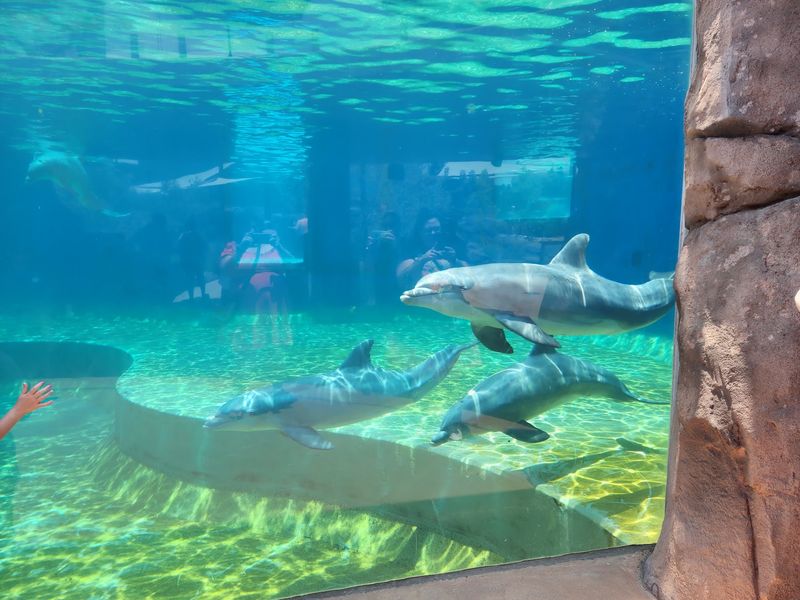
Ask almost any kid what they remember, and the dolphins come first. Few things get more attention at this aquarium than the bottlenose dolphins playing with their ball and gliding past the viewing windows.
Training sessions run on a schedule, so checking showtimes before you start walking is a good habit. Trainers share fun details about how the dolphins sleep and play, turning a splashy moment into a mini science lesson.
Front-row watchers may even get a little wet.
A heads-up for parents of small children: the viewing area is fairly compact and can fill quickly. Arriving a few minutes early helps shorter visitors land a spot near the glass instead of peeking around grown-ups.
For families wanting more, a dolphin encounter lets guests get up close with these clever animals alongside trainers. It costs extra beyond general admission, so think of it as a special-occasion splurge rather than part of the budget plan.
Visitors regularly describe the trainers as kind and patient, and some even recall staff waiting for latecomers to reach the habitat before starting. That small gesture says plenty about how the team treats families.
Stingray Touch Pools and a Glass Tunnel
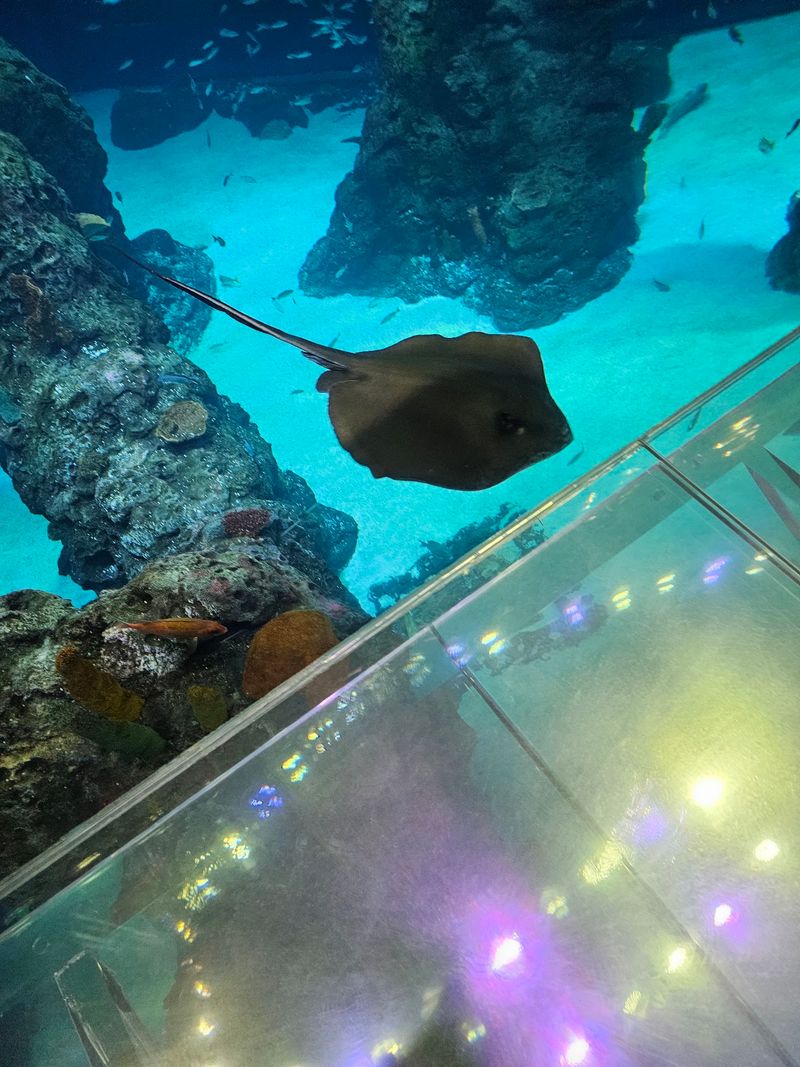
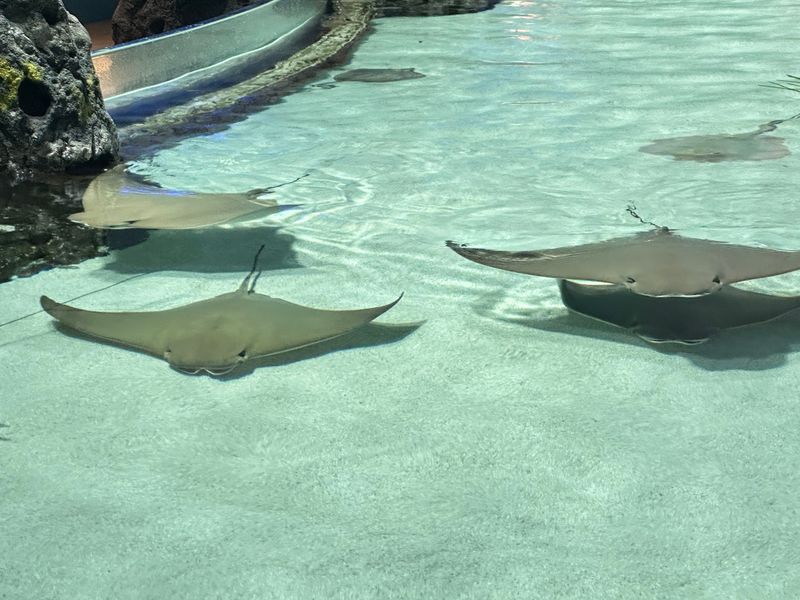
Small hands reach in, a stingray slides by, and a giggle echoes across the room. The touch pool is where kids stop being spectators and start being explorers.
Inside the same building, guests can gently pet several types of rays, along with small sharks and hermit crabs in nearby areas. The rays often swim right up to the edge, almost as if they enjoy the attention.
Staff stand nearby to explain the right way to touch and share the rays’ playful names.
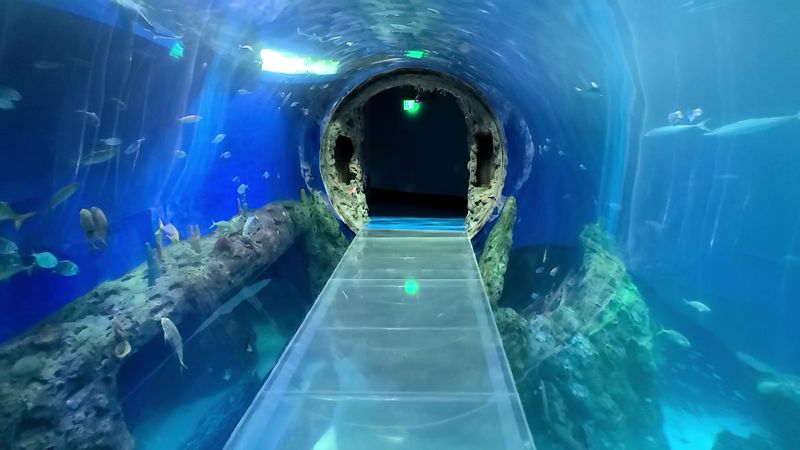
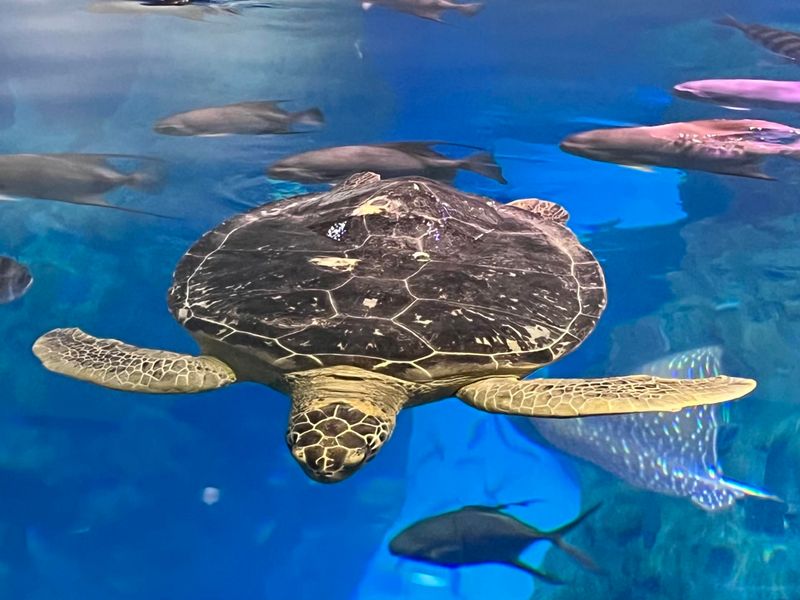
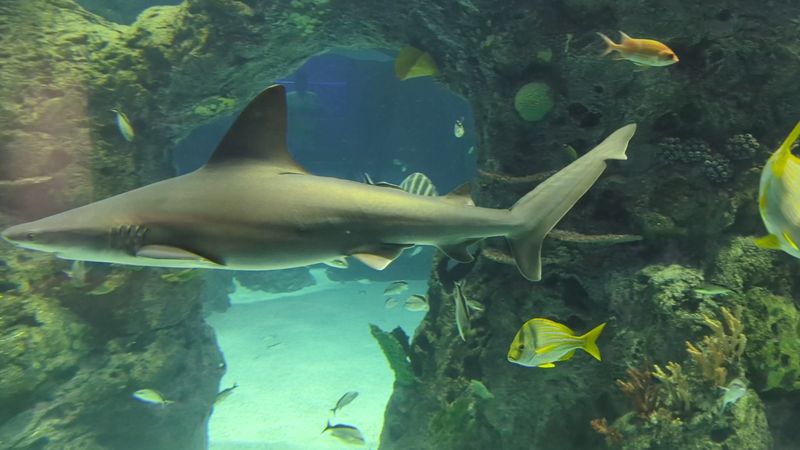
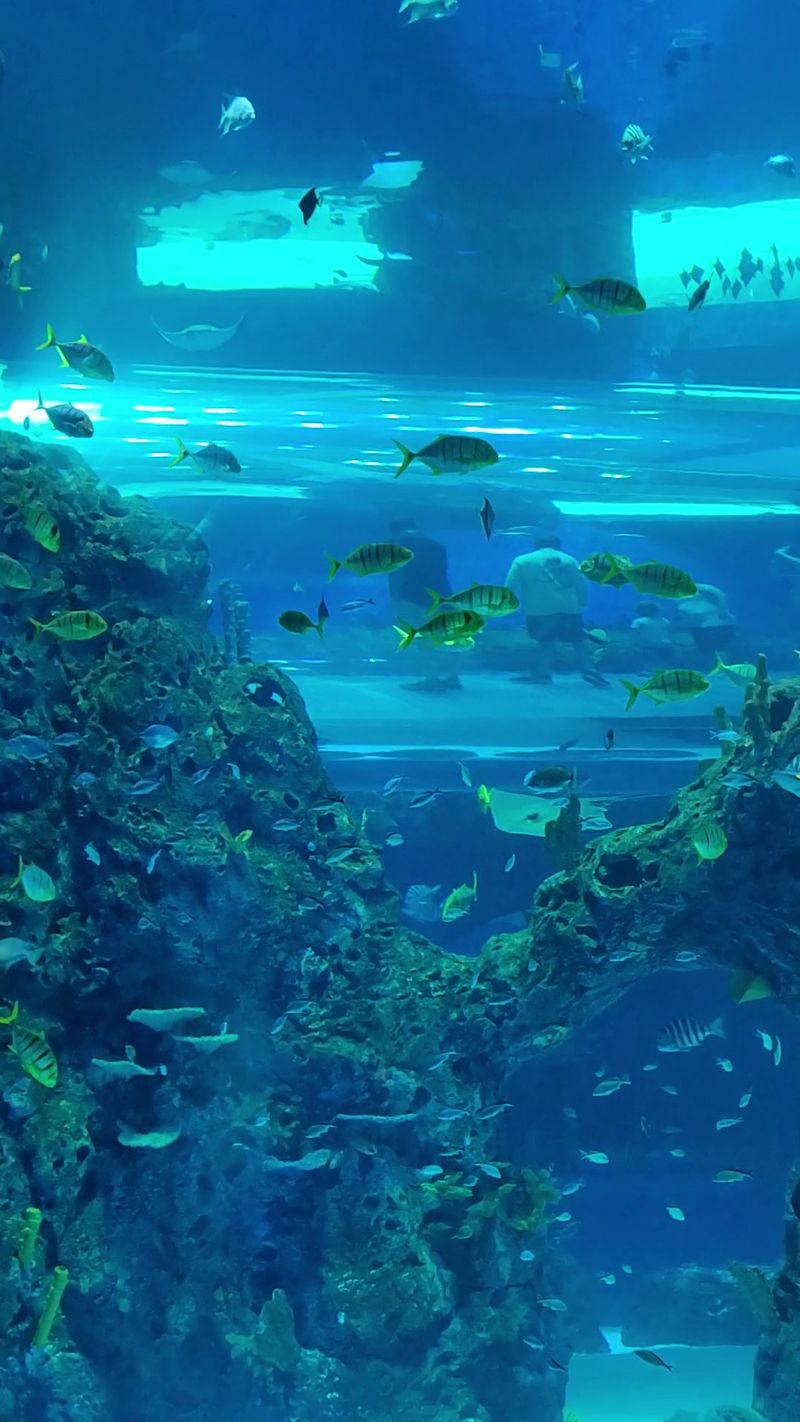
Walk a little farther and you reach a clear glass tunnel. Turtles, fish, and little sharks swim overhead and around you, giving kids that thrilling feeling of standing on the sea floor without getting wet.
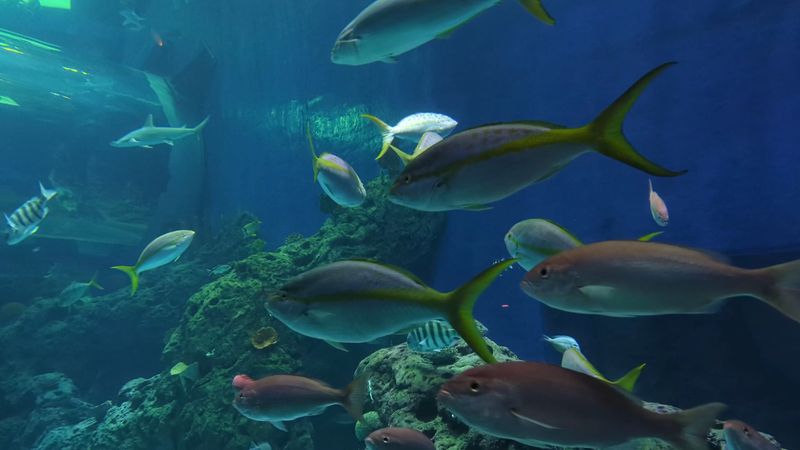
Near the base of the building sits an enormous glass viewing wall with a huge underwater scene. Families often linger here longer than planned, watching sea life drift past in a calm, quiet space that also offers a break from the heat.
Quick tip: bring hand wipes or plan a sink stop after the touch pool, especially for toddlers who like to put fingers in their mouths. It keeps the fun going without any sticky surprises later.
Otters, Penguins, and a Bird-Filled Aviary
Otters rarely sit still, and that is exactly why kids love them. Their splashy, tumbling antics make the otter exhibit one of the most talked-about stops after the dolphins.
Penguins add another crowd favorite, waddling and swimming in a way that keeps younger visitors pressed to the glass. Alligators bring a bit of Gulf Coast wildness, and the gars and turtles show off the region’s freshwater side.
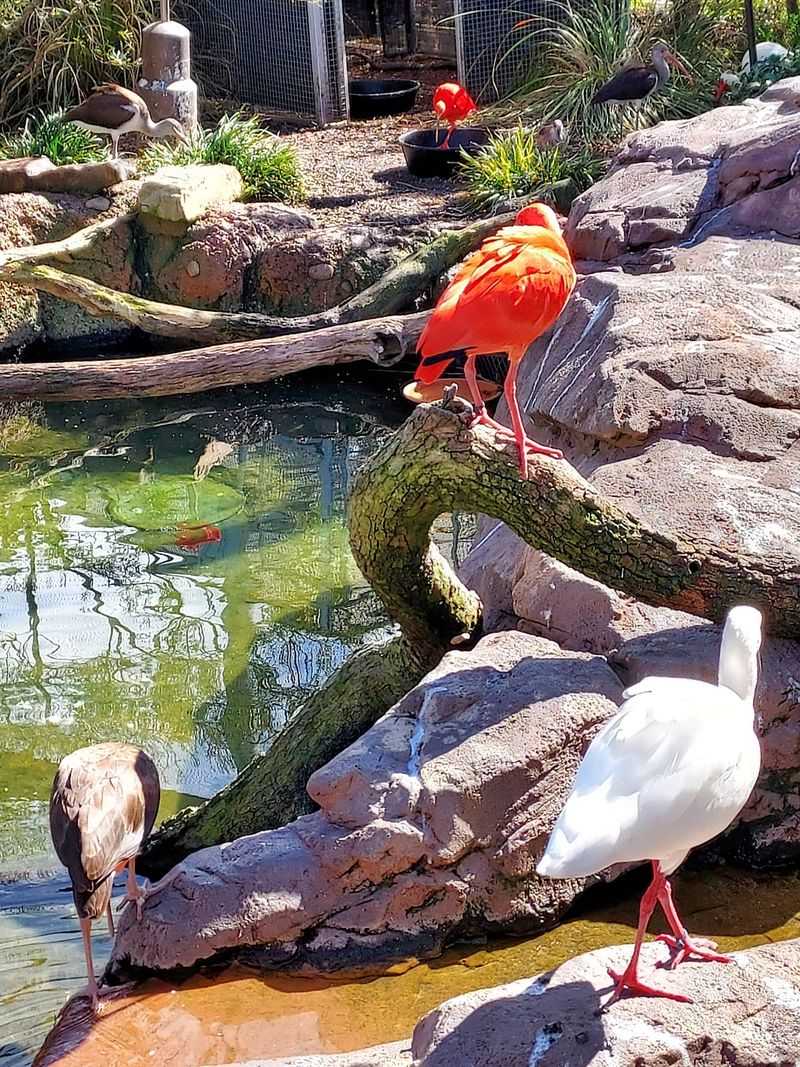
The aviary feels like a different world. Colorful birds fly freely overhead while families stroll the paths, and many guests spot species they have never seen before.
Staff in the bird area are known for being friendly and eager to answer questions about each feathered resident.
Many of these exhibits sit outdoors, connected by walkways that give the campus a garden feel. Shade can be limited in some spots, so hats, sunscreen, and water bottles are wise packing choices during warm months.
Don’t overlook the quieter corners either. A sloth, poison dart frogs, an octopus, a beaver, and even an armadillo appear throughout the grounds.
Some animals, like the sloth, may be tucked away resting, so a second pass later in the day can pay off.
Air-Conditioned Extras for Curious Kids
Summer on the Gulf Coast gets steamy, so it helps that many of the best indoor exhibits are air-conditioned. Families can cool off while still learning something new.
One standout is a coloring station where kids draw sea creatures and then watch them come to life on a screen. It is simple, creative, and a great way to let little ones rest their legs while staying busy.
A 360 3D movie experience and a 4D dinosaur film add a theater twist to the day. There is also a VR shark experience that families describe as exciting without being too scary for children.
These may carry separate costs, so check before promising them to eager kids.
Special events pop up throughout the year too. Mermaid weekends are a big hit, and visitors who miss them often wish they had planned around the dates.
Aqua Tots gives preschoolers a structured program for $15, while Homeschool Days offer Learning Labs for $5 per student.
Mixing indoor and outdoor stops works best with young children. Alternate a sunny walk with a cool gallery visit, and the whole family stays happier from opening until the final exhibit.
Hours, Parking, and Smart Planning
Doors open at 10 am and close at 5 pm every day of the week. Entry may stop around 4 or 4:30 pm, so calling 228-241-1300 to confirm the last admission time is a smart step.
Most families spend about two hours exploring, though curious kids can easily stretch that longer. Weekday visits tend to be calmer, and some guests note that a quiet weekday morning made the whole trip more relaxed.
Parking is available at a nearby garage for a fee. Budget-minded visitors sometimes park for free at Jones Park and enjoy a short, pleasant walk over.
Signage can be a little tricky, so look up directions before you leave.
Bags, diaper bags, and purses are checked at the entrance, so allow extra time. Wagons roll easily through the grounds, which is handy for toddlers who tire out halfway through.
Food on site can be pricey, according to many families, so eating beforehand or planning a meal after saves money. Pair your trip with the beach across the street or the nearby outlet mall, and go early if you hope to squeeze in both.
Expect some traffic and road construction in the area.
A Family Day Worth Budgeting For
Seven dollars alone will not open the gates, but a little planning can bring the cost down a lot. That is the honest takeaway for parents chasing a deal.
Coastal county families should watch for free kids’ weekends first. Homeschool families can use the $18.50 advance student rate, adding a $5 Learning Lab for kids and a $7 one for adults.
Everyone else saves by buying online ahead of time, bringing children 2 and under for free, and asking about military discounts or annual passes.
What do you get for the money? Dolphins playing with a ball, stingrays gliding under small fingers, otters wrestling, birds flying overhead, and a glass tunnel filled with sharks and turtles.
Clean exhibits and a friendly, knowledgeable staff round out the experience.
The aquarium suits toddlers in wagons, school-age kids hungry for animal facts, and grandparents who enjoy a slower pace in the air-conditioned galleries. Its smaller size makes it manageable without feeling rushed.
Pack sunscreen, eat before you arrive, and check the show schedule. Then let the kids lead the way from tank to tank, and watch the memories pile up long before closing time.