
The Maine Lake With Water So Clear You Can See 20 Feet Down Into Its Crystal-Clear Depths
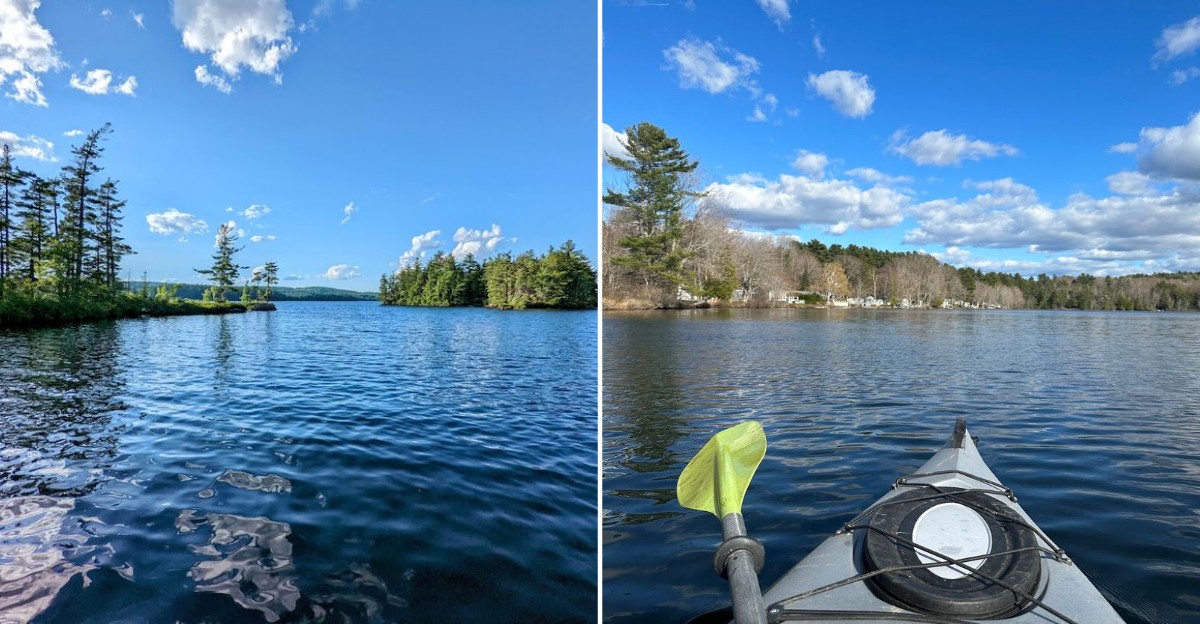
Clean water is one of the greatest treasures of the twenty-first century, and it deserves to be protected. This Maine lake proves exactly why that matters, with visibility clear enough to see straight to the bottom in most areas.
The color alone looks almost unreal from certain angles, somewhere between blue and green depending on the light. Photos rarely do the color justice, something most visitors realize only after trying to capture it themselves.
Hiking trails around the shoreline offer wide views without much elevation required to reach them. Crowds stay manageable even during peak summer months, unlike some more famous lakes elsewhere.
Locals still seem a little protective of the place despite how well-known it’s become. This lake earns every bit of praise it gets, and then some.
A Place Of Remarkable Clarity
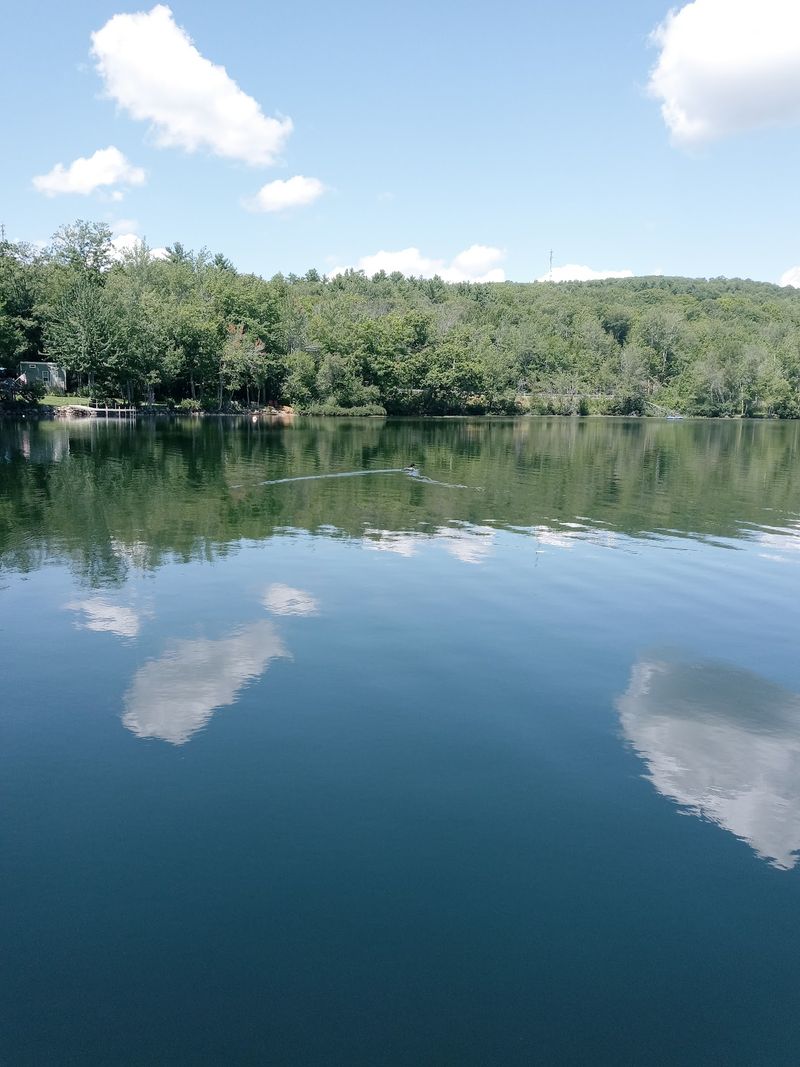
Clarity is the headline here, and St. George Lake earns it honestly. Spring-fed water keeps things cold and clean, which means visibility often stretches far enough to see the bottom in places most lakes would hide.
Swimmers frequently report watching stones, sunken logs, and passing fish well below the surface. That kind of see-through water is rare enough in New England that people plan entire weekends around it.
Size matters too. The lake covers roughly 1,017 acres and drops to a maximum depth of about 65 to 70 feet, so there is plenty of room for boats, paddlers, and swimmers without anyone bumping elbows.
The shallower water sits near Route 3, while the bigger section around the corner runs deeper and colder. Locals describe it as classic central Maine lake water, which is a polite way of saying it is startlingly clean.
Because the springs feed it constantly, the lake refreshes itself in a way that murkier, runoff-fed ponds simply cannot match. Sunlight reaches deeper, which makes the whole thing glow turquoise on calm mornings.
The easiest way in is through Lake St. George State Park, which sits on the northwest shore and handles most of the visitor traffic. You can find the lake itself at St George Lake, Liberty, ME 04949.
An Ecosystem That Thrives On Cold And Clarity
Cold water is the secret ingredient behind almost everything good about this lake. Those underground springs keep temperatures down and oxygen levels up, even during August heat waves that turn other Maine ponds into lukewarm soup.
Fish notice. Landlocked salmon and brook trout both need cold, oxygen-rich water to survive, and St. George Lake delivers it year-round.
That makes it one of the rare spots in central Maine where cold-water species can thrive instead of just barely hanging on. Anglers who chase salmon know exactly how unusual that is.
Smallmouth bass share the lake too, which gives fishermen options depending on the season and their mood. Some days the salmon cooperate, some days they absolutely do not, and the bass become plan B.
The clarity and the cold work together. Clean water means less algae, less algae means more oxygen, and more oxygen means healthier fish throughout the water column.
Warming trends have made cold water habitat harder to find across the region, so places like this have become genuinely valuable. Fisheries biologists pay close attention to lakes that hold their temperature.
For visitors, it all adds up to a lake that feels alive. Fish flash under the boat, birds work the shoreline, and the whole system hums along without much help from anyone.
Island Discoveries And Hidden Coves
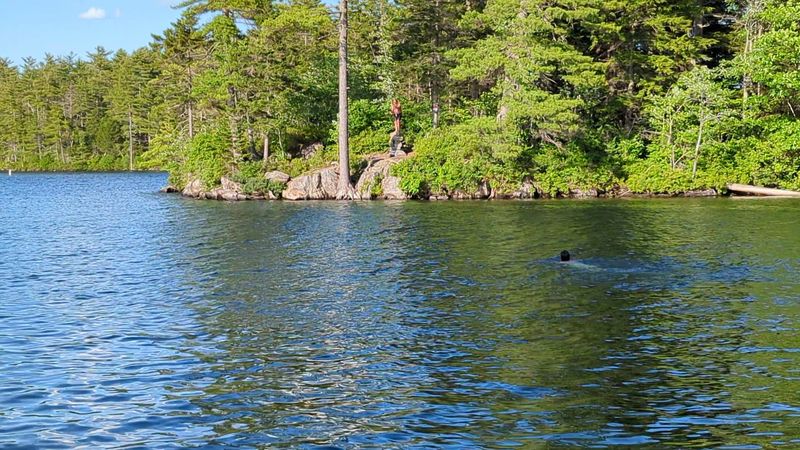
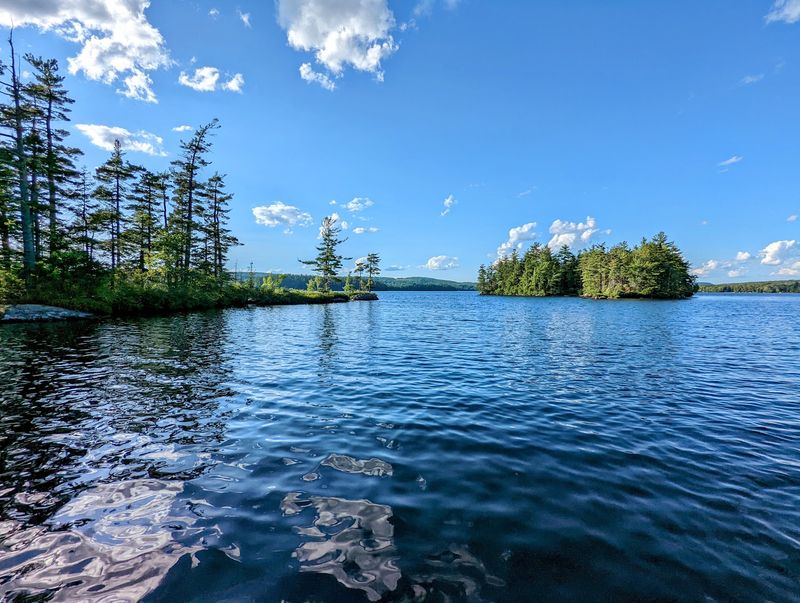
Scattered across the surface are a handful of small undeveloped islands, and nobody has slapped a cabin on them. They sit there covered in evergreens, looking exactly the way islands are supposed to look.
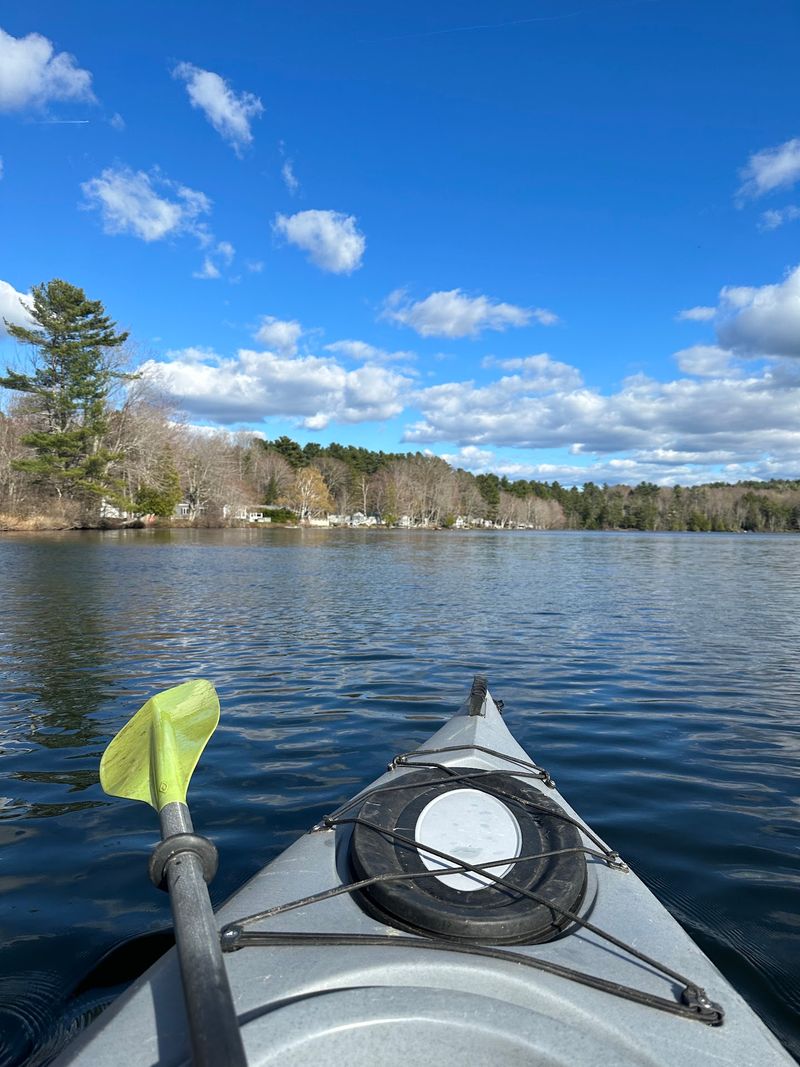
Paddlers treat them like a scavenger hunt. Canoes, kayaks, and paddleboats all work, and the route between them rarely takes more than an afternoon.
Between the islands sit quiet coves where the water goes glassy, and the wind dies completely. Those pockets are where people tend to stop, float, and stare down through the water at whatever is on the bottom.
Sheltered conditions make the lake friendly to beginners. First-time paddlers do not have to fight open-water chop, which is a big deal when you are still figuring out which end of the paddle goes where.
The shoreline itself stays mostly natural, with trees leaning out over the water instead of docks and lawns crowding the edge. That undeveloped feel is a huge part of the appeal.
A boat landing along Route 3 offers around 16 parking spaces, and it fills up fast on warm summer mornings. Trailering a boat?
Arrive early or plan on circling.
Even with the lake’s size, it rarely feels crowded. There is simply enough room for everyone to spread out.
The Sounds Of The Wild By Moonlight
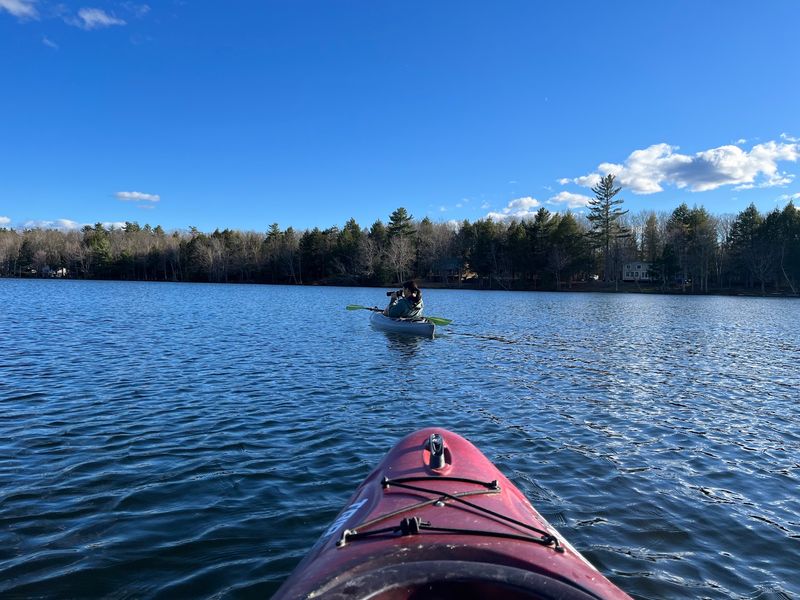
Around sunset, the lake starts making noise. Loons call across the water with that long, wavering cry that sounds equal parts beautiful and slightly haunted.
Spotting one is a genuine treat. They surface, vanish, and reappear fifty yards away like they are showing off.
Campers at Lake St. George State Park get the full concert. Some campsites sit right along the shoreline, which means the sound arrives without any filter between the tent and the water.
Those same lakeside sites deliver sunrises over the water, assuming anyone manages to wake up for them. Mist rising off a cold lake at dawn is worth setting an alarm.
Nighttime brings another bonus. With minimal light pollution out this way, stargazing over the open water gets seriously good, and the reflections double the show.
Birders have plenty to work with beyond loons too. The mix of forest and shoreline habitat pulls in a solid variety of species throughout the warmer months.
What makes evenings here memorable is the absence of everything else. No traffic hum, no crowds, just water lapping at rocks and the occasional splash from something you cannot identify.
It is the kind of quiet that makes people talk more softly without even deciding to.
Lakeside Living At The State Park
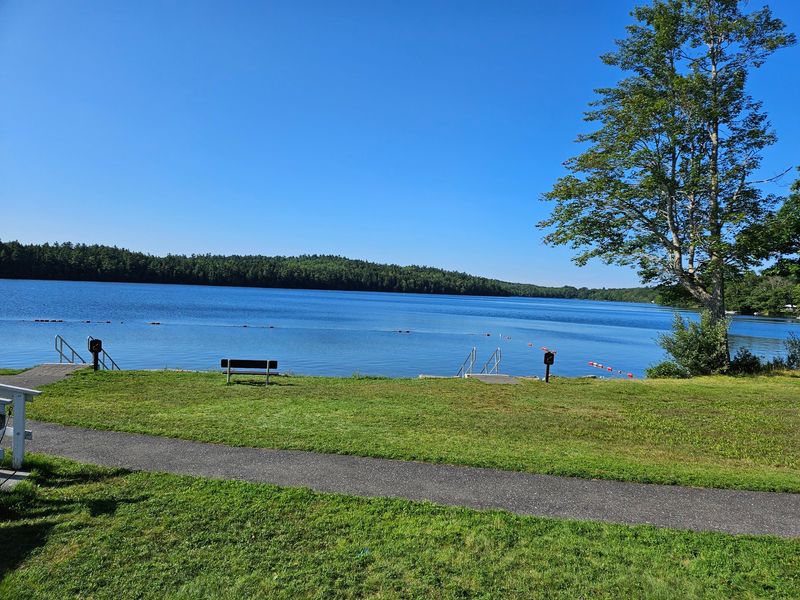
Families get the easiest deal at Lake St. George State Park, which sits on the northwest shore and packs a lot into a small footprint. The day-use area includes a sand beach with lifeguards on duty, which takes a load off any parent watching a kid who swims like a very enthusiastic rock.
Picnic tables and grills line the grassy areas, so lunch does not require driving anywhere.
There is a playground for the younger crowd and courts for volleyball and basketball when swimming loses its appeal. Someone always ends up organizing a game.
The campground handles overnight stays, with facilities that get kept in good shape. Bathrooms at a state park can be a gamble, and this one lands on the reassuring side.
Shade trees scattered through the day-use area make midday heat manageable. Setting up a blanket under one is the move.
A boat launch sits on the same side of the lake, so getting a canoe or small boat in the water takes minutes rather than a whole production.
Everything is close enough together that a group can split up and still find each other easily. Swimmers at the beach, paddlers on the water, everyone back at the picnic table by dinner.
Trails For Quiet Reflection
Not everyone comes for the water, and the park has roughly three to five miles of walking trails for exactly those people. The paths wind through the woods without demanding much from your legs.
These are strolling trails, not summit-chasing trails. Nobody is scrambling over boulders or gaining a thousand feet of elevation out here.
What the trails offer instead is quiet. Pine needles underfoot, filtered light through the canopy, and decent odds of spotting wildlife if you keep your voice down.
Morning walks tend to be the best ones. Birds are active, the air is cool, and the trails are mostly empty before the beach crowd arrives.
Deer, chipmunks, and a long list of songbirds all use these woods. Patience pays off more than speed does.
The routes connect back toward the lake in spots, giving glimpses of water through the trees. Those little openings make good spots to stop for a minute.
Footwear does not need to be fancy. Sneakers handle it fine, though the ground can stay damp in spring.
For anyone who wants to stretch their legs without turning the day into a workout, the trails hit the sweet spot. Walk for an hour, come back, jump in the lake.
A Haven Through All Seasons
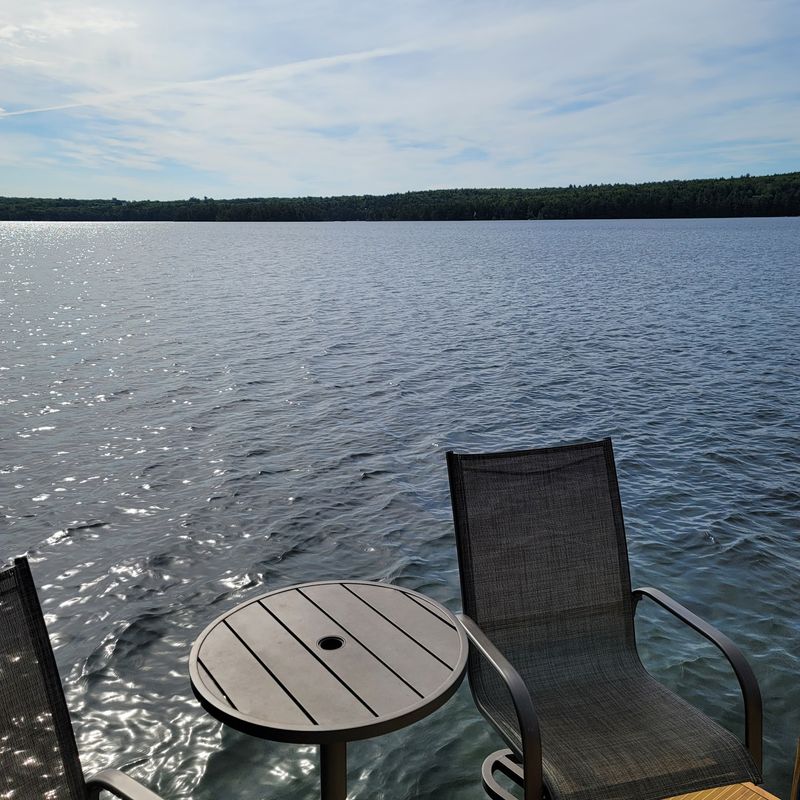
Summer gets the attention, but this place does not shut down when the leaves drop. Cold weather just changes the activity list.
Once snow settles in, the park turns into ground for cross-country skiing and snowmobiling. Trails that felt gentle in July become something else entirely under a few inches of powder.
The lake itself freezes solid enough for ice fishing, and shacks start appearing across the surface. Winter anglers here get a version of solitude that summer visitors never experience.
There is something funny about a lake famous for its clarity spending months hidden under ice. The fish are still down there, just harder to look at.
Fall brings its own reason to visit, with hardwoods along the shoreline turning color and reflecting across still water. Photographers love that stretch of October.
Spring runs quieter than the rest, though the springs keep feeding and the water stays cold. Paddlers who do not mind a chill get the lake mostly to themselves.
Each season rearranges who shows up. Families in July, leaf-peepers in October, ice anglers in February.
That year-round usefulness is rare. Most lakes get packed up and forgotten by Labor Day, and this one just keeps going.
Geological Wonders Beneath Your Feet
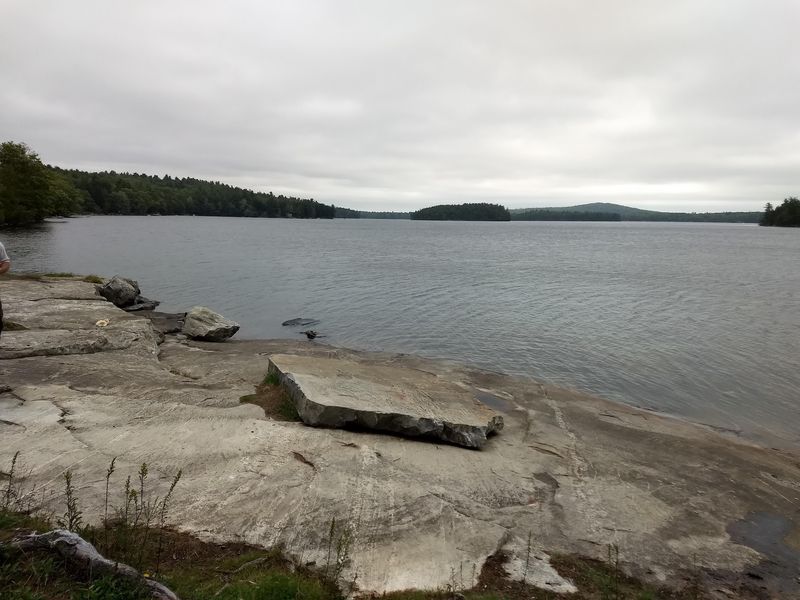
Rocks do not usually steal the show, but at the southwest end of the lake they make a strong case. Marshall Shore Town Park has exposed bedrock ledges that read like a history book written a few hundred million years ago.
The surfaces are smooth and bare, and up close they show a streaky, striped texture called foliation. That pattern formed when intense heat and pressure squeezed the rock deep underground.
Even better, some sections still carry faint scrape marks. Those grooves were carved by the continental ice sheet grinding across the region during the last Ice Age.
Think about that for a second. A glacier thousands of feet thick dragged rocks across this exact spot, and the scratches are still visible.
The ledges also make convenient places to sit, sun, and slide into the water. Geology and swimming rarely overlap this conveniently.
Kids tend to find the scrape marks genuinely cool once someone points them out. It turns a rock into evidence.
The smoothness itself is a clue, since glacial ice polished these surfaces on its way through. Nothing else does that job quite the same way.
Between the clear water above and the ancient stone below, the lake tells two very different stories at once.