
The Massive Craft Store In Mississippi Where Crafters Say A Quick Stop Turns Into All Day In 2026
Crafters tell themselves a very convincing lie before entering a big fabric shop. “I am only looking.” A few aisles later, there is a new quilt idea, a pattern under serious consideration, and absolutely no memory of the original plan.
Mississippi makes that problem especially easy here. The store stretches across 12,000 square feet, so browsing can become the main event before anybody notices the clock.
Time disappears for a reason. Fabric fills the room with color and texture, while sewing supplies give half finished projects fresh competition. Machines tempt experienced makers to upgrade, and beginners can spend ages figuring out what they want to try first.
The place rewards curiosity more than speed. By the time you finally head for the register, tomorrow’s project may already be waiting in the bag.
A Fabric Wonderland Hiding In Plain Sight
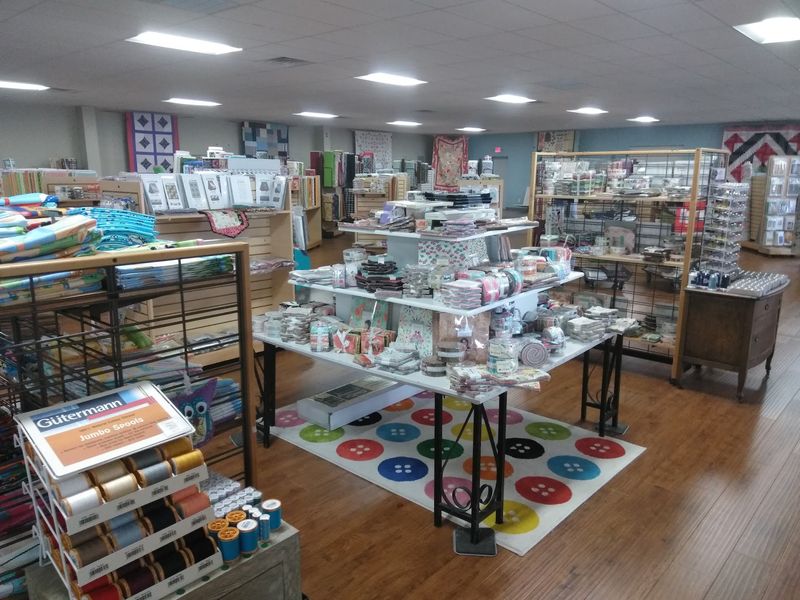
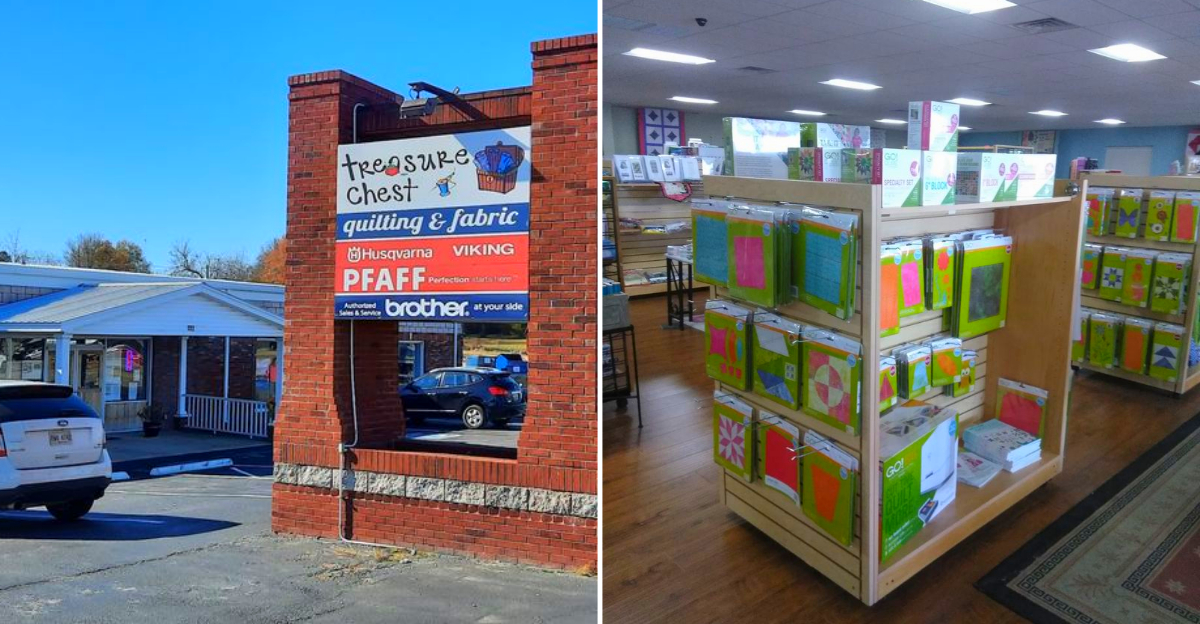
Most folks expect a modest storefront when they pull up. What they find instead is a 12,000 square foot building packed with more than 5,000 bolts of quilting cotton, plus thousands of books and patterns.
The scale is the surprise. Aisles run long. Bolts stack high.
Color families roll from buttery cream into deep indigo without a single dull stretch in between.
Quilters drive in from Memphis, from Tennessee, from towns hours away, and they do it on purpose. Word travels fast in sewing circles, and this shop has earned a reputation as one of the finest within a very wide radius.
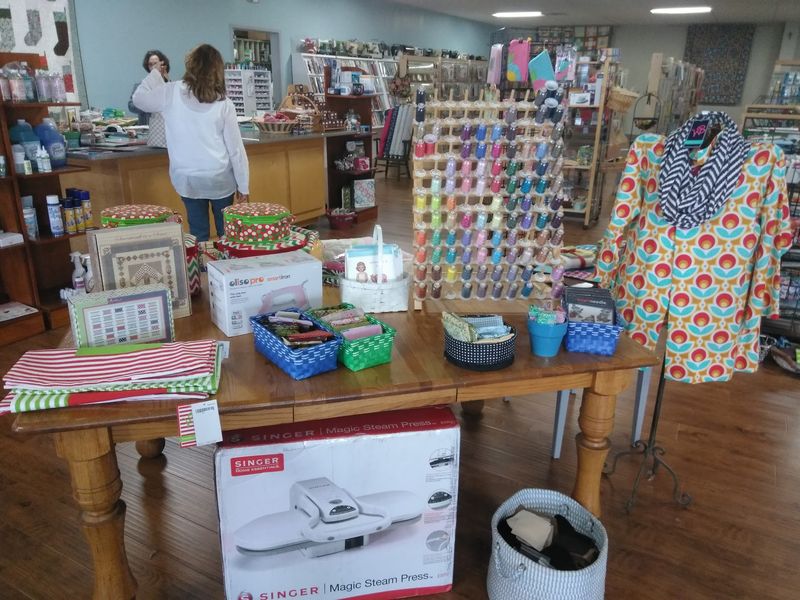
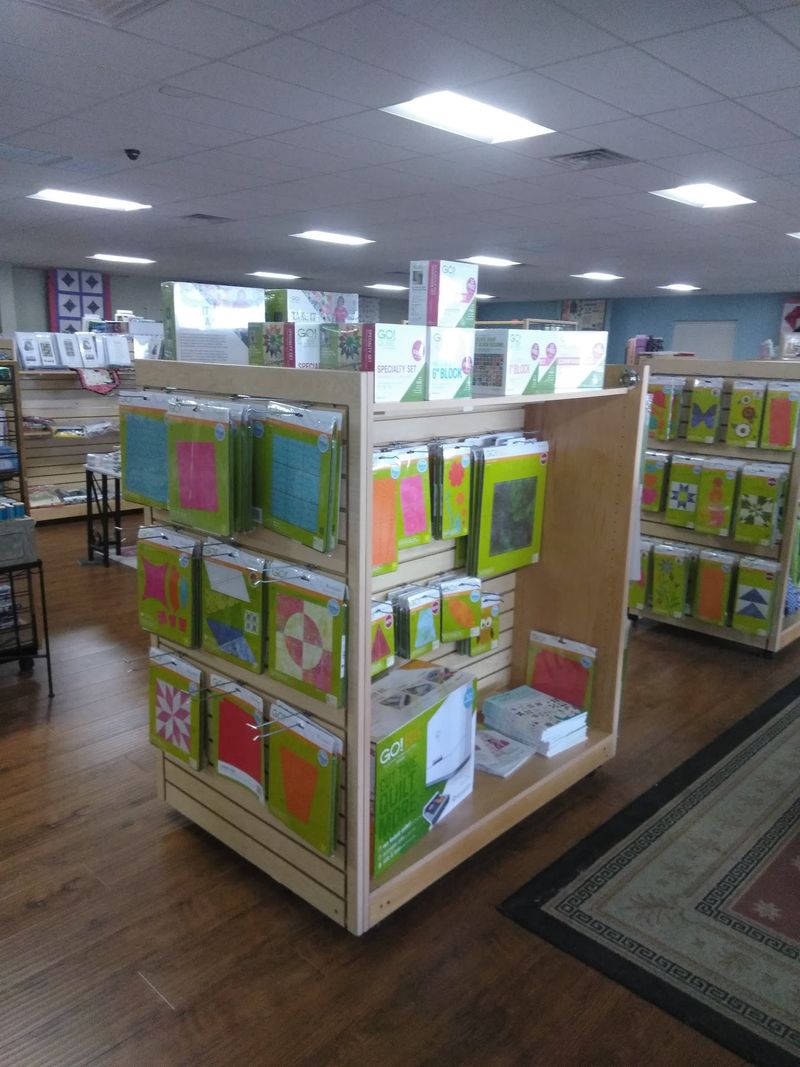
What keeps people rooted to the floor is choice. Precuts, unusual rulers, embroidery floss, notions you did not know existed until you held one. A quick errand becomes an expedition once you spot the third fabric you cannot leave behind.
There is also a large classroom and a machine service center under the same roof, which means the shop functions as a workshop and a repair stop too.
Bring a list. Then accept, cheerfully, that the list is only a suggestion.
Meet Treasure Chest Quilting In Corinth
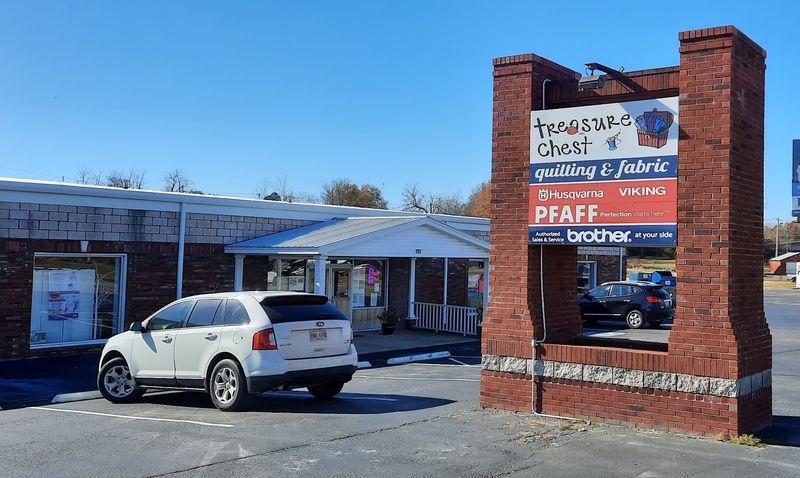
The name fits better than most business names do. Treasure Chest Quilting, also called Treasure Chest Quilting and More, sits along the highway at 202 Highway 72 E in Corinth, Mississippi, easy to reach and easier to lose track of time inside.
Corinth itself is a Civil War railroad town with brick streets and slugburgers, so the shop lands in good company. Visitors often pair a fabric run with lunch downtown.
Founded in 2007, the business started at roughly 2,500 square feet. It has grown steadily since, expanding into the current footprint without ever shutting its doors along the way.
Locally owned and family run, the shop carries a 4.7 star rating, and the praise leans hard toward two things: selection and service.
Parking is simple. The entrance is welcoming. Once you are inside, the highway noise disappears behind bolts of cotton.
One friendly tip from experience. Confirm hours before you make a long drive, because the shop keeps a regular weekday schedule and closes earlier on Saturdays. Treasure indeed, and no map required.
Five Thousand Bolts And Counting
Numbers rarely thrill anyone, but 5,000 bolts is a figure worth pausing over. Laid end to end, that inventory would stretch farther than most quilters could sew in a lifetime.
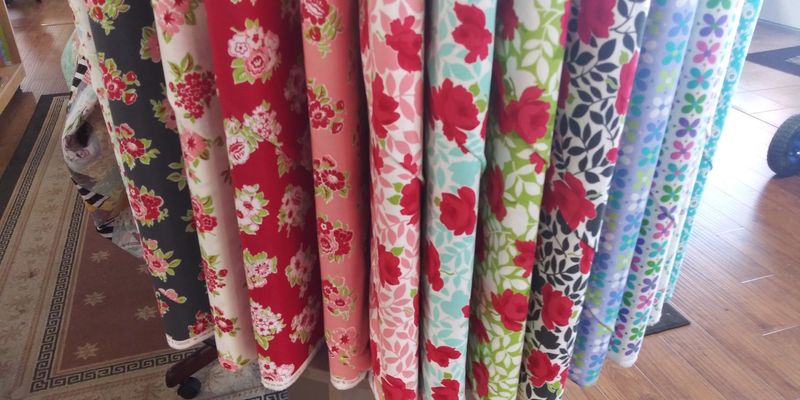
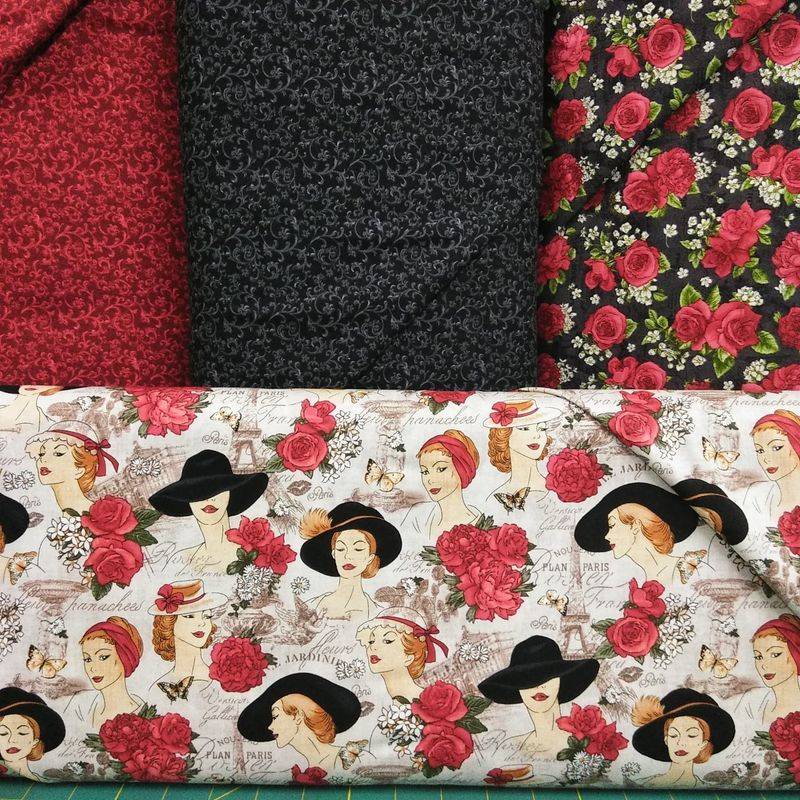
The fabric here skews toward high quality quilting cotton from a spread of designers. You will find florals with soft, powdery petals, geometrics with crisp lines, novelty prints featuring farm animals, and blenders that quietly hold a whole quilt together.
Precuts get their own attention, which saves serious cutting time. Jelly rolls, charm packs and fat quarter bundles let you build a project without measuring a single yard.
Color arrangement matters in a shop this size, and the layout helps you hunt by shade rather than wander blindly. Pull a bolt, hold it against another, step back, repeat.
Texture is the sneaky joy. Good cotton has a firm, dry hand that tells you it will press flat and hold a seam.
Budget honestly before arriving. Crafters joke about the damage a place like this does to a wallet, and the joke lands because it is true.
Staff Who Actually Know Their Stitches
Twenty separate mentions of helpful staff in customer feedback says something plain. The people working the floor here know fabric, machines and thread the way a mechanic knows engines.
Ask about a pattern and you get a real answer. Ask which batting suits a baby quilt and you get options, not a shrug.
Beginners seem to get the same patience as veterans. Someone shopping for a gift without a sewing bone in their body will still walk out with the right yardage.
The shop is family operated, which shows in the pace of conversation. Nobody rushes you toward the register while you are still deciding between two greens.
Special orders happen often. If an item is not on the shelf, staff will generally track it down and bring it in.
That kind of guidance shortens the learning curve enormously. New long arm owners, in particular, appreciate having a knowledgeable contact after the purchase rather than a manual and a prayer.
Come with questions written down. You will leave with answers, a plan, and probably three extra spools you did not intend to buy.
Machines, Long Arms And A Service Bench
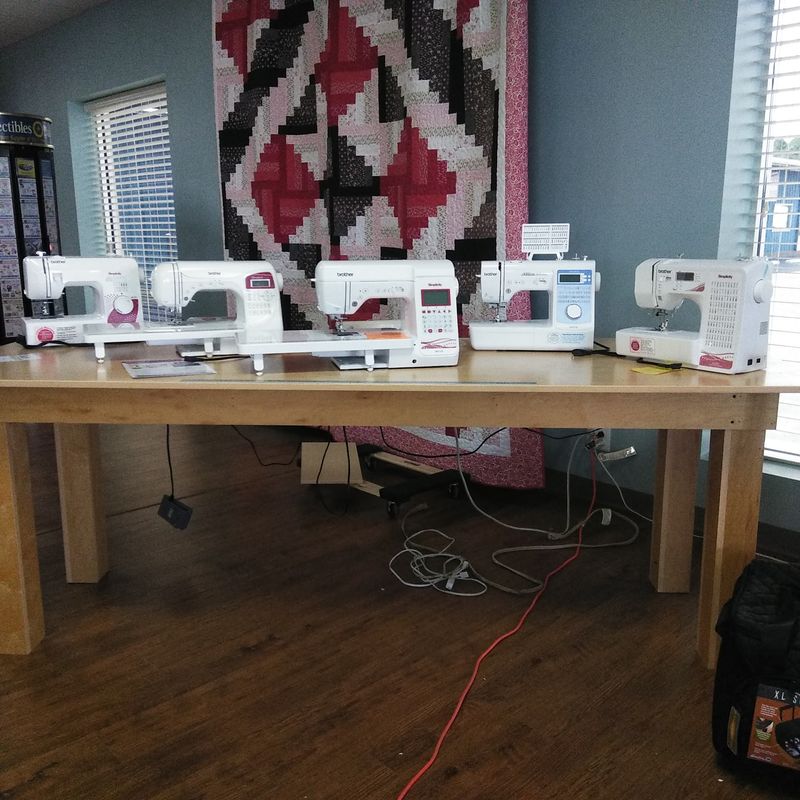
Fabric brings people in, but machines keep them loyal. The shop sells sewing and embroidery machines and carries long arm quilting machines, along with cutting systems and dies for precise piecing.
A dedicated machine service center operates on site, which matters more than it sounds. Sewing machines need tune ups, timing adjustments and occasional rescue after a stubborn jam.
Quilters have been known to drive well over an hour just for servicing. That says plenty about trust in the workbench.
Buying a machine here comes with follow up help, and that support turns an intimidating purchase into something manageable. Learning an embroidery unit goes faster with someone who has already set up hundreds of them.
Accessories fill in the gaps. Hoops, feet, needles, bobbins and specialty attachments line the shelves near the machine displays.
Test stitching is part of the process too. Feeling how a machine handles thick seams beats reading spec sheets every single time.
Even browsers enjoy this corner. Watching a long arm glide across a quilt top is oddly hypnotic, and it plants dangerous ideas about future upgrades.
Classes That Turn Curiosity Into Skill
Learning beats guessing, and the shop leans into that with a large classroom built for hands on teaching. Sessions cover a spread of skill levels, so a first timer and a seasoned piecer can both find something useful.
An embroidery club meets as well, giving stitchers a reason to return and a group to swap ideas with. Craft skills grow faster in company.
Class topics range across techniques, patterns and machine specific instruction. Students consistently describe the time and money as well spent.
Space is the quiet advantage. A roomy classroom means elbow room, decent tables and no fighting for an outlet.
Skills picked up in one afternoon tend to stick. Learning proper seam allowance, or how to square a block, changes every project that follows.
The social side deserves credit too. Quilters trade tips, compare fabric hauls and cheer each other through tricky steps.
Check the shop schedule ahead of time if a class is your goal, since sessions fill and dates shift through the year. Signing up early beats hoping for a walk in seat. Inspiration, it turns out, is contagious.
Plan Your Visit Like A Pro
Timing separates a satisfying trip from a rushed one. The shop keeps weekday hours from ten in the morning until late afternoon, with a shorter Saturday schedule and closed doors on Sunday.
Because hours can shift, a quick check of the website before a long drive is simply smart travel. Many visitors come from other states, so the drive deserves confirmation.
Give yourself two hours minimum. Crafters routinely blow past that, and nobody has ever complained about extra browsing time.
Bring your project details. Pattern requirements, block measurements and a photo of the fabric you already own will save you from second guessing at the cutting counter.
A tote bag helps. So does a rough spending limit, though the limit is more of a polite fiction once the precuts appear.
Pair the stop with Corinth itself. The town offers history, local restaurants and a walkable downtown, making the whole outing feel like a proper day trip rather than an errand.
Leave room in the car. Bolts of fabric take up more space than logic suggests, and you will almost certainly buy more than planned.