
The Mennonite-Owned Mississippi Sausage Kitchen Where The Handmade Links Sell Out Before Noon
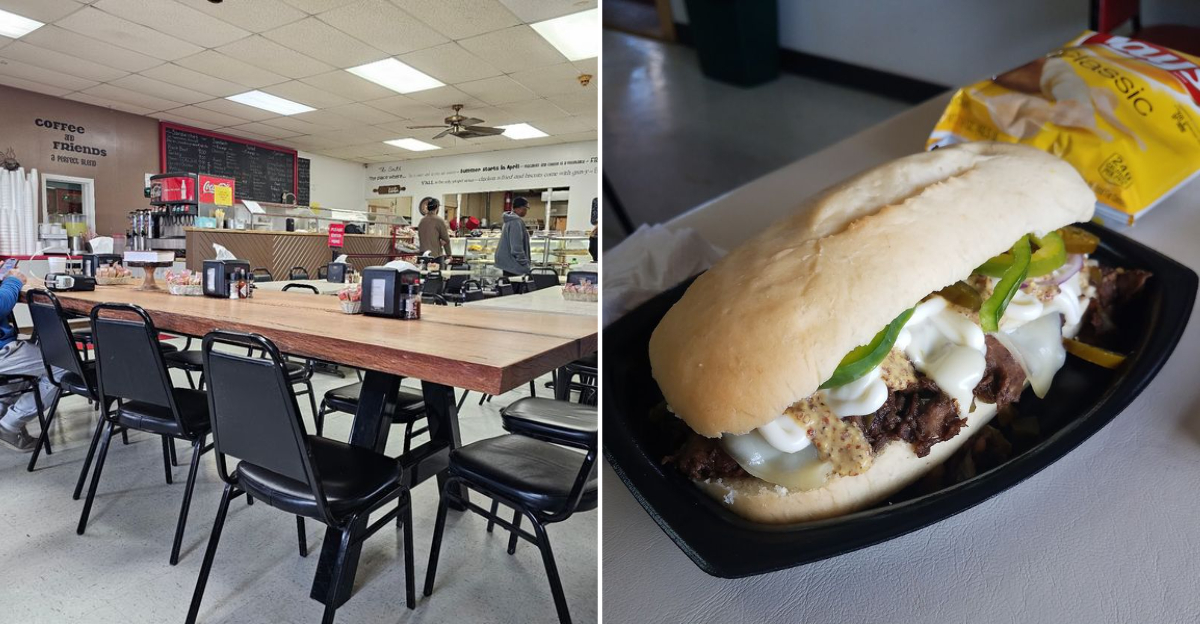
When everything sells out before noon, you know you have to hurry in the morning. This Mississippi sausage kitchen, run by a Mennonite family, sees exactly that kind of demand for its handmade links.
Sausages here get made fresh each morning, never sitting around long enough to lose their quality. Regulars know to arrive early, since certain flavors disappear faster than others throughout the week.
Nothing about the process gets rushed despite the steady line of customers each morning. Recipes stay rooted in tradition, passed down rather than adapted from any factory process.
Portions stay generous, matching the reputation this kitchen built through actual conversation rather than advertising. This kitchen proved that sometimes the best sausage requires setting an early alarm to actually get it.
History Of Mennonite Culinary Traditions
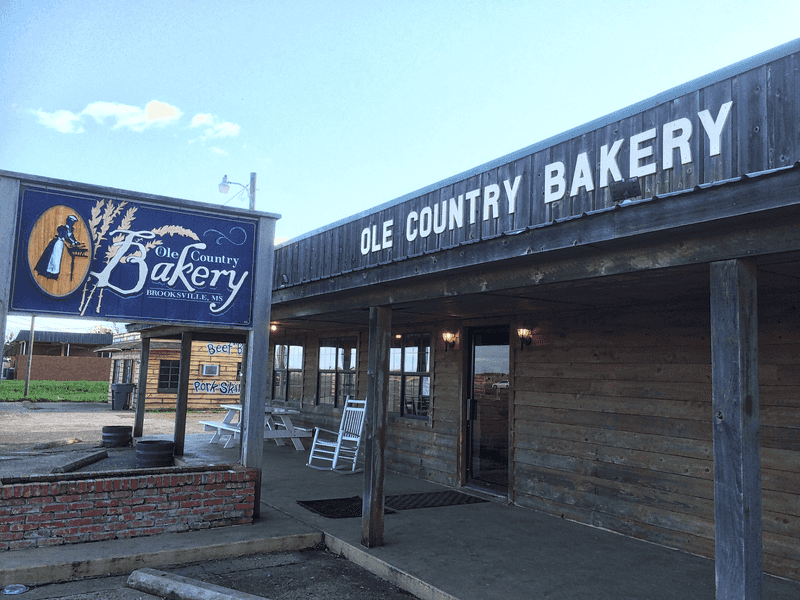
Long before freezers hummed in every kitchen, Mennonite families had to figure out how to make a hog last through a Mississippi summer. Salt, smoke, and patience were the answer.
Those old methods were not about being fancy. They were about survival, self-sufficiency, and making sure nothing went to waste on a working farm.
Recipes moved from grandmothers to mothers to daughters, usually written on cards or memorized entirely. Farmer’s sausage became a household staple, seasoned simply so the pork itself did the talking.
Ole Country Bakery carries that same lineage into a roadside kitchen in Noxubee County. The bread, the pies, and the sausage all come out of a tradition that values doing things by hand over doing things fast.
Mennonite cooking has always leaned toward comfort. Think noodles in cream sauce, thick slices of homemade bread, and sausage cooked in a heavy skillet until the edges crisp up.
Here is a fun bit of history. Mennonite communities settled in pockets across the American South, bringing German and Swiss food traditions with them, which is why a bakery in rural Mississippi can taste like a farmhouse in Pennsylvania.
Visitors often expect a quaint gift shop and instead find a working kitchen. The family behind it treats baking and sausage making as everyday labor, not a performance.
You can find this piece of living food history at US-45 ALT, Brooksville, MS 39739.
Process Of Handmade Sausage Link Preparation
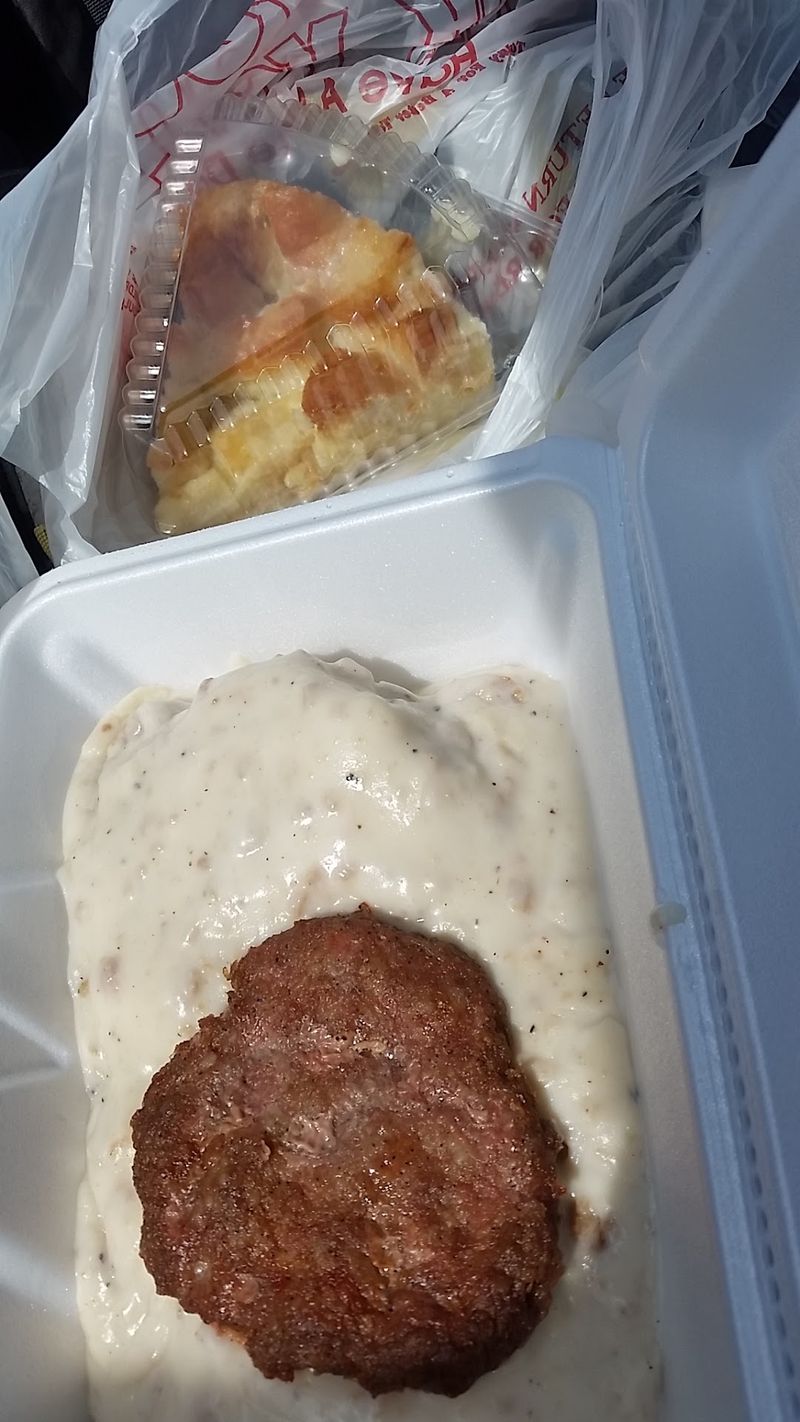
Making sausage links by hand is basically a race against temperature. If the meat warms up, the fat smears and the texture goes soft and greasy, so everything stays cold from start to finish.
Grinders and bowls get chilled. Even the person working the crank keeps an eye on the clock.
Ground pork gets mixed with seasoning until the whole batch turns sticky and tacky. That stickiness is the sign it will hold together instead of crumbling apart in the skillet.
Next come the casings. The mixture is pushed in slowly, air pockets get pricked out with a pin, and the links are twisted off by feel rather than measurement.
Most traditional recipes then call for an overnight rest in the cooler. That pause lets the salt and seasonings settle deep into the meat instead of just sitting on the surface.
Slow smoking finishes the job, bringing the links up to a safe internal temperature while adding that woodsy edge people crave.
Ole Country Bakery leans on a homemade recipe sausage for dishes like sausage gravy, sausage biscuits, and breakfast burritos. Anybody who has tasted the difference between mass-produced patties and hand-mixed sausage knows exactly why the extra steps matter.
Bakers there start around 3:30 in the morning, with kitchen staff filing in at four and five. Handmade food does not happen on a lazy schedule.
Ingredients That Define Authentic Mississippi Sausage
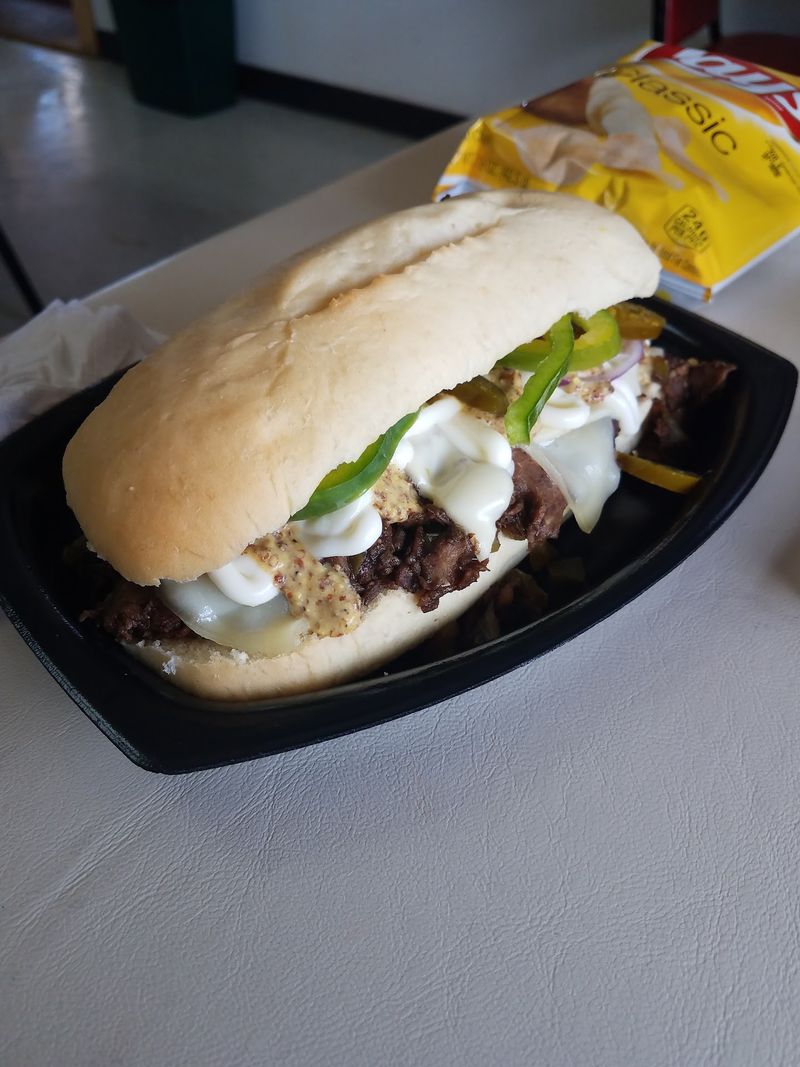
Short ingredient lists usually signal confidence. Mississippi sausage proves it, because the classic formula rarely goes beyond pork, salt, and a heavy hand of black pepper.
Sage shows up often in Southern breakfast sausage, giving it that unmistakable savory-woodsy note people associate with morning biscuits.
Red pepper adds heat, and a small pinch of sugar rounds out the sharp edges. Together they create a flavor that tastes like a country kitchen rather than a factory.
Mennonite farmer sausage takes an even quieter approach. Salt and pepper do nearly all the work, letting good pork taste like good pork.
That restraint is the whole trick. When you use quality meat, you do not need a spice cabinet’s worth of cover-up.
At Ole Country Bakery, the sausage turns up in gravy poured over split biscuits, tucked into breakfast burritos, and rolled into sausage balls. Each version lets the seasoning come through differently.
Pork fat matters too. Too lean and the links dry out, too fatty and they render into a puddle, so the ratio gets watched carefully.
Here is something worth remembering if you ever try making your own. Fry a tiny test patty before stuffing the casings, taste it, then adjust the salt or pepper.
Every batch of pork behaves a little differently, and old-time sausage makers have been doing that taste test for generations.
Cultural Significance Of Sausage In Local Communities
Ask around Mississippi, and breakfast and sausage come up within about four seconds. It goes in gravy, in cornbread, in sandwiches, and straight onto the plate beside eggs.
Smoked links carry even more weight across the South, where barbecue traditions absorbed German, Czech, African, and Mexican influences over generations.
Sausage making used to be a group activity. Neighbors gathered, hogs were processed, and recipes were argued over in the best possible way.
Those gatherings did more than fill smokehouses. They kept families connected and passed skills to whoever was young enough to be handed a job.
For Mennonite households, farmer’s sausage sits at the center of the table, often paired with noodles in cream sauce. Simple, filling, and built for people who work hard.
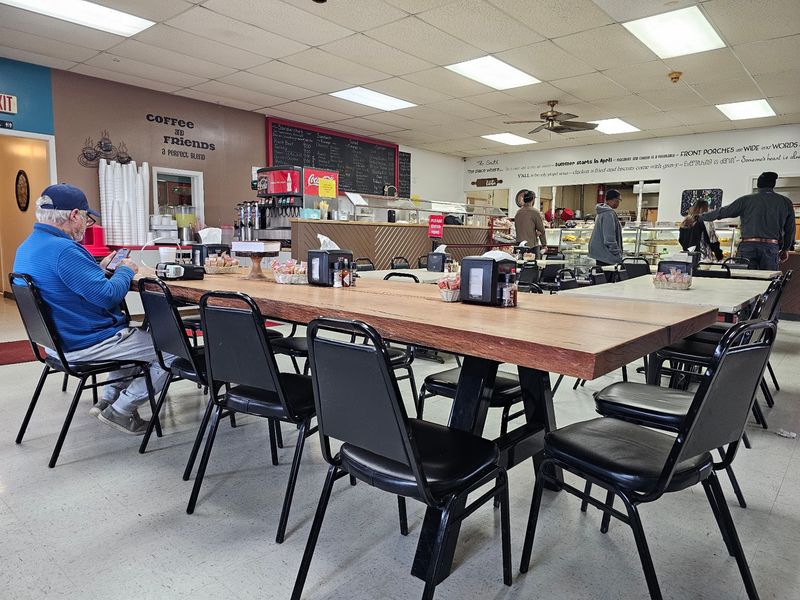
Ole Country Bakery fits into that same social role along US-45 ALT. Locals treat it as a meeting spot, and travelers treat it as the reason to skip the interstate.
The dining room runs on a no-frills system. You go through the line, pay, and grab an open table, which somehow makes conversation between strangers more likely rather than less.
Football weekends turn the place into a crossroads, with fans headed to college games pulling off the highway for biscuits and pastries.
Food like that becomes a landmark. People do not just remember what they ate; they remember who they were driving with when they stopped.
Morning Customer Rituals And Popularity
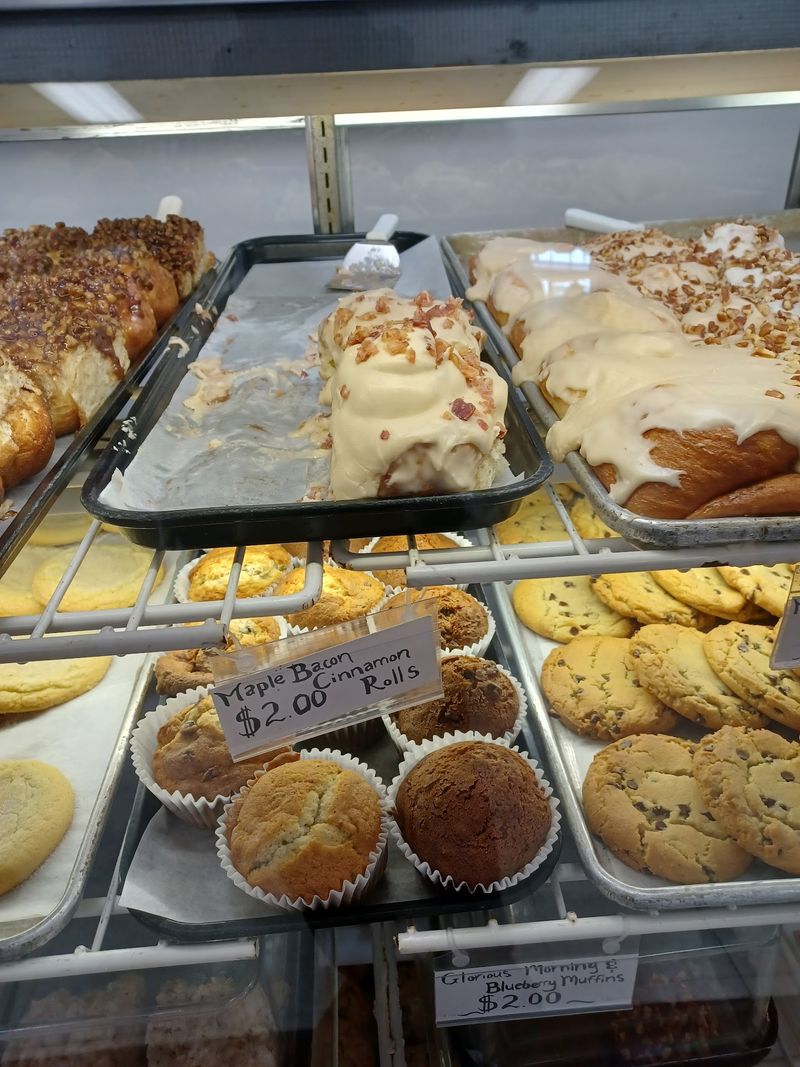
Six in the morning, doors open, and the line already has opinions about what it wants. That is the rhythm here.
The main baker is on the clock by 3:30 AM working dough, with other kitchen staff arriving at four and five to get everything into the cases.
Regulars know the drill. Cinnamon rolls, apple fritters, and donuts move fast, and the sausage-based breakfast items go right along with them.
Arriving early is not a suggestion so much as an unwritten rule. Show up mid-morning, and you are shopping from what is left rather than what you came for.
Truck drivers, farmers, and road-trippers heading to the Gulf Coast all pass through the same doors. The mix of license plates in the lot tells the story better than any sign could.
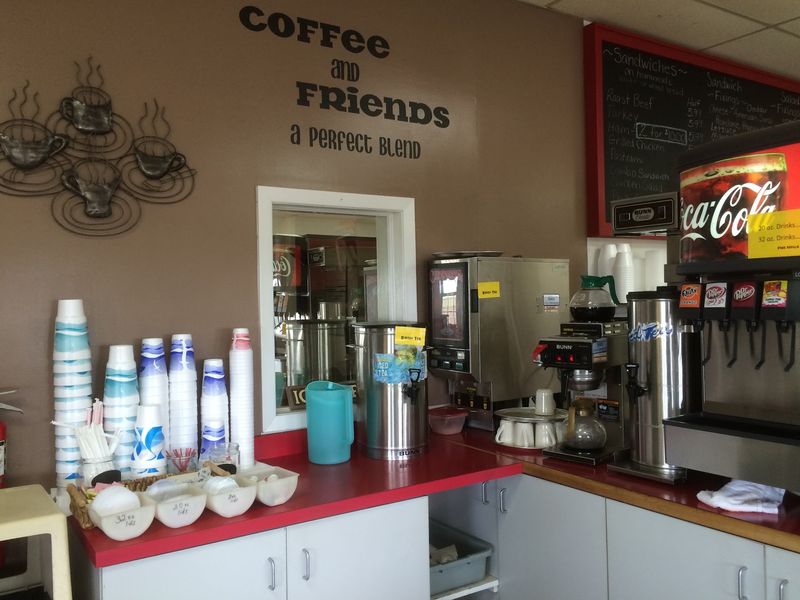
Coffee gets poured, biscuits get wrapped, and the whole operation moves without much fuss. Nobody is waiting on a waiter.
Hours run 6 AM to 4 PM Monday through Friday, 6 AM to 2 PM on Saturday, and the doors stay closed Sunday. Plan accordingly or plan on disappointment.
Day-old items land on shelves at a discount, which savvy visitors hunt for on purpose.
The smart move is simple. Get there in the first hour, grab breakfast to eat there, and load a second bag for the drive home.
Community Impact Of Small Scale Sausage Producers
A small kitchen can hold up a whole town, and Noxubee County is a decent example. Money spent on local bread and sausage tends to stay close to home.
Small producers buy from other small operations. That chain of purchases keeps rural suppliers working instead of watching business drift to distant warehouses.
There is also the trust factor. When the person making your sausage is standing twenty feet away, you know exactly where your food came from.
Ole Country Bakery has served as more than a breakfast stop during rough stretches. When storms or shortages emptied shelves elsewhere, the shop kept staples like milk and bread available.
Jobs matter too. A bakery running six days a week with early shifts creates steady work in an area where options can be thin.
Frozen items such as chicken pot pies let families stock up, which stretches the value of a single trip.
Travelers pumping money into a small Mississippi town on their way somewhere else adds up over a year. Every fritter and sandwich counts.
Word of mouth does the marketing. No billboards needed when people tell their cousins about the bread.
Supporting places like this is easy and delicious. Buy a loaf, grab a pie, and know that the dollars are landing in a community rather than a corporate account somewhere far away.
Techniques For Maintaining Sausage Freshness
Keeping sausage fresh was once a matter of life and death, not convenience. Salt curing, smoking, drying, and fermentation all came out of that necessity.
Curing pulls moisture out of the meat while blocking bacteria. It also builds flavor, which is a nice bonus for a survival technique.
Smoking adds another layer of protection along with that deep, woodsy taste. The slow heat firms up the texture too.
Air drying takes the most patience. Sausages hang in controlled conditions for weeks or months, losing water and concentrating flavor until they need no cooler at all.
Modern kitchens still use the old tricks alongside refrigeration. Fresh sausage holds a few days below 40 degrees Fahrenheit, and freezing at zero stretches that to several months.
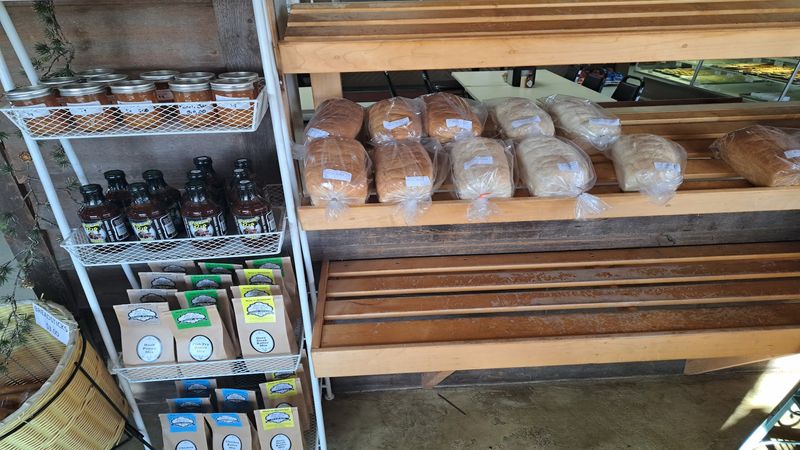
At Ole Country Bakery, freshness gets handled the practical way. Small batches, early baking, and steady turnover mean product does not sit around waiting for a buyer.
That is partly why things sell out. Making only what can be sold that day is a freshness strategy disguised as scarcity.
If you take sausage home, wrap it tightly and freeze anything you will not cook within a couple of days. Air is the enemy of good pork.
Thaw in the refrigerator overnight rather than on the counter. Slower is safer, and the texture holds up much better in the skillet.
Seasonal Variations In Sausage Recipes
Sausage used to follow the calendar closely. Hogs were processed in cold weather, and some of that meat became shelf-stable summer sausage meant to last through hot months without a cooler.
Winter was butchering season for a reason. Cold air made the work safer and easier before refrigeration existed.
Mennonite cooking has always paired sausage with whatever the garden and orchard offered. Autumn brings butternut squash and apples into the skillet alongside farmer sausage.
Spring and summer lean lighter, with sausage showing up in casseroles and sandwiches rather than heavy baked dishes.
At Ole Country Bakery, the seasonal spirit shows up across the whole menu. Fruit pies shift with what is ripe, and blackberry, pecan, and apple all take their turns.
Holiday months bring extra demand for breads, rolls, and pies, which means the kitchen runs even harder before Thanksgiving and Christmas.
Cooler weather also makes biscuits and gravy taste better, which is not scientific but is absolutely true.
A practical tip for visitors. Call ahead during holiday weeks if you want something specific, because popular items disappear even faster than usual.
Trying the place in different seasons is half the fun. The sausage stays steady, but the sides, breads, and pies around it keep shifting, so no two visits feel quite the same.