
The South Carolina Lake May Be Too Snake-Infested For Its Own Good
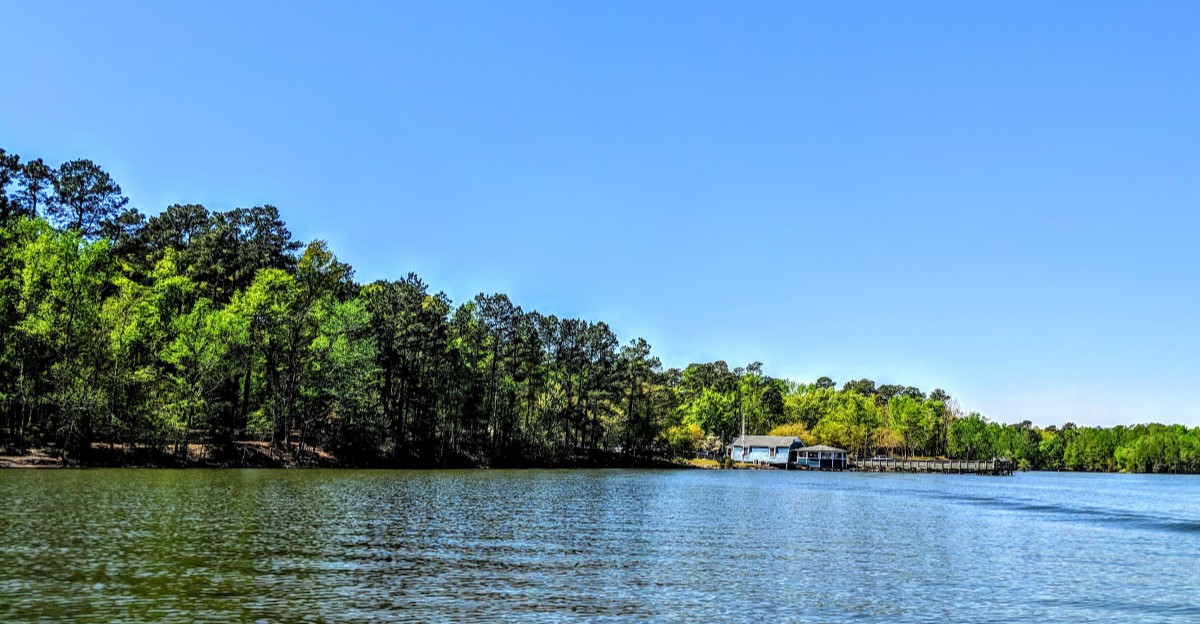
A lake this big should not feel dangerous. Yet deep in South Carolina, thousands of drowned cypress trees rise from black water like frozen skeletons.
Locals swear the place crawls with snakes.
Sunlight flickers through mossy branches while eagles cut lazy circles above. Boats slip past ancient stumps, engines cut low, eyes scanning for coiled shapes on sunny logs.
Alligators glide through quiet coves.
Catfish the size of toddlers lurk beneath submerged forests nobody has fully mapped. Locals call it South Carolina’s inland sea, and honestly, the nickname barely covers it.
Paddlers who venture into the backwaters describe a wilderness that feels prehistoric, untouched, alive. Is the snake reputation fair, or seriously overblown?
Either way, this wild Southern giant deserves a spot on your next road trip.
The Lake That Engineers Created
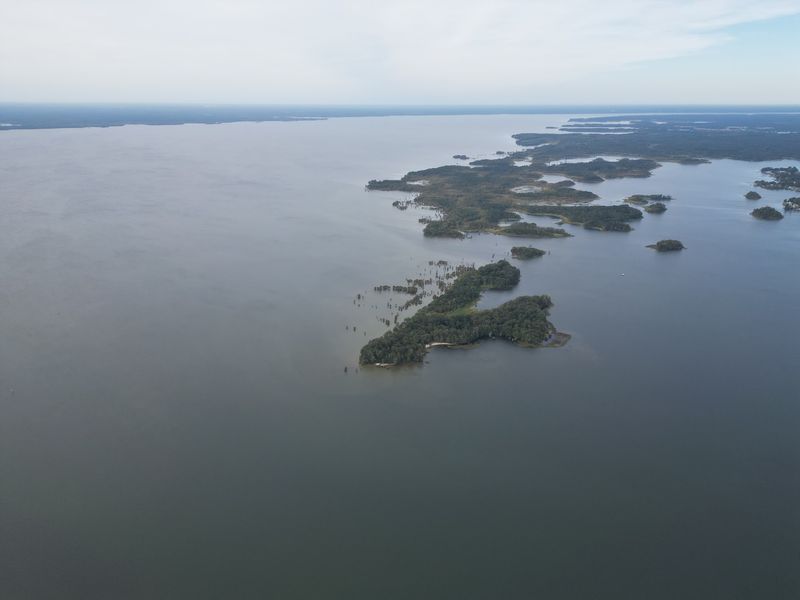
Here is a lake with a construction date instead of a geological age. Lake Marion did not appear through slow natural forces.
Human ambition shaped it. During the late 1930s, the Santee-Cooper Hydroelectric and Navigation Project began reshaping rural South Carolina.
The Great Depression created urgent demand for electricity and steady work. Engineers dammed the Santee River and built a reservoir of remarkable size.
Construction wrapped up in 1941. Water rose over farms, forests, and small communities, changing the region permanently.
The name honors Francis Marion, the Revolutionary War figure known as the Swamp Fox. That nickname fits the surroundings almost too well.
Today the lake remains part of the state’s power and water infrastructure. It also functions as one of the busiest recreation areas in the region.
Visitors can reach the lake from several points across central South Carolina, USA, with the water itself simply listed at South Carolina, USA on maps.
Understanding that origin story changes how the scenery reads. Those odd stumps and standing trunks suddenly make perfect sense.
History here sits just below the waterline, waiting quietly.
Vast Water and Five Counties Of Shoreline
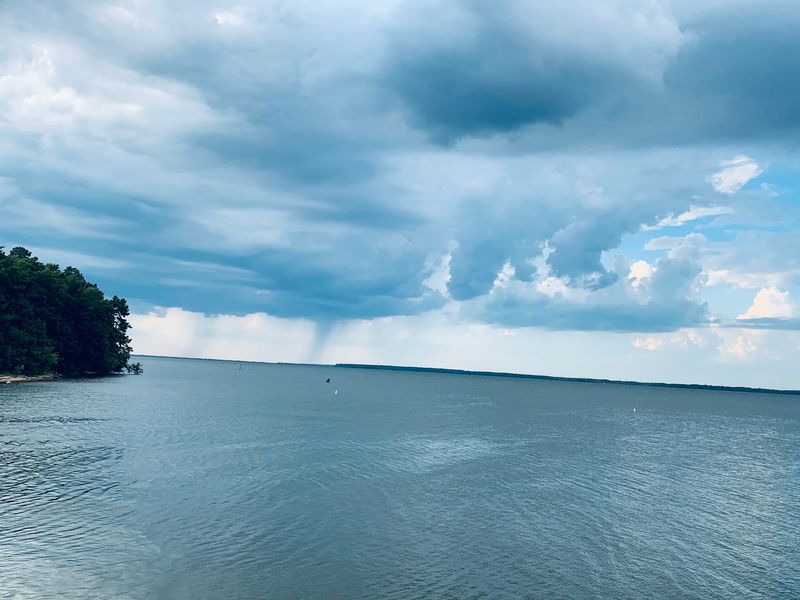
Scale hits first. Standing on the bank, the far shore can disappear into haze.
Covering roughly 110,600 acres, Lake Marion ranks as the largest lake in the state. Locals nickname it South Carolina’s inland sea, and the phrase earns itself quickly.
Its waters touch five counties: Berkeley, Calhoun, Clarendon, Orangeburg, and Sumter. That spread creates endless coves, creek mouths, and quiet pockets.
The shoreline winds for approximately 511 miles. Explorers could spend years and still find unfamiliar bends.
Upstream, the lake reaches toward the Wateree and Congaree rivers. That headwater region includes the wildlife-heavy Sparkleberry Swamp.
Wind matters on water this wide. Shallow depths mean a breeze can stir up choppy conditions fast.
Boaters often check forecasts before launching, and that habit makes sense here. Conditions can shift within an hour.
Maps rarely capture how varied one lake can feel. The open middle behaves nothing like the shaded backwaters.
Bring patience and a full fuel tank. Lake Marion rewards anyone willing to wander.
Drowned Forests Beneath The Surface
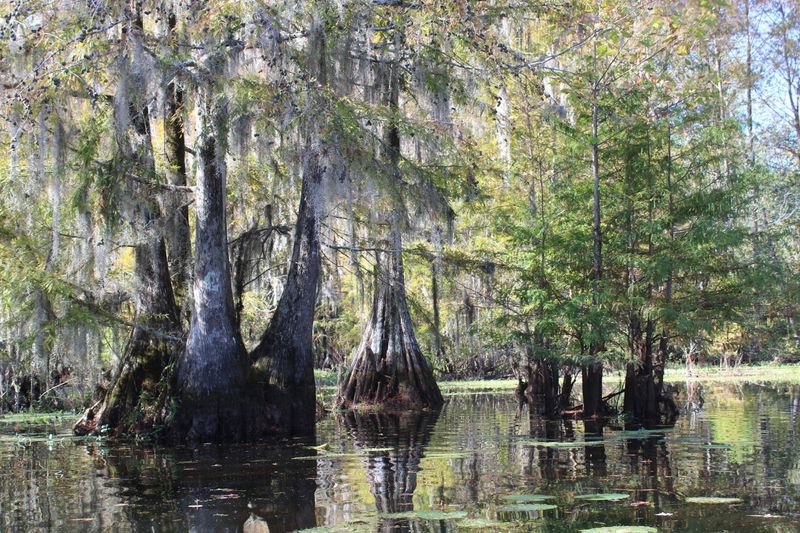
Thousands of trees never left. When the reservoir filled in 1941, crews did not clear every acre.
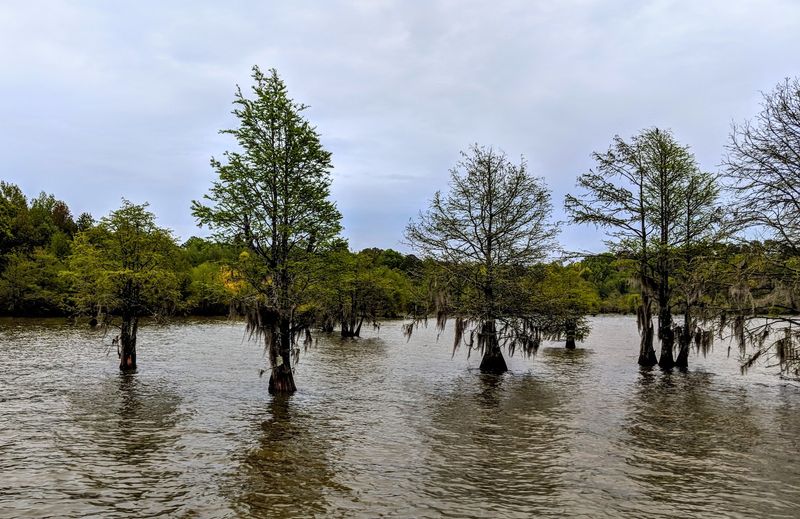
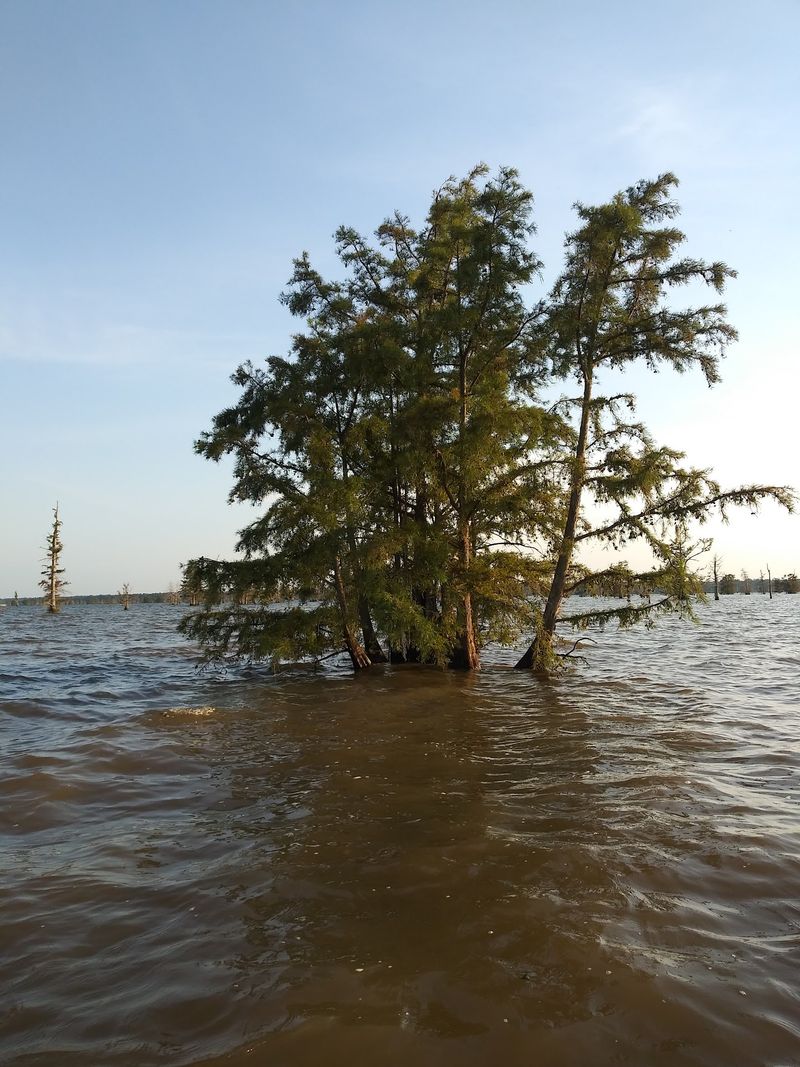
The result is a submerged forest of stumps, dead trunks, and living cypress. Few lakes anywhere look quite like it.
Above the surface, cypress trunks rise in clusters, often wearing Spanish moss. Morning fog turns the scene almost theatrical.
Below the surface, that timber creates prime habitat. Crappie, bream, and catfish gather around the wood and shade.
Boaters treat the same feature with respect. Stumps sit just under the surface in plenty of spots.
Navigational aids help mark safer routes across Lake Marion. Still, slow speeds and sharp eyes prevent expensive damage.
Newcomers often follow the paths other boats take. Local guides know these lanes by memory.
Paddlers get the best view of the flooded woods. A kayak glides past obstacles that stop larger craft cold.
Photographers love the strange geometry of it all. Light filters through branches and lands on still, tea-colored water.
Old forest, new lake, one unforgettable landscape.
Why The Snake Reputation Sticks
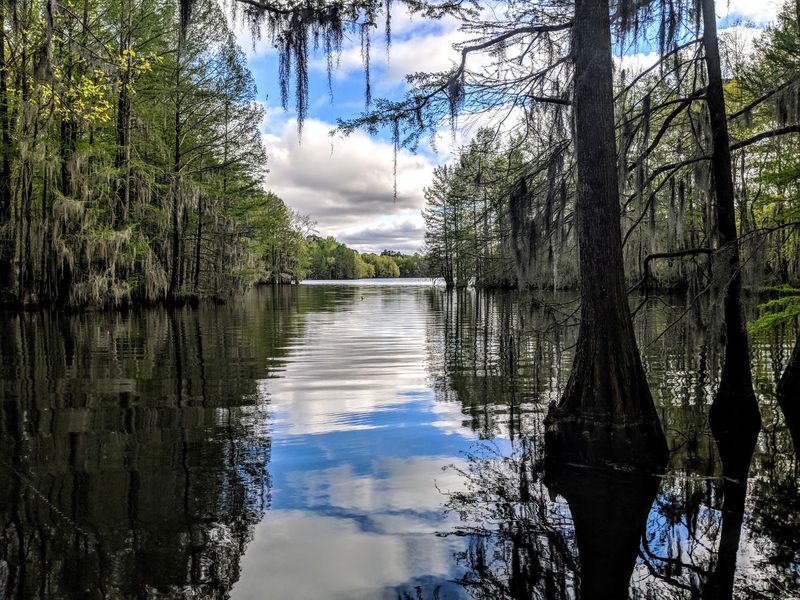
Ask around and the snake stories arrive fast. Warm water, thick vegetation, and plentiful prey make this lake ideal snake country.
Some call it snake-infested. A fairer description might be snake-rich, since the population reflects a healthy wetland.
Sightings happen most often near the shoreline during warm months. Boaters spot them cutting S-shapes across the surface.
Anglers notice them coiled on branches above the water. Sunny logs draw them like magnets.
Thirty-eight snake species live in South Carolina, and only a handful carry venom. Odds favor the harmless ones.
Brown water snakes rank among the most common sights at Lake Marion. They are non-venomous and usually slip away when disturbed.
Panic causes more trouble than the snakes do. Backing off calmly ends nearly every encounter.
Guides often remind visitors not to reach blindly into brush or under docks. Simple awareness solves most concerns.
The reptiles also signal a functioning ecosystem. Their presence means frogs, fish, and clean habitat.
Consider them neighbors rather than villains.
Venomous Species Worth Recognizing
A few residents do carry venom. Recognizing them keeps outings relaxed instead of tense.
Cottonmouths, also called water moccasins, live around the swampy margins. They can act defensively when cornered and carry a potent venom.
Distance solves the problem. Watching from a boat or trail works perfectly well.
Copperheads prefer wooded ground and brushy slopes near Lake Marion. Their copper-toned heads and hourglass bands blend into leaf litter remarkably well.
They rank as the most commonly encountered venomous snake statewide. Bites remain uncommon, but hikers and campers benefit from staying alert.
Closed shoes help. So does a flashlight after dark and a habit of looking before stepping over logs.
Eastern ratsnakes often confuse visitors. Those climbers look intimidating yet carry no venom at all.
Identification guides for South Carolina snakes are easy to find before a trip. Ten minutes of study pays off.
Nobody needs to cancel plans over reptiles. Respectful space and steady footing cover almost every situation.
Caution and curiosity travel well together here.
Alligators, Eagles, and Other Locals
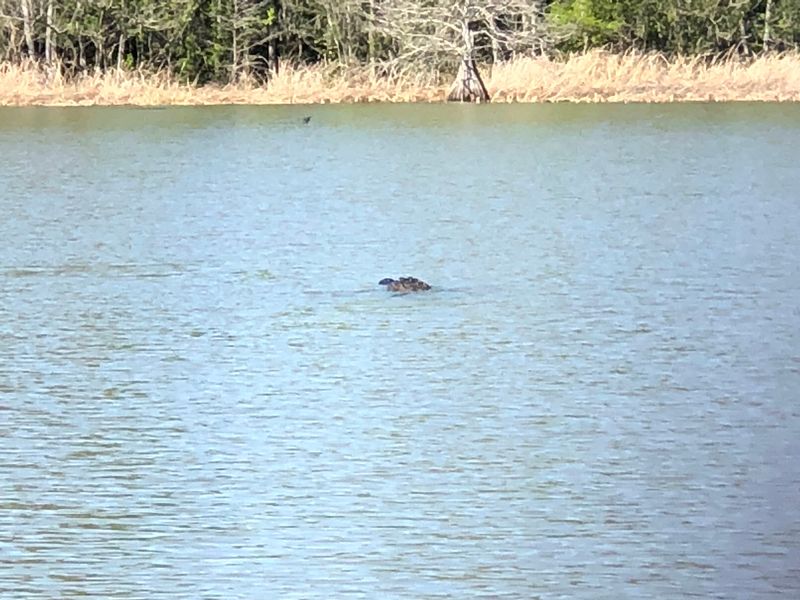
Snakes get the headlines, but they share the stage. Alligators live in Lake Marion too, usually keeping their distance.
Visitors spot them along marshy edges and quiet sloughs. Watching from a boat is the sensible choice.
Bird life may be the real highlight. Bald eagles ride thermals overhead while ospreys drop hard for fish.
Herons and egrets stalk the shallows with slow, careful steps. Their patience outlasts most photographers.
Deer wander the surrounding forest. Foxes, raccoons, beavers, and otters round out the cast.
Early morning delivers the most activity. Cool air and soft light bring animals to the water’s edge.
Binoculars earn their space in the bag. Distances across open water stretch farther than they appear.
Feeding wildlife helps nobody, including the animals. Keeping food sealed at camp prevents unwanted visitors.
Biodiversity like this reflects decades of protected habitat around the lake. The swamp arms hold the densest concentrations.
One slow paddle can produce a surprisingly long species list.
Trophy Fish and Tangled Structure
Anglers talk about this lake with real affection. Diverse habitat explains the enthusiasm.
Shallow flats, creek channels, and submerged cypress create countless holding spots. Fish find cover almost everywhere.
Lake Marion carries a national reputation for freshwater fishing. Trophy catfish, including blue and flathead varieties, top many wish lists.
Largemouth bass stay abundant and provide steady sport. Crappie and bream cluster around stumps and vegetation.
Striped bass also swim these waters. That mix makes the lake unusually versatile.
Early mornings often produce best results. Cooler temperatures seem to encourage feeding.
Hiring a local guide helps first-timers enormously. Stump fields and shifting patterns take time to learn.
Visitors should confirm current state fishing license requirements before casting. Rules and seasons can change.
Shoreline access exists too, so a boat is not mandatory. Piers and banks still hold fish.
Sun protection matters more than most people expect out here. Open water reflects plenty of light.
Fish stories multiply quickly on these shores.
Paddling The Quiet Backwaters
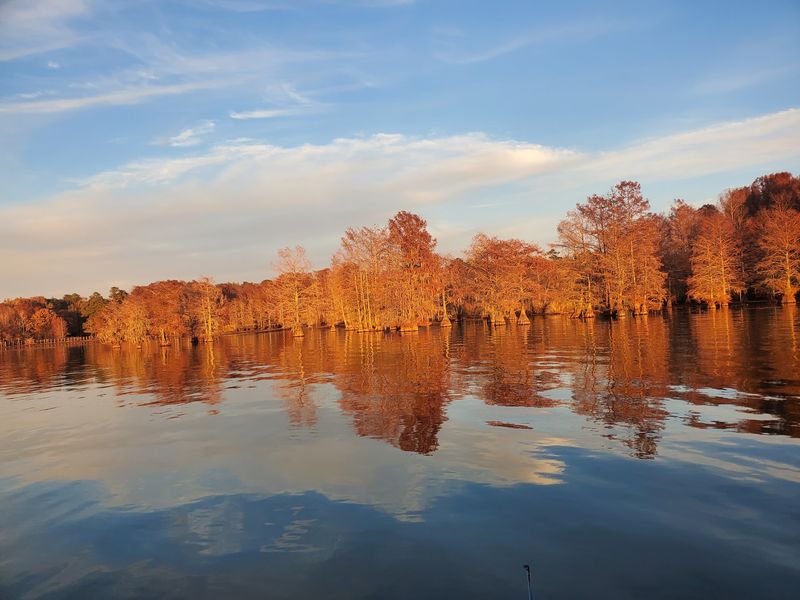
Trade the motor for a paddle and the lake transforms. Narrow sloughs open into cathedral-like stands of cypress.
Kayaks and canoes reach places big boats cannot. Wildlife tolerates quiet visitors far better.
The Sparkleberry Swamp area near the headwaters draws serious paddlers. Channels wind and branch in confusing patterns.
Navigation skills matter there. A map, GPS, and shared trip plan all make sense.
Elsewhere on Lake Marion, boating remains hugely popular. Public ramps and marinas offer straightforward access.
Waterskiing, wakeboarding, and tubing fill summer weekends. The lake’s size spreads traffic thin.
Swimming is allowed at various spots, though caution is wise. Wildlife and hidden stumps both deserve consideration.
Life jackets never go out of style. Weather can turn choppy without much warning.
Afternoon thunderstorms pop up during warm months. Watching the sky beats racing it.
Quiet water rewards those who slow down. A single hour in a backwater channel can feel like a wilderness expedition.
Trails, Parks, and Dry Land Escapes
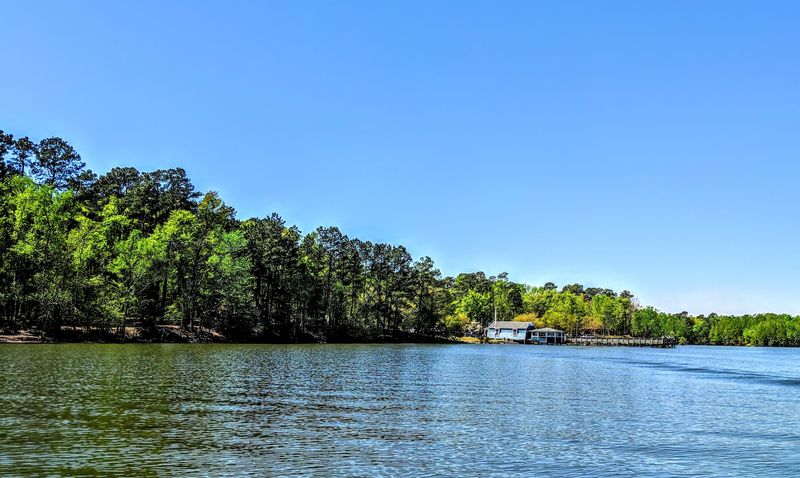
Dry land offers plenty too. Santee State Park sits right along the shoreline with miles of trails.
Paths wind through hardwood forest and open onto lake views. Deer and songbirds appear regularly.
The Palmetto Trail includes a passage through the Lake Marion area. Longer-distance hikers appreciate that link.
Birdwatching from boardwalks and wetland edges works beautifully. Ospreys, herons, and warblers all make appearances.
Santee National Wildlife Refuge adds roughly 15,000 acres of habitat. Interpretive spots there mix nature with regional history.
Cooler months make hiking far more comfortable. Humidity drops and insects thin out.
Long pants and sturdy shoes help on brushy stretches. They also reduce accidental snake encounters.
Insect repellent belongs in every day pack. Mosquitoes take the wetlands seriously.
Overlooks near the water make good picnic stops. Shade is easy to find under the hardwoods.
Trail conditions can change after heavy rain. Checking ahead avoids muddy surprises.
Land and water complement each other perfectly around this lake.
Small Town Warmth and Trip Planning
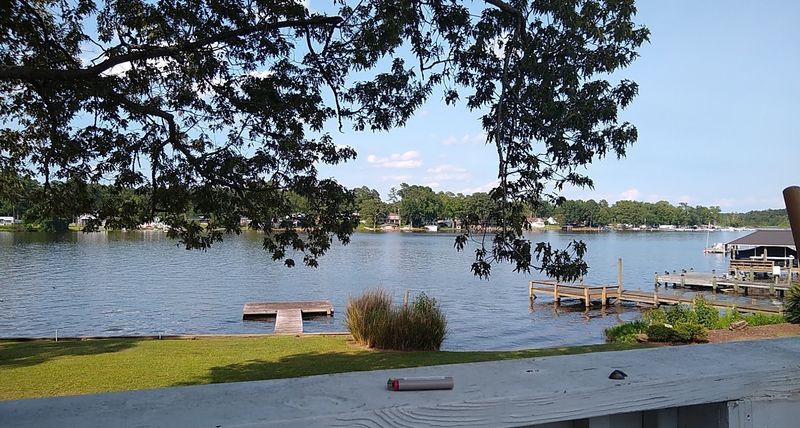
Slow mornings define the towns nearby. Santee acts as the main hub with motels, restaurants, and visitor services.
The mood stays relaxed and outdoors-focused. Southern hospitality shows up in small, everyday ways.
Roadside stands and family-run kitchens add local flavor. Fried catfish and hushpuppies appear on many menus.
Neighbors wave from trucks and docks. That rhythm suits a lake vacation well.
Summer brings heat and humidity to this part of South Carolina. Hydration and sun protection stop being optional.
Santee State Park offers camping plus distinctive round cabins, some built out over the water. Marinas and resorts around the lake provide other lodging choices.
Booking ahead helps during peak fishing and holiday weekends. Popular spots fill quickly.
Spring and fall deliver milder weather and fewer crowds. Wildlife stays active in both seasons.
Lake Marion blends built history, wild habitat, and easygoing hospitality into one destination. Snakes are part of the package, not the whole story.
Come curious, tread carefully, and the lake gives back generously.