
Twenty Dollars At This Working Mississippi Peanut Farm Buys A Corn Maze, A Wagon Ride, And A Pumpkin To Take Home
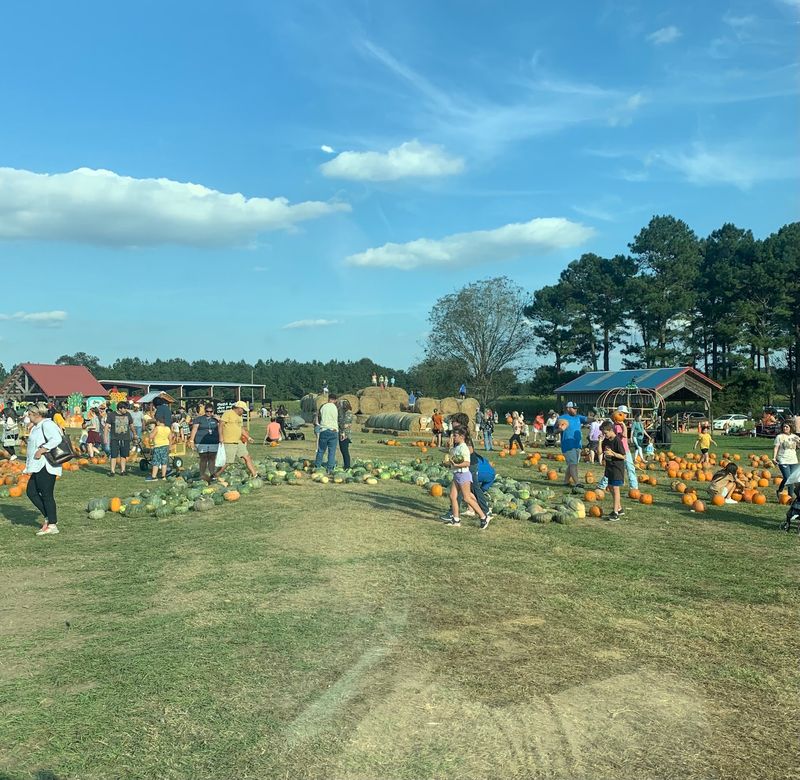
Driving through the piney woods of southeast Mississippi, you pass field after field of peanuts and soybeans without thinking much about them. Then one farm hangs out a sign in late September, opens its gates, and suddenly those same quiet acres are full of wagons, sunflowers, and pumpkins stacked by the hundreds.
It is a real working peanut operation the rest of the year, which is exactly what makes the fall version feel earned instead of staged. For families hunting a full Saturday that does not cost a fortune, this one has been quietly building a reputation for decades.
Where The Peanut Fields Meet Old U.S. 84
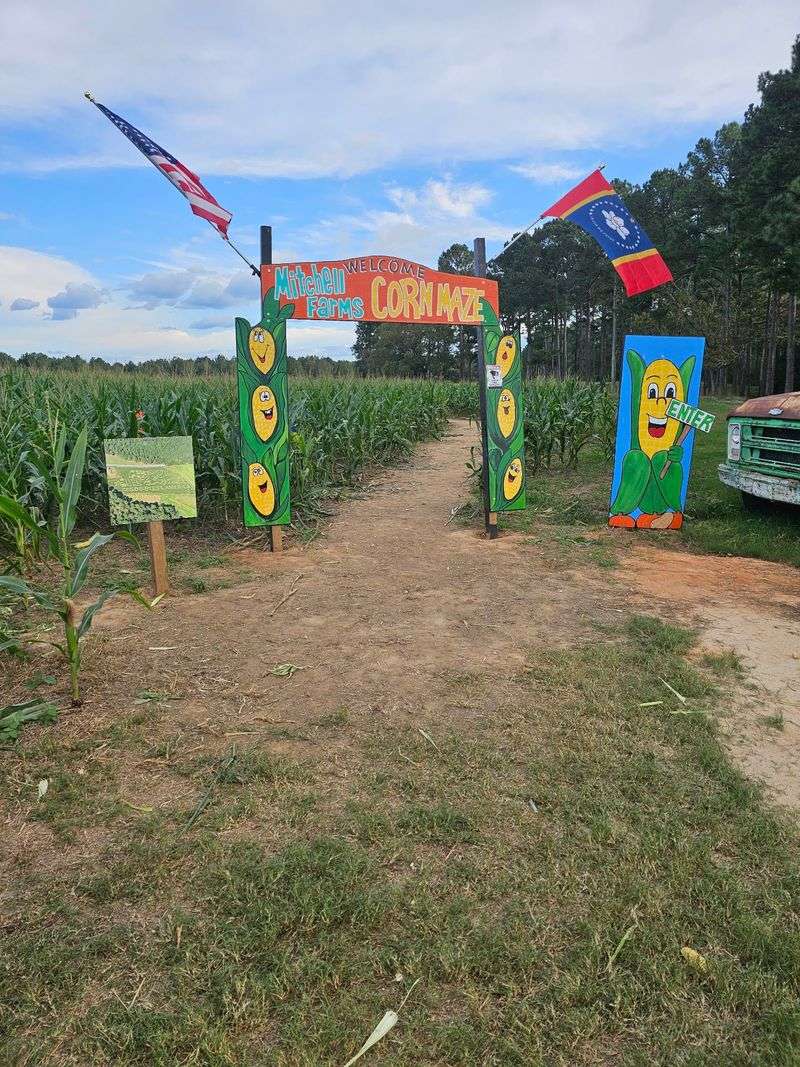
Just east of Collins in Covington County, at 650 Old U.S. 84, sits a 1,500-acre farm that spends most of the year doing exactly what farms in this part of Mississippi have always done: growing peanuts in sandy piney-woods soil.
Mitchell Farms sells fresh green peanuts and dry peanuts from roughly August through October, and then the property shifts gears. From September 27 through November 2, the pumpkin patch side of the operation opens up, and the fields fill with wagons, mazes, and families.
Getting there is straightforward. Collins sits along Highway 49 between Hattiesburg and Jackson, so the drive runs about forty minutes from Hattiesburg and closer to an hour and a half from the Jackson metro.
Laurel and Columbia are both easy runs as well.
Parking is free and organized on the grounds, which matters more than it sounds like on a busy October Saturday. What visitors tend to notice first is that this is not a lot dressed up to look agricultural.
The barns, the equipment, and the peanut harvest are genuinely part of the business, and the fall attractions grew out of that rather than replacing it.
Sixty-Plus Years Of Mitchells Working The Same Ground
Dennis and Nelda Mitchell started the operation in 1960, back when the fields here were planted mostly in row crops. Peanuts came into the rotation during the 1970s, and they stuck.
Agritourism did not arrive until 2006, which means the farm had already put in more than four decades of actual farming before anyone thought about selling admission tickets. That order of events shapes everything about the place.
The family still runs it, and that shows up in small ways: owners answering questions at the peanut barn, farm hands who know where the good pumpkins are, staff who seem genuinely glad you drove out. Regulars who have been coming for a decade or more often mention that something new shows up nearly every season, whether a fresh slide, a different maze design, or an added play area.
Nelda Mitchell’s own artwork hangs inside one of the historic cabins on the property, a detail that tells you how personal this operation is. Family-run Mississippi businesses with this kind of longevity are getting harder to find, and the farm leans into that rather than hiding it behind polish.
Mississippi’s Largest Pumpkin Patch And Its Forty Varieties
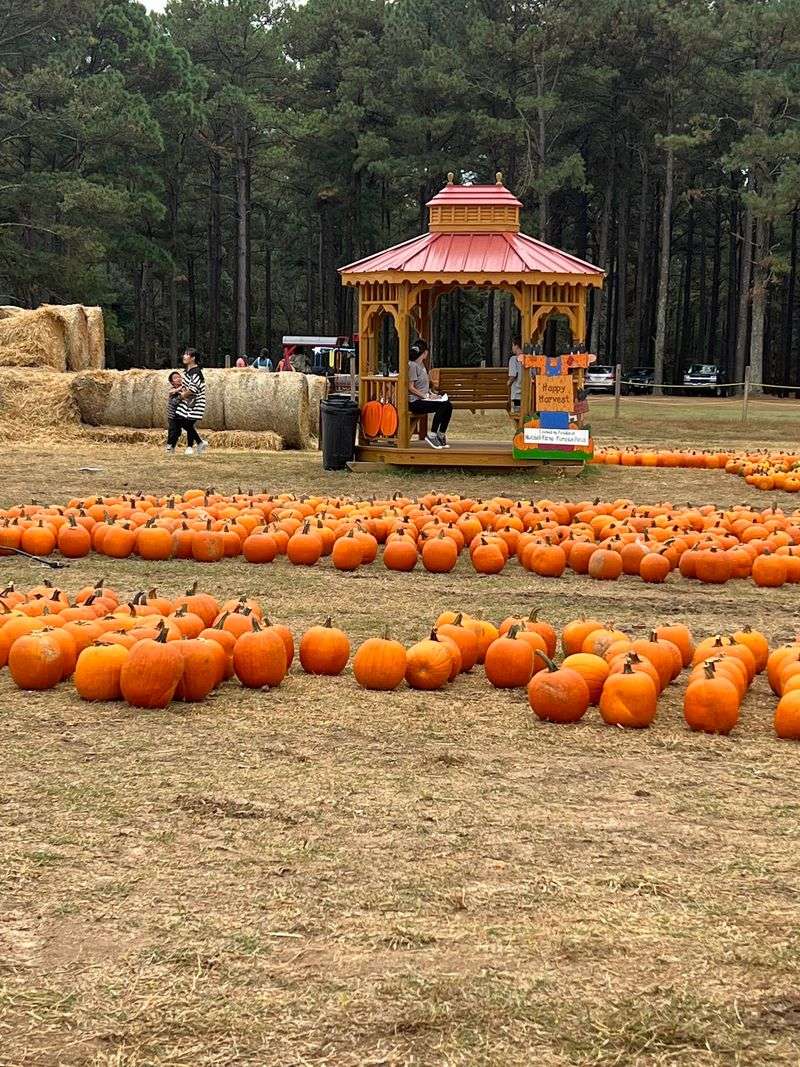
Forty-plus varieties is a lot of pumpkin. Most patches offer orange and maybe a few white ones, but here you get warty ones, pale green ones, squat ones, tall skinny ones, and gourds in shapes that look almost invented.
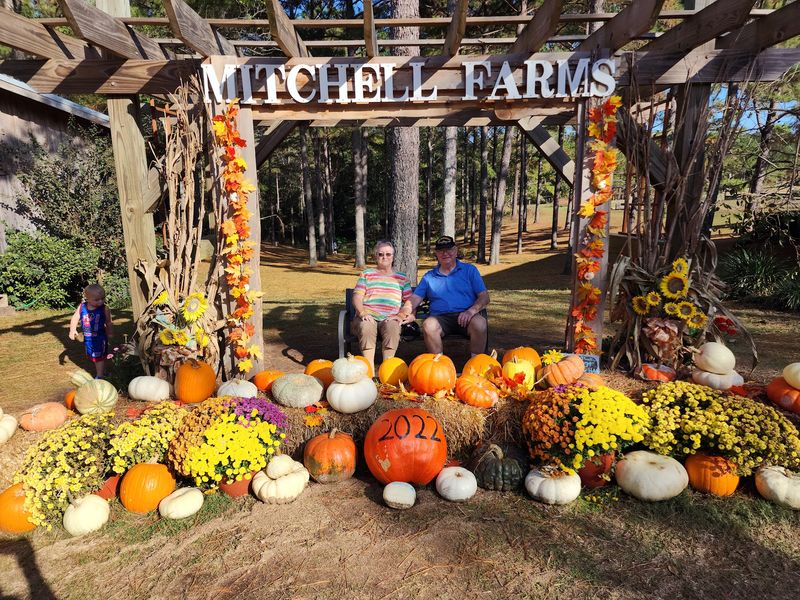
Billed as the largest pumpkin patch in the state, the selection is the part that keeps decorators coming back year after year. Visitors frequently mention hauling home not just a jack-o-lantern but a whole porch arrangement.
Here is the piece that makes the math work for families: admission includes a pumpkin. Pick one out, carry it to the car, done.
For anyone used to paying gate admission and then paying again by the pound, that changes the value equation considerably.
Kids take the choosing seriously. Expect to spend a solid stretch watching a six-year-old rotate the same three pumpkins while deciding which one has the best face potential.
Sweet potatoes have also turned up for sale in past seasons alongside the pumpkins, so the produce side of the visit can stretch further than you planned.
Five Acres Of Corn Maze With A Different Design Each Year
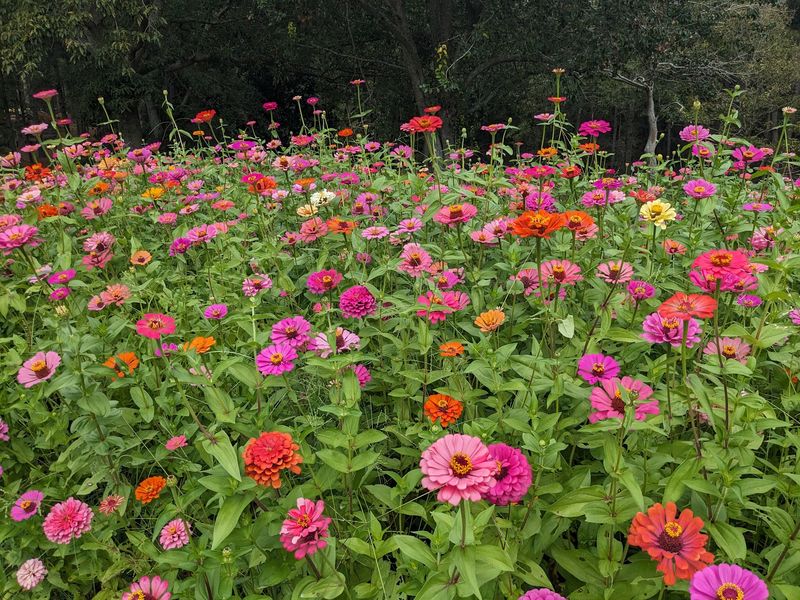
Five acres of standing corn, cut into winding paths, is the kind of attraction that separates the confident from the easily lost. The 2024 version carried an American theme, and the design changes from season to season.
What the farm has figured out is balance. Paths are cut so that adults face a real puzzle while younger children can still work through it without meltdowns, which is a harder trick than it sounds.
Weather plays a role. Corn is a crop, not a set piece, and a dry or storm-battered growing season can leave the stalks thinner than anyone wants.
Longtime visitors have noted years when the maze came in shorter and years when it stood tall and thick.
Parents often say the maze ends up being the part they enjoyed most themselves, right alongside the wagon ride. There is something about walking between rows of corn with your kids that slows the whole day down.
Closed-toe shoes make a real difference here. The ground is field dirt, not pavement, and you will cover more distance than expected.
Wagon Rides Rolling Past The Working Acres
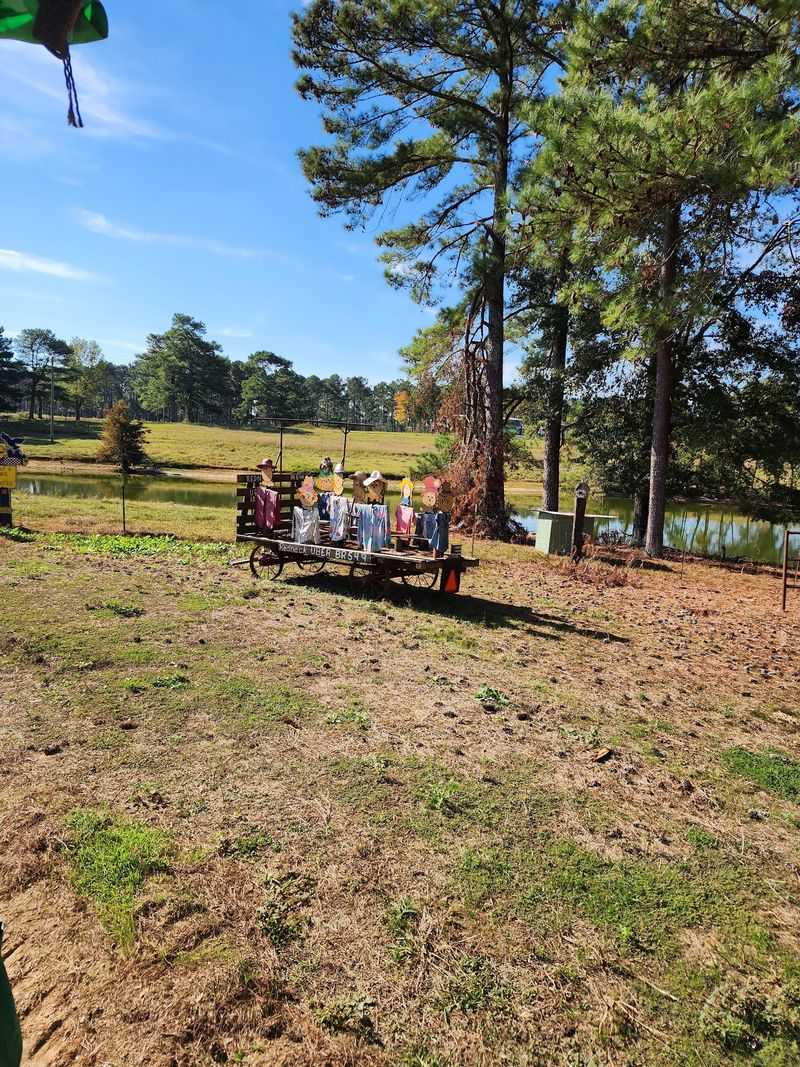
Grandparents, take note: the wagon ride is the attraction built for you. A tractor-pulled covered wagon loops the property, and it is the least strenuous way to actually see the farm.
Guides talk through what grows where, how peanuts come out of the ground, and what the different fields are doing. Children who have only seen peanuts in a jar get a genuinely useful education in about twenty minutes.
Adults tend to appreciate this one as much as the kids do. Several visitors describe the hayride as their personal favorite part of the day, a chance to sit down, catch a breeze, and watch 1,500 acres roll by.
It also solves a practical problem. On a warm October afternoon in Mississippi, and yes, eighty-five degrees in late October happens here, having a seated shaded activity in the rotation keeps everyone from wearing out at once.
Younger children who are not quite up for the full wagon can ride the kids’ barrel train instead, a smaller loop that circles closer to the main play areas.
The Peanut Barn, Boiled Peanuts, And Blueberry Lemonade
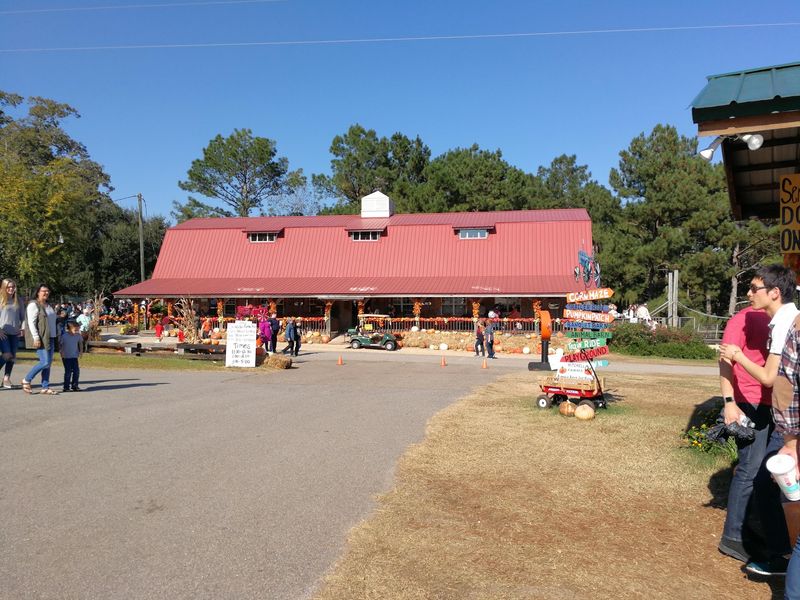
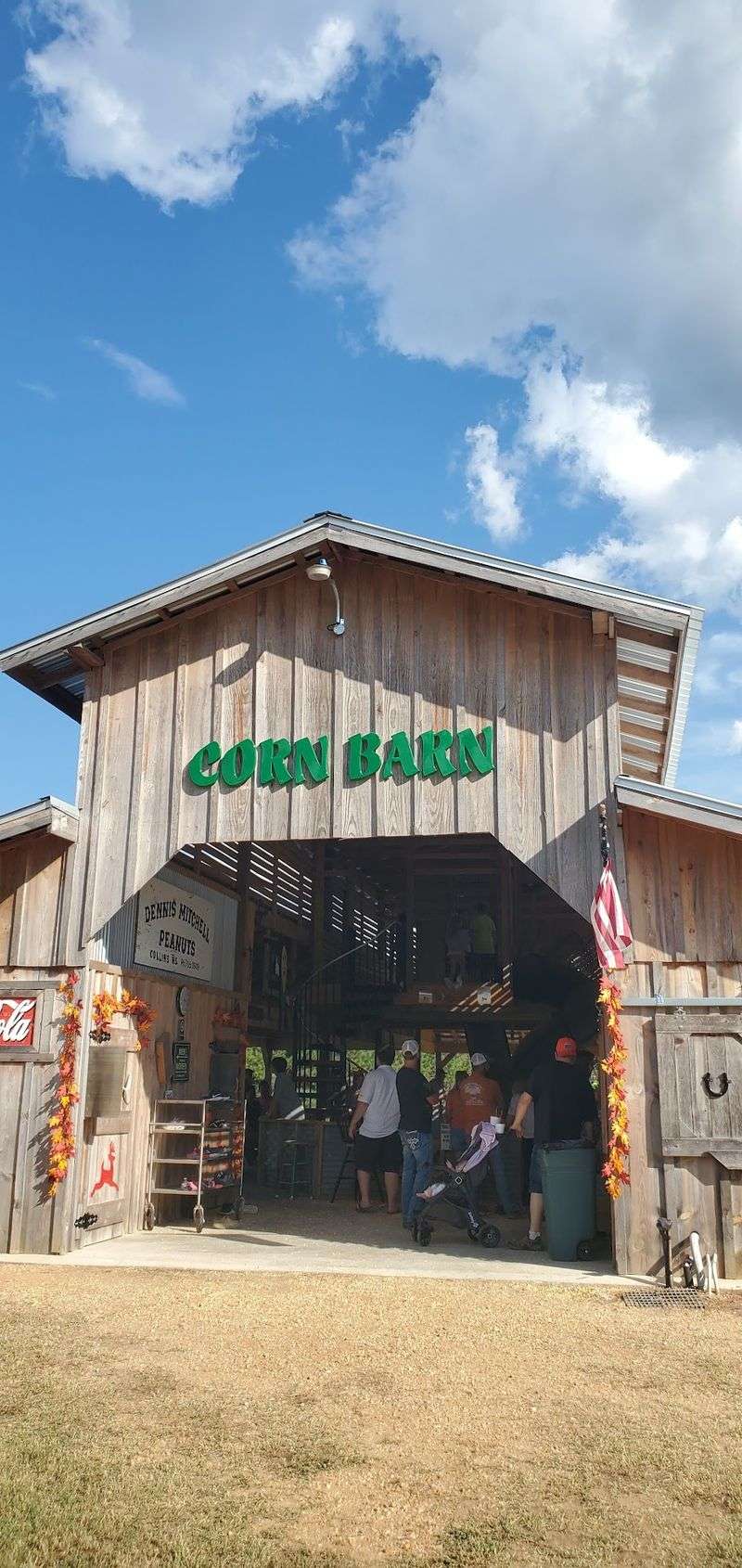
Skip the peanut barn and you have missed the reason the place exists. Fresh green peanuts and dry peanuts come out of these fields in late summer and early fall, and they sell them right where they were grown.
Boiled peanuts get mentioned constantly by people who have made the trip. So does the blueberry lemonade, which has quietly become one of the signature things to grab before you leave.
The farm store stocks homemade jellies, jams, candies, and pickles, plus toys and souvenirs. It is the sort of shelf browsing that Mississippi shoppers enjoy for its own sake, whether or not you came for it.
Beyond the store, food vendors set up with fair-style options: kettle corn, ice cream, candy apples, and truck food of various kinds. Be aware that vendor prices run the way vendor prices always run, so packing a snack for the kids is reasonable strategy.
Adults arriving early often eat first and tour the property before the afternoon crowd builds, which regulars suggest as the smarter order of operations.
Jumping Pillows, Hay Mountain, And Tiny Town
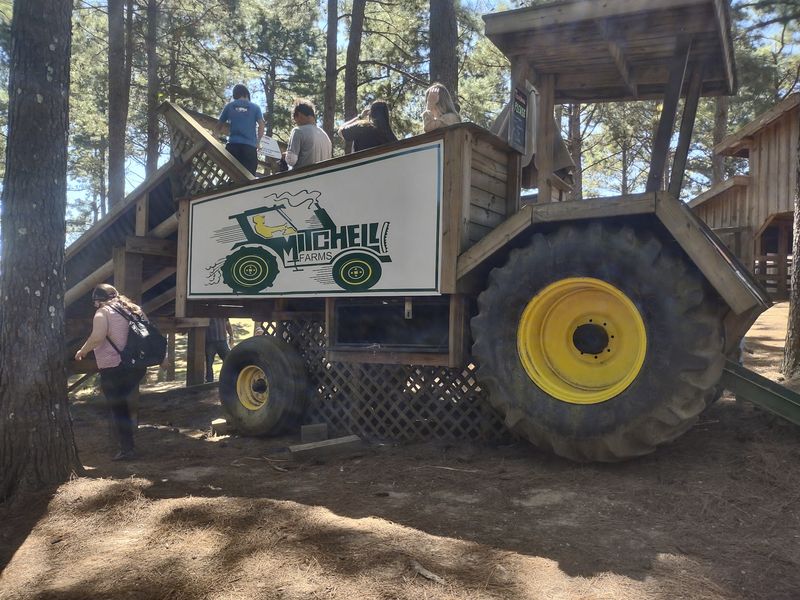
Ask any kid what they remember and you will hear about the jumping pillows before anything else. Two separate jumping stations sit under cover, which shields them from the sun and makes them usable even on a warm afternoon.
Hay mountain is exactly what the name promises: stacked bales to climb, scramble over, and slide down. It is free-range physical play of the sort that gets harder to find.
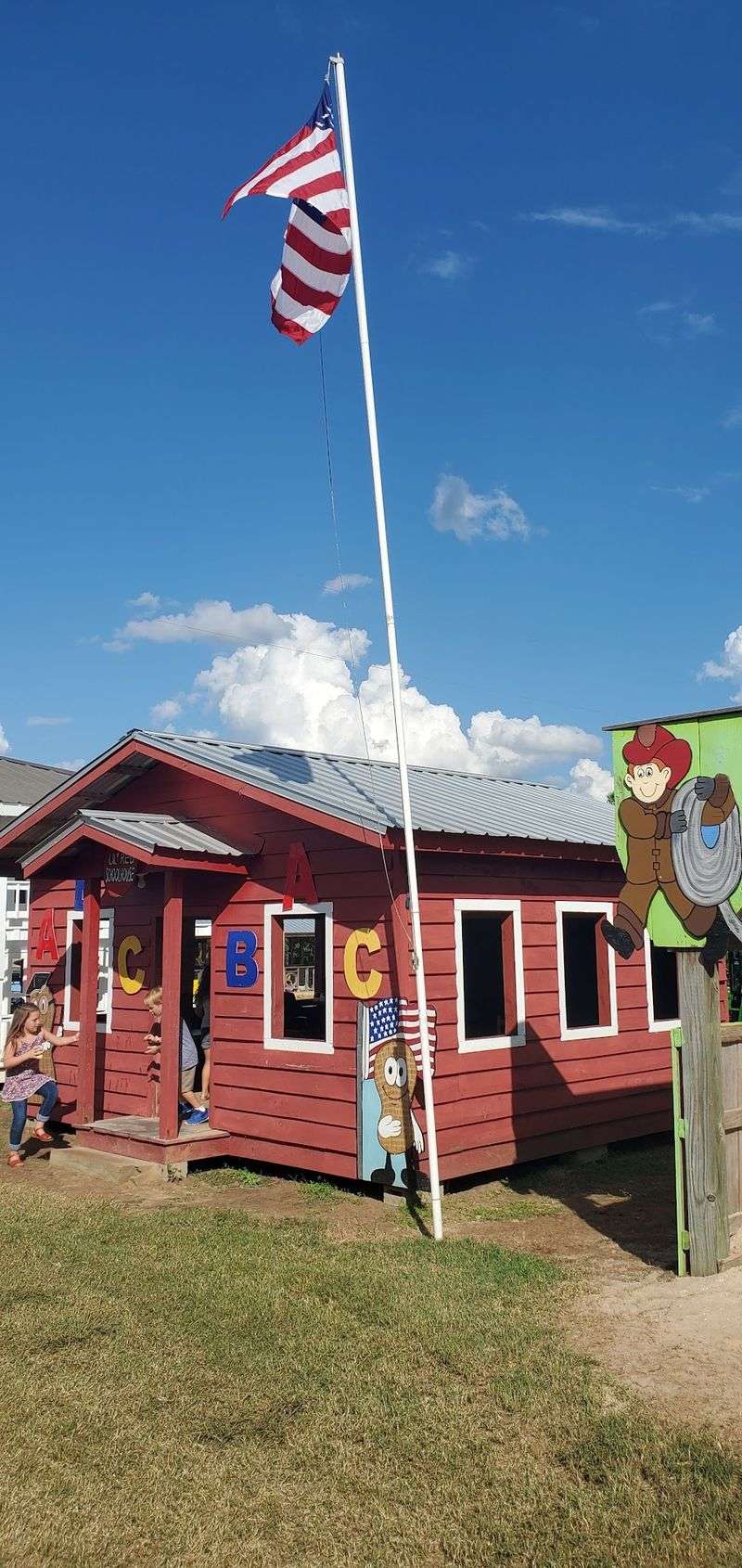
Tiny Town gets singled out by parents again and again. Small playhouses furnished with child-sized furniture let little ones run their own pretend errands, and it holds attention far longer than you would expect.
Then come the slides. The Tractor Slide Racer and the Culvert Slide both draw long lines of determined children, along with a giant slide, swings, a tire climbing tower, a sand pit, basketball goals, cornhole, and a bubble station.
The practical upshot is a car ride home with sleeping children. More than one family has reported kids out cold before they reached the highway, which may be the highest compliment a farm playground can earn.
The Corn Pool, Sunflower Field, And Butterfly Garden
Imagine a sandbox filled with dried corn kernels instead of sand, deep enough for a child to sit down in and bury their legs. The corn pool, or corn pit as visitors call it, is one of those simple sensory ideas that turns out to be irresistible.
Kernels get everywhere. Shake out shoes before the car ride, and consider that fair warning.
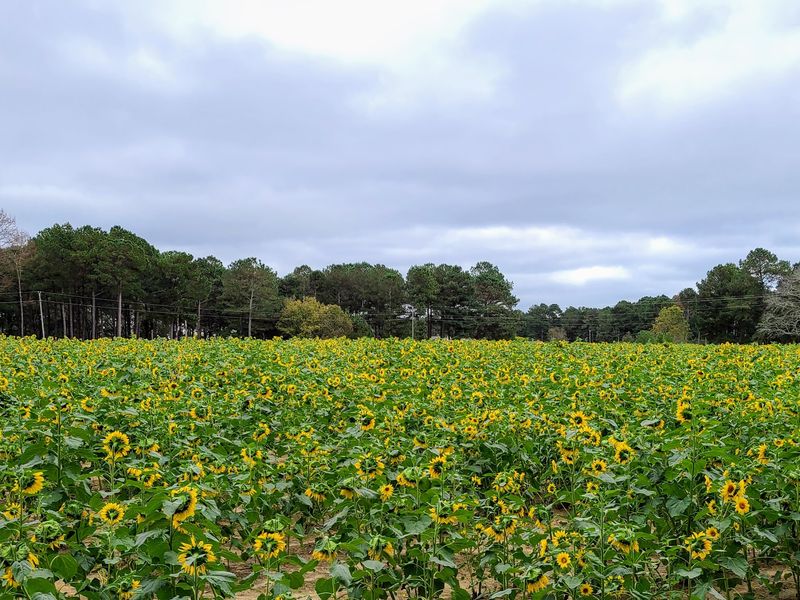
Out in the open, the sunflower field is the photo stop that ends up on everyone’s phone. Rows of tall blooms make an easy backdrop, and guests have historically taken cut sunflowers home alongside their pumpkins.
A butterfly garden adds a quieter corner to the property, the kind of spot where a grandparent can sit while the rest of the group burns energy elsewhere.
Between the sunflowers, the pumpkin stacks, and the old farm structures, families consistently mention how many photo opportunities the grounds offer. If you have been meaning to get a fall picture of everyone together, the scenery does most of the work for you.
Pioneer Cabins Holding A Century Of Piney Woods History
Tucked among the play areas are structures that predate every slide on the property. A log cabin built more than a hundred years ago stands furnished with turn-of-the-century antiques, quilts, and collectibles.
Artwork by Nelda Mitchell hangs inside, connecting the family that farms this land today to the pioneer families who worked the piney woods generations ago.
Several cabins are open to walk into and look around. Parents often find these are the moments when a farm outing quietly turns educational without anyone announcing it, since kids can see for themselves how small a house used to be and how people made do.
Compared with the noise of the jumping pillows a few hundred feet away, the cabins offer a genuinely different pace. Older visitors in particular tend to linger over the quilts and household tools.
It is a thoughtful addition that gives the fall season some weight beyond entertainment. Field trip groups make good use of it, and families who come back annually often say they notice something new inside each time they stop in.
Animal Barn Visits And Farmyard Introductions
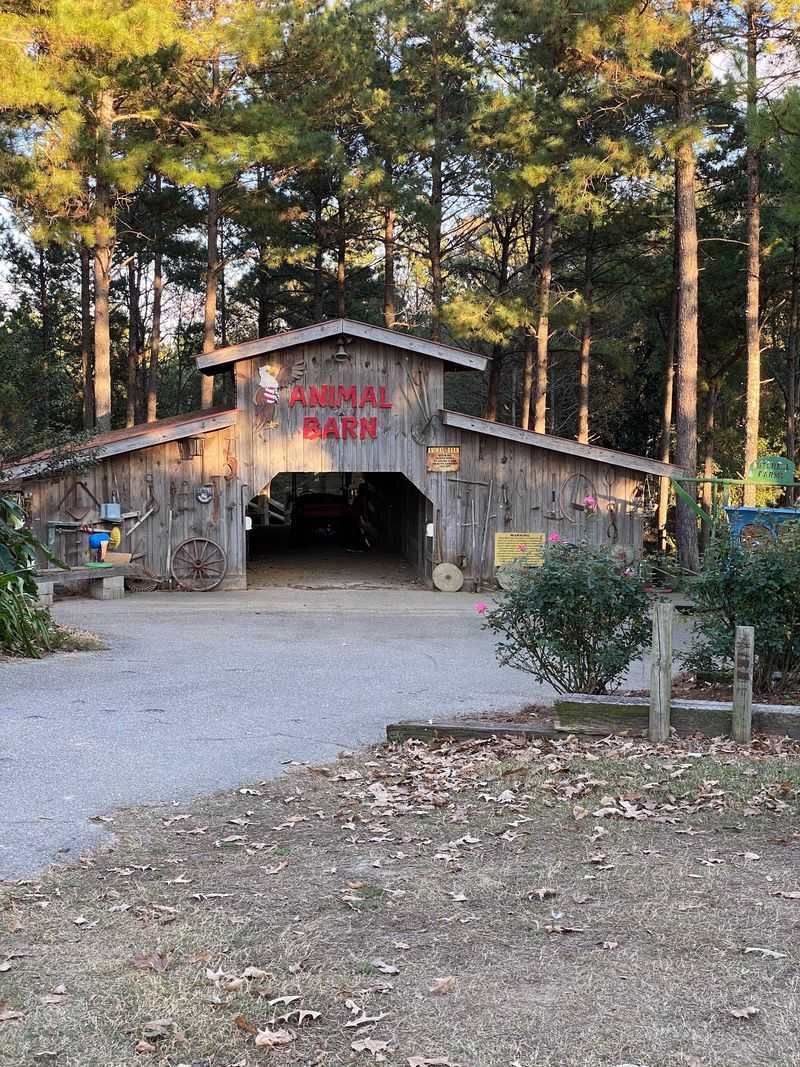
Goats, chickens, and other farmyard residents hold court in the animal barn, which for a lot of small children is the whole point of coming to a farm at all.
Hands-on animal time changes the way kids think about food and farming. A child who has stood beside a goat tends to ask better questions afterward, and the barn gives them something concrete to attach to all the peanut talk from the wagon ride.
Service animals are welcome on the property. Personal pets are not permitted, which protects both the farm animals and other guests, so plan to leave the family dog at home.
The barn also functions as a natural rest stop. It is shaded, it moves slowly, and it gives adults a moment to stand still while the kids work their way down the row of pens.
Farm animals plus open acreage add up to something many Mississippi families specifically want for their children, especially those growing up in Jackson or on the Coast where space like this is not part of daily life.
The Mississippi Peanut Festival And Character Day
First full weekend of October is the one circled on a lot of calendars. The Mississippi Peanut Festival takes over the farm then, adding arts and crafts exhibitors, antiques dealers, and an expanded lineup of food vendors on top of everything the pumpkin patch already offers.
Antiquing and craft browsing draw a different crowd than the slides do, which is part of the appeal. Multi-generational groups can split up and still all find something they wanted.
October 31 brings Character Day, when children are invited to come in costume and meet cartoon characters around the grounds. In past seasons guests have had photo chances with familiar princesses and famous mice.
Columbus Day is also a scheduled operating day with special hours from 9:00 am to 4:00 pm, useful for families with a school holiday to fill.
Festival weekends naturally run busier than regular Saturdays, so arriving near opening can save you time in line and give you first pick of the pumpkin stacks before the afternoon rush settles in.
Hours, Admission, And What Twenty Dollars Covers
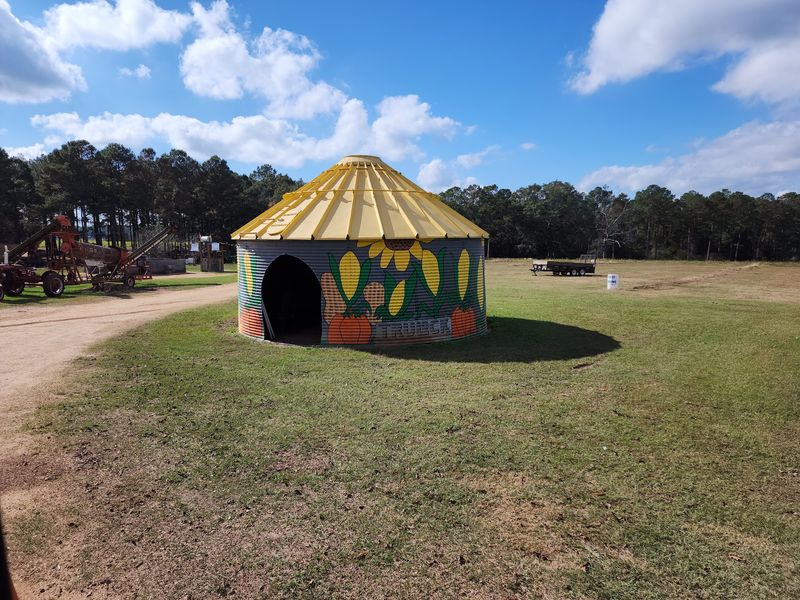
Fall operations typically run from the last weekend of September until the second weekend of November. For the current season, the pumpkin patch is open September 27 through November 2.
General public hours are Saturdays 9:00 am to 6:00 pm and Sundays 1:00 pm to 5:00 pm, with Friday hours of 12:00 pm to 4:00 pm during October only. Columbus Day runs 9:00 am to 4:00 pm.
Admission is $20 for anyone three and older, and children two and under get in free. That ticket covers the activities and includes a pumpkin to take home, which softens the number considerably for a family of four.
Discounts apply to groups of twenty or more, seniors 65 and up, and current or former military. School field trips run weekdays at $15 per person, with teachers and bus drivers admitted at no charge.
Bring cash for vendors and souvenirs. A few extras carry separate fees, including the Pumpkin Express Train Ride and gem mining, so budget a little beyond the gate if the kids spot those.
Practical Notes For Strollers, Shade, And Restrooms
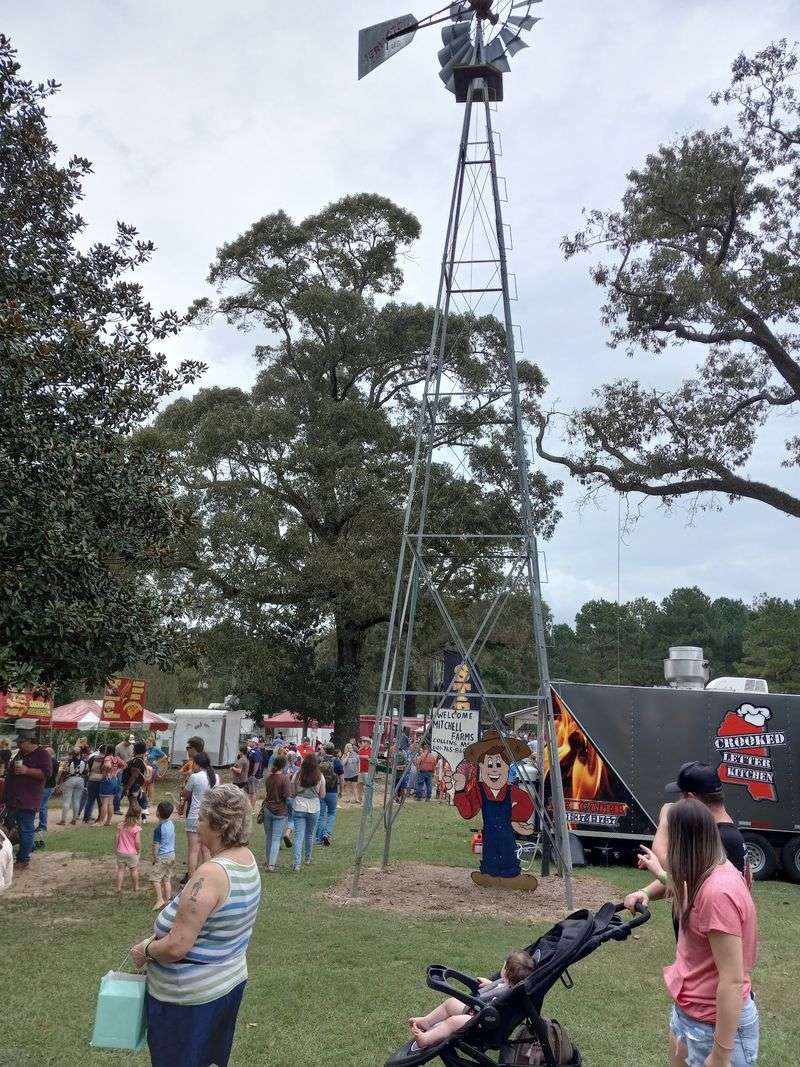
Real bathrooms, not portable units, are a detail visitors mention with obvious relief. Combined with free organized parking, it removes two of the usual headaches of a farm outing.
The pumpkin patch area is wheelchair accessible, which makes multi-generational visits realistic. Grandparents can move through the main grounds and still get to the wagon ride, the store, and the pumpkin selection.
Surfaces are mostly grass, dirt, and gravel, so a stroller with larger wheels handles the day better than an umbrella model. Closed-toe shoes are the single most repeated piece of advice from people who have walked the property.
Heat can still be a factor into late October in south Mississippi. Shaded areas exist for resting, and both jumping stations are covered, but bringing water and hats is sensible.
Weekends carry the fullest slate of activities, so a Saturday visit gets you more than a weekday one unless you are with a school group. Plan on several hours rather than a quick stop, because the grounds are larger than most first-timers expect.
Why Families Keep Marking It On The Calendar
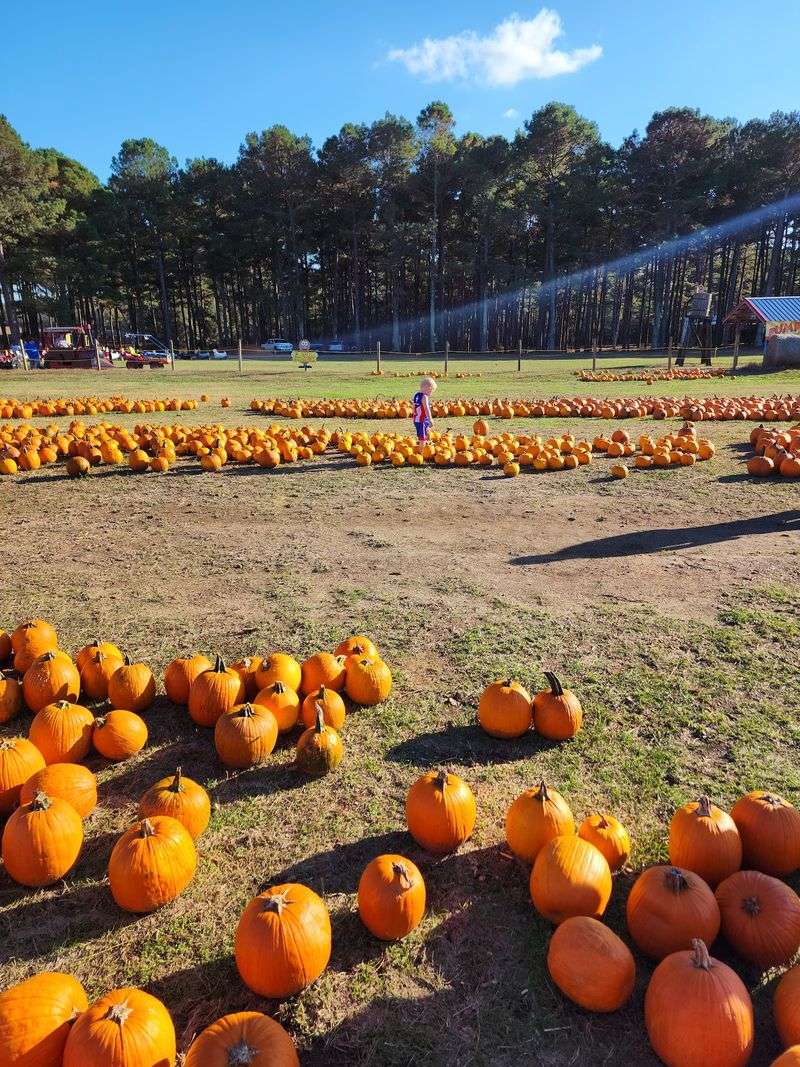
Thirteen years running is how long some families have been making this trip, and that kind of streak says more than any description can. Fall in Mississippi offers plenty of options, but few of them sit on land that actually grows something the rest of the year.
The value math holds up. Twenty dollars buys a full day of activities plus a pumpkin, and with senior, military, and group discounts available, a multi-generational carload can keep the total reasonable.
What makes it stick is the mix. Little ones get Tiny Town and the jumping pillows, older kids get the maze and the slides, and adults get the wagon tour, the peanut barn, and the historic cabins.
If you are driving from Hattiesburg, Laurel, Jackson, or the Coast, build in enough time to do it properly rather than squeezing it between errands. Arrive near opening, eat there, let the kids run until they are finished, and pick your pumpkin on the way out.
Chances are good you will be planning next October before you reach the highway.