
The Under-The-Radar Thrift Spot In Rochester, New York Locals Keep Trying To Hide
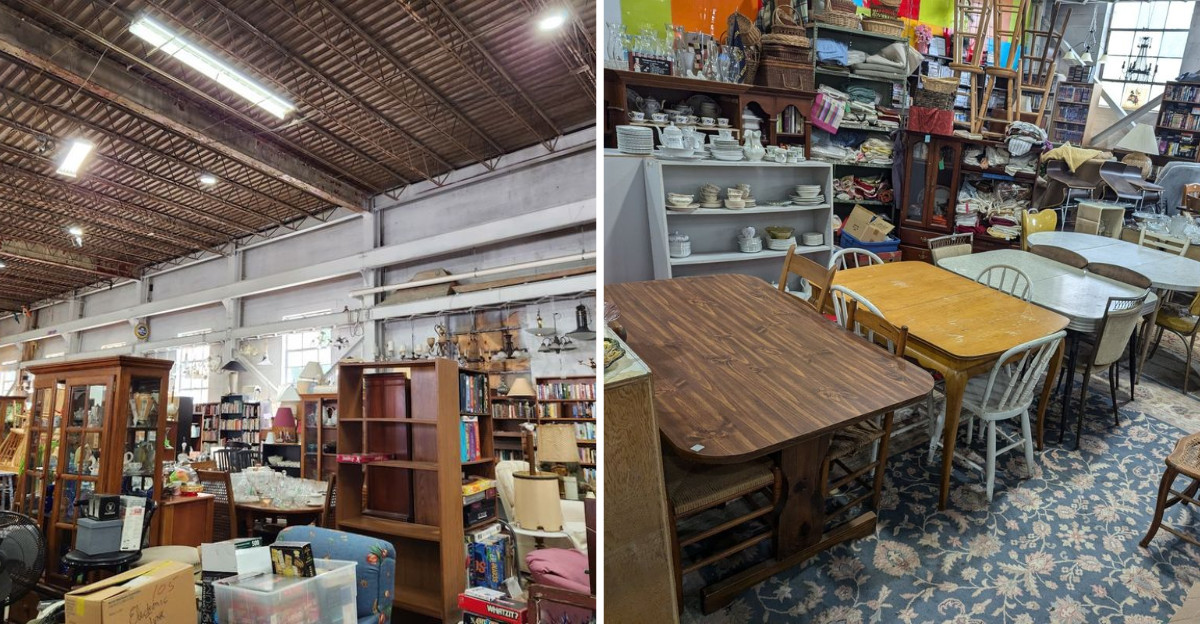
A wooden egg was never on your shopping list, but one warehouse thrift spot might send you home with one. I love a store with that much mischief, since the best finds are never the ones you planned.
Shoppers come in hunting for a single lamp and somehow lose three whole hours in the aisles. A stack of paperbacks sneaks into the cart along the way, and nobody quite remembers grabbing it at all.
Treasure hunting in New York rarely gets this delightfully unpredictable, and that’s what makes it so addictive. Clear some trunk space first, because you’ll leave with a good story and something you never meant to buy.
A Warehouse That Rewards The Curious
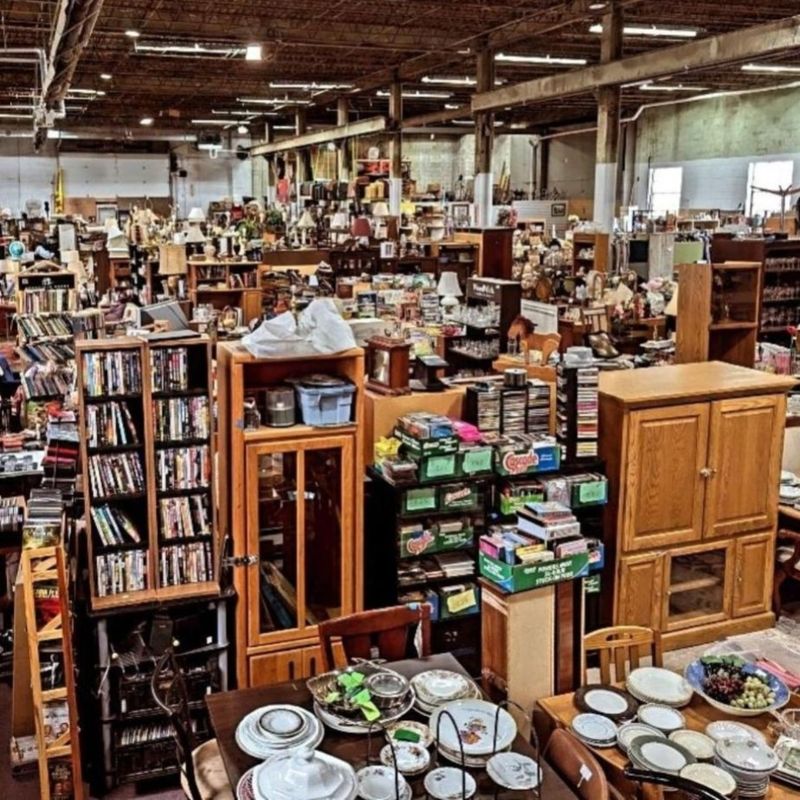
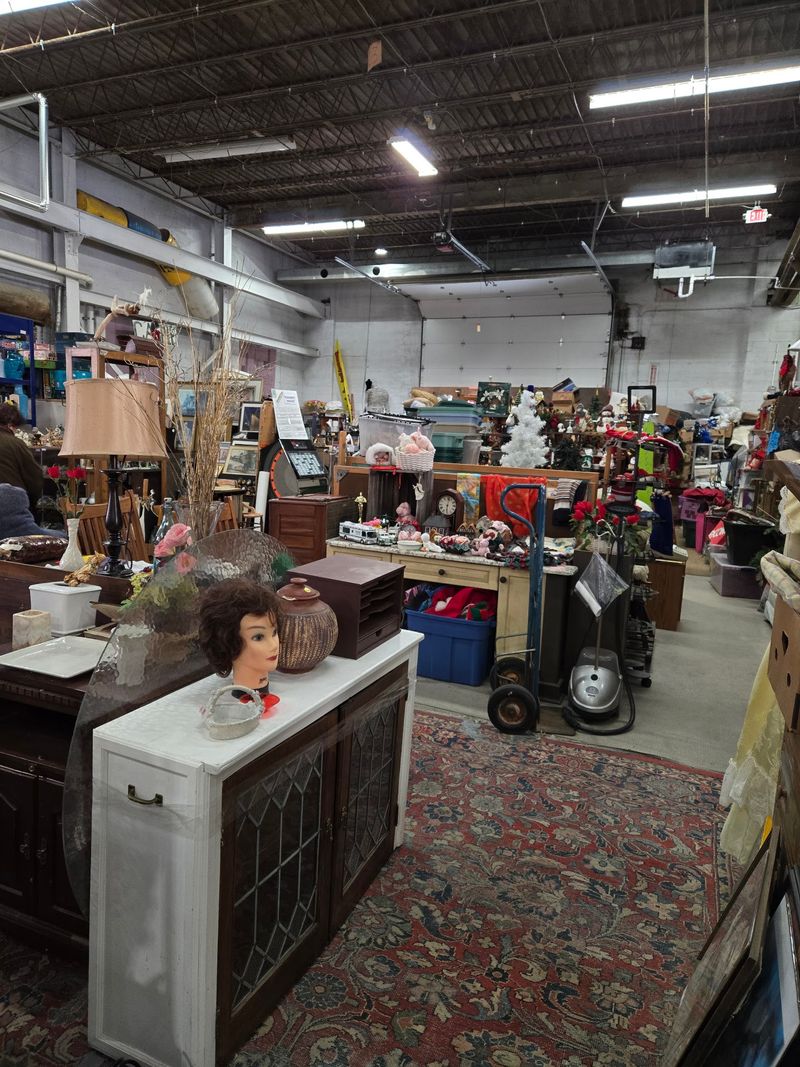
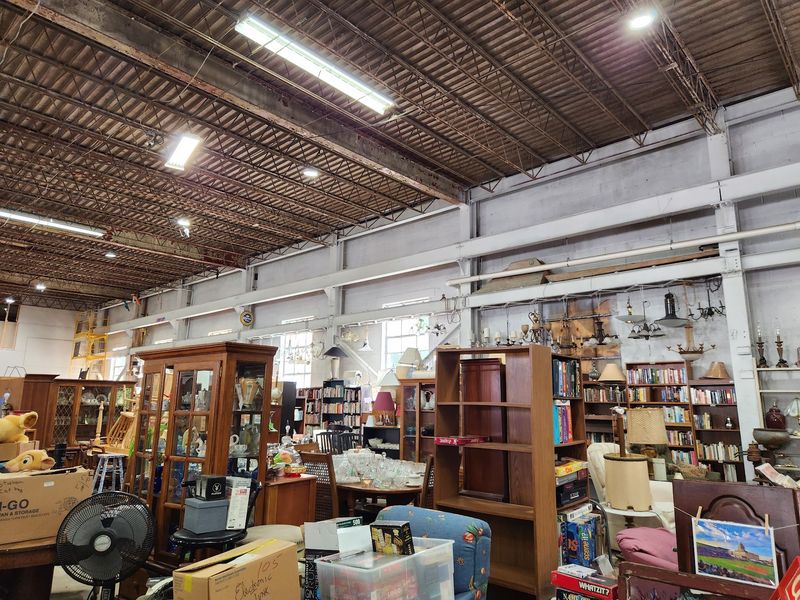
Seventeen thousand square feet of secondhand goods sounds like a number until you are standing inside it. Aisles bend.
Shelves climb. Paths wander off toward corners you did not notice from the front door.
Shoppers here describe the feeling as pleasantly overwhelming, and that is the honest version. First-timers often freeze for a second, then pick a direction and commit.
Three hours later they are still circling back to a shelf they swore they already checked.
What makes the place click is the mix. Furniture sits near tools.
Books share space with kitchenware and holiday decor. Building materials show up alongside clothing racks, which means a contractor and a costume designer can shop the same building happily.
Inventory shifts constantly because donations arrive constantly. Come back in a week and whole sections look rearranged.
That churn is exactly why locals guard the address.
Serious pickers arrive with a plan, comfortable shoes, and zero appointments afterward. Casual browsers arrive curious and leave converted.
Either way, the building tends to keep you longer than you intended, and nobody seems to mind that much.
Meet Rochester Greenovation On Flint Street
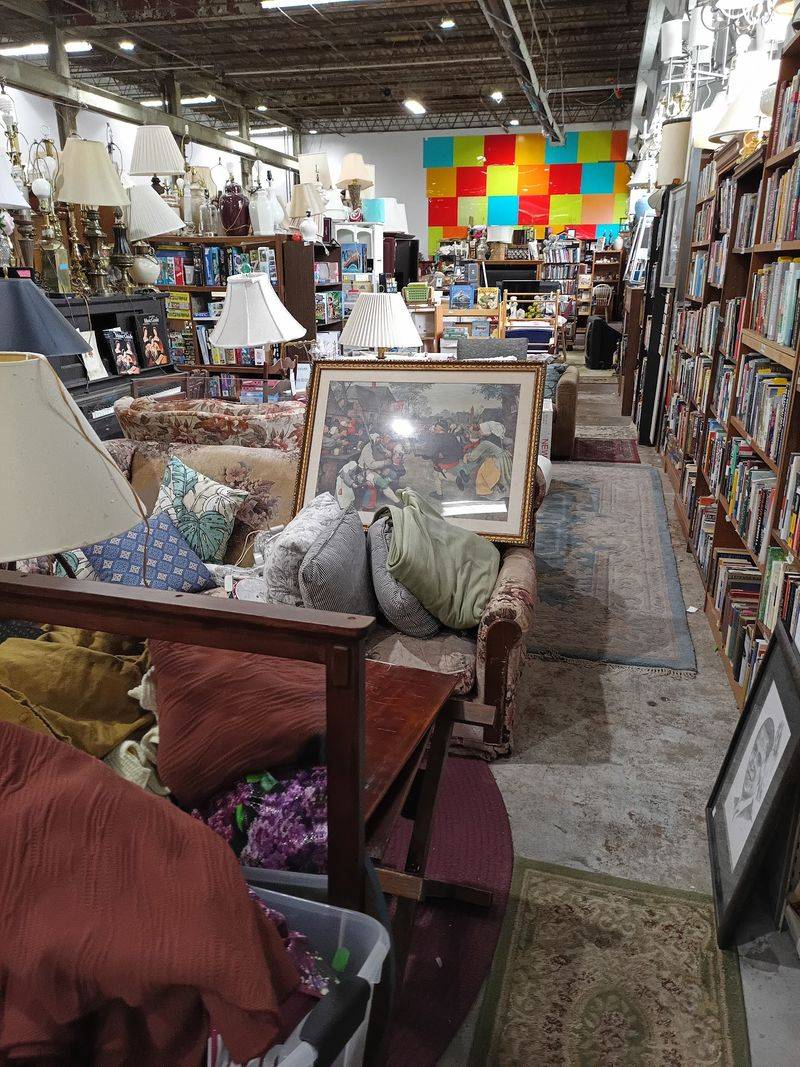
The name is Rochester Greenovation, and the address that keeps showing up in group chats is 22 Flint St, Rochester, NY 14608. It sits in the Plymouth-Exchange neighborhood, often shortened to PLEX, across the river from the University of Rochester.
Finding it takes a little faith the first time. The building does not shout.
Follow your map app and trust it, because the entrance is easier to spot once you are already close.
Parking is straightforward and sits near the door, which matters when you are hauling out a side table and a box of vinyl. That small convenience turns a good trip into an easy one.
The organization began in 2011, and its first storefront opened in June 2012. The shop has moved a few times since then, landing on Flint Street in April 2023.
Renovation work has continued in parts of the building, including rebuilt walls and ceilings. The retail floor stays open for shoppers throughout.
Progress happens in the background while the treasure hunt carries on up front.
Every Purchase Keeps Stuff Out Of Landfills
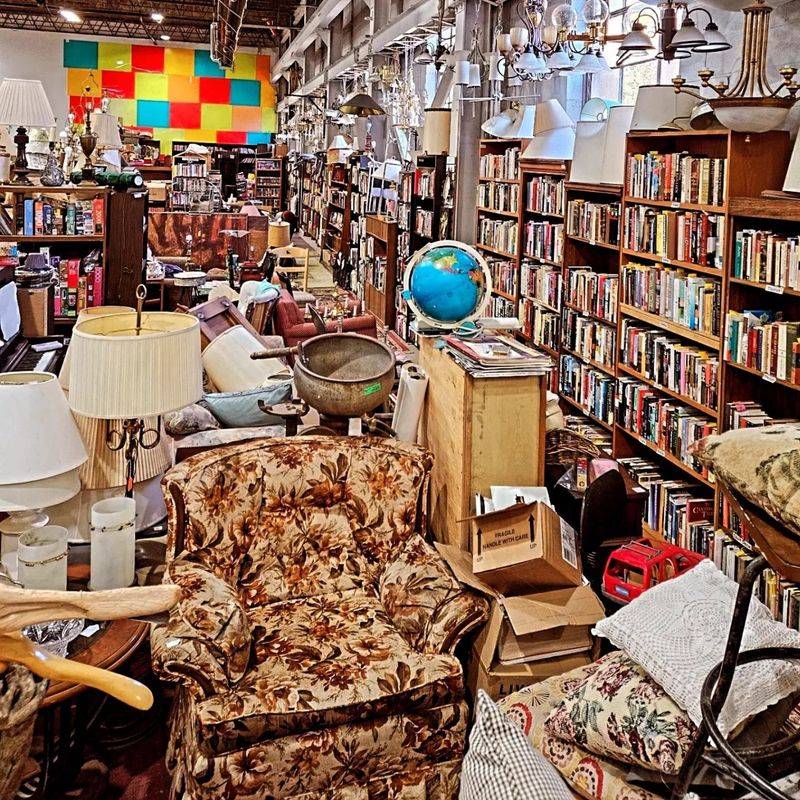
Reuse is the whole point here, not a slogan printed on a tote bag. Greenovation operates as a nonprofit built around keeping usable items in circulation instead of sending them to a landfill.
Think about the sheer volume of perfectly fine things people discard during a move. Chairs, dishes, doorknobs, lumber, lamps that work fine.
Much of that flows into this building instead of a dumpster.
The name itself is a mash of green and renovation, which tells you the mission before you even browse. Building materials and salvage have long been part of the inventory, not just clothing and knickknacks.
Shoppers get the practical benefit. A vintage lamp built decades ago often outlasts a new one at a big box store, and it costs less here.
The organization also consigns for local nonprofits and local artists, spreading the benefit further. Furniture gets donated to social workers and community groups when the need arises.
Buying a used bookshelf will not fix the planet. Still, a full warehouse of rescued goods adds up faster than most people expect, and Rochester shoppers keep feeding the cycle.
Volunteers Run The Show
Ask anyone who shops here regularly what they remember, and the answer usually involves the people behind the counter. The store runs on a volunteer team, backed by a Board of Directors and an executive director who oversees operations.
That structure changes the vibe considerably. Nobody is chasing a sales quota.
Nobody is upselling a warranty on a used waffle iron.
Instead you get folks who genuinely enjoy the merchandise. Ask about a strange brass gadget and someone will likely walk you to three more like it, then tell you what it was originally used for.
Pricing comes from volunteers too, which gives the store a human sort of logic. Quality drives the tags, so a sturdy older piece costs more than a lightweight modern one.
They are also open to conversation. Bundling items or asking about a price is welcomed rather than awkward, and the answer is usually reasonable.
Helpfulness gets mentioned constantly by shoppers, and it shows in small ways. Someone will dig through a bin with you to find the matching piece.
That kind of service is rare at any price point.
Vintage Finds With Real Backstory
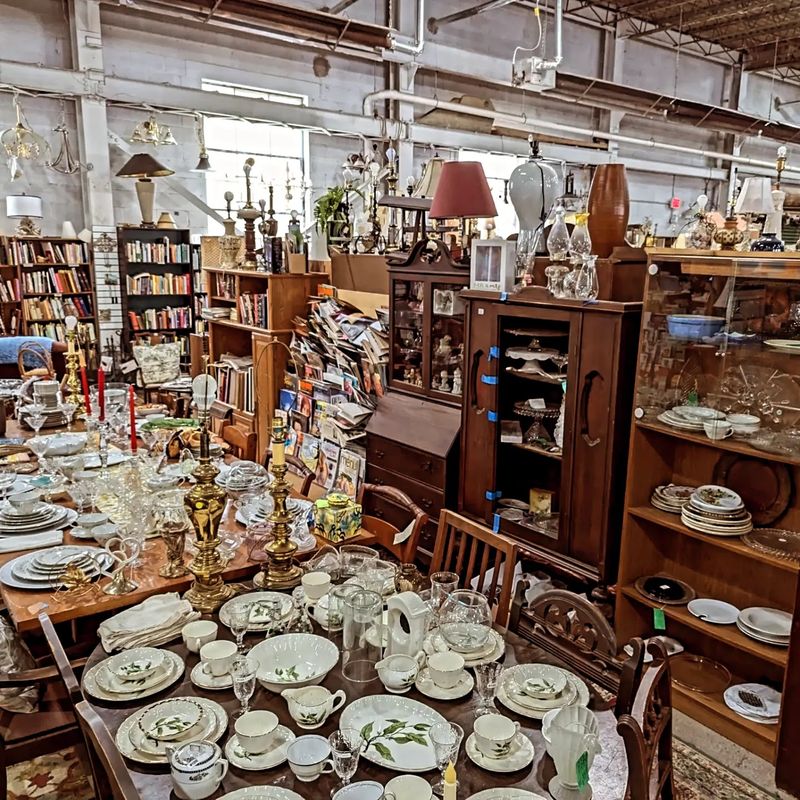
Old things pile up here in the best possible way. Shoppers regularly turn up genuine antiques mixed among ordinary household goods, which is the exact ratio that makes hunting fun.
Books are a highlight. Shelves hold everything from paperback mysteries to volumes old enough to make a history buff sit down on the floor and read.
Glassware collectors do well too. Vintage patterns show up in pieces and sets, and finding the one plate that completes a collection is a genuine thrill for the right person.
Brass, iron, and wood objects fill the odd corners. Some are decorative.
Some served a purpose nobody remembers anymore, which only adds to the appeal.
The store reads like an antique mall, an estate sale, and a classic thrift shop stacked into one building. Prices reflect quality rather than a flat formula, so a well-made piece and a common one are not tagged the same.
Bring patience and a good eye. The best pieces rarely sit at eye level near the entrance.
They hide two rows back, behind something ugly, waiting for you.
Furniture Worth Hauling Home
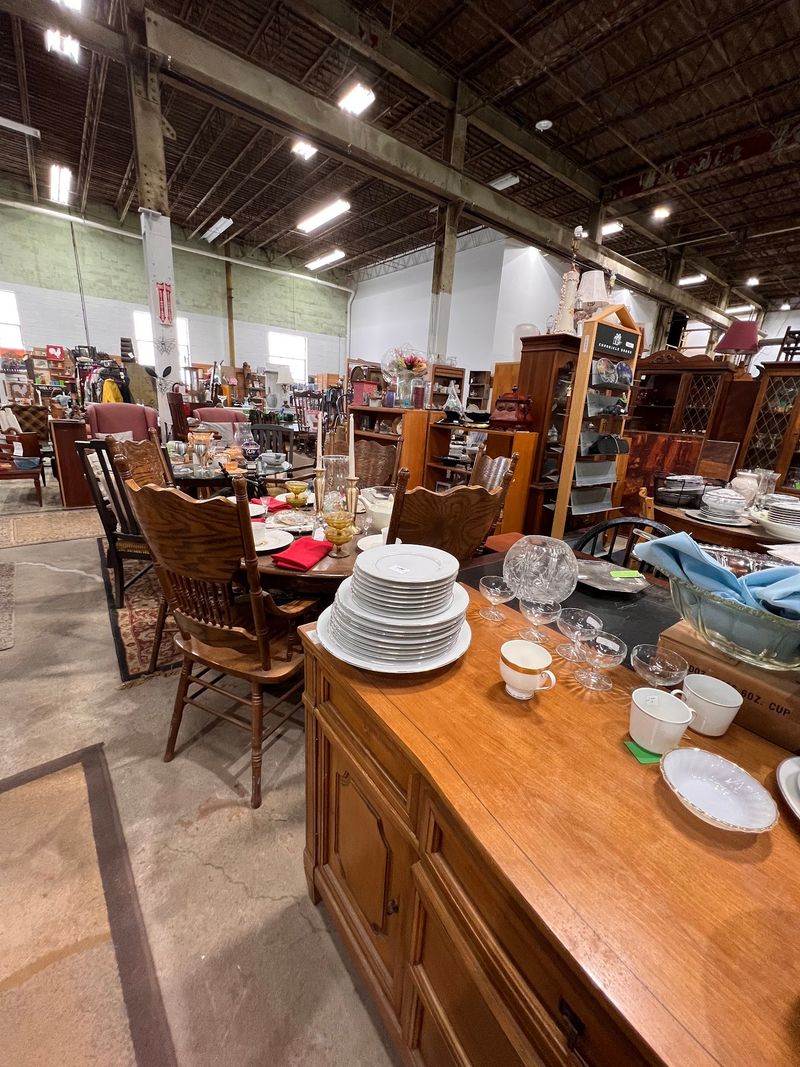
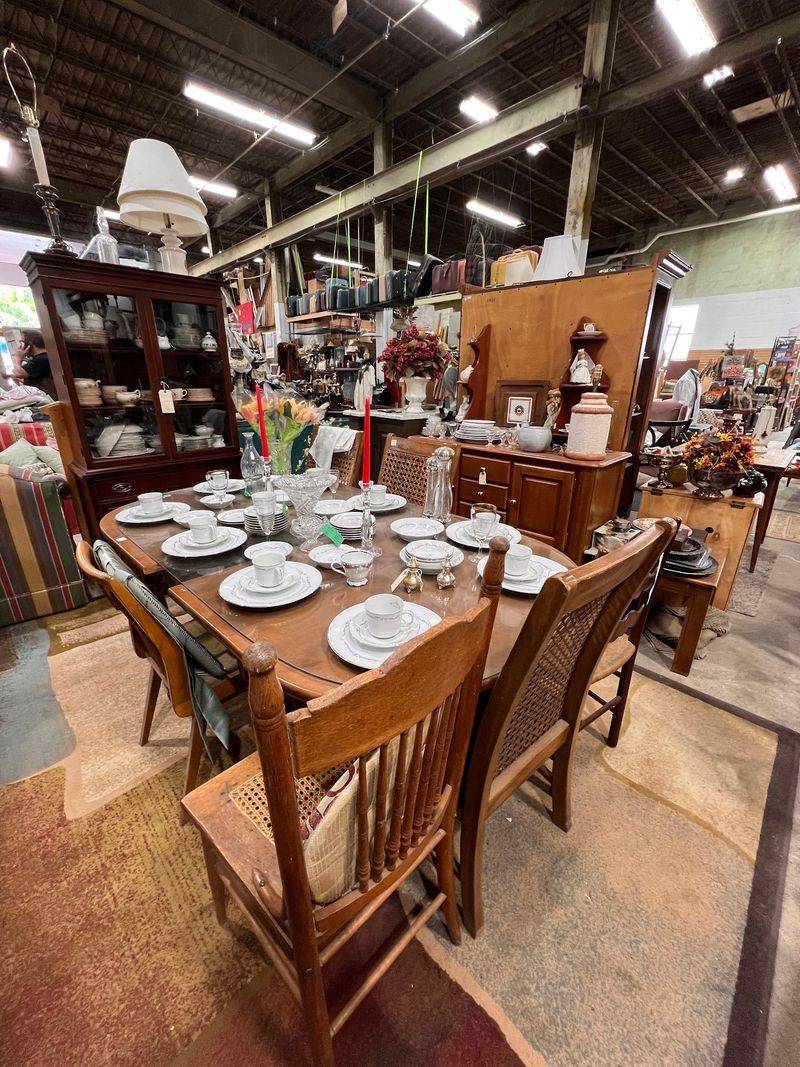
Solid wood dressers do not grow on trees anymore, which is ironic when you think about it. Greenovation keeps a rotating stock of secondhand furniture that tends to beat flat-pack quality by a wide margin.
Dressers, chairs, tables, bookcases, and desks move through the floor regularly. Styles range across decades, so a mid-century side table might sit beside a heavy farmhouse cabinet.
Pricing tracks with quality and brand. A piece from a respected maker carries a different tag than a mass-produced lookalike, and the volunteers will happily explain the difference.
Sales happen too. The store has run stretches of significant markdowns, which turns already fair prices into something closer to a steal.
Measure before you go. Bring a tape measure and a friend with a truck, or at least a car with folding seats.
Nothing stings like finding the perfect dresser and having no way to move it.
Refinishers and DIY types especially thrive here. A scuffed table with good bones costs a fraction of new, and a weekend of sanding turns it into something worth keeping for decades.
Plan Around The Hours
Timing matters more here than at most stores, because the doors are not open around the clock. Monday and Tuesday run from 10 in the morning until 2 in the afternoon.
Wednesday and Thursday stretch a bit longer, 10 to 4. Friday gives you the widest window, 10 in the morning to 6 in the evening.
Saturday runs 10 to 3, which fills up fast with weekend browsers. Sunday the store stays closed entirely.
Friday afternoon is the sweet spot for anyone working a standard schedule. That extra evening hour is the only late window on the calendar, and regulars use it.
Given the size of the building, a short visit is basically impossible. Plenty of shoppers spend two or three hours and still miss whole sections.
Arriving right at opening gives you the most runway. Coming in twenty minutes before close means a rushed lap and mild regret.
Check the current schedule before driving over, since hours can shift. A quick look saves a wasted trip and keeps the visit relaxed instead of frantic.
The PLEX Neighborhood Angle
Plymouth-Exchange carries a working history and a tight community feel. Locals call it PLEX, and it sits along the Genesee River across from the University of Rochester campus.
Placement gives the store a useful reach. Students, west side residents, and suburban drivers can all get there without much fuss.
Industrial bones define the area. Warehouse buildings and older structures give the streets a sturdy, unpolished character that suits a salvage-minded shop perfectly.
Because the building blends into that landscape, first-time visitors sometimes drive past it. Trust your navigation and slow down as you approach.
The neighborhood connection runs deeper than geography. Greenovation works with local nonprofits and community groups, so the store functions as a resource rather than just a retail stop.
Pair a visit with other stops nearby if you want a full afternoon out. The river trail and downtown Rochester sit within easy reach, which makes the trip feel like an outing instead of an errand.
Come with an open mind about the surroundings. The charm here is honest and unfussy, which is exactly what a treasure hunt should feel like.
Bargains That Actually Feel Like Bargains
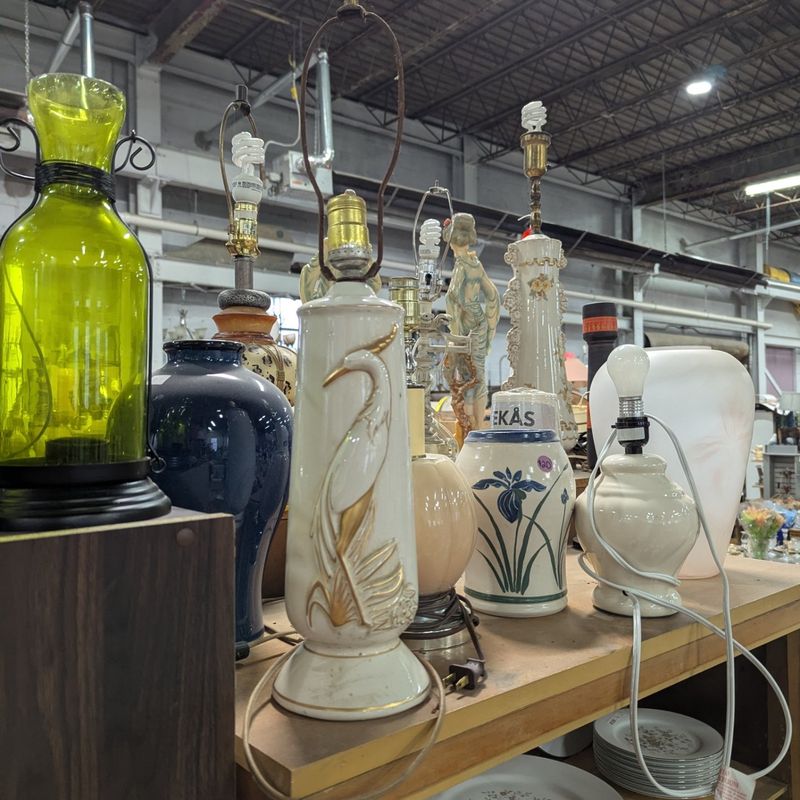
A pair of desk lamps, a couple of board games, and a kitchen appliance for less than one new lamp costs elsewhere. That kind of math happens here often enough to become the norm.
Small goods carry the friendliest prices. Kitchenware, games, decor, tools, and household odds and ends land in territory that makes impulse buying feel responsible.
There is even a free section, which regular shoppers appreciate more than you might guess. Useful items go home with people who need them, no transaction required.
Since volunteers set the prices, tags reflect judgment rather than a corporate formula. Better construction earns a higher number, and the reasoning is usually easy to see.
Discount periods sweeten things further. Extended half-off stretches have applied to furniture and other categories, turning ordinary deals into memorable ones.
Ask questions if a price puzzles you. The team is open to discussion and often willing to bundle items or work something out.
Bring cash-conscious energy and a rough budget. Then accept that you will probably blow past it, cheerfully, on things you did not know existed.
How To Shop Like A Regular
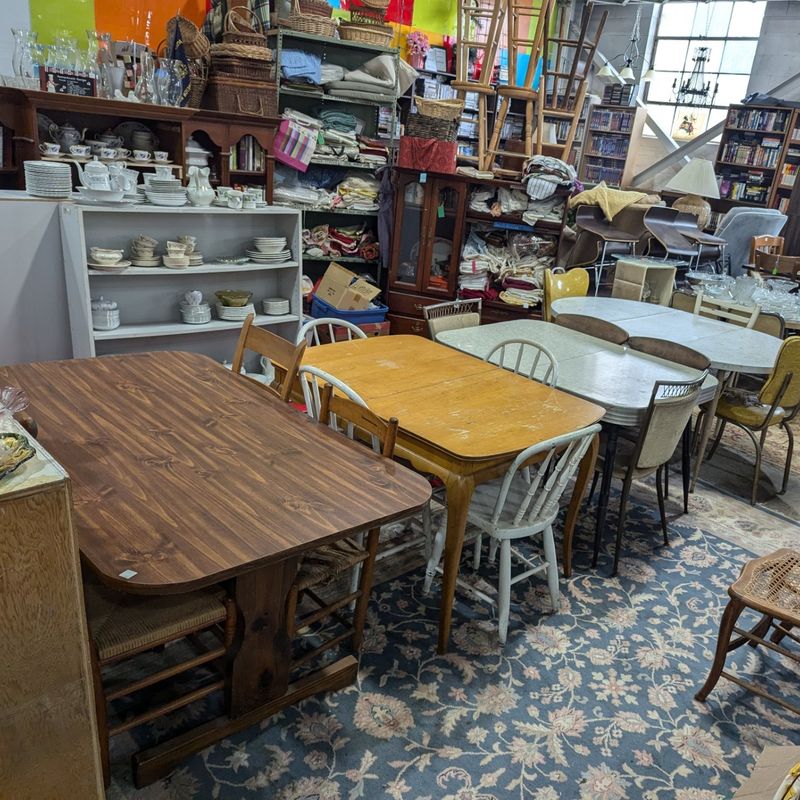
Veterans of this place follow a few unwritten rules, and copying them makes a first visit far smoother. Start with footwear you can stand in for hours, because the floor is concrete and the aisles go on.
Pick a lane and work it methodically. Random wandering feels fun for twenty minutes, then turns into a blur of objects you cannot recall.
Bring a tape measure, your room dimensions, and a photo of the space you are furnishing. Guessing leads to a bookshelf that misses by two inches.
Some sections pack tightly, and access can be tricky in spots since the building continues to evolve. Take it slow and watch your elbows near glassware.
Carry a bag or a box for small finds. Hands fill up fast when every shelf hides something interesting.
Go back often. Stock turns over weekly, so the shelf that disappointed you on Tuesday might hold your favorite find next month.
Above all, thank the volunteers on your way out. They built this maze, and they clearly enjoy watching people get happily lost in it.