
These 7 Mississippi Trails Are Great Family Hikes, But Snakes Love Them Too, So Here’s What Kids Should Know
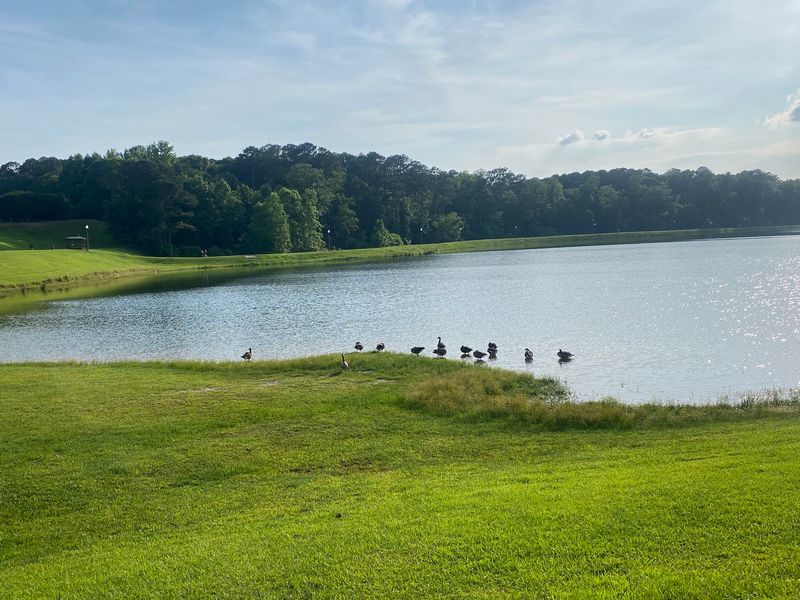
Mississippi has more than 50 kinds of snakes, and six of them are venomous. Most of them want nothing to do with people, but they love the same shady creeks, warm rocks, and leafy paths that families do.
The seven trails below are fantastic places to hike with kids, from swamp boardwalks to waterfall ravines. A little know-how about where snakes hang out can keep every outing fun and calm.
1. Cypress Swamp, Canton, MS
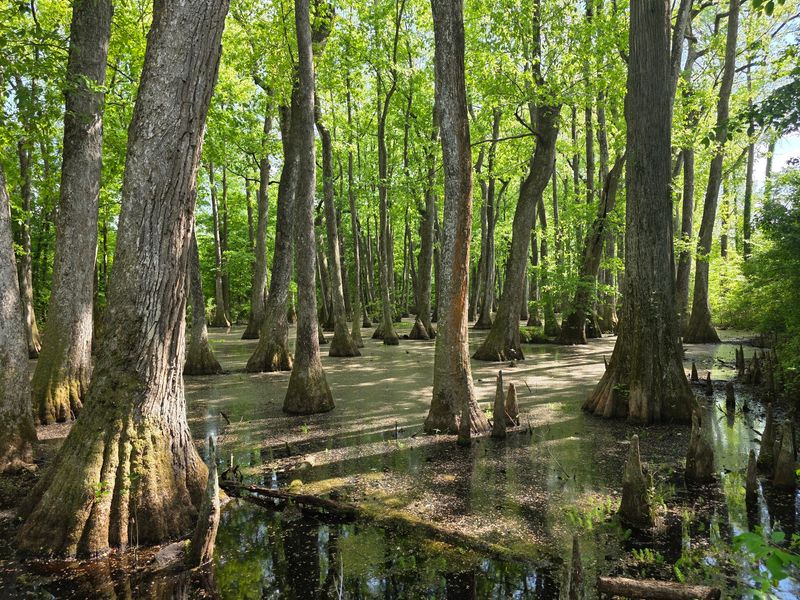
Alligators, turtles, and snakes all call this wetland home, which makes it one of the most exciting short walks along the Natchez Trace Parkway. Towering bald cypress trees rise straight out of dark water, and their knobby knees poke up like tiny statues.
Kids usually spot the trees first and the wildlife second.
The loop is easy and about a mile and a half long. A quick pace gets you around in roughly 20 minutes, but plan on 45 so everyone can stop, read the informational signs, and scan the water.
Parking is free, and the route is a solid pick for younger hikers.
Snakes here like the edges where water meets plants. Cottonmouths, one of the venomous species found along the Parkway, favor swampy spots just like this one.
Teach kids to stay in the middle of the path and keep hands off railings near thick growth.
Fun fact: the Natchez Trace Parkway is home to about 25 snake species, though only a few are venomous. Most will slide away long before you get close.
Bring binoculars instead of reaching toward anything, and you will see far more without bothering a single reptile. Afternoons tend to draw the biggest crowds.
2. South Campus Rail Trail
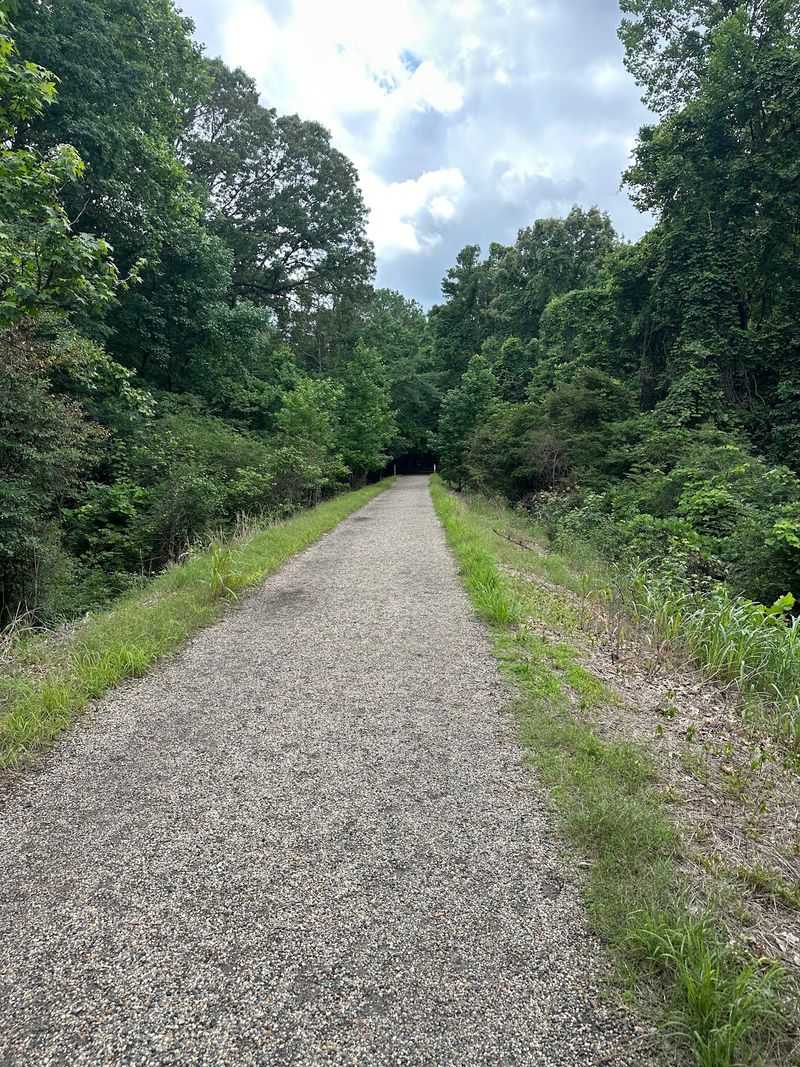
Old railroad lines make wonderful hiking paths, and Oxford has a great one. Running through the wooded edge of town, this former rail corridor stretches for several miles under a canopy of north Mississippi forest.
It is flat, simple to follow, and listed as a good trail for kids.
Families like it for quick weekday walks, and dogs are welcome outside on the path. Runners and walkers share the route, so it rarely feels lonely.
Busy stretches tend to happen on Sunday afternoons and Friday daytime.
Here is the catch. Because the path cuts straight through native woods, snakes regularly cross right over the main trail.
Some of them are big, and they can appear suddenly from the leaf litter on either side. A flat, open path does not mean a snake-free one.
Smart habits help a lot on a route like this. Put kids in closed shoes and long pants, and ask them to walk where they can see the ground clearly.
Leashes keep curious dogs from poking into the brush. If a snake stretches across the trail, stop, step back slowly, and give it room to move on.
Most snakes can only strike about half their body length.
3. Ark Trail, Hernando, MS
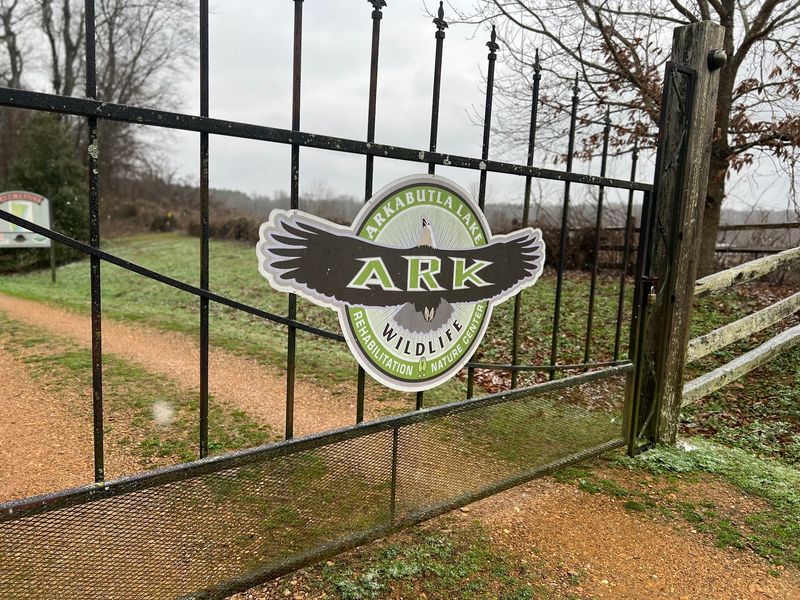
Learning is built right into the path at this north Mississippi conservation and education project. Signs along the loops explain local wildlife and native plants, so a simple walk turns into an outdoor science lesson.
Free guided tours add even more stories about what lives in these woods.
The secluded trails wind through a dense, peaceful nature sanctuary. A pavilion sits in a scenic spot, which makes a handy meeting place or snack stop.
There is even a jungle gym, a nice reward for little legs after a hike. The grounds are listed as open around the clock.
Snakes are part of the lesson here. Hikers often spot them along the walking loops, sunning near the edges or sliding through ground cover.
That makes this an ideal place to teach kids how to tell the difference between harmless and venomous species.
Pit vipers, like copperheads and rattlesnakes, usually have triangular heads and cat-like pupils. Coral snakes look totally different, with bright red, yellow, and black bands.
An old rhyme helps: red touches yellow, stay away, fellow. Even so, the best rule for children is simple.
Look, admire, and never touch any snake at all.
4. Tishomingo State Park, Tishomingo, MS
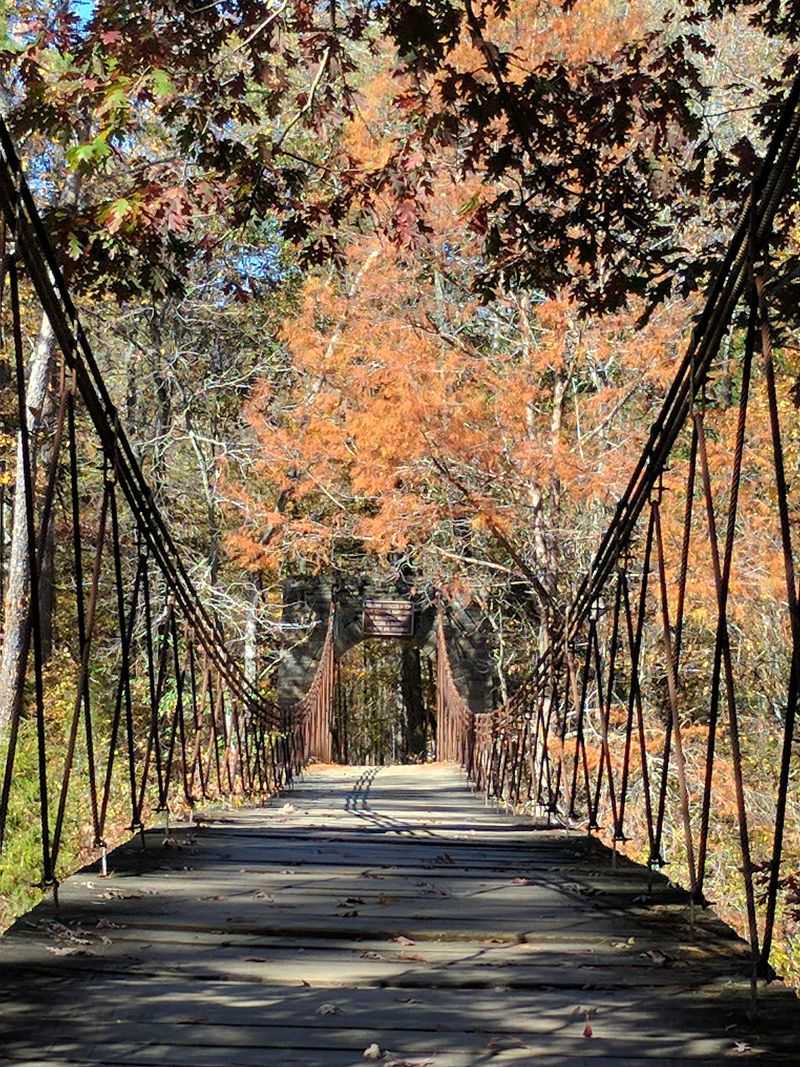
Massive boulders, fern-filled cracks, and a swinging bridge over Bear Creek give this park a mountain feel you would never expect in Mississippi. It sits in the foothills of the Appalachians, and the rock outcroppings here are truly ancient.
Kids tend to treat the whole place like a giant natural playground.
Trails run beside the creek and through rocky bluff areas, with views of a waterfall, a lake, and the river. The Outcroppings Trail is the star, packed with stone formations.
Back at the base, families find picnic tables, grills, restrooms, swings, slides, and a basketball court, plus camping and canoeing.
Copperheads love this terrain. Their coppery, patterned skin blends almost perfectly into fallen leaves, so they can be tough to see.
Pygmy rattlesnakes also live in the forests of this region.
Rocks are the biggest thing to watch. Children love to climb, but hands should never go into ledges, crevices, or under logs they cannot see.
Have kids look before they step over anything, and keep everyone on marked paths. Saturday afternoons get busy, while weekday mornings are much quieter for families who want room to explore at a slower pace.
Dogs are welcome too.
5. Clark Creek Hiking Trail, Woodville, MS
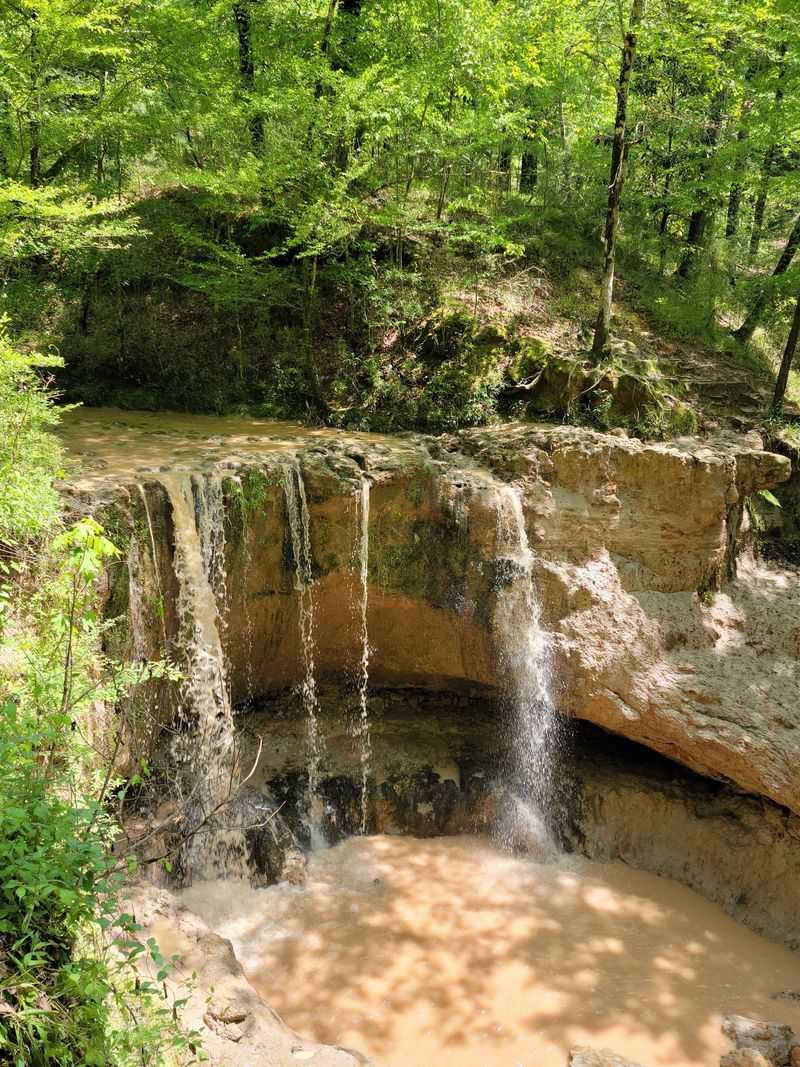
More than 50 waterfalls tumble through the steep ravines of this corner of southwest Mississippi. Few places in the state feel this wild.
Creek beds, tall hardwoods, and rushing water create a scene that seems undisturbed by time.
Expect real elevation changes. Routes range from improved paths to a primitive trail of around four miles, and longer loops can easily stretch past five or even seven miles if you wander.
Pack plenty of water and snacks, and pick a distance that fits your youngest hiker. Check hours before you go, since the trail is closed Tuesdays and Wednesdays.
Copperheads and rattlesnakes are known to live in these hills. The loess bluffs and leafy slopes give them perfect hiding spots.
Steep climbs make the risk a little higher, because hikers often grab rocks or roots to pull themselves up.
Teach kids a climbing rule before you start: look first, then reach. Sturdy ankle-high shoes help on slick slopes and add protection near the ground.
Stay out of thick brush beside the trail. The payoff is huge, since few family hikes anywhere in the South reward young explorers with this many waterfalls in one day.
6. Tuxachanie Hiking Trail (West End Trailhead), Saucier, MS
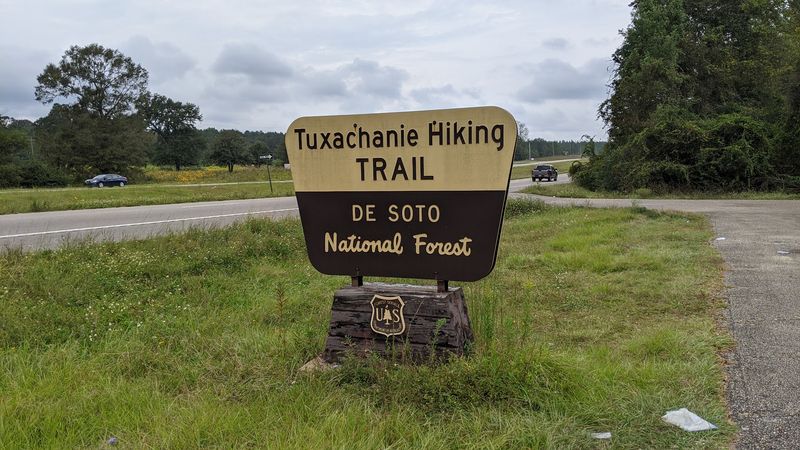
Mile markers posted every half mile make this De Soto National Forest trail easy for kids to track. Watching for the next post turns a long walk into a game.
Colorful fungi along the path give sharp-eyed hikers even more to spot.
From the west end trailhead, the route runs about six miles out to a campsite with water and picnic benches. Small bridges cross streams, and the scenery shifts from creek to lake to swamp.
Much of it follows an old logging railroad, so the path stays mostly flat. Parking is free, and leashed dogs can come along.
Wet ground means snakes. Copperheads and cottonmouths live in De Soto National Forest, especially near damp spots and heavily wooded sections.
The U.S. Forest Service suggests wearing hiking boots here for extra protection.
Downed trees and a few washed-out bridges may need stepping around. Those detours are exactly where to slow down, since logs and soggy edges are favorite hiding places.
Step onto a log, look over it, then step down rather than hopping blindly. Families do not need to finish all six miles.
Turning around at a mile marker still makes a great outing for younger kids.
7. Bonita Lakes Park, Meridian, MS
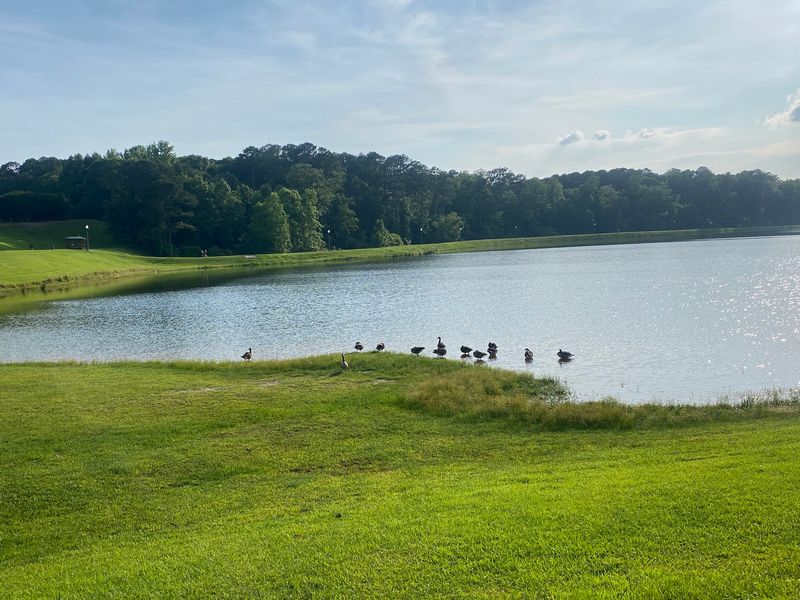
Three lakes spread across 3,300 acres make this Meridian park the biggest playground on the list. Clear water, rolling hills, and pine and hardwood forest give families plenty of room.
It mixes easy fun with real trail time better than almost anywhere in the state.
A paved, flat one-mile loop circles a small lake, which suits strollers and new walkers. Bigger kids can tackle 4.5 miles of challenging hills, and separate trails serve horseback riders and mountain bikers.
Two playgrounds, picnic tables, grills, restrooms, a boat ramp, and fishing spots round things out. Hours run 5 AM to 10 PM daily.
Lake edges and forested slopes are natural habitat for Mississippi reptiles. Snakes often rest in tall grass near the shoreline or slip through the woods on warm days.
Fishing areas deserve extra attention, since kids tend to wander into weeds chasing a good spot.
A few habits go a long way. Keep fishing gear on open banks, walk the paved loop at dusk instead of grassy shortcuts, and pack a flashlight for evening strolls.
If a snake shows up, stay calm and back away slowly. With that plan, this park can fill a whole family day.