
These 12 Tennessee Cities Are Much Safer Than People Realize
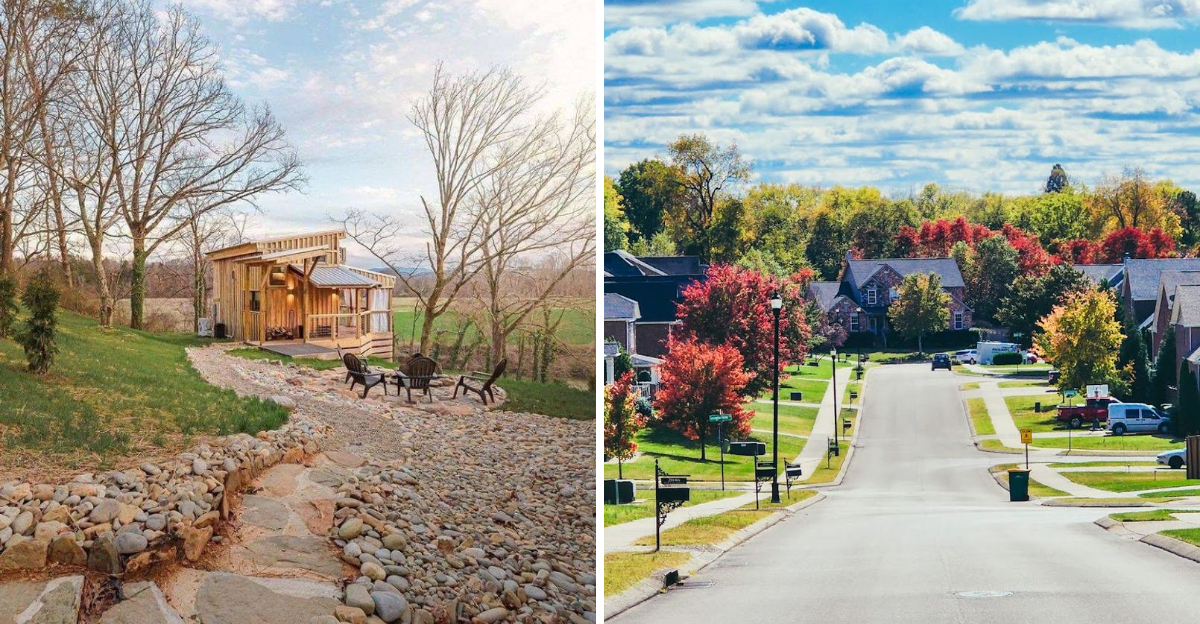
Safety rankings rarely tell the whole story, especially when a state carries an outdated reputation. Tennessee has several cities where daily life feels far calmer than outsiders expect.
I noticed it in the little things first. People greeted strangers, parks stayed busy after dinner, and families moved through town without constantly looking over their shoulders.
Low crime numbers matter, but the atmosphere matters too. These communities combine strong ties with practical services, walkable neighborhoods, and a pace that feels reassuring rather than dull.
A few may even surprise readers who only know the state through headlines. They are not perfect, yet they offer something valuable: places where residents can settle in, breathe easier, and enjoy ordinary life with more confidence.
1. Nolensville
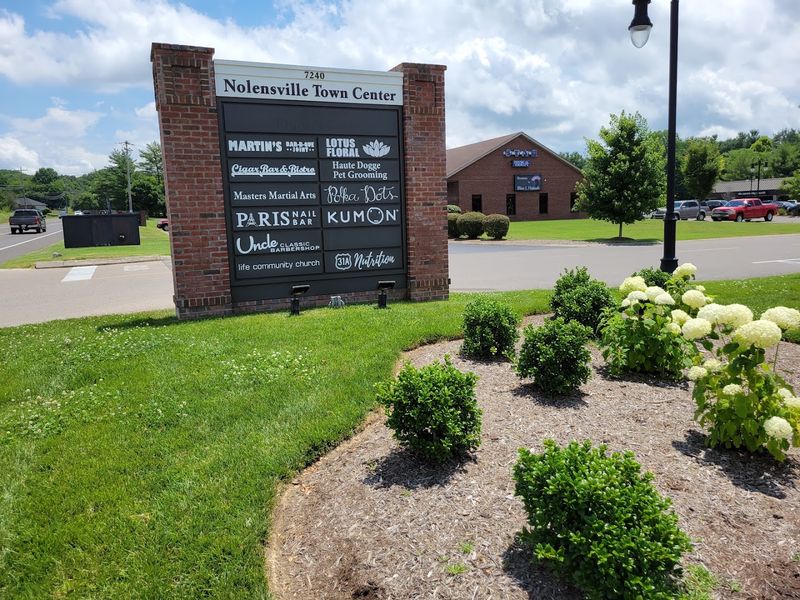
Picture a town where everyone waves as you pass by and kids still ride bikes freely around the neighborhood. That’s exactly what you get in Nolensville, a rapidly growing community south of Nashville that has managed to maintain its small-town charm despite the expansion.
The crime rate here sits well below state and national averages, making it a magnet for families seeking safety without sacrificing convenience.
What really sets this place apart is how the community comes together. Local events bring neighbors out regularly, creating bonds that naturally discourage crime and build trust.
The police department maintains an impressive presence without being overbearing, focusing on community engagement rather than just enforcement.
Housing developments here prioritize security features, and the town’s planning has been intentional about creating safe spaces for recreation. Parks are well-lit and regularly patrolled, giving parents peace of mind when their children want to play outside.
The school system works closely with law enforcement to ensure student safety remains a top priority.
New residents consistently report feeling welcomed and secure from day one. The combination of thoughtful urban planning, engaged citizens, and professional law enforcement creates an environment where safety isn’t just a statistic but a lived reality for everyone who calls Nolensville home.
2. Signal Mountain
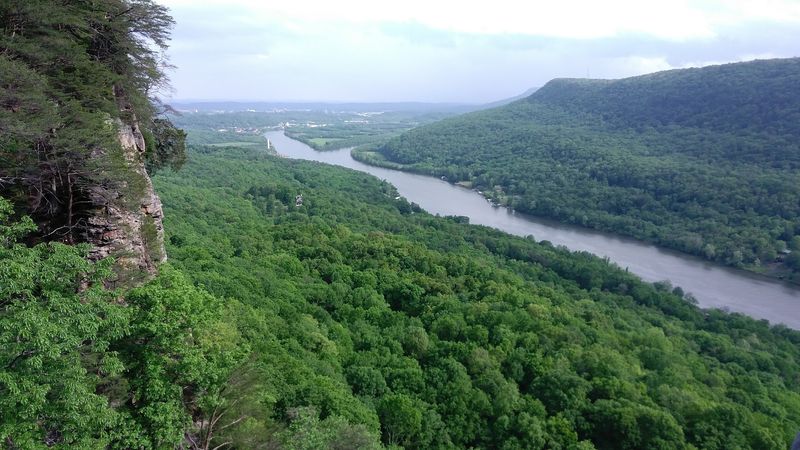
Perched above Chattanooga, Signal Mountain offers something truly special when it comes to safety and tranquility. This elevated community has consistently ranked among Tennessee’s safest cities, with violent crime rates that are practically nonexistent.
Living up here feels like stepping into a different world, where unlocked doors aren’t uncommon and neighbors genuinely know each other by name.
The geography itself contributes to the security. With limited access points to the mountain, the community naturally filters traffic while maintaining a welcoming atmosphere for residents and visitors.
Local law enforcement knows the area intimately, responding quickly to any concerns that arise.
Families flock here specifically for the safe environment it provides children. The schools maintain excellent safety records, and extracurricular activities flourish because parents feel comfortable letting kids participate.
Walking trails and parks see regular use at all hours because residents trust their surroundings.
Community involvement runs deep here, with volunteer programs and neighborhood watch groups keeping everyone connected. The town’s commitment to maintaining green spaces and limiting commercial development has preserved the peaceful character that makes residents feel so secure.
Property values remain strong partly because buyers recognize the premium that comes with genuine safety and quality of life combined in one spectacular location.
3. Brentwood
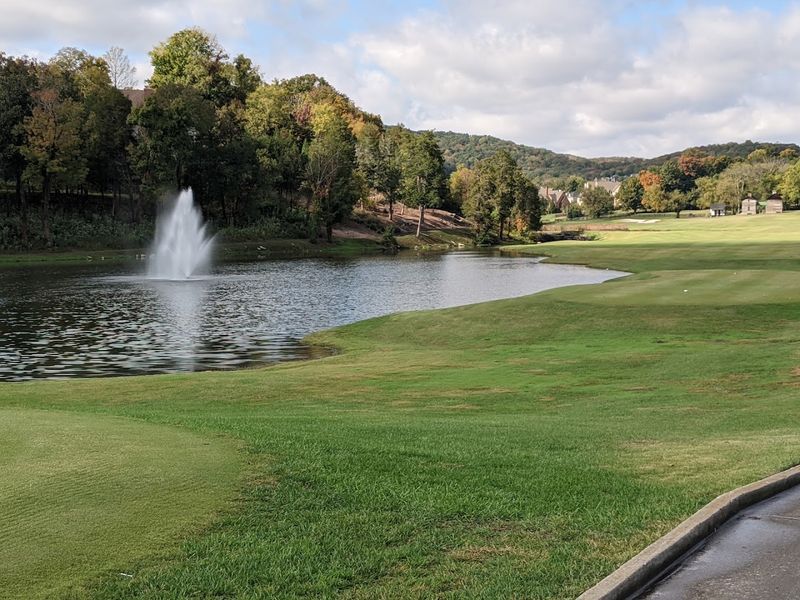
Money can’t buy everything, but in Brentwood, prosperity has certainly helped create one of Tennessee’s safest environments. This affluent suburb consistently reports crime rates that make other cities envious, with property crimes and violent offenses remaining remarkably rare.
Walking through neighborhoods here, you immediately notice the meticulous attention to detail in everything from landscaping to street lighting.
The city invests heavily in public safety infrastructure, employing a well-trained police force that emphasizes prevention and community relationships. Officers regularly participate in neighborhood events, building rapport that pays dividends when it comes to crime prevention.
Response times stay impressively low, giving residents confidence that help arrives quickly when needed.
Schools here are fortress-like in their security measures, yet they maintain a welcoming atmosphere for students and families. The city’s parks and recreational facilities feature state-of-the-art surveillance and lighting systems, allowing activities to continue safely into evening hours.
Business districts benefit from the same attention to safety, making shopping and dining feel secure at any time.
What impresses me most is how Brentwood balances security with accessibility. Despite the low crime rates, the community avoids becoming isolated or unwelcoming.
New families integrate smoothly, finding a place where safety enhances rather than restricts the lifestyle they want to lead.
4. Franklin

History and safety might not seem like natural partners, but Franklin proves they absolutely can be. This beautifully preserved city offers a crime rate that defies its proximity to Nashville and its growing population.
The downtown area, filled with historic buildings and bustling shops, maintains an atmosphere where people feel comfortable strolling at any hour.
Community policing here goes beyond a buzzword. Officers walk the downtown beats, chat with business owners, and genuinely integrate into the fabric of daily life.
This visibility creates both deterrence and connection, making residents feel protected without feeling watched. The department’s focus on building relationships has created trust that strengthens safety citywide.
Residential neighborhoods spread out from the historic core, each maintaining its own character while sharing the city’s overall commitment to security. Homeowners associations work cooperatively with city officials to address concerns before they become problems.
Street design prioritizes pedestrian safety, with sidewalks, crosswalks, and traffic calming measures protecting families on foot or bike.
The schools here benefit from both excellent funding and community support, creating safe learning environments where students thrive. Parents actively participate in safety initiatives, volunteering for crossing guard duties and organizing neighborhood watch programs.
This collective effort has created an environment where crime simply doesn’t take root, allowing Franklin to grow while maintaining the secure, welcoming atmosphere that makes it so special.
5. Germantown
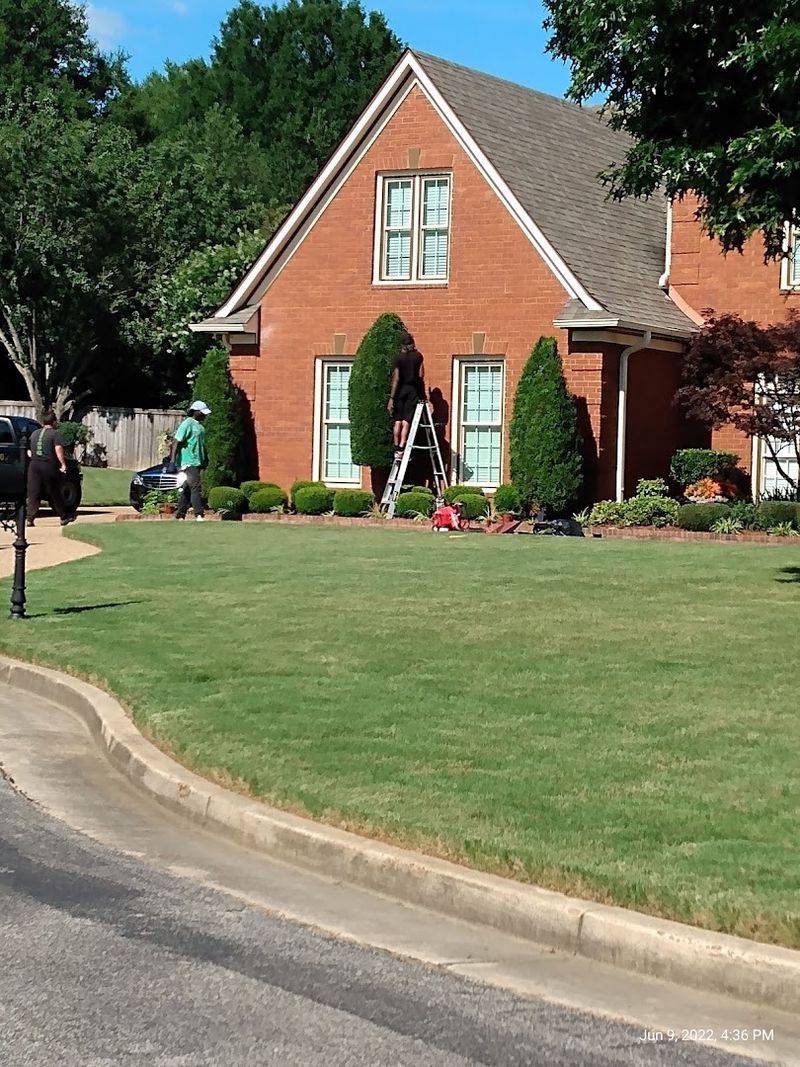
Just outside Memphis sits a community that completely contradicts assumptions about urban proximity and crime. Germantown has carved out a reputation as one of the South’s safest cities, maintaining incredibly low crime rates despite bordering a major metropolitan area.
The contrast is striking when you cross into Germantown and immediately notice the change in atmosphere.
City planning here prioritizes safety in ways both obvious and subtle. Wide streets with excellent lighting create visibility that discourages criminal activity.
Parks and public spaces receive constant maintenance and monitoring, ensuring they remain welcoming rather than becoming neglected areas where problems could develop. The police department maintains staffing levels that allow for proactive patrolling rather than just reactive response.
Residents invest in their community through involvement in civic organizations and neighborhood groups. This engagement creates social bonds that naturally enhance security, as people look out for each other and report suspicious activity promptly.
The city government listens to resident concerns and allocates resources accordingly, creating a partnership that strengthens public safety.
Schools collaborate closely with law enforcement, implementing security measures while maintaining educational excellence. After-school programs keep young people engaged in positive activities, reducing opportunities for trouble.
The result is a community where families feel genuinely secure, property values remain strong, and the quality of life continues attracting new residents seeking safety without sacrificing suburban convenience.
6. Collierville
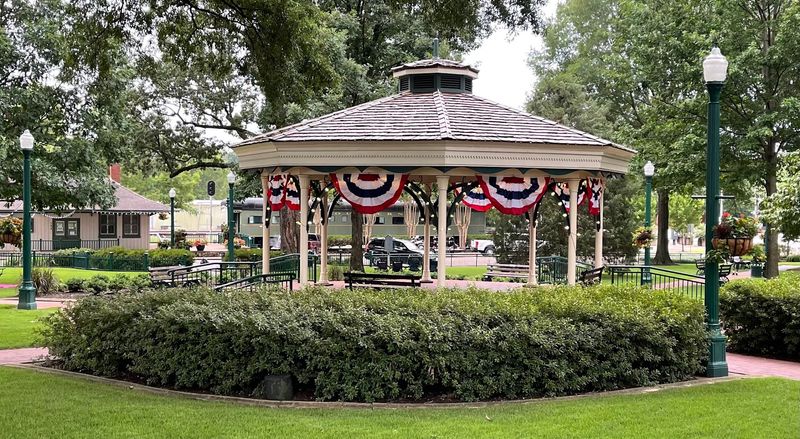
Small-town charm meets modern safety in Collierville, a Memphis suburb that has mastered the art of keeping residents secure. Crime statistics here tell a compelling story, with rates consistently ranking among the lowest in Tennessee.
Walking through the historic town square, you see families enjoying themselves without worry, a testament to the genuine safety this community provides.
The secret lies partly in how the town has grown. Rather than allowing unchecked sprawl, Collierville has developed thoughtfully, creating neighborhoods with natural surveillance and community cohesion.
Streets connect logically, emergency services can navigate efficiently, and design elements discourage criminal activity without creating a fortress mentality.
Law enforcement here emphasizes building relationships before problems arise. Officers attend community events, visit schools regularly, and maintain visible presences in both commercial and residential areas.
This approach creates familiarity and trust, making residents comfortable reaching out with concerns while deterring those who might consider illegal activity.
The town invests significantly in recreational facilities and programs that keep residents engaged and connected. When people know their neighbors and participate in community life, safety naturally improves.
Youth programs particularly benefit from this investment, providing positive alternatives and mentorship that guide young people toward productive futures. The combination of smart planning, professional policing, and active citizenship has created an environment where safety isn’t hoped for but expected and delivered consistently.
7. Kingston

Tucked along the shores of Watts Bar Lake, Kingston offers a different kind of safety story. This small town proves you don’t need wealth or size to create a secure community.
Crime here barely registers, and residents enjoy a peaceful existence that feels increasingly rare in modern America. The pace of life slows down here in the best possible way.
Water access defines much of Kingston’s character, and the recreational opportunities it provides help build community bonds. Boaters, fishermen, and waterfront property owners form tight-knit groups that naturally watch out for each other.
This social fabric creates informal security networks that complement official law enforcement efforts.
The town’s size allows police to know residents personally, creating accountability and trust on both sides. Response times stay short simply because distances remain manageable, and officers can anticipate needs based on their intimate knowledge of the community.
This personalized approach to public safety yields results that larger cities struggle to match.
Schools benefit from small class sizes and close community oversight, creating safe learning environments where every student is known by name. Parents feel comfortable letting children participate in activities, knowing the town’s watchful eyes extend to all its young people.
The combination of natural beauty, manageable size, and genuine community spirit has created a place where safety feels effortless and life moves at a rhythm that prioritizes people over problems.
8. Church Hill
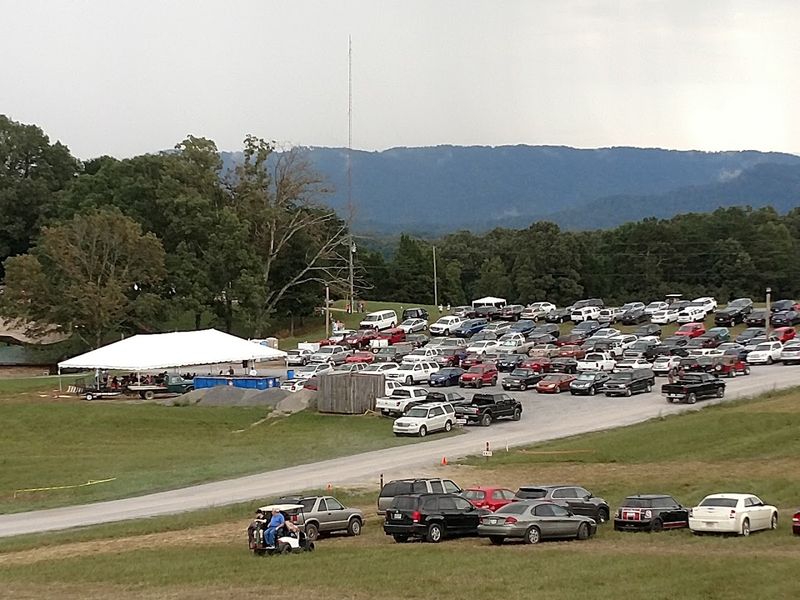
Way up in northeastern Tennessee, Church Hill represents rural safety at its finest. This small town may not make headlines, but its crime statistics speak volumes about the security residents enjoy.
Violent crime is virtually unheard of here, and property crimes remain so rare that they shock the community when they do occur.
The rural setting contributes significantly to the safety equation. Lower population density means fewer opportunities for crime, while the close-knit nature of small-town life creates natural accountability.
Everyone knows everyone, and that familiarity discourages behavior that would disappoint or harm neighbors. It’s old-fashioned social pressure in the best sense.
Law enforcement here takes a personal approach that urban areas can’t replicate. Officers live in the community they serve, shopping at the same stores and attending the same churches as the people they protect.
This integration builds trust and ensures that policing reflects community values rather than imposing external standards.
Young people growing up here benefit from stability and security that allows childhood to unfold naturally. Kids ride bikes, play in yards, and walk to friends’ houses without parents hovering anxiously.
Schools maintain safe environments not through metal detectors but through relationships and community involvement. Church Hill proves that safety doesn’t require sophistication or wealth, just people committed to looking out for each other and maintaining the values that make small-town life special.
9. Unicoi
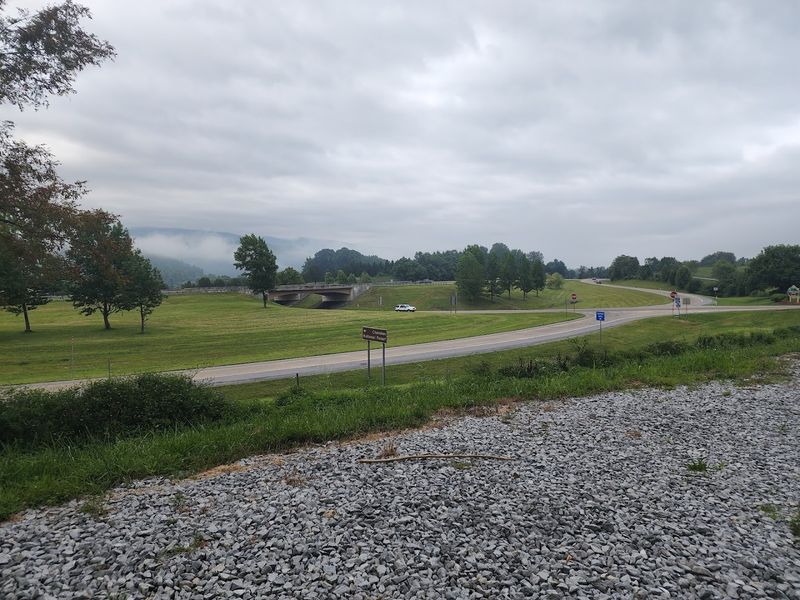
Nestled in the Appalachian foothills, Unicoi offers mountain safety with genuine southern hospitality. This tiny town boasts crime rates that barely register, creating an environment where residents genuinely leave doors unlocked and trust their neighbors implicitly.
The mountain setting provides natural beauty while the community provides natural security.
Size matters here in the best way possible. With a small population, everyone recognizes faces and notices when something seems off.
This collective awareness acts as an informal security system more effective than any technology. Strangers stand out, not in an unwelcoming way, but in a manner that keeps the community alert to potential issues.
The town’s location near Cherokee National Forest attracts outdoor enthusiasts who appreciate both natural beauty and personal safety. Hiking trails, fishing spots, and camping areas see regular use without the security concerns that plague more crowded destinations.
Families visit knowing their children can explore nature safely.
Economic simplicity contributes to social stability here. Without dramatic wealth gaps or economic desperation, the motivations for crime remain minimal.
People work hard, support local businesses, and invest in community rather than individual gain. Schools reflect these values, teaching students in safe environments where learning takes priority over security theater.
Unicoi demonstrates that safety flourishes where community bonds remain strong and people prioritize collective wellbeing over individual advantage, creating a mountain haven where peace isn’t just scenery but a way of life.
10. Oakland
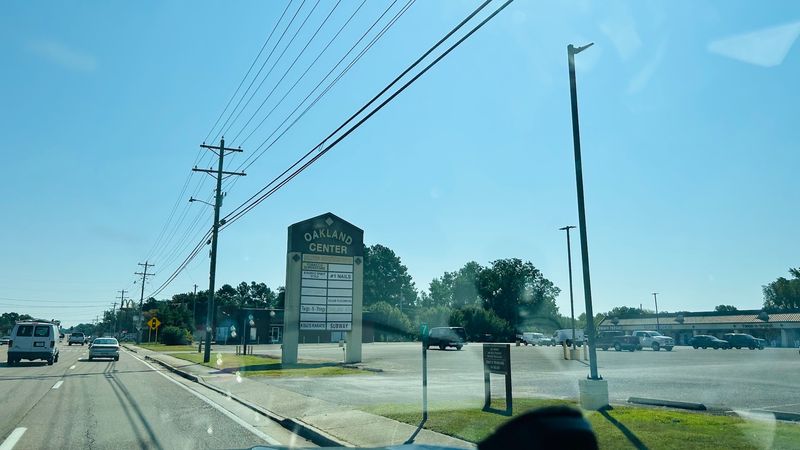
Growth and safety don’t always go hand in hand, but Oakland has managed both beautifully. This Fayette County town has seen significant expansion in recent years while maintaining remarkably low crime rates.
New residents discover quickly that they’ve chosen a community where security was built into the growth plan from the beginning.
Strategic planning deserves much of the credit for Oakland’s success. As the town expanded, officials ensured that infrastructure, services, and community programs grew proportionally.
New neighborhoods incorporate design elements that promote safety, from well-lit streets to parks positioned where natural surveillance occurs. The result is development that enhances rather than compromises security.
The police department has scaled effectively with population growth, maintaining the community-oriented approach that smaller towns enjoy. Officers remain visible and accessible, building relationships with residents old and new.
This continuity of approach has preserved the small-town feel even as Oakland has grown into a more substantial community.
Schools have expanded while maintaining high safety standards and educational quality. Parents appreciate that growth hasn’t meant sacrificing the attention and security their children deserve.
Athletic facilities, playgrounds, and after-school programs provide safe spaces for young people to thrive. Oakland proves that thoughtful growth can actually enhance safety by providing resources and amenities that keep communities strong, engaged, and looking out for each other through every phase of development.
11. Spring Hill
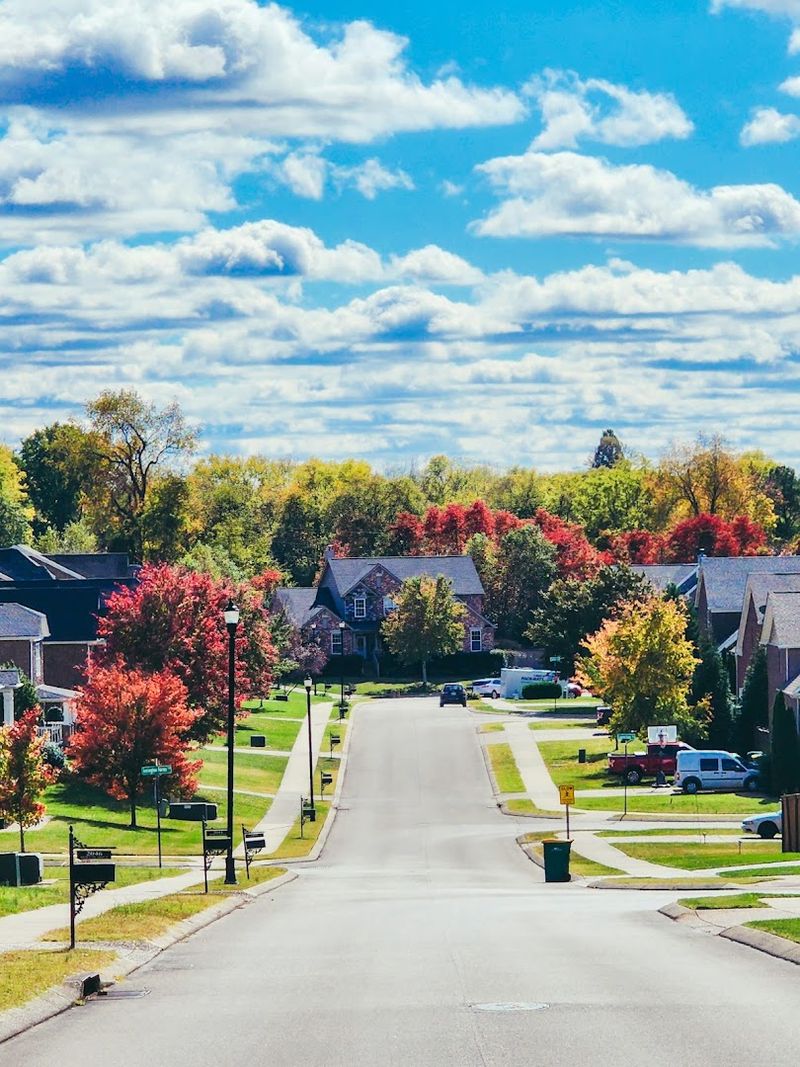
Explosive growth hasn’t prevented Spring Hill from maintaining impressive safety standards. This Maury County community has transformed from rural farmland to thriving suburb in just a few decades, yet crime rates remain well below state averages.
The transformation offers lessons in how communities can expand without sacrificing the security that makes them desirable in the first place.
Manufacturing jobs brought initial growth, but careful planning kept development from becoming chaotic. City officials worked with developers to create neighborhoods with strong community identities rather than anonymous subdivisions.
This intentional approach fostered connections among residents, building the social capital that naturally enhances safety.
The police department grew alongside the population, maintaining ratios that ensure adequate coverage and response times. Community policing initiatives keep officers connected to the neighborhoods they serve, building familiarity that benefits everyone.
Regular town hall meetings allow residents to voice concerns and participate in safety planning, creating partnership rather than distance between citizens and law enforcement.
Schools serve as community anchors, providing not just education but gathering spaces for families. Safety protocols protect students while extracurricular activities build connections that extend beyond school hours.
Parks and recreational facilities offer additional venues where neighbors meet and relationships form. Spring Hill demonstrates that rapid growth and genuine safety can coexist when communities prioritize thoughtful planning, adequate resources, and the social connections that transform houses into neighborhoods and neighbors into communities watching out for each other.
12. Maryville
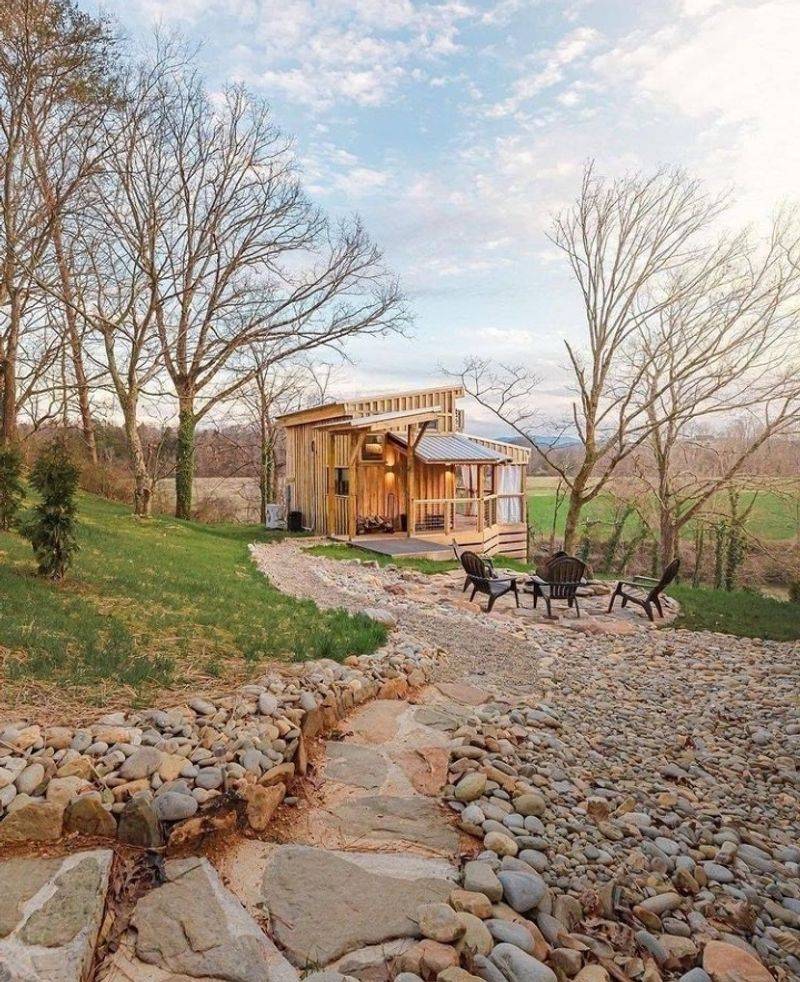
Home to Maryville College and gateway to the Smoky Mountains, this town combines educational vitality with exceptional safety. Crime rates here defy expectations for a college town, remaining low across all categories.
The blend of permanent residents, students, and tourists could create security challenges, but Maryville has instead created an environment where all groups coexist peacefully.
The college contributes positively to community safety rather than detracting from it. Students integrate into town life, volunteering and patronizing local businesses.
This integration builds relationships that benefit everyone, creating mutual investment in maintaining a secure environment. Campus security works cooperatively with city police, ensuring comprehensive coverage without duplication or gaps.
Proximity to Great Smoky Mountains National Park brings visitors year-round, yet tourism hasn’t brought the crime problems some communities experience. Strong law enforcement presence combined with business community vigilance keeps commercial areas safe and welcoming.
Visitors consistently comment on how comfortable they feel exploring downtown or hiking nearby trails.
Residential neighborhoods maintain the character of an established southern town, with tree-lined streets and front porches where people actually sit. This traditional layout promotes interaction and natural surveillance, discouraging criminal activity through simple visibility.
Schools benefit from both community support and college partnerships, creating educational environments where safety and excellence go hand in hand. Maryville shows that college towns can be safe towns when education, tourism, and residential life blend thoughtfully rather than clash.