
This Beloved Colorado Italian Deli Brings Authentic Imported Meats And Cheeses From Italy
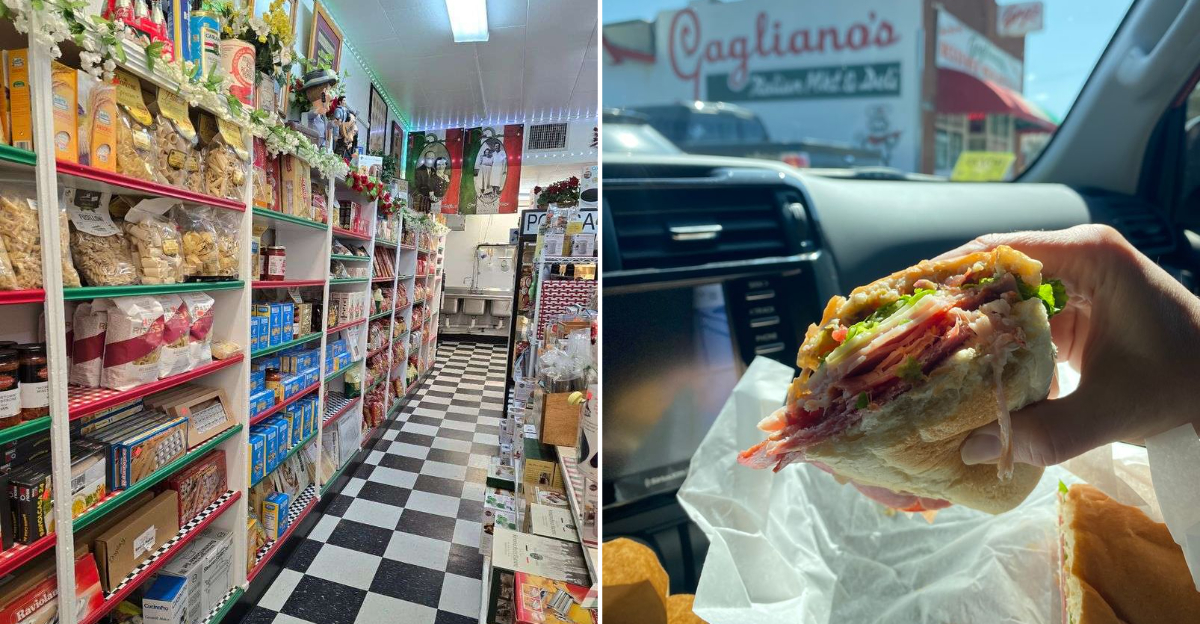
There’s an Italian expression that food made with heart always tastes different. This Colorado deli proves that even imported meats and cheeses carry that same feeling.
Nothing here gets sourced from generic domestic suppliers trying to imitate the real thing. Prosciutto, salami, and aged cheeses arrive directly from regions in Italy known for producing them the traditional way.
Regulars know exactly which imports to ask for by name, some available only in limited batches throughout the year. Staff take time explaining origins and pairings instead of rushing customers through the counter.
Nothing about the selection feels curated for convenience over authenticity. This deli earned its reputation the same way its ingredients did, through quality that never needed exaggeration.
Varieties Of Imported Meats Available
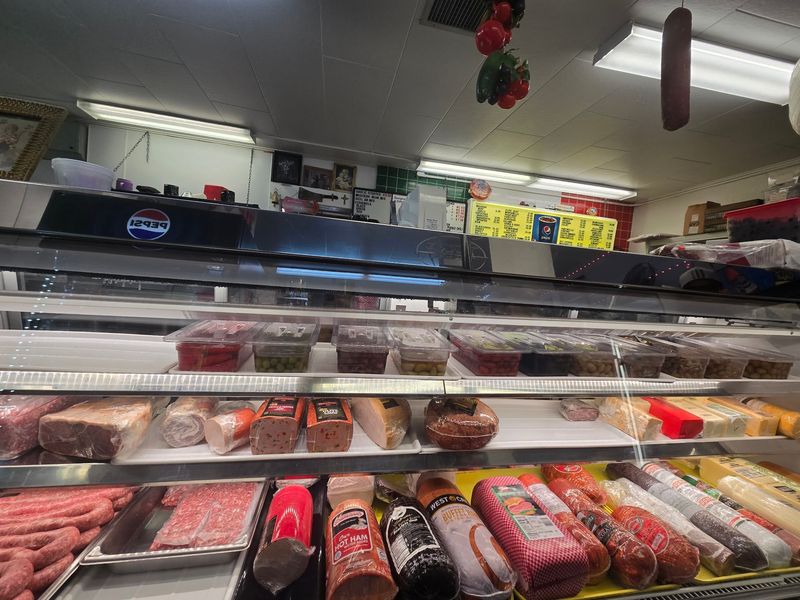
A market like this carries a meat selection that stops people mid-aisle. The star of the case is their imported capicola, which draws customers from hours away.
People literally drive across Colorado just to grab a pound of it.
Beyond the capicola, the market also makes house-crafted Italian sausages in mild, hot, and Pueblo Chile varieties. That Pueblo Chile version is a local spin that feels right at home in southern Colorado.
Kielbasa, Mexican Chorizo, and Pueblo Chile Brats round out the lineup with a fun cross-cultural variety.
Each product in the case reflects a real commitment to quality over shortcuts. The imported meats come from producers in Italy who still follow old-world methods.
That means the flavors are layered, rich, and nothing like what you find at a regular grocery store.
Prosciutto from Italy carries a softness and depth that is hard to replicate. Capicola has a firm, slightly spiced bite that pairs well with almost anything.
These are not just cold cuts. They are the kind of meats that make you stop chewing and just appreciate what you are eating.
You can find Gagliano’s Italian Market at 1220 Elm St, Pueblo, CO 81004. The market is open Monday through Friday from 9 AM to 4:30 PM and Saturday from 9 AM to 4 PM.
Unique Cheese Flavors And Textures
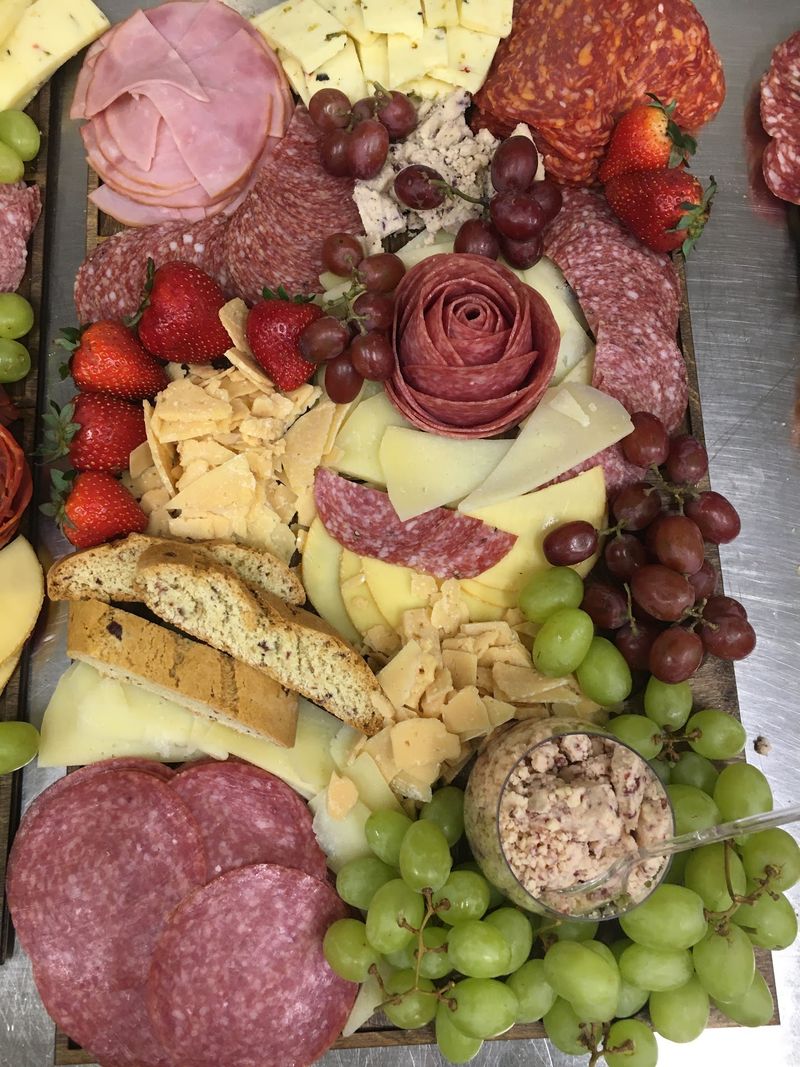
Not all cheese is created equal, and Gagliano’s makes that very clear. The market imports authentic Italian cheeses that carry flavors you simply cannot fake.
Romano and Parmesan sit in the refrigerated case, and they are the real deal.
Parmigiano Reggiano is the one that gets people talking. It has a nutty, complex flavor with those little crystalline bits that form during the aging process.
The texture is crumbly and dense, which makes it perfect for grating over pasta or just eating straight off the wedge.
Pecorino Toscano brings a slightly different personality to the table. It has an earthy, mildly sharp flavor that is more rustic and bold compared to Parmigiano.
Sheep’s milk gives it a distinct richness that stands out immediately.
The goat cheese at Gagliano’s also gets mentioned by regulars. It shows up in conversations about the market’s best finds, and for good reason.
Fresh, creamy, and tangy, it pairs well with many of the cured meats in the same case.
Buying cheese here feels different from buying it at a supermarket. The staff actually knows what they are selling.
They can tell you how each cheese was made, where it came from, and what to eat it with. That kind of knowledge makes a real difference when you are trying something new.
Traditional Curing And Aging Methods
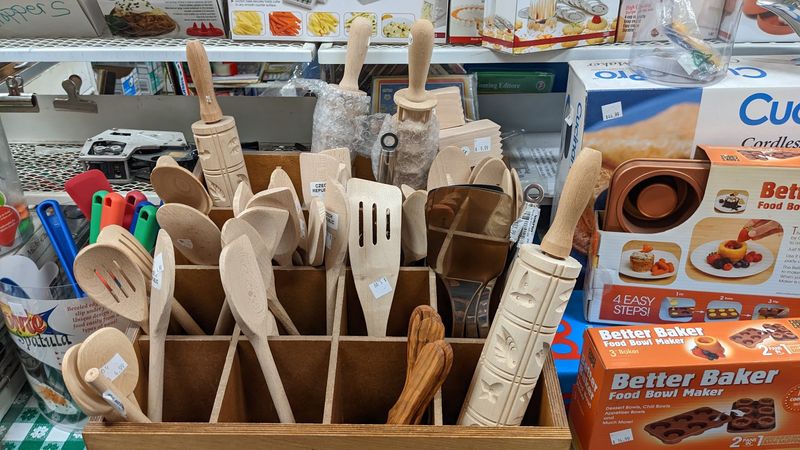
Old-world curing methods are not a marketing gimmick. They are the actual reason imported Italian meats taste so different from domestic versions.
Salt is the starting point for most traditional cures, followed by careful air-drying over a long period of time.
Prosciutto is one of the most time-intensive products in the Italian curing world. The process can take up to two full years from start to finish.
That long, slow development is what gives prosciutto its silky texture and complex, savory flavor.
Pancetta follows a similar path but moves a bit faster. It is air-cured with a blend of spices over roughly three months.
The result is a rich, layered flavor that works in pasta, on sandwiches, or eaten on its own.
Cheese aging follows its own set of rules. Natural caves have been used for centuries because they offer cool temperatures, steady humidity, and darkness.
Those conditions encourage the right molds to develop and flavors to deepen over time.
Parmigiano Reggiano takes a more controlled approach. It ages in climate-regulated rooms on wooden tables for at least 12 months, sometimes much longer.
The patience behind these methods is exactly why the products at Gagliano’s taste so authentic. There are no shortcuts in the process, and the flavor tells you that immediately.
Pairing Meats With Classic Foods
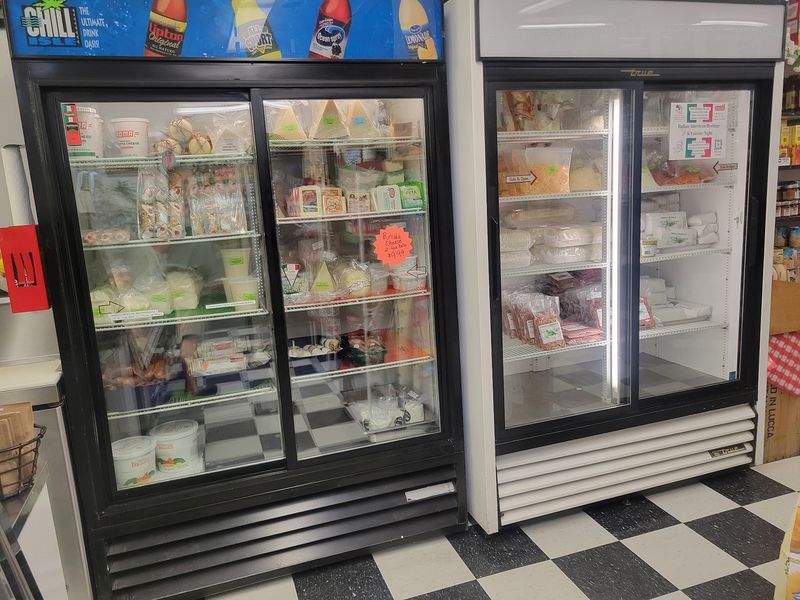
Pairing is where things get fun. Knowing what to eat alongside your imported meats turns a good snack into something memorable.
Prosciutto is one of the most flexible options in the case at Gagliano’s.
Fresh mozzarella is the classic partner for prosciutto, and the combination works every single time. Aged Parmigiano-Reggiano is another excellent match, adding a salty, nutty contrast to the soft meat.
For something sweeter, try prosciutto with fresh melon, figs, or thin apple slices.
Salami goes a different direction. Sharp cheeses like Pecorino hold up well against salami’s bold flavor.
Milder options like Brie also work if you want something creamier and more subtle alongside the spice.
A classic salami spread does not need to be complicated. Crusty bread and a handful of olives are all you really need to build something satisfying.
The bread adds texture, the olives add brine, and the salami ties it all together.
The meats and cheeses at Gagliano’s are already doing most of the work. The imported quality means you do not need a lot of extras to make a great spread.
A simple board with a few well-chosen accompaniments is honestly all it takes. Good ingredients speak for themselves, and that is the whole point of shopping at a place like this.
Health Benefits Of Authentic Deli Products
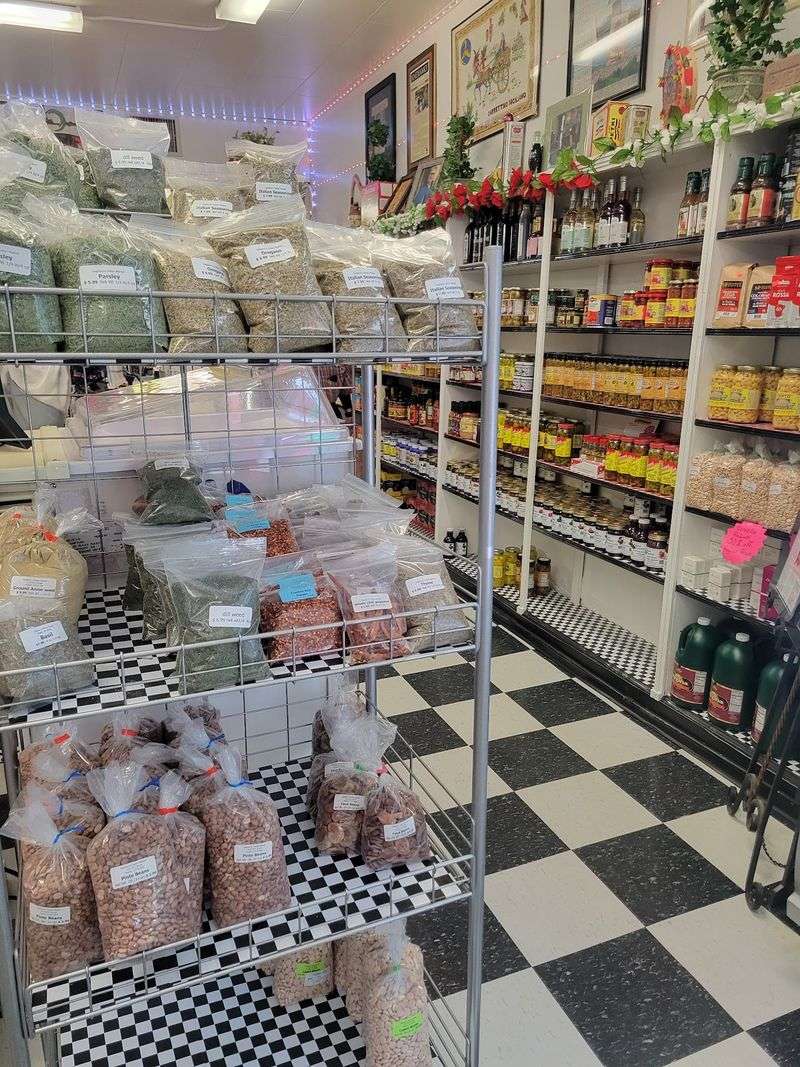
Authentic Italian food has a long-standing reputation for being part of a balanced, healthy lifestyle. When the ingredients are real and minimally processed, the nutritional picture looks a lot better.
That is one quiet reason people keep coming back to places like Gagliano’s.
Olive oil is a cornerstone of Italian food culture, and the market carries imported Sicilian olive oil. It is loaded with monounsaturated fats that support heart health.
Antioxidants in olive oil also help reduce inflammation over time.
Vegetables play a big role in traditional Italian cooking as well. They supply fiber, essential vitamins, and minerals that keep the body running well.
Eating Italian-style means eating a lot of plants alongside your meats and cheeses.
Cured meats, eaten in reasonable amounts, fit into a balanced diet without a problem. The key is quality over quantity.
A few slices of authentic imported capicola or prosciutto carry real flavor, so you naturally eat less and enjoy more.
Aged cheeses like Parmigiano Reggiano are also easier to digest than many processed cheeses. The long aging process breaks down some of the lactose, which makes them more tolerable for people with mild sensitivities.
Choosing real, imported products over mass-produced alternatives is a small change that adds up. The ingredients at Gagliano’s are honest, and that matters more than most people realize.
The History Behind Importation Practices
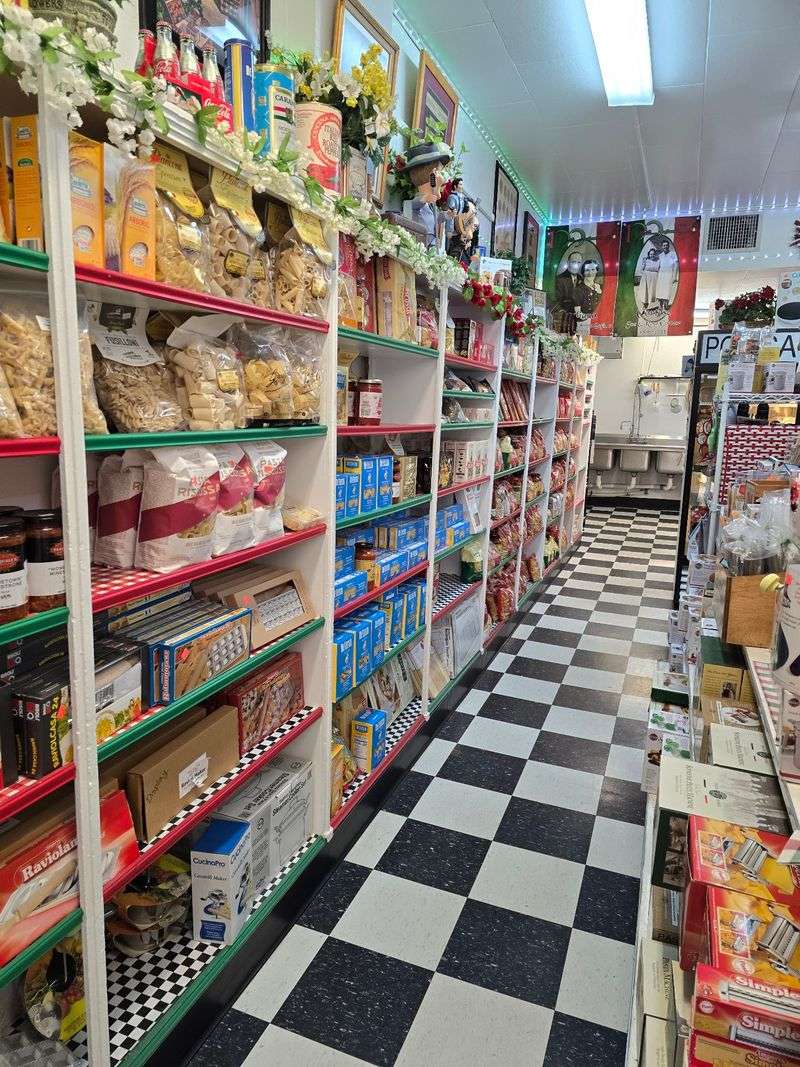
Gagliano’s Italian Market has roots that go all the way back to 1921. Giuseppe and Carmela Gagliano founded the market after coming to the United States from Lucca Sicula, a small town in Sicily.
That origin story is baked into everything the market sells.
In 1997, Vince Gagliano’s parents took over the business and shifted focus toward specialty imported items. That decision to double down on authenticity helped define what the market is today.
Importing directly from Italy became a priority, including Sicilian olive oil and other hard-to-find goods.
Italian immigrants brought the delicatessen concept to the United States in the late 19th century. They carried their food traditions with them and built community around those flavors.
Delis became neighborhood anchors in cities across the country.
Gagliano’s is one of the few places in Colorado that still operates with that original immigrant spirit intact. Over a century of continuous operation is not something many businesses can claim.
The market has survived economic changes, generations of ownership, and shifting food trends without losing its identity.
Importing from Italy keeps that original vision alive. The products on the shelves are not approximations of Italian food.
They are the actual thing, sourced from the same country the Gagliano family originally called home. That connection to origin makes every purchase feel meaningful.
How To Store Imported Meat And Cheese Properly
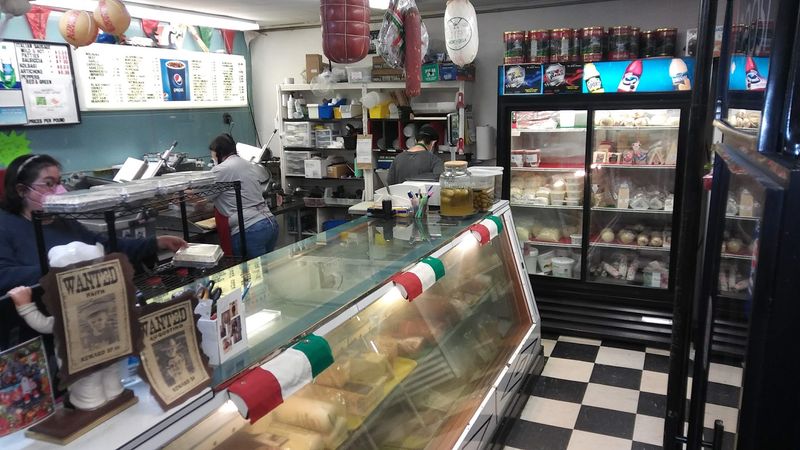
Getting the storage right is just as important as choosing the right product. Imported meats and cheeses are not cheap, and bad storage ruins them fast.
Knowing the basics saves both money and disappointment.
Whole cured meats should be kept in a cool, dry, and well-ventilated space. The ideal temperature range is between 50 and 64 degrees Fahrenheit, with humidity sitting around 60 to 70 percent.
A cool pantry or basement works well if you do not have a dedicated curing space.
Once you slice into a cured meat, the rules change. Sliced meats need refrigeration right away, kept at 32 to 39 degrees Fahrenheit.
Eat them within three days for the best flavor and safety.
Aged cheeses like Parmigiano Reggiano need to breathe. Wrap them in food-grade cheese paper or wax paper rather than plastic wrap.
Plastic traps moisture and causes the cheese to sweat, which leads to off flavors and mold you did not want.
Fresh cheeses need a different approach entirely. Keep them refrigerated between 39 and 43 degrees Fahrenheit in a sealed, airtight container.
They are more delicate and should be eaten within a few days of purchase.
Taking care of your haul from Gagliano’s means every slice stays as good as the moment you bought it. Proper storage is respect for the craft that went into making the product.
Food Culture Reflected In Imported Delicatessen
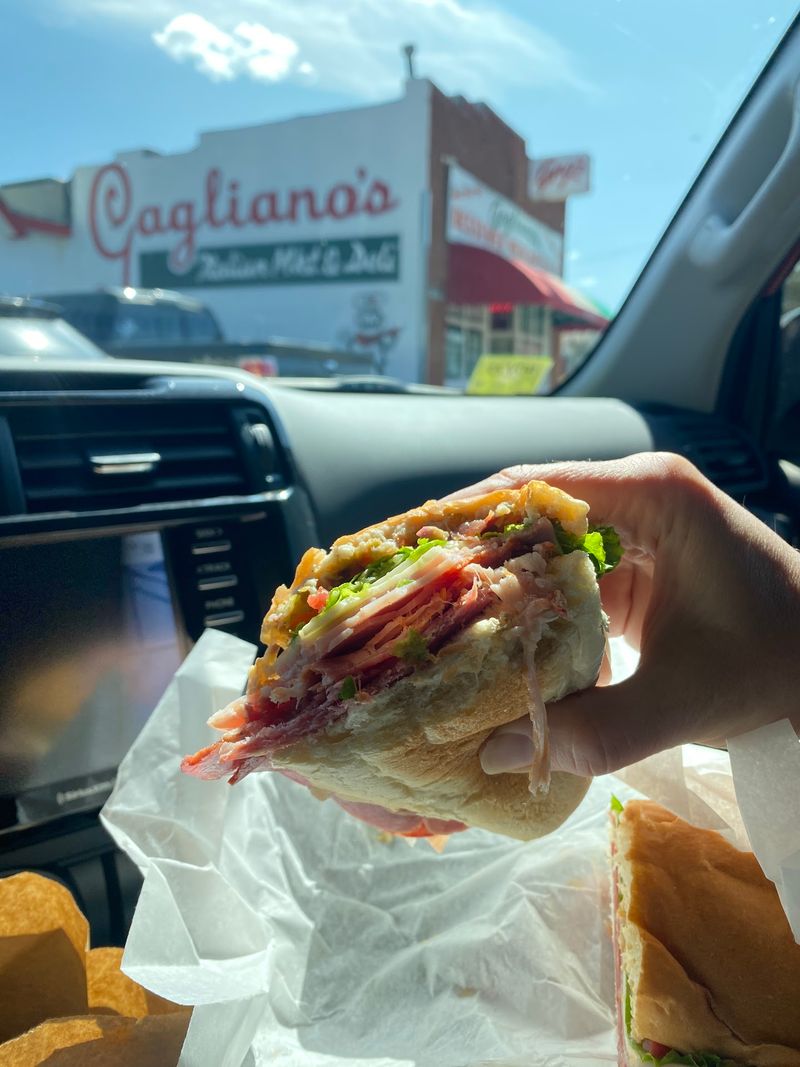
Walking into Gagliano’s feels like the market has a story to tell before you even reach the counter. The shelves are stocked with imported goods that you genuinely cannot find at a chain grocery store.
Every product is there because someone made a deliberate choice to carry it.
Italian delis have always been more than just food shops. They carry the cultural memory of the communities that built them.
Gagliano’s has been doing that in Pueblo for over 100 years, which makes it a living piece of local history.
The market reflects a deep respect for food as something worth taking seriously. Ingredients matter.
Origin matters. The way something is made matters.
That philosophy shows up in every imported product and every house-made sausage in the case.
Pueblo is not a city people typically associate with authentic Italian imports. That is exactly what makes Gagliano’s such a genuinely interesting place.
It stands out because it stayed true to its roots while the food world changed around it.
Hard-to-find ingredients like lupini beans, imported olive oil, and authentic Romano cheese give home cooks access to flavors they could not otherwise recreate.
The market elevates everyday cooking by making real Italian pantry staples available in southern Colorado. That kind of access changes what people can make at home, and it keeps a food culture alive that might otherwise disappear.