
This Breathtaking Tennessee Cathedral Looks Like It Belongs In The Heart Of Italy
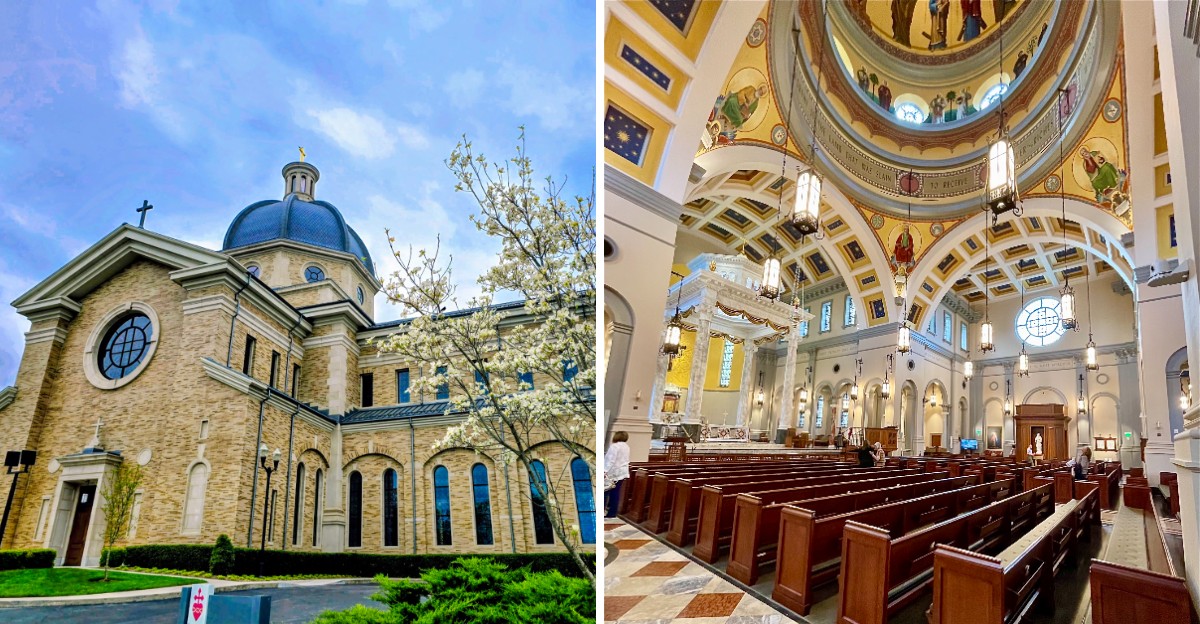
Who needs a plane ticket to Italy when a breathtaking piece of European architecture is waiting right here in Tennessee?
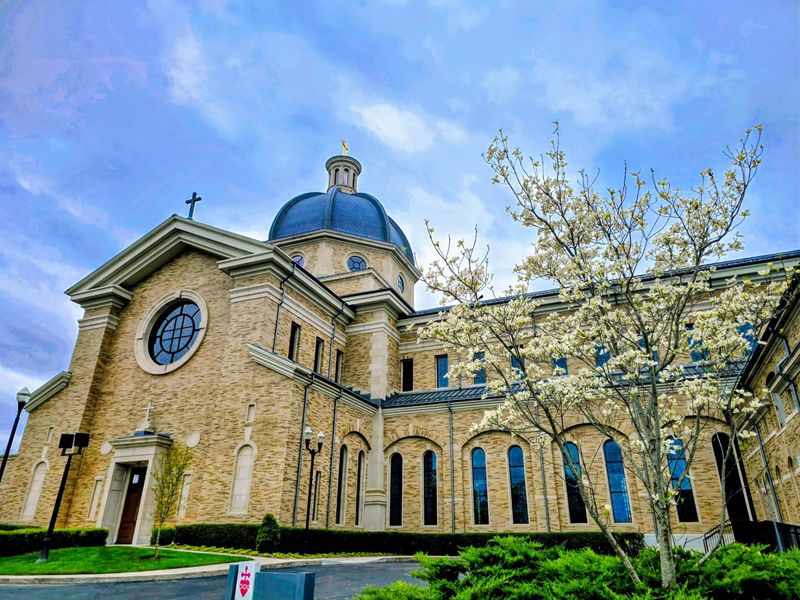
With its towering dome, grand entrance, and beautiful details, one remarkable cathedral looks like it belongs on the streets of Florence or Rome. And the beauty doesn’t end outside.
Inside, soaring ceilings, polished marble, and intricate artwork create an atmosphere that feels worlds away from everyday life. Every corner offers something worth admiring, especially when sunlight brightens the enormous interior.
The inspiration behind the building is just as fascinating as its appearance.
Designed with the elegance of Italian Renaissance architecture, this cathedral brings centuries of European artistic tradition to a surprisingly unexpected setting.
You don’t have to be religious to appreciate the craftsmanship or the peaceful atmosphere.
For architecture lovers, photographers, and curious travelers, this stunning landmark offers a little taste of Italy without ever leaving Tennessee.
A Dome That Borrowed Its Big Idea From Florence
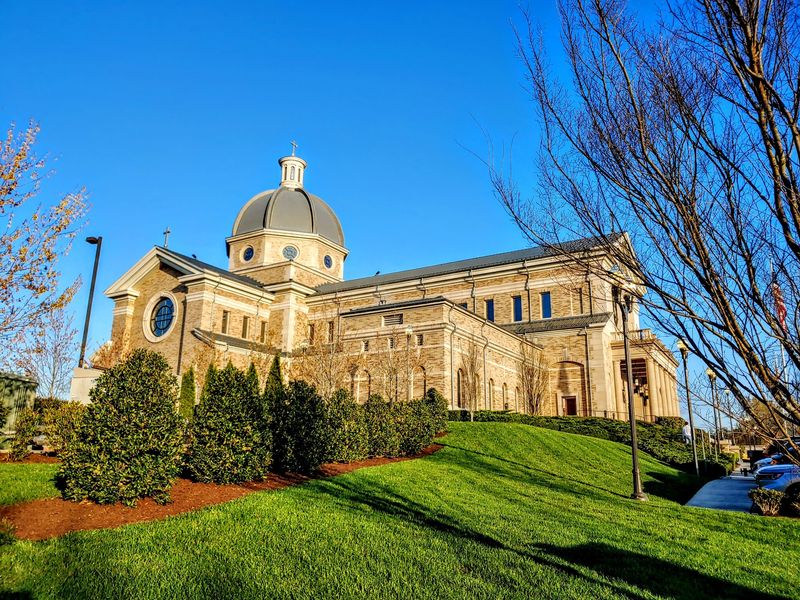
Some buildings whisper, but this one sings from the rooftop. The Cathedral of the Most Sacred Heart of Jesus has a dome that grabs your eyes from the road.
It was inspired by Filippo Brunelleschi’s famous dome in Florence, Italy.
Brunelleschi built his dome in the 1400s, and people still talk about it today. The Knoxville version tips its hat to that genius in a very bold way. Its eight sides rise high and proud over the trees.
Numbers help tell the story here. The dome climbs 90 feet to the base of the cupola. From the cathedral floor to the very top, the total height reaches 144 feet.
That is taller than many office buildings in a small town. Yet the shape feels graceful instead of heavy. The curves pull your gaze upward without any effort at all.
Fun fact for curious minds: the word cupola comes from Italian. It means a small dome or lantern sitting on top of a larger one. Even the vocabulary here has an Italian accent.
If you enjoy photos, try standing back across the parking area. The full dome fits nicely into the frame from there. Early morning light makes the pale walls glow with a soft, warm color.
Bricks And Limestone That Play A Clever Trick
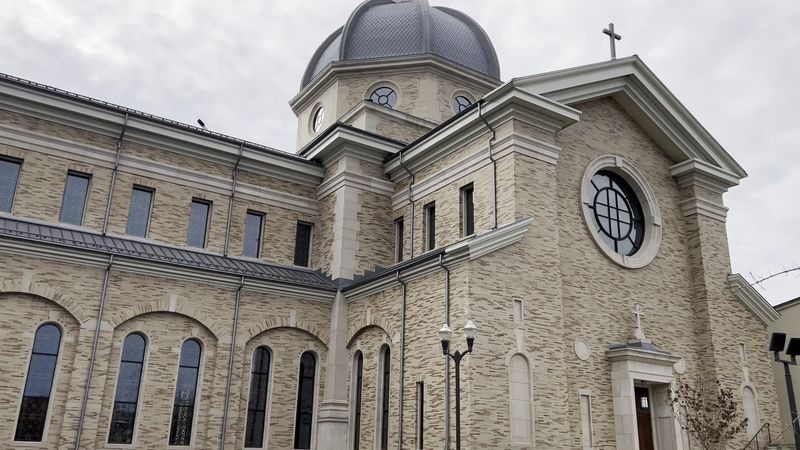
Here is a sneaky little secret hiding in plain sight. Much of the outside looks like solid stone, but a lot of it is actually brick. The builders chose that on purpose.
About 300,000 Roman-style bricks wrap the outside walls. They are Belden Brick’s Roman Mayo Blend, which has a smooth and light finish. From a distance, the bricks give the feel of limestone.
Real stone joins the party too. Around 20,000 pieces of Indiana limestone add carved trim and strong details. Together, the two materials create a calm, creamy look.
Roman bricks are longer and thinner than the bricks on most American houses. That shape goes back to ancient building styles in Italy. It makes walls look sleek and stretched out.
The mix of materials was not random. The designers wanted a classic face that would age with dignity. Brick and limestone both hold up well against years of rain and sun.
Next time you walk past, look closely at the wall surface. Notice the long, slim lines of each brick. Then step back and watch them blend into one smooth surface again.
It feels a bit like a magic trick for grown-ups. Once you know the secret, you will never see the walls the same way. That is half the fun of looking closely.
Marble Shopping Trips Across Italy
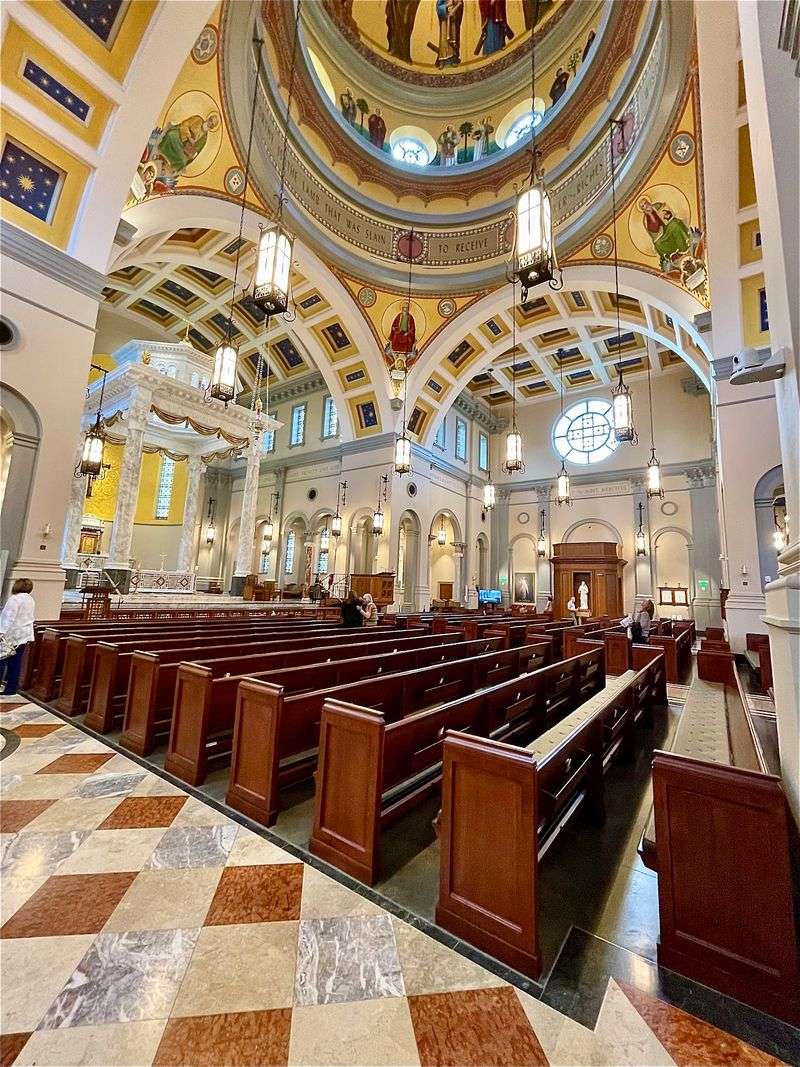
Most people shop for groceries, but this team shopped for marble. Before construction, architects and building committee members flew to Italy. They stopped in Venice, Florence, and Rome.
Their goal was simple but serious. They met with master artisans and picked the right materials in person. That trip shaped nearly every surface you see inside.
More than 12 kinds of Italian marble fill the interior. The names sound like a menu at a fancy restaurant. Bianco Carrara, Calacatta Borghini, and Giallo Siena Brocatello are just a few.
Others include Rosso Francia Languedoc and Statuario Michelangelo. Each stone was mined, cut, and polished in Italy. Then it made the long journey across the ocean to Tennessee.
Colors range from snowy white to golden yellow to deep red. Placed side by side, they create a warm and rich glow.
Light bouncing off polished marble makes the room feel alive.
Statuario marble has a famous history worth knowing. It comes from the same Carrara region where Michelangelo found stone for his sculptures. That is quite a family tree for a church floor.
The design came from McCrery Architects. BarberMcMurry Architects served as the architect of record. Both firms helped turn those Italian samples into a finished building.
Floors Worth Staring At Your Shoes For
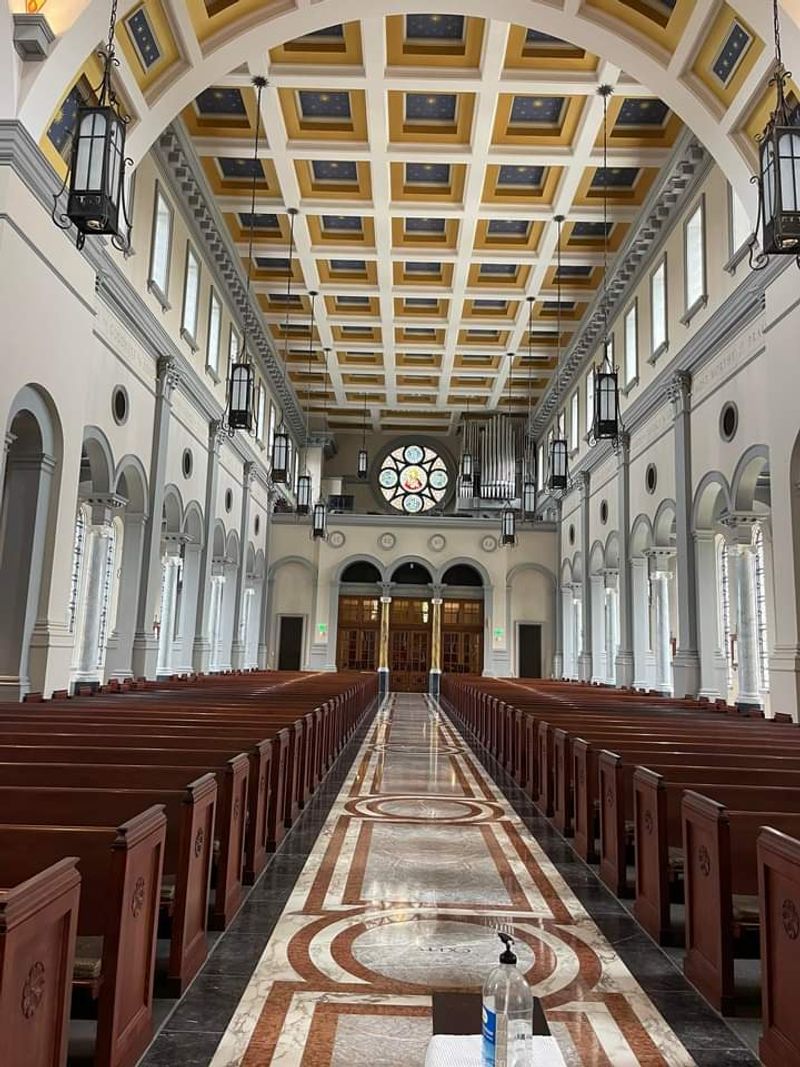
Go ahead and look down, because nobody will judge you here. The floor might be the most underrated artwork in the whole building. It deserves a slow, careful walk.
Designers drew on the Cosmati tradition from medieval Rome. Cosmati work uses small pieces of colored stone to form geometric shapes. Think circles, stars, and swirling bands set into larger panels.
The floor uses 12 different stone types. Over 2,000 pavers and treads fit together like a giant puzzle.
Every piece had to be cut precisely to line up.
The Cosmati family were Roman craftsmen in the 1100s and 1200s. Their style spread to churches across Italy. Seeing it echoed in East Tennessee is a real treat for history fans.
Patterns like these were never just decoration. Shapes and repeating lines guided the eye toward important spots. In a church, they gently lead you forward toward the altar.
A helpful tip for photos: use your phone in a top-down angle. The shapes look sharper from above. Try to capture a full circle design in one frame.
Kids especially love tracing the shapes with their eyes. It turns into a quiet game of spotting stars and triangles. Grown-ups often end up playing along too.
Murals That Turn The Ceiling Into A Storybook
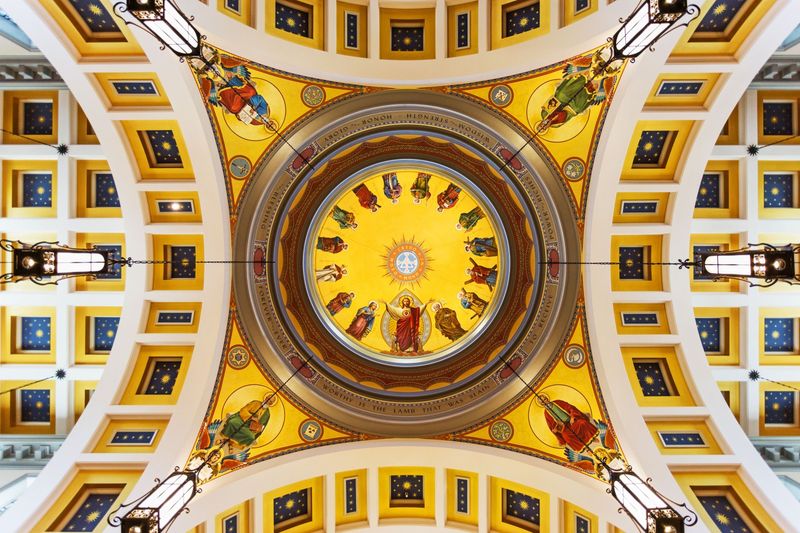
Neck stretches are highly recommended before you enter. Once you look up, it is hard to look away. The dome holds some of the most striking art in Tennessee.
EverGreene Architectural Arts created the sacred art program. Their painters filled the cupola with monumental murals. At the center is the Most Sacred Heart of Jesus.
Around Him stand the Blessed Virgin Mary and Saint Joseph. The twelve apostles join them in a wide circle. Each figure is large enough to read from the floor far below.
Lower down, the story keeps going. Sixteen saints walk through a renewed Eden, full of greenery.
It links heaven above with the church gathered below.
Then come the pendentives, those curved triangles that help hold up the dome. The four Evangelists appear there. Matthew, Mark, Luke, and John seem to support the whole scene.
That placement is a clever bit of meaning. The Gospel writers literally hold up the picture of heaven. Old Italian churches often used the same idea.
Bring a little patience to this part. Pick one figure and study the face, the hands, and the colors. Small details reveal themselves the longer you stay.
An Altar Fit For A Grand Roman Basilica
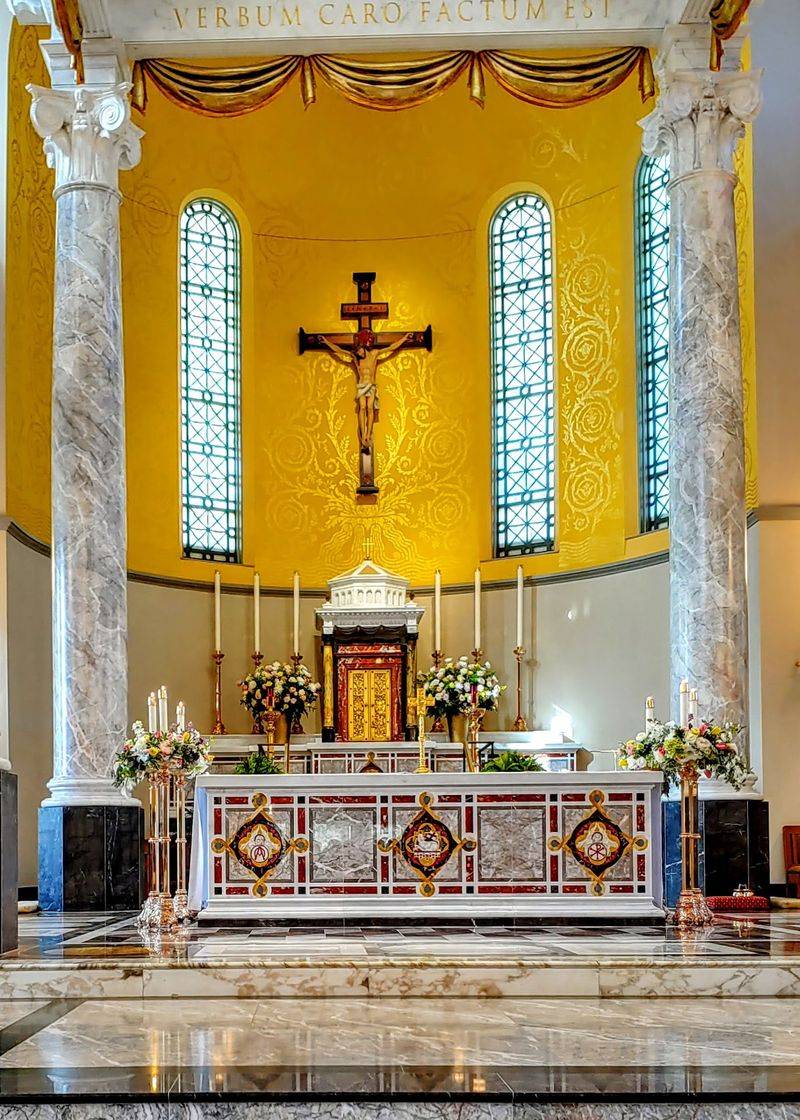
Heavy is an understatement for the centerpiece of the sanctuary. The main altar is carved from Italian Statuario Michelangelo marble. It weighs about 2,500 pounds.
The altar stretches 10 feet across. Its bright white stone catches light from every direction.
Even from the back pews, it stands out clearly.
Above it rises a baldachino, a canopy held up by four columns. This one stands 45 feet tall. It frames the altar like a crown frames a head.
Gian Lorenzo Bernini made the most famous baldachino in St. Peter’s Basilica in Rome. That bronze giant inspired churches around the world.
The Knoxville canopy carries on the same tradition.
The tabernacle has its own fascinating backstory. It was built more than a century ago in the Netherlands. Made of bronze and marble, it weighs over 500 pounds.
It rests beneath a marble ciborium, a smaller canopy. Two Giallo Siena marble columns from Italy hold it up. Their golden tone adds warmth beside all the white stone.
Elsewhere, 20 massive marble columns stand throughout the interior. They give the space rhythm and strength. Walking past them feels like moving through a stately Italian hall.
Little Details That Reward Sharp Eyes
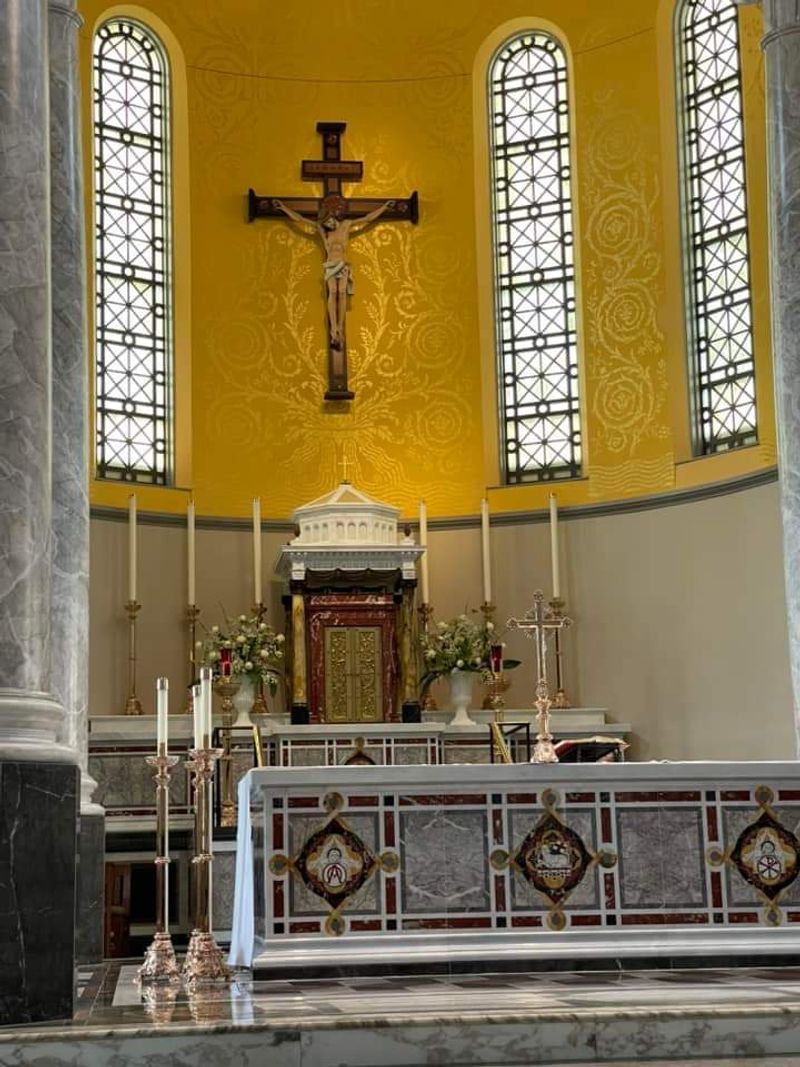
Treasure hunters, this section is for you. Big features steal the spotlight, but small touches tell the deeper story. Slow down and you will spot plenty.
Start with the bishop’s chair, called the cathedra. It stands 5 feet tall. It is made of white oak with elegant marble inlays. That chair matters more than you might think. The word cathedral comes from cathedra.
A church becomes a cathedral because the bishop’s seat lives there, and this one serves the Catholic Diocese of Knoxville.
Next, look behind the sanctuary. A faint shimmering pattern covers part of the wall. It recalls the Tree of Jesse mosaic in Rome’s Basilica of San Clemente.
Painted borders also run across the walls and arches. You will find veil and jewel motifs tucked into the designs. Passages of scripture appear in graceful lettering too.
Woodwork deserves its own applause. The project includes over 40 miles of custom wood trim and millwork. That is longer than many daily commutes.
A smart approach is to explore in sections. Spend a few minutes on the walls, then the trim, then the lettering. Each pass reveals something you missed before.
Planning Your Time At This Knoxville Landmark
Good news for road trippers: no airport gate required. The cathedral sits at 711 S Northshore Dr, Knoxville, TN 37919. It is an easy stop for anyone exploring East Tennessee.
The building was dedicated on March 3, 2018. It replaced an older church that seated 580 people. The new space seats 1,358, more than twice as many.
Behind the beauty sits serious engineering. The cathedral stands on 111 concrete piers drilled up to 40 feet into bedrock. Builders designed it to last 200 to 300 years.
The full structure covers over 28,000 square feet. Its interior volume tops 1.3 million cubic feet. The project cost roughly $30.8 million to $32 million.
Weekday hours generally run from 7:45 AM to 4 PM, Monday through Friday. Schedules can shift for Masses and special events.
Remember that this is an active place of worship. Keep voices soft and phones quiet. If a service is underway, sit calmly and enjoy the music.
The acoustics are wonderful, so concerts here are a delight. Watch the parish calendar for musical events. Hearing an organ fill that dome is a memory worth keeping.