
This Charming Michigan Lake Town Is Now A Favorite Playground For Tourists
Michigan has a long list of lake towns, but a few of them stick with you long after the drive home. Picture a small waterfront community on the sunrise side of the state, where Lake Huron curls into a calm, sheltered bay.
The water sparkles. The sand stays soft.
Sailboats drift past a white lighthouse that has been guiding ships since the 1870s.
Summer here means beach days, paddle trips, and ice cream cones eaten on the pier while the sun drops behind the trees. Fall brings forests full of red and gold.
Families keep coming back year after year, often to the same cottage. Anglers plan entire vacations around one stretch of shoreline.
Birdwatchers arrive each spring with binoculars and big hopes. The pace is slow in the best way.
You park once and walk everywhere. Shopkeepers remember your face by the second day.
Lake Huron’s Sweet Small-Town Surprise
Say hello to Tawas City, a friendly little place on the western curve of Saginaw Bay in Michigan. Founded in 1854, it was the first city built along this stretch of Lake Huron north of Bay City.
The name traces back to Chief O-ta-was, a leader of a Saginaw band of Chippewa who camped near the water. History sits quietly here, right under the sunshine and the seagulls.
Fewer than two thousand people call it home, yet summer brings crowds who fall for the slow pace. Cars roll in along US-23, windows down, radios up.
What makes it work? The bay curls into a protected harbor that once sheltered Great Lakes ships during storms.
Today that same calm water shelters swimmers, paddlers, and kids chasing waves that barely reach their knees.
Visitors often describe the mood as Up-North without the long drive. You get pine air, sunrises over open water, and ice cream cones that drip faster than you can eat them.
Warm-weather fun peaks between late June and early September, though mid-May through September feels comfortable. Autumn paints the surrounding forests gold, and winter turns the bay into a playground for snowshoes and ice shanties.
Does a town this small really need a plan? Not really.
Park once, walk everywhere, and let the day unfold. Michigan hides plenty of places like this, but few wear the charm so easily.
Climb A Beacon From 1876
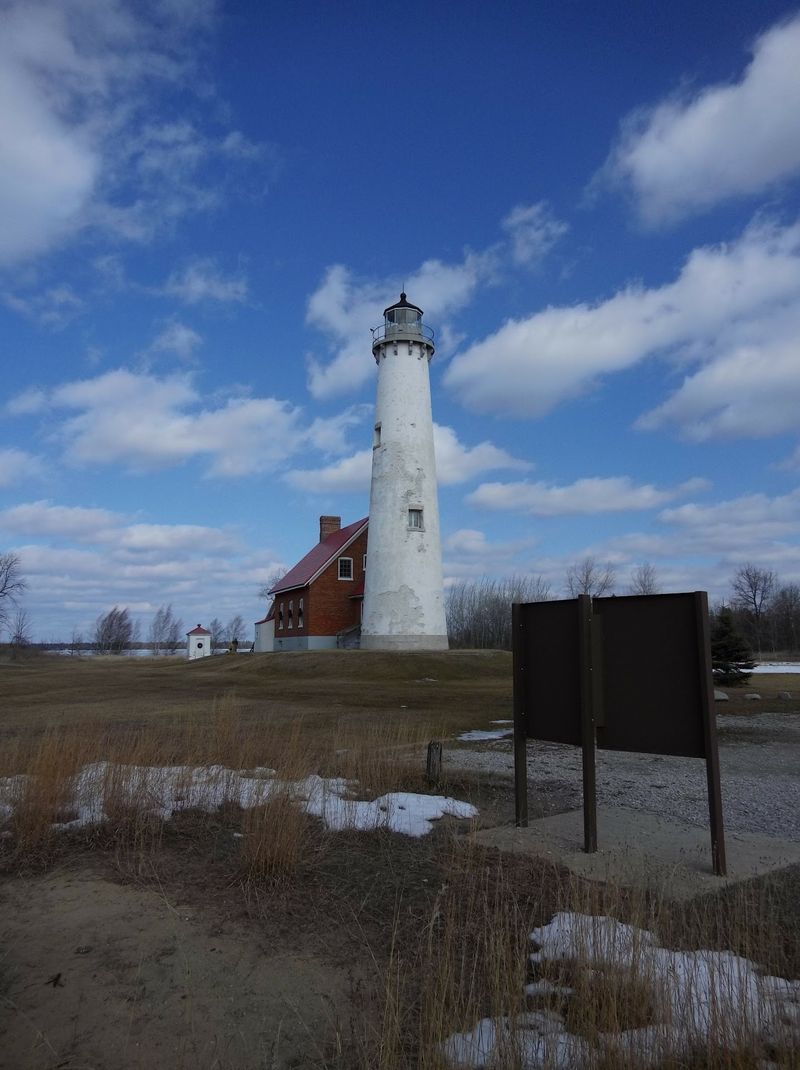
Since 1876, the Tawas Point Lighthouse has swept its light across Lake Huron. The white tower stands inside Tawas Point State Park, on a sandy hook nicknamed the Cape Cod of the Midwest.
Climbing to the top is the highlight. Narrow stairs wind upward, then the door opens to wind, water, and a view that stretches for miles.
Tower access depends on the season and staffing, so check current hours before you drive out. Nothing stings like a locked door and a camera full of nothing.
Down below, sandy trails loop through dune grass and low shrubs. The walk out to the point is flat, easy, and surprisingly quiet in the early morning.
Birders treat this spot like a treasure map. Spring and fall migrations bring warblers, shorebirds, and raptors that pause here before crossing the big water.
Bring binoculars, even cheap ones. Michigan birders often share scopes and tips with strangers, and you may leave knowing ten new species.
The lighthouse grounds also hold maritime history, from shipwreck tales to the daily grind of keepers who hauled fuel up those stairs. Their work saved lives on stormy nights.
Sunset here turns the sand pink and the water silver. Photographers stake out spots early, tripods planted like flags.
Would you rather climb for the view or wander the shoreline with your shoes in hand? Both options count as a win.
Paddle, Swim, Splash All Summer
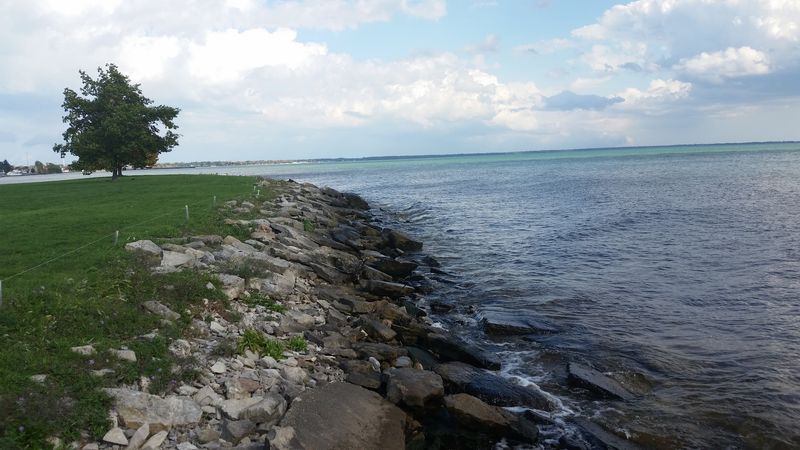
Tawas Bay behaves itself. Waves stay small, the bottom slopes gently, and the water warms faster than most of Lake Huron.
Kayaks glide along the shoreline in the morning calm. Paddleboarders wobble, laugh, fall in, and climb right back up.
Sailboats lean into the afternoon breeze, their sails bright against the blue. Rentals and launches make it simple for first-timers.
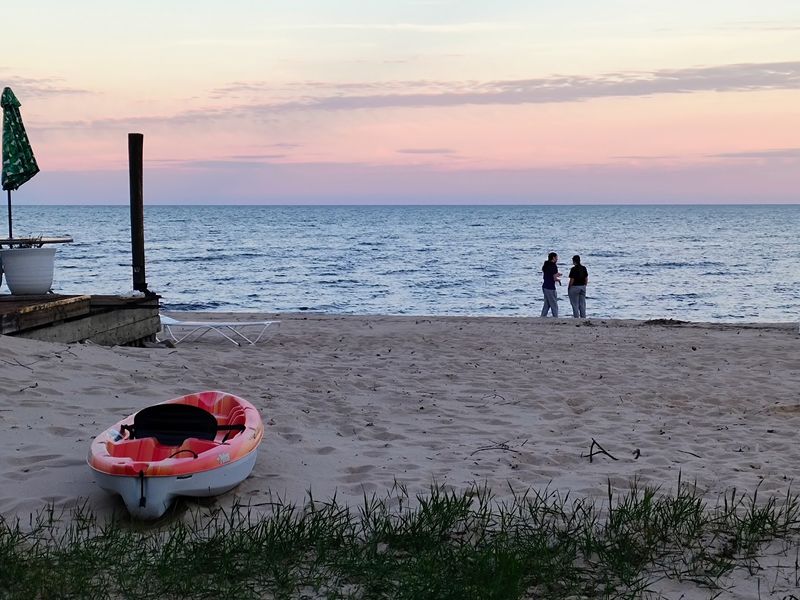
Families claim the sand early at Tawas City Park Beach. Shallow water means little kids can splash far from shore while parents keep their feet dry.
Sandcastle building here gets competitive. Buckets, shovels, and serious engineering happen before lunch.
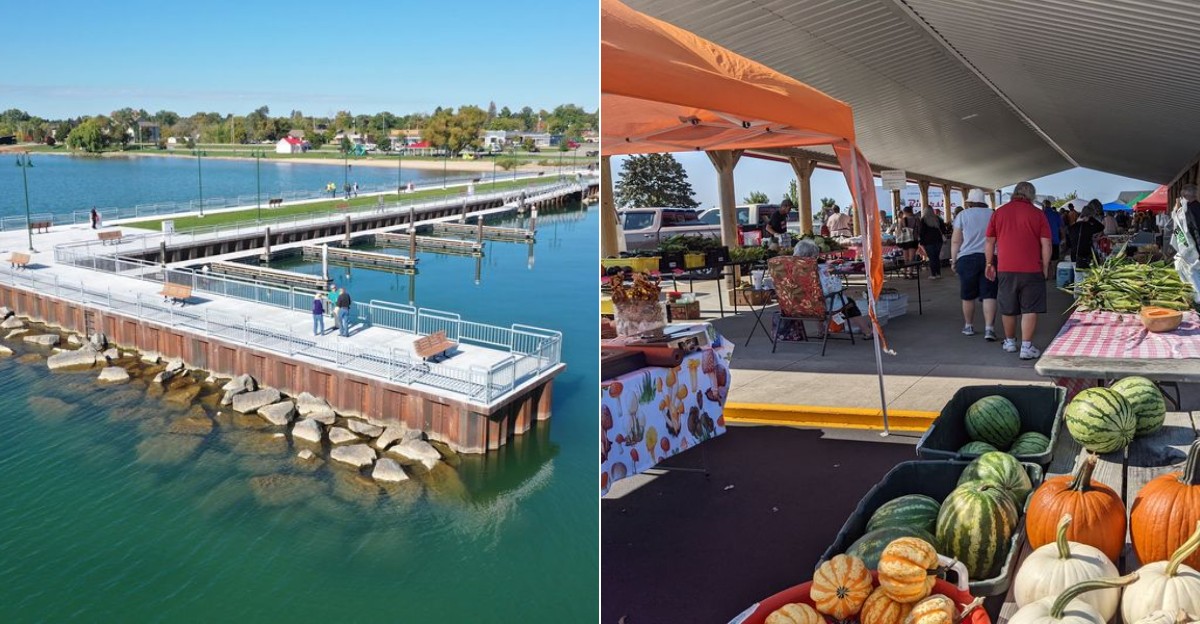
The 450-foot pier at the city beach stretches into the bay, complete with lights for evening walks. Anglers line the rails while walkers pass behind them.
Pack water shoes if your crew hates pebbles. Pack a hat too, because shade gets scarce on the open sand.
Boaters appreciate the protected harbor, a safe pocket of water that sailors have trusted for generations. Storms roll through fast on Lake Huron, and this bay has always been a refuge.
Swimming, paddling, or simply floating on your back while the clouds drift by all count as a good day in Michigan.
So which one will you try first, the paddleboard or the picnic blanket?
Sunrise over the bay arrives early, painting the water orange before most people wake. Coffee on the sand tastes better.
Wild Trails Beyond The Shoreline
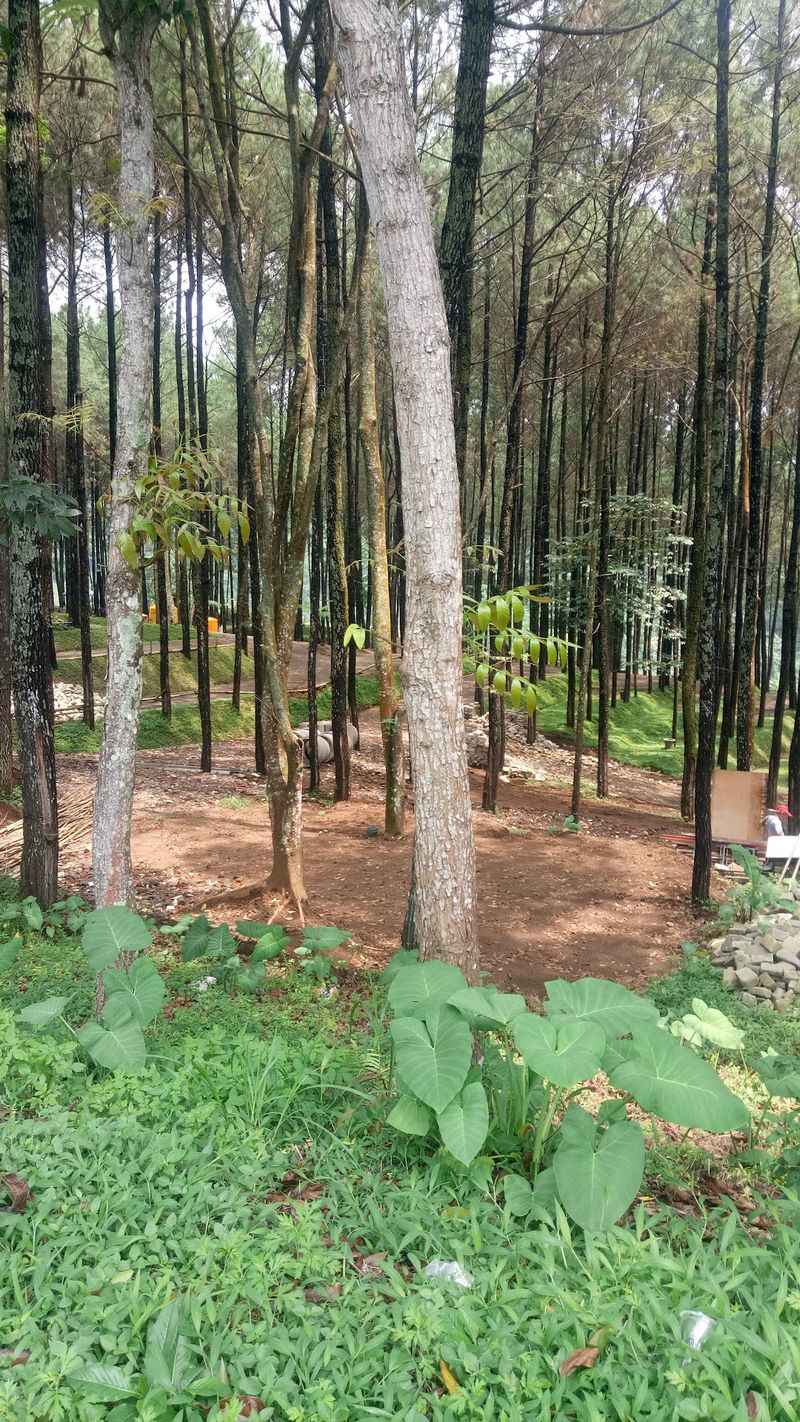
Trade the beach towel for hiking boots and a whole different Michigan opens up. The Huron National Forest spreads inland with trails for walking and biking.
Paths wander through thick pines and along ridges with long views. Deer step out at dusk, foxes cross the road, and birdsong fills every gap in the trees.
Tuttle Marsh Wildlife Area covers about 5,000 acres of wetland just outside town. Herons stalk the shallows, ducks paddle in tight groups, and turtles sun themselves on logs.
Drive the gravel loop slowly with the windows down. Early morning and late evening bring the most action.
Then there is the River Road National Scenic Byway, a 22-mile stretch above the Au Sable River valley. Overlooks appear one after another, each one better than the last.
Iargo Springs rewards anyone willing to tackle nearly 300 wooden steps down to cold spring water and a river boardwalk. The climb back up earns you dessert later.
Lumberman’s Monument honors the men who cut Michigan’s white pine forests in the 1800s. Statues of three loggers stand on the bluff, staring out over the valley they changed forever.
Fall color here runs wild in October, with maples and oaks blazing red and orange. Pull-offs fill with cameras.
Bug spray belongs in your bag from May through July. Trust that advice.
How far into the woods would you go before turning back?
Shops, Sweets, And Sidewalk Charm
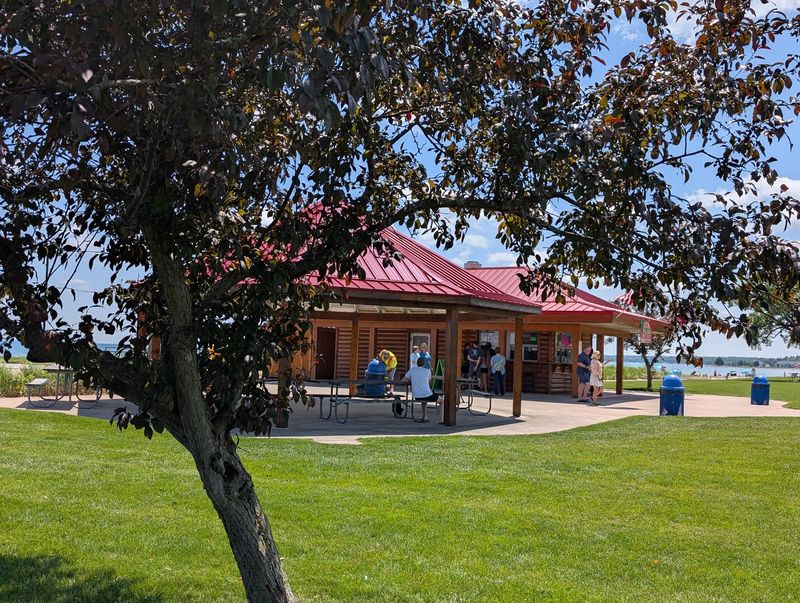
Main street moves at a walking pace. Storefronts sit close together, doors propped open in summer, with flowers hanging from lamp posts.
Antique shops hide furniture, old signs, and postcards from another century. Art galleries show work made by people who live right here.
Ice cream parlors stay busy from noon until closing. Lines spill onto the sidewalk on hot afternoons, and nobody seems to mind the wait.
Small restaurants serve breakfast that sticks with you and perch dinners that taste like the lake. Prices stay reasonable, portions do not.
Many shops run seasonal hours, busier in July than in February. A quick phone call or website check saves a wasted trip.
Shopkeepers here talk. Ask one question about the bay and you might get directions, a recommendation, and a story about the winter of 1976.
Souvenirs lean toward the useful: hand-poured candles, carved wood, lake-themed prints, and sweatshirts you will actually wear. Fudge counts as a souvenir in Michigan, obviously.
Parking usually sits within a block of wherever you want to be. Leave the car, stretch your legs, and let the afternoon drift.
Between shops, the bay peeks out at the end of side streets, a blue reminder of why the town exists at all.
What will end up in your shopping bag before dinner? Window shopping counts too, and it costs nothing but a little bit of time.
Cast A Line Year Round

Anglers talk about this bay the way food lovers talk about a favorite bakery. Walleye, yellow perch, northern pike, smallmouth bass, and brown trout all swim these waters.
Spring and fall bring runs of whitefish, steelhead, lake trout, and walleye along the shoreline. Timing matters, so local bait shops are worth a stop for current reports.
No boat? No problem.
Piers, riverbanks, and shoreline spots put fish within reach of anyone with a rod and patience.
Charter captains handle the deeper water, supplying gear, knowledge, and the kind of stories that make the ride worthwhile. Kids often catch their first fish on these trips.
Winter changes the scene completely. The bay freezes, shanty villages pop up, and augers spin across the ice.
Ice fishing draws crowds here, and Perchville USA turns the tradition into a full winter celebration every February. Always check ice conditions with locals before walking out.
A Michigan fishing license is required, and you can buy one online or at shops around town. Rules change by species and season, so read the current guide.
Mornings usually beat afternoons for action. Set an alarm, pack snacks, and watch the sun climb out of Lake Huron while your line sits still.
Even a slow day beats a good day at work.
What size fish would make your trip unforgettable? Bring a camera, because nobody believes a story without proof.
Festivals Fill Every Season Here

Perchville USA takes over the first weekend of February, complete with a polar plunge into a hole cut in the ice. Brave souls jump, everyone else cheers from shore.
Summer belongs to Tawas Bay Summerfest, with music, food, and activities packed along the waterfront. Streets fill, and parking gets creative.
The Tawas Birding Festival celebrates spring migration with guided walks and expert talks. Binoculars outnumber cameras that week.
Arts and crafts shows land at Shoreline Park on Memorial Day and Labor Day weekends. Tents stretch across the grass, filled with jewelry, woodwork, paintings, and handmade soaps.
Farmers markets run at Gateway Park from May through October. Tables hold sweet corn, berries, honey, baked goods, and flowers cut that morning.
Summer evenings often bring concerts in the park or street dances downtown. Lawn chairs appear out of nowhere, and strangers become neighbors for an hour.
Event dates shift a little each year, so check the local calendar while planning. Lodging books up fast around the big weekends.
What makes these gatherings work is scale. Nothing feels overwhelming, nobody gets lost in a crowd, and kids can run a little without disappearing.
Fireworks over the bay, reflected twice in the water, close out more than one summer night in this corner of Michigan.
Which festival would pull you back for a second visit? Pick one and build the whole trip around it.
Green Spaces And Local Stories
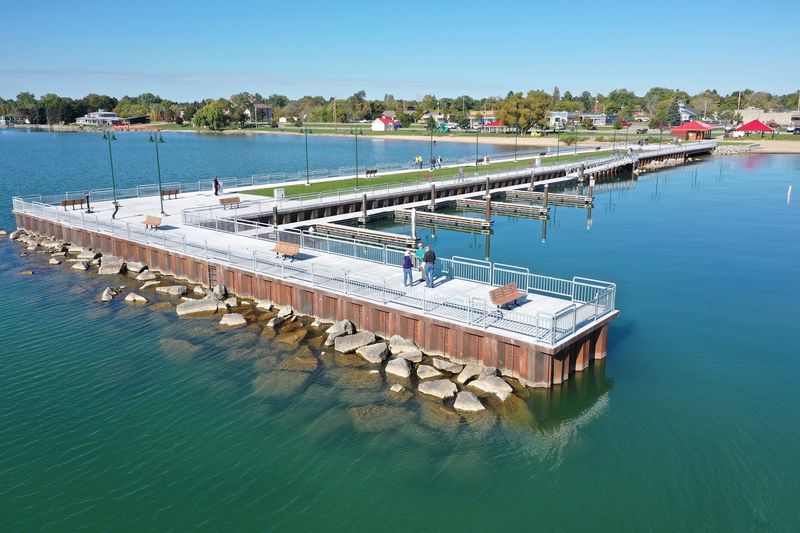
Gateway Park sits where the Tawas River meets the bay. A fishing pier, a boat launch, and a dog-friendly beach share the space, so nobody in the family gets left out.
Shoreline Park stretches a long pier out over the water, with benches for people who would rather watch than fish. Picnic pavilions, restrooms, a boardwalk, and a playscape round it out.
History runs deep here too. Lumber built this place in the 1800s, railroads carried it forward, and commercial fishing kept families fed.
The Iosco County Historical Museum keeps those chapters alive with photographs, tools, and stories of founding families. You can trace how a lumber town became a vacation favorite.
Find the museum at 405 W. Bay Street in neighboring East Tawas, a short drive from downtown.
Hours change with the season, so confirm before you go.
Tawas City itself spreads along US-23 in Iosco County, Michigan 48763, roughly three hours north of Detroit and an easy hop from Bay City.
Founded in 1854, it was the county seat then and remains so today, which explains the tidy old buildings scattered among the newer shops.
Evening walks along the piers deliver the best ending to any day here. The lights flick on, the water goes quiet, and the whole town seems to exhale.
So when are you booking your Michigan getaway? The bay has already waited long enough.