
This Free Nevada Refuge Near Fallon Fills With Thousands Of Migrating Birds Each Fall
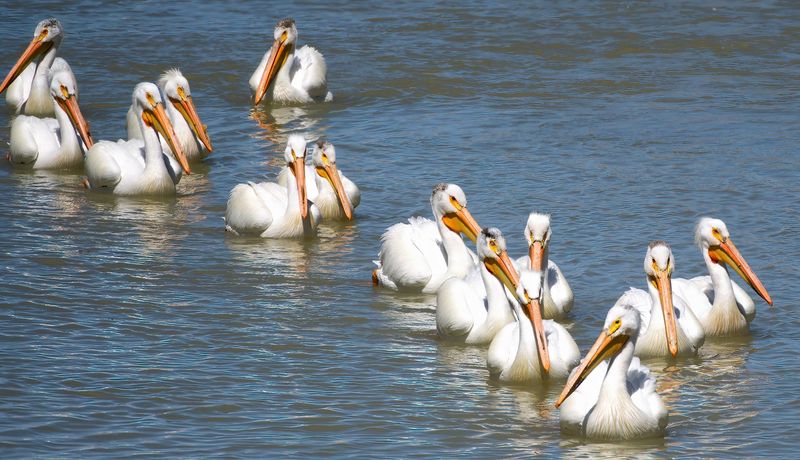
Nevada gets called dry so often that people forget parts of it splash. Turn off a two-lane road in the western part of the state and the sagebrush suddenly gives way to open water, cattails, and more wings than you can count.
Pelicans in the desert sound like a tall tale until a squadron of them drifts past your windshield. Best of all, watching the whole show costs nothing at all.
An Oasis Sitting East Of Fallon
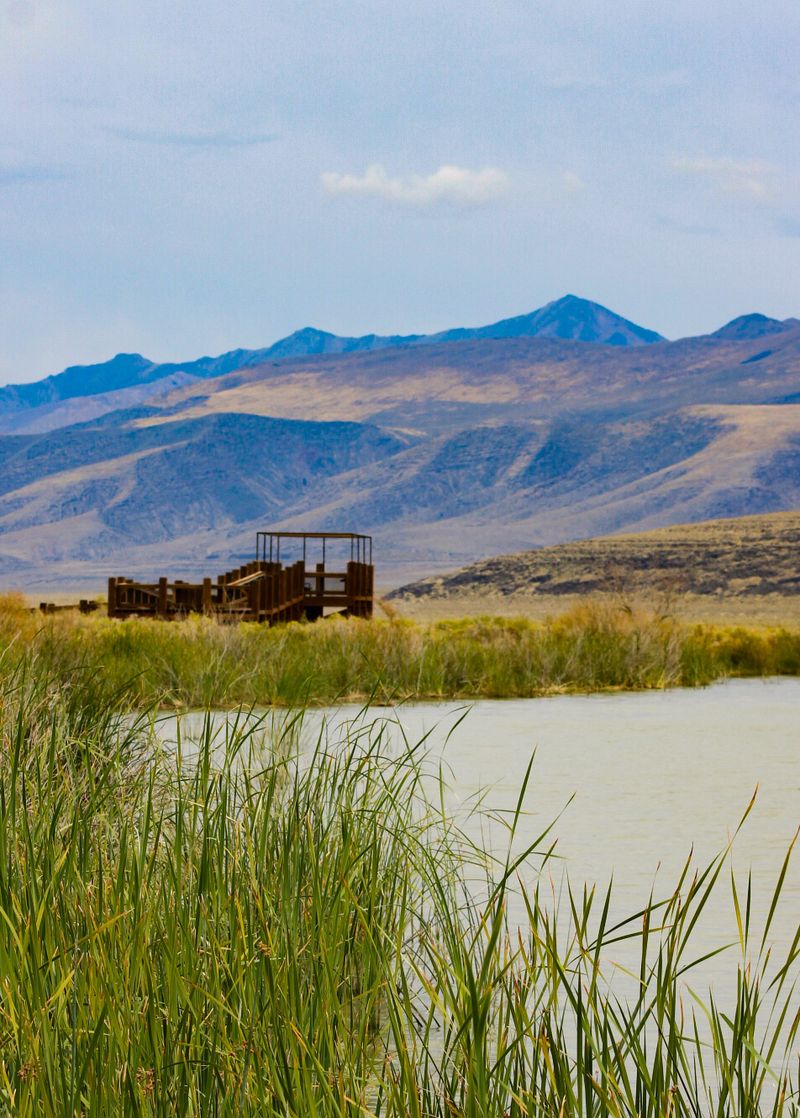
Head east out of Fallon on Stillwater Road and the scenery does something strange. Sagebrush flats and irrigated hayfields roll along for a while, then water appears where logic says it should not: marshes, ponds, and shallow lakes spreading across the Lahontan Valley floor.
Stillwater National Wildlife Refuge covers this soggy pocket of Churchill County, and it has been federally protected since 1949. The refuge address reads simply as Stillwater Road, Fallon, NV 89406, which tells you plenty about how rural the setting is.
What makes the place work is variety. Freshwater and brackish marshes sit beside river corridors and dry desert shrubland, and that mix supports somewhere between 220 and 290 bird species across the calendar year.
Longtime visitors describe it as an oasis dropped into one of the driest stretches of the Great Basin, and the description fits. One minute you are squinting at heat shimmer over gravel, the next you are watching ducks paddle through reeds.
Admission is free, the gates never close, and the birds handle the rest of the entertainment budget themselves.
Leftovers From An Ancient Inland Sea
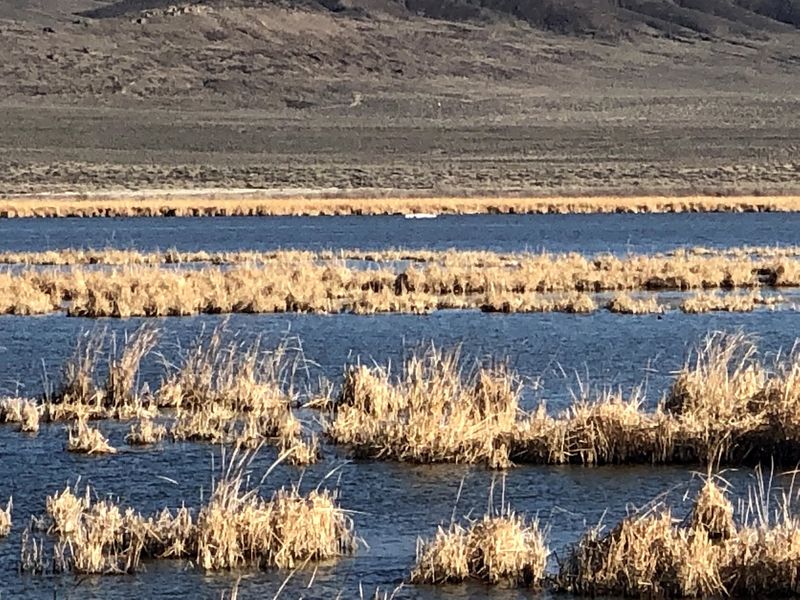
Thousands of years ago, a vast body of water called Lake Lahontan covered much of northwestern Nevada. The marshes at Stillwater are what remain after that lake receded, leaving behind low basins that still collect water when the rivers run.
People noticed the value of these wetlands long before any federal designation existed. The Paiute of the region relied on the marshes for food and materials, and that connection stretches back generations beyond written record.
Fast forward to 1949, and the area was set aside as a national wildlife refuge. Today it carries recognition as an internationally important bird area, which is quite a title for a spot most highway travelers roll straight past.
Standing at the edge of the water, the geology makes sense in a way textbooks never quite manage. Old shorelines etch faint lines onto the surrounding hills, marking where waves once lapped.
Management work continues, too. Visitors have noted dredging projects aimed at repairing and maintaining the wetland, a reminder that keeping water in a desert basin takes ongoing effort rather than luck.
Autumn On The Pacific Flyway
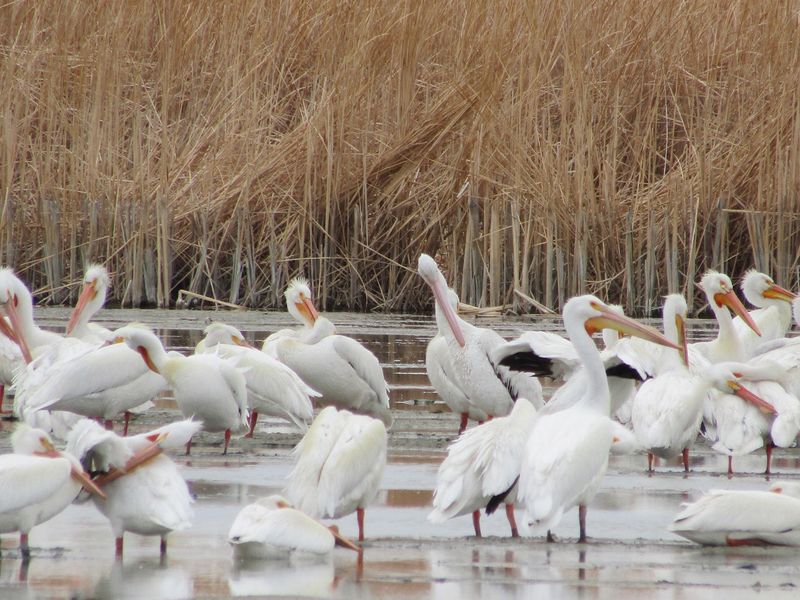
September flips a switch here. Birds traveling the Pacific Flyway begin dropping into the Lahontan Valley by the hundreds of thousands, using the marshes as a rest stop between northern nesting grounds and southern wintering areas.
Shorebirds and waterfowl keep arriving through October and into November, when Tundra Swans show up and add their long white silhouettes to the mix. The refuge does not simply host a single peak weekend; the cast changes steadily across the season.
Canvasbacks deserve special mention. A meaningful share of the entire Pacific Flyway population winters in this valley, which means a Nevada marsh you can reach on a tank of gas holds birds counted at a continental scale.
Fall also softens the biggest complaint people have about summer visits. Cooler temperatures tend to thin out the mosquito clouds that some warm-weather visitors describe with real feeling.
Morning light works best for viewing, when water sits glassy and flocks lift off in waves. Bring binoculars, because one visitor admitted the trip fell flat without them.
Pelicans, Ibis, And Other Desert Surprises
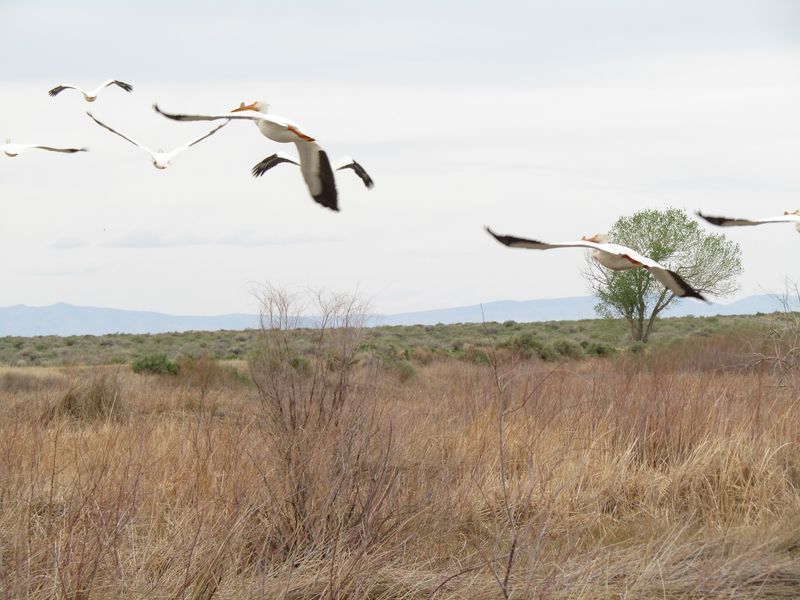
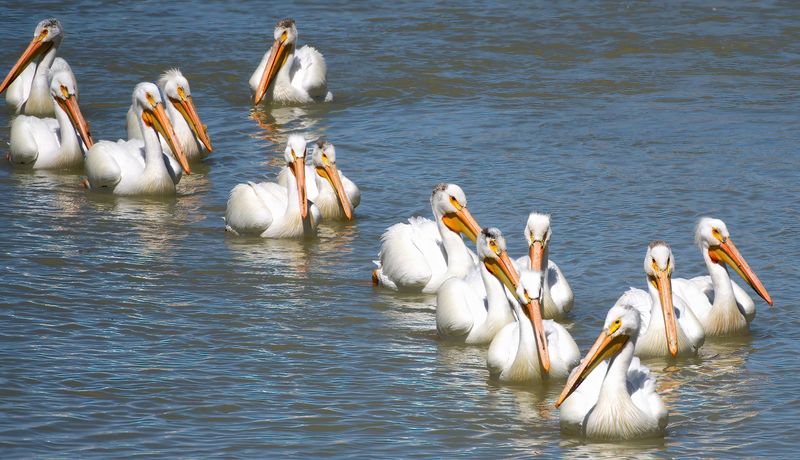
Nothing prepares you for American White Pelicans cruising over sagebrush country. A visitor raised in Florida remarked that they had never seen so many pelicans anywhere, which says something about what this Nevada basin pulls in.
White-faced Ibis gather in remarkable numbers as well, and one birder described a field packed with hundreds of them, their bodies catching a coppery sheen in the sun. Herons stalk the shallows nearby with that patient, statue-still posture.
Duck variety keeps scopes busy. Northern Pintails, Redheads, Ruddy Ducks, and assorted grebes and geese share the water, while Long-billed Dowitchers and Dunlins probe the mudflats for anything edible.
Songbirds fill in the gaps. Yellow-headed, Red-winged, and Brewer’s Blackbirds cling to cattails, and swallows build colonies under shelters by the dozens.
One family counted somewhere between 50 and 75 swallow nests in a single spot and found the whole operation entertaining to watch.
Spring visits bring ducklings paddling behind their parents, proof this is more than a waypoint for many species.
Nevada’s Biggest Winter Gathering Of Bald Eagles
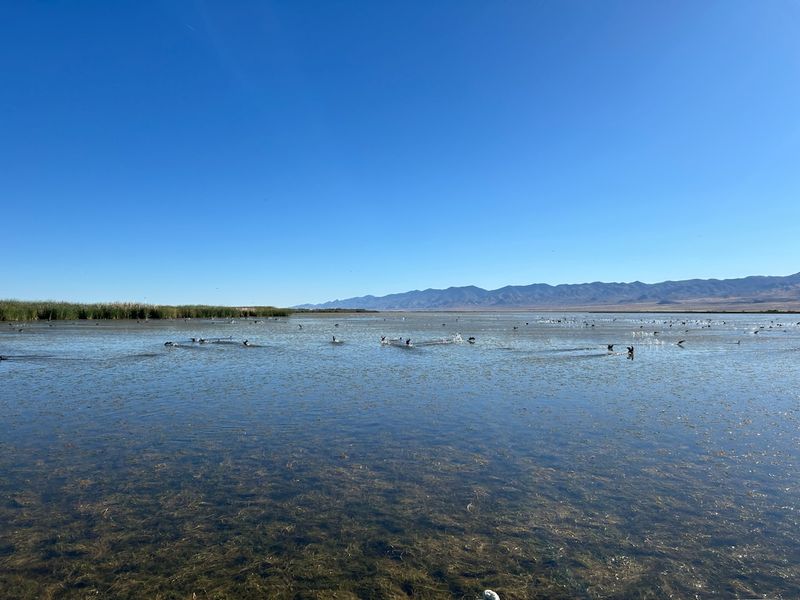
Come winter, the refuge takes on a different reputation entirely. It hosts Nevada’s largest wintering population of Bald Eagles, which perch along the marsh edges and watch the waterfowl below with obvious professional interest.
Eagles are not the only raptors making the trip. Golden Eagles patrol the drier uplands, Rough-legged Hawks arrive from the far north, and Prairie Falcons cut low across open ground at speeds that make them hard to follow.
Raptor watching rewards patience more than luck. Scan fence posts, utility poles, and the tallest snags along the water, then wait; birds that sit motionless for twenty minutes can suddenly put on a show.
Cold mornings out here run sharp, with wind moving unobstructed across the flats. Layers and a thermos turn a chilly wait into something genuinely pleasant.
For retirees who prefer birding from a heated vehicle, winter may be the most comfortable season of all. Roll down a window, rest binoculars on the door frame, and let the eagles come to you.
Driving The Auto Tour Route
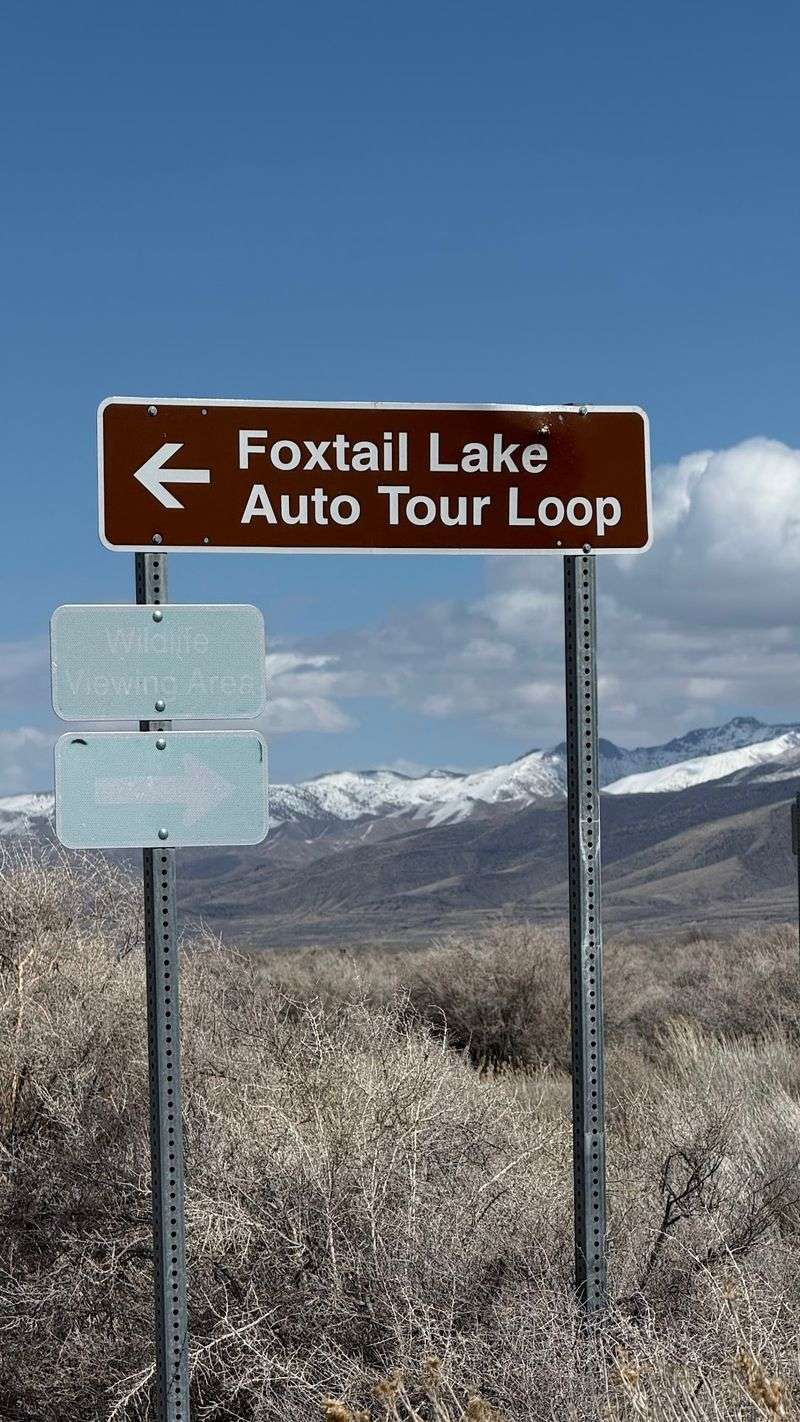
An auto tour route threads through the refuge, and it solves a problem a lot of visitors have: covering ground without covering miles on foot. Your vehicle doubles as a mobile blind, since birds tend to tolerate cars far better than people walking toward them.
One longtime visitor who has known the area since the late 1970s said the drive-through tour takes under an hour at a relaxed pace. Stretch that to two or three hours if you stop at every turnout, which most birders eventually do.
Road surfaces vary. Sections turn rough and washboarded, though one visitor pointed out that the bumps force you to slow down enough to actually notice what is around you.
Wet weather changes everything. Dirt roads in the Lahontan Valley can turn slick and rutted after rain, so checking conditions before you leave home saves headaches.
Interpretive trails and boardwalks supplement the driving route for anyone wanting to stretch their legs, and visitors describe the walking as easy rather than strenuous.
Silence, Sunsets, And Room To Breathe
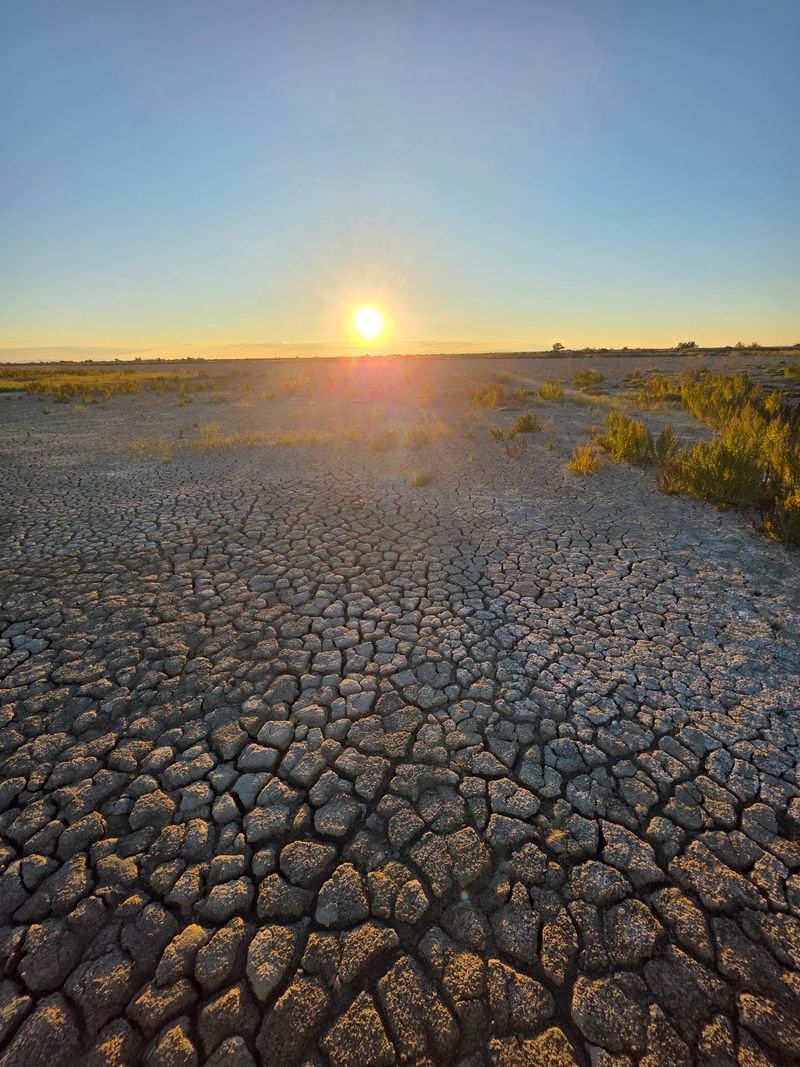
Quiet is the word that surfaces again and again from people who spend time here. One visitor called it incredible silence amid nature, and out on the flats with no traffic hum, that is close to literal.
Sunsets earn their own fan base. The wide desert sky over open water throws color across the marsh in a way that keeps photographers rooted to one spot until the light finally goes.
Crowds are rarely an issue. Guests describe the refuge as peaceful and off the beaten path, which suits anyone who finds busy parks exhausting.
Families do well here, too. Packing a picnic and making an afternoon of it comes up repeatedly, and kids who lose interest in distant ducks usually perk up when swallows swoop overhead.
Fair warning about expectations: water levels fluctuate, and a few visitors have arrived during dry stretches to find far fewer birds than they hoped. Fall migration greatly improves your odds, but nature keeps its own schedule regardless of your plans.
What It Costs And How To Get There
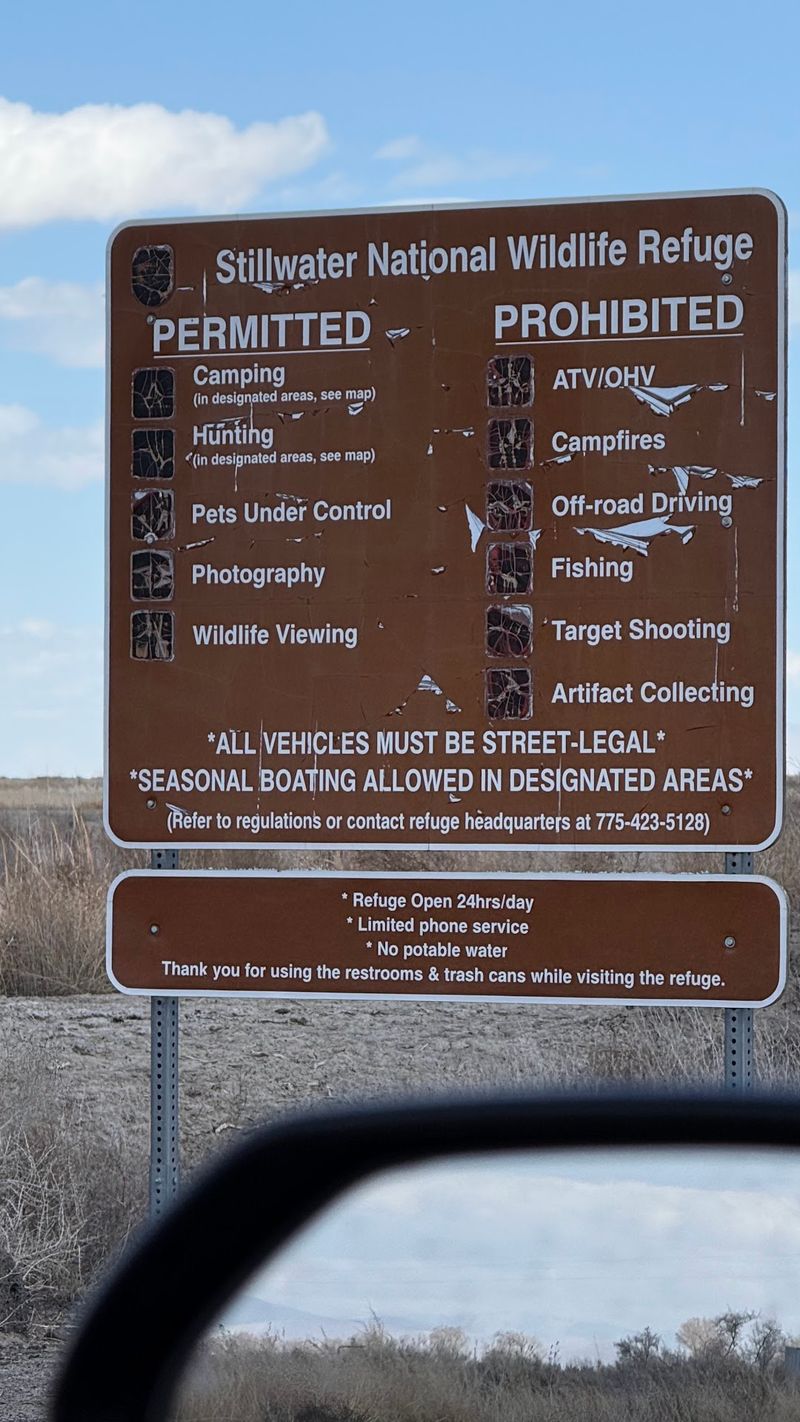
Zero dollars. That is the entry fee, which makes the refuge one of the more budget-friendly outings in western Nevada for anyone watching a fixed income.
Gates stay open around the clock, every day of the week, so sunrise birders and sunset photographers both get their window. Fallon sits roughly an hour east of Reno on US-50, and the refuge lies east of town along Stillwater Road.
Facilities are basic. Pit toilets serve designated camping areas, though some visitors report finding them poorly maintained, so plan accordingly and pack your own supplies.
Cell service is unreliable out in the valley, which means downloading maps ahead of time is a smart move. Carry more water than you think you need, plus snacks, sunscreen, a hat, and insect repellent, especially in warmer months.
Road access can change with weather, so checking conditions before driving out is worth the few minutes. A family of four can realistically spend an entire afternoon here for the price of gas and a cooler of sandwiches.
Worth The Drive For Patient Eyes
Realistic expectations matter more here than at most destinations. Show up without binoculars, during a dry spell, in the middle of a hot afternoon, and you may leave wondering what the fuss was about; one honest visitor admitted exactly that.
Time your trip well and the experience flips completely. Autumn mornings bring waves of migrating waterfowl, cooler air, thinner bug pressure, and light that makes the whole valley glow.
Nearly 400 wildlife species call the refuge home beyond the birds, including mule deer, coyotes, bobcats, and assorted reptiles sunning themselves on warm gravel. Spotting any of them is a bonus rather than a guarantee.
What keeps people coming back is the improbability of it all. Pelicans and herons paddling around a Great Basin marsh genuinely surprises first-timers, and several say they returned within the same year.
Pack a lunch, fill the water bottles, charge the camera, and give yourself half a day. For no admission cost whatsoever, this corner of Churchill County delivers more wings per mile than almost anywhere else in Nevada.