
This Hidden Little Grand Canyon In Alabama Offers Breathtaking Views You Won’t Believe Are Real
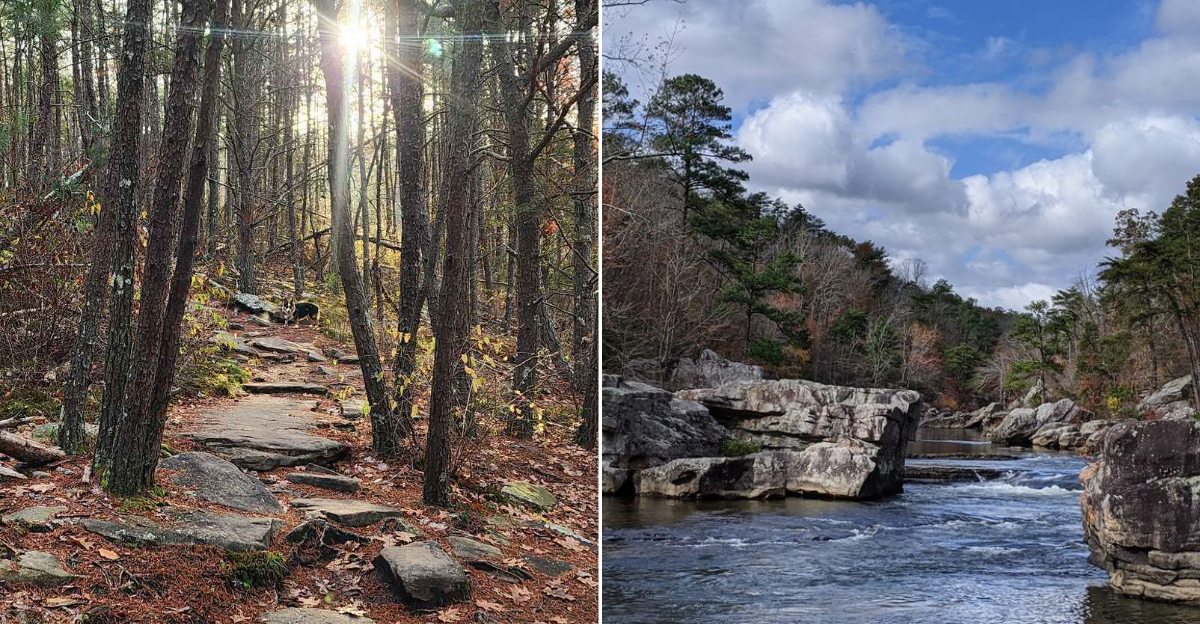
Not every trip needs to be measured by cost; some are better measured by the memories they create instead. This Alabama canyon offers exactly that kind of experience, with views that feel almost impossible to believe are real.
Layers of red, orange, and pink soil stretch across the landscape, carved slowly through decades of natural erosion. Trails wind along the edges, offering views that shift dramatically depending on the time of day.
Photographers chase specific hours of light, knowing exactly when colors deepen into something almost surreal. Visitors unfamiliar with the area often stop mid-hike, surprised that something this dramatic exists in Alabama at all.
Erosion continues shaping the canyon slowly, meaning the landscape never looks quite the same twice. This canyon proved that some of the most breathtaking views come without any entry fee at all.
Geological Formation And History
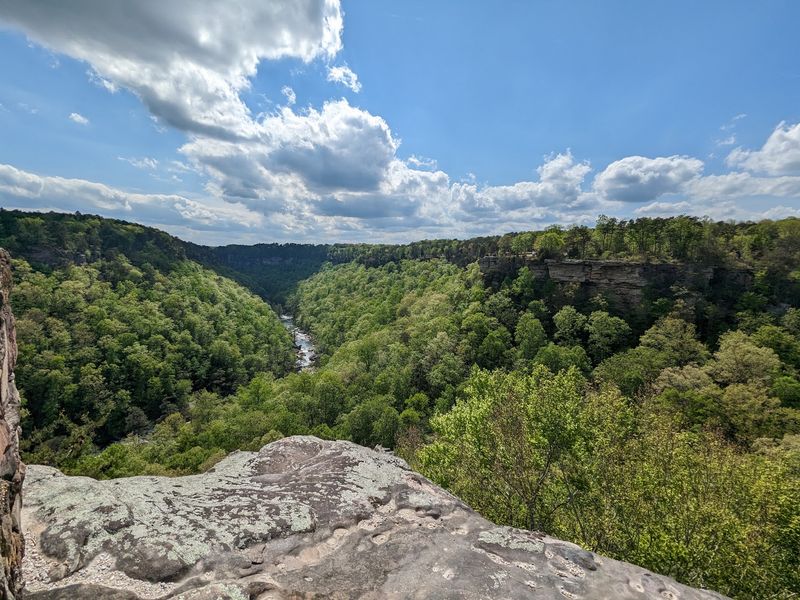
Rivers usually flow through valleys. The Little River decided to be different and carved its canyon along the top of Lookout Mountain instead, which makes it one of the strangest waterways in the country.
Over millions of years, the water sliced through sandstone bedrock, grain by grain. The result is a gorge that plunges more than 600 feet in places, making it the deepest canyon in Alabama and one of the deepest anywhere east of the Mississippi River.
The bigger story goes back further. Geologists connect the whole landscape to the Alleghanian orogeny of the Pennsylvanian-Permian period, a slow-motion continental collision that folded and lifted the southern Appalachians into shape.
Long before the maps used today, the gorge carried a different name. Locals called it May’s Gulf, borrowing a Cumberland Plateau term for a canyon-like cut in the land.
Human history runs just as deep here. Cherokee and Muscogee (Creek) people moved through this region, including during the forced removal known as the Trail of Tears, and those narratives are part of what the preserve protects today.
Congress made it official in 1992, establishing the area as a National Preserve with a mission covering natural, scenic, recreational, and cultural resources.
Exhibits, films, and ranger programs fill in the details at the Little River Canyon Center, located at 4322 Little River Trail #100, Fort Payne, AL 35967.
Wildlife Habitats And Conservation Efforts
Here is a number that surprises people: 147 species of birds have been recorded inside this preserve.
Add 40 kinds of fish, 35 mammals, 28 reptiles, and 28 amphibians, and the place starts sounding less like a park and more like a wildlife apartment complex.
The reason comes down to geography. Two physiographic regions, the Cumberland Plateau and the Gulf Coastal Plain, brush against each other here, creating pockets of habitat that support animals from both worlds.
Black bears have returned to northeastern Alabama in real numbers, and they share the woods with bobcats, river otters, white-tailed deer, and eastern gray squirrels.
After dark, the night shift clocks in: foxes, raccoons, opossums, skunks, and armadillos.
One resident gets special attention. The blue shiner, a small ray-finned fish with a bright blue-green stripe down its side, is federally endangered and favors the clear, slow water of the Little River.
Conservation work here is not limited to animals either. Rangers and researchers monitor rare plants like the green pitcher plant, Harperella, and Kral’s water-plantain, all of which depend on very specific conditions to survive.
Visitors help simply by keeping distance, packing out trash, and staying on trails. Small habits protect creatures most people never even glimpse during a day trip.
Popular Hiking Trails And Difficulty Levels
Not every visitor wants to sweat, and that is fine. The Little River Canyon Rim Parkway, better known as Highway 176, covers 11 miles and delivers eight overlooks without anyone leaving the car.
For an easy stretch of legs, the Azalea Cascade Boardwalk Trail runs about 360 yards to an octagon deck above a natural pool. It works for nearly all ability levels and makes a nice warm-up.
The Little River Falls area is where most people start. A maintained boardwalk and observation deck put the 45-foot waterfall in full view, and that section is wheelchair accessible.
Then things get interesting. The trail heading down to the lower falls runs roughly three-quarters of a mile each way, crossing roots, loose rock, and a stone staircase of well over 130 steps near the bottom.
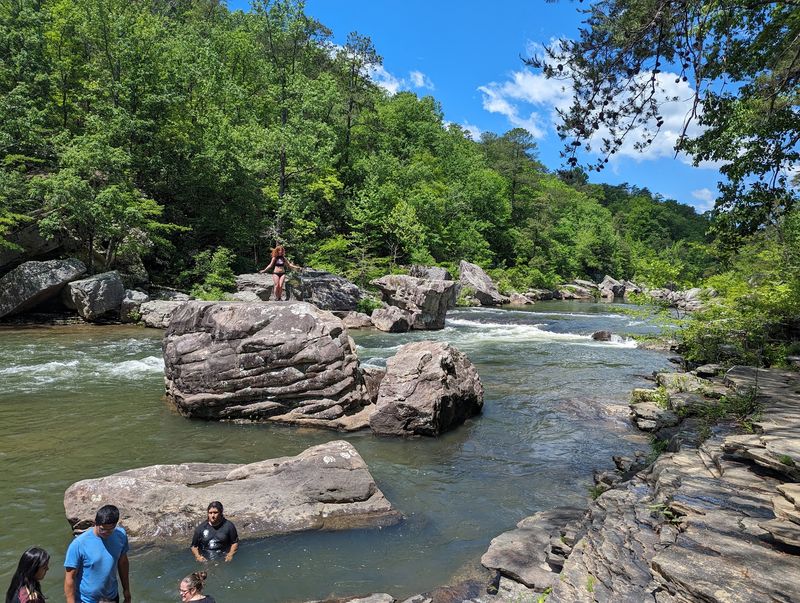
That descent rewards the effort with a wide-open stretch of river, boulders, and swimming water. Getting back up is the part people forget to plan for.
Eberhart Point offers another route into the gorge, though the path is rough and heavily eroded. Sturdy shoes are not a suggestion here; they are basic equipment.
Red rectangle blazes mark the trees along the main route, which keeps navigation simple even for first-timers.
Seasonal Changes And Best Times To Visit
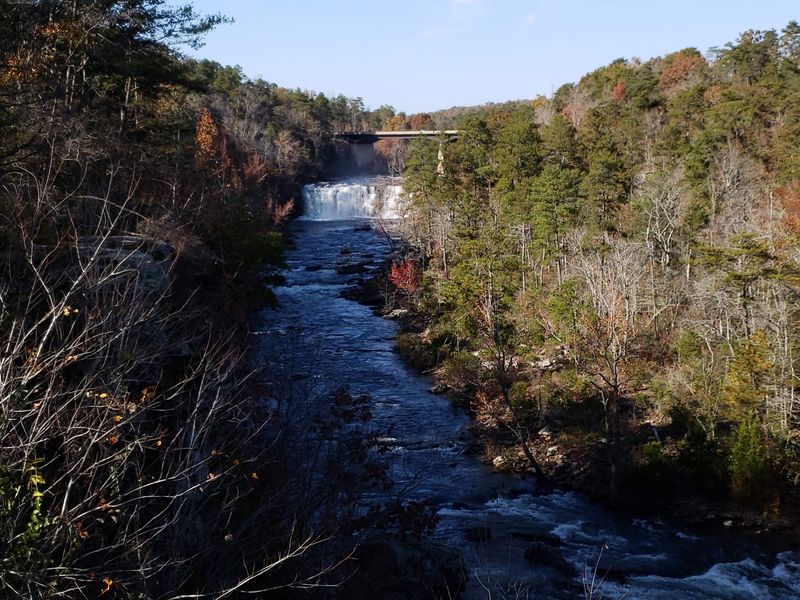
Spring might be the champion season. From March through May, wildflowers explode across the rim, foliage turns electric green, and high water sends the falls thundering.
May stands out especially for blooms. Kayaking season also fires up while the river is running strong, which turns the canyon into a spectator sport.
Summer brings heat and humidity that stick to your shirt. The upside is obvious: swimming holes become the main attraction, and the deeper pools stay refreshingly cold.
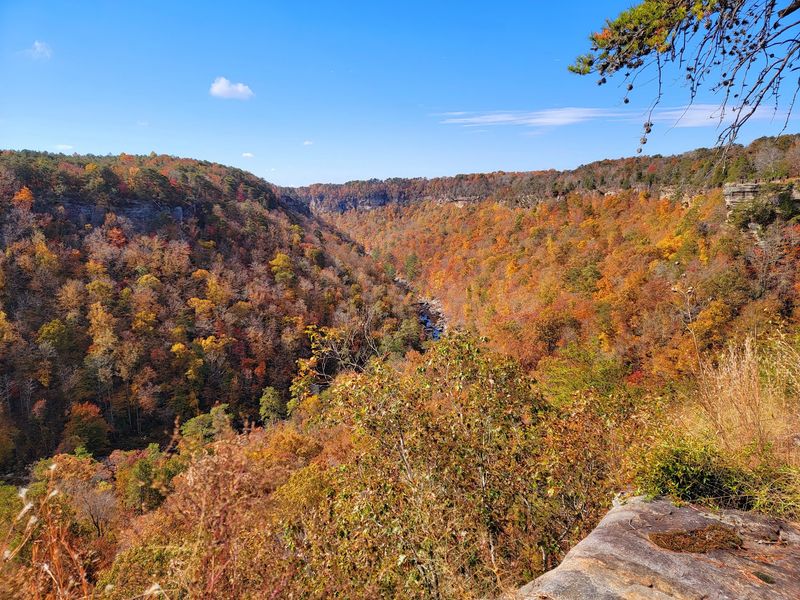
By late October and early November, the canyon walls light up in red, orange, yellow, and gold. Water levels usually drop during fall, so the falls run thinner, but the scenic drive more than compensates.
Cooler air makes autumn hiking far more comfortable too. Overlooks that felt sweltering in July suddenly feel perfect.
Winter is the sleeper pick. Higher water levels return, the waterfalls roar, and expert whitewater paddlers show up for some of the best conditions of the year.
Bare trees also open up sightlines that summer leaves completely block. Canyon walls become visible in ways they simply are not during the growing season, and icicles clinging to rock faces add a strange beauty.
Honestly, there is no wrong month. Each one shows a different version of the same gorge.
Photography Tips For Capturing Scenic Vistas
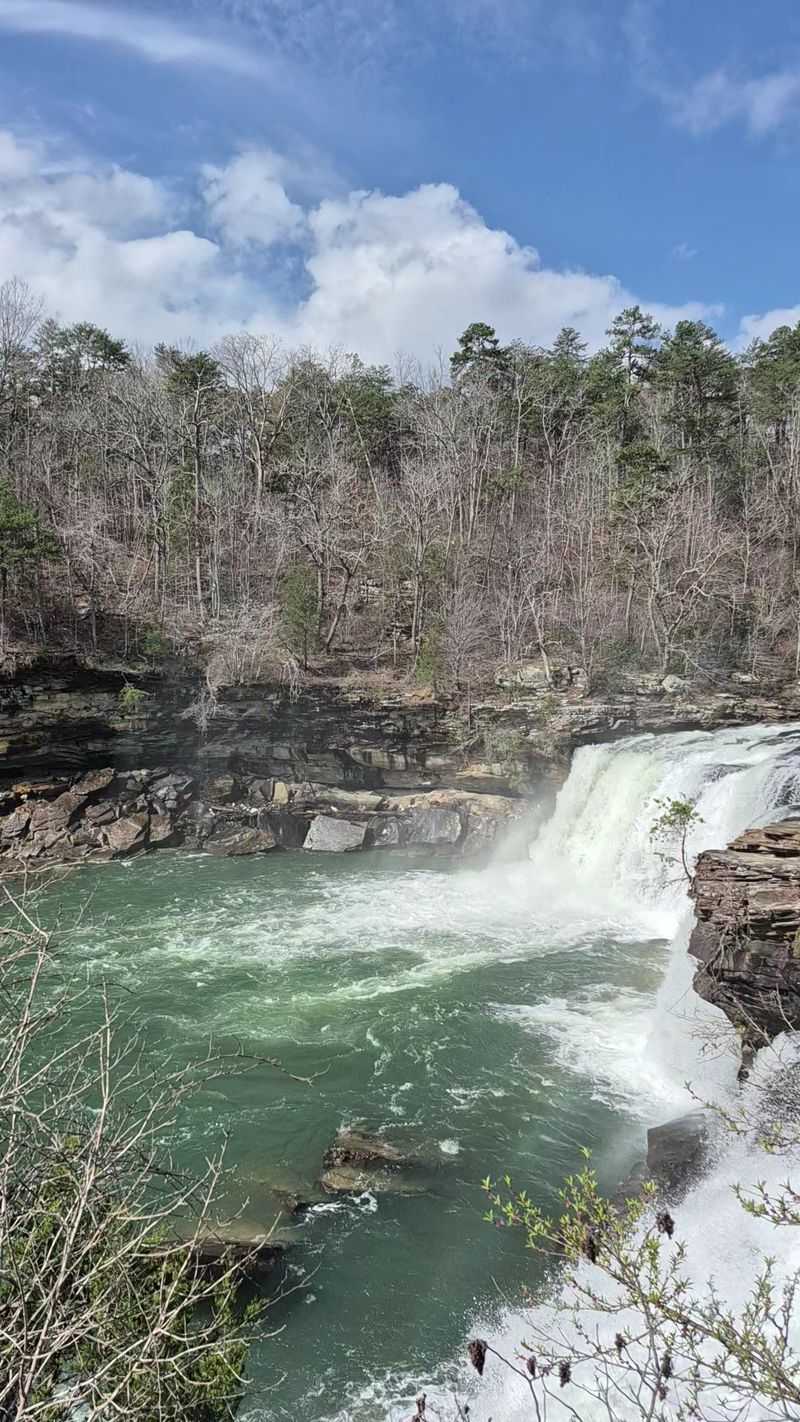
Eight overlooks along an 11-mile road mean eight completely different compositions, and photographers who rush past most of them usually regret it later.
Names worth writing down include Eberhart Overlook, Crow Point, Wolf Creek, Canyon View, Hawks Glide, Mushroom Rock, and Lynn Overlook. Each frames the gorge from a slightly different angle and height.
The Little River Falls Overlook is the easiest win. Short walk, solid railing, and a clear shot of the 45-foot waterfall dropping into the canyon.
Light matters more than gear. Early morning and the hour before sunset soften harsh shadows on the canyon walls and bring warmth to the sandstone.
Season changes the mood entirely. Spring gives lush greenery and heavy water flow, while peak fall color in late October through early November delivers those saturated reds and oranges.
Winter deserves more credit than it gets. Bare branches reveal rock formations, and ice formations along seeps create details you cannot get any other time.
A few practical notes: rocks near the water get slippery fast, so protect your gear and your footing. Cloudy or drizzly days actually help waterfall shots by cutting glare.
Bring a cloth for lens spray near the falls. Mist travels farther than expected.
Safety Guidelines And Visitor Precautions
Beautiful and harmless are two very different things. Water levels in the Little River can rise fast and without warning, so checking conditions before heading down into the gorge is smart planning.
Strong currents, sudden drop-offs, and hydraulics that pull swimmers under all exist here. Nobody should swim alone, and personal flotation devices are a genuinely good idea.
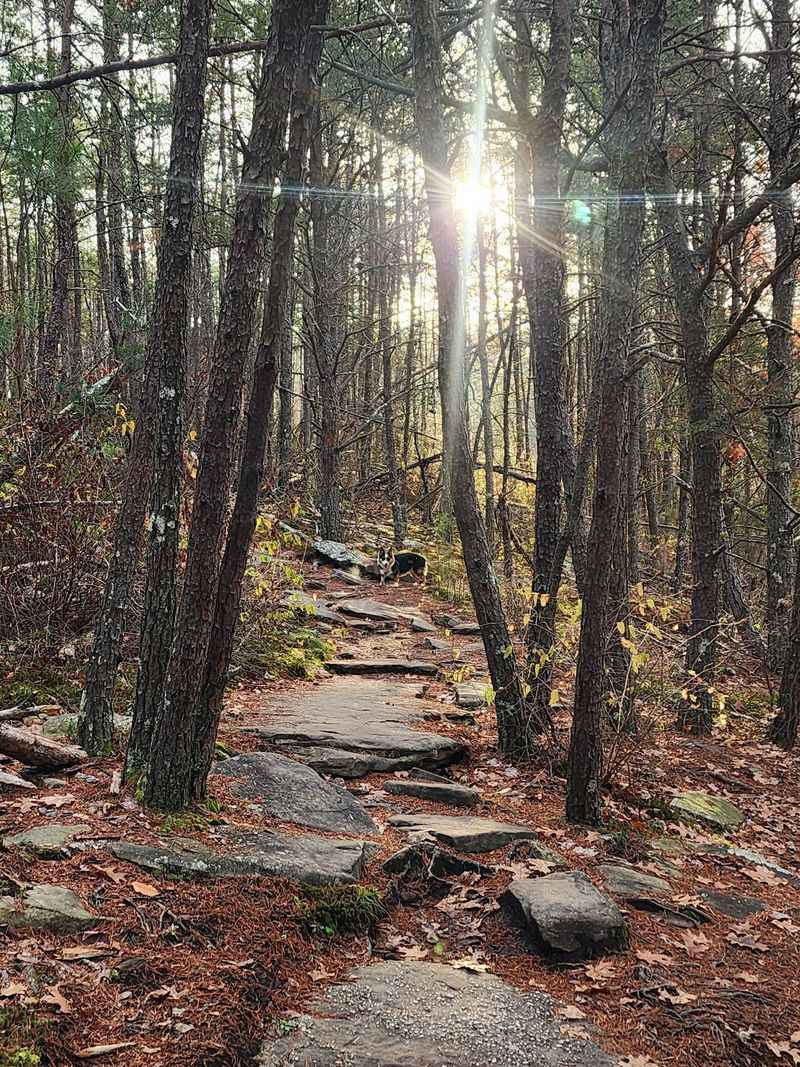
Footwear ranks high on the list of things people get wrong. Trails include steep grades, loose gravel, and slick wet rock, and flip-flops have ruined plenty of afternoons.
Cliff edges deserve respect. Staying behind railings at overlooks and on marked trails prevents the kind of accident that no view is worth.
Cell service is unreliable across much of the preserve, especially deep inside the canyon. Telling someone your route and expected return time costs nothing.
Wildlife requires a little awareness too. Rattlesnakes, copperheads, and cottonmouths live here, and poison ivy shows up as a vine, a shrub, and a ground cover, so learning to spot it pays off.
Carry more water than you think you need, especially in summer humidity. Snacks help on the climb back up those stone steps.
Pack out everything you bring in. Rangers are friendly and happy to answer questions before you set out.
Flora Diversity And Unique Plant Species
Botanists get genuinely excited about this canyon, and for good reason. Thousands of plant species grow here, including a long list of rare, threatened, and endangered ones.
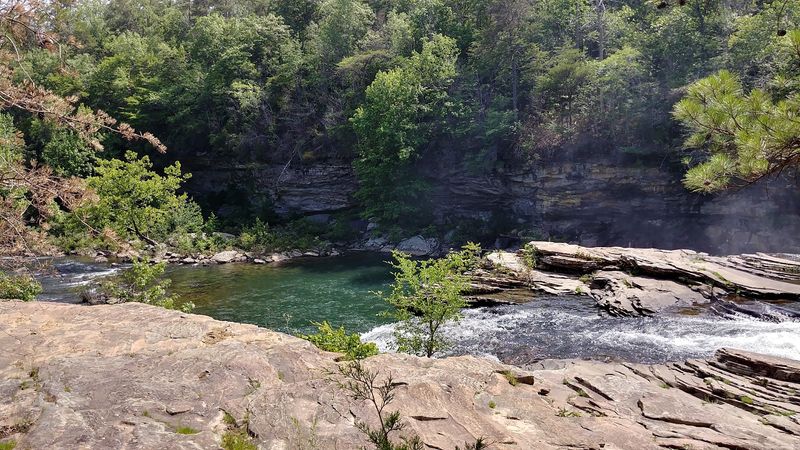
Credit the overlapping regions again. Where the Cumberland Plateau meets influences from the Gulf Coastal Plain, tiny microhabitats form on wet ledges, dry bluffs, bogs, and seasonal pools.
The federally endangered green pitcher plant grows in moist upland bogs near the rim, quietly trapping insects in its tube-shaped leaves. Harperella, a slender perennial herb, prefers rocky spots where water moves fast.
Other standouts read like a naturalist’s wish list. Kral’s water-plantain, yellow sunnybell, Appalachian sandwort, Menges’ fameflower with its succulent leaves, and Elf Orpine, a winter annual that appears in shallow seasonal pools.
One plant carries the canyon’s own name. The Little River Onion is endemic to this region, meaning it grows nowhere else on Earth.
Beyond the rarities, the everyday scenery holds up. Thick hardwood and pine forests cover the slopes, with ferns, mosses, and grasses filling every damp corner.
Wildflower season stretches remarkably long, from late February all the way into November. That means almost any visit lands during something blooming, if you slow down enough to look.
Nearby Attractions And Outdoor Activities
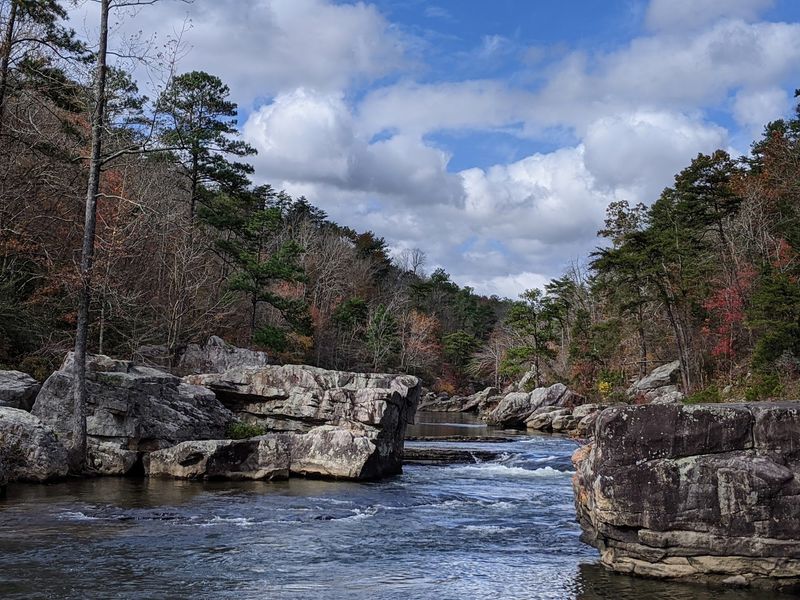
Whitewater paddlers treat this river as a serious destination, especially in winter and spring when the water runs high and the rapids turn technical.
Anglers have their own reason to show up. Redeye bass are a local favorite, joined by largemouth bass, spotted bass, sunfish, and catfish in various stretches of water.
Climbers and rappellers find plenty of sandstone to work with. The rock walls that make the canyon photogenic also make it a legitimate vertical playground.
Right next door sits DeSoto State Park, which adds more trails, waterfalls, and viewpoints to any weekend itinerary. Combining the two makes for a full and satisfying trip.
Bird watching stays productive year-round given those 147 recorded species. Horseback riding and regulated hunting in designated Wildlife Management Areas are also part of the picture.
Picnic tables, restrooms, and a playground near the main area make family visits easier than expected.
Now for the strangest piece of local lore. Stories circulate about Littlefoot, a family of monkeys that supposedly escaped a former petting zoo nearby and took up residence in the woods, allegedly swiping snacks from unsuspecting visitors.
True or not, it is the kind of legend that makes a canyon feel even more alive.