
This Louisiana Smokehouse Serves Barbecue So Good There Is A Line Out The Door By 11 A.M.
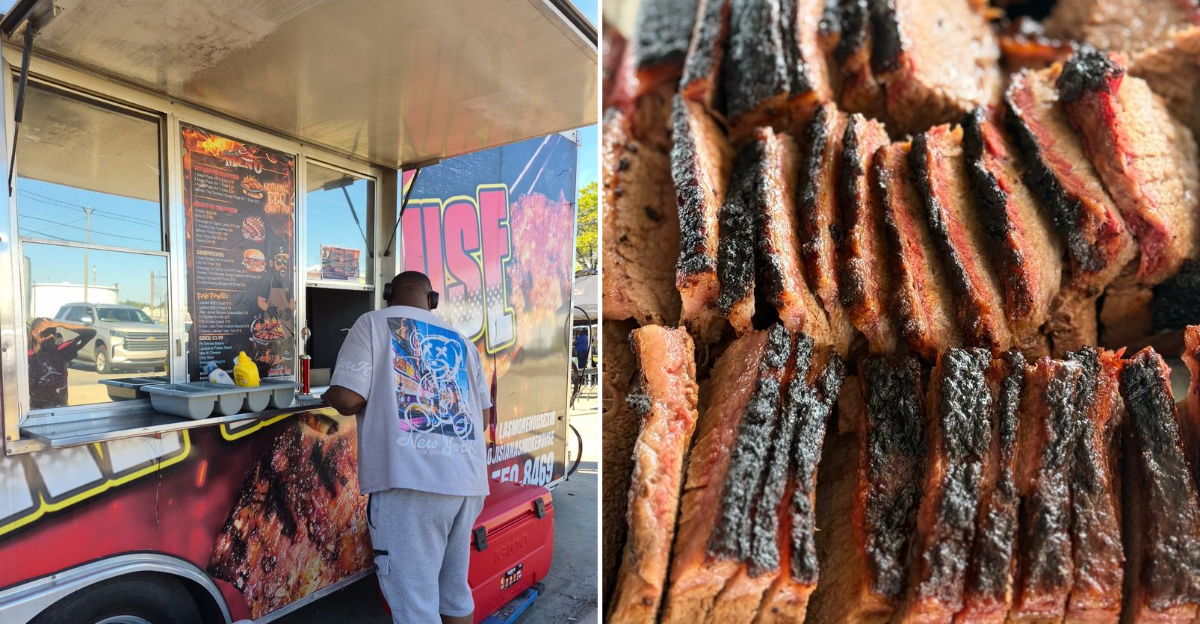
These places can rightfully be called the kings of well prepared meat. Lines forming before lunch even officially starts say more about barbecue than any review ever could, and this Louisiana smokehouse proves that point every single day.
Smoke gets applied low and slow, the same traditional way it always has been here. Regulars arrive early on purpose, knowing exactly what happens to certain cuts once the lunch rush actually begins.
Nothing about the process gets rushed just to keep up with growing demand. Portions stay generous despite the crowd, never scaled back to move people through faster.
Visitors driving from well beyond the immediate area plan their arrival around beating the line. This smokehouse proved that sometimes the best barbecue requires patience before the first bite even happens.
Understanding Regional Barbecue Styles
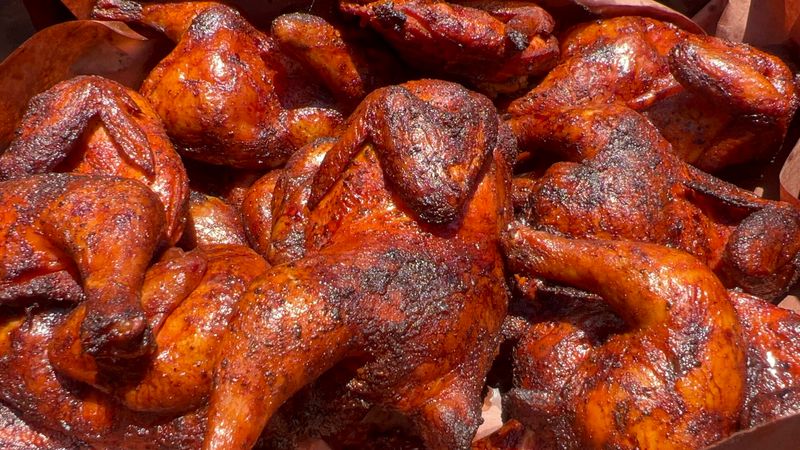
American barbecue is not one thing. It is a whole conversation happening across four major regions, and each one has strong opinions about how it should be done.
Kansas City, Carolina, Memphis, and Texas all bring something different to the table.
Louisiana Smokehouse on Jewella Ave in Shreveport sits in a region that borrows from multiple traditions. The South has deep roots in slow-cooked pork and beef.
Carolina style leans heavily on pork cooked over hardwood, while Texas is all about brisket and bold smoke rings.
What makes Louisiana barbecue interesting is how it absorbs those influences and adds its own seasoning culture. Spice profiles here tend to be bolder.
The smoke is heavier. The sauces carry more personality.
Louisiana Smokehouse reflects that regional pride with every plate it puts out.
Knowing your regional styles helps you appreciate what you are eating. When you pull up to 5108 Jewella Ave, Shreveport, LA 71109, you are not just grabbing lunch.
You are tasting a tradition that has been argued over, perfected, and passed down for generations. That context makes every bite more meaningful.
Selecting The Perfect Cuts Of Meat
Not every cut of meat was built for the smoker. Picking the right one is half the battle, and the wrong choice can ruin hours of hard work.
Fat content is the real deciding factor when it comes to smoking success.
Pork shoulder, ribs, and brisket are the heavy hitters for a reason. They all carry enough fat to survive long cooking sessions without turning dry and tough.
That fat slowly renders down during the smoke, keeping the meat moist from the inside out.
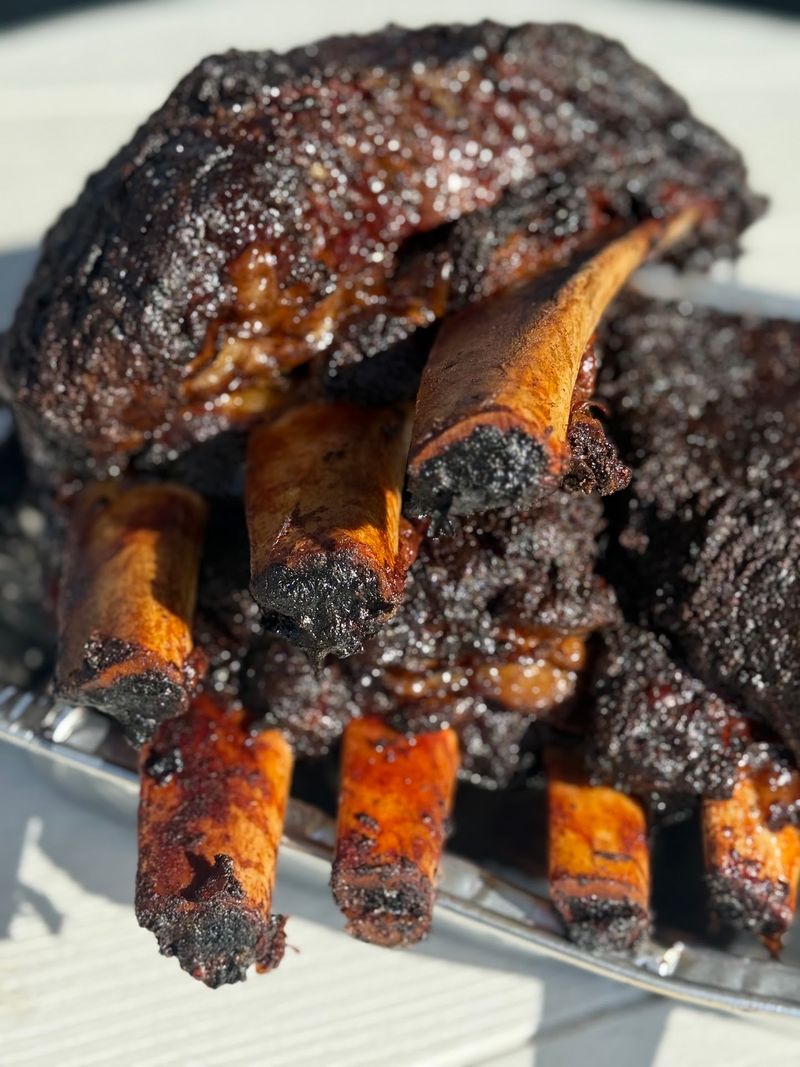
Louisiana Smokehouse knows this well. Their rib plates and brisket are among the most talked-about items on the menu.
Ribs get mentioned constantly by people who visit, and the brisket has its own loyal following among regulars who make the drive specifically for it.
Fatty cuts reward patience. The longer you cook them at low temperatures, the more the connective tissue breaks down into something tender and rich.
Leaner cuts like chicken breast can dry out fast without careful attention. That is why the best pitmasters always start with the right cut before anything else.
Choosing well at the beginning sets the entire cook up for a satisfying result that people will talk about long after the plates are cleared.
Mastering Wood Smoke Techniques
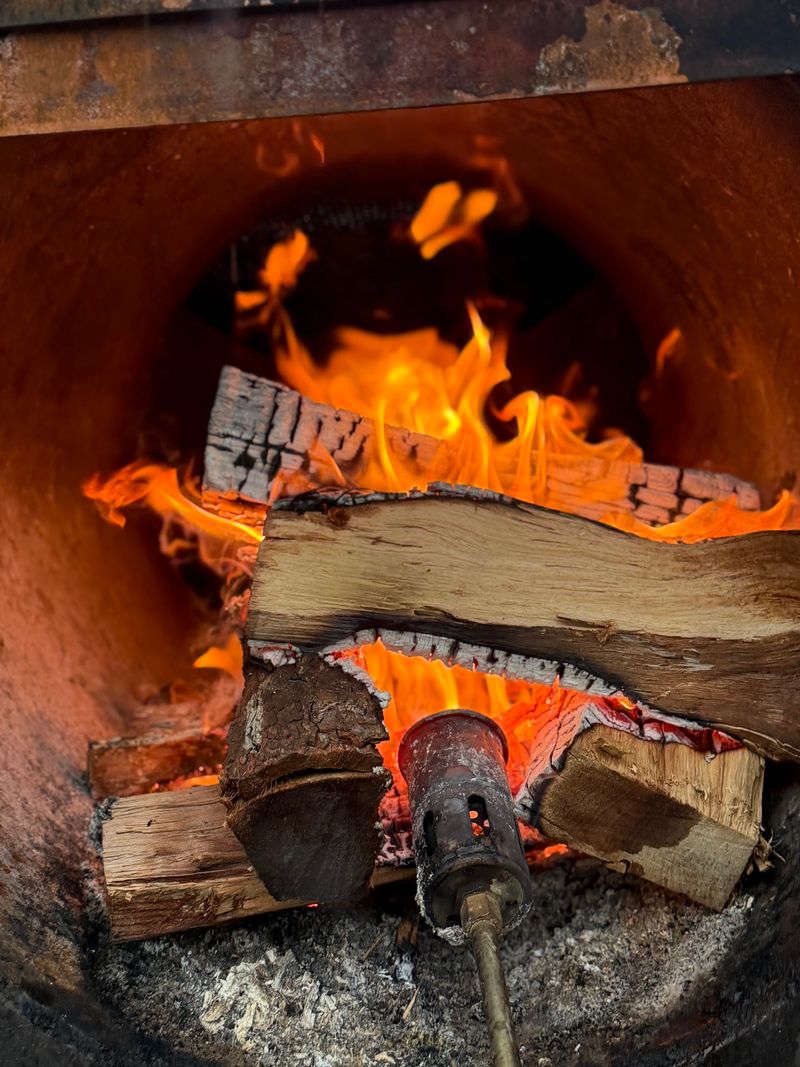
Wood choice changes everything in barbecue. Two pitmasters using the same cut of meat can produce completely different results just by switching up the wood.
The smoke is not just heat. It is flavor.
Mild woods like cherry and apple work beautifully with poultry, pork, and fish. They add a subtle sweetness without overwhelming the meat.
Heavier woods like hickory and oak bring a more assertive, earthy smoke that pairs perfectly with beef brisket and thick-cut ribs.
Louisiana Smokehouse operates as a food truck setup, which means the smoker is front and center in the whole experience. You can often smell it before you even park.
That smoke presence is not an accident. It is the result of deliberate wood selection and fire management that takes real skill to pull off consistently.
Managing airflow, temperature, and wood feed throughout a long cook is genuinely difficult. Too much wood creates bitter, acrid smoke that ruins the meat.
Too little and you lose the depth of flavor that makes smoked barbecue worth waiting for. The best pitmasters treat their smokers like instruments.
Every adjustment matters. Getting the wood technique right is what separates a good barbecue spot from one that has people lining up before 11 AM just to get a plate before it sells out.
Creating Signature Dry Rubs And Sauces
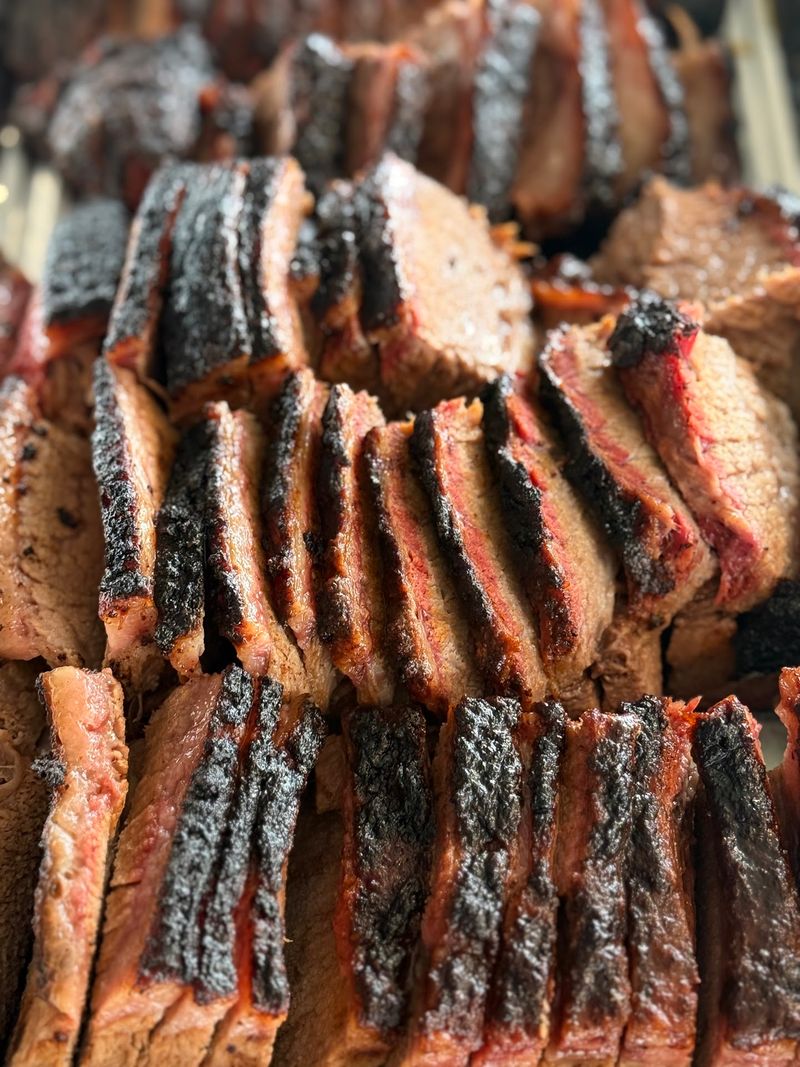
A dry rub is the first layer of flavor a piece of meat receives, and it sets the tone for everything that follows. The spice blend has to be balanced.
Too much sugar burns on the smoker. Too much salt pulls moisture out too fast.
Classic rub ingredients include paprika, garlic powder, onion powder, brown sugar, and salt. From there, pitmasters add their own personality with cayenne, cumin, chili powder, or mustard powder.
Each addition shifts the flavor profile in a different direction.
Louisiana Smokehouse has developed a sauce that people keep bringing up in conversation. It is described as thick, not runny, with a sweet base and a noticeable kick at the finish.
That balance is harder to achieve than it sounds. A sauce that is too sweet gets cloying.
One that is too spicy drowns out the smoke.
The best rubs and sauces work together without competing. The rub builds a crust on the outside of the meat during the cook.
The sauce comes in at the end to add moisture and brightness. When both are made from scratch with care, the result is a plate of barbecue that does not need any explanation.
It speaks clearly the moment you take your first bite and reach for a second piece before finishing the first.
Slow Cooking And Smoking Time Importance
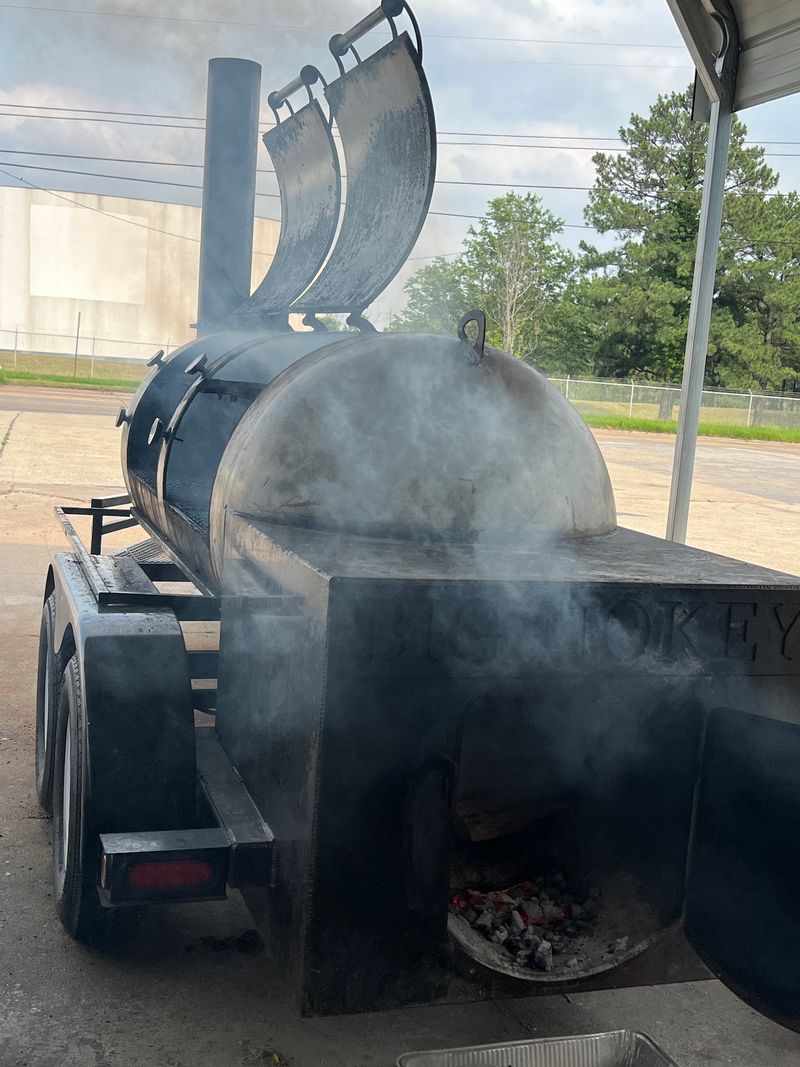
Speed is the enemy of great barbecue. Rushing a smoke is how you end up with meat that is tough on the outside and underdone in the middle.
Low and slow is not just a phrase. It is the entire philosophy.
Cooking at low temperatures for extended periods allows the collagen in tough cuts to break down gradually into gelatin. That transformation is what makes ribs fall off the bone, and brisket pull apart with almost no effort.
No shortcut replicates this process.
Louisiana Smokehouse opens at 11 AM Tuesday through Saturday. The fact that people are already lined up at opening time tells you something important.
The pitmaster is not starting the smoker at 10:30 AM. That meat has been cooking for hours before the first customer walks up to order.
Patience in barbecue pays off in a way that is almost unfair to fast food. The wait during the cook is invisible to the customer, but the result is immediately obvious in the texture and juiciness of the meat.
Smoking at low heat also prevents the outside from drying out before the inside has a chance to catch up.
When you bite into a rib that practically slides off the bone, you are tasting the reward of hours of careful, unhurried cooking done right from the very start.
Pairing Barbecue With Complementary Sides
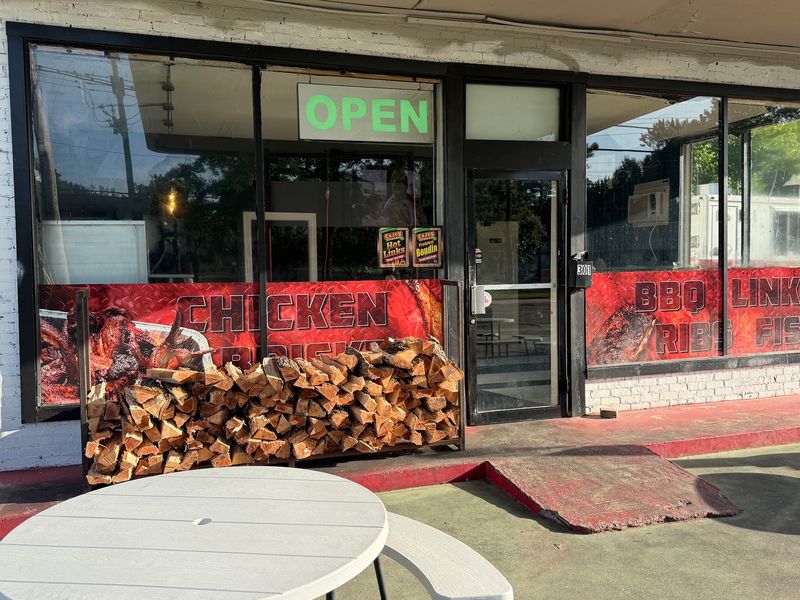
Barbecue without the right sides is like a road trip without a playlist. The meat is the main event, but the sides carry the whole experience together into something complete.
Getting the pairing right matters more than most people realize.
Classic choices like potato salad, coleslaw, baked beans, and mac and cheese exist for good reason. They balance the richness of smoked meat with creamy, tangy, or starchy contrast.
Each side plays a different role on the plate.
At Louisiana Smokehouse, the sides get mentioned almost as often as the meat. The potato salad and baked beans show up repeatedly in conversations about the place.
The mac and cheese is a point of discussion too. When it is made well, it is a standout.
Creamy, not rubbery, with real cheese flavor that holds up next to bold smoked ribs.
The Sweep the Smokehouse plate gives you a full picture of what this spot can do. You get multiple meats alongside the sides, and the combination is intentionally filling.
People report not being able to close the container because it is packed so thoroughly. A well-chosen side dish does not compete with the barbecue.
It gives your palate a brief reset between bites of smoky, spice-rubbed meat so that every piece tastes as good as the first one you tried.
Tips For Achieving Tender Juicy Meat
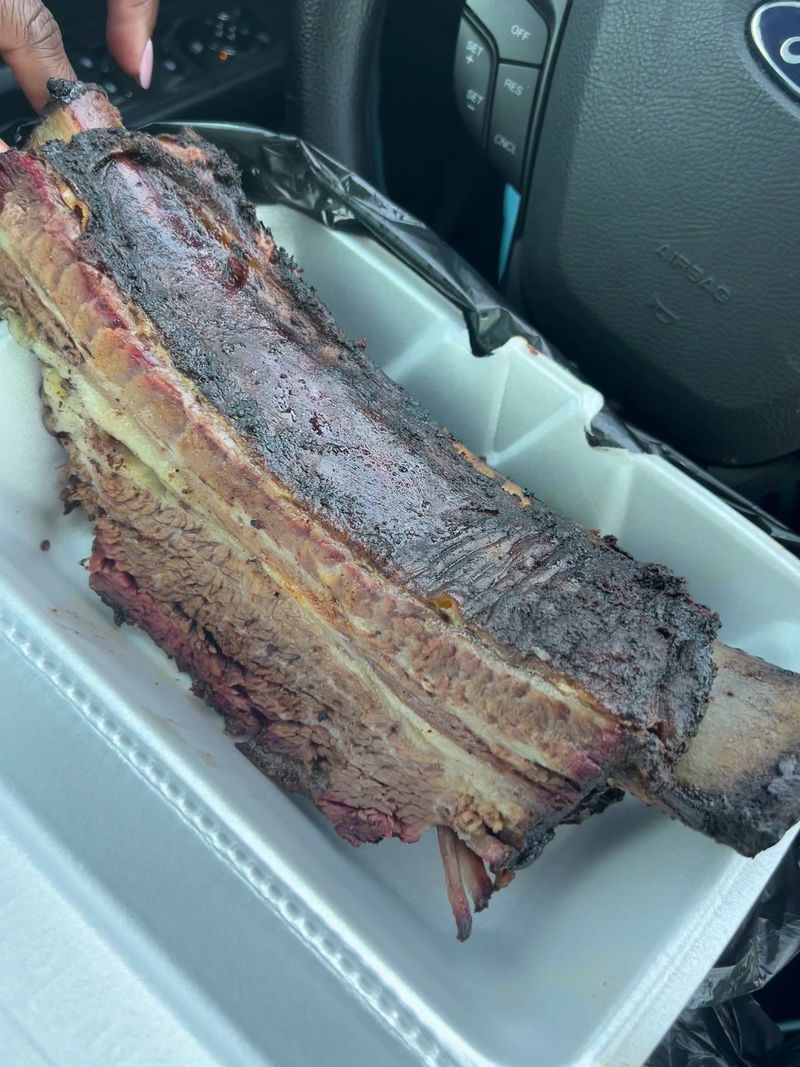
Tender, juicy barbecue does not happen by accident. It is the result of several decisions made correctly in sequence.
Miss one step and the whole cook can fall apart before it ever reaches the plate.
Starting with a quality dry rub is essential. The rub creates a moisture barrier on the surface of the meat.
As the meat cooks slowly, that crust holds in the natural juices while the spices deepen in flavor from the heat and smoke.
Low and slow cooking is the foundational rule. Pushing the temperature too high, too fast, causes the muscle fibers to contract quickly and squeeze out moisture.
Once that moisture is gone, there is no bringing it back. The meat ends up chewy and dry regardless of how good the seasoning is.
Resting the meat after it comes off the smoker is a step that often gets skipped in busy operations. Letting it sit for even fifteen to twenty minutes allows the juices to redistribute evenly throughout the cut.
Slice it too soon, and all that liquid runs straight onto the cutting board. Louisiana Smokehouse puts out ribs that people describe as melting in the mouth, which means the whole process is being handled with real attention to detail.
That kind of result only comes from a pitmaster who respects every single step of the cooking process without cutting corners anywhere along the way.
Exploring Traditional Barbecue Celebration
Barbecue in America carries a cultural weight that goes far beyond the food itself. It has always been about gathering, community, and sharing something made with time and intention.
The roots of American barbecue trace back to indigenous groups in the Caribbean, which makes it one of the oldest cooking traditions on the continent.
Summer cookouts, church fundraisers, neighborhood block parties, and family reunions all center around the smoker. Barbecue is the universal language of celebration in the American South.
It brings people together across generations without needing a formal invitation.
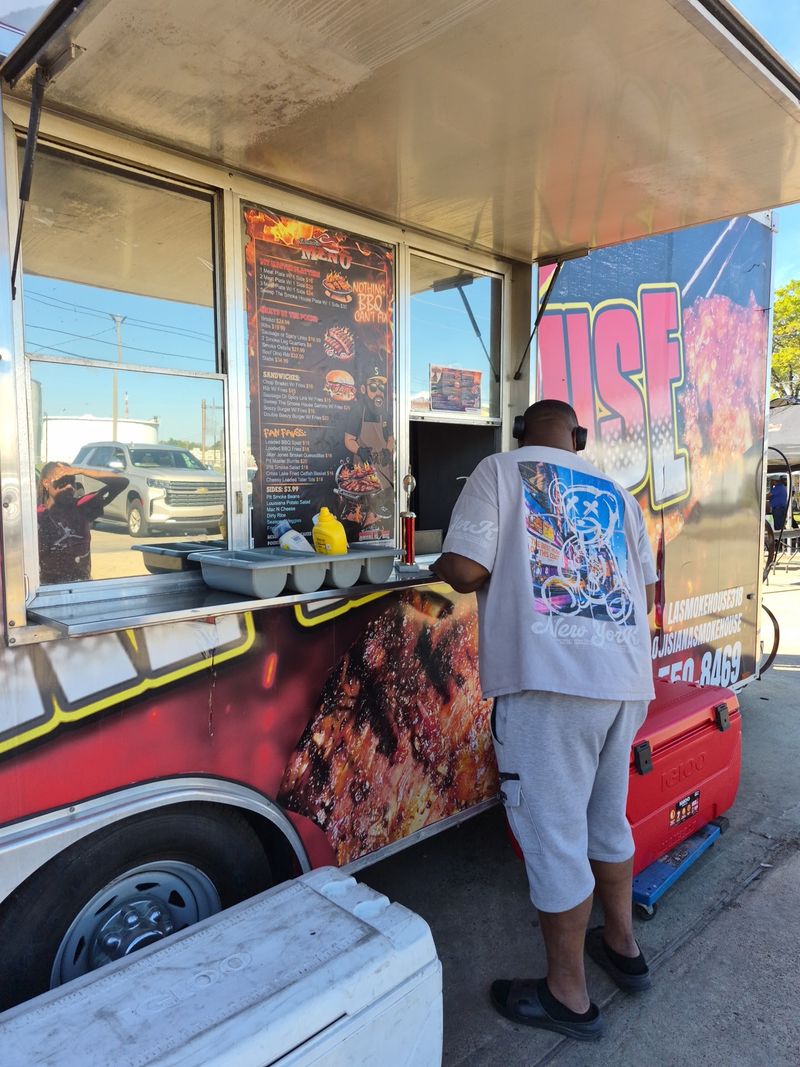
Louisiana Smokehouse taps into that tradition every time it opens. The food truck setup creates an informal, communal atmosphere.
People stand in line and end up talking to strangers. They compare plates and swap recommendations on what to order.
That social energy is part of what makes the experience feel bigger than just a meal.
The place is Black-owned and community-rooted, which adds another layer of meaning to every plate served. Supporting a local business that is genuinely invested in its neighborhood is its own kind of celebration.
When you pull up to Jewella Ave on a weekday and see a line already forming at 11 AM, you are watching a living barbecue tradition play out in real time. That is not just lunch.
That is culture, history, and community all showing up hungry at the same address together.