
This Massive Indiana Lake Has Become A Haven For Large Numbers Of Snakes
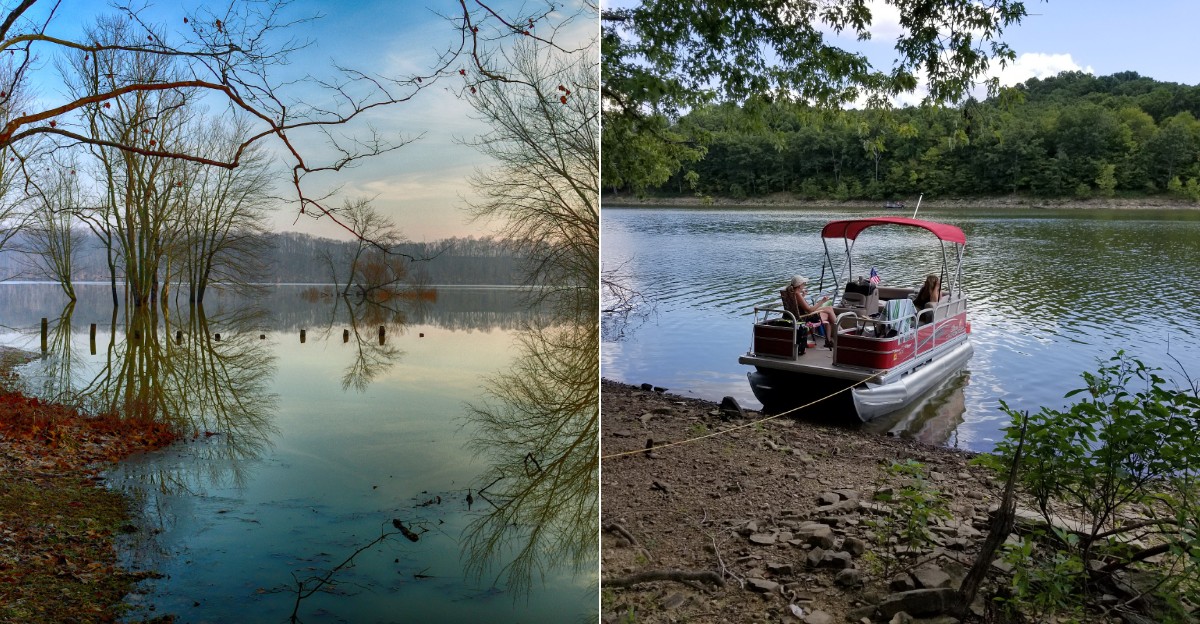
A lake this big hides more than open water. Something with scales calls these shorelines home too.
Warm rocks and shallow coves turn out to be prime real estate for snakes. Ever watched one glide silently across a quiet cove?
Most of them want nothing to do with you. Watch from a distance and the whole scene turns fascinating instead of scary.
Boats drift past wooded shorelines while kayaks slip into shady inlets. Limestone bluffs glow gold in the late afternoon light.
Trails wind through thick forest, and a story-worthy oak tree waits at the end of one. Sturdy shoes make the walk easier.
Curiosity pays off at a lake like this one. Slow down in Indiana, and the shoreline will do the rest.
Indiana’s Biggest Inland Water Giant
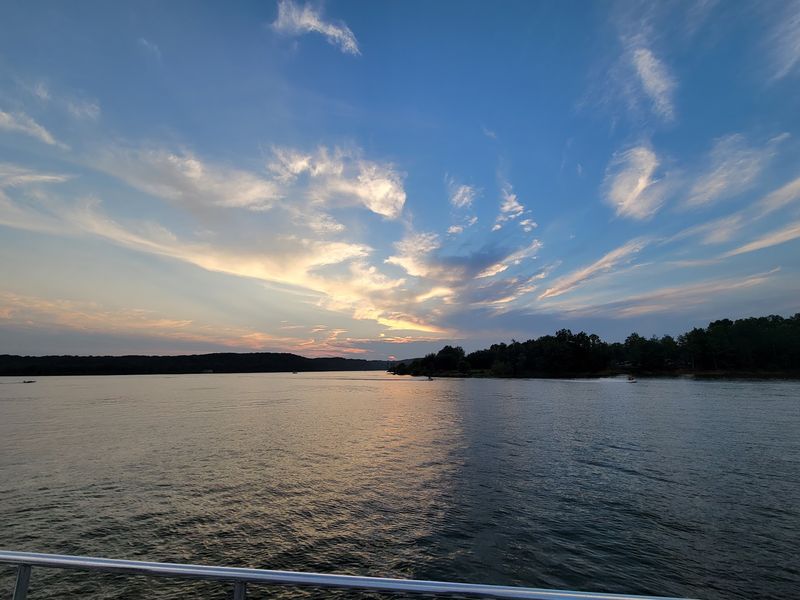
Monroe Lake, also called Lake Monroe, is the largest inland lake in Indiana by surface area. It covers more than 10,700 acres and spreads across Monroe and Brown counties in the south-central part of the state.
The lake sits roughly 10 miles southeast of Bloomington. The U.S.
Army Corps of Engineers built it between 1960 and 1965, mainly for flood control and drinking water for nearby communities.
What began as an engineering project turned into one of the most loved outdoor playgrounds around. Thousands of acres of protected forest wrap around the shoreline, including a large chunk of the Hoosier National Forest.
On the south shore sits the Charles C. Deam Wilderness Area, the only federally protected wilderness in Indiana.
That means quiet trails, tall trees, and very little noise beyond birdsong.
Over a million visitors arrive each year. Some come for the beaches, some for fishing, and some just to sit and watch the water change colors at sunset.
The shape of the lake matters too. Long fingers of water reach into wooded hollows, creating shallow, warm coves that wildlife absolutely adores.
Have you ever seen a lake so big that it feels like a small inland sea? Standing at the shoreline here, that thought hits fast, and it makes the whole trip feel bigger than expected.
Scaly Neighbors In Shallow Coves
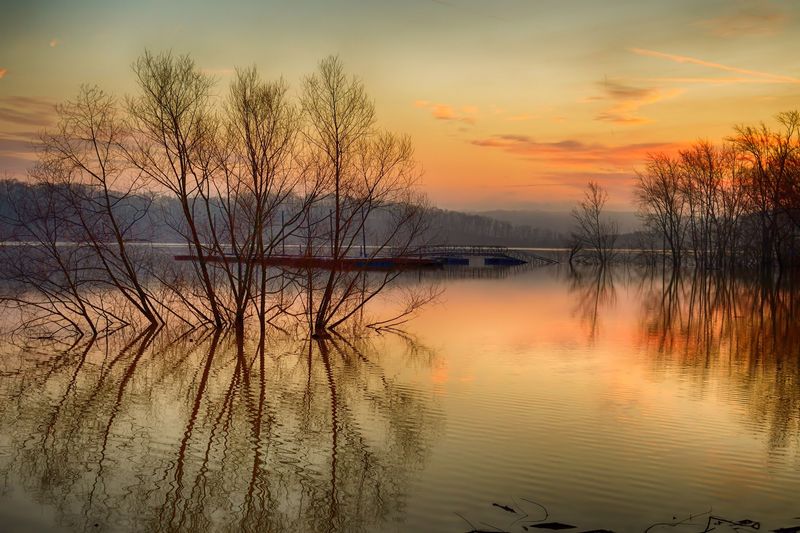
Here is the headline fact: this reservoir is one of the most snake-populated lakes in Indiana. Size is the reason.
Miles of wooded shoreline, countless shallow inlets, and sun-warmed rocks add up to prime reptile real estate.
The star of the show is the Northern Watersnake, also called the Common Watersnake. It is the most frequently seen aquatic snake in the state, and it thrives here.
These snakes are stout, dark, and usually 25 to 40 inches long. Watch for them swimming across quiet coves or stretched out on fallen branches, soaking up heat.
They are non-venomous and harmless to people. That said, they do not enjoy being cornered or picked up, and a startled one will bite repeatedly to defend itself.
Leave them alone and they leave you alone. Simple rule, and it works every time.
These reptiles earn their keep by helping control fish and amphibian numbers, keeping the food web balanced.
Other harmless species share the shoreline too. Eastern Garter Snakes patrol the banks and wetlands, Eastern Rat Snakes climb near rocky outcrops and tree limbs, and Queen Snakes hunt crayfish in rocky shallows.
Could you spot the difference between a swimming watersnake and a floating stick? Plenty of visitors cannot, and that mix-up sparks some very funny lakeside conversations.
Watch Wildlife The Smart Way
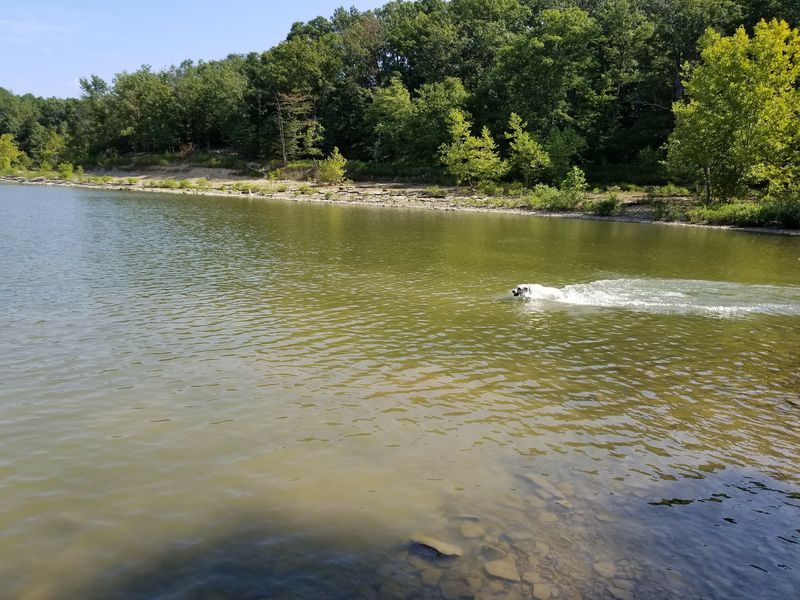
Most snakes around this Indiana lake are completely harmless, but two venomous species do live in the region. Knowing them makes the whole visit calmer, not scarier.
The Eastern Copperhead is the venomous snake people meet most often in Indiana, and it lives throughout the southern half of the state. It favors forested slopes, rocky hillsides, ravines, and wooded edges.
Camouflage is its superpower. A copperhead resting in leaf litter or beside a fallen log can vanish completely, so stay alert on rockier shoreline stretches and nearby trails.
Then there is the Timber Rattlesnake, the largest venomous snake in the state. It sticks to forested, rocky hillsides in Brown County, part of which touches this lake area.
Timber Rattlesnakes are secretive and avoid people. They are also listed as State Endangered in Indiana, which makes any sighting genuinely rare and special.
One myth deserves a quick correction. Cottonmouths, or water moccasins, are extremely rare in Indiana and likely gone from the state entirely.
Nearly every reported sighting turns out to be a harmless watersnake.
Snakes do not chase people. They react when they feel threatened, so distance solves almost everything.
Watch your step in leafy and rocky spots, keep pets close, and use a zoom lens instead of your hands.
Want the best photo without any risk? Patience beats proximity every single time.
Boats, Beaches And Big Splashes
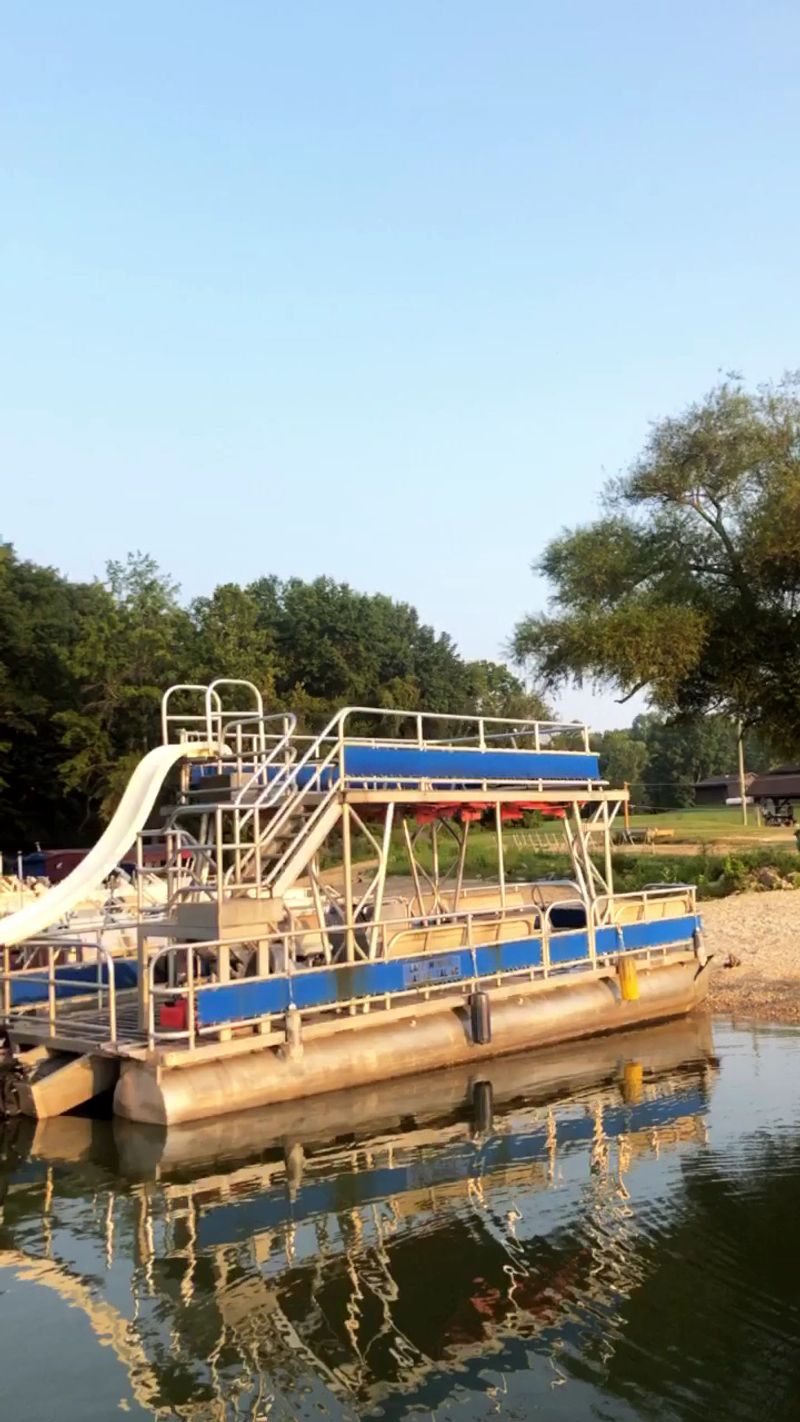
Nearly 11,000 surface acres is a lot of elbow room. Even on a warm weekend, there is space to spread out and find your own quiet corner of water.
Eleven launch ramps serve people hauling their own boats. Arrive early on holiday weekends and the process moves quickly.
No boat? No problem.
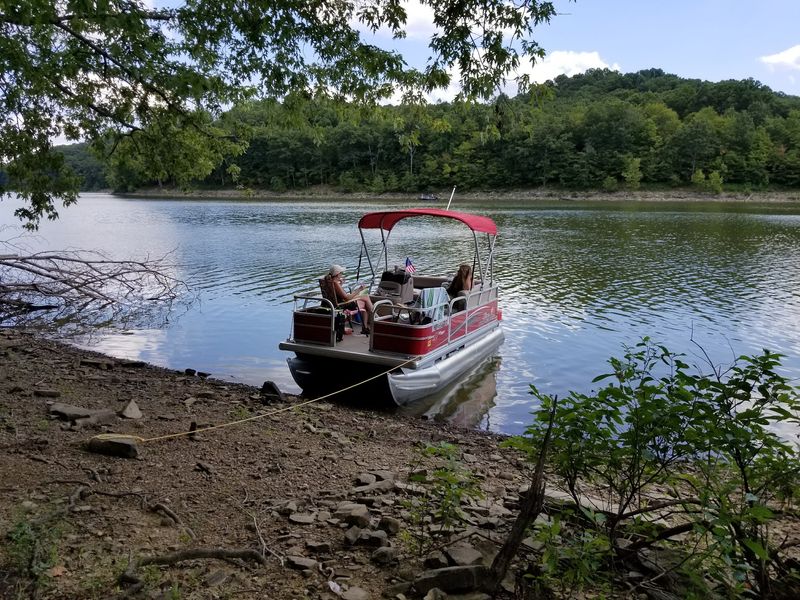
Rental spots along the shore offer fishing boats, pontoons, jet-skis, kayaks, and extras like tubes, wakeboards, and skis.
Paddlers get the sweetest deal here. Kayaks, canoes, and stand-up paddleboards glide easily into narrow coves where motorboats rarely bother to go.
Windsurfing lessons are available too, which is a fun surprise in landlocked Indiana.
Three public beaches open seasonally from Memorial Day through Labor Day. Showers and restrooms make a full beach day easy, and the sand is great for castle building.
Anglers treat this lake as a year-round destination. Bass, bluegill, catfish, and crappie all swim these waters, and a state fishing license is required.
During colder winters, limited ice fishing happens in protected backwater areas. Conditions vary, so check before heading out.
Bring sunscreen and reapply it. Tourists regularly mention going home with a surprise sunburn after underestimating the open water.
Which would you pick first, a lazy pontoon afternoon or a sunrise paddle through a misty cove?
Trails Through Woods And Bluffs
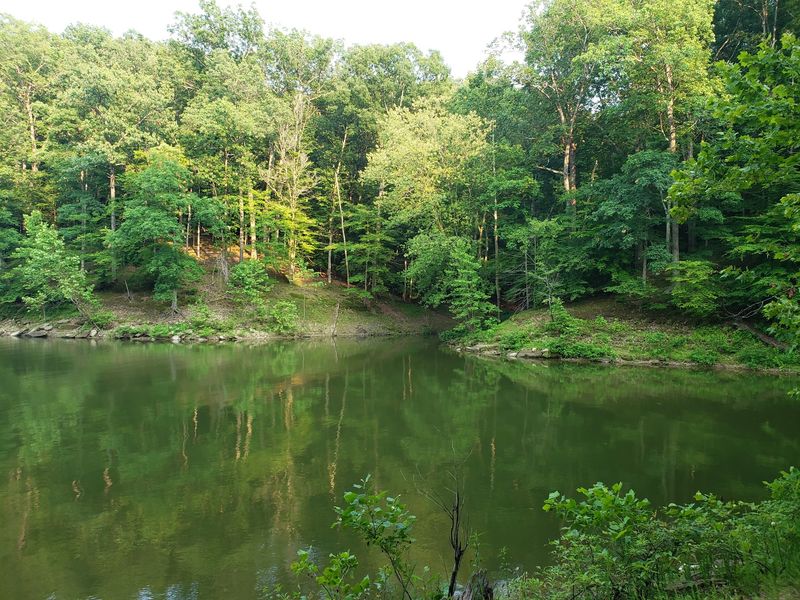
Leave the shoreline behind and the forest takes over. Trails here wind through the Hoosier National Forest, and the scenery shifts every few minutes.
More than 4.5 miles of trails wait around the lake property, ranging from easy strolls to tougher climbs. Families with small kids and serious hikers both find something that fits.
The Bluebird Trail mixes forest and open field, which makes it a favorite for birdwatchers. Binoculars earn their spot in your backpack on this one.
Terrain across the region includes dense woodlands, rolling hills, and limestone bluffs. Those bluffs give southern Indiana its distinctive rugged character.
Hiking is not the only option on land. Joggers use the routes, and cyclists enjoy touring and road riding around the lake and through the national forest.
Sturdy shoes matter more than you think. Roots, loose rock, and damp leaves can turn a casual walk into a careful one.
Warm afternoons are when snakes sun themselves on rocks and logs, so scan the path ahead as you walk.
Could a 175-year-old tree be the most patient resident of this entire lake? Stand beneath those branches and the answer feels obvious.
Nights Under Open Starry Skies
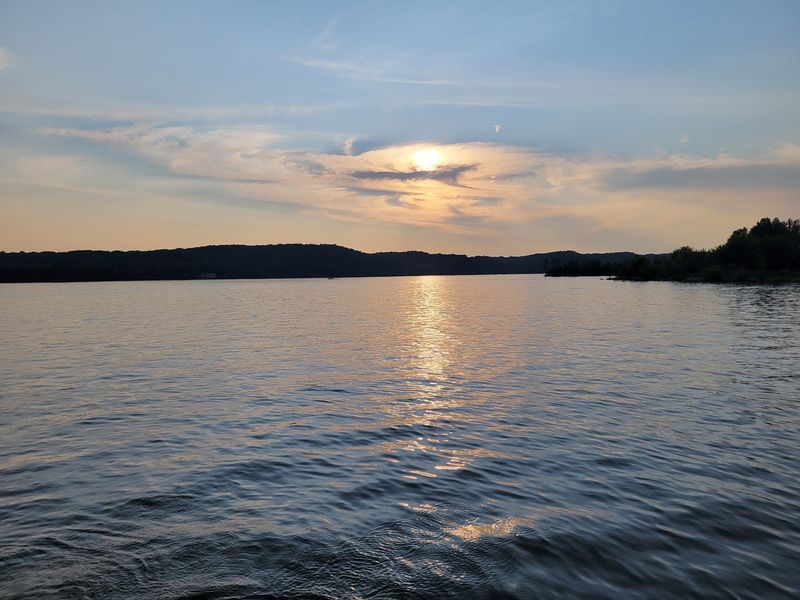
One overnight stay changes the whole experience. The lake looks different at dawn, and the sound of water at night beats any playlist.
Over 300 campsites surround the area. Options include Hardin Ridge Campground in the Hoosier National Forest, Paynetown Campground, Lake Monroe Village, and Yogi Bear’s Lake Monroe Jellystone Park.
Some campground sites sit close enough to the water that boaters can dock nearby. Waking up steps from your boat is a small luxury.
Picnic areas come with tables and grills, so lunch outdoors takes almost no planning. Pack simple food and let the view do the work.
Wildlife viewing is excellent throughout the surrounding forest. Birdwatchers do especially well here, and patient visitors often spot far more than they expected.
Scenic drives loop around the lake and through the national forest. Roll the windows down and let the hills unfold.
Weekdays tend to be quieter than weekends. Tourists frequently recommend midweek visits for a calmer, roomier feel.
Nighttime brings out the stars. Away from city glow, the sky over this part of Indiana gets genuinely impressive.
One visitor described the moon rising over the water as the most beautiful sight imaginable.
Ready to trade traffic noise for crickets and lapping waves for a night or two?
Three Recreation Areas Worth Exploring
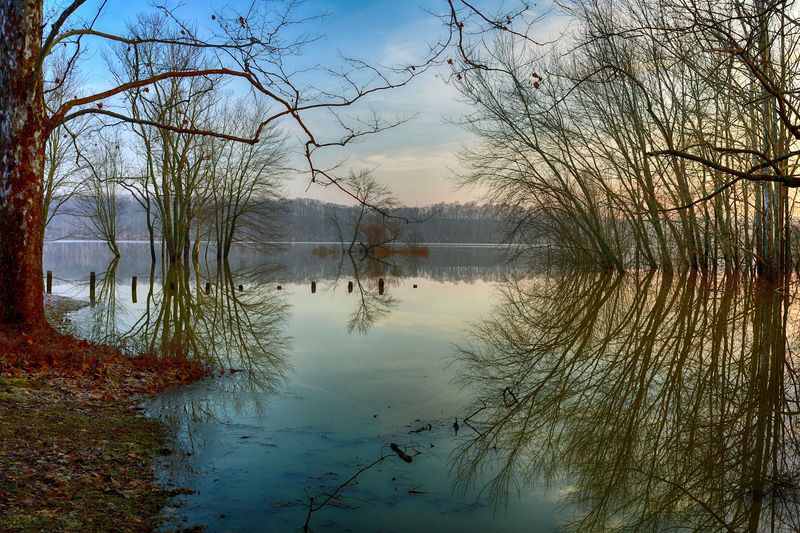
Three main recreation areas anchor the visitor experience: Fairfax State Recreation Area, Paynetown State Recreation Area, and Hardin Ridge Recreation Area. Each one has its own personality.
Fairfax is especially popular for picnics, swimming, and boating. Handy facilities make it easy to park once and stay all day.
Paynetown draws campers and boaters, and it works well as a home base for exploring the wider shoreline.
Hardin Ridge sits within the Hoosier National Forest, giving it a deeper woodland feel and quick trail access.
A huge portion of surrounding land belongs to that national forest. The result is rich biodiversity and plenty of room to roam beyond the water itself.
These hubs make planning simple. Water sports, hiking, and picnicking all cluster in the same general spots, so nobody wastes half a day driving between activities.
The region serves up classic southern Indiana outdoor living. Rolling hills, thick forest, and wide water all in one trip.
Bloomington sits close by, which means restaurants, shops, and city amenities are only a short drive from the shoreline.
Indiana packs a surprising amount of variety into this corner of the state, and these three areas prove it.
Which base camp suits your crew best, the beach-friendly one or the forest-hugging one?
Plan Your Trip Like A Pro
A little planning turns a good day into a great one. This destination works year-round, from summer beach trips to crisp autumn hikes and quiet winter walks.
An entrance fee applies for lake access. Activities like camping and boating may carry extra charges, so budget a bit more than the gate price.
Hours and seasonal availability shift throughout the year. Beaches run seasonally, and some services change with the weather.
Check the official Indiana Department of Natural Resources website before you go. That is the best source for current fees, permits, maps, events, and operating hours.
Pack smart. Sunscreen, water, bug spray, closed-toe shoes, and a fishing license if you plan to cast a line.
Binoculars and a zoom camera are worth the space. Between birds, turtles, and sunning snakes, there is always something to spot.
For GPS, punch in 1620 East Monroe Dam Court, Bloomington, IN 47401-8798, and you will land right in the heart of the Monroe Lake experience.
Give yourself more time than you think you need. People come for two hours and stay until sunset constantly.
Indiana rewards travelers who slow down, and this lake is proof of that.
So, will your first stop be the beach, the trail, or the boat ramp?