
This Mississippi Hardware Store Sold Elvis Presley His First Guitar And Still Looks Much The Same
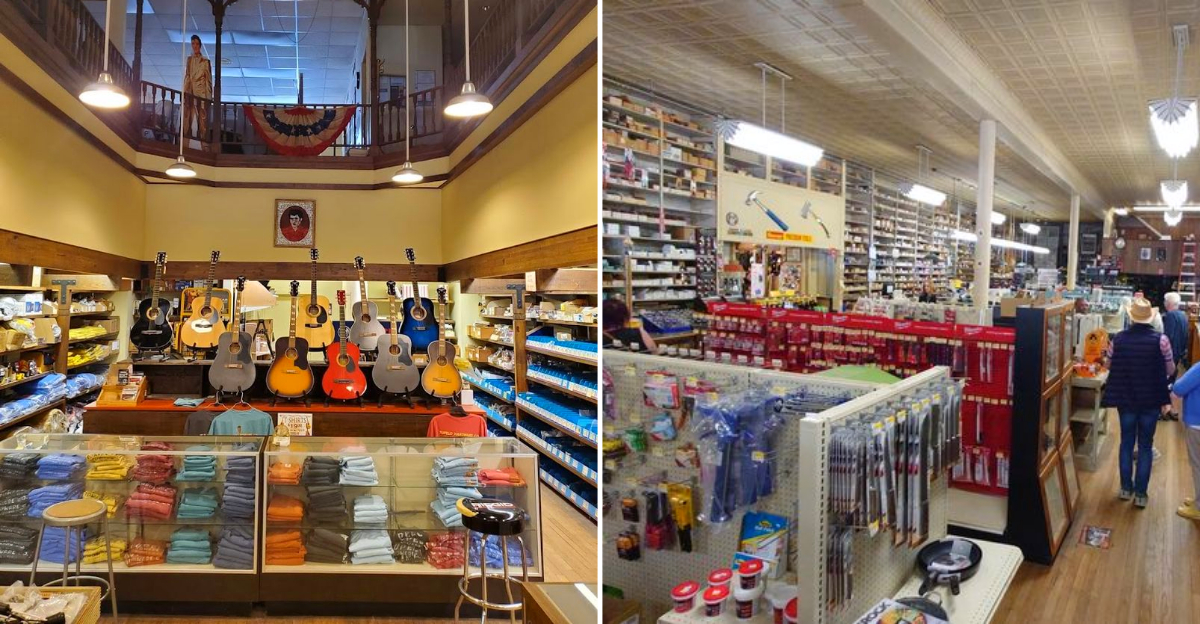
An X on the floor. That is all that marks the spot where a young boy stood in January 1946 and walked out of a Mississippi hardware store with a guitar that would eventually change the sound of everything that came after it.
The boy was Elvis Presley. The store is still standing.
This store has been keeping that story behind original wooden counters and tin ceilings for nearly a century, and it has not felt the need to make a big production out of it.
Mississippi has a habit of holding onto the things that matter without turning them into a spectacle, and this store is one of the quieter examples of that habit done exactly right.
Walk in expecting a landmark and leave having spent time inside something that feels far more valuable than that. A real place, mostly unchanged, where something genuinely historic happened on an otherwise ordinary afternoon.
The Store That Time Forgot To Change
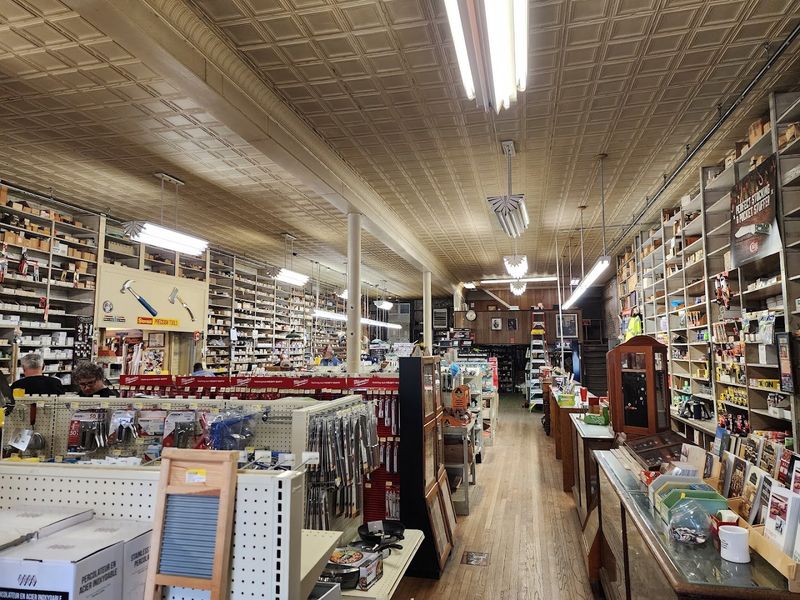
Not every building gets to hold a piece of music history, but one downtown Mississippi store has been doing it for decades without making a fuss about it. The shelves are original.
The counters are original. Even the tin ceiling overhead looks exactly as it did when a young boy and his mother walked through the front door in the dead of winter, 1946.
The atmosphere inside feels honest and unhurried, like a general store from a different era that simply refused to update its wardrobe. Vintage fixtures line the walls.
Hardware, small engine parts, and industrial supplies share space with guitars that still hang for sale.
Few commercial spaces in America have preserved their original character so completely without turning into a theme park. The building earns its reputation through authenticity alone.
Visitors from around the world have made the trip just to breathe the same air and touch the same worn wooden surfaces that witnessed one of popular music’s most quiet but consequential moments. History does not always announce itself with a fanfare.
Sometimes it just waits patiently behind a hardware counter.
Tupelo Hardware Co And The Address Every Elvis Fan Knows
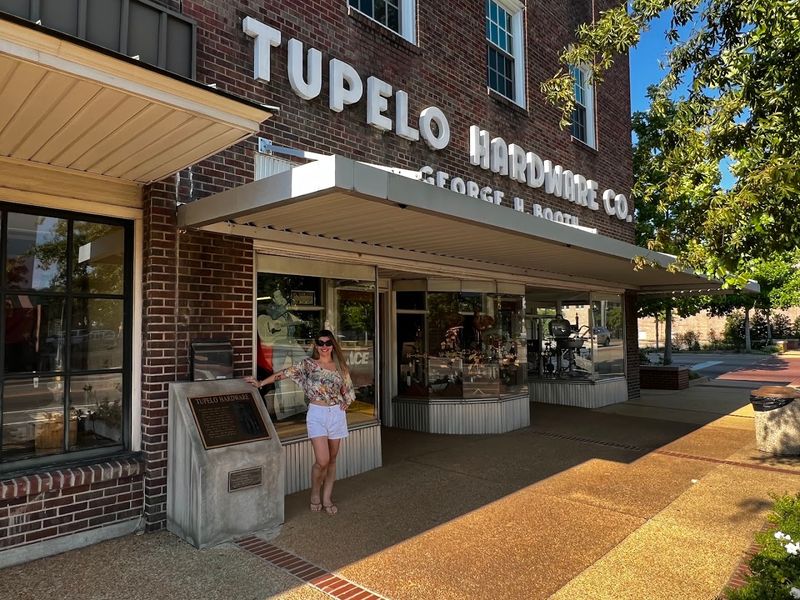
Tupelo Hardware Co at 114 W Main St, Tupelo, MS 38804 has been a family-owned business since George H. Booth founded it in 1926.
Four generations of the Booth family have kept it running through nearly a century of American history, economic shifts, and cultural change. That kind of dedication is rare and worth acknowledging.
The store sits on a downtown street that carries the quiet pride of a small Southern city that knows its own significance.
Tupelo, Mississippi is recognized worldwide as the birthplace of Elvis Presley, and Tupelo Hardware Co is one of the most visited stops on any Elvis-related tour of the area.
The Booth family recently announced the downtown location will close, but the City of Tupelo has stepped in to acquire the buildings and preserve the site. Plans call for the first floor to become a period-correct museum reflecting the store as it appeared in the 1940s and 1950s.
The Tupelo Convention and Visitors Bureau will operate from the second floor. The story of Tupelo Hardware Co is far from finished. It is simply entering a new and carefully preserved chapter.
A Birthday Gift That Rewired Rock And Roll
On January 8, 1946, an eleven-year-old named Elvis Presley walked into Tupelo Hardware Co with his mother Gladys looking for a birthday gift. He had his eye on a rifle.
Gladys said no. He then considered a bicycle. Gladys still was not convinced.
A store employee named Forest L. Bobo stepped in and showed young Elvis a guitar hanging nearby. He let the boy hold it and strum a few notes. Something clicked.
Elvis left the store that day with his first guitar, which cost $7.75 plus a small sales tax, totaling around $7.90.
That guitar became the instrument on which Elvis Presley learned to play. His early years in Tupelo exposed him to gospel music at the Assembly of God church, blues sounds from the surrounding community, and country music drifting through the radio.
All of it poured into that first guitar and eventually out into the world as something nobody had heard before. A two-cent tax and a mother’s good judgment set the whole thing in motion.
It remains one of the most consequential retail transactions in American musical history.
X Marks The Spot
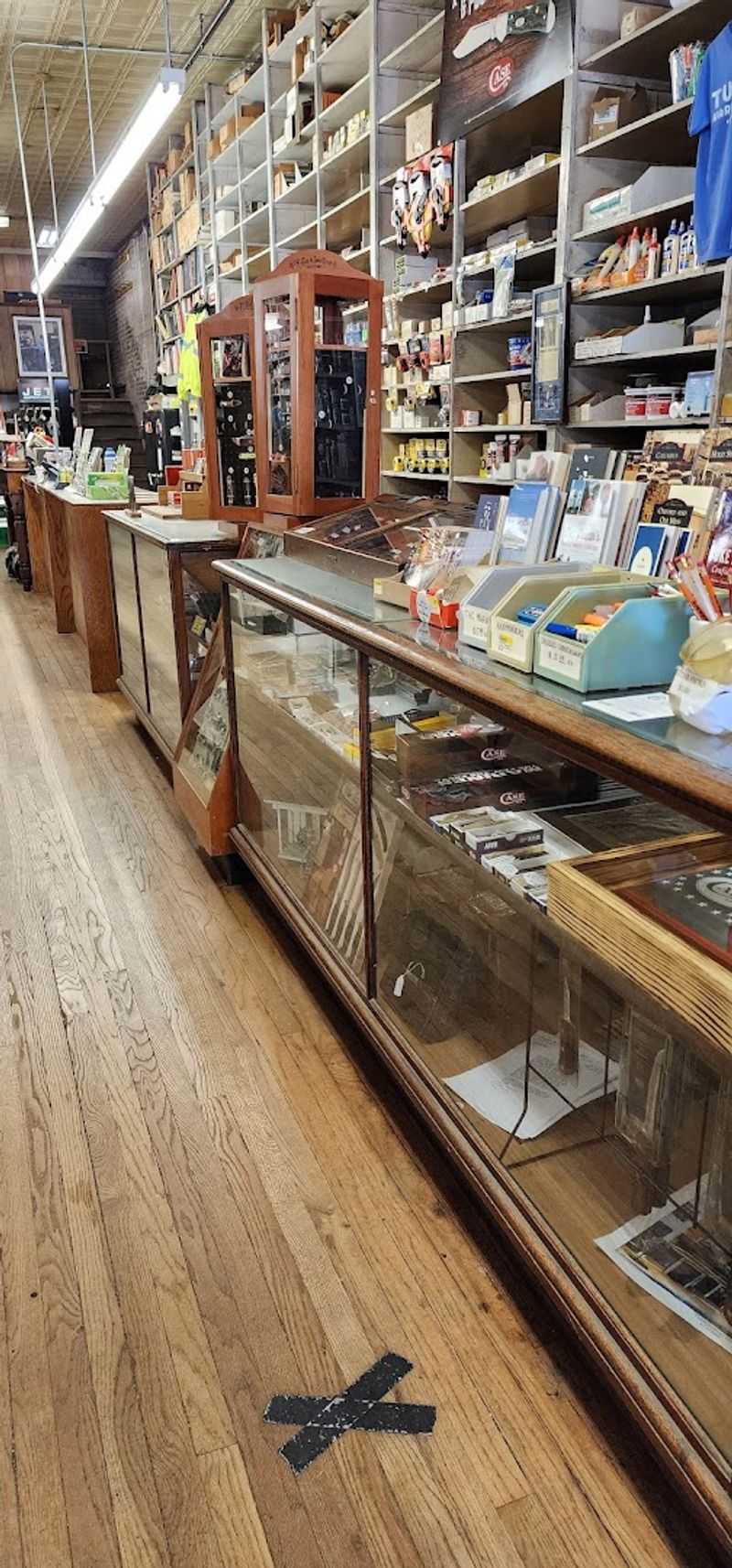
Few museums in the world can offer visitors the chance to stand in the exact spot where a legend was born. Tupelo Hardware Co offered something even better because it was never a museum at all.
It was a working store where an X on the floor quietly marked the place where Elvis Presley stood when his mother bought him that guitar.
Visitors have traveled from Europe, Asia, and across the United States just to place their feet on that spot. The gesture is simple but the feeling is not.
Standing there connects you physically to a moment that rippled outward into decades of music, film, fashion, and culture.
The X became one of the most photographed spots in all of Mississippi, a state that takes its music history seriously and has every right to. Even without fanfare or elaborate signage, that small mark on the floor communicated everything.
It said that something real happened here, not in a concert hall or recording studio, but in a hardware store on a winter morning when a boy picked up a guitar instead of a rifle. Sometimes the best decisions are the ones made quietly, right there on the floor.
Four Generations Of Keeping The Lights On
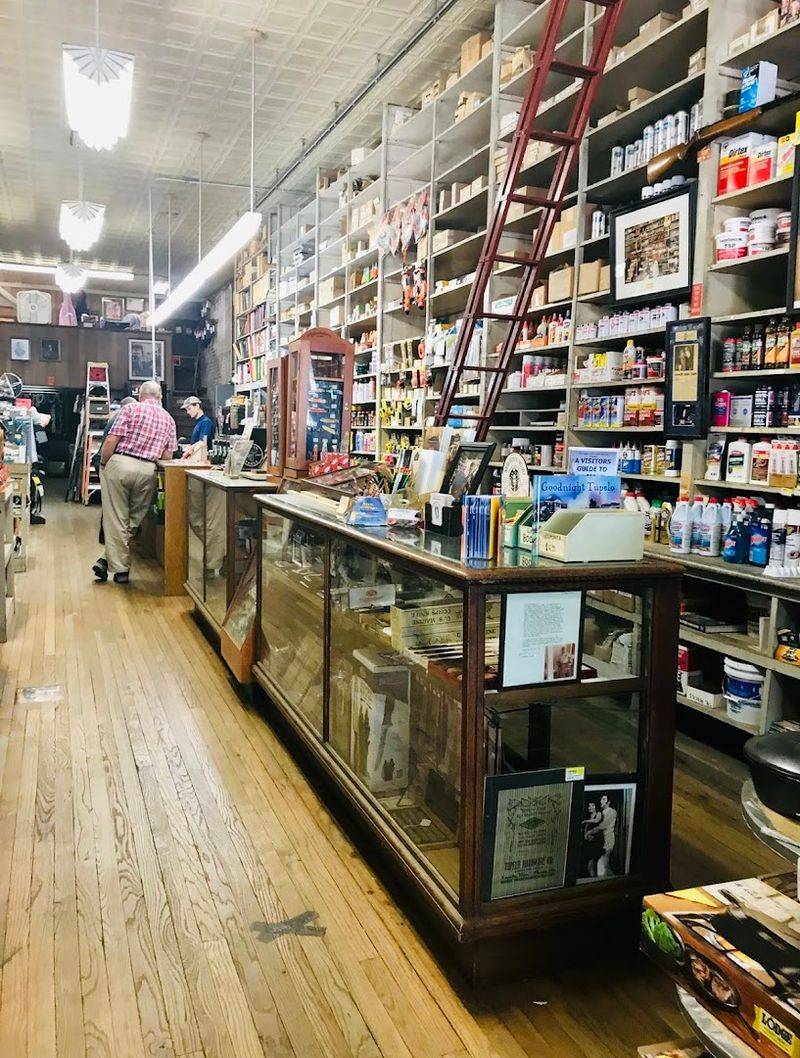
Running a family business for nearly one hundred years is not a small achievement. George H.
Booth opened Tupelo Hardware Co in 1926, and the Booth family has been at the helm ever since, passing the store from one generation to the next with the same care you would give a family heirloom. Four generations deep, that is a remarkable streak of commitment.
The store never chased trends or tried to reinvent itself into something flashier. It sold hardware, it sold supplies, it sold guitars, and it kept its original bones intact.
That consistency became its greatest selling point. Customers and tourists alike trusted the place precisely because it never pretended to be anything other than what it was.
The Booth family will continue their hardware legacy by operating a new Ace Hardware store on McCullough Boulevard. The downtown location may be transitioning into a museum and civic space, but the family spirit behind the counter is not disappearing.
A business that survives nearly a century on Main Street does not simply vanish. It evolves, and in this case, it does so with the full support of a city that understands exactly what it has been lucky enough to have.
Tupelo Mississippi And The King Who Came From Here
Tupelo, Mississippi carries a title that no other city on earth can claim. Elvis Aaron Presley was born here on January 8, 1935, and spent the first thirteen years of his life absorbing everything the town had to offer.
The gospel music at church, the blues drifting in from the surrounding region, and the country sounds on the radio all shaped what would become one of the most distinctive voices in American music.
The city has honored that legacy with several significant sites. His birthplace home still stands.
The Assembly of God church he attended as a child remains a point of interest. Statues, memorials, and a dedicated museum round out a full day of Elvis exploration for any serious fan making the pilgrimage.
A trail is currently being developed to connect the Elvis Presley Birthplace to downtown Tupelo, making it easier for visitors to walk between historic landmarks and feel the full shape of his early world. Tupelo is a city that wears its history proudly without being loud about it.
The streets are calm, the people are warm, and the connection to one of rock and roll’s founding figures is woven into every block. This is where the music started.
Guitars Still Sold, History Still Felt
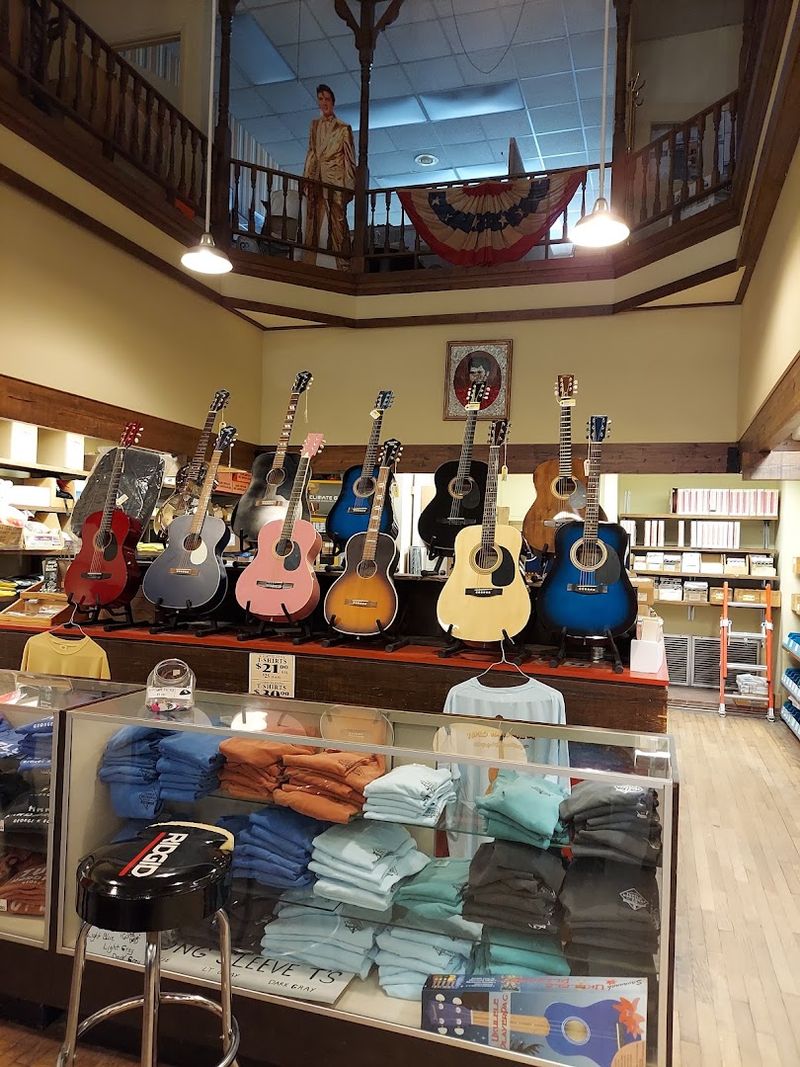
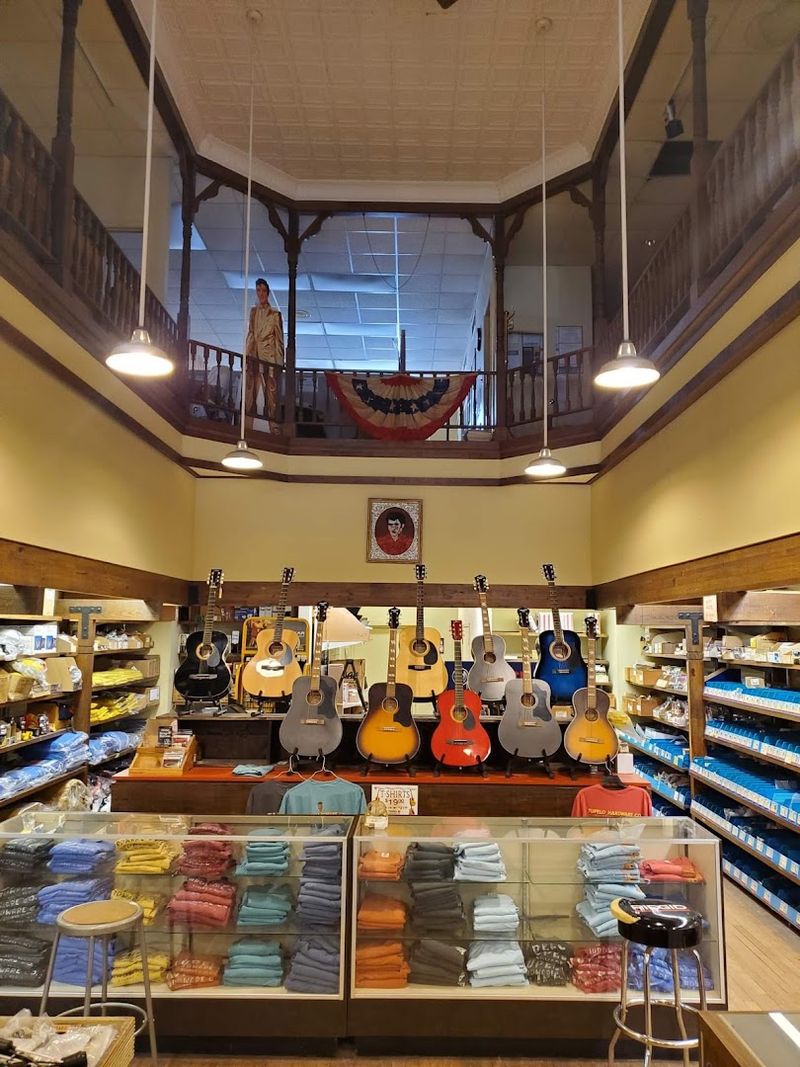
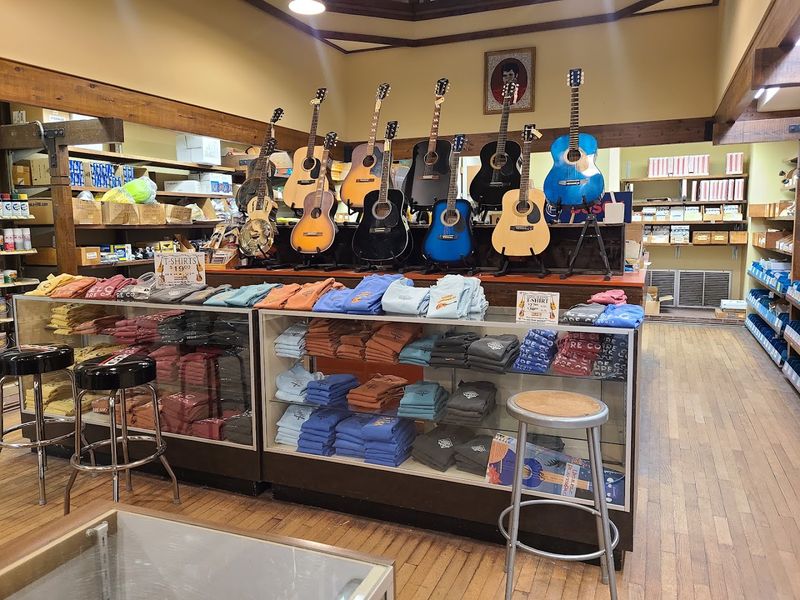
One of the most charming facts about Tupelo Hardware Co is that it never stopped selling guitars. Long after the Elvis connection made the store famous, guitars kept hanging on the walls and walking out the door with new owners.
Reports suggest the store sold close to three hundred guitars per year in its later operating years.
People have bought first guitars for their children at the very same counter where Gladys Presley bought one for hers. That continuity is not manufactured for tourism.
It grew organically out of a store that simply kept doing what it always did, selling things people needed, including music.
The guitars on the walls were not antiques or display pieces. They were playable instruments at reasonable prices, available to anyone who walked in.
The hardware store setting made the whole experience feel wonderfully unexpected. You came in for a screwdriver and left thinking about learning to play the blues.
That combination of the practical and the musical is very Mississippi, and very American, and entirely in keeping with the spirit of a store that once handed a guitar to a boy who had no idea what he was about to do with it.
What Preservation Really Looks Like
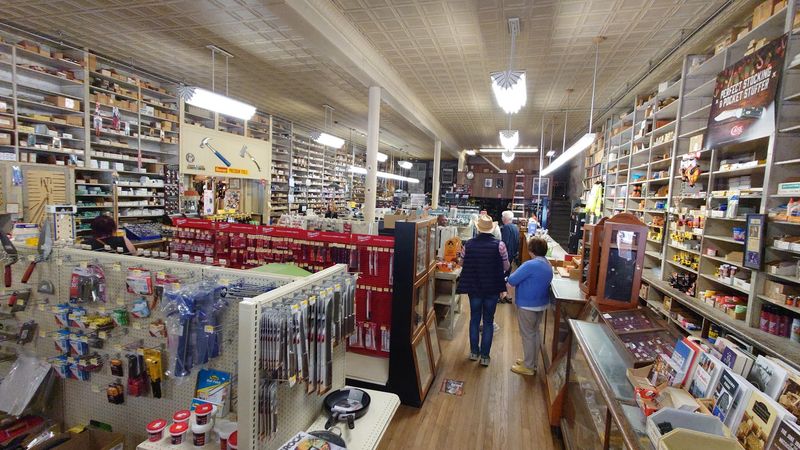
Preservation is a word that gets used loosely, but in the case of Tupelo Hardware Co, it means something very specific. The City of Tupelo has committed to acquiring the buildings that make up the downtown location and converting them into a living piece of history.
The first floor will be restored to reflect its appearance during the 1940s and 1950s, the exact era when Elvis Presley made his famous visit.
The goal is clear and admirable. Visitors from across the globe should be able to walk into that space and feel what it felt like in January 1946 when a mother and her son stood at the counter making a decision that mattered.
Period-correct details will guide that experience without relying on guesswork.
The Tupelo Convention and Visitors Bureau will occupy the second floor, making the building a working hub for tourism and civic life rather than a sealed-off relic. That balance between active use and careful preservation is exactly the right approach.
Great historic spaces should breathe. They should welcome people and tell their stories directly, not through glass cases alone.
Tupelo is getting this right, and the hardware store that started it all deserves nothing less.