
This Mississippi Waterfall Trail By An Old Mill Seems Easy Until The Climb To The Water Tests Your Legs
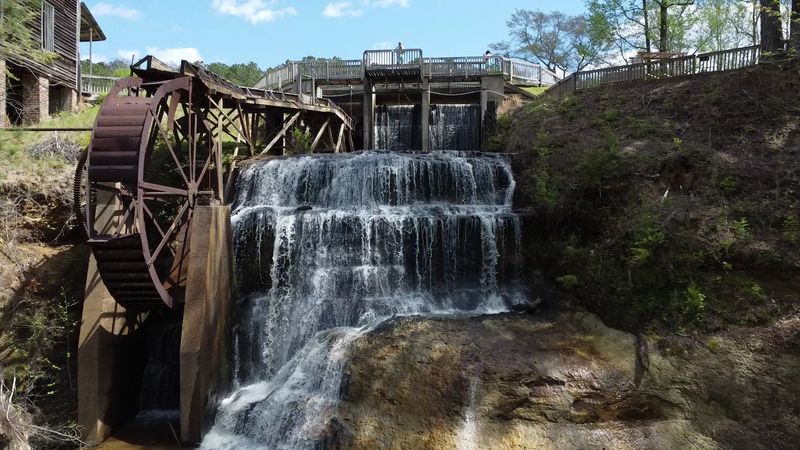
Some road trip stops look like nothing from the highway, just a gravel turn and a small sign in the woods. In Mississippi, one of those quiet turns leads to a tall waterfall, a creaky old mill, and a river you can actually sit in.
The walk starts out so gentle that you might wonder what all the fuss is about. Then the steps drop toward the water, and your legs quickly learn the real story.
A Waterfall Tucked Into Lauderdale County
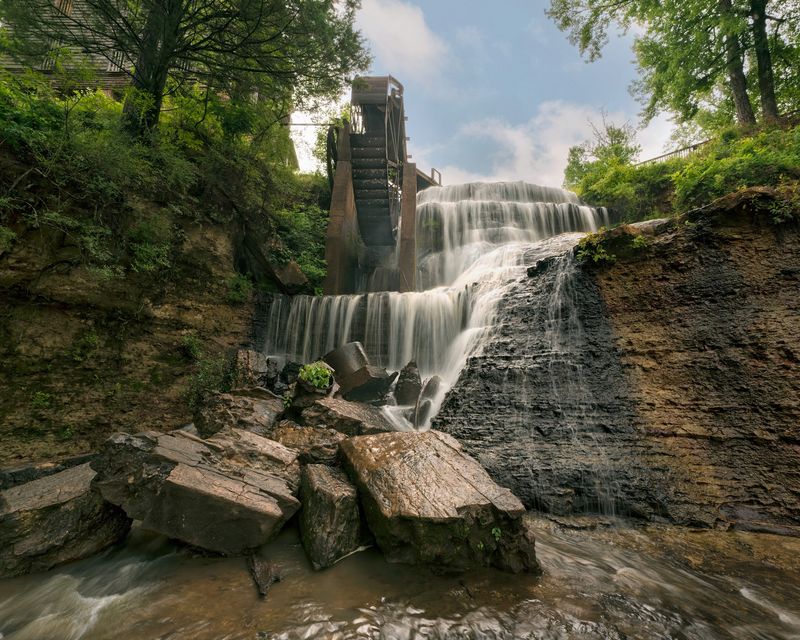
Down in the southern part of Lauderdale County, near the small town of Enterprise, the Chunky River bends through thick woods. Right along that river sits a 69-acre park built around one big attraction: a 65-foot waterfall, often called the tallest in Mississippi.
Most people who pull in are travelers looking for a quick break, and many leave planning a return trip.
The park mixes nature and history in a way that feels easy to enjoy. You get the falls, a historic gristmill that now works as a museum, a pond with ducks, and trails that wind under tall trees.
Primitive camping sites give overnight guests a reason to linger past sunset.
Getting oriented takes only a few minutes. The mill area sits up top, close to the parking and entrance, while the river and the base of the falls wait below.
That simple layout hides one surprise, though, and it comes in the form of a staircase.
Travelers driving between bigger cities often find the park by accident while scanning maps for something to break up the miles. It works well as a short stretch stop, but the space rewards anyone willing to give it a whole afternoon instead of a fast glance.
John Dunn and His Engineered Cascade
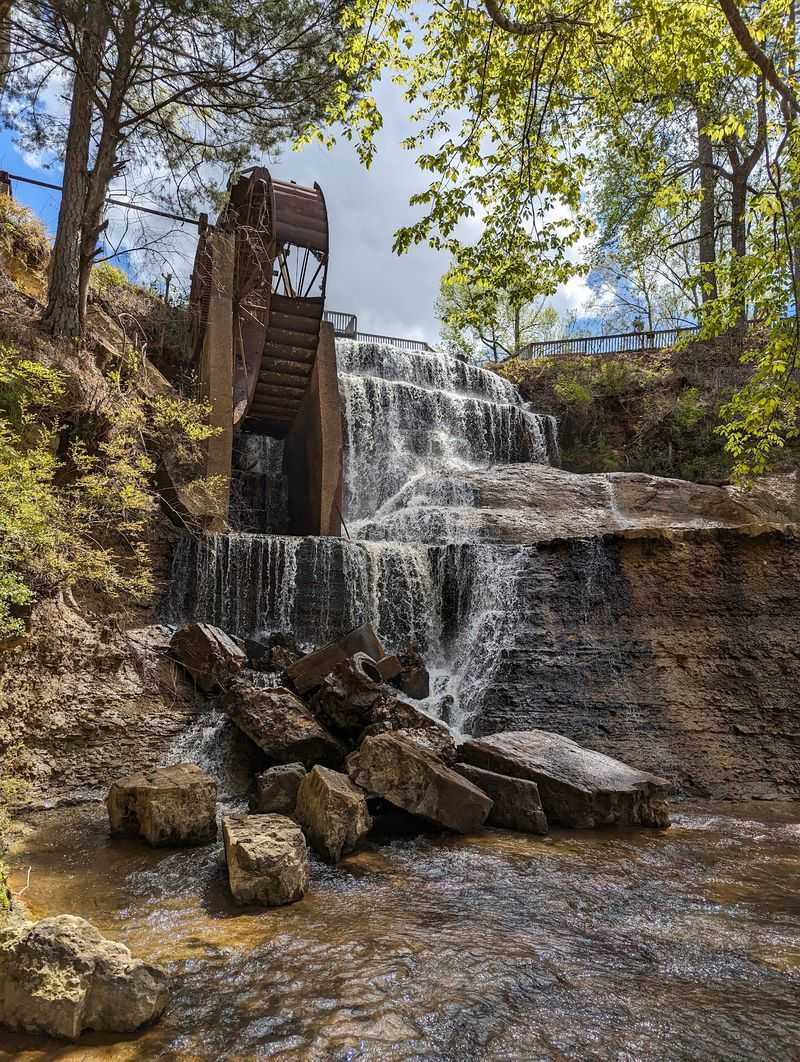
Here is a fact that surprises a lot of visitors: the waterfall is man-made. In the mid-1850s, an Irish immigrant named John Dunn shaped the flow of water here so he could power his grist mill.
Instead of letting a creek wander off, he steered it over a ledge to create the drop that still roars today.
Think about what that meant at the time. Grinding corn and grain by hand took hours of hard labor, but a steady stream of falling water could turn heavy millstones all day long.
Dunn saw the land, studied the river, and built a solution that outlasted him by well over a century.
The result is a strange and lovely mix. Nature supplies the rock, the trees, and the river, while human planning supplies the shape of the falls.
Standing nearby, it is hard to tell where one ends and the other begins.
Knowing this backstory changes how the place feels. You are not just looking at pretty scenery, you are looking at a piece of working history from the 1800s.
Staff on site have been known to share details about the falls and the surrounding area, so asking questions can add a lot to the visit.
The Gristmill That Traveled From Georgia
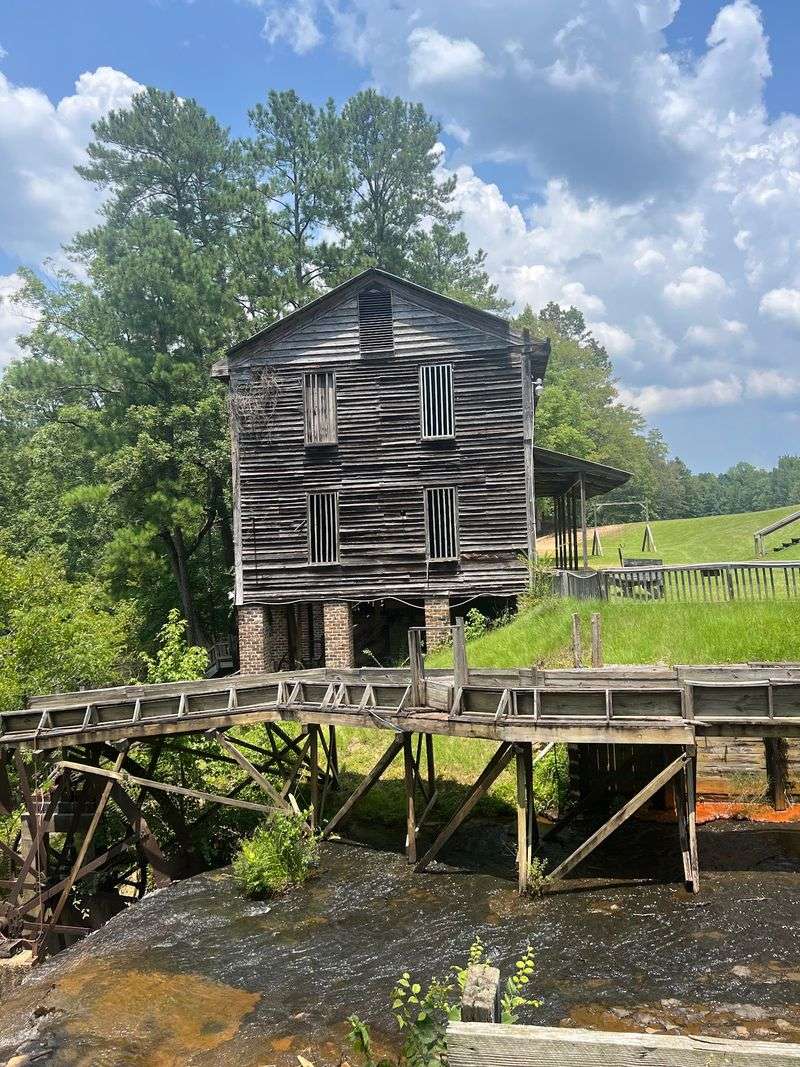
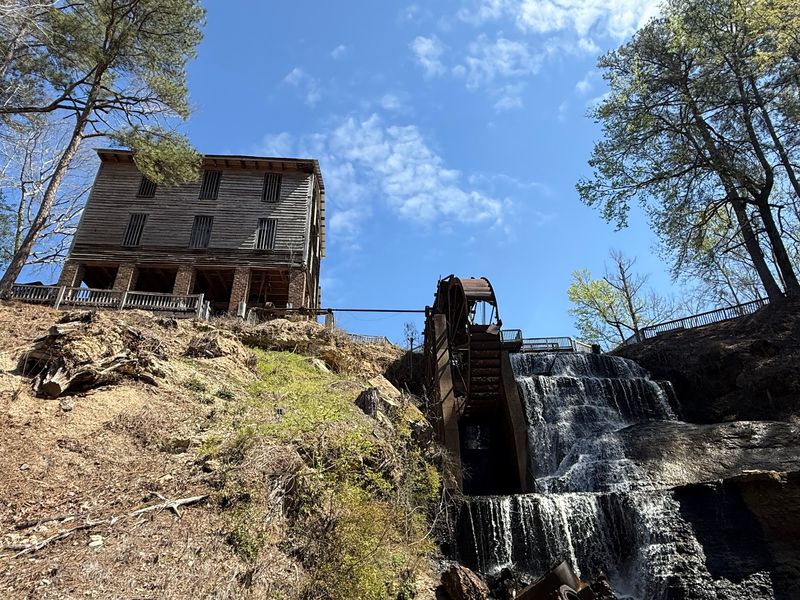
Picture a whole wooden mill being taken apart, hauled across state lines, and rebuilt piece by piece. That is exactly what happened with the Carroll-Richardson Gristmill, a structure dating back to 1857.
It originally stood in Cave Springs, Georgia, before being moved and reassembled here in 1987.
Builders placed it on the very spot where Dunn’s original mill once operated. So while the boards came from somewhere else, the setting matches the history of this exact ledge.
It is a clever way to bring the past back to life without guessing what used to stand there.
Today the building serves as a museum. Inside, old artifacts and milling machinery show how 19th-century folks turned grain into flour and meal.
A working water wheel outside adds sound and motion, making the scene feel less like a display and more like a working site frozen in time.
Visitors often mention the mill as one of their favorite parts, describing it as interesting and a glimpse into the past. Some have noted that parts of the buildings show their age and could use repairs.
Going in with that in mind helps you appreciate the old character rather than expecting a polished exhibit.
An Easy Riverside Stroll at First
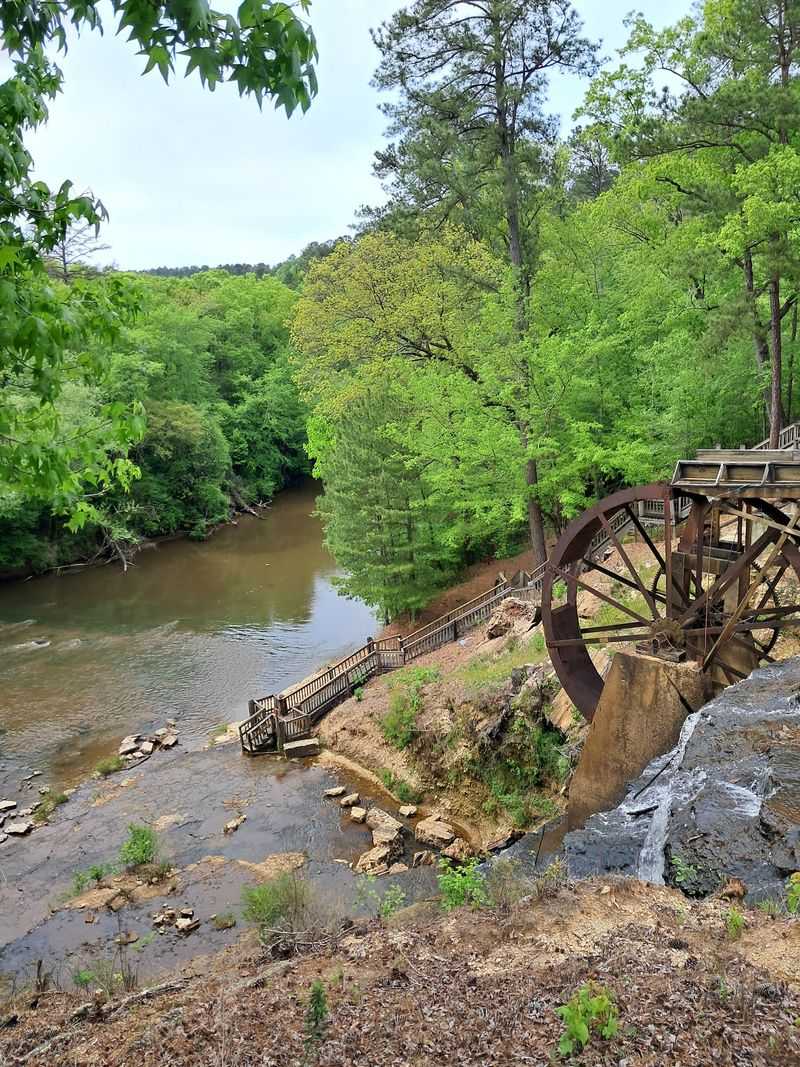
Lace up your shoes and the opening stretch feels almost too simple. The main path, often called the Dunn’s Falls Trail, runs about 0.4 miles along the side of the water.
Most people finish it in 10 to 15 minutes without breaking a sweat.
Shade from the trees keeps things comfortable on many days, and the sound of the river follows you the whole way. Families with teens, couples on road trips, and solo travelers stretching their legs all find it a pleasant warm-up.
The ground is mostly manageable, and the views keep pulling your attention toward the river.
That gentle start is part of the trick. Because the trail feels so relaxed, it is easy to assume the whole visit will be a lazy walk.
Visitors often describe the overall experience as beautiful but a bit strenuous, and that second word shows up once you head toward the bottom of the falls.
So enjoy this part for what it is: a calm introduction. Look for the way the light hits the water and listen for the falls getting louder.
Save some energy, though, because the real workout is waiting just past the mill.
Steep Wooden Steps Toward the Base
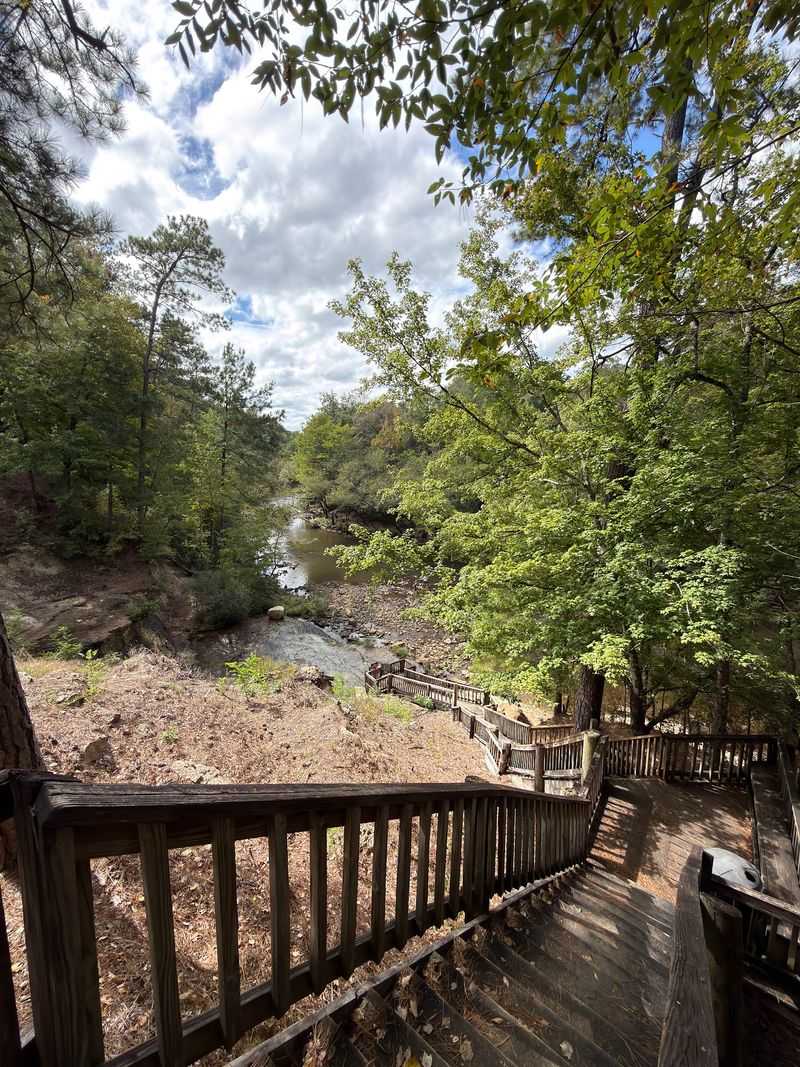
Steep. That is the word people use again and again for the wooden staircase leading from the mill area to the bottom of the falls.
Going down feels fine for a minute, and then you notice how far below the river really sits.
Each step asks for attention. Wet leaves, uneven boards, and a sharp angle mean you will want to hold the rail and move slowly.
Visitors with limited mobility may find the descent hard, and some have said the area is not well suited to very small children or anyone unsteady on their feet.
Then comes the climb back up. After splashing around in the river, your legs suddenly feel every single stair on the return trip.
Many people pause halfway, catch their breath, and pretend they are just admiring the view. Honestly, the view does deserve a pause.
Even with the effort, plenty of guests say the walk down to the river was worth it. The base is where the falls feel biggest and loudest.
Bring water, take breaks, and plan for the return climb before you head down, so the trip ends with a smile instead of sore surprise.
Up Close With the Tallest Falls in the State
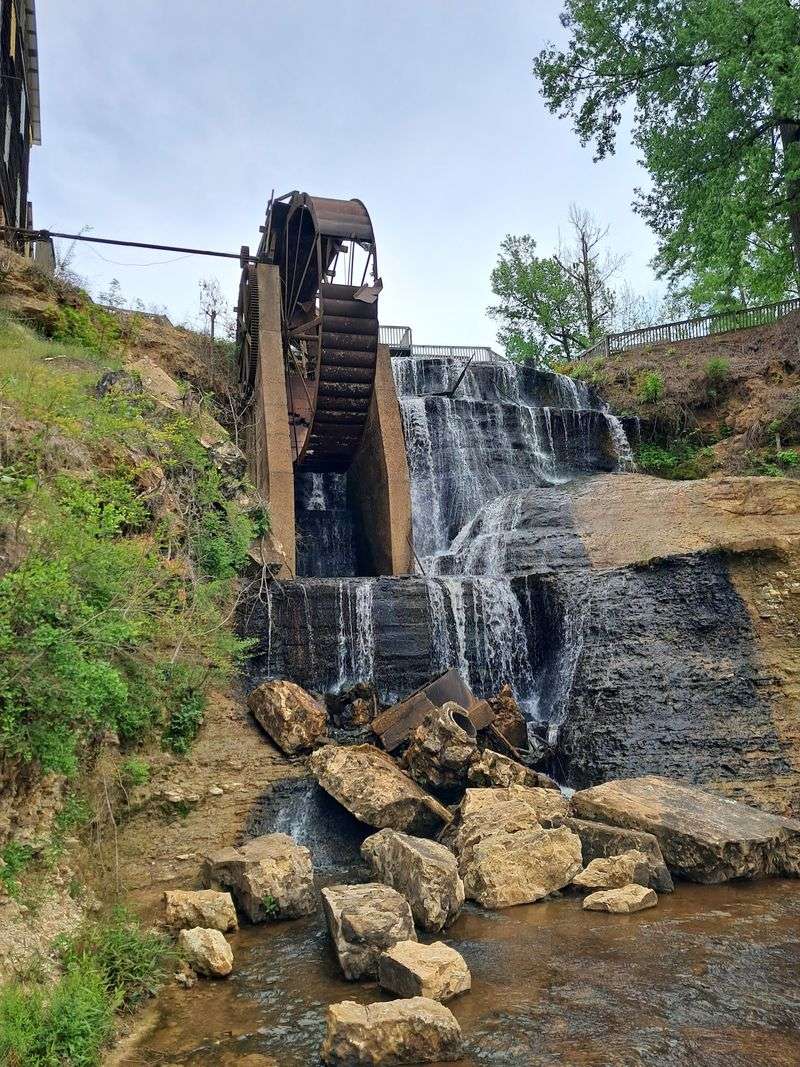
From the bottom, everything changes. Water pours 65 feet over the rock ledge and crashes into the river with a steady rumble you can feel in your chest.
Mist drifts across the water on warm days, and the cliff looks much taller than it did from the top.
Visitors regularly call the view awesome and the falls gorgeous, and some describe the whole scene as almost magical. It is the kind of spot where people stop talking for a moment.
Phones come out, but many folks simply stand and watch the water move.
One fun angle is seeing the falls from the river itself. Guests who wade out a bit say the falls look especially beautiful from that spot, with the rock face rising straight ahead.
Some even climb along the craggy shore beside the falls for a different view.
Be careful with that kind of exploring. The rocks near the water stay wet and slick, so slow movements matter more than speed.
Take your time, find a steady place to stand, and let the falls do the impressing. The hard climb you just did suddenly makes a lot more sense.
Cooling Off in the Chunky River
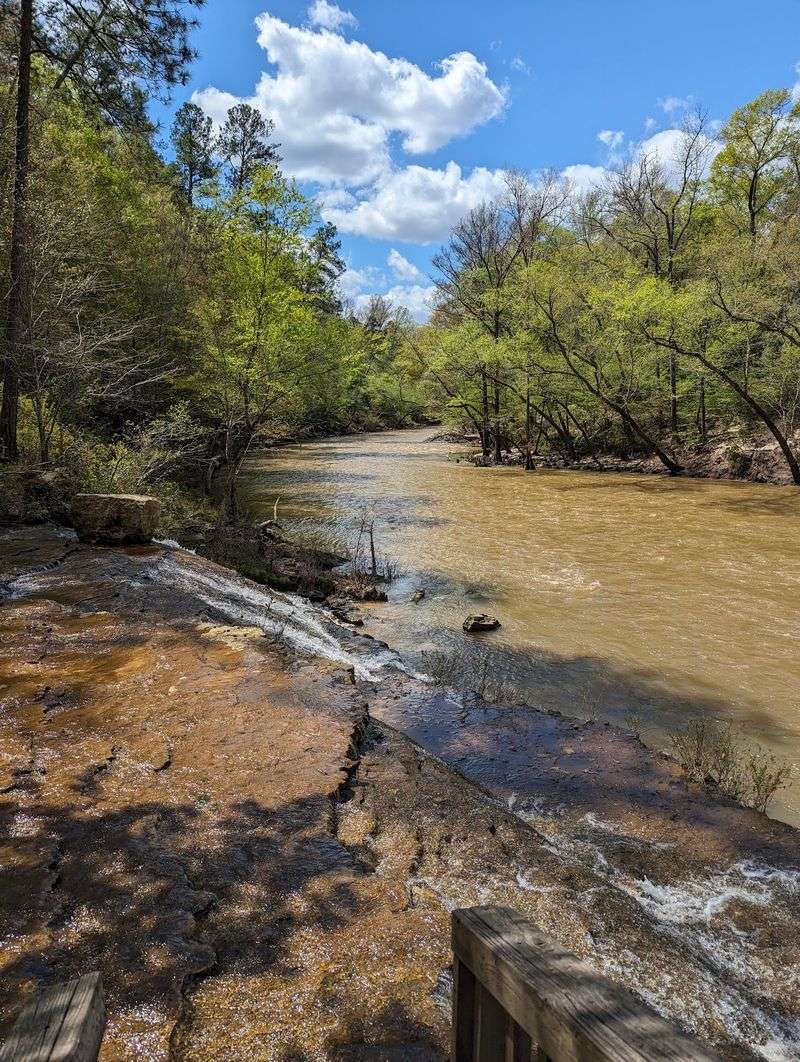
Hot day? The river might be the best reward for all those stairs.
Plenty of visitors sit right in the shallow water near the falls, letting the current cool them off after the climb down. Kids especially seem to love plopping down in the river and splashing around.
The Chunky River offers swimming, wading, and fishing, though some guests suggest it works better for wading than full swimming. Depth and current can vary, so testing the water slowly makes sense.
A calm wade often feels just right anyway.
Water shoes come up again and again as a must. The rocks are slippery, and bare feet will have a rough time finding grip.
A sturdy pair of water sandals also helps on the climb down and back, since the steps and shore can stay damp.
Nature is close here, too. Some visitors have spotted snakes near the water, so keep your eyes open, especially around rocks and brush.
Watching where you step is simple common sense in any Southern river setting. With that awareness, a cool soak by the falls becomes one of the most refreshing parts of the day.
Woodland Loops and Wildlife Sightings
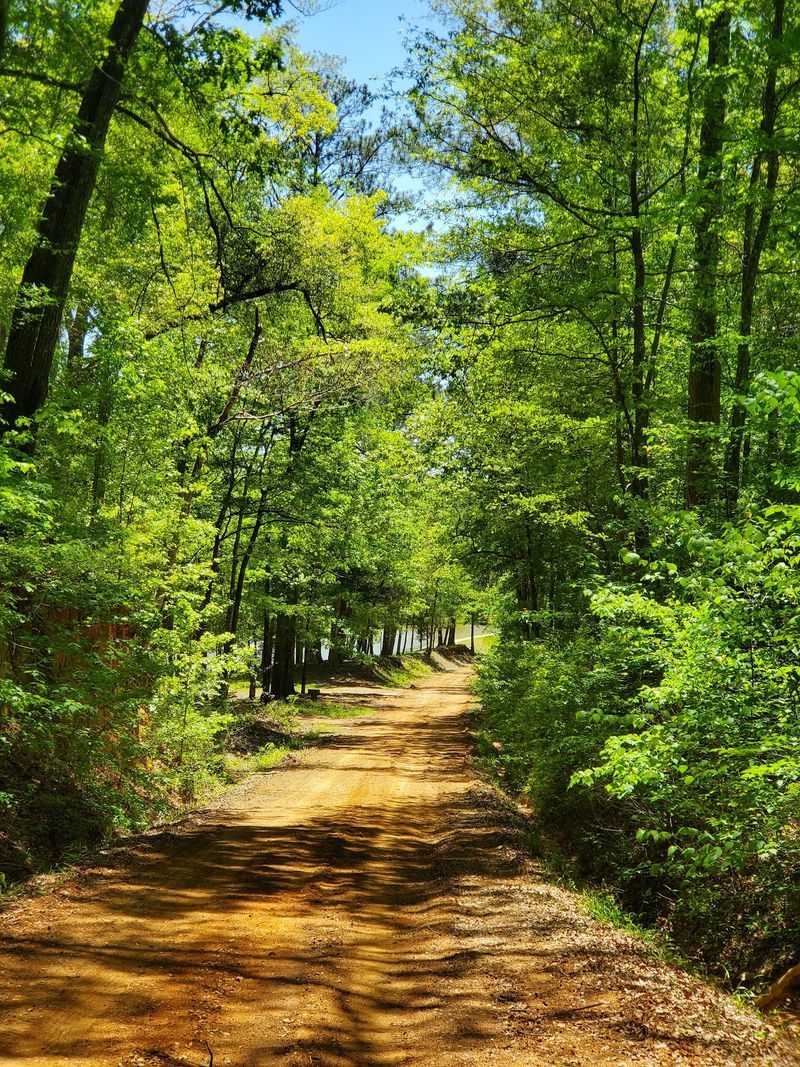
Beyond the falls, the woods open up into a network of nature trails. One route forms a 3-mile loop that follows the banks of the Chunky River, giving hikers a longer walk with more variety.
The trails stay quieter than the falls area, which makes them great for slowing down.
Keep your eyes moving. Wild turkey, deer, and squirrels all live in these woods, and early or late hours often bring the best chances of a sighting.
Walking softly and pausing now and then helps a lot.
Many visitors say the trails are just as good as the waterfall itself. That is high praise for a place known for its falls, and it shows how much the forest adds to the experience.
Shade, birdsong, and river views make the miles pass quickly.
Pack a little more water for the longer loop, especially in summer. Guests have noted how hot the area can get, and the Mississippi humidity can sneak up on you.
Good shoes, bug spray, and a small snack turn this loop into a relaxing half-day hike instead of a tiring one.
Mill Pond, Picnics, and Paddle Boats
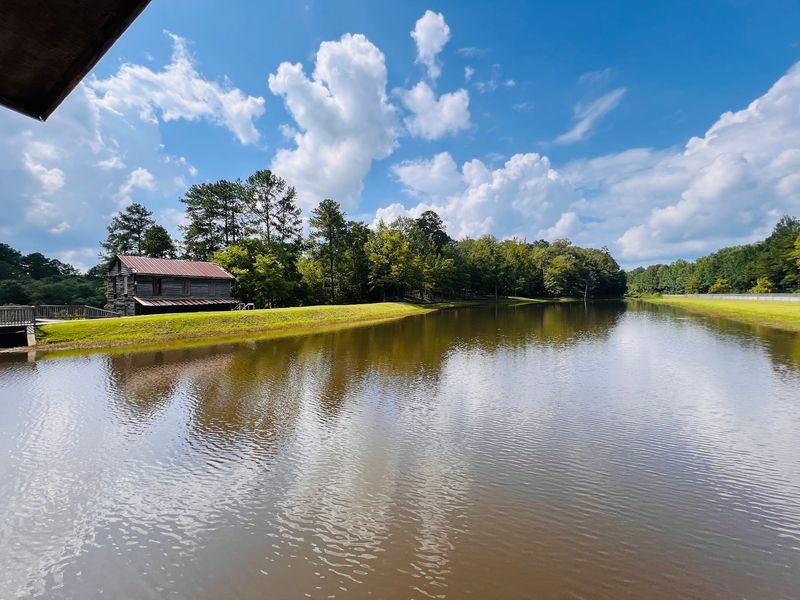
Not every moment here needs to involve climbing. The mill pond offers a slower pace, with ducks paddling across the surface and catfish stocked below.
Anglers can try their luck while the rest of the group relaxes nearby.
Picnic areas come equipped with barbecue grills, which makes lunch an easy part of the plan. Bring burgers, sandwiches, or a cooler of snacks, and you can spend hours without needing to leave.
Shady tables give tired legs a well-earned break after the stairs.
Water lovers have more options, too. The river supports canoeing and paddle boating, and paddle boat rentals are often available on-site.
Checking at the entrance about what is open that day saves any disappointment.
Families often treat the pond area as home base. Kids feed off the excitement of spotting ducks, adults enjoy the calm, and everyone regroups before the next trail or trip down to the falls.
Visitors frequently describe the park as peaceful and relaxing, and this pond-side corner is where that feeling shows up most clearly. It balances the hard climb with an easygoing afternoon.
Primitive Camping Under Mississippi Stars
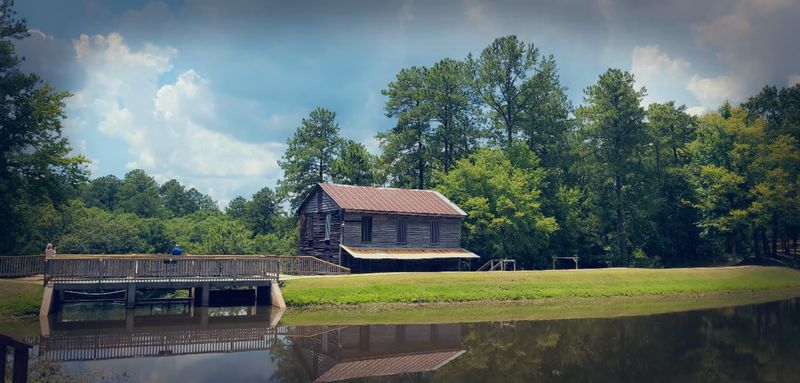
When the day crowd heads home, campers get the park nearly to themselves. Primitive sites let overnight guests pitch a tent close to the woods and the river.
There are no fancy extras, and that is exactly the appeal for many people.
Campers often describe the setup as simple and clean, just how they like it. Falling asleep to the sound of moving water beats any white noise machine.
Mornings bring cool air, bird calls, and the chance to hit the trails before the heat builds.
Some guests also mention looking forward to a cabin stay, so it may be worth asking about lodging choices when you plan. Options can change, and a quick check ahead keeps the trip smooth.
Families planning return trips is a common theme among campers. Several have said they hope to come back with relatives, which says a lot about how the place feels after dark.
Pack layers, a good flashlight, and plenty of water. Remember that primitive means bringing what you need, so a little planning goes a long way toward a comfortable night by the falls.
Friendly Faces and Peaceful Grounds
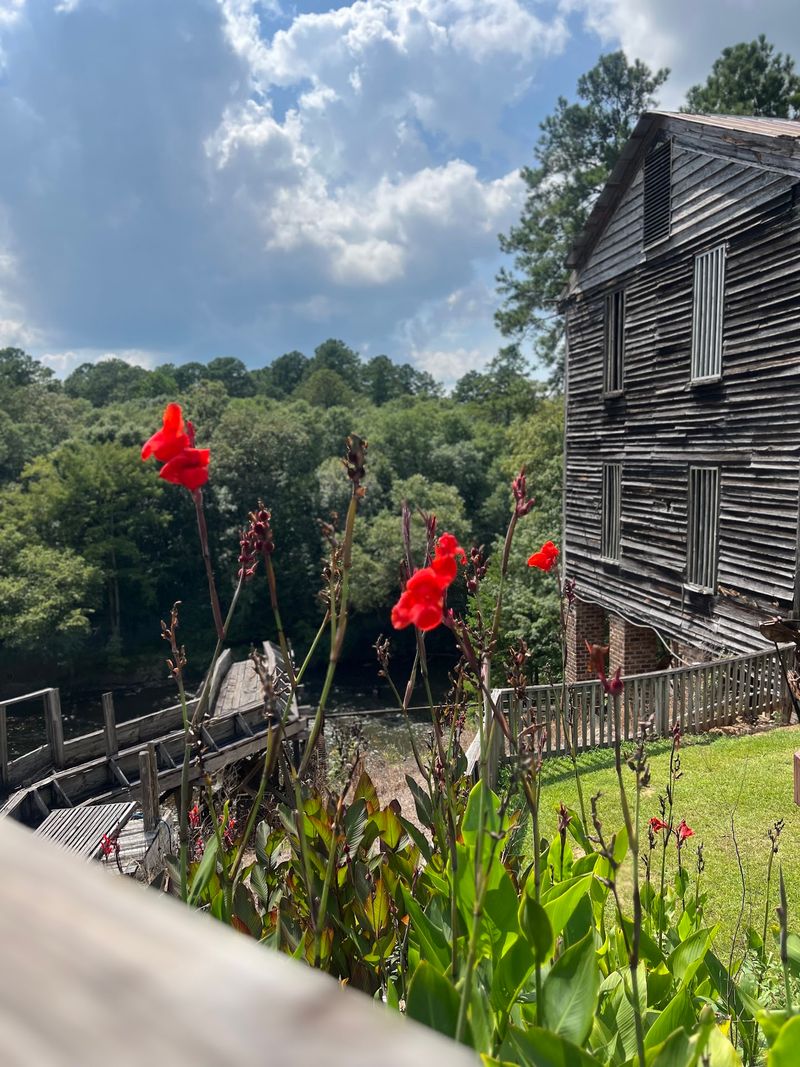
A good welcome can shape the whole visit, and staff here earn steady praise. Guests often describe the people running the park as nice, kind, and helpful, both on the phone and in person.
Some caretakers know a lot about the history of the falls and the area, and they enjoy sharing it.
The mood across the grounds leans calm. Many visitors call it peaceful and pretty, a fitting break during a long drive across the state.
Travelers heading between places like Birmingham, New Orleans, Laurel, and Atlanta have pulled off the road and found it a welcome pause.
Who fits best here? Teens and parents needing to shake off travel fatigue, history fans curious about old mills, campers who like things simple, and hikers chasing shade all seem to enjoy it.
Homeschool families or anyone planning a field trip get both nature and history in one stop.
Some guests feel the park could use more upkeep, and the stairs make it tough for small children or those with mobility needs. Knowing your group helps you decide how much of the park to explore and where to spend your energy.
Planning the Trip and Final Thoughts
Timing matters more than you might think. Some travelers have arrived on a Monday or Tuesday only to find the park closed, and they wished the hours had been posted on the main road.
Calling ahead or checking current hours before driving out can save a wasted trip.
The park operates year-round and charges an entrance fee. Prices have shifted over time, with some guests mentioning $3.50 for adults and $2.50 for kids under 12, while more recent visitors report $5 per adult.
Bring a little extra cash in case rates have changed again.
Finding it means heading to south Lauderdale County near Enterprise, along the Chunky River. Pack water shoes, sunscreen, bug spray, drinks, and snacks.
Summer can get very hot, so morning visits often feel more comfortable.
So is the climb worth it? For anyone who can handle steep steps, the payoff at the bottom feels big: a roaring 65-foot falls, a cool river, and a mill full of stories.
Go slow, respect the slippery rocks, and give yourself time. The walk may start easy, but the memories tend to stick around much longer.