
This Nevada Steakhouse Just Opened, And It’s Worth The Trip Alone
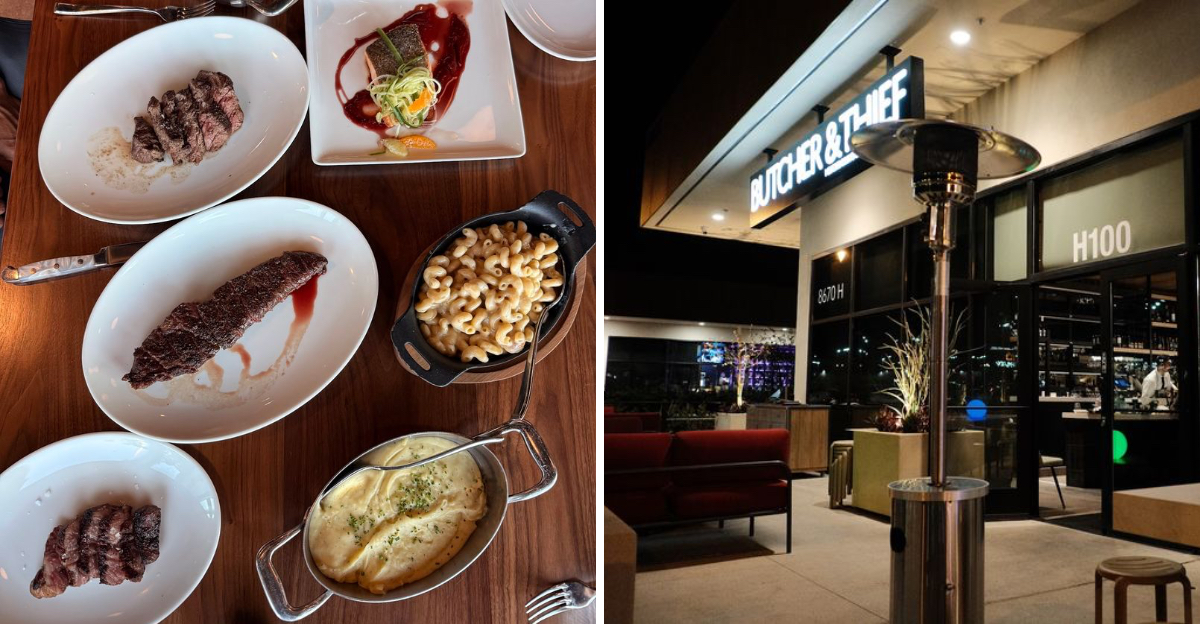
Something big just fired up in Nevada, and word is already spreading fast.
Warm wood and soft light greet you first, setting a mood that feels upscale without trying too hard. Just beyond the door, a quiet plaza hums along, far from the noise most visitors expect.
Step past the entrance and the energy shifts fast. Servers move with purpose, carrying plates piled with bold cuts and sharp flavors built for sharing.
A patio big enough for a crowd waits outside, perfect for lingering as the desert sky turns gold. Every course feels like a small event, right down to dessert.
Nevada keeps handing out surprises like this one. Curious how good it really is?
Clear your calendar and find out in person.
The First Impression Outside The Door
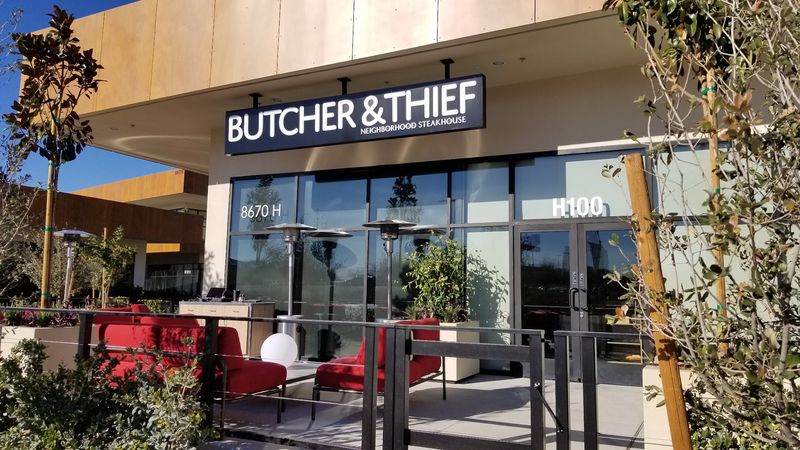
First looks matter, and the entrance here does plenty of work. Warm wood accents meet a clean, modern facade.
Soft lighting spills across the entry without feeling harsh. The look reads upscale, yet nothing about it feels stuffy or exclusive.
Guests arriving on foot from the plaza parking areas get a short, easy walk. Curiosity builds before the door even opens.
Set inside a newer southwest Las Vegas plaza, the building sits away from the busiest tourist crowds. That distance changes the mood right away.
Traffic noise fades, and the pace slows. Arriving a few minutes early gives time to look around and settle.
Reservations may help during busier weekend windows, especially for larger groups. Walk-ins can still work, though wait times vary.
Dress code leans casual to smart casual, based on the general steakhouse setting. Comfort matters more than formality.
Anyone driving in should note the plaza layout, since several storefronts share the same lot. Signage helps.
The restaurant sits at 8670 W Sunset Rd, Las Vegas, NV 89148.
Service That Moves At A Human Pace
Good service can quietly make a meal. Staff here move with steadiness and warmth.
Greetings feel friendly rather than scripted. First-time guests often get the same treatment as regulars.
Servers know the menu well and can walk through cuts and preparations. Questions about ingredients usually get clear answers.
Courses arrive with reasonable spacing, which keeps the table from feeling crowded. Nobody hurries diners along.
Guests who want the meal paced slower should say so early. A quick note at the start helps the kitchen plan.
Ordering etiquette stays simple. Sharing appetizers works well, and asking for steak temperature preferences is expected.
Special occasions can be mentioned at booking, since staff may acknowledge them. Confirming details ahead avoids surprises.
Payment policies at restaurants can change, so asking about card surcharges before paying is practical. Clarity prevents awkward moments.
Larger parties may want to discuss splitting checks in advance. That small step saves time at the end.
Overall, the rhythm here supports conversation more than performance. Attention arrives when needed, then steps back.
Starters Built For Sharing
Appetizers set the tone fast. The opening lineup here leans playful.
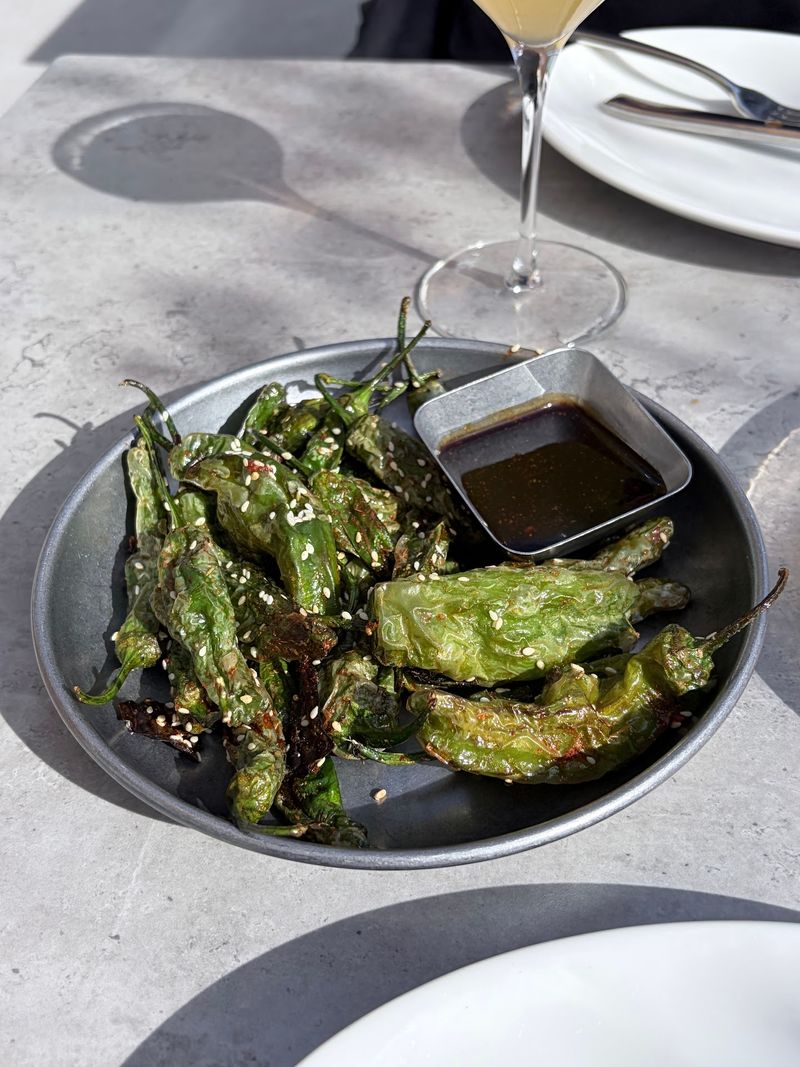
Blistered shishito peppers arrive with ginger salt and lime. The heat level on shishitos varies naturally, which keeps things interesting.
Crispy cheesesteak egg rolls take a familiar sandwich and reshape it. Guests often order them for the table.
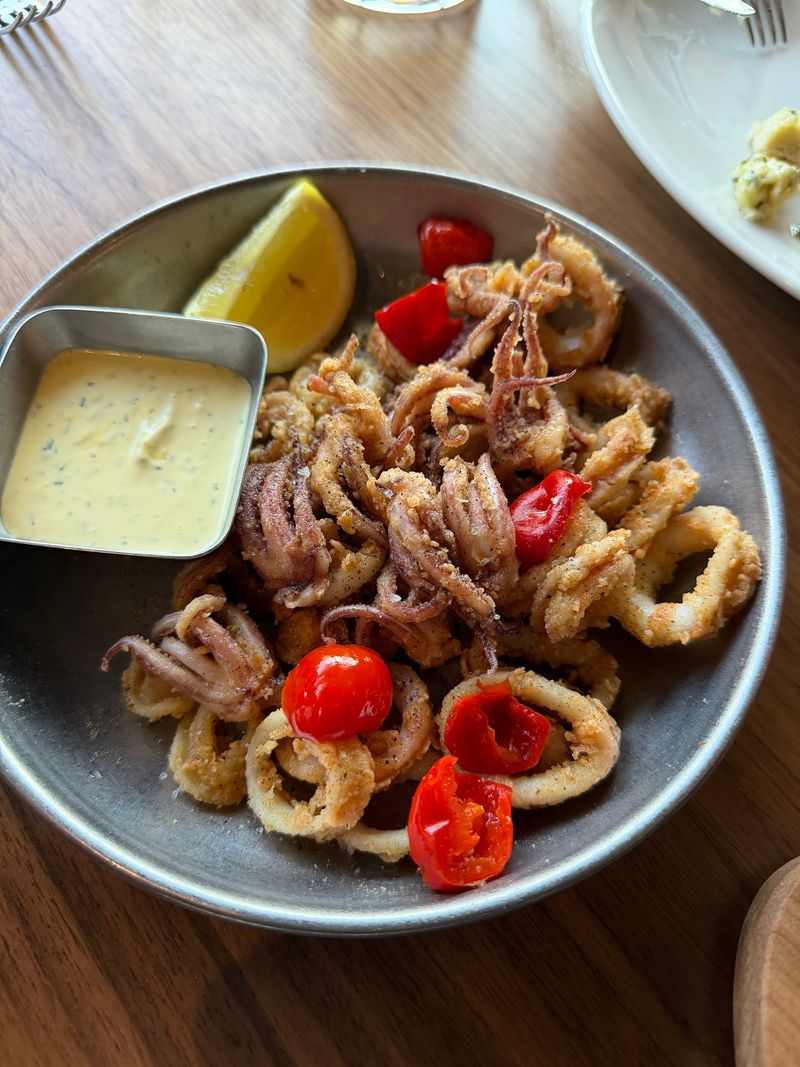
Calamari appears with a dipping sauce, and it works well as a shared plate. Portions suit two to four people.
Beef tartare shows up for those wanting something lighter and cooler. Ordering it early in the meal makes sense.
A cold bar covers fresh options such as jumbo shrimp and hamachi crudo. Portion sizes on crudo dishes tend to run smaller.
Bread also comes into play at the start of a meal. Pacing matters, since filling up early is easy.
Sticking to two starters for a group of four keeps room for mains. Steakhouse portions add up quickly.
Menu items can rotate, so checking the current lineup on arrival helps. Seasonal shifts happen.
Where To Sit Inside The Dining Room
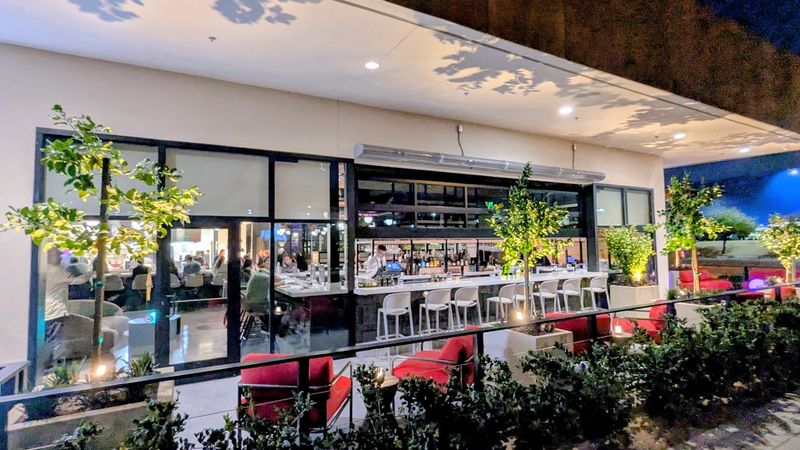
Seating choice at Butcher & Thief shapes the whole meal. The interior spans roughly 5,000 square feet, so options exist.
A lively lounge area greets guests near the front. The main dining room stretches out with plenty of tables.
Leather seating, exposed textures, and artistic details fill the room. Modern industrial lines meet softer, warmer touches.
Booth seating tends to feel more private for couples. Center tables put diners closer to the room’s energy.
A chef’s counter also exists for those who like watching the kitchen work. Solo diners may find that spot comfortable.
Private dining areas suit birthdays, family dinners, or small work gatherings. Asking about availability ahead of time helps.
Noise levels can climb in the main dining room during peak hours. Guests wanting quieter conversation should request a corner table or arrive earlier.
Lighting stays soft rather than dim, so reading the menu stays easy. Faces look warm, not shadowed.
Ceiling height keeps the space open, which helps the room breathe. Nothing feels cramped between tables.
Patio Nights Under Open Sky
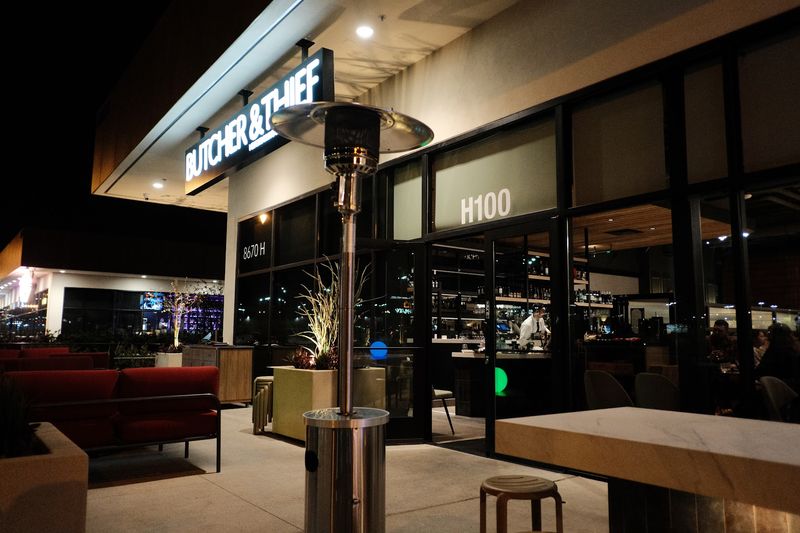
Ready for dinner outdoors? The patio here runs about 1,800 square feet.
Space that large means seating rarely feels packed together. Conversations stay contained at each table.
Cooler months bring the patio to life, and evenings tend to be the sweet spot. Summer afternoons may feel warm, so timing matters.
An additional private outdoor dining room sits within the patio area. Groups celebrating something may prefer that setup.
Requests for patio seating work best when made at booking. Availability shifts with weather and demand.
Outdoor tables also suit guests who want a slower pace. Service rhythm outside often feels less rushed than the main room.
Desert evenings cool down quickly after sunset. A light layer helps between courses.
Families with kids sometimes find outdoor seating easier, since the sound spreads out. Fidgeting feels less noticeable.
The patio works for a full dinner or a lighter plate before heading home. Nothing about it demands a long commitment.
Views lean toward the plaza rather than the Strip skyline, which keeps things low key.
Salads That Refuse To Be Boring
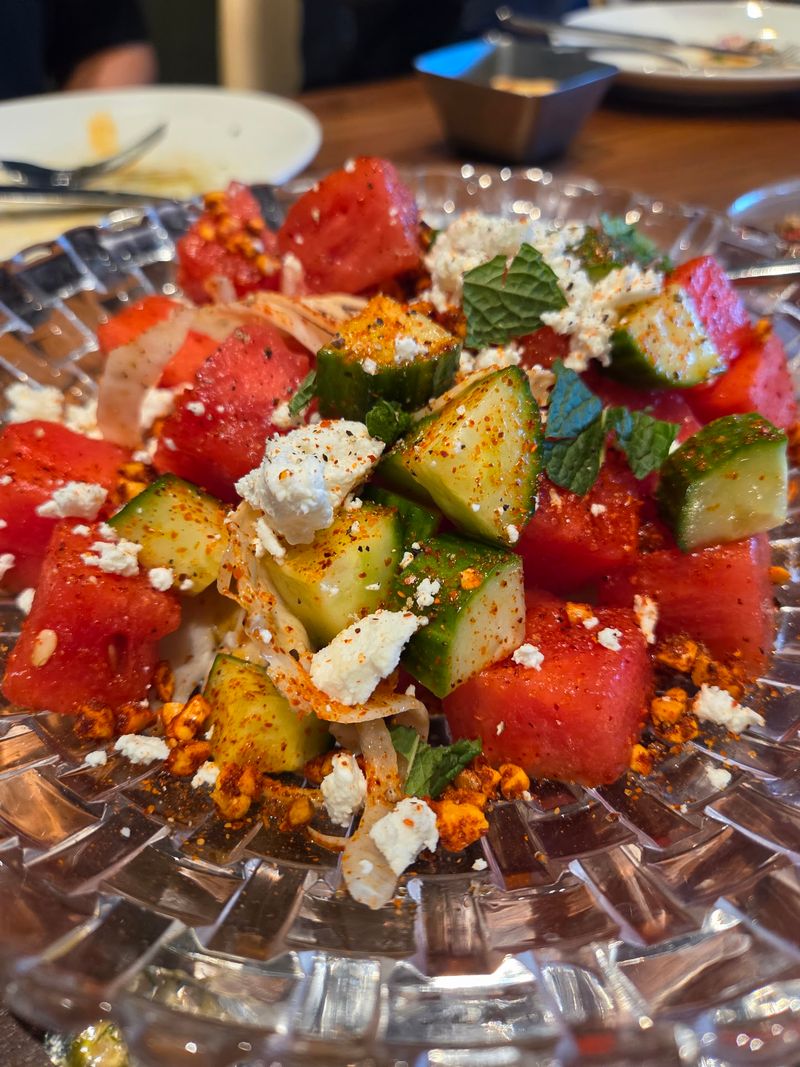
Salads at steakhouses usually get ignored. Not the case here.
A classic Caesar holds down the traditional side of the menu. Simple, familiar, and easy to share.
The triple thick bacon wedge brings more heft to the table. Wedge salads pair naturally with grilled cuts.
Blackberry burrata also appears on the menu, offering something fruit-forward and creamy. Lighter appetites may find it filling enough on its own.
Watermelon feta has shown up as a seasonal-style option. Availability may shift with produce, so asking is smart.
Dressing preferences are worth mentioning when ordering. Requesting extra or dressing on the side is a normal ask.
Splitting a salad between two people works well before steak arrives. Portions lean generous.
Vegetarian diners may find these plates useful as a starting point. Confirming ingredients with staff is always wise.
Bright, cold plates also balance richer sides later in the meal. That contrast keeps the meal from feeling heavy.
Ordering one salad for the table is an easy middle ground. It stretches the menu without overloading anyone.
Steak Cuts Worth Studying
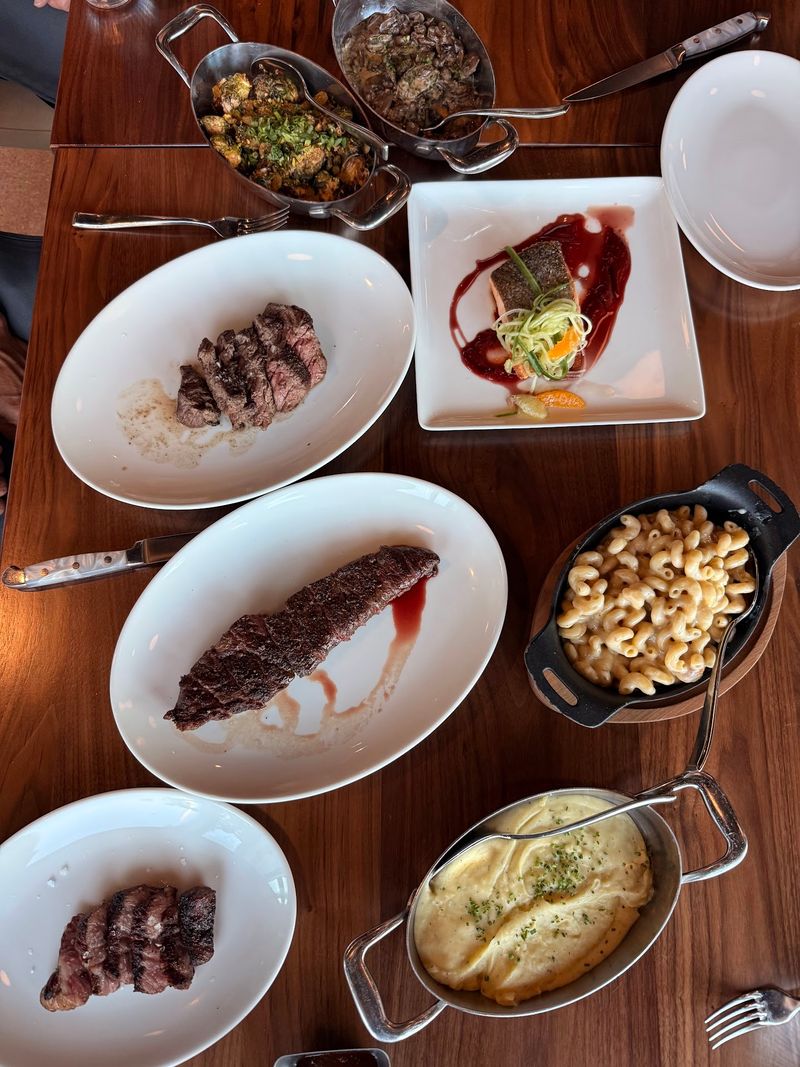
Steak selection here rewards a slow read. House and traditional cuts both appear.
Flat iron, bavette, and zabuton represent the less common choices. Each eats differently in texture and richness.
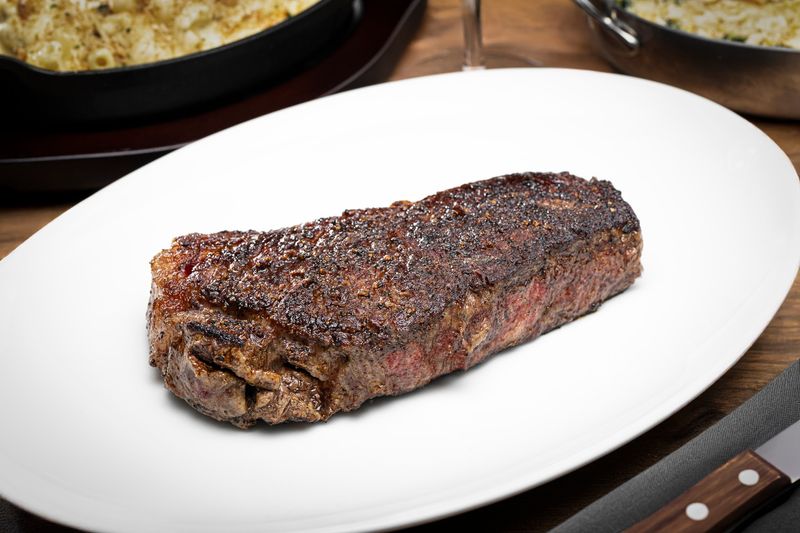
Ribeye and NY strip cover the classic territory. Both remain reliable picks for first visits.
A5 wagyu tri-tip sits at the top end of the lineup. Portions on wagyu usually run smaller by design.
Temperature requests matter more than anything. Stating medium rare or medium clearly avoids confusion.
Guests unsure about cuts should ask staff to compare two options. That short conversation narrows things fast.
Steak sauces accompany the cuts, and using them is entirely optional. Trying a bite plain first shows the meat’s character.
Sharing a larger cut between two diners works when adding sides. That approach keeps the meal manageable.
Rest time affects texture, so letting the steak sit briefly helps. Slicing across the grain also improves tenderness.
Butcher & Thief keeps the steak list focused rather than overwhelming, which makes choosing easier for newcomers.
Options When Steak Is Not The Plan
Someone at the table skipping beef? Plenty still works here.
Fresh seafood holds a real place on the menu. Verlasso salmon and crab cakes both appear.
Branzino gives another fish option for lighter appetites. Whole fish dishes often feel less heavy than grilled cuts.
Ricotta gnudi offers a pasta-style plate with softer texture. Cauliflower steak covers the vegetable-forward side.
A double cut pork chop suits guests wanting something substantial without beef. Thick chops carry plenty of flavor.
The Butcher Burger with fries handles casual cravings. Ordering it at lunch makes practical sense.
Mixed groups benefit from this range, since nobody gets stuck with one narrow choice. That flexibility helps family dinners.
Diners with allergies or dietary needs should speak with staff directly. Kitchens can often adjust preparations.
Risotto and rice-based sides have also appeared, which adds variety beyond potatoes. Availability may vary.
Menus at newer restaurants shift over time, so checking current offerings on arrival is the safest move.
Sides And Sweets That Earn Attention
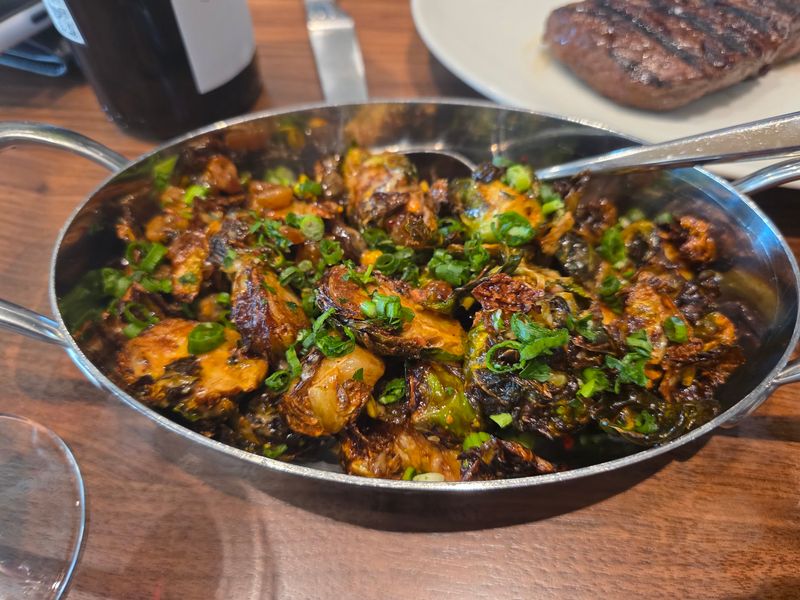
Sides can steal the show, and several here try. Brussels sprouts arrive with molasses and pistachio.
Steak fries come with a house fry sauce. Mashed potatoes and mushrooms cover the comfort classics.
Mac and cheese gets ordered often, and its richness suits sharing. One order usually feeds two or three.
Creamed spinach also appears, rounding out the traditional steakhouse spread. Ordering two sides for four people is plenty.
Sides arrive as shared plates rather than individual portions. Planning around that avoids waste.
Dessert deserves a pause. Banana cream pie leans classic and generous in size.
Peach melba offers a lighter, fruit-based finish. A tableside-style flambeed cherry dessert has also appeared on the menu.
Appetites usually run low by then.
Guests wanting dessert should mention it early, since kitchens sometimes prepare certain items to order. A heads-up smooths the timing.
Butcher & Thief keeps the sweet list short, which makes the decision quicker at the end of a long meal.
Weekend Brunch And Smart Timing
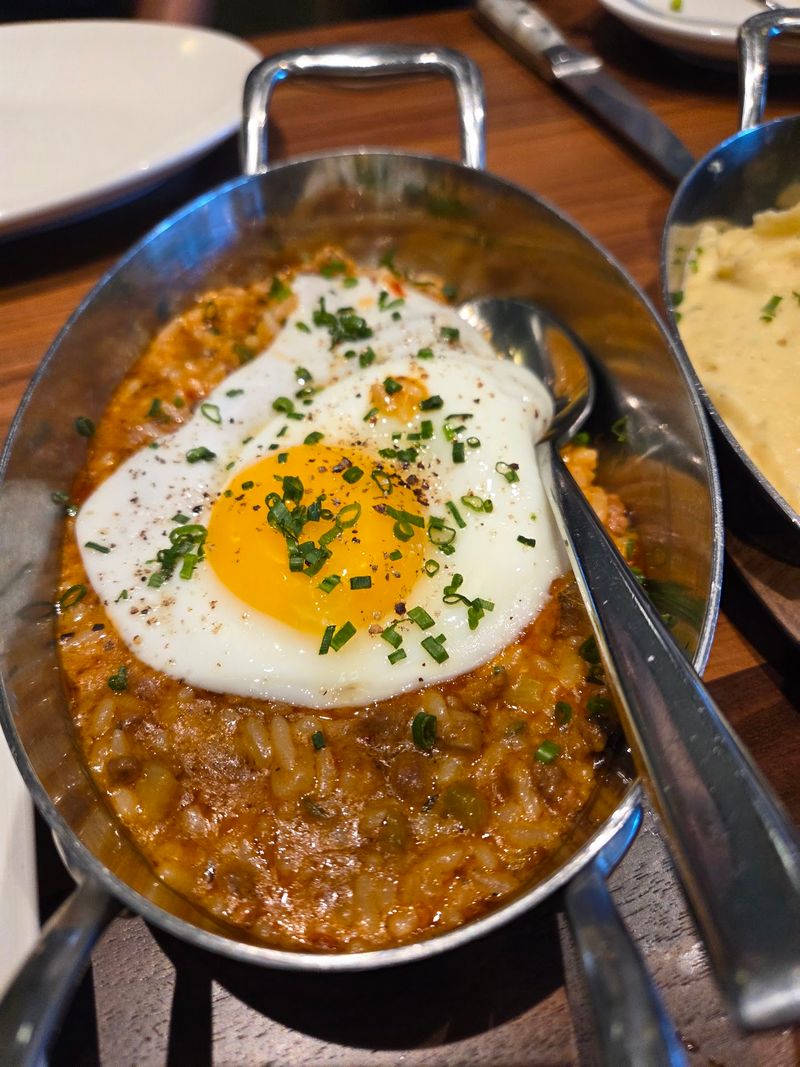
Brunch changes the whole feel of a steakhouse. Weekends bring a separate menu here.
Steak and eggs anchors the hearty side. The garbage benedict twists a familiar breakfast plate.
Carrot cake French toast leans sweet for anyone skipping savory. Portions on brunch dishes tend to satisfy.
Daytime light through the windows softens the industrial edges inside. The room reads brighter than at night.
Weekday visits usually feel calmer than weekend evenings. Guests wanting quieter tables should aim for early service windows.
Friday and Saturday nights bring more energy and more noise. Groups celebrating may prefer that atmosphere.
Reservations help most during peak weekend hours. Smaller parties sometimes find bar seating open.
Parking sits in the shared plaza lot, which fills up during busy stretches. Arriving a bit early reduces stress.
The location keeps things convenient for southwest valley residents and visitors staying off-Strip. Driving beats fighting Strip traffic.