
This New Jersey Beach Ranks Among America’s Most Underrated And Locals Love It That Way

Drive south until the houses simply stop. That is the moment this stretch of New Jersey coast begins.
Ten miles of barrier island with no boardwalk, no arcades and nothing blocking the water. Ready for a shore day where you can actually hear the waves?
Dunes here have stood largely untouched for centuries, holding nine different ecosystems between ocean and bay. Prickly pear cactus grows in the sand, which nobody expects.
Ospreys run the largest colony in the state, diving feet first into the shallows. Paddlers slip through marsh channels while anglers work the surf at dawn.
Walk or cycle in and it costs nothing at all. Drive and the lot fills early, so set an alarm.
Ten Miles Of Wild Coast
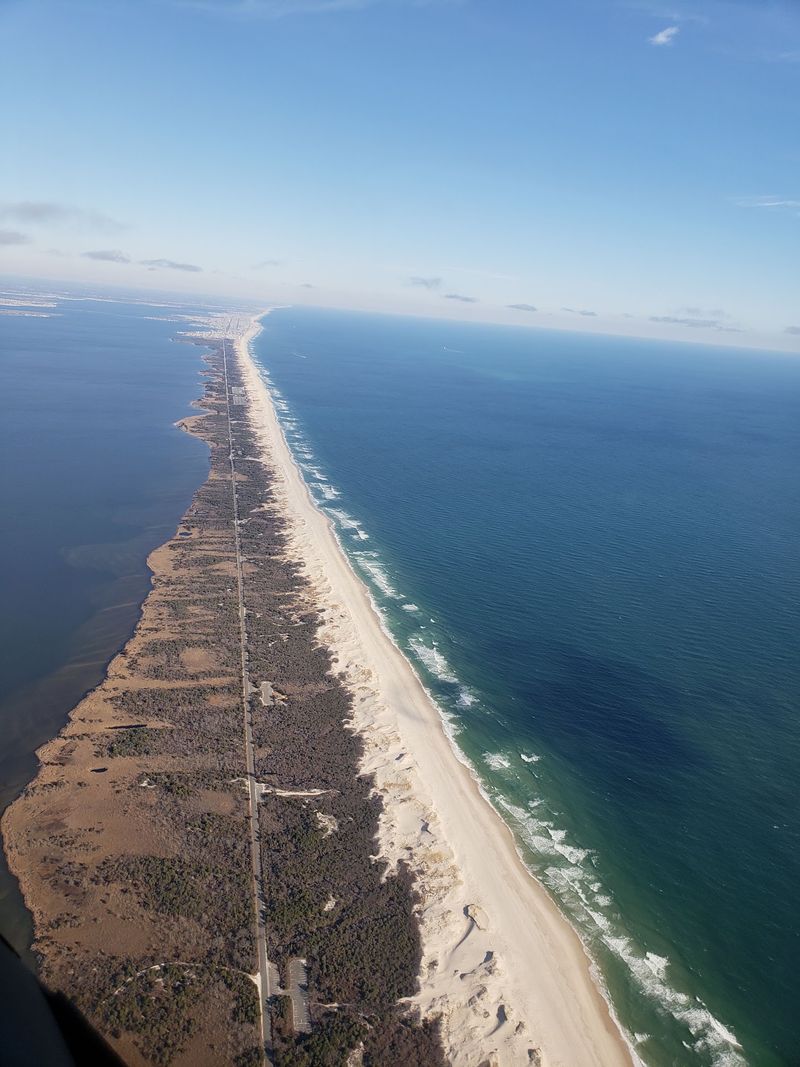
Imagine driving onto a skinny strip of land and watching the houses simply stop. That is the moment Island Beach State Park begins.
Suddenly, the view opens up to sand, sea grass, and sky.
The park stretches about 10 miles along a narrow barrier island. The Atlantic Ocean sits on one side.
Historic Barnegat Bay rests on the other. It ranks among the few undeveloped barrier beaches left on the North Atlantic coast.
Here is a fun fact to share on the drive. More than 3,000 acres of coastal dunes have stayed largely untouched since they were first described in 1609.
That is older than most towns in New Jersey! When was the last time a beach made you feel like a time traveler?
Locals love it because it looks so different from the busy shore towns nearby. No rides.
No neon signs. No towering hotels.
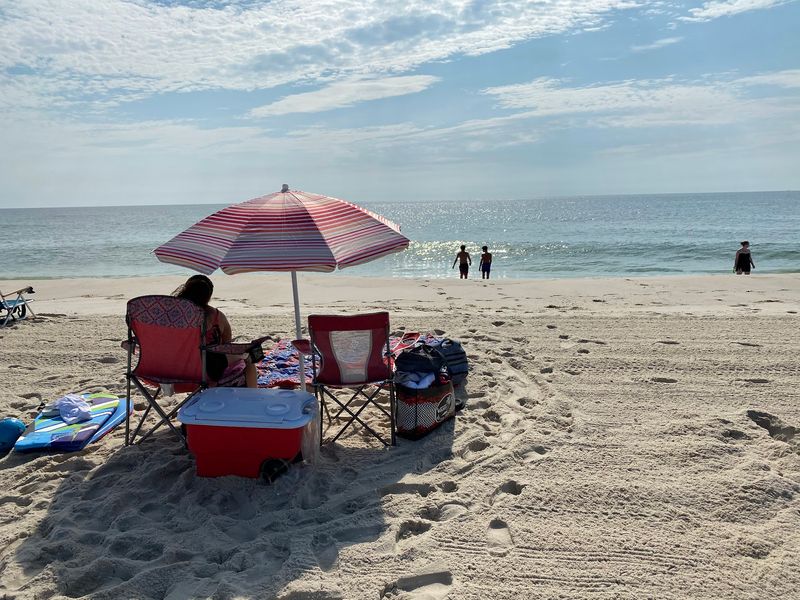
Instead, there are wide beaches where spreading out a blanket never feels like a squeeze.
First-timers should take it slow. Roll down the windows on the main road and soak in the scenery.
Stop at a few parking areas and peek over the dunes.
Each section of the park has its own mood. Some spots feel lively in summer, while others stay quiet and windswept.
Exploring a little helps visitors find their favorite stretch of sand, and many return year after year to claim it again.
Cactus On A Jersey Beach?
Most people expect seagulls and sand at the shore. Few expect a cactus!
Yet the prickly pear cactus grows right here in the coastal dunes, and spotting one feels like finding a secret.
Plant fans have a lot to celebrate. The park counts more than 400 identified plant species.
It also holds the most expansive stretches of beach heather in New Jersey. In spring, that low shrub can paint the dunes with tiny blooms.
The scenery shifts as visitors move across the island. Dunes roll near the ocean.
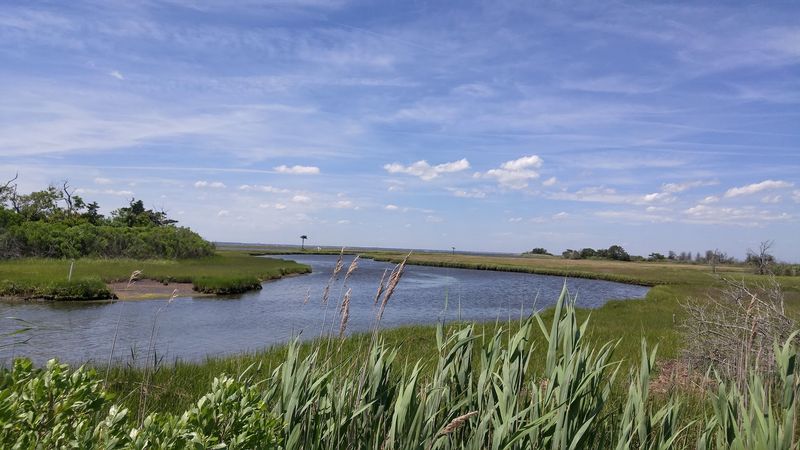
Thick maritime forests grow in sheltered spots. Lush tidal marshes spread along the bay.
Who knew one skinny island could hold so many different worlds?
These plants are more than pretty. Their roots help hold the sand in place.
That keeps the dunes strong against wind and storms.
A few simple tips make plant spotting more fun:
Stay on marked paths and boardwalks. Dune plants are fragile, and one careless step can harm them.
Bring a phone or camera with a good zoom so pictures can be snapped from a safe distance.
Look closely, too. Some of the coolest plants are small and easy to miss.
Kids often make the best spotters because they notice tiny details.
Want to learn names before the trip? A plant guide or app can turn a simple walk into a fun treasure hunt.
Ospreys Rule These Skies
Look up near the marsh and a big stick nest might catch the eye. Perched on top could be an osprey, keeping watch over its watery kingdom.
These fish-catching hawks are a true highlight here.
The park hosts the largest osprey colony in New Jersey. Watching one dive feet-first into the water to grab a fish is pure magic.
Have you ever seen a bird snatch its lunch straight out of the bay?
Ospreys are only the start. Birders may spot peregrine falcons, wading birds, shorebirds, and waterfowl.
Songbirds pass through in large numbers during migration.
The island is part of the Atlantic Flyway. That is a major travel route for migrating birds.
Many stop here to rest and refuel before continuing their long journeys.
Spring and fall are exciting times for bird watching, since migration brings new visitors overhead. Summer is great for osprey action around the nests.
Pack binoculars before leaving home. A small field guide helps match feathers to names.
Early mornings are often calm, which can make birds easier to see and hear.
Give nesting birds plenty of space. Respecting posted signs and closed areas protects these birds and their young.
A respectful distance also means calmer birds and better views.
Even non-birders tend to get hooked. One good sighting can turn a casual beach day into a lifelong hobby.
Waves, Boards, And Fishing Lines
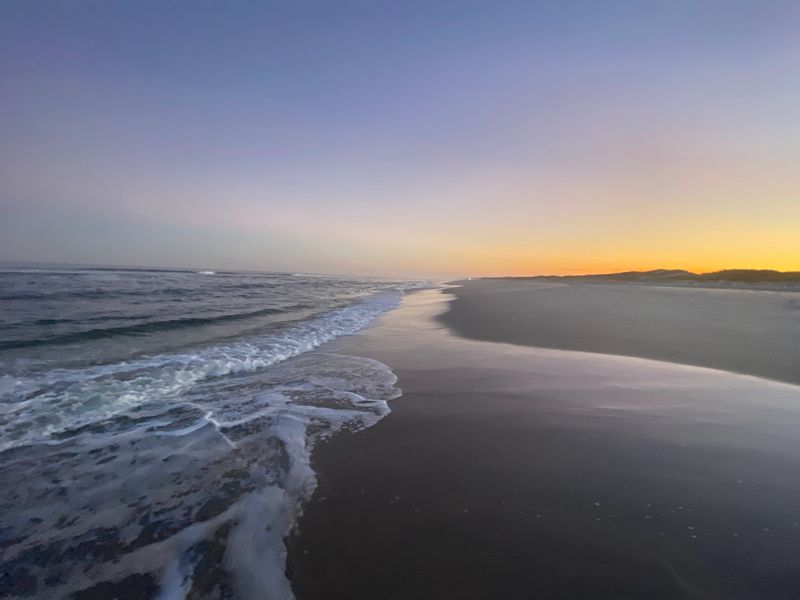
Salty air, crashing waves, and a fishing rod bending toward the sea. For many visitors, that is the perfect morning.
The ocean side of the park is made for action.
Swimming is allowed in designated areas when lifeguards are on duty. That is typically from mid-June through Labor Day.
Always swim near the lifeguards and stay alert for rip currents.
Surfers and windsurfers have their own designated areas too. On a good day, riders can be seen catching waves while others cheer from the sand.
Anglers, this part is for you. Surf fishing here can be very rewarding.
Striped bass, bluefish, summer flounder, weakfish, and kingfish can be caught right from the shore. What would you do if a big striper grabbed your bait on the first cast?
New to surf fishing? The park has offered programs like a Beginner’s Surf Fishing Clinic.
Checking the current schedule is a smart way to learn the basics from people who know the beach well.
Fishing rules and permits can change, so look up the latest state regulations before heading out. Bring sturdy gear, extra bait, and a bucket.
Sunscreen and water matter just as much. The open beach offers little shade, and the sun can feel strong even on breezy days.
A beach umbrella or small tent makes long fishing sessions much more comfortable.
Paddle The Peaceful Bay Side
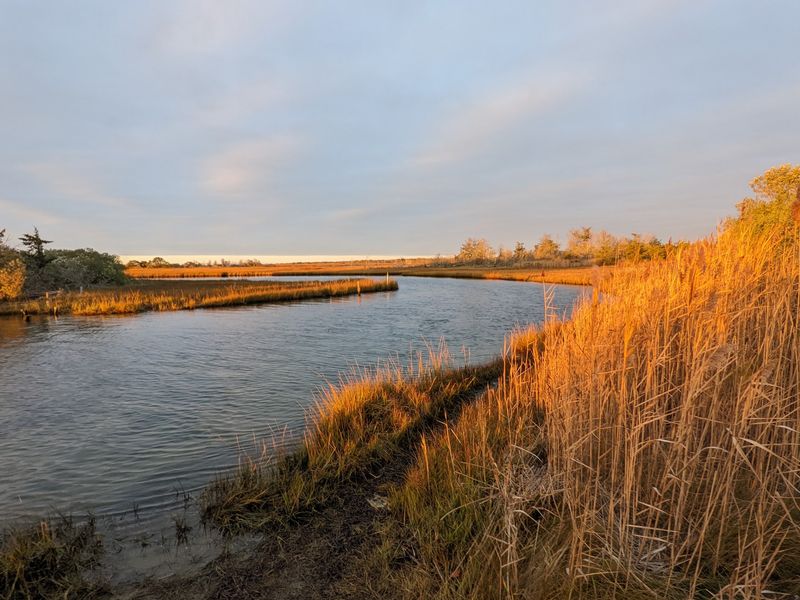
Cross over to the bay side and the whole mood changes. The water turns calm and glassy.
The loud surf fades into a soft lapping sound.
Barnegat Bay is perfect for kayaking, canoeing, and stand-up paddleboarding. Beginners often feel more relaxed here than on the ocean.
Guided tours are often available, which makes a first paddle much easier.
One standout trip is the Sedge Islands Kayak Eco-Tour. It explores the Sedge Islands Marine Conservation Zone, a nutrient-rich feeding area for wildlife.
Paddlers may glide past birds hunting in the shallows. Could there be a better way to see nature than from the seat of a kayak?
Another fun program has been Seine Barnegat Bay. Participants pull a net through shallow water to see what lives below.
Little fish, crabs, and other creatures can show up, and kids usually squeal with delight.
A few smart moves help any paddling trip go well:
Wear a life jacket every time. Check wind and weather before launching, since conditions on the bay can shift.
Bring a dry bag for phones and snacks.
Tours and programs can fill up, especially in summer. Checking the park schedule ahead of time helps avoid disappointment.
After paddling, find a quiet spot along the shore. Watching the bay turn gold near evening is a memory that sticks.
Short Trails, Big Discoveries
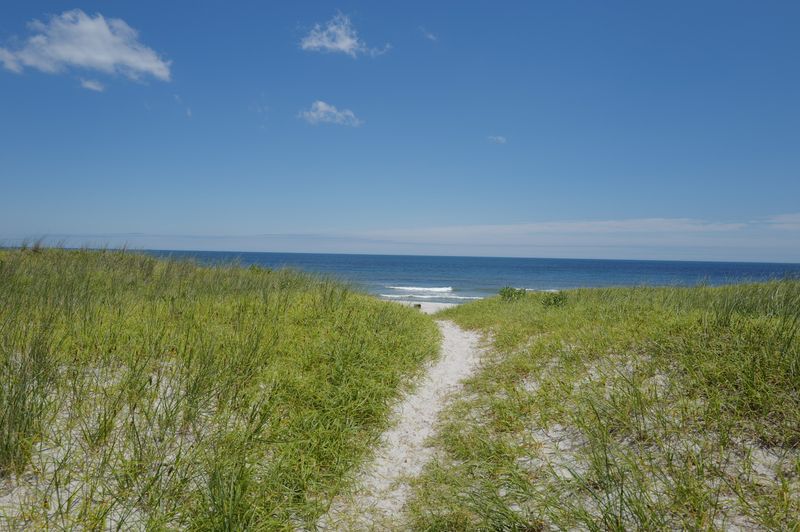
Not every adventure needs a long, tough hike. Sometimes a short trail packs the biggest surprises.
That is exactly the case on this island.
The park features eight trails, and each one is under a mile long. They lead to different parts of the island, with glimpses of both the bay and the ocean.
Most are generally flat and easy to walk, which makes them great for families.
The paths wind through dunes, maritime forests, and salt marshes. One minute the view is all sand and grass.
A few steps later, twisted trees create a shady tunnel. Which trail would you try first?
Prefer wheels? An eight-mile main road welcomes cyclists.
It offers a scenic ride, but the shoulder is limited. Riders should stay alert, wear helmets, and use lights or bright clothing.
Here is a money-saving bonus. There is no fee for people who walk or bike into the park.
Vehicle fees apply, and they vary by season and residency, so check current rates before visiting.
Hikers should pack bug spray, especially near the marshes in warmer months. Closed-toe shoes help on sandy paths.
Bring plenty of water, since shade can be patchy.
The park has also offered evening programs like a Moonlight Hike. Exploring the island under the night sky adds a whole new layer of wonder.
History Meets Hands-On Learning
Curious minds, this stop is calling your name. About seven miles into the park sits the Forked River Interpretive and Nature Center.
It is a hub for learning about this special coastline.
Inside, visitors can explore the Emily DeCamp Herbarium. It holds a collection of roughly 400 preserved plants.
Seeing them up close helps the plants outside make more sense. Have you ever looked at a dried flower that might be decades old?
Programs and guided tours run here through the seasons. Topics and dates change, so check the schedule before the trip.
Signing up early is wise for popular activities.
History fans will enjoy another detail. The park features two Coast Guard stations, dating from 1901 and 1938.
They are reminders of the brave crews who once watched over these waters.
Conservation is a big part of the story too. Staff and volunteers help with beach grass plantings.
That grass builds dunes and helps the coast stand up to storms.
Kids especially love learning that the dunes are like a natural wall. Every plant helps protect the island.
That makes visitors more careful about where they step.
Building operations and hours can vary, so look up current details first. Pets are not allowed inside park buildings, so plan ahead if a furry friend is along for the ride.
Smart Tips Before You Go

A little planning turns a good beach day into a great one. Locals know the tricks, and now visitors can too.
Arrive early, especially on summer weekends and holidays. The park may temporarily close to new vehicles once parking areas fill up.
Real-time email alerts are available through AlertMeDEP.nj.gov. Hours and fees vary, so always check before heading out.
Food options are limited to the main swimming area. Packing a cooler with snacks, sandwiches, and plenty of water is a smart move.
What tasty beach picnic would you pack?
The park is carry-in, carry-out. That means every bit of trash goes home with you.
Bring a bag just for garbage to keep the sand spotless.
Restrooms, changing rooms, and first-aid stations are available at the swimming pavilions. Accessible restrooms and beach wheelchairs help more visitors enjoy the shore.
Dog owners, listen up. Dogs are welcome on non-lifeguarded beaches on a leash no longer than six feet.
They are not allowed on swimming beaches or in park buildings. There is also no camping.
From the southern tip, look across the inlet for views of Barnegat Lighthouse. It makes a lovely final photo of the day.
Ready to see why New Jersey locals keep this place close to their hearts? Head to Island Beach State Park at 2401 Central Ave, Seaside Park, NJ 08752, and enjoy the wild side of the shore.