
This New York Coastal Neighborhood Still Feels Surprisingly Undiscovered In 2026

Heading into 2026, one coastal New York neighborhood still somehow flies under the radar despite having everything a crowded tourist spot usually offers.
Salt air drifts through quiet streets lined with shops that haven’t bothered chasing an Instagram aesthetic.
Waterfront views stay uncrowded enough that finding a bench with a clear sightline barely requires any effort at all.
Staying undiscovered this long takes a strange kind of luck, especially somewhere this scenic. Locals seem to prefer it that way, keeping foot traffic manageable and prices from creeping up the way they have elsewhere along the coast.
Visitors who do find their way here often leave wondering how a spot this charming avoided getting overrun years ago. Undiscovered rarely lasts forever, so 2026 might be the year that quietly starts to change.
A Village At The Edge Of Everything
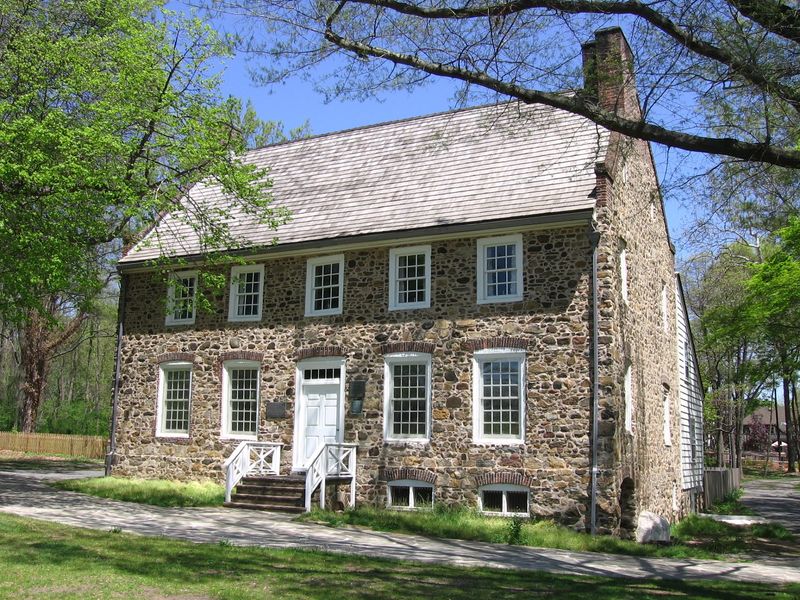
Not every great destination announces itself loudly. Some places earn your attention slowly, through the texture of their streets, the friendliness of their locals, and the rare feeling that time has not completely caught up with them yet.
Tottenville carries that quality in abundance. It sits at the southernmost point of both New York City and the entire state of New York, which is a geographic distinction that most New Yorkers themselves could not point to on a map. That alone should spark your curiosity.
The neighborhood has a village feel that is almost startling in its authenticity. Streets are lined with mature trees.
Homes carry real architectural character. Neighbors actually know each other by name.
Many residents are multi-generational, meaning families have lived here for decades, sometimes longer. That kind of continuity creates a community with deep roots and genuine pride in where they live.
Tottenville is often called a town within a city, and that description holds up on every block. The pace here is measured and calm.
There are no flashing billboards or tourist traps demanding your attention. Just a coastal neighborhood doing its thing, quietly and confidently, at the very edge of the map.
Where The City Ends And The Shore Begins
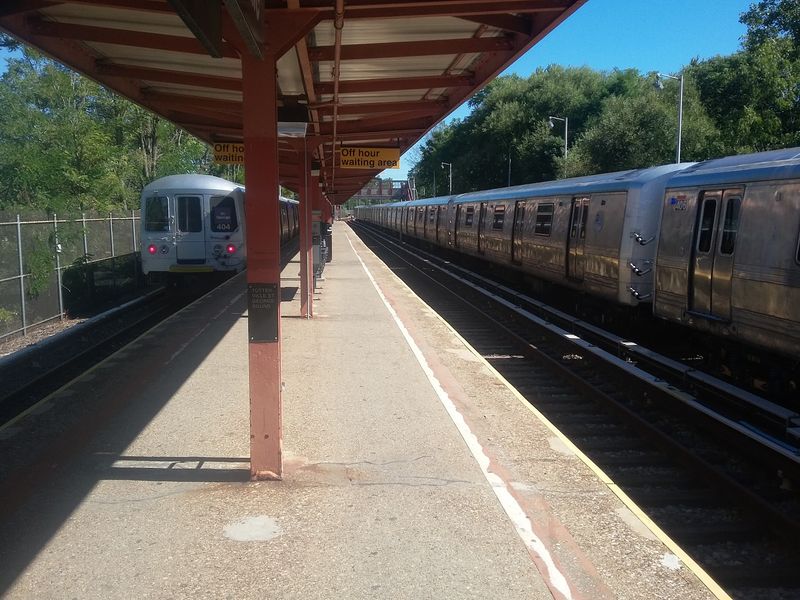
Right at 1 Main Street, the Staten Island Railway terminates at Tottenville Station, and that final stop feels symbolic. You have reached the end of the line in the best possible way.
Tottenville borders Raritan Bay to the south and Arthur Kill to the west, giving it water on two sides. That coastal geography shapes everything here, from the salty breeze rolling through the streets to the kinds of birds you spot on a morning walk.
The neighborhood earned its current name in 1869, honoring the Totten family, who were prominent local figures. Before that, European settlers called the area Bentley Manor, established by the Billopp family as far back as the 1670s.
Long before European contact, the Lenape people called this land home. Burial Ridge, the largest known Native American burial ground in the entire New York metropolitan area, is found within Conference House Park nearby.
Tottenville is arguably the least-known neighborhood in Staten Island, which is itself sometimes considered New York City’s least-known borough. That layered obscurity is practically a superpower.
You get all the benefits of a genuine coastal community without the crowds that usually follow such a label.
History That Actually Happened Here
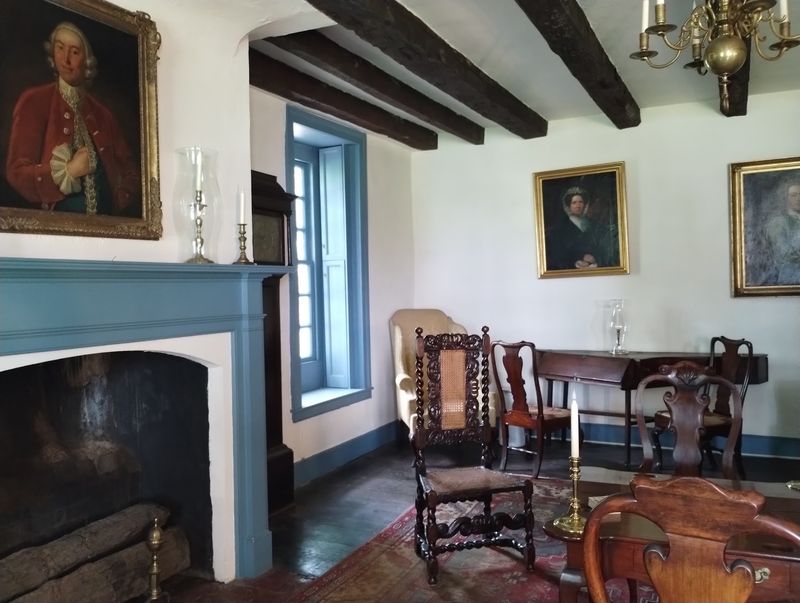
History in Tottenville is not the kind displayed behind velvet ropes in a museum far from where it actually occurred. Here, it happened on the very ground you are standing on.
The Conference House is perhaps the most significant example. In September 1776, British and American representatives met at this colonial-era stone manor in an attempt to negotiate peace during the Revolutionary War.
The meeting did not produce an agreement, but the building still stands as a powerful reminder of that moment.
Tottenville thrived as a seaport village throughout the 19th century. Shipbuilding brought skilled workers and commerce to the waterfront.
The oyster harvesting industry from Raritan Bay was once world-class, drawing buyers and traders from well beyond the region.
The architectural legacy of that prosperous era is still visible today. Victorian homes, Colonial-style structures, and charming cottages line the streets with a confidence that speaks to careful preservation.
Several buildings have received formal preservation awards recognizing their historical significance.
The Tottenville Historical Society remains active in keeping that story alive. Historic churches, including Bethel United Methodist on Bethel Avenue, add texture to a neighborhood that clearly values where it came from.
Good history ages well.
Parks That Actually Deserve Your Afternoon
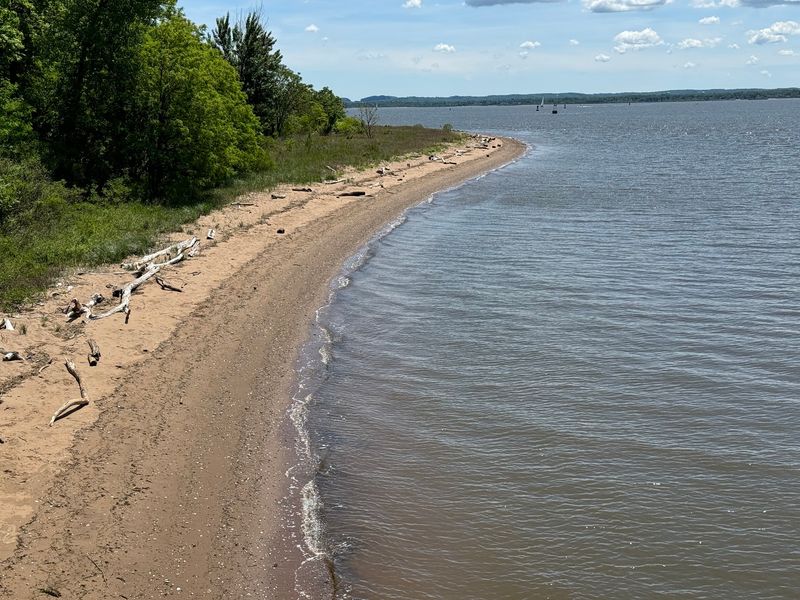
Green space in New York City is always appreciated, but Tottenville’s parks hit differently because they come with actual elbow room. Conference House Park spans 286 acres at the southern tip of Staten Island.
The park blends colonial history with sweeping waterfront views of Raritan Bay. Hiking and bike trails wind through the grounds, and the scenery shifts between wooded paths and open coastal vistas in a way that keeps every visit interesting.
A few blocks north, Tottenville Shore Park offers something more intimate. At 9 acres, it features a seashell-covered beach along Arthur Kill, a ravine, and dense tree cover.
It also functions as a bluebelt, managing stormwater runoff in an ecologically responsible way.
Lemon Creek Park adds even more variety to the mix. At over 105 acres, it includes a fishing pier, a gazebo, kayak and canoe launch sites, marinas, shaded pavilions, playgrounds, and dog runs.
Bring the whole family, including the dog.
The Tottenville Pool rounds out the outdoor offerings for those who prefer their water in a more controlled setting. Marshlands throughout the area attract native birds, making the neighborhood a quiet favorite for anyone who enjoys watching wildlife without booking a flight to get there.
Food Worth Making The Trip For

Tottenville’s food scene punches above its weight class, especially for a neighborhood that rarely makes the city’s trendiest dining lists. That quiet confidence shows up on the plate.
Angelina’s Ristorante is one of the most recognized names in the area. The restaurant offers a refined Italian dining experience that would hold its own in any borough.
The waterfront location adds a layer of atmosphere that is hard to manufacture and easy to appreciate.
DeLuca’s is another neighborhood favorite, offering familiar Italian-American flavors with the kind of consistency that keeps locals coming back for years. Family-owned restaurants in Tottenville tend to operate with a pride of craft that chain restaurants simply cannot replicate.
The commercial spine of the neighborhood runs along Main Street, with Amboy Road and Arthur Kill Road serving as corridors for local businesses. Farmers’ markets bring fresh local produce into the mix, adding a seasonal rhythm to the food culture here.
Family-owned diners offer the kind of straightforward, satisfying meals that remind you why simple food done well never goes out of style. The culinary scene here is not trying to be anything other than honest, and that sincerity is refreshing.
Good food in a quiet neighborhood is a combination that is genuinely hard to beat.
Getting There Is Easier Than You Think
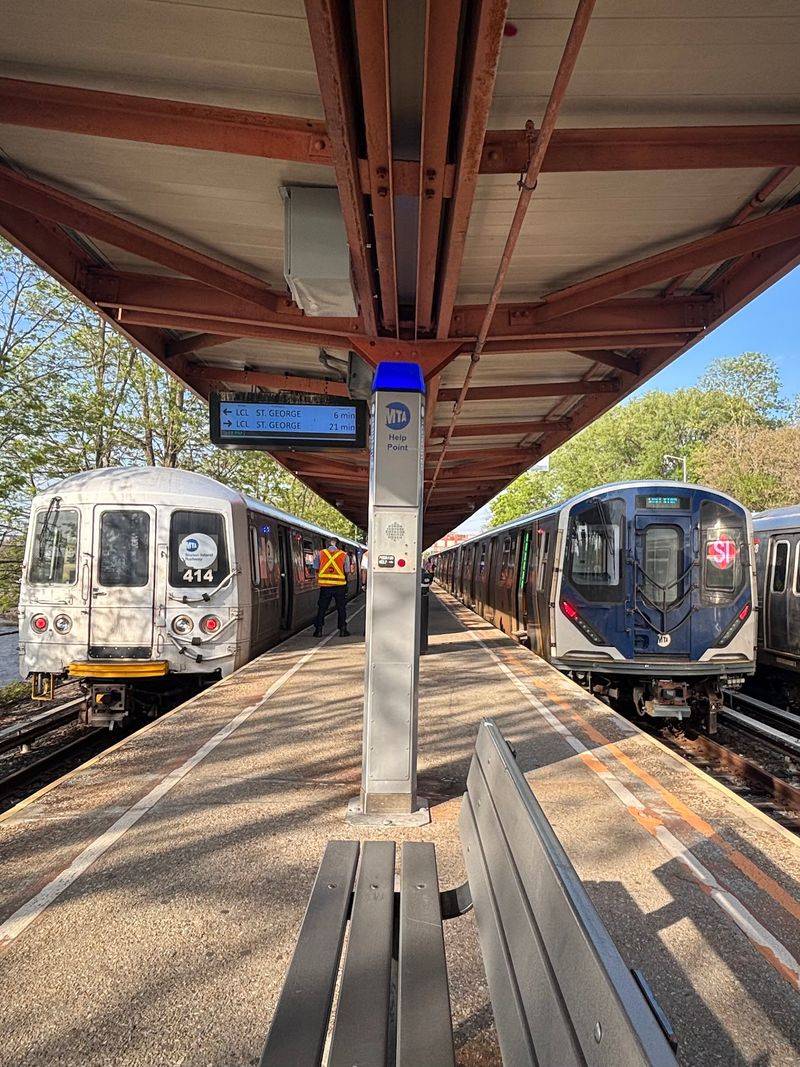
One of the most common reasons people skip Tottenville is the assumption that getting there from Manhattan requires serious commitment. The reality is far more manageable than that reputation suggests.
The Staten Island Railway runs directly to Tottenville Station at 1 Main Street, making it the terminus of the line. From St. George, where the Staten Island Ferry docks, the train ride down to Tottenville takes roughly 35 to 40 minutes.
Add the ferry crossing from Manhattan, and the full commute typically lands between 45 and 60 minutes.
That is not an unreasonable journey for a destination that feels this far removed from the city’s usual intensity.
The ferry ride alone is worth factoring in as part of the experience, offering views of New York Harbor that many longtime residents have still never properly appreciated.
Once you arrive, the neighborhood is walkable in a way that feels natural rather than forced. The streets are calm, the distances between points of interest are sensible, and the pace encourages exploration on foot.
For those driving, Tottenville is accessible via Hylan Boulevard, one of Staten Island’s main arteries. Parking is generally not the ordeal it becomes in other parts of New York City.
That detail alone earns the neighborhood considerable bonus points from any visitor who has circled a Manhattan block looking for a spot.
Community Spirit That Money Cannot Manufacture
Some neighborhoods feel like places. Tottenville feels like a community, and there is a meaningful difference between the two.
The social fabric here is woven tightly and maintained with genuine effort.
Community events are a regular fixture throughout the year. Fairs, parades, and farmers’ markets bring residents together in ways that feel organic rather than organized by a marketing committee.
Local businesses are cherished rather than merely tolerated, and that attitude shows in how the neighborhood supports them.
The Tottenville Historical Society is an active and respected presence, working to document and preserve the neighborhood’s story for future generations. That kind of civic investment is rare and worth recognizing.
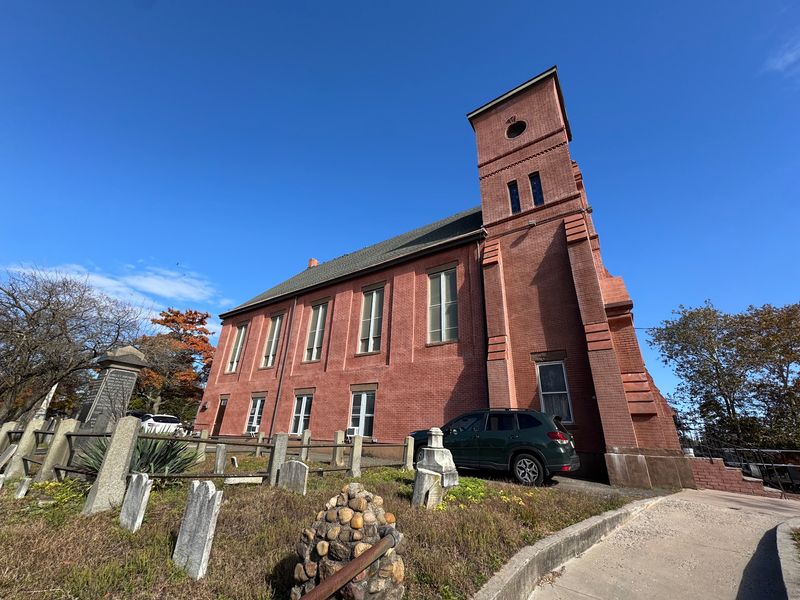
Bethel United Methodist Church on Bethel Avenue is one of several historic churches that anchor the neighborhood’s spiritual and social life.
Houses of worship here have served their congregations for generations, adding to the sense of continuity that defines Tottenville’s character.
The Tottenville Branch Library serves the community as both a resource and a gathering point. Educational facilities in the area are well-regarded, and the 123rd Precinct maintains a visible, community-oriented presence.
Tottenville is the kind of place where people look out for one another without being asked. That quality is increasingly rare in any city, and it makes this corner of New York worth every minute of the trip.