
This New York Honey Farm Turns Fall Harvest Season Into A Full Day Out
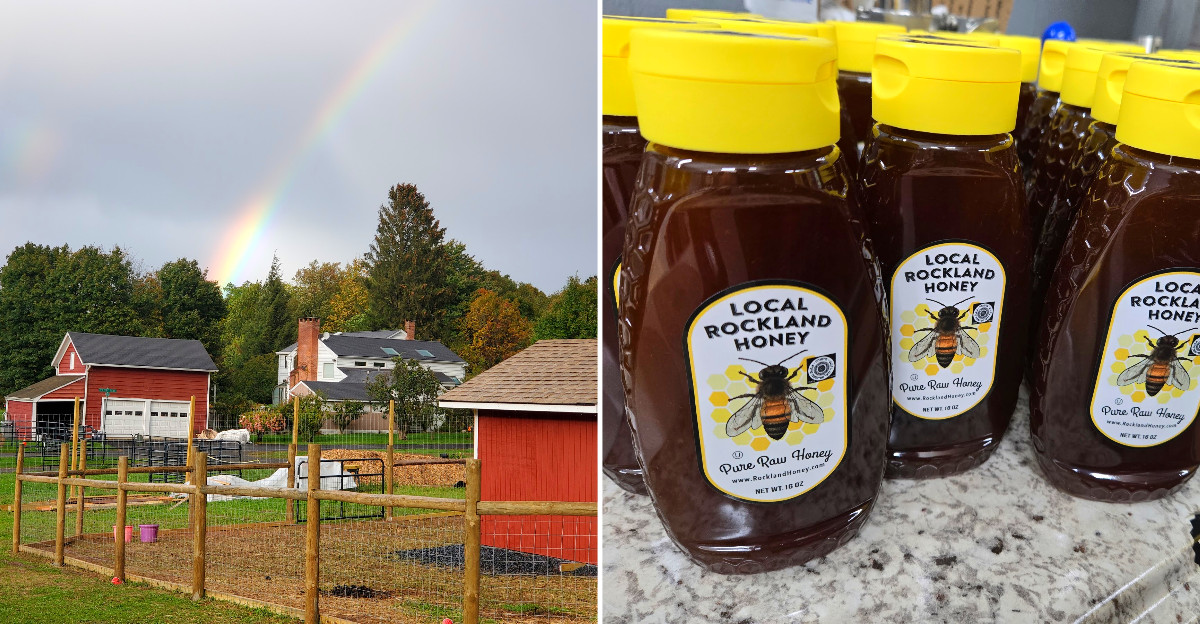
Less than an hour from New York City traffic, the pavement gives way to hayrides, honeybees, and fifteen acres of real farm life. That shift happens fast enough to feel almost suspicious.
New York can change pace in a hurry.
By the time families reach the vegetable rows or stop to watch curious alpacas, the city already feels much farther away than it actually is.
Fall gives the farm its best excuse to linger. Cool air settles over the fields, bee tours show how the honey gets made, and jars from the property make easy souvenirs.
A visit that starts as a quick escape can stretch through most of the afternoon. For anyone craving country air without giving up half the day to driving, the location may be the sweetest part of the deal.
Fifteen Acres Of Autumn Energy
Farms of this size have a way of surprising people. Fifteen acres sounds modest on paper, yet the layout keeps unfolding as you walk.
One path leads to animals, another to a playground, another toward rows of vegetables still producing in cool weather.
Autumn changes the whole mood here. Maple leaves turn copper above the fences, the air smells faintly of hay and warm animal bedding, and the crowds thin out compared to summer.
Kids run without bumping into anyone.
What sets the property apart is how much fits into one visit. A petting zoo, gem mining, mini excavators, honeybee tours, hayrides, and picnic tables all share the same grounds.
Nobody needs to drive between attractions.
Plan for three hours at minimum. Many families stretch that to five or six, especially when they pack dinner and eat outside as the sun drops.
The grounds stay clean and well kept, which makes lingering easy.
Bring layers. Open fields catch wind, and a sunny October morning can turn chilly by late afternoon.
Closed shoes matter too, since dirt paths and animal pens are part of the deal.
West Maple Farm And How To Find It
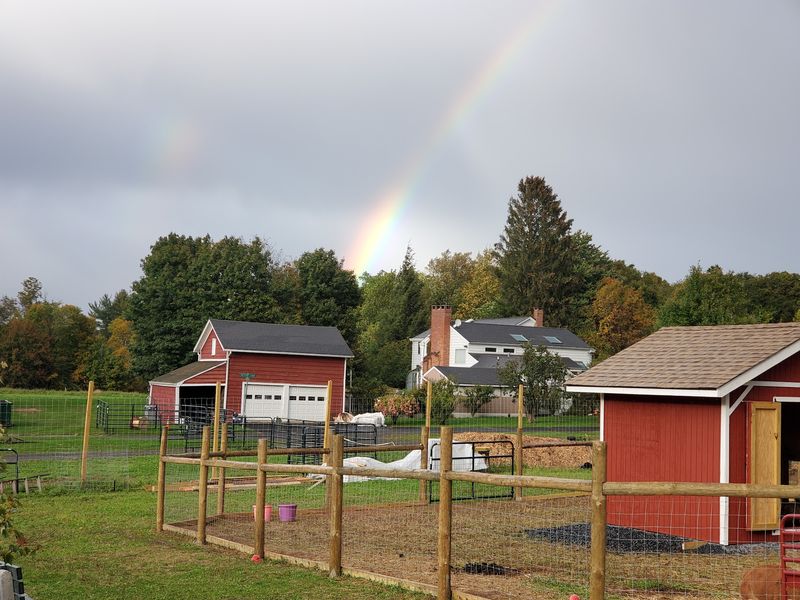
The name on the gate is West Maple Farm, and the address is 179 West Maple Avenue in Monsey, New York 10952. Rockland County wraps around it, though the surrounding streets feel more suburban than rural.
Getting here from the city takes well under an hour without traffic. That short drive is part of the appeal, since the countryside feeling arrives faster than anyone expects.
The transformation into a public family farm happened around 2020 and 2021. Before that, the land sat overgrown and forgotten.
Months of clearing, building, and planting turned it into one of the last working agricultural properties left in Monsey.
Hours shift with the season, so check before loading the car. During fall, Sunday runs from ten in the morning, weekdays open at noon, and Friday closes earlier.
Saturday is closed, and the farm shuts down entirely for winter before reopening in spring.
Weather can affect the schedule too. A heavy rain day may change what is running, so a quick look at the website saves disappointment.
Parking sits right on the property, which makes arrival simple even with a stroller and a cooler in tow.
Meeting The Honeybees Up Close
Bees get a bad reputation they rarely deserve. The live honeybee tours here flip that idea fast, showing visitors how a hive actually operates and why those tiny workers matter so much to everything growing nearby.
Guides walk groups through the basics. You learn how a colony divides labor, how nectar becomes honey, and why the buzzing sound changes depending on what the hive is doing.
Children ask fantastic questions, and the answers come back clear and patient.
Fall makes the timing interesting. Bees spend autumn preparing for cold months ahead, packing away stores and tightening up the hive.
Watching that process teaches more about seasons than any worksheet ever could.
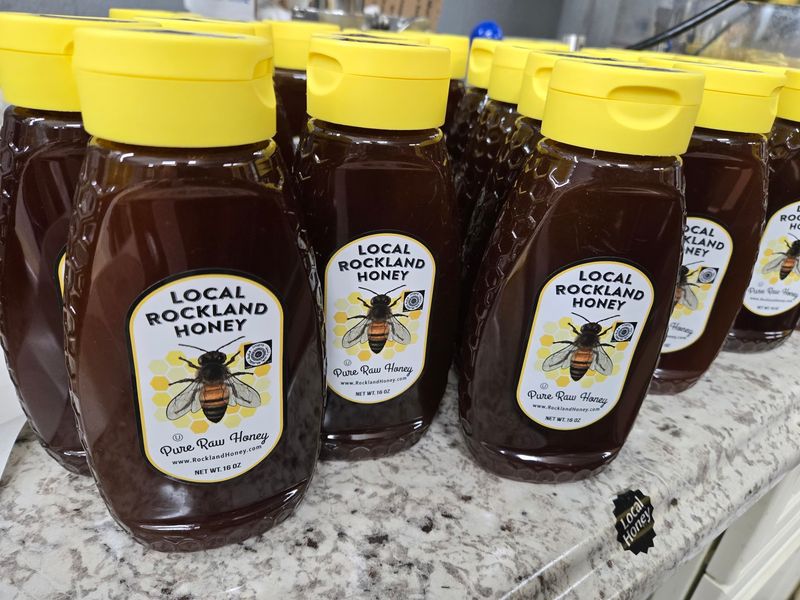
The honey produced on site is sold at the farm. Buying a jar right where the bees worked feels different from grabbing one off a supermarket shelf.
The flavor leans floral and mellow, with a soft finish.
Nervous kids can hang back and still see plenty. Nobody gets pushed closer than they want to go.
Fun detail: a single worker bee makes only about a twelfth of a teaspoon of honey in her entire life. That jar represents serious teamwork.
Alpacas, Goats, And A Peacock Or Two
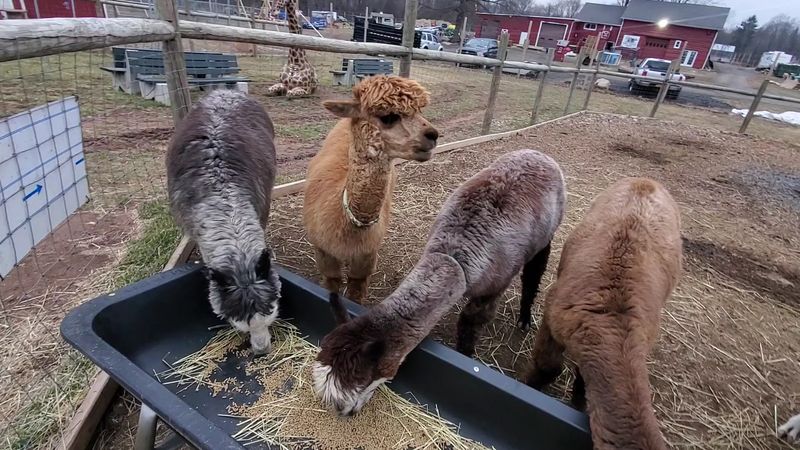
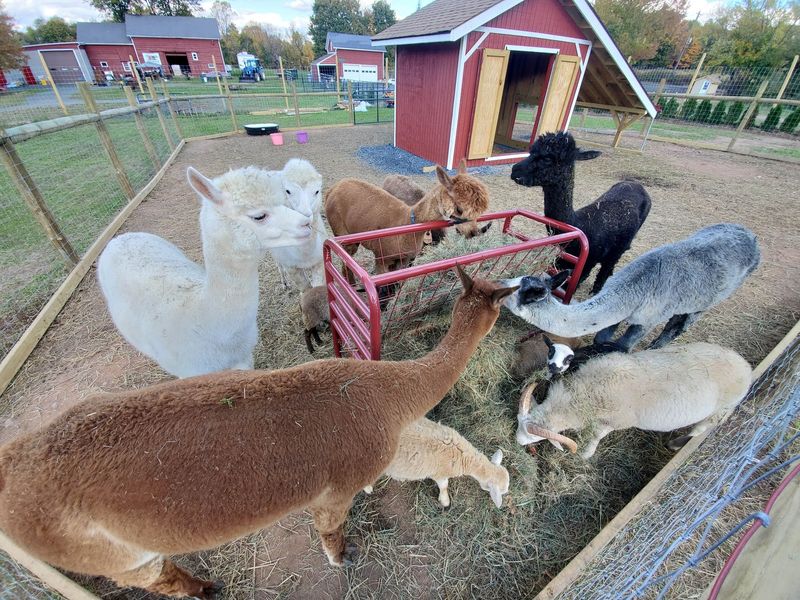
Alpacas run this place, at least in spirit. They amble toward the fence with that curious tilted stare, and visitors melt every single time.
Goats follow close behind in the popularity contest, always convinced you are hiding snacks.
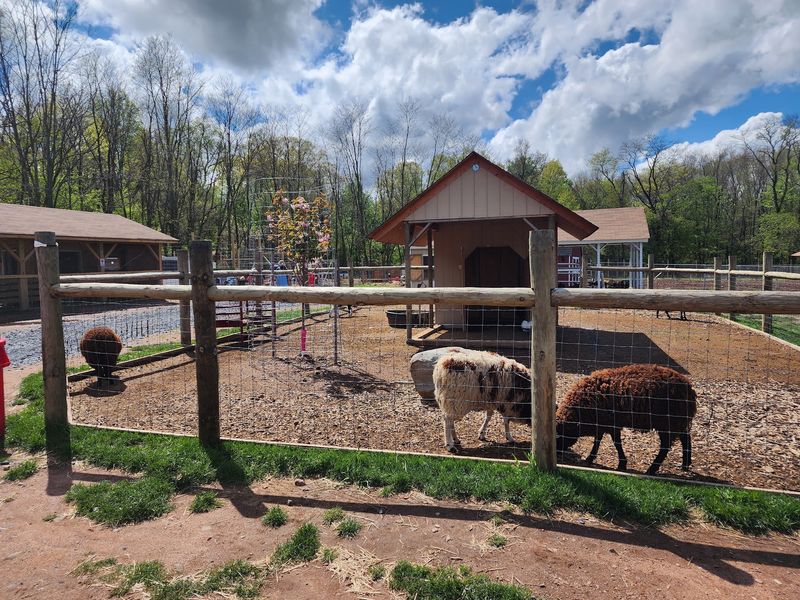
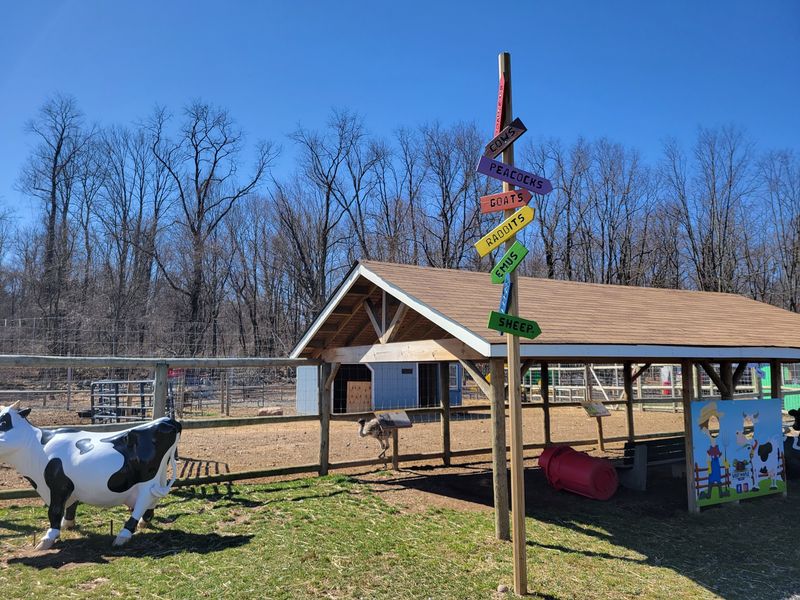
The roster stretches wide. Sheep, cows, donkeys, chickens, rabbits, peacocks, and emus all live on the property.
Each pen sits close enough to the path that nobody strains to see.
Feed cups sell separately and disappear quickly, so grab a few at once. Little hands empty them faster than you think, and the walk back to the front takes time away from playing.
Animals here appear calm around crowds, which makes the experience relaxed rather than chaotic. Younger visitors who feel shy can watch from a step back and still enjoy the show.
Spring brings baby goats, and autumn brings thicker coats on the alpacas as they prepare for cooler weather. The animals change with the calendar, giving repeat visitors something new to notice.
Hand sanitizer stations are worth using after every pen. Simple habit, big difference, especially with toddlers who forget to keep fingers out of their mouths.
Hayrides Through The Harvest Fields
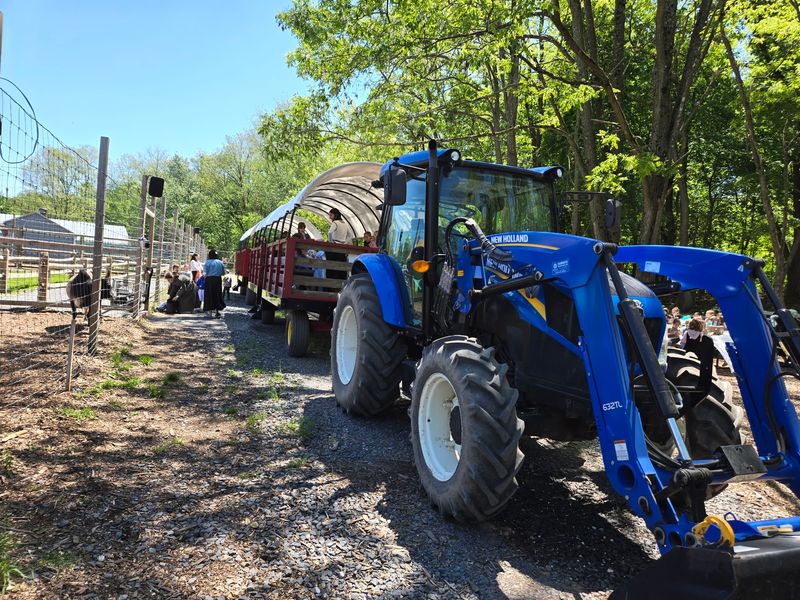
Tractor engines have a certain pull on small children. The hayride here is short and sweet, a bumpy loop that produces more giggles per minute than almost anything else on the grounds.
Straw bales serve as seating, and the wagon rolls past fields and pens at a gentle pace. Adults get a decent look at the whole property from a higher vantage point, which helps with planning the rest of the visit.
Autumn light does something lovely during the ride. Late afternoon sun slants across the fields, and the trees along the edges glow amber and rust.
Rides depend on weather and season, so wet ground may change the schedule. Asking at the entrance clears that up in seconds.
Buying tokens for activities all at once is smart strategy. Several attractions run on tickets, and walking back to the front repeatedly eats into your day.
Hold onto hats. The wagon picks up just enough speed to send a loose cap flying into the corn stubble.
For toddlers, the hayride often becomes the highlight they talk about for days afterward. Simple pleasures win.
Picking Your Own Vegetables
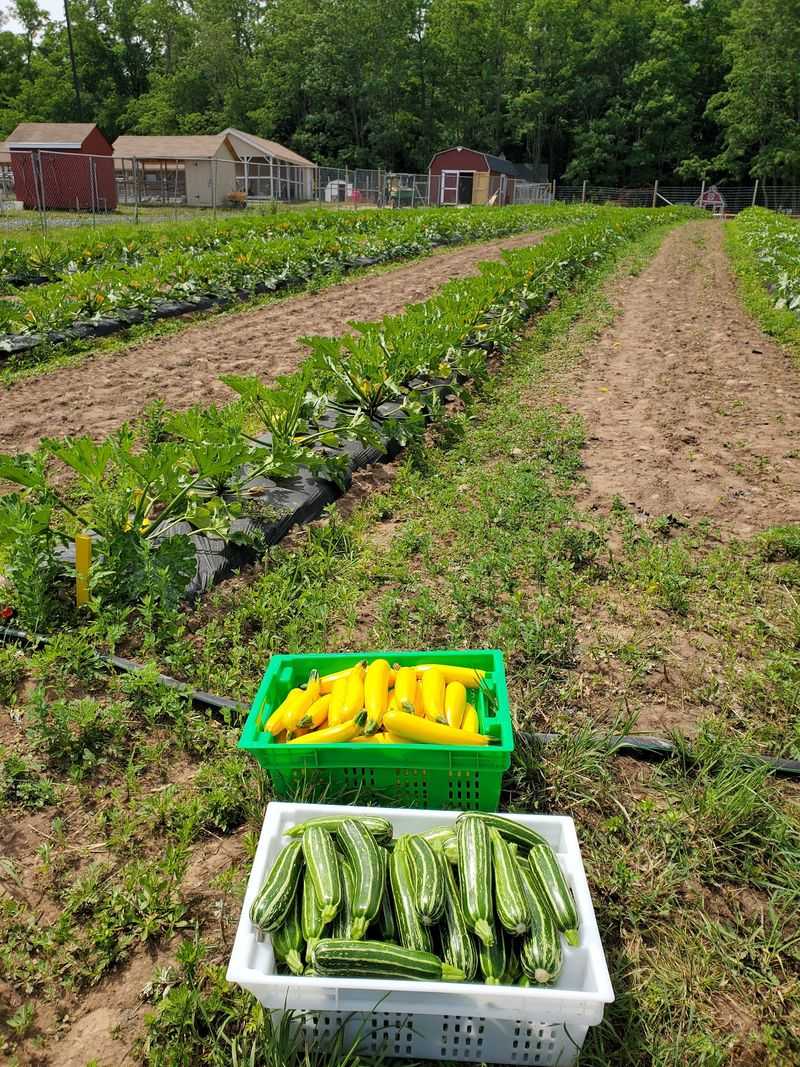
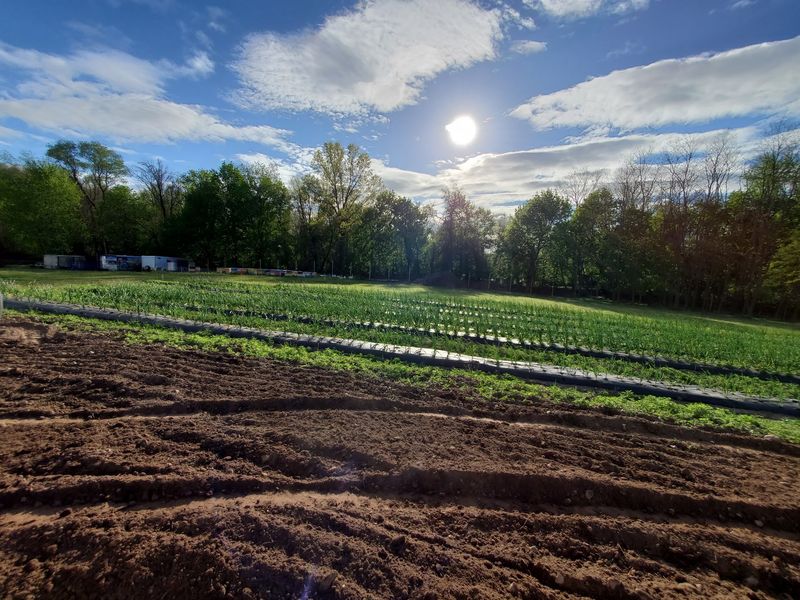
Zucchini gets the spotlight at this farm, and visitors take that seriously. The U-pick vegetable rows let families harvest produce straight from the plant, which turns dinner prep into something kids actually care about.
Cucumbers, garlic, and other seasonal crops rotate through depending on the calendar. What is ready in September differs from what is ready in October, so each visit brings a slightly different haul.
Children who refuse vegetables at home behave differently when they pull one from the soil themselves. Something about ownership changes the equation entirely.
Staff point out which rows are open and how to pick without damaging the plants. The instructions are simple enough for a five year old to follow.
Fresh produce from the field tastes noticeably brighter than store bought. Zucchini picked that morning has a firmer bite and a cleaner, greener flavor.
Bring a bag or basket if you plan to carry much home. Hands fill up fast between feed cups, water bottles, and a toddler who wants to be held.
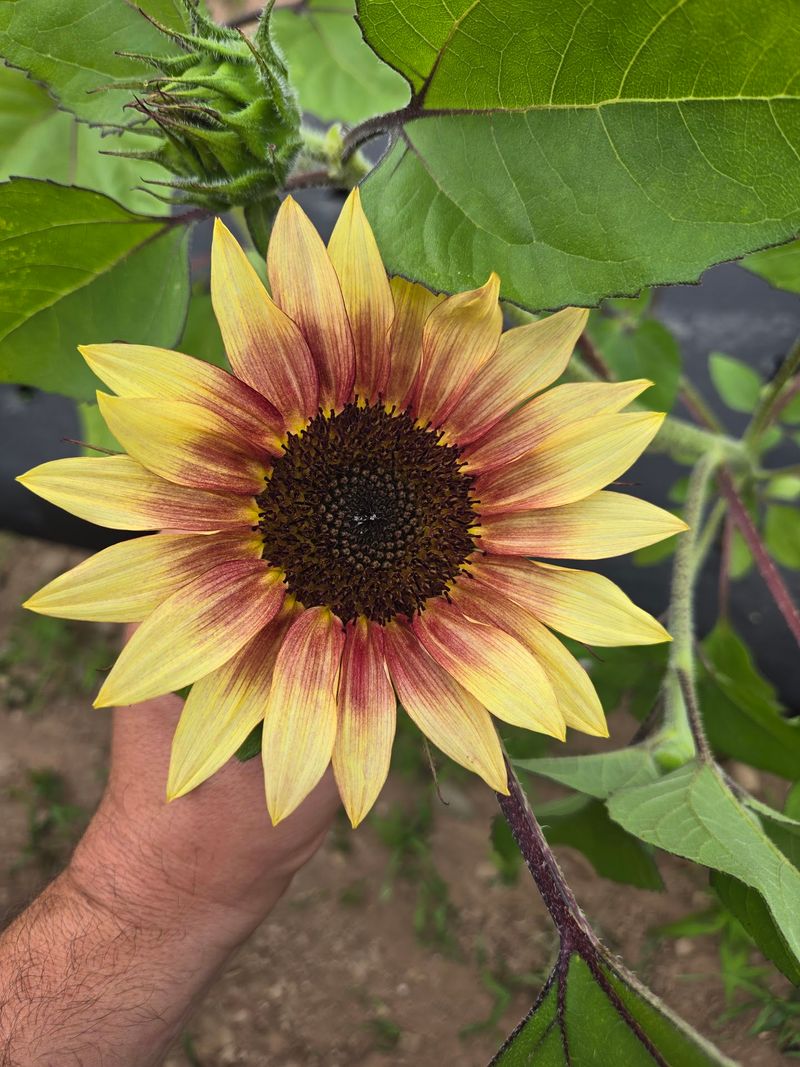
The flower garden nearby draws butterflies in warm weather, and wandering those rows is free entertainment while others keep picking.
Gem Mining For Young Treasure Hunters
Sluice boxes turn ordinary kids into determined prospectors. Gem mining here gives visitors a bag of rough material and a screen, then lets running water do the reveal.
Colored stones emerge one by one.
Older children tend to love this station most. It rewards patience and careful sorting, which appeals to the six to twelve crowd more than the sprinting toddler set.
The stones go home with you. That small souvenir often gets displayed on a bedroom shelf for months, which beats a plastic toy from a gift shop.
A chart usually helps identify what turns up. Learning the names of quartz, jasper, and other finds adds a layer of education without anyone feeling lectured.
Hands get cold in autumn water, so a towel in the bag is a small win. Sleeves roll up, and somebody always gets wet anyway.
Activity tickets cover this station, so add it to your token purchase at the start.
Nearby, the Digger Zone offers mini excavators that scoop real dirt. Between mining and digging, the earth moving portion of the day keeps kids busy far longer than expected.
Diggers, Racers, And Big Trucks
Heavy machinery in miniature form is pure joy for a certain kind of kid. The Digger Zone puts working mini excavators in small hands, complete with levers that actually move dirt.
Bump’n Go Racers add another gear to the day. Kids steer, bump, and circle around while parents watch from the side with coffee in hand.
Full size fire trucks and army trucks sit on the grounds for climbing. No engines running, just metal and steering wheels and a hundred imaginary missions.
Remote control cars show up in the mix too, along with coin operated rides that feel like a throwback to grocery store entrances from decades past.
Play structures and a zip line round out the area. Kids burn energy hard here, which means a quiet car ride home.
The equipment stays well maintained, and the layout keeps most of it within sight of picnic tables. Parents can sit without losing track of anyone.
One practical tip: save this section for later in the visit. Once children discover the diggers, convincing them to go see the animals becomes a negotiation nobody wins.
Picnic Tables And Snack Stops
Eating outdoors changes the rhythm of a farm visit. Picnic areas here give families a place to spread out, refuel, and let everyone catch their breath before the next round of activities.
Carved animal chairs and benches scattered around the grounds double as seating and photo spots. Kids climb them without being asked twice.
Food options on site include pizza and ice cream, which covers the essentials for most young visitors. Many families still pack their own dinner and turn the evening into a proper outing.
Bringing a cooler works well, especially for longer stays. Season pass holders often treat the farm as a weekly dinner spot, letting children play while adults relax at a table.
The flower garden near the seating draws pollinators in warmer months, and the buzzing overhead connects neatly with the honeybee lesson from earlier.
Trash cans sit throughout the grounds, so cleaning up after yourself keeps the space pleasant for the next group.
Late afternoon is the sweet spot. Crowds thin, light softens, and the whole property settles into a calmer version of itself.
That last hour often turns out to be the best one.
Smart Planning For Your Visit
A little preparation stretches your money and your patience. Buying activity tokens at the entrance in one go saves repeated trips back to the front, which matters when little legs tire out.
Timing helps too. Sunday opens earliest during fall, at ten in the morning, while weekdays start at noon.
Friday wraps up earlier in the afternoon, and the gates stay closed on Saturday.
Winter shuts everything down. The farm reopens in spring, so autumn visits carry a bit of urgency before the season ends.
Season passes exist and pay for themselves quickly for local families. Repeat visitors notice new additions appearing regularly, since the property keeps growing.
Dress for dirt. Boots or older sneakers handle the paths better than anything you care about.
Weather affects the fall schedule, so a rainy forecast is worth checking against the website before driving out.
Three hours covers the basics comfortably. Families who bring food and settle in often stay five or six hours without running out of things to do.
Rockland County has plenty of pretty drives nearby, making the trip out easy to pair with a longer day exploring New York countryside.