
This New York State Park Has One Of The Most Legendary Hiking Trails In The North
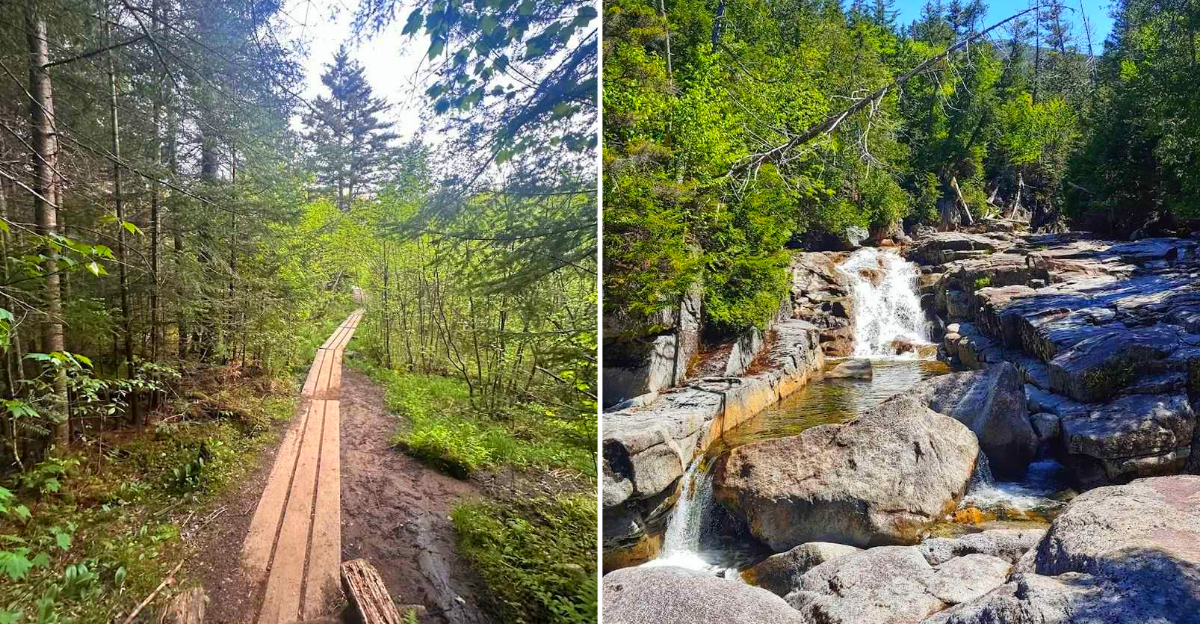
New York’s got plenty of impressive places, but nothing quite matches the raw, untamed feel of standing on the highest peak in the entire state. That title alone pulls in serious hikers from all over the country every single year, all chasing the same view from the top.
More than 20,000 people make this climb annually, which says something about how strong the pull actually is. Legs get tested.
Patience gets tested even more, especially on the steeper stretches near the summit. Reach the top on a clear day though, and you’re standing above the clouds in a way that feels almost impossible for the East Coast.
Few hikes anywhere nearby come close to matching that particular kind of payoff.
A Summit That Earns Every Step
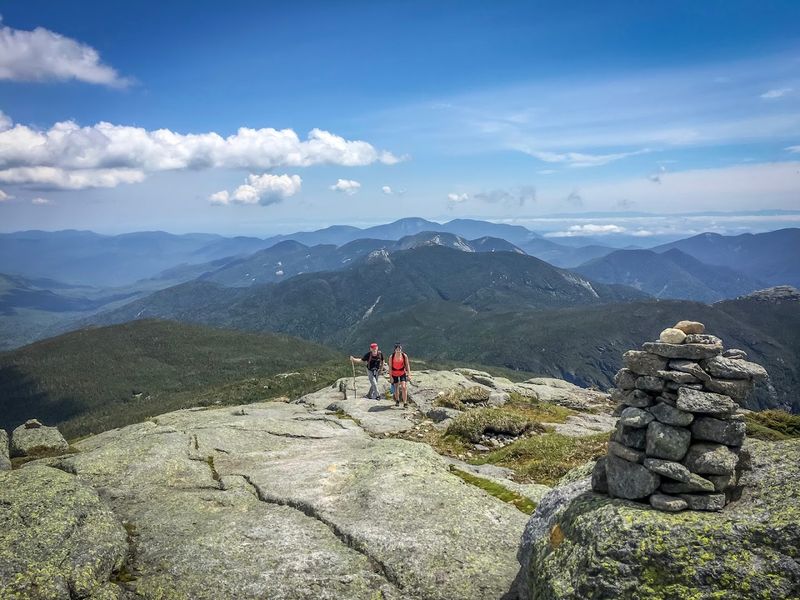
The summit sits at 5,343 feet above sea level, and reaching it feels like a genuine accomplishment no matter how fit you are. The final stretch above the tree line is rocky, exposed, and absolutely unforgettable.
On a clear day, you can see up to 43 other High Peaks from the top. Some hikers have even spotted Mount Royal in Quebec on exceptional days.
That kind of visibility is rare on the East Coast, and it makes the effort feel completely worth it.
The mountain earned the Seneca name “Tahawus,” meaning cloud-splitter, and standing at the summit, you will understand exactly why. Clouds drift below and around you like slow traffic.
The alpine zone at the top is New York State’s rarest ecosystem, covered in lichens and fragile plants that take decades to grow. Hikers are asked to stay on the rocks to protect this delicate environment.
Mount Marcy does not just reward your body. It shifts something in your perspective entirely.
Meet New York’s Highest Peak
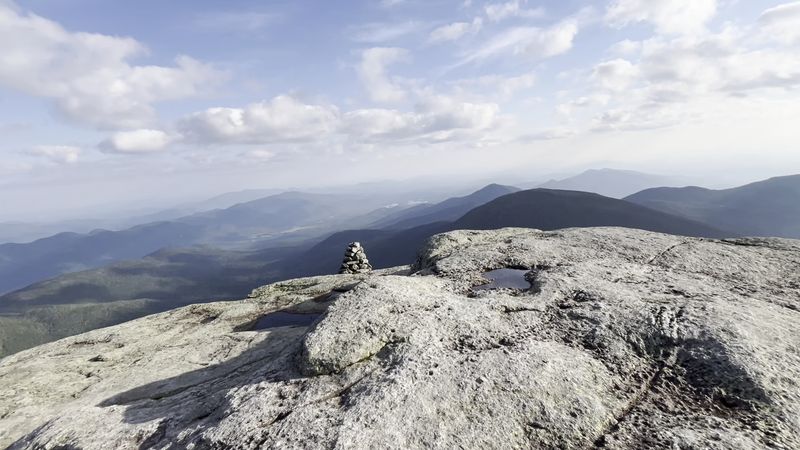
Rising above the High Peaks Wilderness Area of Adirondack Park in Essex County, Mount Marcy holds the title of New York’s tallest mountain. The peak sits in the town of Keene, with the address commonly referenced as Keene, NY 12943.
It was named after William L. Marcy, a 19th-century New York governor who never actually climbed it.
The first recorded ascent happened on August 5, 1837, led by state geologist Ebenezer Emmons. The first real trail to the summit was cut in 1861 by Orson “Old Mountain” Phelps, a local guide whose nickname alone tells you everything about his relationship with these woods.
Mount Marcy also carries a notable piece of American history tied to President Theodore Roosevelt’s famous midnight ride.
Today, the mountain draws hikers from across the country and beyond, all chasing that hard-won summit feeling. Adirondack Park itself covers over six million acres, making it the largest publicly protected area in the contiguous United States.
Mount Marcy is the dramatic centerpiece of all of it. Few places in the Northeast carry this much history, elevation, and natural character packed into a single trail system.
The Van Hoevenberg Trail Breakdown
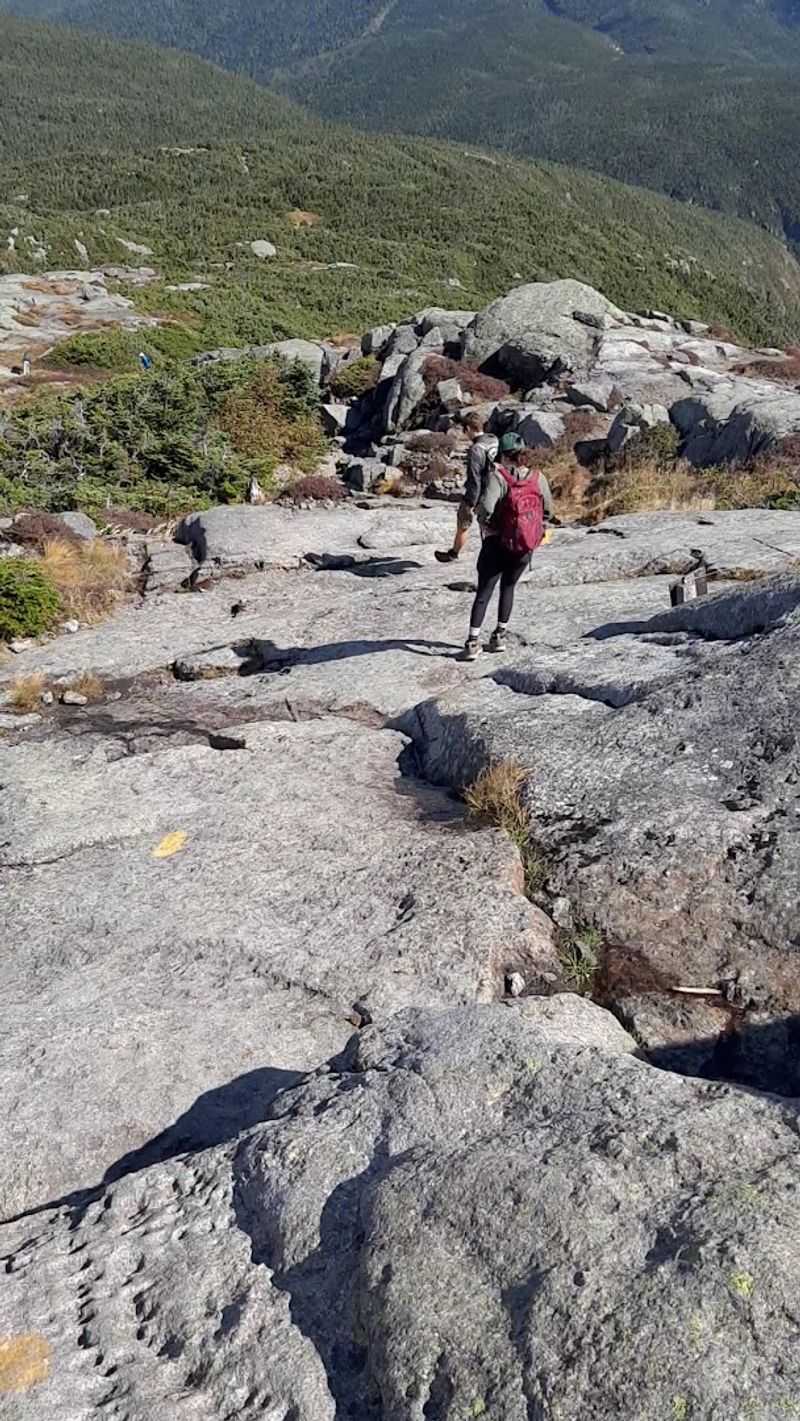
The Van Hoevenberg Trail is the most popular route to the summit of Mount Marcy, and for good reason. It starts at the Adirondak Loj near Heart Lake and covers approximately 7.4 miles one way, making the round trip roughly 14.8 miles.
The elevation gain sits around 3,166 feet, which is no small number.
The first third of the trail is relatively flat and great for warming up your legs. The middle section introduces boulders, rocks, and a steady climb that starts to separate casual walkers from committed hikers.
The final mile is where things get genuinely demanding, with steep rocky terrain that requires both physical strength and mental focus.
Along the way, you will pass Marcy Dam, Phelps Brook, and the scenic Indian Falls overlook, which makes an excellent rest stop. Trail markers are clear and consistent, so getting turned around is unlikely.
Rated as difficult, the Van Hoevenberg Trail is not recommended for beginners without proper preparation. Starting before sunrise is strongly advised to allow enough daylight for the full round trip.
Pack smart, start early, and pace yourself from the first step.
Indian Falls And Marcy Dam Worth The Pause
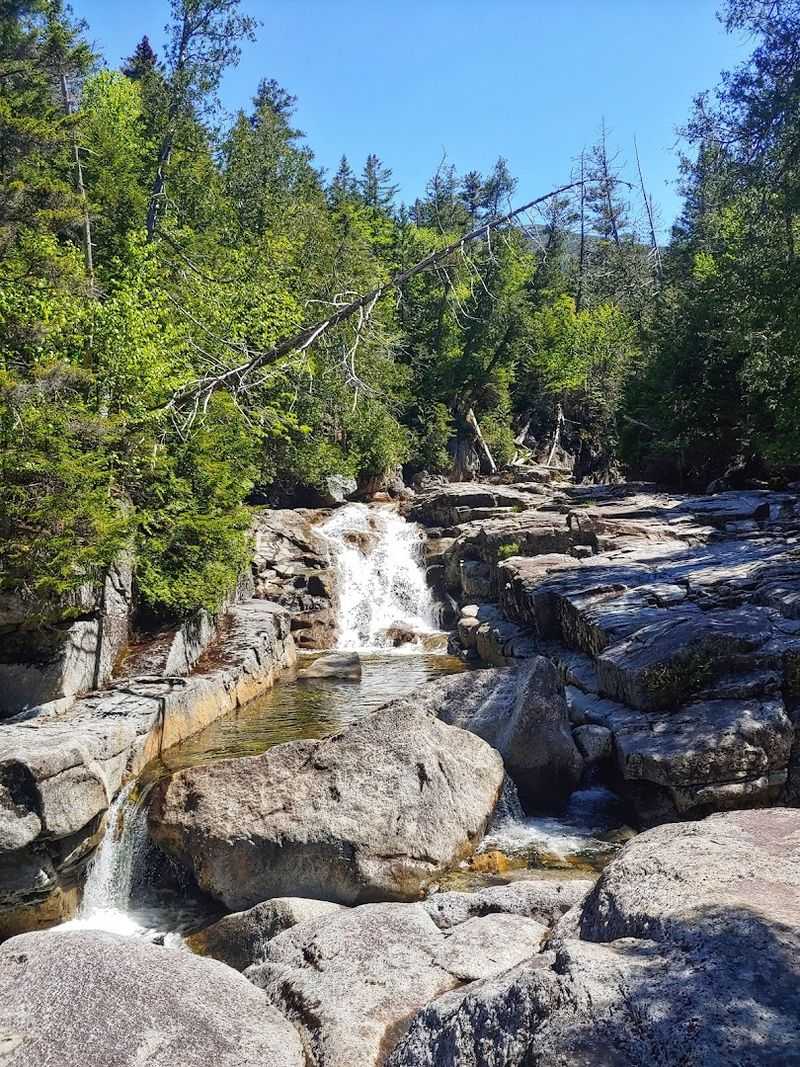
Halfway through the Van Hoevenberg Trail, two landmarks break up the climb in the best possible way. Marcy Dam appears early in the hike, where hikers cross a stream over a makeshift path since the original bridge washed out years ago.
It is a good spot to catch your breath and check your footing before the terrain gets more serious.
Further along the trail, Indian Falls rewards hikers with one of the best mid-hike views in the entire Adirondacks. The waterfall cascades over flat rock shelves with an open sky above, offering a clear sightline toward the upper peaks.
Many hikers stop here for lunch on the way down, making it a natural gathering point on the trail.
Both stops serve a practical purpose beyond scenery. Resting at these landmarks helps regulate your energy output across such a long hike.
Water sources along the trail are available, and a reliable filter or purification tablets will keep you moving without carrying unnecessary weight. The trail rewards those who plan ahead.
Rushing past these stops to chase the summit is tempting, but slowing down at Indian Falls is one of those decisions you will never regret making.
Gear Up Before You Go
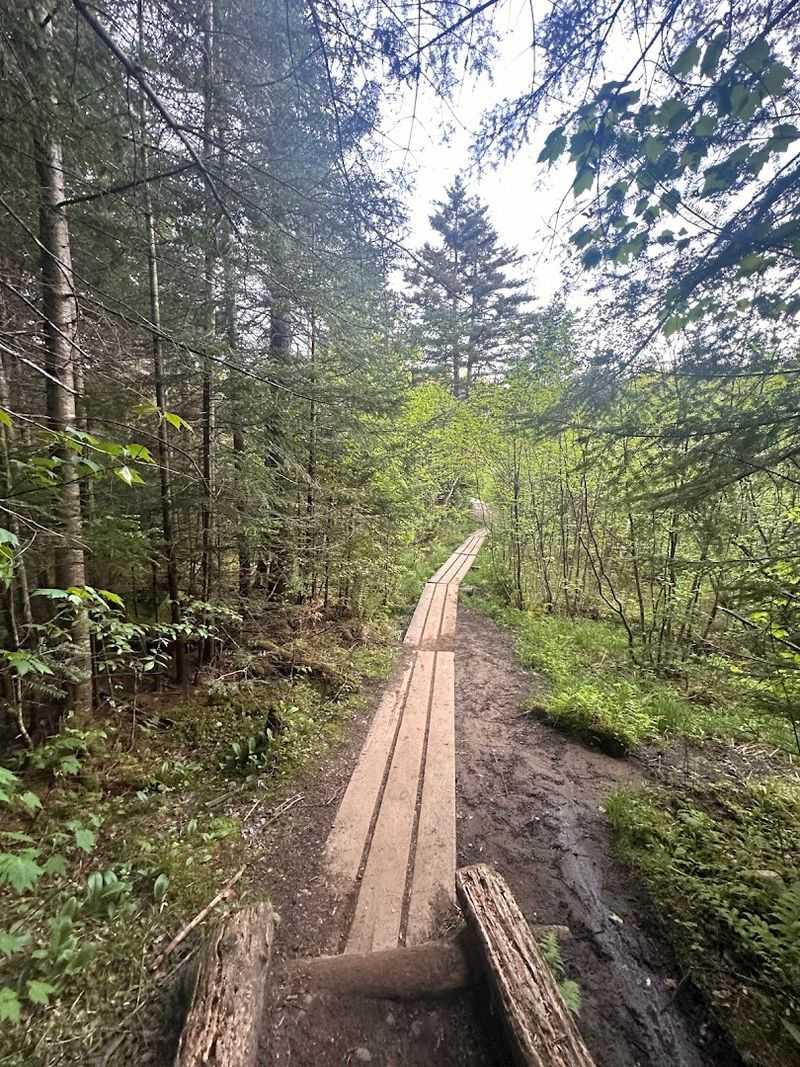
Mount Marcy has a way of humbling hikers who show up underprepared. The trail regularly sees people arriving in sneakers with no water and no extra layers, which is a setup for a miserable experience.
Proper waterproof hiking boots are non-negotiable given how muddy and wet the trail can get after rainfall.
Carry at least two liters of water, and bring a water filter for refills from trail sources. Pack enough food to fuel a full day of strenuous activity, not just a granola bar and good intentions.
Layered clothing is essential because the summit runs significantly colder than the trailhead, sometimes by 20 to 30 degrees.
Trekking poles are a genuine asset on the descent, especially when your knees start voicing their complaints around mile ten. A headlamp is wise to carry in case your return stretches past sunset.
Check the summit weather forecast the night before, since conditions above the tree line can shift faster than you expect. The mountain does not ask for perfection, but it does ask for respect.
Going in prepared means going in confident, and confidence on a 15-mile hike makes a measurable difference in how the whole day feels.
Winter On Marcy Is A Different Beast
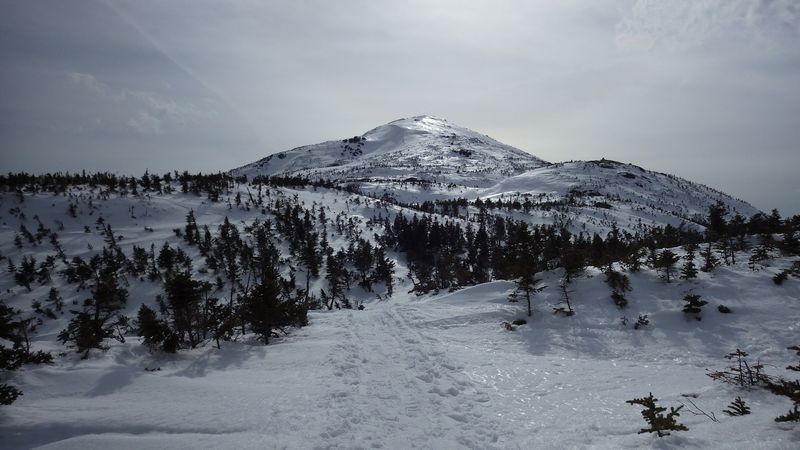
When snow arrives in the Adirondacks, Mount Marcy transforms into a completely different kind of challenge. Winter conditions on the mountain are serious and unforgiving, suitable only for hikers with real cold-weather experience.
Temperatures at the summit can run 30 to 40 degrees colder than in the valley below.
Snowshoes and crampons are required gear for a winter ascent, not optional additions. The rocky final stretch above the tree line becomes an icy scramble that demands traction equipment and careful footing.
Windchill at the exposed summit adds another layer of difficulty that no amount of enthusiasm can compensate for without the right gear.
The Adirondak Loj near the trailhead actually rents crampons for hikers who realize at the last minute that conditions require them. Talking to the guides at the Loj before heading out is highly recommended regardless of the season, but especially in winter.
They know the current trail conditions better than any online forecast. Winter hiking on Mount Marcy is an extraordinary experience for those who are truly ready for it.
The frozen alpine landscape above the tree line is hauntingly beautiful and completely unlike anything the summer trail offers.
Lake Tear Of The Clouds And The Hudson River
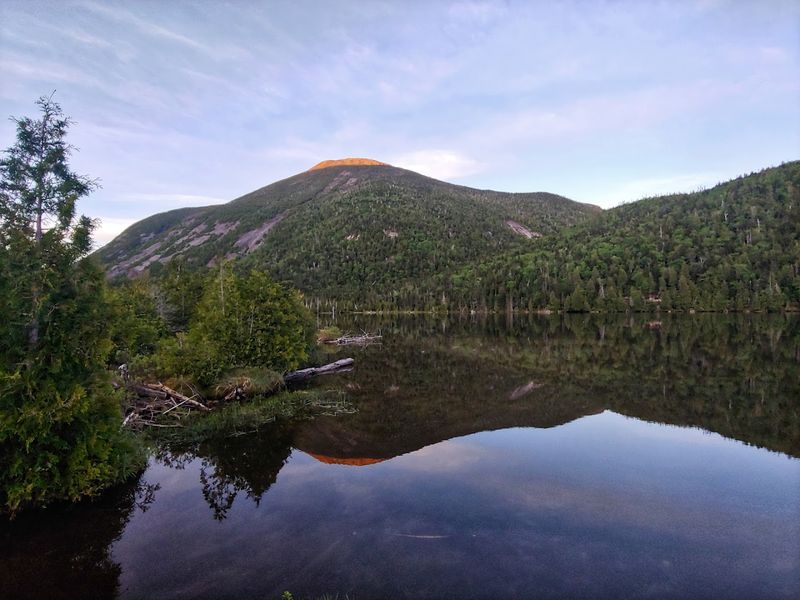
Just below the summit of Mount Marcy sits one of the most quietly significant bodies of water in the country. Lake Tear of the Clouds is widely recognized as the highest source of the Hudson River, resting at an elevation of about 4,322 feet.
It is small, remote, and genuinely striking in its alpine setting.
The lake feeds into Feldspar Brook, which eventually connects to the Opalescent River and flows all the way down to become part of the Hudson River system. That means the water trickling past your boots near the summit of Mount Marcy may eventually reach New York Harbor.
That is a geography lesson worth pausing for.
Reaching Lake Tear of the Clouds requires either approaching from the Van Hoevenberg Trail or taking the longer Feldspar Brook route from Upper Works. It is not a casual side trip but rather a destination that adds meaningful depth to any Mount Marcy adventure.
The lake rarely appears on postcards, but hikers who make it there tend to remember it clearly. There is something grounding about standing at the origin point of one of America’s most storied rivers while the mountain rises above you.
Planning Your Mount Marcy Adventure
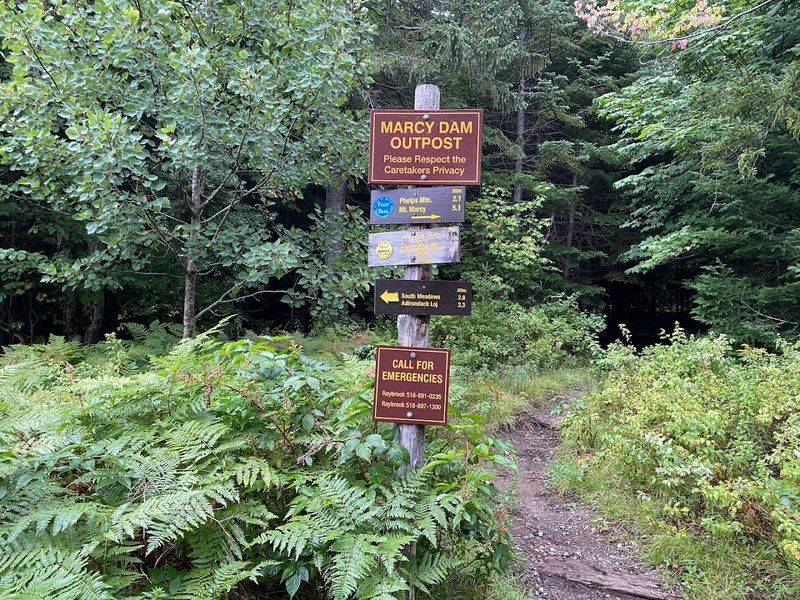
Getting the most out of a Mount Marcy hike comes down to planning. The most common starting point is the Adirondak Loj near Heart Lake, which offers parking, gear rentals, and knowledgeable staff who can answer last-minute questions.
Arriving the night before and staying at the Loj or a nearby campsite gives you a meaningful head start on the trail.
Starting your hike between 5:00 and 6:00 in the morning is the standard advice from experienced Marcy hikers. The early start gives you a full day of daylight, helps you beat afternoon weather, and puts you at the summit before the most crowded window of the day.
August and September tend to offer the most stable weather for a summit attempt.
Alternative routes exist from Keene Valley via the Johns Brook Trail, which is an 18-mile round trip often completed over two days with a stay at Johns Brook Lodge. Elk Lake and Upper Works also serve as access points for those seeking a less trafficked approach.
No matter which route you choose, register your hike at the trailhead and let someone know your plan. Mount Marcy rewards preparation generously and punishes overconfidence just as reliably.