
This Nonprofit Tennessee Rescue Farm Lets Visitors Meet And Hand-Feed Rescued Animals
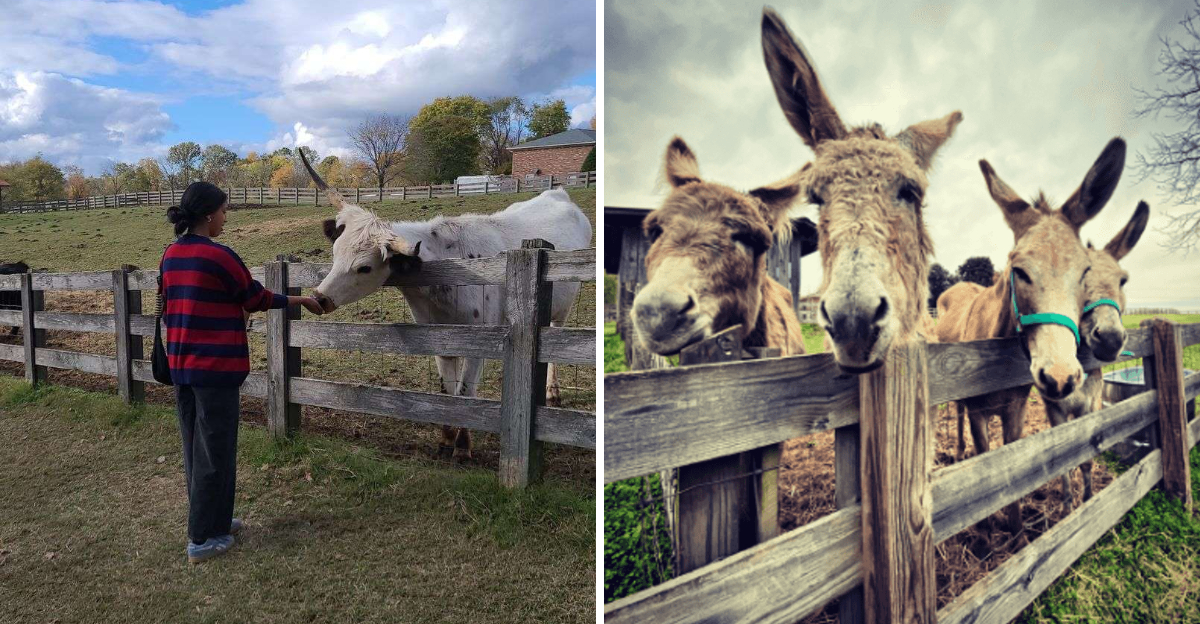
Some places are built entirely around second chances, and this Tennessee farm is one of them. It exists to give rescued animals a safe place to land, and visitors get to be part of that story every time they stop by.
Walk through the gates and animals start approaching almost immediately, curious and surprisingly comfortable around people. Many arrived here nervous or mistreated, but time and patient care changed that completely.
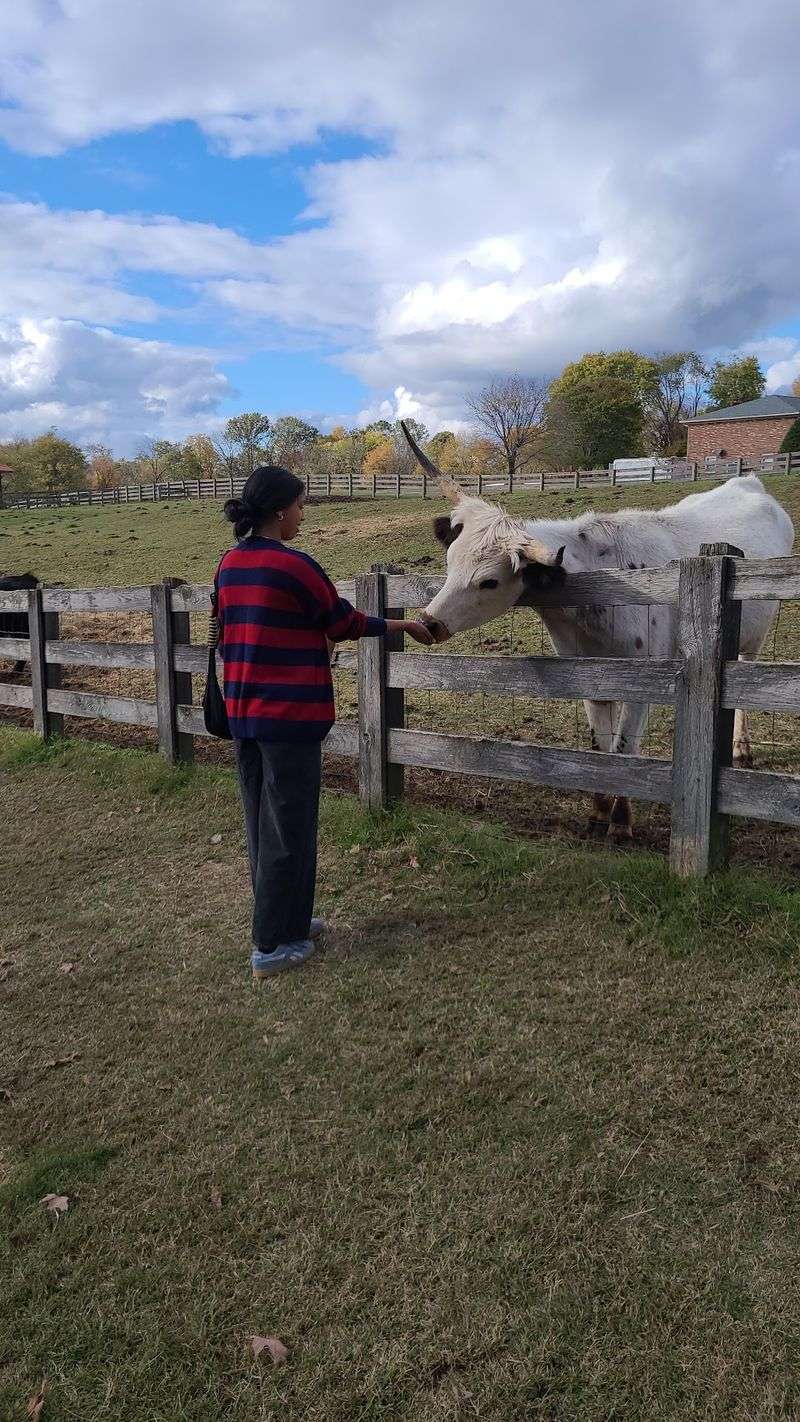
Visitors can offer food by hand and get close in a way that feels personal rather than distant. Kids tend to light up during these moments, but adults usually end up just as charmed.
Every animal here has a story, and most of them started somewhere far less kind than this farm. Ticket sales and small purchases go directly toward their care, so a fun afternoon ends up supporting something bigger.
It’s a simple outing that leaves people with more than they expected, animals included.
A Sanctuary Where Every Animal Stays For Good
Most rescues measure success by adoptions. Hidden Bee Farm measures it by permanence.
Animals who arrive here are not passing through on their way somewhere else.
The nonprofit operates as a lifelong sanctuary. That means the goat with the wobbly gait and the pony with a mouthful of worn teeth get the same promise as everyone else. They stay.
Hidden Bee Animal Rescue is a registered 501(c)(3) organization based in Tennessee. Its mission rests on three simple pillars: rescue animals, teach children, and speak up for humane treatment.
Special needs residents are welcomed rather than passed over. Animals arriving from neglect, injury, or difficult situations find steady footing here.
Something changes when a place commits to forever. Care plans stretch across years instead of weeks.
Medications, hoof trims, and veterinary checkups become routine rather than emergency measures.
The farm does not take in dogs or cats. Its focus stays on farm animals and other non-traditional rescues who often have nowhere else to turn.
Guests notice the calm. Animals who are not shuffled between homes settle into confidence, and that confidence is what makes gentle interaction possible.
Understanding that commitment first makes everything else on the property make sense. This is a working sanctuary, not an attraction built for entertainment.
The Boy Named Jackson Who Started It All
Behind the fences and feed buckets sits a family story. Hidden Bee Farm traces its beginnings to Jackson, the founder and inspiration behind the rescue, and the remarkable connection he formed with animals.
Jackson lives with autism and epilepsy. Communication with people can sometimes feel exhausting or overwhelming, but animals offered something different.
Around them, he found calm, comfort, and a connection that did not depend on conversation.
That bond became especially clear after the family brought home rescued donkeys. Animals that were nervous around people began approaching Jackson, sometimes resting their heads against him.
Similar moments followed with other animals, and the family started paying attention.
Over time, therapy animals and rescued farm residents grew into something much larger. Hidden Bee became a nonprofit rescue where animals could receive care and children could learn through spending time around them.
That mission shapes daily life on the property. Feeding, watering, cleaning stalls, and learning how to move slowly around anxious animals all become lessons in responsibility and compassion.
The farm also pays close attention to the comfort of each animal. Visits are structured so people can interact safely while respecting residents that may need more patience or space.
What began with one boy’s connection to animals eventually became a place built around second chances.
Hidden Bee Farm still carries that idea through its rescue work, educational experiences, and the quiet relationships that can grow when people and animals are given time to understand each other.
Seven Cows, Two Of Them Blind, All Of Them Confident
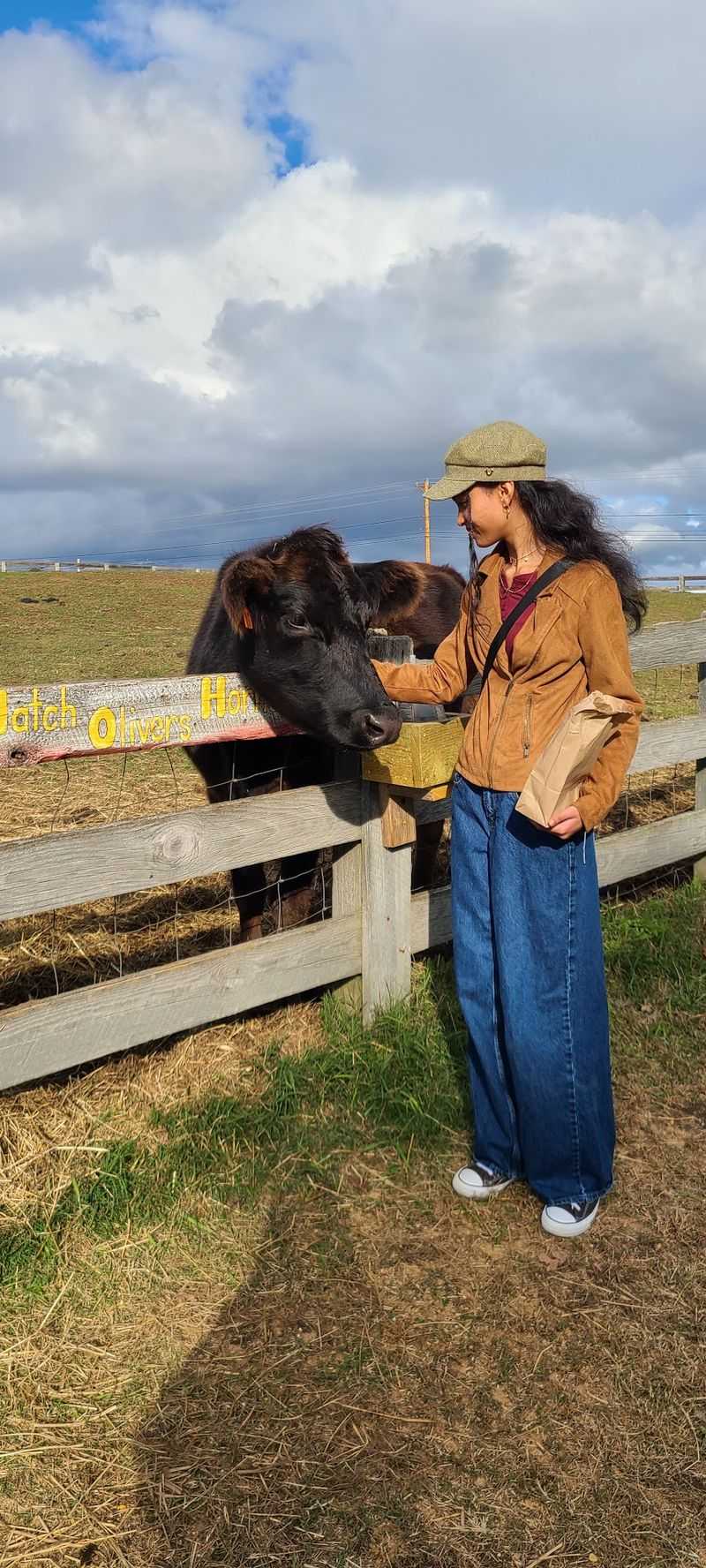
Seven cows share the pastures here, and two of them cannot see a thing. You would struggle to guess which two.
Blind cattle memorize their world. Fence lines, water troughs, the slope of the ground under their hooves. They move with a steadiness that surprises people who expect hesitation.
Their herdmates help. Cows are deeply social, and a familiar voice or shuffle nearby acts like a compass.
Consistency is the secret ingredient. Staff keep feeders and gates in the same spots, because rearranging a pasture would be like rearranging a blind person’s living room overnight.
Guests meeting the herd are asked to speak before reaching out. A little warning goes a long way when eyes are not part of the equation.
Cattle at Hidden Bee Farm are not production animals. They have names, histories, and preferences, and staff can rattle off all three without pausing.
There is a lesson tucked in here for younger guests. Difference does not mean helplessness, and support systems make remarkable things possible.
Watching a blind cow walk directly to her favorite spot tends to quiet a chatty group of kids. It is one of those moments that lands harder than any lecture ever could, and it happens on ordinary afternoons.
Donkeys, Ponies, And Seniors With Stories To Tell
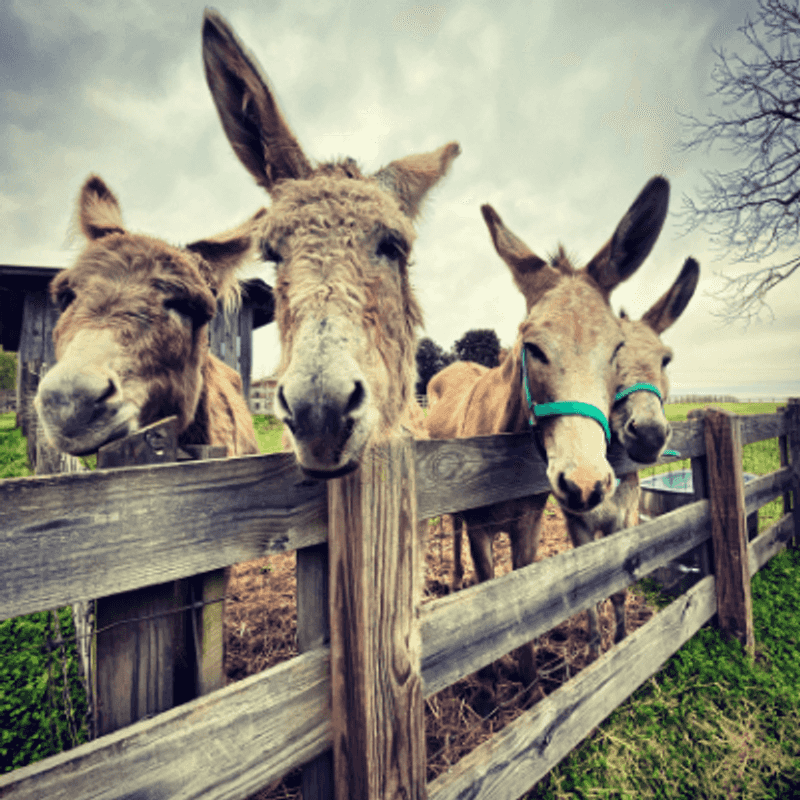
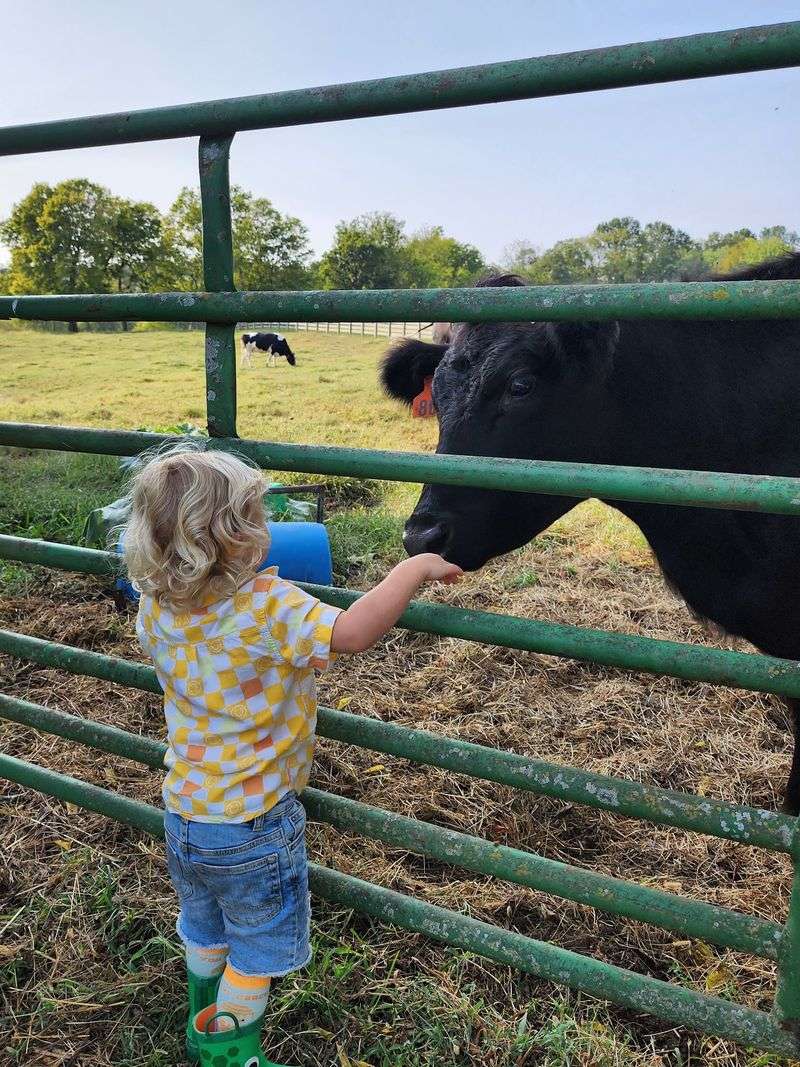
Ask around about the crowd favorites and the donkeys win by a landslide. They are curious, opinionated, and remarkably good at finding the one person trying to stay reserved.
Many arrived carrying more than physical needs. Emotional wounds take longer to mend than hooves, and staff give both the time they require.
Equine residents include horses and ponies, several of them cherished seniors. Old age brings honest challenges, and the sanctuary meets them head on.
Some are blind. Others live with collapsing esophaguses, which means mealtimes require careful feed preparation and close supervision.
None of that shortens their welcome. Special diets, soft footing, and daily monitoring simply become part of the routine at Hidden Bee Animal Rescue.
Donkeys, for the record, are not stubborn. They are cautious thinkers who evaluate a situation before committing, which is arguably smarter than most of us manage.
Guests often find the older equines the most rewarding to meet. A senior pony who has learned to trust again is doing something genuinely brave.
Standing beside them offers a quieter kind of thrill than any ride ever could. Their calm is earned, and spending a few minutes in it feels like a small privilege worth planning a trip around.
How To Hand-Feed The Animals Safely And Respectfully
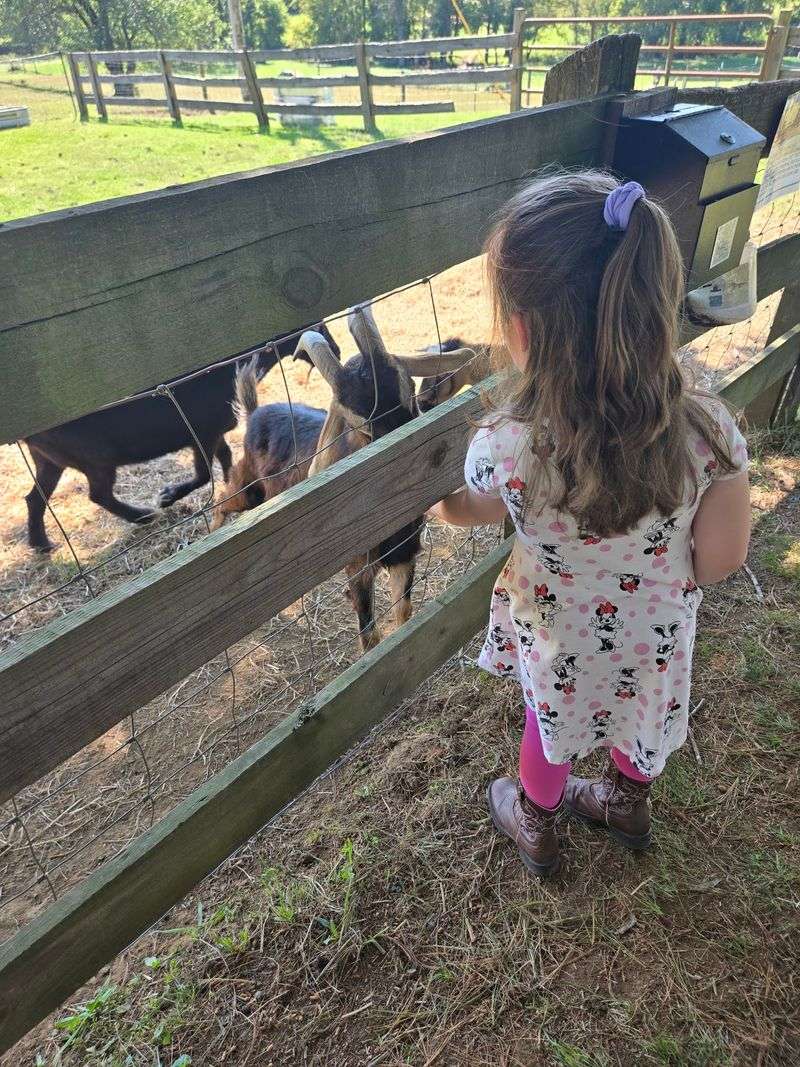
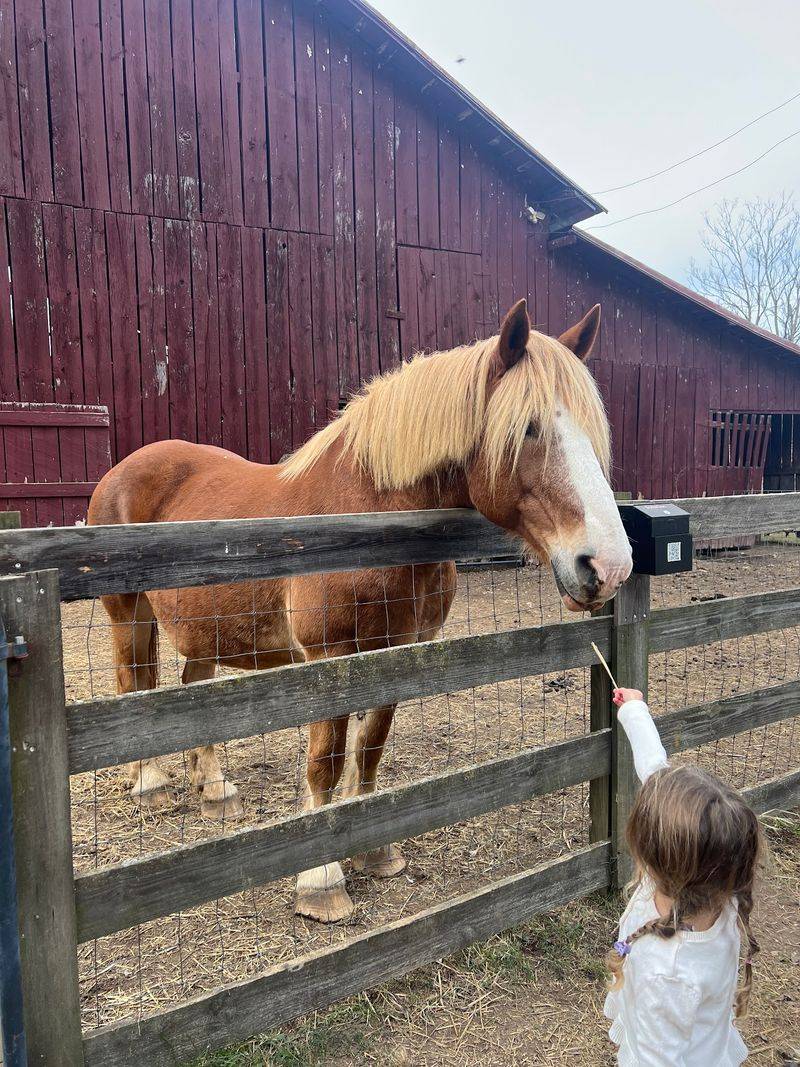
Flat palm, calm voice, no sudden grabs. Those are the basics, and staff walk everyone through them before a single pellet changes hands.
Feeding is not a free-for-all. During field trips it happens only under direct staff instruction, which protects both the animals and the humans holding the snacks.
Why the rules? Diet matters enormously for animals with medical conditions.
A sheep managing Spider Lamb Syndrome or a horse with swallowing difficulties cannot eat whatever a well-meaning guest offers.
Approved feed keeps everyone safe. It also keeps portions reasonable across a busy afternoon, since a hundred small handfuls add up fast.
At public events, feed is available so guests can share a moment with the residents. Sanitizer stations and handwashing are part of the setup.
The animals themselves make it easy. Years of gentle handling have produced residents who approach politely rather than mobbing the fence.
Kids learn something durable in these few minutes. Consent, patience, and reading body language all show up in a single exchange with a hungry goat.
Adults tend to get quiet too. There is something disarming about a warm muzzle in your hand, and it rarely stops at just one turn through the line.
The Fall Pumpkin Patch That Draws Families Back Every Year
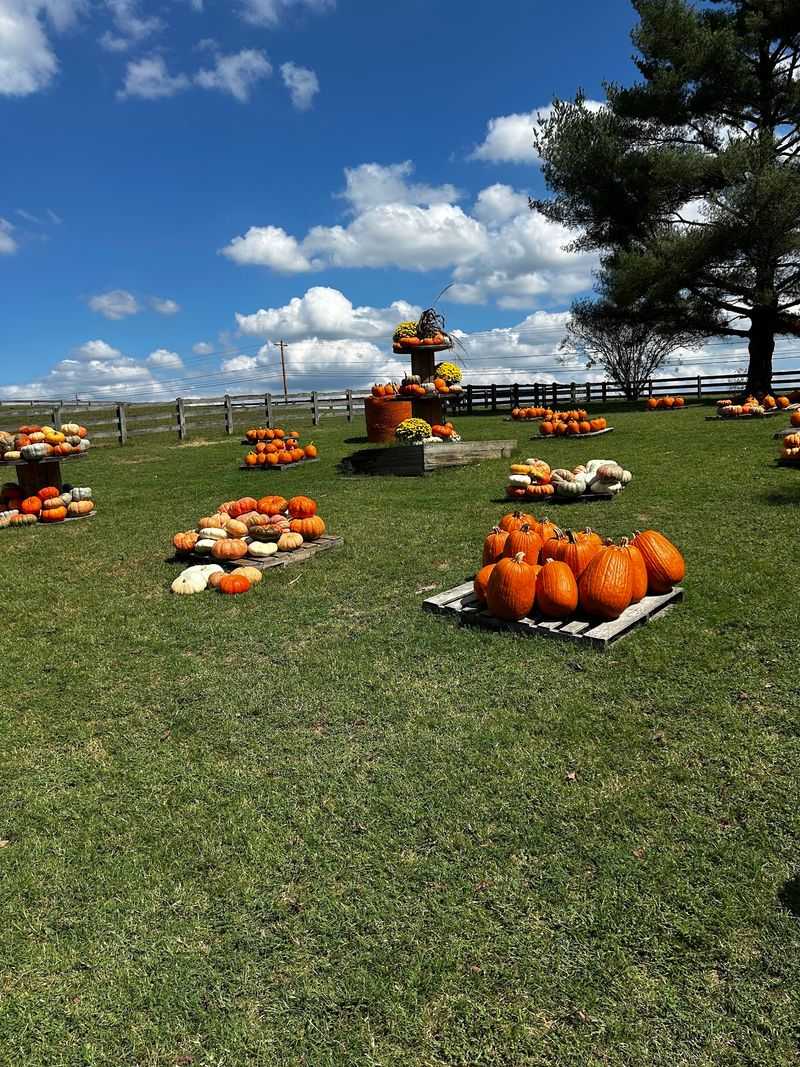
Come October, the pastures gain a new neighbor: pumpkins, and plenty of them. The annual Pumpkin Patch is the farm’s biggest public gathering.
Varieties stretch well beyond the standard orange globe. Warty ones, pale ones, tiny ones perfect for small hands.
Around the patch, the farm sets up hayrides, games, and photo spots built from hay bales. A pumpkin slingshot has become something of a legend.
Animals remain the main event, though. Feed can be purchased so guests can greet the residents between pumpkin hunting and tractor rides.
Vendors set up on site with gifts, snacks, and treats. Honey and jams from the farm often make the table too.
Every dollar has a job. Proceeds go straight toward feed, veterinary care, shelter, and the daily costs of running the sanctuary.
The scale suits younger children well. Nothing is overwhelming, lines stay manageable, and there is space to wander at a toddler’s pace.
Seasonal events also give the farm a way to introduce itself to Tennessee families who might never seek out a sanctuary otherwise. People arrive for pumpkins and leave knowing seven cows by name, which is exactly the point of the whole operation.
Field Trips That Beat Any Textbook Chapter
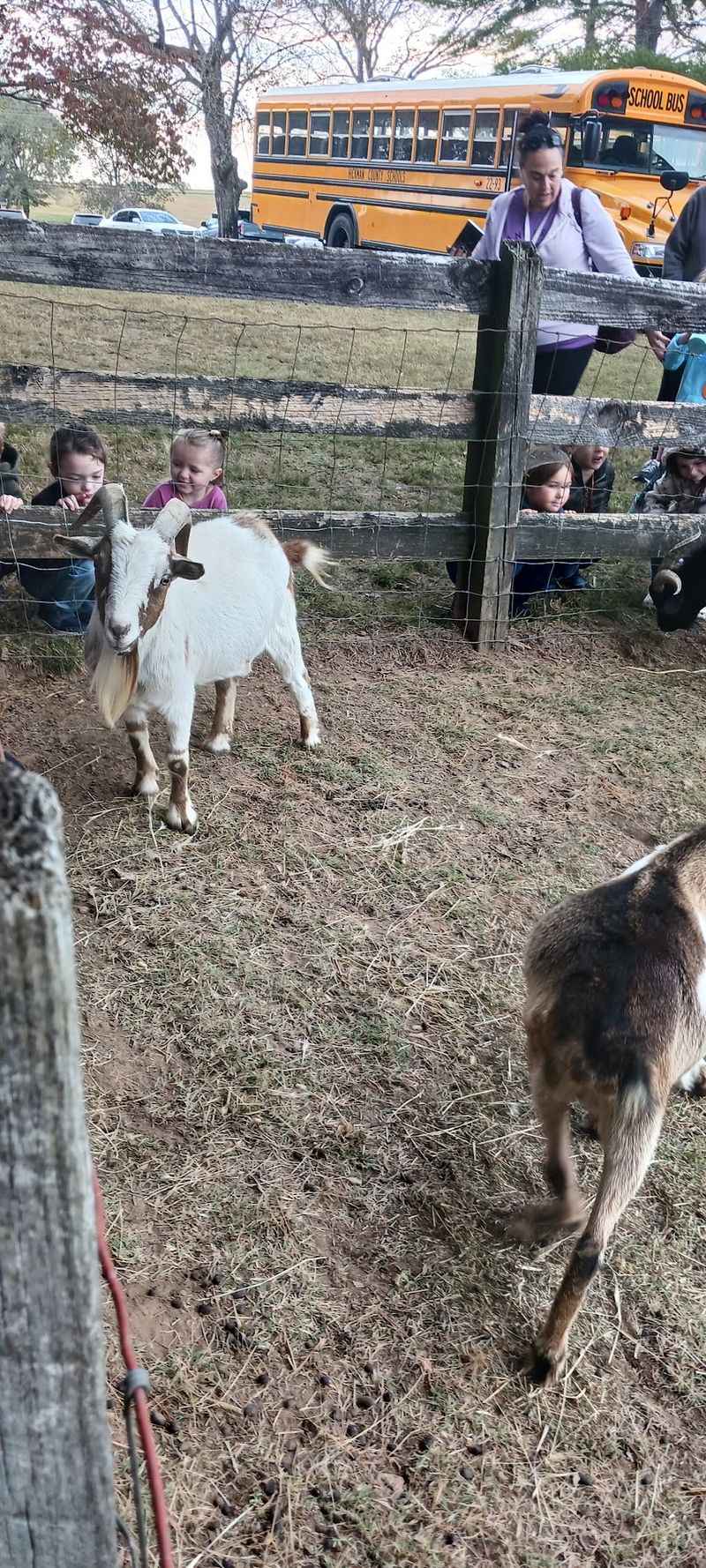
Textbooks cannot replicate the smell of hay or the weight of a goat leaning against your knee. Schools figured this out long ago.
The sanctuary hosts field trips for schools, homeschool groups, and other educational organizations. Each one is structured rather than turned loose.
Groups meet the animals, hear their rescue stories, and learn what daily care actually involves. Feed, medicine, hoof care, shelter, and vet visits all get explained in plain terms.
Hands-on segments follow the same safety rules as always, with feeding supervised by staff.
What sticks with students is usually the specifics. Learning that a particular sheep needs extra support, or that a blind cow counts her steps, turns abstract kindness into something concrete.
Teachers appreciate the real-world tie-ins. Biology, responsibility, and community service all fit naturally into a morning on the property.
Hidden Bee Farm is upfront that it is not a petting zoo. Group sizes and schedules are arranged so the animals are never overwhelmed.
Booking ahead is essential, since access is arranged through public events or private appointments only. That advance planning is part of what keeps the experience unhurried and genuinely educational for everyone who walks through the gate.
Ways To Visit, Support The Rescue, And Lend A Hand
Directions first. The sanctuary sits at 753 Carters Creek Pike in Columbia, TN 38401, an easy drive through the rolling countryside of Maury County.
The property includes a historic farmhouse built in 1843, which gives the place a settled, lived-in character that newer farms simply cannot fake.
Access works differently here than at a typical attraction. Guests come during public events or by private appointment, always scheduled with the animals’ comfort in mind. Event dates and appointment openings are posted online as seasons change.
Volunteers keep the operation running. Daily animal care, farm upkeep, and event help all depend on people willing to show up and pitch in.
Donations cover the rest. Feed bills, veterinary services, shelter repairs, and everyday operations are funded by supporters rather than ticket sales alone.
Buying honey, jam, or a pumpkin counts too. Purchases circle back into the care of the residents.
Hidden Bee Animal Rescue has become a genuine community effort across this corner of Tennessee.
Whether you come for an autumn afternoon or return with a group of students, you leave having contributed to something steady, kind, and refreshingly honest about what animal care really takes.