
This Quiet New York Lake Has Suddenly Become The Center Of Heated Debate This Year
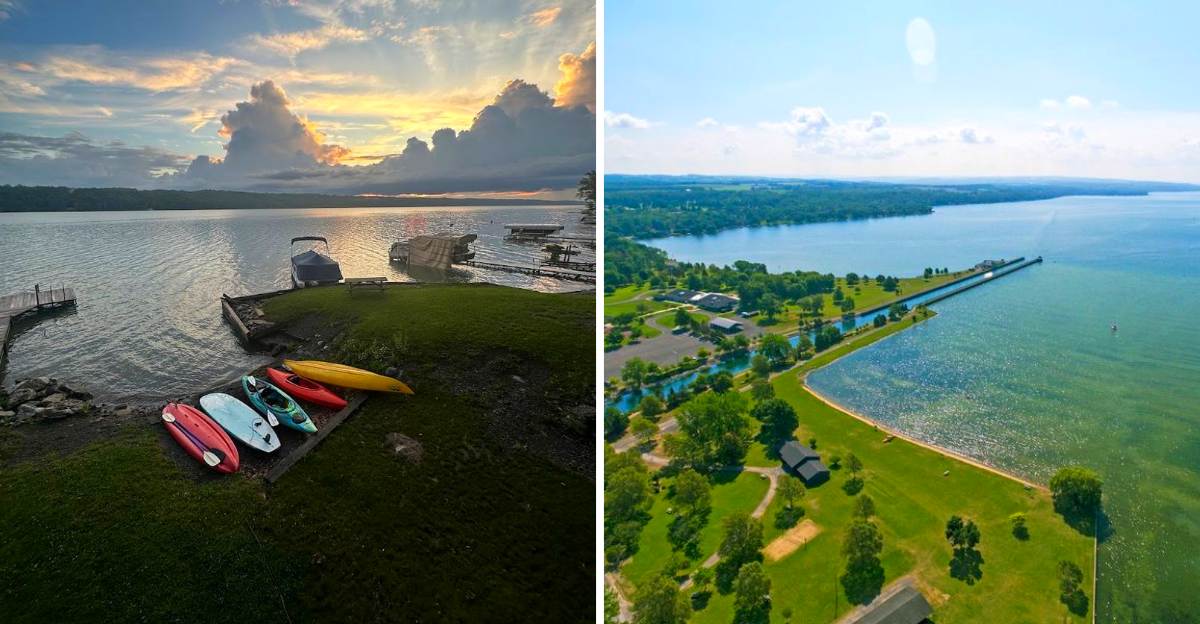
One quiet New York lake in the Finger Lakes region looks exactly like the peaceful postcard everyone expects, calm water and empty shorelines doing their usual thing.
Underneath that surface though, a real fight has been brewing, loud enough now that this once-overlooked lake is landing in headlines across the whole state.
Water quality sits at the center of it all, tangled up with farm runoff and a whole lot of disagreement about who actually gets to make the rules going forward. Farmers see it one way.
Community members see it another. Lawyers and state officials keep getting pulled into a debate that shows no signs of settling down anytime soon.
What used to be a quiet lake nobody outside the region thought twice about has turned into something a lot more complicated, and the outcome here could end up shaping how a lot of other lakes get handled too.
The Lake That Looks Too Pretty To Have Problems

Kayakers loved it. Families rented cottages along its shores. Fishermen came back year after year for the stocked waters.
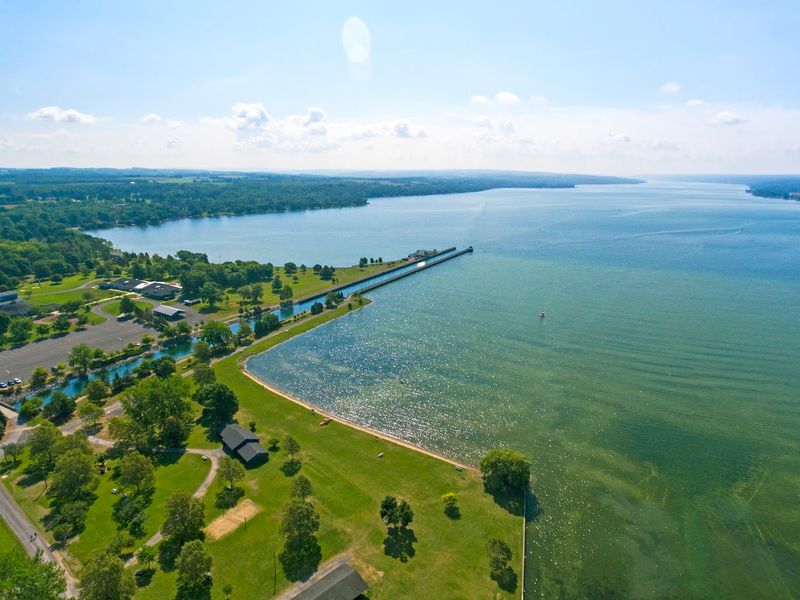
The lake stretches about eleven miles long and sits in Cayuga County. Its north end connects to the city of Auburn, and Emerson Park sits right there offering walking paths, a pier, and open green space.
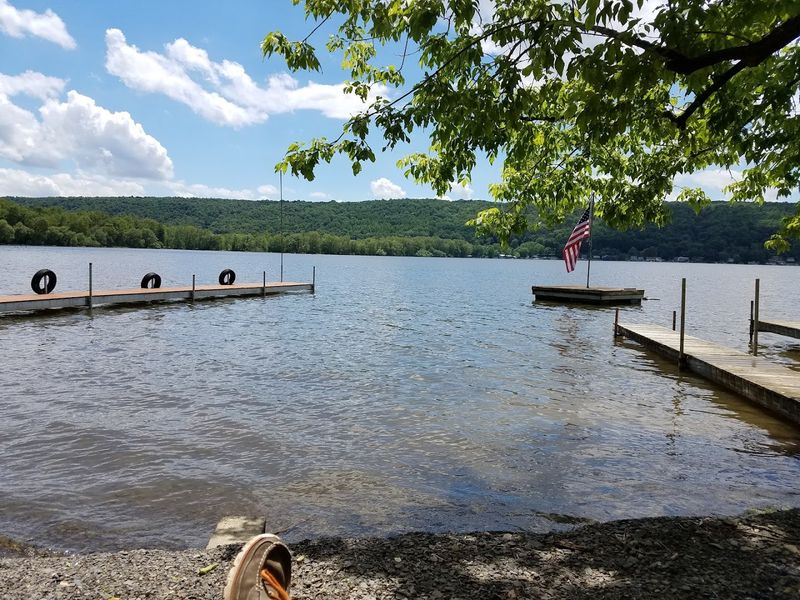
The water has long been described as clear enough to spot fish resting near the bottom on a calm day.
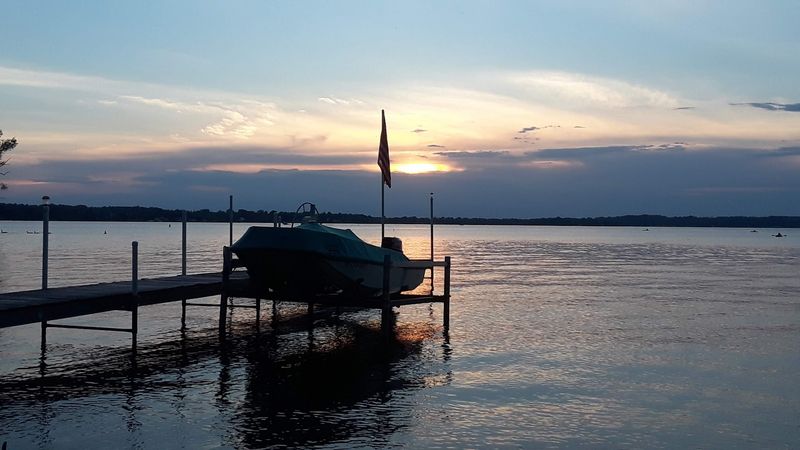
Sunsets over the lake are the kind that make you stop whatever you are doing. The hills roll down to the shoreline in soft curves, and the lake holds the light in a way that feels almost deliberate.
For decades, visitors described it as a hidden gem among the Finger Lakes, a place where the crowds thinned out and the scenery stayed thick. That peaceful reputation, however, is now being tested by something far less picturesque than a golden evening sky.
Owasco Lake And The Debate Putting It On The Map
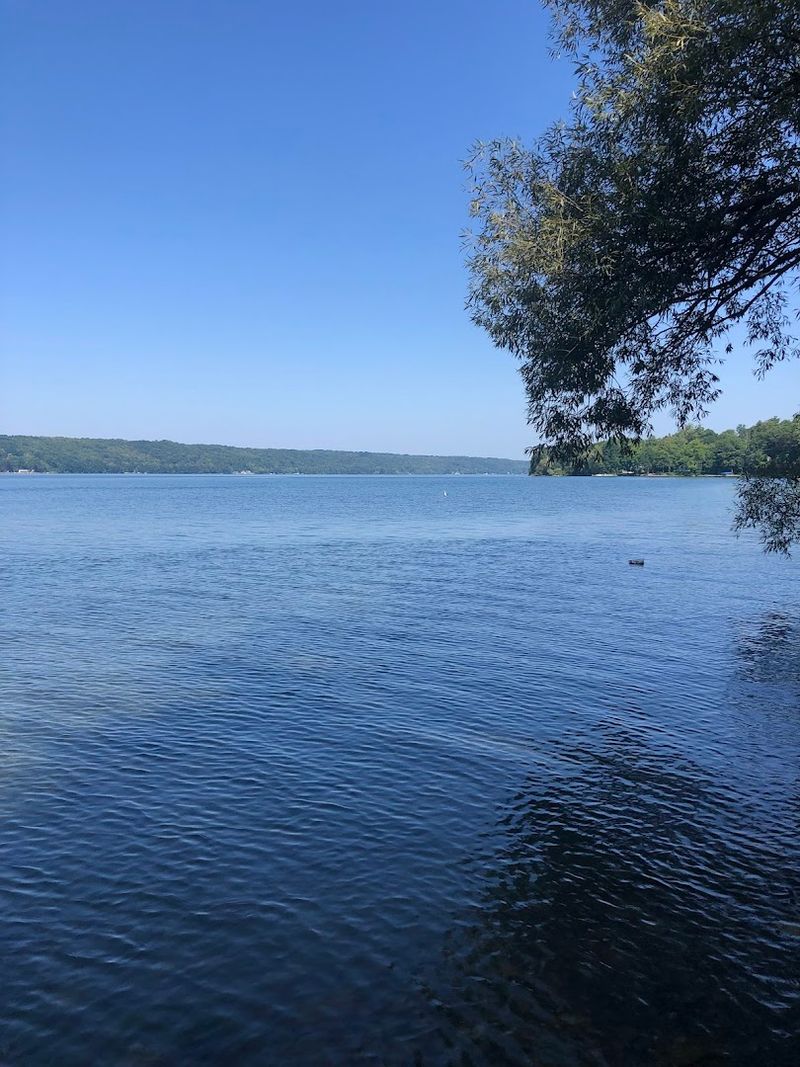
Owasco Lake, found along the coordinates 42.8832 N and 76.5314 W in Cayuga County, New York, is no longer just a recreational destination. Since 2016, the lake has been battling a growing problem with harmful algal blooms, commonly called HABs.
These blooms are not just ugly green patches on the water. They carry toxins that can make people and animals seriously ill.
The lake supplies drinking water to roughly 45,000 residents in the area, including the city of Auburn. That number is not a small detail.
When the water source for tens of thousands of people gets compromised, the conversation stops being about scenery and starts being about survival.
State Senator Rachel May described Owasco Lake as the canary in the coal mine for harmful algal blooms across the entire Finger Lakes region. That phrase carries real weight.
A canary in a coal mine is a warning signal, and in this case, what happens here could predict what happens to other lakes nearby. The debate around Owasco is not just local anymore.
It has pulled in state agencies, environmental law groups, elected officials, and everyday residents who just want clean water coming out of their taps.
Phosphorus, Farms, And A Finger Lakes Flashpoint
Harmful algal blooms do not appear out of nowhere. The science behind them is well established.
Excess phosphorus and nitrogen in the water feed the algae, causing it to multiply rapidly. In Owasco Lake, the primary sources of those nutrients are agricultural runoff from manure and fertilizers, septic systems, developed land, and wastewater treatment facilities.
The watershed that drains into Owasco Lake covers a large area of farmland. When it rains heavily, water carries nutrients off fields and into streams that feed the lake.
Warmer water temperatures linked to climate change make conditions even more favorable for algal growth. The problem compounds year after year.
Farmers in the region are not villains in this story. Many have adopted practices to reduce runoff, and the debate is not simply about blaming agriculture.
The core tension is about who holds the authority to require better practices and enforce them. Local officials in Auburn and the Town of Owasco spent years developing updated watershed rules designed to mandate stronger protections.
The idea was to create clear standards for managing nutrient pollution before it reaches the lake. What happened next turned a local water quality issue into a full-scale legal and political confrontation that few saw coming.
When The State Said No To Cleaner Water
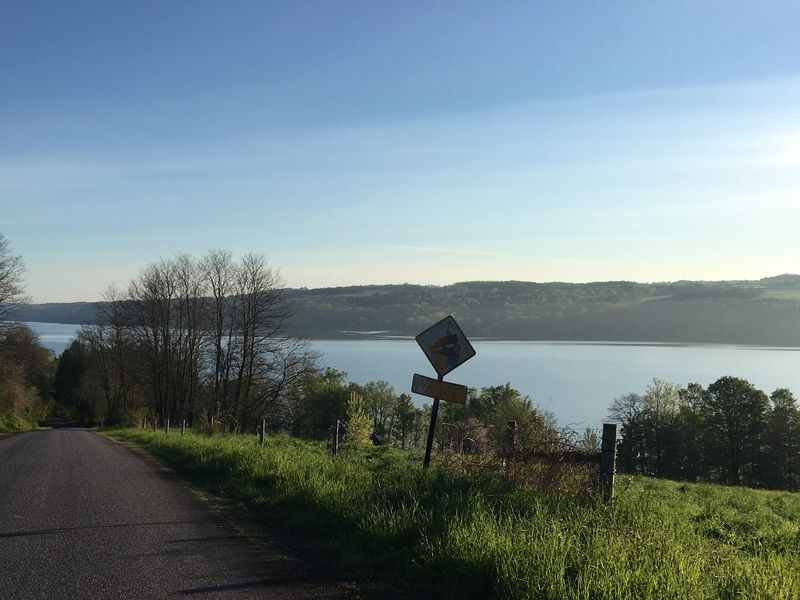
In July 2024, the New York State Department of Health made a decision that stunned local officials and environmental advocates.
After years of effort by the City of Auburn, the Town of Owasco, and the Owasco Watershed Lake Association, the DOH rejected the proposed new watershed rules and regulations.
The agency stated the new rules were simply not necessary to ensure safe drinking water.
No supporting data accompanied that decision. No scientific evidence was offered to explain why stricter protections were being turned down for a lake already experiencing worsening algal blooms.
Local leaders were left without answers and without recourse through the normal regulatory process.
That rejection did not end the conversation. It accelerated it.
Two separate Article 78 lawsuits were filed against the DOH by the City of Auburn, the Town of Owasco, and the Owasco Watershed Lake Association.
An Article 78 proceeding is a legal tool under New York law used to challenge government decisions that appear to be arbitrary or unlawful.
Filing two of them over the same issue signals how serious local officials considered the situation. The DOH’s refusal became the spark that turned a long-running water quality concern into an active legal battle with statewide implications for environmental governance.
Courts Step In Where Regulators Stepped Back
Courts do not always move fast, but when they do, the results can reshape an entire debate. In May 2025, the Albany Supreme Court ruled in favor of the local entities that had challenged the DOH’s refusal.
The court confirmed that the Department of Health does in fact have the authority to adopt watershed rules and regulations. Calling the agency’s claim otherwise an error of law, the court also described the decision as arbitrary and capricious.
Two months later, in July 2025, a second New York court sided with local governments in the follow-up lawsuit filed in November 2024. That ruling ordered the state to work cooperatively with local officials on developing meaningful safeguards.
The court went further, describing the DOH’s denial of new regulations as contrary to all relevant science.
Back-to-back court losses for the state agency sent a clear message. Scientific consensus and local authority matter in water protection decisions.
Earthjustice, the nonprofit environmental law organization, provided legal representation for local communities throughout these proceedings. Their involvement elevated the profile of the case nationally.
New York’s constitution now includes a right to clean water and a healthful environment, approved by voters in 2021, and advocates argue the DOH’s actions directly violated that right.
45,000 People And One Very Important Lake
Numbers tell stories that words sometimes cannot. Roughly 45,000 residents of Cayuga County depend on Owasco Lake as their primary source of drinking water.
That group includes the population of Auburn, one of the region’s main cities. When harmful algal blooms reach toxic levels, the water treatment process becomes more difficult and more expensive.
At its worst, it can become temporarily unsafe. Local officials have described the situation with urgency. The lake is not just a recreational backdrop.
It is critical infrastructure. Protecting it is not an environmental luxury but a public health necessity.
That framing has helped shift the conversation from a niche environmental debate to something with broader civic resonance.
Community activists have organized around the issue, attending public meetings, supporting legal efforts, and keeping pressure on state agencies.
The Owasco Watershed Lake Association has been particularly active, partnering with the City of Auburn and the Town of Owasco on both the regulatory proposals and the legal challenges.
Stream restoration projects along the Owasco Inlet are ongoing, and water quality monitoring continues throughout the year.
Cayuga County legislators have also raised pointed questions about how environmental data gets turned into actual policy, pushing for more accountability at every level of government involved in the lake’s future.
Climate Change Adds Fuel To An Already Hot Debate
Warmer summers are not just uncomfortable. They are actively changing how lakes behave.
Rising water temperatures create ideal conditions for algae to grow faster and spread further. Owasco Lake has felt this shift in a measurable way since the blooms began intensifying around 2016.
Climate change does not cause harmful algal blooms on its own, but it acts like gasoline on an already burning situation.
Heavier rainfall events, which have become more frequent in upstate New York, wash more nutrients off the land and into the watershed in shorter windows of time. The lake does not get a chance to recover between events.
Monitoring data shows the blooms appearing earlier in the season and lasting longer than they used to.
There is also a newer concern drawing attention. Data centers that discharge warmer water into the lake could contribute to what is called heat pollution.
Warmer intake water speeds up biological processes, including algal growth. Cayuga County legislators have begun asking serious questions about how that kind of discharge is monitored and regulated.
The intersection of industrial activity, climate patterns, and agricultural runoff creates a challenge that no single policy fix can fully address.
Managing Owasco Lake now requires coordination across multiple sectors, and that complexity is part of what makes the debate so heated.
Why Owasco Lake Still Deserves A Visit

All of this debate should not overshadow what makes Owasco Lake genuinely worth experiencing.
The lake remains one of the most visually striking bodies of water in the Finger Lakes chain, and Emerson Park on its northern shore is a wonderful place to spend an afternoon.
The park offers a long pier for walking, open lawns, and easy water access for kayaking and paddleboarding.
Boating and fishing remain popular activities throughout the warmer months. The lake is stocked with fish annually, and the surrounding area offers quiet roads perfect for cycling or driving through the countryside.
Springside Inn nearby has earned a reputation for warm hospitality and a genuinely good meal in a setting that feels rooted in upstate New York character.
Visiting Owasco Lake right now means becoming part of a bigger story. Travelers who care about environmental issues will find a community actively fighting for the future of this water.
The local energy is real, the cause is meaningful, and the landscape is still breathtaking. Supporting local businesses around the lake and staying informed about the ongoing debate is one of the most engaged ways to travel.
Owasco Lake is proof that the most important places are often the ones that need the most attention, and the most love.