
This Quiet Tennessee Delta City Is Packed With Music History And Southern Charm
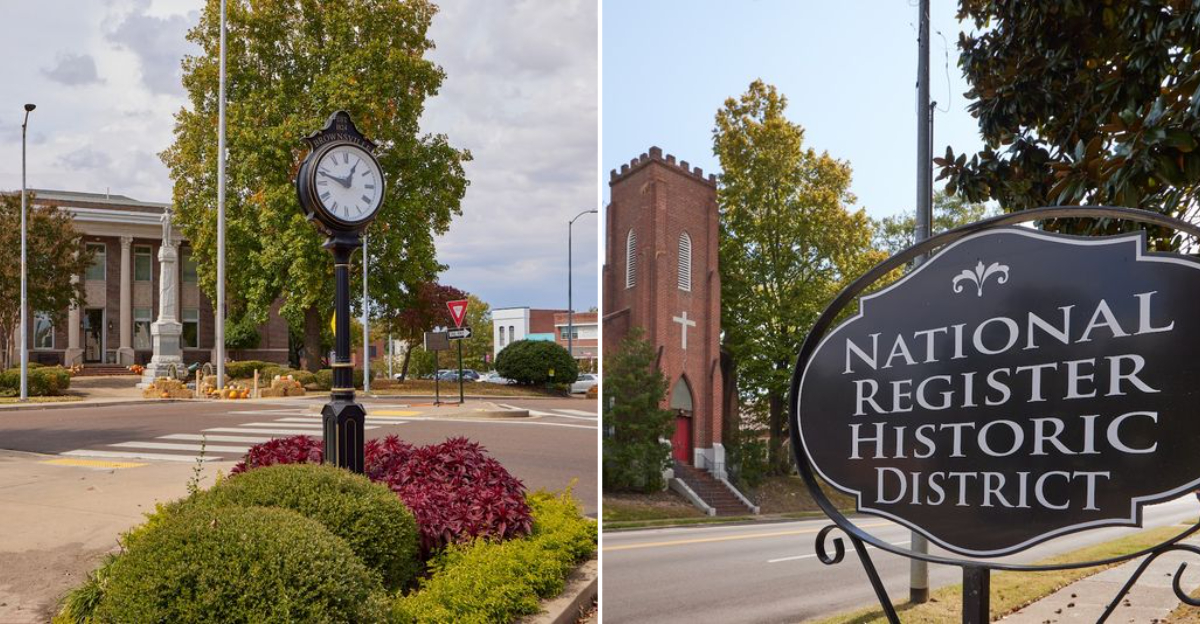
Music history settles into certain cities the way weather settles into a valley, completely and without any intention of leaving. This quiet Tennessee delta city absorbed decades of sound and never quite let any of it go.
Southern charm here is not performed for visitors or maintained for tourism purposes. It grew alongside the music, woven into the architecture and the pace of a place that never needed to announce what it was.
First-time visitors arrive expecting a quick look around and leave having revised the entire itinerary. Something about the combination of history, atmosphere, and genuine character departs feels premature regardless of how long the stay actually lasted.
Cities this complete rarely remain quiet for long once the right people start talking. This one has managed it so far, holding onto both its music legacy and its unhurried personality with equal conviction.
Historical Roots Of Tennessee Delta Music
This city is not just a dot on the Tennessee map. It is the birthplace of one of the biggest music icons in history, Tina Turner.
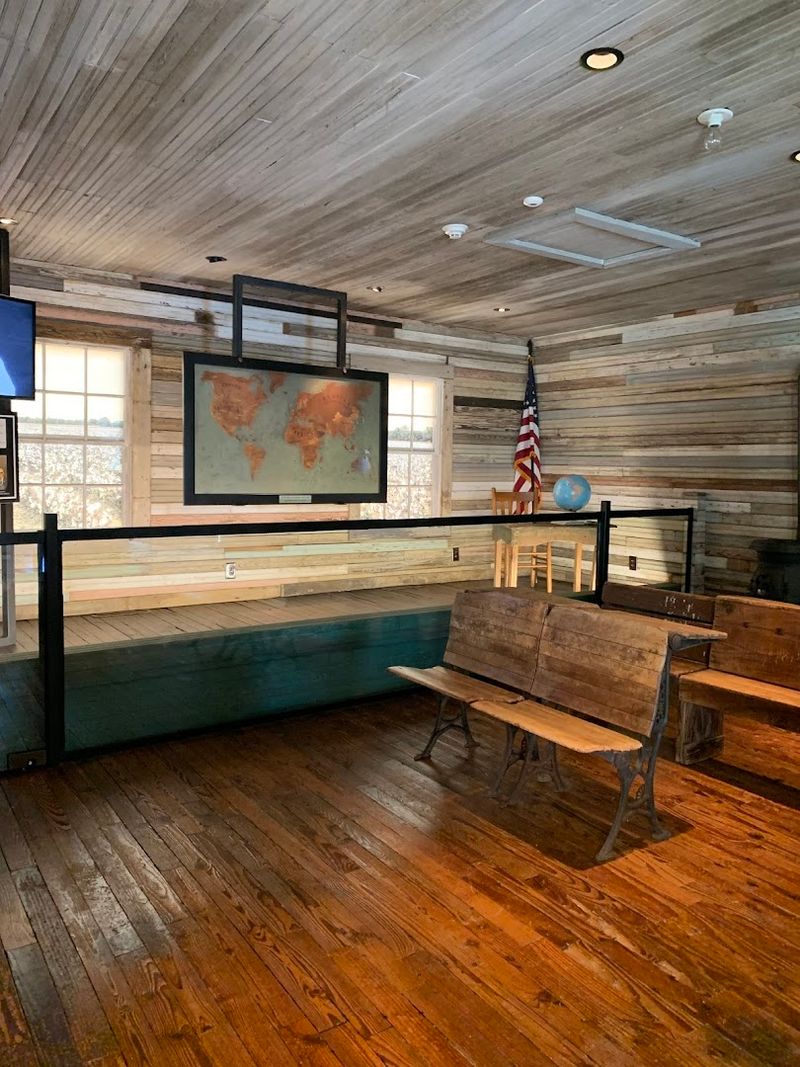
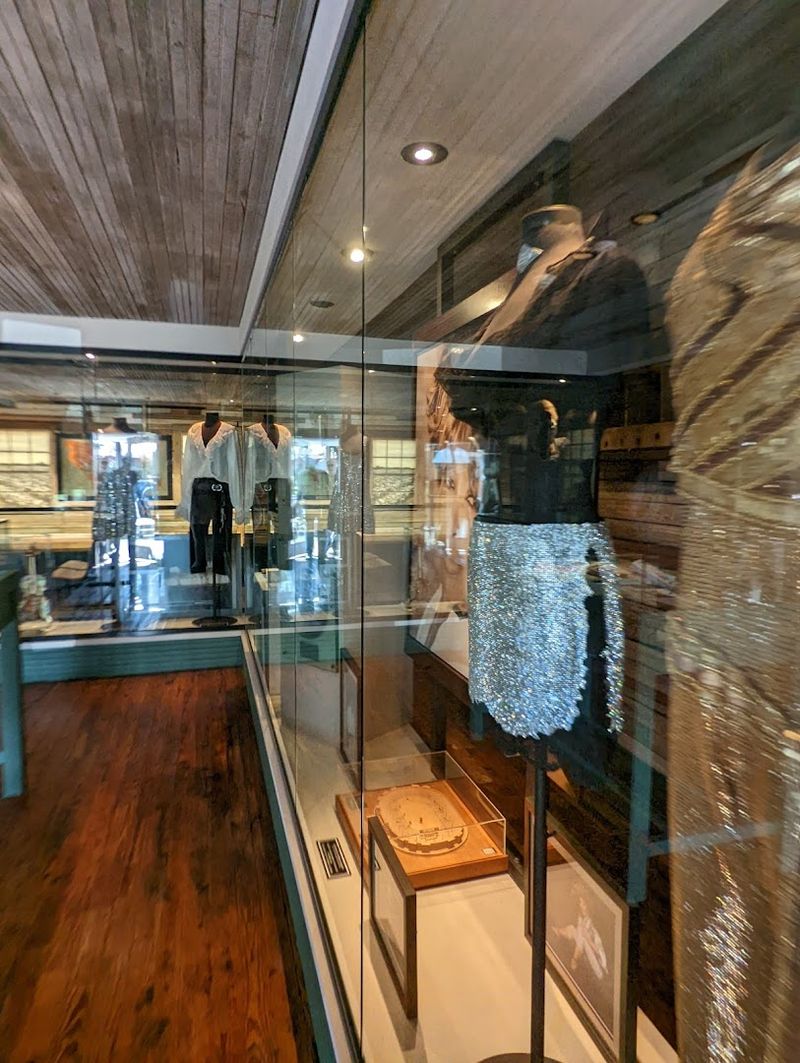
The West Tennessee Delta Heritage Center holds the world’s only Tina Turner Museum, set inside her actual childhood schoolhouse, Flagg Grove School.
Walking through that schoolhouse is wild. You are standing where a future global superstar once sat at a tiny desk.
The center also preserves the last known home of blues legend Sleepy John Estes, a man whose guitar playing shaped American music in the early 20th century.
Hammie Nixon and Yank Rachell also called Brownsville home. These blues pioneers helped create a sound that traveled far beyond West Tennessee.
Gospel legend Rev. Clay Evans grew up here too, adding another layer to the city’s musical identity.
The annual Exit 56 Blues Fest happens every Memorial Day weekend and draws music lovers from across the region. The Hatchie Bottom Bluegrass Jamboree is another crowd favorite.
Summer brings the weekly Live on the Lawn concert series and the Tina Turner Heritage Days celebration.
The Brownsville Amphitheater in the historic downtown area hosts concerts and community events year-round. This is Brownsville, Tennessee 38012, a city where the music never really stopped.
It just got louder with each generation.
Architectural Influences In Southern Communities
Brownsville was founded in 1824, and the architecture around the city makes sure you never forget that. The College Hill Historic District is one of the best places to see what Southern building styles looked like before modern construction took over everything.
Old homes line the streets with wide porches and tall columns. These are not replicas or renovations done for tourists.
Many of these structures have been standing for nearly two centuries, which is honestly impressive given Tennessee weather.
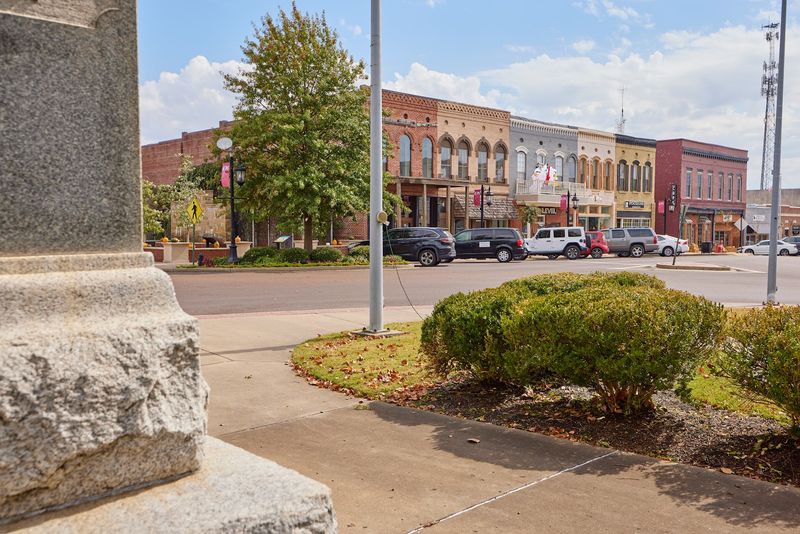
The historic Courthouse Square sits at the center of downtown and anchors the whole community. Historical markers are placed throughout the square, each one telling a piece of the city’s long story.
It is the kind of place where you read one marker and end up staying an hour longer than planned.
Temple Adas Israel stands as the oldest continually operating synagogue in all of Tennessee. That fact alone stops most visitors in their tracks.
It is a reminder that Brownsville’s cultural layers go far beyond what most people expect from a small Southern city.
White Raven Manor adds a touch of elegance to the mix with its stately design. The variety of architectural styles across Brownsville tells a story of different communities building their lives here over generations. Every building has a reason it is still standing.
Local Festivals Celebrating Cultural Traditions
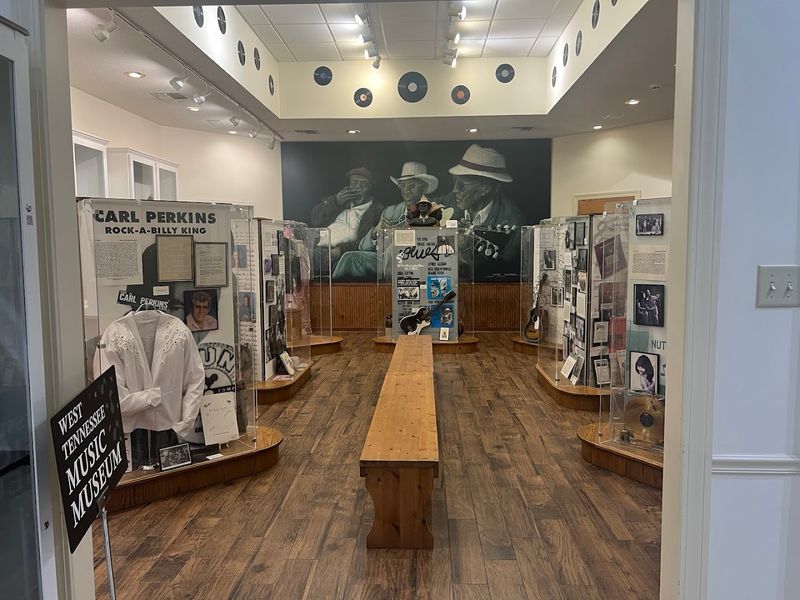
This place knows how to throw a festival. The Exit 56 Blues Fest is probably the most well-known event, happening every Memorial Day weekend.
Blues musicians take the stage, the crowd fills in, and the whole city feels electric for a few days straight.
The Hatchie Bottom Bluegrass Jamboree brings a totally different energy. Banjos, fiddles, and flat-top guitars fill the air with a sound that feels rooted and real.
It is the kind of music that makes you want to sit on a lawn chair and just listen for hours.
Summer weekends are busy here. The Live on the Lawn concert series runs weekly outdoors and gives locals a regular reason to gather.
Tina Turner Heritage Days is a full weekend celebration honoring the city’s most famous daughter with music, community events, and plenty of local pride.
Serendipity Brownsville’s Venue and Resort also hosts seasonal events that bring families together. From camping to waterpark fun to live entertainment, it adds another layer to the city’s festival culture.
There is always something happening if you know where to look.
Festivals here are not just entertainment. They are how Brownsville keeps its cultural identity alive and passes it on to younger generations.
The music, the food, and the people all show up together, and that combination is hard to beat.
Culinary Delights Unique To Tennessee Region

Helen’s Barbecue is the place everyone talks about when food comes up in Brownsville. Some people call it the best barbecue in all of Tennessee, and that is not a small claim in a state full of serious pit masters.
The smoke hits you before you even open the door.
West Tennessee barbecue has its own identity. It leans toward slow-cooked pork with a vinegar-forward sauce that is thinner than what you find in other regions.
The flavor builds slowly and sticks with you long after the meal is done. It is not flashy.
It is just really good.
Southern cooking in Brownsville goes beyond barbecue, though. The broader food culture here reflects the agricultural roots of Haywood County.
Fresh vegetables, field peas, cornbread, and slow-cooked meats show up on plates across the area. This is comfort food in its most honest form.
Local diners and small family-run spots carry recipes that have been around for decades. Nobody is reinventing the wheel here.
They are just making the wheel really well, which is exactly what great regional food should do.
Eating in Brownsville feels like a cultural experience, not just a meal stop. The flavors connect directly to the land, the history, and the people who have called this part of Tennessee home for generations.
Food here has a story behind every bite.
Nature Trails And Outdoor Recreational Spots

The Hatchie National Wildlife Refuge is one of the most impressive natural spaces in West Tennessee. The Hatchie River flows through it as one of the last unchannelized rivers in the entire Mississippi Delta region.
That means it moves the way rivers are supposed to move, naturally and freely.
Cypress groves line the riverbanks and create a landscape that looks almost prehistoric. Bald eagles are regular visitors here.
Spotting one overhead while you are out on a kayak is the kind of moment that makes you put your phone down for once.
Fishing and wildlife viewing are popular activities along the refuge. The river and its surrounding wetlands support a wide range of species.
Birders especially love this area because the habitat draws species that are rare in other parts of the state.
Webb Banks Passive Park offers a gentler outdoor option right in city. Walking trails wind through the park, and a small waterfall adds a peaceful backdrop.
Water lilies float across the surface of the pond and give the whole place a calm, unhurried feel.
Serendipity Brownsville also provides outdoor recreation with camping and a waterpark on site. Whether you want a quiet trail walk or a full day on the water, Brownsville delivers without requiring a long drive to find it.
Nature here is genuinely accessible and worth the visit.
Artisan Shops Showcasing Handmade Crafts
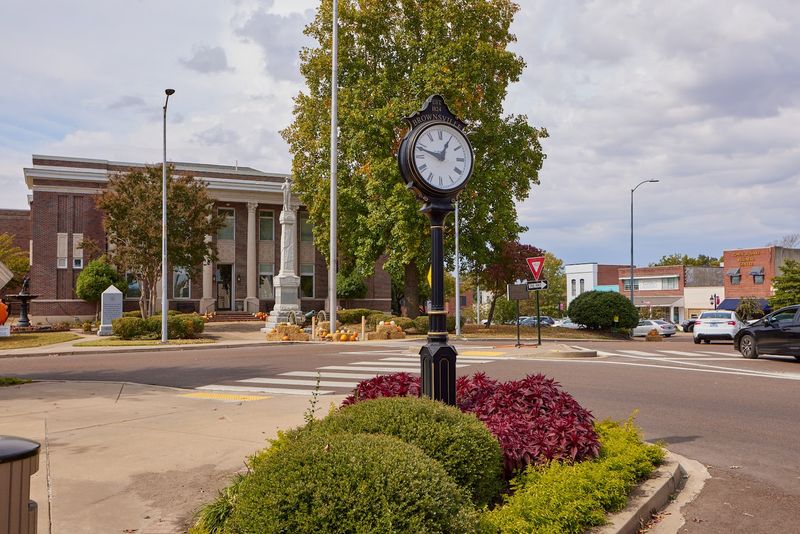
Downtown Brownsville has a creative side that surprises first-time visitors. The shops around Courthouse Square carry locally made goods that reflect the craftsmanship traditions of West Tennessee.
You are not going to find mass-produced items filling every shelf here.
Handmade pottery, quilted textiles, folk art, and woodwork show up regularly in the local shops. Many of these items are made by artisans who have been working their craft for years.
The skill level is evident the moment you pick something up and actually look at it.
Southern craft traditions run deep in this part of Tennessee. Quilting, in particular, has a long history tied to the African American community in Haywood County.
Patterns passed down through families carry meaning beyond decoration, and you can feel that weight when you see them displayed.
Shopping in Brownsville is not a rushed experience. Store owners tend to know the makers personally and can tell you the story behind almost every item.
That kind of connection between product and person is rare and genuinely worth slowing down for.
The creative energy in the city also connects to the broader arts scene supported by local events and community spaces. Brownsville does not have a massive arts district, but what it does have feels intentional and authentic.
Every piece for sale carries a little piece of the city’s identity with it.
Community Stories Passed Through Generations
Brownsville has produced some remarkable people, and the city remembers all of them. The Haywood County Museum is one of the best places to get familiar with local history and the figures who shaped it.
Exhibits cover everything from early settlement to the achievements of famous residents.
Richard Halliburton was born in Brownsville and became one of the most adventurous travel writers of the 20th century. He swam the Panama Canal, climbed the Matterhorn, and crossed the Sahara on an elephant.
The man was not content sitting still, and Brownsville is proud of that restless spirit.
NBA legend Tony Delk also has roots here. His basketball career is part of the local story, and his name comes up with genuine pride when community members talk about where Brownsville talent has traveled.
The Dunbar-Carver Museum focuses specifically on African American heritage in Haywood County. It chronicles the history of Dunbar-Carver County Training Carver High School and the community that formed around it.
These stories are essential to understanding the full picture of Brownsville’s past.
Oral history is alive in Brownsville, too. Neighbors share stories about the city’s past at festivals, in museums, and on front porches.
Generations of families have kept these accounts going through conversation and community memory. That living tradition is something no exhibit can fully replace, but Brownsville tries its best to honor it.
Preservation Efforts For Regional Landmarks
Preservation is serious business in Brownsville. The West Tennessee Delta Heritage Center stands as the most visible example of what thoughtful restoration can accomplish.
Flagg Grove School was moved and restored to serve as the Tina Turner Museum, giving the building a second life with global significance.
The Sleepy John Estes home was also preserved as part of the Heritage Center’s mission. Estes was a blues legend whose music influenced countless artists, and his home now serves as a tangible connection to that history.
Keeping it standing was an act of cultural commitment.
Temple Adas Israel has been maintained as an active place of worship since the 19th century. Its continued operation makes it the oldest synagogue still in service in Tennessee.
That kind of unbroken continuity is rare and takes real community dedication to sustain over that many decades.
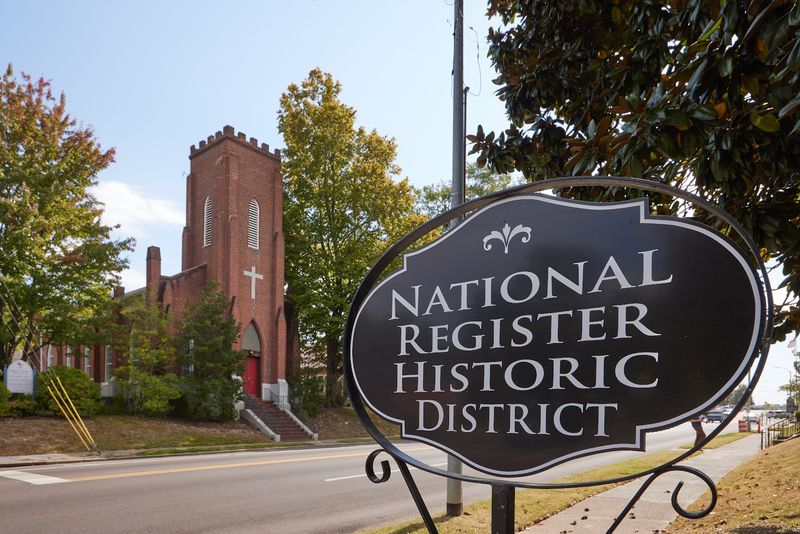
The College Hill Historic District protects a collection of antebellum and post-Civil War homes that define the architectural character of the city.
Listing these properties ensures they cannot simply be demolished to make room for something newer and cheaper. The district keeps the visual history of Brownsville intact.
Historical markers throughout Courthouse Square work as an outdoor preservation effort, keeping stories visible in public space. Each marker represents a decision to remember rather than forget.
Brownsville’s approach to preservation is practical, consistent, and clearly driven by community pride rather than outside pressure.